Revolutionizing Health Care: 3D Printing in Saudi Arabia
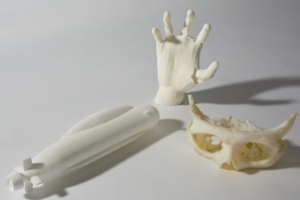 3D printing is transforming health care practices across Saudi Arabia. As a regional leader in medical innovation, the country is using 3D printing to advance its health care system. Producing medical devices such as prosthetics, dental implants and surgical tools allows for personalized and cost-effective treatments.
How 3D Printing Is Improving Health Care in Saudi Arabia
- Lowering the cost of medical care. Saudi Arabians have access to free government-funded health care, but this doesn’t extend to expatriates. Expats, individuals living outside their home countries, make up more than 13 million of the nation’s 38 million residents. Nearly half the population relies on private insurance, either paid out of pocket or provided by employers. 3D printing helps lower the cost of essential medical devices such as prosthetics and surgical tools. By producing these items locally, hospitals reduce their reliance on expensive imports, making treatment more affordable for patients.
- Accessibility. 3D printing in Saudi Arabia is expanding health care access to rural communities. While 85% of the population lives in urban centers like Riyadh, Jeddah and Mecca, the remaining 15% reside in rural areas with limited access to medical services. This unequal access to health care is partly due to a shortage of health care workers. As of 2023, Saudi Arabia needs 15,000 doctors and 20,000 nurses to meet health care demands. Most medical workers are concentrated in urban areas, leaving rural communities underserved. The government program Saudi Vision 2030 seeks to rectify this injustice through its initiatives in 3D printing to localize manufacturing. Instead of having access to supplies needed for specialized care in one hospital in an urban area, 3D printing would make it possible for any medical facility to produce the supplies needed for each patient.The free medical care for citizens also contributes to a lack of quality in the care provided. Public hospitals and clinics are overcrowded and understaffed, resulting in long wait times. 3D printing will help medical staff save time and improve patient care by providing immediate access to the tools they need.
- Personalizing patient care. Saudi Vision 2030 concentrates on customized prosthetics, surgical tools and medical devices. Traditionally, these items are imported in bulk using a one-size-fits-all approach, which is costly and often results in poor patient fit. Even low-cost 3D printers can produce splints and other basic medical equipment at a fraction of the cost. Widespread access to 3D printing could expand health care access for low-income individuals, including those not protected by minimum wage laws.
Conclusion
3D printing in Saudi Arabia is set to improve public health further as technology advances. Saudi Vision 2030 promises a future of personalized medical care for all, whether low-income, an expat or from a rural area. Sickness doesn’t discriminate and soon, neither will access to affordable health care in Saudi Arabia.
– Sydney Uhl
Sydney is based in Vancouver, WA, USA and focuses on Good News and Technology for The Borgen Project.
Photo: Flickr
