• Link to X
  • Link to Facebook
  • Link to Instagram
  • Link to TikTok
  • Link to Youtube
  • About
    • About Us
      • President
      • Board of Directors
      • Board of Advisors
      • Financials
      • Our Methodology
      • Success Tracker
      • Contact
  • Act Now
    • 30 Ways to Help
      • Email Congress
      • Call Congress
      • Volunteer
      • Courses & Certificates
      • Be a Donor
    • Internships
      • In-Office Internships
      • Remote Internships
    • Legislation
      • Politics 101
  • The Blog
  • The Podcast
  • Magazine
  • Donate
  • Click to open the search input field Click to open the search input field Search
  • Menu Menu

Archive for category: Global Poverty

Key articles and information on global poverty.

Global Poverty, Poverty

Ebbs and Flows: Rise of Poverty in France

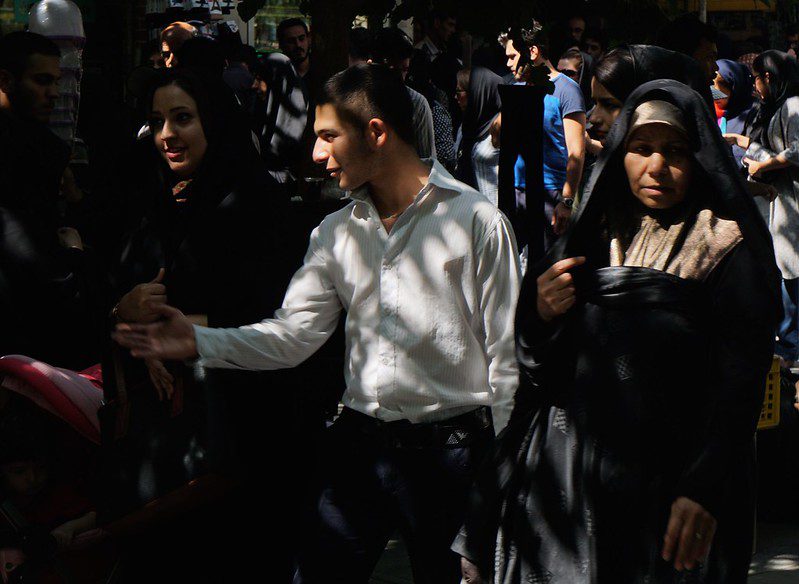
Poverty in FranceFrance has historically been a paragon of development for the world. Historically, it has prospered economically, culturally, militarily and internationally. Despite all of this, despite the grandeur of the country’s past, France has struggled with poverty. For centuries, the poverty rate diminished, dwindled and sank between the folds of society. However, as of 2025, the issue has reemerged.

The poverty rate in France has climbed to 15.4%, the highest recorded since 1996. Wealth disparity is also widening, with a striking 20% gap between the richest and the most impoverished. This marks a steady rise from 14.4% in 2022. In 2025 alone, around 665,000 people fell into poverty. Poverty has reemerged in this developed nation, lingering like a persistent spectre of domestic hardship.

Context

The median standard of living has stagnated and relative prosperity persists despite inflation, governance and quality of life shifts. Meanwhile, the neediest segment of France has faced a steady decline in living conditions over the past decade, closely linked to cuts in housing benefits. Child poverty has also surged, with one in five children now living in destitution, largely due to housing reforms that disproportionately impacted single-parent households. In 2021, 22.8% of children were at risk of social exclusion, which remains unchanged. Many of these issues are the residual effects of policies enacted during the COVID-19 pandemic.

These issues disproportionately affect migrants and their children compared to native French citizens. This disparity is primarily attributed to limited educational attainment, as many immigrants lack the formal qualifications held by their native counterparts. Additionally, scholars suggest that persistent poverty among immigrants is partly driven by language barriers, particularly the inability to communicate effectively in French. However, this issue extends beyond France’s immigrant population. Anyone below the poverty line faces the harsh reality of soaring inflation outpacing stagnant wages.

In addition, the Russian-Ukrainian War and subsequent European sanctions on Russian oil have driven up energy prices across France, with devastating consequences for many residents. As utility costs climb, more people cannot cover their bills, leading to evictions or entrapment in cycles of debt. Manuel Domergue, Director of Studies at the Foundation for Housing the Disadvantaged, noted: “Electricity and gas cuts for nonpayment are skyrocketing, the number of people who say they are cold in their homes has almost doubled and we are seeing a sharp rise in evictions.”

Solutions

In 2022, France passed a law raising the retirement age from 62 to 64, which worsened elderly poverty. However, numerous French political parties have called for repealing or reversing this law to ease the burden on an already vulnerable population. Alongside proposals to lower the retirement age, many parties also advocate expanding benefits for retirees. These initiatives aim to align pension payments more closely with the absolute poverty threshold.

Furthermore, in November 2024, France’s new minimum wage policy came into effect, raising the Salaire Minimum Interprofessionnel de Croissance (SMIC) by 2%. This adjustment aimed to offset the rising cost of living and rampant inflation, particularly affecting low-income earners. The government emphasized that the increase was part of a broader effort to narrow the income gap and strengthen social protections for vulnerable workers.

To address the surge in energy prices, the Energy Regulatory Commission (CRE) implemented a regulation to reduce the electricity sales tax. This measure is expected to lower monthly utility costs for a broad segment of French households.

Conclusion

France is suffering from increased poverty for several reasons, but all hope is not lost. With a robust social welfare and security foundation, France can alleviate these issues through substantial reform and reinforcement. The battle against poverty is being fought within the halls of the National Assembly and Senate by many political parties. Reaffirming historic social welfare policies will relieve many issues.

– Jackson Hufman

Jackson is based in Glenwood, MD, USA and focuses on Politics for The Borgen Project.

Photo: Flickr

July 24, 2025
https://borgenproject.org/wp-content/uploads/borgen-project-logo.svg 0 0 Lynsey 2 https://borgenproject.org/wp-content/uploads/borgen-project-logo.svg Lynsey 22025-07-24 03:00:382025-07-24 02:22:52Ebbs and Flows: Rise of Poverty in France
Developing Countries, Global Poverty, Refugees, Refugees and Displaced Persons

Empowering Refugees in Kenya Amid Poverty

Empowering Refugees in KenyaKenya has launched several groundbreaking initiatives to empower refugees in Kenya and reduce long-term poverty and dependency. As of 2025, according to the Operational Data Portal, the total number of refugees and asylum-seekers in Kenya is 854,876, with the majority coming from Somalia (54%).

According to the Hebrew Immigrant Aid Society, economic constraints, bureaucracy, little refugee engagement and little infrastructure hinder the improvement of empowering refugees in Kenya. However, despite struggles, initiatives have continued to progress.

Transforming Camps Into Municipalities

In March 2025, according to the Ministry of Interior and National Administration, President William Ruto unveiled the ambitious “Shirika Plan.” This signals a paradigm shift in empowering refugees in Kenya. Inspired by the Swahili word for “cooperation,” this 11-year initiative aims to integrate refugee camps into formal municipalities, notably Kakuma and Dadaab.

With more than 830,000 refugees across Kakuma, Dadaab and urban zones, the plan’s initiative marks a historic step toward sustainable, development-led inclusion. According to the Ministry of Interior and the National Administration, some of the key components include:

  • Ensuring refugees access national services such as education, health care and financial systems alongside Kenyans.
  • Issuing the Kenya Education Management Information System school registration and the Social Health Insurance Fund enrollment.
  • Streamlined service delivery under the Turkana and Garissa county administrations.
  • A projected budget of around $943 million, overseen by a multi-agency steering committee.

Microloans for Refugees and Hosts

In February of 2024, Equity Bank, with backing from the International Finance Corporation (IFC), launched a $20 million risk-sharing facility. According to Equity Group Holdings, this is aimed at expanding unsecured microloans to refugees and host-community entrepreneurs across 14 counties, all empowering refugees in Kenya. This marks the world’s first such dedicated facility for forcibly displaced individuals.

Some of the major highlights of the facility, according to Equity Group Holdings, include:

  • Covering 50% of the risk exposure.
  • Financial literacy and agribusiness capacity-building delivered via Equity Group Foundation.
  • Projecting 25 million new jobs to empower refugees in Kenya by 2030.

Equity Group CEO James Mwangi underlined the initiative’s goal of transforming lives, dignifying refugees and fostering wealth creation.

Scaling Refugee Entrepreneurship

Rwanda-founded social enterprise Inkomoko has played a transformative role in supporting refugee and host-community entrepreneurs in Kenya. According to the organization, its support model has:

  • Served more than 12,00 clients and deployed more than $6 million in capital.
  • Helped create more than 2,500 jobs.
  • Supports more than 4,000 entrepreneurs annually, delivering business advisory, training and low-interest loans.

Examples illustrate the real impact, such as tailor Adele Mubalama, who grew her Kakuma-based business to employ 26 people and earn approximately $8,300. Similarly, according to Finance Commerce, former Ethiopian soldier Mesfin Getahun expanded his “Jesus is Lord” retail chain using a $115,00 loan from Inkomoko.

“We find that refugee business owners actually have the characteristics that make world-class entrepreneurs,” Inkomoko runner Julienne Oyler said, reporting on Finance Commerce.

Digital and Leadership Empowerment via Amahoro Coalition

Founded by Isaac Kwaku Foku, the Amahoro Coalition champions digital inclusion and leadership among refugees. Some highlights, according to the Kenya Private Sector Alliance (KEPSA), include:

  • 2022 partnership with Kenya’s Aijira Digital Program to enable Kakuma and Dadaab residents to work online, delivering business solutions to Kenyan companies via digital platforms.
  • Offering digital training free of charge to help transition to online jobs.

Mandating the country a “digital freelancing hub” supporting youth in accessing jobs online. Additionally, in June 2024, Amahoro launched a 12-month mentorship program for women with lived displacement experience within the Amahoro Fellowship. Amahoro is moving refugees beyond humanitarian aid toward genuine economic participation and leadership by merging digital capacity-building, mentorship and private-sector engagement.

Rights, Resources and the Road Ahead

While these strides signal hope, key challenges remain. Refugees still lack full freedom of movement and citizenship rights, limiting mobility and economic opportunity. Camp schools run at 300% capacity and water sanitation infrastructure remains inadequate.

Observers warn that prioritizing livelihoods over rights could jeopardize long-term inclusion. Broader legal protections and clear citizenship pathways are still urgently needed. 

– Clarissa Dean

Clarissa is based in Bowling Green, KY, USA and focuses on Good News and Celebs for The Borgen Project.

Photo: Flickr

July 24, 2025
https://borgenproject.org/wp-content/uploads/borgen-project-logo.svg 0 0 Lynsey 2 https://borgenproject.org/wp-content/uploads/borgen-project-logo.svg Lynsey 22025-07-24 03:00:122025-07-24 02:34:27Empowering Refugees in Kenya Amid Poverty
Agriculture, Economy, Global Poverty

Seaweed in Indonesia: How a Plant Can Reduce Poverty

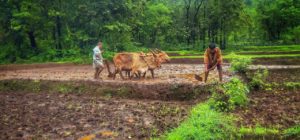
How Poverty Is Being Reduced by Seaweed in IndonesiaSeaweed is becoming a growing industry globally and Indonesia has become the second-largest seaweed producer in the world. Located between the Indian and Pacific oceans, Indonesia comprises more than 17,000 islands, making its vast coastlines a prime location for growing seaweed. Indonesia sits within the world’s largest archipelago, making seaweed production a year-round industry. The country has centered its economy around this sector, which has helped boost its GDP.

How Seaweed Reduces Poverty in Indonesia

Global demand for seaweed is rising as the product gains recognition for its low cultivation cost and short production time and Indonesia’s exports are expected to continue climbing. With more than 267,000 families depending on seaweed farming for income, the industry has become vital to the region. The industry is generating employment, allowing the economy to grow at a time when other job opportunities along the coastlines have become scarce. It also provides an alternative food source for people in the region, aligning with the United Nations (U.N.) Sustainable Development Goals (SDGs). 

Indonesia’s Economy

Indonesia’s economy has experienced ups and downs throughout its history, but it has recently been undergoing a period of growth. The country has employed macroeconomic policies, focusing on creating better jobs within the middle class that will lead to improved standards of living. 

One of the markets responsible for Indonesia’s economic growth is seaweed. Indonesia’s seaweed production capacity is second only to China’s. It has become an industry that is integral to the many coastal communities in the country, where these families depend on seaweed farming to live. As a result, seaweed farming in Indonesia has helped reduce poverty and bolster economic growth. 

Seaweed from Indonesia is gaining global popularity, creating a higher demand for the product. The country’s trade exports have steadily increased, contributing to economic growth. This growth is largely due to the rising value of the seaweed trade and Indonesia’s consistently lower price per ton compared to competitors, giving the country an opportunity to increase its economic gains and invest further in infrastructure.

Current Challenges

The seaweed industry is currently facing three challenges that limit its capabilities to expand even further. The first is its limited processing capabilities domestically, which local farmers can potentially resolve by investing in processing infrastructure. Currently, Indonesia can produce seaweed cheaper than any other country, but it does not have the same processing capabilities as its competitors.

Its second challenge is an inefficient supply chain, which stems from the issue of scale. Due to the relatively recent boom in the seaweed industry, seaweed farmers in Indonesia are not used to producing on this large a scale. They are currently addressing this issue by standardizing the process in an effort to create more uniformity across the industry. The third challenge it is facing is weakened compliance with international standards, which reduces consumer confidence in the product. Indonesia is addressing this by developing national standards that all seaweed farmers must follow. While the country is facing challenges, they are actively developing policy and infrastructure designed to combat these challenges and continually grow the industry as well as its economy. 

Looking Forward

As Indonesia continues to develop its infrastructure and policies, it can further expand its economic growth. Seaweed has become an integral part of life, as thousands of families rely on the product for income. Due to the industry’s growth, many citizens in coastal regions have been able to improve their livelihoods.

– Olivia Peters

Olivia is based in Newport, RI, USA and focuses on Business and New Markets for The Borgen Project.

Photo: Flickr

July 24, 2025
https://borgenproject.org/wp-content/uploads/borgen-project-logo.svg 0 0 Precious Sheidu https://borgenproject.org/wp-content/uploads/borgen-project-logo.svg Precious Sheidu2025-07-24 01:30:342025-07-24 02:14:48Seaweed in Indonesia: How a Plant Can Reduce Poverty
Education, Global Poverty, Women's Empowerment

Children of the Mekong Increases Access to Education for Girls

Children of the MekongHistorically, male-dominated spaces have loomed large, excluding their female counterparts from these spaces of public life. One of the areas where this has remained most prevalent even in the 21st century is access to education. Globally, cultural and social norms have prioritized and leveraged the education of boys and men over that of girls and women.

The United Nations Educational, Scientific and Cultural Organization (UNESCO) reported that “129 million girls are out of school globally, with the highest concentration in sub-Saharan Africa and South Asia.” These statistics illustrate the prevailing existence of gender disparities and the barrier to access to education faced by young women globally.

Children of the Mekong

Children of the Mekong is a nonprofit organization supporting underprivileged children across Southeast Asia. Founded in 1958, the organization works to improve access to education, health care and emotional support for vulnerable youth. It operates through child sponsorship programs, educational centers and partnerships with local communities to create lasting change.

Focusing on dignity, responsibility and long-term impact, Children of the Mekong empowers children, especially girls, to rise above poverty and shape a better future. The charity has improved the standard of living of more than 23,000 children through local programs and targeted integration.

Aware of the sociocultural climate, Children of the Mekong is not ignorant of the rates at which young women lack the same educational opportunities as young men. The organization recognizes the vital role women play in the global economy. This goes beyond the private sphere of the home and family structure. As a result, it is committed to ensuring that girls also receive an education of their own.

Why Investing in Girls’ Education Matters

Below are just some statistics reporting the gender disparities experienced by children and young women in South Asia. This data outlines why prioritizing education for girls matters and provides context for Children of the Mekong’s mission.

  • Girls represent only 30% of the world’s population in education.
  • In Cambodia, 30% of women are illiterate and unable to read or write.
  • Over 65% of women in rural areas work on the land but receive no pay.
  • A child whose mother can read and write has a 50% greater chance of living beyond 5.

Education for girls and women means more than attending school; it means the difference between having a better chance of survival. It is the opportunity to transform these girls’ futures.

Final Remarks

Children of the Mekong has significantly improved girls’ lives across South Asia by promoting access to education, health and empowerment opportunities. Through scholarships, the organization has enabled several girls, especially in Cambodia, Vietnam and Myanmar, to stay in school and avoid early marriage or child labor.

The nonprofit’s programs also focus on building self-confidence and life skills, equipping girls to break the cycle of poverty. Local partnerships and community involvement ensure a culturally sensitive, long-term impact. As a result, more girls graduate, pursue careers and become role models within their communities.

Children of the Mekong’s targeted efforts are transforming girls’ lives in South Asia by giving them the tools to succeed. The organization is paving the way for a more equitable and hopeful future through education and empowerment.

– McKenzie Rentie

McKenzie Rentie is based in Dallas, Texas, United States and focuses on Celebs, Politics for The Borgen Project.

Photo: Flickr

July 24, 2025
https://borgenproject.org/wp-content/uploads/borgen-project-logo.svg 0 0 Lynsey 2 https://borgenproject.org/wp-content/uploads/borgen-project-logo.svg Lynsey 22025-07-24 01:30:142025-07-24 02:18:53Children of the Mekong Increases Access to Education for Girls
Disease, Global Health, Global Poverty

Drug-Resistant Tuberculosis Treatment in Peru

Tuberculosis Treatment in PeruPeru, located in western Latin America, has one of the highest tuberculosis rates in the region, with 33,000 reported tuberculosis cases in 2023. However, the country is leading efforts to improve treatment.

What Is Tuberculosis?

Tuberculosis is one of the most deadly infectious diseases in the world. It is an airborne disease that attacks the lungs, but it can also affect the kidneys, spine and brain. While antibiotics are used to treat tuberculosis, some people develop drug-resistant strains, meaning the bacteria no longer respond to the usual medications.

Treating drug-resistant tuberculosis requires special medications, which can cause side effects and may take months or even years to work. In comparison, non-drug-resistant tuberculosis typically takes up to nine months to treat.

Tuberculosis Treatment in Peru

Every year, doctors in Peru diagnose around 1,500 people with multidrug-resistant tuberculosis, one of the most difficult forms of the disease to treat. The standard treatment can take up to two years and involves daily pills along with two or three injections a day. That changed in 2024, when Peru became one of the first countries in Latin America to adopt new treatments for drug-resistant tuberculosis: bedaquiline, pretomanid, linezolid and moxifloxacin (BPaLM). These regimens are shorter, take just six months and eliminate the need for injections.

This shorter treatment period comes with several benefits. Patients need fewer visits to the health center, reducing their transportation costs. It also causes fewer side effects than previous treatments. Fewer visits make it easier for people to stay in treatment while continuing to work. Peru did not implement this new treatment program overnight. Since 2023, doctors, nurses and health monitors have been receiving training on how to use the treatment, manage its potential side effects and support patients throughout both treatment and recovery.

The new regimen is also included in Peru’s National Tuberculosis Plan, which makes tuberculosis treatment free for patients. The new treatment, with all its benefits, has proven successful. More than 1,200 people have received the shorter regimen as of March 2025 and treatment success rates have increased from 60% to 90%. Additionally, dropout rates, the number of people who stop treatment, have dropped from 25% to just 7%.

Leading the Way in Tuberculosis Treatment

As a result of its success in implementing the new treatment, Peru is leading the way in tuberculosis treatment. In June, Peru held a regional meeting that brought together 20 different countries to accelerate collaboration and scale-up of the implementation of the new treatment. The meeting was held with PeerLINC, a global peer-to-peer knowledge hub for tuberculosis. About 200 clinicians and health officials participated in the meeting and the training on the new treatment.

Peru’s experience shows that with strong national leadership, targeted training and patient-centered care, even the most challenging forms of tuberculosis can be effectively treated. By cutting treatment time, reducing side effects and improving success rates, Peru is setting a new standard for managing drug-resistant tuberculosis in Latin America and globally. As other countries look to replicate this success, Peru’s progress offers a powerful example of how innovation and commitment can transform public health outcomes.

– Axtin Bullock

Axtin is based in Georgetown, MA, USA and focuses on Technology and Global Health for The Borgen Project.

Photo: Unsplash

July 23, 2025
https://borgenproject.org/wp-content/uploads/borgen-project-logo.svg 0 0 Lynsey 2 https://borgenproject.org/wp-content/uploads/borgen-project-logo.svg Lynsey 22025-07-23 07:30:322025-07-23 00:57:57Drug-Resistant Tuberculosis Treatment in Peru
Global Poverty, Technology

Internet Access in Nigeria: The Evolving Landscape

Internet access in nigeriaInternet access in Nigeria is experiencing significant growth, with more than half of the population now connected. However, a notable digital divide persists between urban and rural areas. Mobile devices serve as the primary means through which Nigerians access the internet. Despite high penetration rates, affordability, availability and service quality challenges hinder broader access.

In 2024, despite substantial investments in Nigeria and other regions of Africa, only 38% of the population was online. The International Telecommunications Union (ITU) reported that Africa ranked the lowest in global internet usage, starkly contrasting the global average of 68%. The ITU highlighted that while internet adoption in Africa is on the rise, millions remain offline due to high service costs, digital illiteracy and inadequate infrastructure, particularly in rural communities.

Current Internet Landscape

As of April 2025, Nigeria’s internet landscape boasts approximately 142 million subscribers, with broadband penetration reaching 48.15%. Internet usage has surged to 983,283.43 terabytes (TB). In January 2025, there were 141 million internet subscribers and a broadband penetration rate of 45.61%. These statistics underscore Nigeria’s expanding digital footprint and the increasing demand for internet services.

Furthermore, according to the Nigerian Communications Commission (NCC), the telecommunications regulator, 141.2 million mobile connections were recorded as of April 2025. The market share by generation indicates that 89% of the country’s connectivity still relies on 2G and 4G technologies.

Affordability of Internet Access in Nigeria

The cost of internet access poses a significant barrier for many Nigerians, affecting both individual users and businesses. According to a report by ITU, affordability remains a critical obstacle to achieving broader digital inclusion.

The ITU highlighted that in 2024, the median price of an entry-level mobile broadband plan (2GB per month) was 4.2% of the gross national income (GNI) per capita, a slight decrease from 4.6% in 2023. However, this figure is still more than double the United Nations Broadband Commission’s affordability target of 2%, making it the highest among all ITU regions.

Government and Private Initiatives

In response to these challenges, the government and the private sector invest in infrastructure and initiatives to enhance internet access and affordability. One notable initiative is Project 774 LG Connectivity, which focuses on bridging the digital divide across local governments in Nigeria. Spearheaded by the Federal Ministry of Communications and Digital Economy, this project leverages NIGCOMSAT’s VSAT technology to provide reliable internet access in Nigeria.

The initiative aims to improve e-governance, education, health care, security and economic opportunities at the grassroots level by ensuring that communities can access affordable Internet services. The National Broadband Plan (2020-2025) also sets ambitious targets for internet penetration and affordability, aiming to achieve 70% broadband penetration by 2025.

In January 2025, the Center for Information Technology and Development (CITAD) revealed that about 27 million Nigerians have no access to telecom infrastructure, excluding those who can’t afford it. CITAD launched the Dakwa Community Hub in the rural area of Abuja to enable access to the internet in the community and online educational opportunities to about 50% of Nigerians who lack access.

– Damilola Bukola Omokanye

Damilola is based in Abuja, Nigeria and focuses on Technology and Solutions for The Borgen Project.

Photo: Wikimedia Commons

July 23, 2025
https://borgenproject.org/wp-content/uploads/borgen-project-logo.svg 0 0 Lynsey 2 https://borgenproject.org/wp-content/uploads/borgen-project-logo.svg Lynsey 22025-07-23 07:30:242025-07-23 00:50:32Internet Access in Nigeria: The Evolving Landscape
Global Health, Global Poverty

Endometriosis in Uganda: A Silent Crisis and the Power of NGOs

Endometriosis in UgandaEndometriosis is a severe, chronic and progressive disease that affects one in 10 women of reproductive age globally. It happens when endometrial tissue grows outside the uterus, usually on the ovaries, fallopian tubes and pelvic lining. This tissue reacts to hormonal cycles, causing internal bleeding, inflammation and scarring. When left undiagnosed or untreated, the disease can spread to other organs like the bladder or bowel and result in infertility or, in severe cases, require the removal of the uterus and ovaries.

In Uganda, many women are led to believe that menstruation cramps, debilitating pain and heavy bleeding are part of being a woman. Yet, the reality is that intense cramps, heavy periods, constant fatigue, gastrointestinal distress, pain during intercourse and the ineffectiveness of nonsteroidal anti-inflammatory drugs (NSAIDs) are the hallmarks of endometriosis.

Absence of a Targeted Health Care Policy

According to Grace Nagawa, Executive Director of the Endometriosis Foundation Uganda, one in seven Ugandan women may have endometriosis. However, there is no government or international data on its prevalence. This absence is not trivial as it prevents precise assessments, targeted allocation of resources and the implementation of proper public health policies. To date, endometriosis remains absent from Ugandan public health legislation. Furthermore, despite the government’s recent increase in the national health budget to more than $1 billion in 2025/26, there is still no dedicated national budget for endometriosis.

This oversight results in limited specialist resources for diagnosis and treatment, which is exacerbated by the low awareness of the condition. Many Ugandan women face years of misdiagnosis, with the first correct diagnosis taking nine to 10 years. This delay often leads to progression to advanced stages of the disease, such as Stage 4, which constitutes the most severe one. Uganda also faces a severe shortage of endometriosis specialists. Following the death of Dr. Kiggundu in 2025, only four specialists remain to treat the condition nationwide, resulting in an unmet demand for care. Critical diagnostic equipment, notably laparoscopes, is also lacking, especially in regional hospitals.

Socioeconomic Repercussions on Women and Girls

The socioeconomic impact of endometriosis in Uganda is huge. Severe pain often disrupts education and employment. According to a 2025 value-for-money audit, around 64% of Ugandan girls miss school due to menstruation. The financial burden of endometriosis is also considerable, as the cost of hormonal treatments and surgery is prohibitive for many.

Laparoscopic surgery, the most effective diagnostic method, can cost more than what most affected women can afford. While wealthier Ugandan women can afford a laparoscopy or receive treatment abroad, notably in Nairobi, the most impoverished are forced to suffer in silence. Chronic pain, delayed diagnoses and disrupted lives also contribute to mental health issues, such as anxiety, depression, isolation and trauma.

Local Efforts: NGOs Are Leading The Fight

Despite these challenges, two Uganda-based NGOs are working to support and empower women and girls affected by endometriosis:

  • Endometriosis Foundation Uganda aims to improve health by educating the public and health care professionals through awareness walks and charity marathons. It also partners with health organizations to enhance diagnostic and treatment processes. For example, it organizes training sessions with the Endometriosis Foundation in Kenya, where gynecologists have more expertise, enabling better support for Ugandan women unable to seek treatment abroad.
    The organization also helps women who are economically affected by endometriosis and cannot afford treatment or surgery. Finally, its mission also consists of advocating for better access to health care, timely diagnosis, appropriate treatment and national investment in medical research.
  • The Endometriosis Care Center Uganda (ECCU) is a critical NGO established in 2021 and runs four main programs. The Health Promotion Program offers free screening clinics, symptom assessments, treatment options and referrals to endometriosis specialists. The Habitation and Rehabilitation Program provides women and girls with face-to-face therapy sessions, telecounselling and self-help groups to help them cope with chronic pain and the emotional fallout of endometriosis.
    Through the Social Capacity Building and Empowerment Program, ECCU promotes narrative-sharing among women with endometriosis, fostering peer support between women at different stages of their medical journey. This program also provides life-skills development, confidence and talent nurturing to help women and girls return to education and employment after years of illness.
    Finally, through its Lobbying and Advocacy Program, ECCU advocates for recognizing and including endometriosis in the Ministry of Health’s data systems and Ugandan legislation. Finally, it also works toward implementing laws and policies that improve the diagnosis, treatment options and provision of resources for endometriosis in Uganda.

Conclusion

Endometriosis poses a critical health and socioeconomic challenge in Uganda. A significant number of women are affected, often struggling for years with misdiagnosis and untreated symptoms. The Endometriosis Foundation Uganda and the ECCU are working to improve access to health care, awareness and diagnosis and advocate for policy change.

While their efforts are critical to supporting affected women and girls, major gaps remain. There is a pressing need for a comprehensive approach involving the Ugandan government, international organizations and local NGOs. Key issues include the shortage of endometriosis specialists, the high cost of treatment and the lack of targeted health policies and data.

– Juliette Delbarre

Juliette is based in London, UK and focuses on Global Health for The Borgen Project.

Photo: Flickr

July 23, 2025
https://borgenproject.org/wp-content/uploads/borgen-project-logo.svg 0 0 Lynsey 2 https://borgenproject.org/wp-content/uploads/borgen-project-logo.svg Lynsey 22025-07-23 07:30:042025-07-23 03:10:09Endometriosis in Uganda: A Silent Crisis and the Power of NGOs
Africa, Food Security, Global Poverty

Extreme Weather and Food Security in East Africa

Food Security East AfricaEast Africa is grappling with worsening food security due to the increasing frequency and severity of extreme weather patterns. In countries like Ethiopia, Somalia and Kenya, shifting rainfall patterns and prolonged droughts are devastating agricultural systems, the backbone of local economies. This instability is contributing to widespread food insecurity, displacing millions and threatening livelihoods across the region. According to the U.N. Office for the Coordination of Humanitarian Affairs (OCHA), food insecurity affected more than 48.1 million people in East Africa as of May 2024, largely due to weather-related shocks.

Ethiopia, Somalia and Kenya: A Regional Snapshot

Each country in East Africa faces unique but interrelated challenges. In Somalia, four consecutive failed rainy seasons, including the October–December 2024 deyr season, have caused severe pasture and water shortages, significantly reducing crop yields and weakening livestock health.

Across Ethiopia, insufficient rainfall during the June 2023–September 2023 kiremt season led to localized cereal shortfalls and about 4.5 million livestock deaths.

Meanwhile, northern and eastern Kenya experienced its driest rainy seasons in more than 40 years, exacerbating desertification and displacing pastoralist communities.

FAO’s Global Information and Early Warning System

FAO’s Global Information and Early Warning System (GIEWS) is a critical tool used across East Africa to anticipate and respond to food crises. It provides near real-time monitoring of agricultural production, food prices and extreme weather patterns.

In Somalia, for instance, GIEWS reported that the 2024 deyr rainy season saw below-average and erratic rainfall, leading to pasture and water shortages in pastoral areas and below-average cereal yields. As a result, the livestock-to-cereal terms of trade deteriorated; in January 2025, a goat in Burao Market could purchase only 48 kg of sorghum, compared to 68 kg the previous year, a decline that severely impacted household food access.

The R4 Rural Resilience Initiative

The World Food Program (WFP), in partnership with Oxfam, is helping farmers manage weather-related agricultural risks through the R4 Rural Resilience Initiative. R4 enables smallholder farmers to access crop insurance, savings accounts, and weather adaptation training.

In Ethiopia alone, as of 2020, more than 54,000 households have enrolled in the program since its launch and participants have reported improved yields and greater resilience to seasonal shocks. R4 not only safeguards livelihoods but also reduces the need for emergency food aid during extreme weather events.

Kenya’s National Smart Agriculture Strategy

Kenya has implemented a National Smart Agriculture Strategy aimed at mainstreaming adaptation to extreme weather into every level of agricultural planning. The strategy focuses on three key pillars: increasing productivity, building resilience, and lowering emissions. It promotes drought-resistant crops, precision irrigation, and agroforestry techniques. Supported by international donors and NGOs, the initiative seeks to create a sustainable agricultural model that can withstand future weather-related challenges.

Toward a Resilient Agricultural Future

The future of food security in East Africa depends on continued investment in adaptive strategies that address both immediate hunger and long-term resilience. Strengthening regional cooperation, funding scalable programs like GIEWS and R4, and supporting national policies such as Kenya’s CSA Strategy will be crucial.

By aligning weather adaptation with food systems planning, East African nations have a path forward to reduce vulnerability and build sustainable food security.

– Joseph Hasty

Joseph is based in Winter Park, FL, USA and focuses on Global Health for The Borgen Project.

Photo: Flickr

July 23, 2025
https://borgenproject.org/wp-content/uploads/borgen-project-logo.svg 0 0 Naida Jahic https://borgenproject.org/wp-content/uploads/borgen-project-logo.svg Naida Jahic2025-07-23 03:00:292026-04-16 10:21:40Extreme Weather and Food Security in East Africa
Disease, Global Poverty, Health

Palliative Peace: Cancer Patients in Syria

Cancer in SyriaThe consequences of war are immense; it impacts every aspect of life, from transportation to crop cultivation and the ash and smoke of conflict taints everything. Countrysides are ravaged, cities are turned to rubble and families are displaced, but all that is widely known; however, what is not frequently discussed is the systematic harm.

For 13 years, Syria was plagued by a violent civil war and during this time, people who had cancer found themselves in a precarious situation. Oncology institutions suffered from scarce supplies, staff and necessary medical equipment. Even in the developed world, cancer remains a prominent reason for mortality. With conflict, this issue is exacerbated and worsened.

Challenges

War affects every aspect of ontology care. For one, the ability of patients to continue financing treatment is hindered. Despite the abundance of humanitarian assistance and aid programs, many Syrians experience severe financial distress, with social support, medical insurance frameworks and affordable treatment being conspicuously absent. This burden results in treatment costs exceeding 40% of a household’s capacity to pay. However, this matter is intensified by the number of internally displaced persons living in the territories of the Idleb and Aleppo governorates. It is a structural predicament, derived from the base of all institutions being shaken by the roar of artillery.

It’s not just patients who suffer; the oncology institutions are also affected. Supplies are limited due to the logistical challenges caused by the conflict. Most advanced oncology centers are concentrated in major cities, making it extremely difficult for people in other parts of the country to access essential care. The Al-Bayrouni center in Damascus is responsible for a significant portion of care; further, such an institution is the only location in the country able to address thyroid care. Uncommon cancers can only be treated in specialized departments, which are only present in specified localities.

Confounding factors, such as cost, location and scarcity, combine to worsen the effects of cancer. These barriers prevent patients from accessing essential palliative care, allowing the disease to progress unchecked. As a result, mortality rates rise, with early-stage cancers advancing rapidly to more severe stages. Between 2019 and 2022, 61% of cancer patients in Syria were stage III or above at diagnosis, which exemplifies the issue. Even at the conception of care, the ailment is too far developed for adequate and affordable remedies, making the process easy to ameliorate.

Solutions and Aftermath

The abdication of Bashar Al-Assad has induced a dramatic shift in the domestic conditions of Syria. The underlying conditions for many of the present maledictions abated with the presence of the new administration. The newfound peace rectifies issues derived from logistical limitations; roads no longer carry the burden of armed militants and paramilitary organizations, which means that both individuals can travel with relative ease and supplies can be rendered more efficiently.

In an important administrative step, the debt of Syria has been paid for by the Gulf States, thereby allowing for additional loans from the World Bank. This exciting opportunity heralds the possibility for the revitalization of infrastructure, such as medical institutions, roads and state-sponsored welfare programs. The creation of a robust framework is not possible and, in topological terminology, a base capable of holding additional structures is now present.

If these corrections are implemented, the people of Syria will benefit greatly. Tangible societal changes could make medical care in Syria more affordable, reducing mortality rates and giving low-income populations access to essential cancer treatment. Affordable health care is a cornerstone for survival; it creates a healthier, more productive population capable of working, saving and contributing to the economy. As the conflict subsides, medical institutions could be revitalized through international support, domestic stability and strengthened oncology infrastructure.

Conclusion

Many of the challenges rooted in the conflict may begin to ease as a transitional state takes shape, fostering a fragile but hopeful peace. This shift will directly benefit people with low incomes, who will gain access to a developing market capable of meeting critical health care needs. Additionally, the rate of brain drain is likely to fall, allowing for a stable labor force. A new horizon is emerging, with a bright future dawning over a land once shrouded in darkness.

– Jackson Hufman

Jackson is based in Glenwood, MD, USA and focuses on Good News and Politics for The Borgen Project.

Photo: Flickr

July 23, 2025
https://borgenproject.org/wp-content/uploads/borgen-project-logo.svg 0 0 Lynsey 2 https://borgenproject.org/wp-content/uploads/borgen-project-logo.svg Lynsey 22025-07-23 03:00:012025-07-23 00:39:08Palliative Peace: Cancer Patients in Syria
Electricity and Power, Global Poverty

Everything to Know About Renewable Energy in Djibouti

Renewable Energy in DjiboutiThe development of renewable energy in Djibouti has become a national priority as the country aims to achieve 100% energy generation from renewable sources. Situated in the Horn of Africa, Djibouti currently relies heavily on energy imports to meet domestic demand. As energy needs rise and climate risks intensify, the government has launched major renewable energy projects to promote energy independence and long-term economic growth.

Why Djibouti Needs Renewable Energy

Djibouti faces high electricity prices due to its reliance on imported fossil fuels. The country also experiences power shortages that hinder industrial growth and daily life. According to the World Bank, only 65% of the population had access to electricity in 2022—and in rural areas, that number drops below 20%. This limited access disproportionately affects poor and remote communities, where families are forced to rely on expensive diesel generators or go without electricity entirely.

Without reliable power, small businesses struggle to operate, students are unable to study after dark and health clinics face life-threatening service disruptions. In fact, 50% of Djiboutians lack reliable electricity, contributing to significantly higher infant mortality and economic instability in off-grid regions. Djibouti’s overall poverty rate remains high, with more than 17% of the population living below the national poverty line.

To reduce costs and improve access, Djibouti’s government created the National Energy Strategy, which aims for 100% renewable electricity production by 2035. Launched in 2020, the initiative focuses on geothermal, solar and wind energy projects supported by international investors and development organizations.

Major Projects Advancing Renewable Energy in Djibouti

Several large-scale energy projects have transformed renewable energy in Djibouti from a goal into a reality:

  1. Ghoubet Wind Power Plant: In 2023, the 58.9 MW Ghoubet Wind Power Plant became Djibouti’s first utility-scale wind energy facility. Developed by Africa Finance Corporation, Climate Fund Managers and Great Horn Investment Holding, it marked the country’s first privately financed independent power project. Taking advantage of the highest annual wind speeds in Africa, the plant significantly boosts Djibouti’s renewable energy generation and decreases its reliance on imported electricity from Ethiopia. The $122 million project was completed in just 24 months and supplies power at a competitive rate of $0.07–$0.08 per kWh. It is expected to improve supply reliability, strengthen the business environment and mobilize additional foreign investment. The project also supports job creation and climate resilience by avoiding the emission of approximately 154,526 tons of CO₂ equivalent per year—contributing to long-term economic and environmental gains for Djibouti’s young population.
  2. Fiale Geothermal Project: Located in the Lake Assal region, the Fiale Geothermal Project has received funding from the World Bank and the African Development Bank. The project aims to generate 50 MW of geothermal power and will eventually serve more than 300,000 people. Djibouti’s geothermal resources, among the best in East Africa, have the potential to support continuous, low-cost energy production.
  3. Grand Bara Solar Plant: In 2021, the government partnered with Engie and the Djiboutian Office of Development and Energy Efficiency to begin construction on a 25 MW solar facility in the Grand Bara Desert. The plant includes battery storage systems to ensure an uninterrupted supply and has already started providing clean power to underserved rural areas. Indeed, full completion is expected by late 2025, with plans to expand capacity as demand grows.

Key Benefits of Renewable Energy in Djibouti

Key benefits of renewable energy in Djibouti are:

  • Increased Energy Independence: Reduces reliance on energy imports from Ethiopia
  • Lower Energy Costs: Renewable energy projects will decrease electricity tariffs over time
  • Job Creation: New facilities have created hundreds of construction and maintenance jobs
  • Climate Resilience: Clean energy reduces emissions and environmental damage

Ongoing Challenges and Solutions

While renewable energy in Djibouti continues to expand, the country faces obstacles. These include limited technical expertise, underdeveloped grid infrastructure and high upfront costs. To address these issues, Djibouti has partnered with the United Nations Development Programme (UNDP) to train local engineers and expand grid connectivity to rural communities.

Additionally, the African Development Bank (ADB) launched the Desert to Power initiative in Djibouti to improve solar access across the region. Since 2022, it has funded mini-grid projects reaching more than 50,000 residents in remote areas.

Djibouti’s commitment to renewable energy has placed the country on a path toward energy security, economic growth and environmental sustainability. Through targeted investment and international cooperation, renewable energy in Djibouti is no longer a distant goal, but a rapidly growing reality.

– Hayden Chedid

Hayden is based in Parker, CO, USA and focuses on Technology and Global Health for The Borgen Project.

Photo: Unsplash

July 23, 2025
https://borgenproject.org/wp-content/uploads/borgen-project-logo.svg 0 0 Jennifer Philipp https://borgenproject.org/wp-content/uploads/borgen-project-logo.svg Jennifer Philipp2025-07-23 01:30:322025-07-22 13:32:51Everything to Know About Renewable Energy in Djibouti
Page 150 of 2162«‹148149150151152›»

Get Smarter

  • Global Poverty 101
  • Global Poverty… The Good News
  • Global Poverty & U.S. Jobs
  • Global Poverty and National Security
  • Innovative Solutions to Poverty
  • Global Poverty & Aid FAQ’s
Search Search

Take Action

  • Call Congress
  • Email Congress
  • Donate
  • 30 Ways to Help
  • Volunteer Ops
  • Internships
  • Courses & Certificates
  • The Podcast
Borgen Project

“The Borgen Project is an incredible nonprofit organization that is addressing poverty and hunger and working towards ending them.”

-The Huffington Post

Inside The Borgen Project

  • Contact
  • About
  • Financials
  • President
  • Board of Directors
  • Board of Advisors

International Links

  • UK Email Parliament
  • UK Donate
  • Canada Email Parliament

Get Smarter

  • Global Poverty 101
  • Global Poverty… The Good News
  • Global Poverty & U.S. Jobs
  • Global Poverty and National Security
  • Innovative Solutions to Poverty
  • Global Poverty & Aid FAQ’s

Ways to Help

  • Call Congress
  • Email Congress
  • Donate
  • 30 Ways to Help
  • Volunteer Ops
  • Internships
  • Courses & Certificates
  • The Podcast
Scroll to top Scroll to top Scroll to top