Water Filtration in Cambodia: Transforming Lives
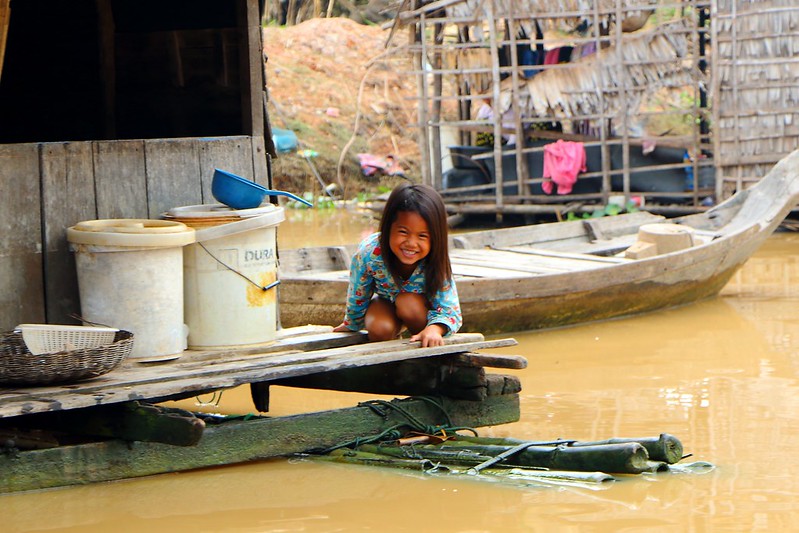 In rural Cambodia, access to clean drinking water remains a daily struggle. Nearly 30% of the rural population still do not have access to safely managed or basic drinking water. Less than 20% of rural residents drank safely managed water in 2022, a slight rise over the previous 10 years.
This lack does not just affect hydration — it directly impacts health, education, income and gender equality. In the face of this ongoing crisis, a new generation of community-centered programs are offering long-term solutions for water filtration in Cambodia that do more than deliver clean water — they are empowering rural Cambodians with jobs and dignity.
Safe Water, One Kiosk at a Time
At the heart of this transformation is Teuk Saat 1001. Since 2007, it has pioneered a simple yet powerful model: train local entrepreneurs in Cambodia to operate water kiosks that produce and distribute UV-filtered water at affordable prices. These kiosks, now numbering more than 300 across underserved rural areas, operate like social enterprises. In 2024 alone, they have provided clean water to more than 1.15 million beneficiaries.
Teuk Saat’s model links sustainable water access with livelihood creation, especially in areas where formal job opportunities are scarce. Instead of relying on external infrastructure, the community itself becomes the driver of its own progress, ensuring long-term maintenance, low-cost supply and local accountability. In addition, the kiosks help reduce the use of charcoal and wood to boil water, contributing to broader environmental goals.
Ceramic Filters and Women’s Empowerment
Another key player in the revolution of water filtration in Cambodia is Hydrologic Social Enterprise, a local business that came from the nonprofit International Development Enterprises (iDE). Hydrologic designs and distributes the Super Tunsai, a ceramic water filter capable of removing 99.99% of bacteria and producing up to 30 liters of clean water per day.
This seemingly small change has huge implications. For many Cambodian women and girls, fetching and boiling water traditionally requires time-consuming labor, exposes them to harmful smoke, and puts them at risk when gathering wood in isolated areas. Hydrologic filters eliminate these dangers while also cutting household expenses on wood fuel and medical treatment.
By selling more than 450,000 filters, Hydrologic has benefited more than 2 million Cambodians, avoided over 1.2 million tonnes of carbon emissions, and directly reached primarily female clients, around 85% of its user base. As a female- and locally-led social enterprise, Hydrologic demonstrates how access to clean water is also a path toward economic participation and gender equity.
Linking Health, Jobs and the SDGs
Programs like Teuk Saat 1001 and Hydrologic do not just address a humanitarian gap — they also contribute directly to SDG6 (Clean Water and Sanitation) and SDG8 (Decent Work and Economic Growth). By equipping rural communities to manage water distribution systems, these programs bridge the gap between short-term aid and long-term resilience.
Moreover, the reduction in waterborne illnesses, especially among children under five, has ripple effects: improved school attendance, reduced health care costs and stronger local economies.
The Path Forward
In 2025, Cambodia’s Ministry of Industry, Science, Technology and Innovation, along with the French Development Agency and the EU, announced plans to inject €275 million into Cambodia’s water infrastructure by 2027. As these national and international funds scale up, partnering with proven grassroots models like Teuk Saat 1001 and Hydrologic will be crucial to ensure that solutions remain community-driven, sustainable and inclusive.
As Cambodia works toward universal access to safe drinking water, the country’s rural social enterprises are proving that innovation does not always mean high-tech; it can mean training a neighbor, trusting a village and filtering change one household at a time.
– Kai Xian Lim
Kai is based in Lille, France and focuses on Global Health for The Borgen Project.
Photo: Flickr
