• Link to X
  • Link to Facebook
  • Link to Instagram
  • Link to TikTok
  • Link to Youtube
  • About
    • About Us
      • President
      • Board of Directors
      • Board of Advisors
      • Financials
      • Our Methodology
      • Success Tracker
      • Contact
  • Act Now
    • 30 Ways to Help
      • Email Congress
      • Call Congress
      • Volunteer
      • Courses & Certificates
      • Be a Donor
    • Internships
      • In-Office Internships
      • Remote Internships
    • Legislation
      • Politics 101
  • The Blog
  • The Podcast
  • Magazine
  • Donate
  • Click to open the search input field Click to open the search input field Search
  • Menu Menu

Archive for category: Child Malnutrition

Child Malnutrition, Gender Equality, Global Poverty

The Story Behind India’s Midday Meal Scheme

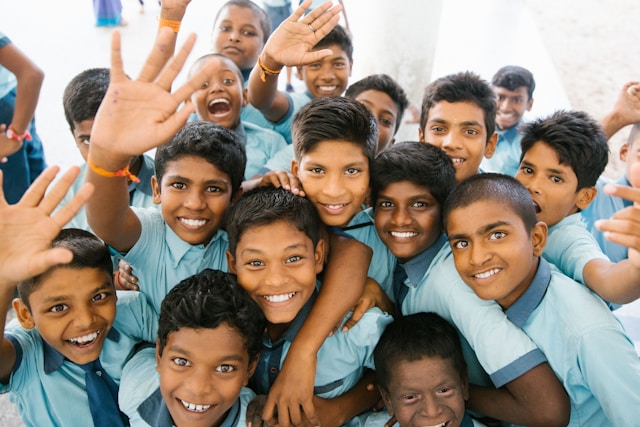
 India's Midday Meal SchemeIndia’s Midday Meal Scheme, launched in 1995, is one of the most impactful social welfare programs in the world. The scheme covers more than 110 million children every day. In 2001, the Supreme Court of India issued a directive requiring states to provide school lunches or “midday meals,” in primary government schools.

States like Tamil Nadu, Gujarat, Andhra Pradesh and Karnataka have implemented strict measures to ensure students have access to healthy food. The scheme provides free, freshly cooked meals to children in government and government-aided schools. The Akshaya Patra Foundation reports, “The Government of Karnataka was the first state government to involve NGOs in providing midday meals to school children in India.”

The Nutritional Impact of the Scheme

Hunger acts as a significant barrier to education, primarily among children from low-income families. Sometimes, the meal provided by the scheme is the only nutritious meal children receive in a day. The program has been working to improve children’s health.

According to Dhristhi IAS, “India is home to about 30% of the world’s stunted children.” The scheme aims to reduce stunting and improve child growth. The nutritional gains from the meals significantly improve learning outcomes. Better nutrition also enhances other cognitive skills, such as attention span, participation and concentration.

In addition, school enrollment and attendance rates have increased by 16–19 percentage points after the enforcement of midday meals. Families often face the decision of whether to send their children to school due to economic constraints. The Midday Meal Scheme helps address these problems and reduces the financial burden of feeding their children and covering education costs.

How It Changes Lives for Women

Aside from financial costs and hunger, another notable achievement of this scheme is gender equality. According to a study published in ScienceDirect, “The analysis found the effect of the midday meal program on girls to be almost twice its effect on boys for primary school enrollment.” Historically, communities have existed where girls’ desire for education and public roles has been undervalued.

One of the biggest factors is social and economic. This scheme creates an incentive for families to send their daughters to school. It provides girls with access and reduces gender gaps in areas such as education and literacy. In the long run, girls in low-income communities have the opportunity to pursue their education.

Similar to its impact on youth, the Midday Meal Scheme has also contributed to women’s empowerment. Historically, women have been prevented from participating in the economy and from establishing themselves in their communities. However, through the scheme, women are given jobs as assistants and cooks. 

This gives them the chance to provide their households with a stable income and to independently control their finances.

Future of the Scheme

In 2021, the government rebranded the Midday Meal Scheme to Pradhan Mantri Poshan Shakti. With this new name comes a heavier focus on nutrients for students. The new scheme aims to integrate local and seasonal produce and also introduces new, healthier options like fortified rice. According to MicroSave Consulting, the scheme uses the Automated Monitoring System to prevent mishaps and track the number of meals provided.

India’s Midday Meal Scheme has made a huge impact and is a key part of India’s development. With more attention, it can cover millions more children in other states.

– Hasini Muddapu

Hasini is based in Princeton, NJ, USA and focuses on Good News for The Borgen Project.

Photo: Unsplash
May 11, 2026
https://borgenproject.org/wp-content/uploads/borgen-project-logo.svg 0 0 Lynsey 2 https://borgenproject.org/wp-content/uploads/borgen-project-logo.svg Lynsey 22026-05-11 12:17:482026-05-11 12:17:48The Story Behind India’s Midday Meal Scheme
Child Malnutrition, Global Poverty, Health

Community Health Workers in Malawi Expand Maternal Care

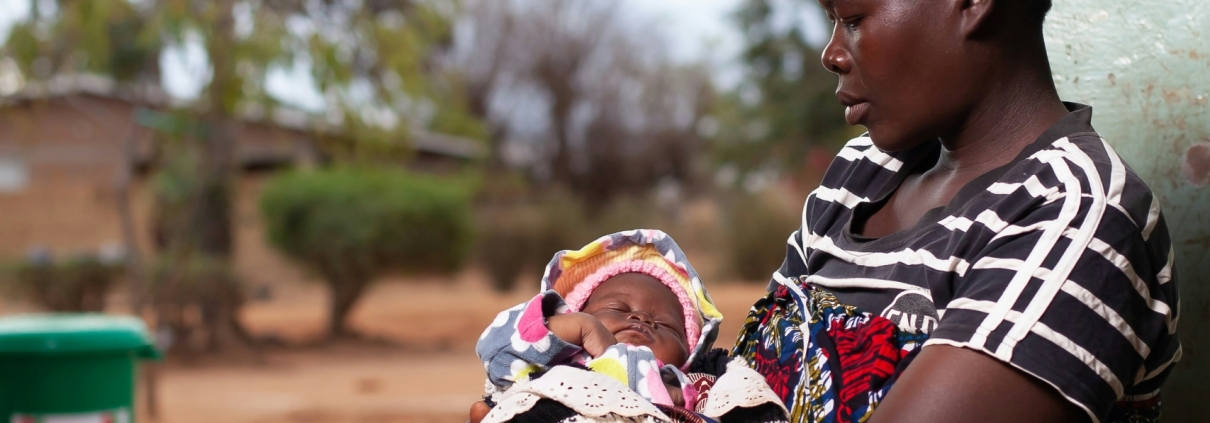
Community Health Workers in MalawiCommunity health workers in Malawi play a central role in maternal care, especially in rural communities where distance, transport gaps and workforce shortages can delay treatment. In Malawi, these frontline workers are commonly known as Health Surveillance Assistants (HSAs). In an interview, Kingsley Chikaphupha, executive director of REACH Trust, told The Borgen Project that HSAs identify and register pregnant women, promote early antenatal care, explain danger signs, support referrals for high-risk pregnancies and conduct home visits after delivery. 
He said they also work with families and community leaders to reduce stigma and strengthen support for pregnant women at the community level. This community-to-clinic connection is one reason community health workers in Malawi remain important in maternal and newborn care. REACH Trust describes itself as a Malawian nongovernmental organization (NGO) focused on research, innovation and implementation in health and development.

According to the World Bank, Malawi’s maternal mortality ratio declined from 1,115 in 2000 to 225 in 2023. This underscores the importance of HSAs in Malawi. 

How the Community System Works

Chikaphupha said maternal services delivered by HSAs are mainly preventive and referral-based. Malawi’s Community Health Framework similarly describes community health workers as the first point of contact between communities and the health system and calls for stronger integration between community teams and health facilities. This structure matters because skilled midwives and nurses deliver babies and manage obstetric emergencies at facilities, while HSAs help women access those services earlier.

Chikaphupha said HSAs use standardized checklists and danger-sign rules during home visits. He said they look for symptoms such as heavy bleeding, severe headaches and high fever, while also checking basic signs and asking about earlier pregnancy complications. He added that they can escort women for urgent referral when needed. 

This role fits Malawi’s broader policy direction. The country’s earlier National Community Health Strategy and the current framework both emphasize referral systems, supervision and a target of one HSA per 1,000 people.

Training and Workforce Expansion

According to Chikaphupha, HSA training has included classroom and field-based instruction in reproductive health, antenatal care, labor, postnatal care, counseling, referral skills and emergency response. He said Malawi has recently shifted from an earlier 12-week training model to a one-year curriculum. He also said the first cohort of 497 trainees completed the 12-month program and graduated in November 2024 and that these workers are being recruited as Disease Control Surveillance Assistants (DCSAs). 

Last Mile Health works with the Malawi Ministry of Health to provide standardized training for community and frontline health workers. These workers support routine services, including maternal and child health visits. Even with that progress, Chikaphupha said remote communities still face shortages, poor transport links, weak supervision, stockouts and burnout. 

Malawi’s Health Sector Strategic Plan III for 2023-2030 calls for training, recruiting and equipping HSAs to meet community health strategy targets. The plan lists antenatal care coverage of at least four visits at 51% as a baseline, showing why stronger local outreach still matters. Chikaphupha said some HSAs serve more than 2,000 people, well above the desired ratio.

Organizations Are Backing a Practical Solution

Recent programs show how community health workers in Malawi are being supported through targeted investments. UNICEF continues to invest in maternal and child health care and capacity building for health workers in Malawi. In March 2025, UNICEF, with funding from the U.K.’s Foreign, Commonwealth and Development Office, supported the Rumphi District Health Office in training 16 community midwifery assistants and 24 HSAs. 

The training was designed to help these individuals integrate services related to maternal, newborn, child and adolescent health, as well as nutrition. Furthermore, in March 2026, UNICEF announced that funding from China would upgrade maternity and newborn wards in 20 health facilities across three districts. The funding would also supply medicines and equipment and train community health workers to better support mothers and babies. 

Chikaphupha said Malawi’s 2023–2030 national framework is formalizing the role of community health workers in maternal and newborn care, while newer projects are expanding postnatal home visits, community engagement and digital tracking. This makes community health workers in Malawi more than a stopgap measure. They are part of a longer-term strategy to extend maternal care into communities that would otherwise have the weakest access to services. 

As Malawi continues to invest in training, facility links and workforce support, community health workers in Malawi remain one of the country’s clearest maternal health solutions.

– Aiden Moriarty

Aiden is based in Rowley, MA, USA and focuses on Business and Politics for The Borgen Project.

Photo: Unsplash

April 10, 2026
https://borgenproject.org/wp-content/uploads/borgen-project-logo.svg 0 0 Lynsey 2 https://borgenproject.org/wp-content/uploads/borgen-project-logo.svg Lynsey 22026-04-10 03:00:192026-04-09 12:03:24Community Health Workers in Malawi Expand Maternal Care
Child Malnutrition, Global Poverty, Hunger

Quick Facts About Hunger and Poverty in Honduras

poverty in HondurasHonduras is a country located in Central America. Home to remarkable landscapes and Mayan remains, it also has an important role in world trade. Honduras is a main provider of coffee, palm oil and bananas. However, even with this, Hondurans still suffer from food insecurity.
What is Food Insecurity?

Food insecurity is a lack of access to vital food sources. This threat heightens illnesses and harm to people’s lives. This can lead to: desperation, disease and death. Families facing this are forced to make an income through selling possessions or skipping meals, as they are desperate to earn a living.

This is traced back to the problem of poverty, which deeply affects the developing countries and the people living there. The hunger crisis is an unfortunate consequence of this.

In Honduras, 63% of the population lives in poverty, which affects the most vulnerable members of society, like children. Children’s health, well-being and education are negatively affected. Eventually, this causes a reduced quality of life for the people of Honduras.

Natural Disasters and Weather Conditions

Honduras’s hunger crisis is a result of natural disasters and destructive weather conditions, like drought, which have harmed farms, increasing the chances of burning the land. Not only a crucial food source, but a hotspot for coffee production, which causes an economic decline. More than 100,000 families rely on the coffee trade as an income, showing the importance of agriculture.

Located in the Dry Corridor, the area is prone to dry spells, making food more difficult to grow and reducing the amount available to the people. With the lack of harvests, some families have to migrate to survive these harsh conditions.

Another part of the hunger crisis is linked with the extreme weather conditions, such as hurricanes. From people fleeing their homes to safety, it has negative effects on lives, not just food sources. In 2024, the hurricane season doubled the expected rainfall. This is bad because it can flood food sources and wash them away. Primarily, this affected the southern and western areas, therefore increasing the possibility of emergency food insecurity.

Malnutrition and Undernourishment

Malnutrition is a prevalent issue in Honduras. Indeed, one in four children under the age of 5 struggles with chronic malnutrition, according to the World Food Program (WFP). This is a severe issue, as it stunts growth. This takes place when a diet does not have enough healthy nutrients. On the other hand, obesity is unfortunately increasing with younger women. Therefore, this shows the issue of food access, as not enough Hondurans are able to have a healthy diet.

In 2024, 20.4%  people in Honduras suffered from undernourishment. Rural areas of Honduras are particularly affected, as they face more poverty and starvation. This is because food insecurity is increased by the lack of opportunities for employment and access to standard services. Challenges make it harder for people like: farmers, women and people with medical conditions to access balanced diets.

The people of Honduras are in great need of fundamental food. More than 25% of Hondurans are relying on humanitarian assistance for survival. This takes place by action groups providing help by giving: medical care, food and water.

Lack of Awareness

Honduras was the least funded country in 2023, meaning that the lack of awareness about the daily threats is huge, with violence being one of the examples.

In 2022, there was an average of 253 homicides monthly, translating to 31% of homicides for every 100,000 people.

Fortunately, this has been decreasing yearly, but sexual violence and abuse have remained an issue in society. This has impacted many lives in Honduras.

Solutions

Certainly, Honduras faces many setbacks like hunger, poverty and extreme weather conditions, but this has not stop the country from making progress.

According to the National Institute of Statistics, poverty reduced in Honduras from 73.6% to 60.1%. For extreme poverty, it had reduced from 53.7% to 38.3%. Also, the population above the poverty line has expanded, therefore highlighting improvements in standards of living.

Employment and job opportunities have also increased. From 4.2 million people now working, the unemployment rate has decreased to 4.9%. All of these factors help the country to flourish economically. Even with substantial challenges, Honduras is beginning to develop and transform into a successful country.

– Daisy Sheena

Daisy is based in Manchester, UK and focuses on Global Health for The Borgen Project.

Photo: Flickr

January 27, 2026
https://borgenproject.org/wp-content/uploads/borgen-project-logo.svg 0 0 Naida Jahic https://borgenproject.org/wp-content/uploads/borgen-project-logo.svg Naida Jahic2026-01-27 03:00:002026-01-25 23:14:23Quick Facts About Hunger and Poverty in Honduras
Child Malnutrition, Food Insecurity, Global Poverty

Maternal and Child Malnutrition in Afghanistan

Malnutrition in AfghanistanWith more than 15 million people in Afghanistan experiencing acute food insecurity, women and children are facing the brunt of this harsh reality. Afghanistan is among the most dangerous countries for babies, children and mothers, with soaring rates of malnutrition and access to health care beyond reach for many.

Causes of the Afghan Food Crisis

The high levels of food instability in Afghanistan are driven primarily by a fragile economy, exacerbated by sociopolitical turmoil and environmental disasters. These disasters have recently had an especially severe impact on food security, as about 80% of Afghanistan’s population consists of farmers who rely on their own production for sustenance and income. Because of environmental instability, harvests are often lost or missed due to displacement, leaving markets empty.

Social mores and low health literacy also hinder women’s access to and understanding of proper nutrition for themselves and their children. Taliban restrictions on women’s education and mobility have severely curtailed their access to care. Additionally, increased poverty means that many women, especially pregnant women, are unable to utilize health care services such as perinatal visits.

Women are also unable to travel without being escorted by a male relative, hindering their access to pre- and postnatal care. The systematic stripping of women’s autonomy in Afghanistan means that malnutrition is having disastrous consequences for pregnant women, mothers and their children. On top of these, donor funding and NGO intervention were cut following the Taliban takeover in 2021, as Taliban policies limited how much donors were willing to help.

Health Care System

Afghanistan’s health care system is highly reliant on foreign aid. When this abruptly stopped in 2021, preventative education and care for those malnourished ceased, affecting women and children the most. Sanctions were imposed on the Taliban government, further restricting Afghan citizens’ access to food and medical supplies.

This crisis has been exacerbated by Afghanistan’s largest donor, the U.S., halting nearly all aid earlier this year. John Aylieff, the WFP’s country director, underscored the impact of these cuts, stating, “Food assistance kept a lid on this country hunger and malnutrition… The lid has now been lifted. The soaring of malnutrition is placing the lives of more than three million children in peril.”

Consequences of Malnutrition for Mothers and Their Children

The year began in Afghanistan with one of the highest recorded increases in child malnutrition, with only 12% of children aged 6 to 24 months receiving adequate quantities and quality of food. The food crisis also has a deeply gendered dimension. According to UNICEF, women are disproportionately affected and the gender gap in food access continues to widen.

Women’s and girls’ health is crucial to infants’ health, as malnutrition creates an intergenerational cycle. When women lack adequate nutrition, rates of undernourished children rise, with devastating consequences for growth and learning. According to the U.N., nearly half of all Afghan children are stunted due to limited diets.

Since the Taliban takeover, the situation has only continued to worsen and new insights have come forth in a report by Johns Hopkins titled “The Crisis of Maternal and Child Health in Afghanistan.” One third of the health professionals interviewed have perceived that infant and maternal mortality have increased. Another lamented that women in labor or those with sick children do not come to clinics for lack of money or fears of the Taliban.

The rise in child mortality is visible across Afghanistan. At the Sheidaee graveyard, BBC journalists counted graves with no official records. They found that roughly two-thirds belonged to children. They also visited the malnutrition ward of Badakhshan Regional Hospital, where 26 children shared 12 beds.

The youngest patient, Sana, was only three months old and suffered from malnutrition, acute diarrhea and a cleft lip. When journalists followed up with her family, they learned that Sana had sadly passed away.

What Is Being Done?

Despite this, there has been a shift toward community-based prevention efforts to aid malnutrition in women and children. In August this year, UNICEF and the WFP launched a joint plan to stop child wasting in Afghanistan. This action reinforces the importance of maternal nutrition, local food solutions and the convergence of community-based services.

What is evident here is a renewed push to address the root causes of malnutrition. They have pledged to ensure malnourished children receive treatment and help break the intergenerational cycle by improving breastfeeding practices and nutrition education. The WFP has also offered women safe spaces through its skills training and livelihood programs, which offer women the opportunity to earn an income and build a community.

While there have been significant strides to address malnutrition in Afghanistan, aid is under constant threat of being slashed due to funding cuts. As UNICEF Executive Director, Catherine Russell commented, “When a girl or woman does not get adequate nutrition, gender inequality is perpetuated.” A well-balanced diet is the bedrock of child survival, so it is integral that life-saving support is directed to those who need it most.

– Libby Foxwell

Libby is based in Sherborne, Dorset and focuses on Global Health for The Borgen Project.

Photo: Flickr

November 1, 2025
https://borgenproject.org/wp-content/uploads/borgen-project-logo.svg 0 0 Lynsey 2 https://borgenproject.org/wp-content/uploads/borgen-project-logo.svg Lynsey 22025-11-01 01:30:292025-11-01 02:45:06Maternal and Child Malnutrition in Afghanistan
Child Malnutrition, Global Poverty

Poverty and Infant Dairy Intake in Chile: A Nutritional Inequality

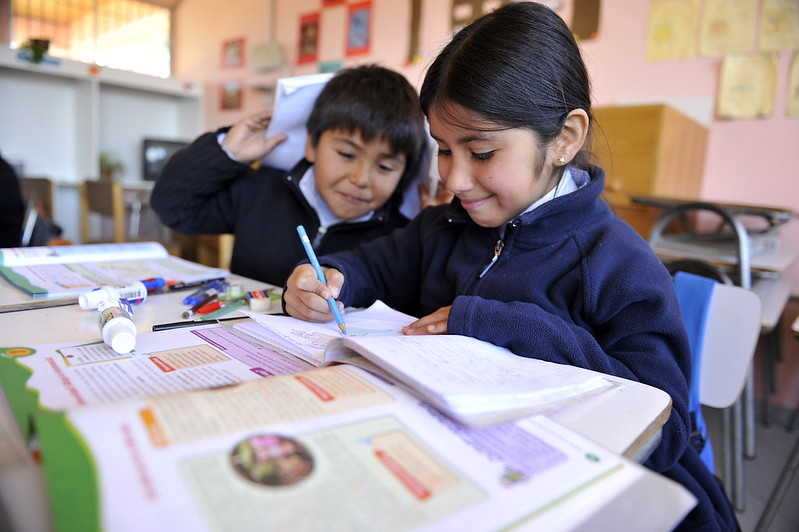
Infant Dairy Intake in ChileKnown to man as a country full of diverse landscapes and beautiful scenery, in Chile, poverty can take the form of an invisible obstacle that stunts the growth and development of a child.  In 2020, the Chile poverty rate stood at 11.30% and in 2022, it went down to 5.70%.

Poverty not only affects access to education and health care, but it can even decide infant dairy intake during a critical moment of their development. In this article, poverty and its effects on infants will be highlighted, along with how current health programs are combating this issue.

Importance of Dairy in Infant Nutrition

Infant dairy intake in Chile, as well as everywhere else, is important because it supports key aspects of development. Dairy foods and milk are rich in vitamins and calcium, which are essential for brain development and bone growth. Later down the line, consuming essential minerals and vitamins from dairy could prevent bone-related diseases later on. Nutrition at this age during infancy lays the foundation for healthy growth in childhood, adolescence and beyond.

A study found that Chilean children had deficiencies in Vitamin D, as well as in other major minerals like calcium, iron, zinc and copper. This fact is found in overweight children as well. This suggests malnutrition is not just present in underweight children, but in overweight children as well. Poor dietary habits, as well as nutritional needs being unmet lead to deficiencies in vitamins and minerals, resulting in long-term health consequences.

Why Do Infants Have Low Dairy Intake?

The infant dairy intake in Chile can be hindered by a variety of reasons. Some infants have Cow’s Milk Allergy (CMA), which could create symptoms such as vomiting, diarrhea, eczema or other severe symptoms. Recent studies in fact show that there is a prevalence of 4.9% in Chile, diagnosed with CMA.

Cost and access are also big reasons. Formula, milk, dairy, or even healthy foods in general could very well be too expensive or hard to access in some areas, particularly in low-income communities. Constraining even regular dietary intake from infancy and after.

Public Health Programs

By the 1970s, the National Supplementary Feeding Program (PNAC) served around 650,000 mothers and infants. Junta Nacional de Auxilio Esoclar y Becas (JUNAEB) later took up the role of tending to mothers and infants, primarily in serving lunches and breakfasts in public schools until today.

Chile Crece Contigo (ChCC) is a child development program that is nationwide, providing essentials like nutritional support to help be the bridge between infants and development. About 2 million pregnant mothers were part of the ChCC, with 1.6 million boys and girls born, while also distributing more than 1 million packages of clothing and essentials. In the last 10 years, ChCC has been working, enabling higher levels of infant diary intake in Chile.

The Future

Poverty in the country of Chile is continuing to make life harder for infants, due to a lack of access or the inability to consume dairy. Unequal access to nutritional foods and/or drinks directly impacts infants’ long-term health, and can very well stunt the growth of a child. Thankfully, current health programs in Chile have fought and will continue to fight the battle of ensuring infants get the nutrition they need to prosper into healthy children.

– Majida Mohamed

Majida is based in Minneapolis, MN, USA and focuses on Good News and Global Health for The Borgen Project.

Photo: Flickr

August 17, 2025
https://borgenproject.org/wp-content/uploads/borgen-project-logo.svg 0 0 Naida Jahic https://borgenproject.org/wp-content/uploads/borgen-project-logo.svg Naida Jahic2025-08-17 07:30:252025-08-16 04:07:54Poverty and Infant Dairy Intake in Chile: A Nutritional Inequality
Child Malnutrition, Education, Global Poverty

Kenya’s School Meal Programs: Fighting Hunger

Kenya’s School Meal ProgramsKenya’s school meal programs are supported by the World Food Program (WFP) and the Home‑Grown School Meals (HGSMP) initiative ensure that children in penurious communities receive reliable daily meals. Kenya’s School Meal Programs improve nutritional needs and maintain school attendance.

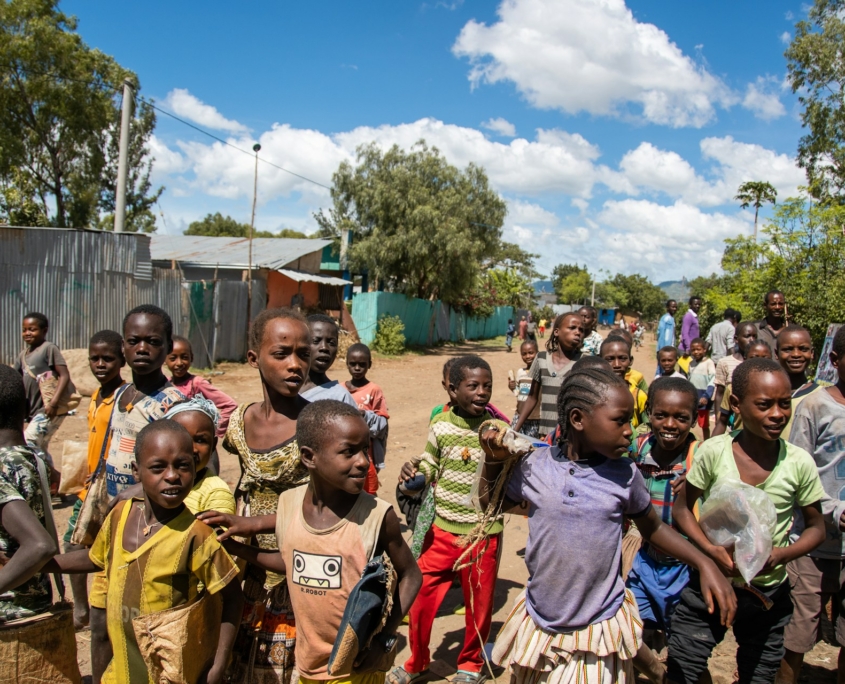
Malnutrition

Making up 36% of the population, Kenya’s children/adolescents face a dual nutritional crisis that accounts for undernutrition and obesity. The “Double burden” is the cause of several children’s physical growth, academic performance, cognitive skills and overall health. The World Health Organization (WHO) has urged countries to focus on developing food systems in school’s that actively promote health and sustain ability specifically in school environments where children “spend most of their time in school, about 75% of the year, where they consume more than half of their daily meals,” African Population and Health Research Center (APHRC) reports.

For instance, the Dishi Na County initiative from the Nairobi city county “targeting public primary schools and early childhood education centres in its jurisdiction” establishes centralized kitchens that prepare meals in bulk and distribute them to public schools and early childhood centers at highly subsidized rates. By reducing costs associated with decentralized infrastructure, the program aims to enhance nutrition, enrollment, and academic performance

The Evolution of It All

The National School Feeding Council (NSFC) managed the first ever school meal program in Kenya in 1966 whose purpose was to provide a supplement to mid-day meals to the children. Then in 1971, the government expanded the program to more marginalized groups that amplified enrollment of public primary schools holistically including “Samburu County increased by 31%, Wajir 71%, Isiolo 23%, Marsabit 20%, and Tana River County by 26%,” Kenya Insitute for Public Policy Research and Analysis (KIPPRA) reports.

In 1980, the government collaborated with the WFP for a five-year feeding initiative for rural communities to improve the education system, like attendance, performance, and retention. Between 1980 and 1989, there was a lot of success where hunger and malnourishment decreased and “enrollment increased by 56% among primary school children” in this time, KIPPRA reports. Due to this, the program extended into 1998 to 2003 and again from 2004 to 2007 under WFP Emergency operations.

The Transition to Home-Grown School Meals Program

The WFP’s school meals initiative in Kenya has played a vital role in combating hunger, malnutrition and school dropout rates, particularly in vulnerable and food-insecure regions. Initially launched in the early 1980s, the program provided cooked meals directly to schools, with a focus on arid and semi-arid areas (ASALs) where food scarcity was most severe. Over time, the initiative evolved into a more sustainable model. In 2009, the Kenyan government introduced the Home-Grown School Meals Programme (HGSMP), which shifted from food aid to a system where schools receive government funds to procure food from local farmers. This change not only enhanced the cultural relevance and freshness of meals but also empowered rural farmers and stimulated local economies.

Beyond just feeding students, the program has created ripple effects throughout communities. Women’s groups and youth cooperatives have been engaged as suppliers, school cooks and food processors, generating income and skills development opportunities.

In some counties, centralized kitchens like those in Nairobi’s Dishi Na County initiative, while separate from the national HGSMP, mirror the WFP’s goals of cost-effective, large-scale meal production and efficient delivery.

Additionally, since its inception in 2009, Kenya’s HGSMP Program has expanded significantly, growing from serving 200,000 children to nearly 1 million by 2016, WFP reports.

The Impact

Kenya’s school meal programs, rooted in decades of collaboration between the government, the WFP and local communities, demonstrate how targeted interventions can transform both education and nutrition outcomes. By addressing the dual burden of malnutrition and food insecurity, initiatives like the Home-Grown School Meals Programme and Dishi Na County not only keep children in classrooms but also improve their overall health, academic performance and prospects.

As these programs continue to expand, their integrated approaches, such as linking food systems, education, and community empowerment, offer a powerful example for sustainable development in Kenya and beyond.

– LaRaymee Lee

LaRaymee is based in Missouri City, TX, USA and focuses on Global Health for The Borgen Project.

Photo: Flickr

August 13, 2025
https://borgenproject.org/wp-content/uploads/borgen-project-logo.svg 0 0 Naida Jahic https://borgenproject.org/wp-content/uploads/borgen-project-logo.svg Naida Jahic2025-08-13 07:30:562025-08-13 03:17:12Kenya’s School Meal Programs: Fighting Hunger
Child Malnutrition, Global Poverty, Hunger

Fighting Child Poverty with Universal Free School Meals

Universal Free School MealsMore than 40 million children worldwide suffer from severe hunger yearly. Child hunger is a barrier to learning. Hunger stints focus and affect behavior. But it is a barrier we can break down—a barrier that, with a simple solution, can be eradicated. Globally, different organizations and governments have adopted programs to feed hungry children. Universal Free School Meals programs (UFSM) can be vital in reducing the stigma associated with child poverty. From spaghetti bolognese to chicken curry, here are some of the ways that free school meal provision supports children and families facing poverty.

Estonia

The UFSM program in Estonia began in 2002 and is supported by government spending and international donors. The program aims to provide all children in primary and secondary education with a universal model. The Estonian food pyramid influences it and includes education in nutrition and physical health.

Additionally, Estonia has implemented a fruit, vegetables and milk scheme to support local farmers and provide children with these foods to take home. This program not only benefits children in the classroom but also provides long-term health benefits by offering nutritionally rich foods and imparting knowledge about healthy eating habits.

In 2021, Estonian feeding programs received $46,697,172 of funding. With this support, 221,479 children, representing the total number of students enrolled in primary and secondary education, received a free school meal. The universal component of this scheme reduces stigma, making school more enjoyable.

These programs also support parents, as students from lower-income backgrounds are identified as needing more resources. Schemes in Estonia have close ties with local food banks within the communities they operate in. Parents can receive extra support from food banks without the fear of shame that may be associated with seeking this service. These partnerships support all members, enabling families to be better supported and fed.

Sweden

Sweden, during WW2, demonstrated that promoting UFSM concerns more than just hunger. The lack of nutritional quality in some packed lunches negatively impacts the health and focus of children in schools. By 1969, all municipalities had implemented UFSM programs, a scheme that maintains its positive impact today.

The program is almost entirely government-funded, with a budget of $151,332,6795 in 2021. This year, out of the 2,333,942 students enrolled, 2,177,882 students received lunches in schools. This scheme focuses on ensuring that children have a pleasant experience with food, meaning they accumulate positive associations with healthy eating. This can keep children from missing school due to ill health or dental issues.

Accompanying this program, teachers eat with their students at lunchtime. This forges a positive bond between teachers and students, further contributing to children’s positive experiences of education and increasing the likelihood of them wanting to stay in education long term.

The lifelong impacts of Sweden’s UFSM programs demonstrate that such schemes are beneficial for reducing the risk of poverty in adulthood and in children. Recipients from lower-income families throughout their school years had higher earnings of up to 6% during their professional lives. This demonstrates the long-term economic benefits UFSM programs can have for children.

Australia

In Australia, an organization called Eat Up advocates for an approach to UFSM provision. The scheme was established in 2015, targeting children from low-income backgrounds in schools. In addition to feeding children in schools, Eat Up has strong community ties and helps both children and their families.

In 2021, the organization’s budget was $489,628, which was spent feeding children across the country. Through this budget, 85,000 children in schools received food. The most vulnerable children felt nourished and supported in their education, which enhanced their capacity to focus in the classroom.

The scheme allows children who may otherwise go without to have what could be their only meal in a day. This encourages children to go to school and relieves parental pressure.

Final Remark

Universal Free School Meals programs are highly beneficial and a great solution to child poverty. Schemes in Estonia and Sweden demonstrate that government-led schemes with a universal, targeted approach can positively impact education experiences. Australia’s advocacy through the Eat Up program presents an alternative that shows organizations can also play a crucial role in feeding children in schools.

Turning to the figures, in 2022, the European Union (EU) average for the risk of children falling into poverty was 24.7%. In Sweden, it was 19.9%, which is lower than the average. Lower still, Estonia’s rate was 16.6%. The success of these programs in terms of poverty alleviation is evident, as countries with established programs see rates below the average.

These programs can play a crucial role in solving child poverty. By helping families and children, their benefits inspire a reminder that there is a solution to poverty.

– Sarah Littleton

Sarah is based in London, UK and focuses on Good News and Politics for The Borgen Project.

Photo: Pexels

July 26, 2024
https://borgenproject.org/wp-content/uploads/borgen-project-logo.svg 0 0 Lynsey 2 https://borgenproject.org/wp-content/uploads/borgen-project-logo.svg Lynsey 22024-07-26 03:00:482024-07-25 13:36:36Fighting Child Poverty with Universal Free School Meals
Aid, Child Malnutrition, Global Poverty

4 Countries Improving Malnutrition with RUTF

4 Countries Improving Malnutrition with RUTFThe global malnutrition crisis significantly impacts millions in underdeveloped nations. According to the World Food Programme, severe food insecurity affects more than 309 million people across 72 countries. This crisis stems from factors beyond poverty, including inadequate dietary intake, limited healthcare services and a lack of access to safe drinking water and resources. Ready-to-use therapeutic Food (RUTF) has become a key intervention in combating global malnutrition effectively.

Improving Malnutrition with RUTF

André Briend and Michel Lescanne developed RUTF more than 25 years ago to offer effective nutritional treatment for malnourished children. This high-energy paste includes ingredients like powdered milk and peanuts, along with essential vitamins, providing substantial nutritional value without the need for water or concerns about rapid spoilage. UNICEF reports that consuming three packets of RUTF daily for six to eight weeks can significantly address acute malnutrition in children and the agency currently distributes approximately 80% of the global supply. Additionally, numerous nongovernmental organizations are involved in distributing RUTF. Several countries have revealed notable improvements in the nutritional status of children and adults facing chronic malnutrition through the use of RUTF.

Yemen

Yemen faces a severe food security crisis, with 56% of its population lacking proper nutrition and nearly 500,000 children suffering from acute malnutrition. In response, UNICEF has partnered with USAID’s Office of Food for Peace and the Bureau for Humanitarian Assistance to combat starvation among children using RUTF. In the Tur Al Bahah district’s Al-Khatabiah area, 20% of children are acutely malnourished. Local health centers, supported by UNICEF, screen for malnutrition, provide RUTF treatment and conduct follow-up check-ups. The treatment has significantly aided recovery, improving conditions for affected families. USAID/BHA has supplied RUTF to address more than 144,000 cases of malnutrition in Yemen, underscoring the critical role of RUTF in combating the nation’s food insecurity.

Haiti

In Haiti, the struggle against malnutrition intensifies amid natural disasters, poor sanitation and economic challenges. With a population of 11.7 million, nearly 4.3 million face acute malnutrition and more than 22% of children under age 5 experience chronic hunger. The country’s escalating violence often hampers access to healthcare centers. To combat this, nongovernmental organizations, like Meds and Food for Kids, deliver nutritional support with their RUTF known locally as “Medika Mamba” or “Peanut Butter Medicine.” This product effectively restores essential micronutrients and is produced following standards set by PlumpyField and Nutriset, global leaders in nutritional solutions. Annually, Meds and Food for Kids produces more than 1000 metric tons of RUTF, achieving a 92% treatment success rate for malnourished children within 8 to 12 weeks.

Ethiopia

In Ethiopia, environmental challenges such as droughts and declining livestock productivity exacerbate food insecurity. The COVID-19 pandemic’s lockdown measures further worsened the situation as nearly one million children lost access to school feeding programs. This has led to acute malnutrition and a rise in micronutrient deficiencies, including iron deficiency anemia and Vitamin A deficiency. To combat this, Ethiopia’s government and UNICEF have committed to protecting vulnerable populations, such as children and pregnant women. Since 2007, Hilina Enriched Foods has collaborated with UNICEF to distribute RUTF to communities in urgent need. This partnership leverages ‘last-mile distribution’ strategies to deliver RUTF directly to health facilities, ensuring timely supply across 240 districts and improving malnutrition management in hard-to-reach areas.

Democratic Republic of Congo

In the Democratic Republic of Congo (DRC), malnutrition affects 40% of children. From June 2023 to June 2024, about 1.1 million children ages 6 to 59 months and 605,000 pregnant women experienced high rates of acute malnutrition. The World Health Organization (WHO) defines child wasting as rapid weight and muscle loss due to insufficient nutrient intake, often exacerbated by inadequate feeding practices and scarce resources. To combat this, the DRC has integrated RUTF into its national healthcare strategy, including listing it on the Essential Medicines List. UNICEF, the Bureau for Humanitarian Assistance (BHA), the World Bank and various NGOs with private funding have supplied RUTF.

Moving Forward

UNICEF has acknowledged the integration of RUTF in national clinical guidelines for malnutrition management across 71 countries. This adoption underscores a growing reliance on RUTF to combat global malnutrition effectively. Nations such as Yemen, Haiti, Ethiopia and the Democratic Republic of Congo have made significant strides by incorporating RUTF into their health strategies, revealing marked improvements in severe malnutrition cases. The support from UNICEF, USAID and various nongovernmental organizations has been instrumental in these ongoing efforts. Continued investment and focus on the programs could be essential for reducing malnutrition and improving health outcomes globally.

– Abigail Lobo

Abigail is based in Mississauga, Ontario, Canada and focuses on Good News and Global Health for The Borgen Project.

Photo: Unsplash

July 5, 2024
https://borgenproject.org/wp-content/uploads/borgen-project-logo.svg 0 0 Precious Sheidu https://borgenproject.org/wp-content/uploads/borgen-project-logo.svg Precious Sheidu2024-07-05 01:30:482024-07-04 03:43:114 Countries Improving Malnutrition with RUTF

Get Smarter

  • Global Poverty 101
  • Global Poverty… The Good News
  • Global Poverty & U.S. Jobs
  • Global Poverty and National Security
  • Innovative Solutions to Poverty
  • Global Poverty & Aid FAQ’s
Search Search

Take Action

  • Call Congress
  • Email Congress
  • Donate
  • 30 Ways to Help
  • Volunteer Ops
  • Internships
  • Courses & Certificates
  • The Podcast
Borgen Project

“The Borgen Project is an incredible nonprofit organization that is addressing poverty and hunger and working towards ending them.”

-The Huffington Post

Inside The Borgen Project

  • Contact
  • About
  • Financials
  • President
  • Board of Directors
  • Board of Advisors

International Links

  • UK Email Parliament
  • UK Donate
  • Canada Email Parliament

Get Smarter

  • Global Poverty 101
  • Global Poverty… The Good News
  • Global Poverty & U.S. Jobs
  • Global Poverty and National Security
  • Innovative Solutions to Poverty
  • Global Poverty & Aid FAQ’s

Ways to Help

  • Call Congress
  • Email Congress
  • Donate
  • 30 Ways to Help
  • Volunteer Ops
  • Internships
  • Courses & Certificates
  • The Podcast
Scroll to top Scroll to top Scroll to top