Outbreak of Foot-And-Mouth Disease in South Africa
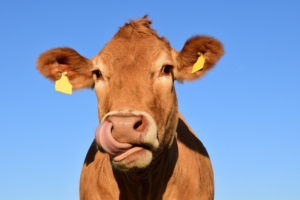 The meat industry is vital to South Africa’s economy and agricultural sector. Karan Beef, the continent’s largest integrated beef producer, is recognized for its halal certifications and strong food safety practices. Recently, all three of its feedlots, among the largest in South Africa, tested positive for foot-and-mouth disease, potentially affecting around more than 100,000 cattle. As the country’s leading beef exporter, Karan Beef significantly contributes to the national economy. Its operations support domestic food security, generate thousands of jobs and sustain local businesses.
Foot-And-Mouth Disease in South Africa
Foot-and-mouth disease is a contagious viral infection that mainly affects hoofed animals such as cattle, pigs, sheep and goats. It causes fever, painful blisters in the mouth and feet and can lead to severe weight loss and reduced milk production. The virus spreads rapidly through direct contact or contaminated materials.
Due to the outbreak, there has been a pause in production, which has caused price shocks. Authorities have also placed export bans, which have impacted the financial stability of already struggling livelihoods within the beef sector. Karan Beef is in decline, causing a huge economic disruption that is affecting producers and consumers in a country already experiencing financial hardship.
Foot-and-mouth disease is impacting South African livestock, driving up domestic meat prices for consumers and food businesses. This inflation hits low-income households hardest, as they spend a significant portion of their income on groceries. In response, industry stakeholders are urging the government to declare a formal state of disaster to access emergency financial support.
The ongoing quarantine cuts off farmers’ income, often their sole livelihood, while livestock losses push many deeper into poverty. In South African culture, cattle are not only a source of income but also serve as collateral, dowries and emergency assets. This crisis is delivering a severe blow to the meat industry and threatening multiple social and economic stability layers.
Vaccination Program
On June 19, 2025, Agriculture Minister John Steenhuisen announced the arrival of the first batch of 900,000 foot-and-mouth disease vaccines from Botswana to help stabilize the livestock sector and restore trade flows. A few days later, on June 23, he visited one of Karan Beef’s facilities to launch the feedlot-level vaccination drive. Authorities hope the campaign will contain the outbreak, protect livestock and prevent further economic fallout.
The Future
As foot-and-mouth disease affects South African livestock, the government plans to build long-term local vaccine production in collaboration with the Agricultural Research Council. The Department of Agriculture is also working closely with industry stakeholders to coordinate rapid response strategies, strengthen surveillance systems and improve outbreak control measures.
Meanwhile, health agencies are actively importing and distributing these vaccines to the most affected areas. If everything goes according to plan, Karan Beef production should soon be back on track.
– Emily Herlehy
Emily Herlehy is based in Denton, Texas, U.S.A and focuses on Global Health for The Borgen Project.
Photo: Wikimedia Commons
