Poverty and Cyclones in Madagascar
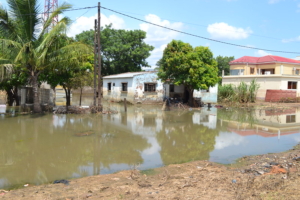 Madagascar, the world’s fourth-largest island, is a nation of vibrant cultures and unparalleled biodiversity. Yet beneath this rich surface lies a persistent dilemma: how to escape the cycle of poverty compounded by frequent and destructive cyclones in Madagascar. Strategically located in the Southwest Indian Ocean, Madagascar is among the 10 countries most exposed to cyclones, experiencing about two major storms annually.
These extreme weather events devastate lives, livelihoods and infrastructure, driving vulnerable communities further into destitution. More than 80% of Madagascar’s population lives in poverty, heavily reliant on rain-fed agriculture and thus acutely exposed to climate shocks. When cyclones strike, homes built with weak, cheap materials are easily destroyed. Farmlands flood, leading to food insecurity and rising prices. Damaged roads hinder access to markets, schools and health care. Families lose assets, children are pulled from school and human capital erodes.
Madagascar’s large informal sector, employing more than 80% of the workforce, is particularly vulnerable, with job losses plunging households into debt. To combat this, five cyclone resilience strategies are vital. These measures protect against climate shocks, foster long-term development and reduce poverty.
Averting Immediate Poverty Shocks
Early warning systems give communities time to prepare, evacuate and protect valuables, often determining whether families can recover or are pushed further into poverty.
- Community-Based Networks. The United Nations Office for Disaster Risk Reduction (UNDRR) emphasizes involving communities in designing early warning systems. Training local volunteers, setting up focal points and using various communication channels, megaphones, radios, SMS and social media, ensures even remote areas get timely alerts. The International Federation of Red Cross and Red Crescent Societies (IFRC) helps strengthen these grassroots systems.
- Technological Advancement and Accessibility. Satellite data, automated weather stations and partnerships with international agencies like Meteo-France and the World Meteorological Organization (WMO) improve forecast accuracy. Information has to be accessible across literacy levels and languages, offering clear, actionable steps. The African Development Bank’s ADRiFi program has installed weather stations to support preparedness in Madagascar.
Investing in Climate-Resilient Infrastructure
Cyclones consistently destroy infrastructure, cutting off communities, disrupting supply chains and stalling recovery. Investing in resilient infrastructure ensures continuity and reduces poverty impacts.
- Build Back Safer Principles. Reconstruction should prioritize cyclone-resistant designs, like reinforced concrete, elevated foundations and durable roofs. The Shelter Cluster promotes “Build Back Safer” (BBS) strategies, including cash-for-shelter programs, so families rebuild stronger homes.
- Critical Transport Networks. Roads and bridges are vital for trade, aid and recovery. Damaged infrastructure drives up food prices and deepens hardship. The World Bank’s Connecting Madagascar for Inclusive Growth Project (PCMCI) is expanding resilient transport systems and deploying modular bridges for emergencies.
- Community Hubs as Shelters. Resilient schools and clinics can double as emergency shelters, preserving access to vital services. Caritas Madagascar helps repair such facilities, maintaining continuity in education and health care. ADRiFi has also supported classroom reconstruction and long-term human development.
Broadening Pathways Out of Poverty
Overdependence on subsistence agriculture makes communities highly vulnerable. Diversified livelihoods create buffers against crop failures and storm disruptions.
- Climate-Smart Agriculture. Promoting flood- and drought-resistant crops, better irrigation and sustainable techniques enhances food security. The World Food Programme (WFP) supports projects like dam construction and climate-resilient farming to reduce vulnerability in Madagascar.
- Nonfarm Income Generation. Vocational training in carpentry, masonry, crafts and small business management creates jobs beyond farming. Microfinance, especially for women, fosters entrepreneurship, offering income when crops fail.
- Sustainable Fisheries and Aquaculture. Coastal communities can benefit from resilient fisheries, provided sustainable practices are used. Protecting marine ecosystems ensures fish populations endure cyclone disruptions.
Safeguarding Crucial Ecosystems
Ecosystems like forests and reefs act as natural buffers against cyclones. However, environmental degradation, often poverty-driven, removes these protections.
- Reforestation and Afforestation. Mangroves and coastal forests reduce wind and water damage, protecting homes and farmland. Eden Reforestation Projects has planted millions of trees in Madagascar, linking environmental restoration with local employment. Community conservation groups like Mitsinjo promote sustainable land use and forest stewardship.
- Wetland Restoration. Wetlands absorb floodwaters and filter pollutants, helping prevent disease. In Vatomandry, a town in Madagascar, an integrated landscape approach combines drainage and wetland restoration to reduce cyclone risks.
Reinforcing Social Safety Nets
Even with strong prevention measures, cyclones in Madagascar will continue. Social safety nets are essential to protect the most vulnerable and speed recovery.
- Contingency Funds and Insurance. Madagascar has joined the African Risk Capacity (ARC) insurance program and created a National Contingency Fund, allowing fast access to recovery funds and reducing reliance on delayed aid.
- Cash Transfers and Food Assistance. These directly support households post-disaster, allowing families to meet basic needs and avoid harmful coping strategies. The World Bank’s Safety Nets and Resilience Project supports targeted assistance. WFP provides emergency food aid and nutrition support, especially for children.
- Community Networks and Microinsurance. Local disaster committees and informal support systems help direct aid where needed. Microinsurance for small farmers and informal workers provides a safety net, enabling recovery without deepening debt. CARE Madagascar works on community-driven disaster risk reduction.
A Sustainable Future
Madagascar’s fight against poverty cannot be separated from its climate vulnerability. Cyclones in Madagascar continually erase development gains. But by strengthening early warning systems, infrastructure, livelihoods, ecosystems and social protection, Madagascar can build resilience and chart a path to long-term prosperity. These strategies, rooted in community engagement and sustainability, offer a chance to break the cycle of poverty and forge a future where the nation survives storms and thrives beyond them.
– Anoushka Rai
Anoushka is based in Frisco, TX, USA and focuses on Good News and Technology for The Borgen Project.
Photo: Flickr
