• Link to X
  • Link to Facebook
  • Link to Instagram
  • Link to TikTok
  • Link to Youtube
  • About
    • About Us
      • President
      • Board of Directors
      • Board of Advisors
      • Financials
      • Our Methodology
      • Success Tracker
      • Contact
  • Act Now
    • 30 Ways to Help
      • Email Congress
      • Call Congress
      • Volunteer
      • Courses & Certificates
      • Be a Donor
    • Internships
      • In-Office Internships
      • Remote Internships
    • Legislation
      • Politics 101
  • The Blog
  • The Podcast
  • Magazine
  • Donate
  • Click to open the search input field Click to open the search input field Search
  • Menu Menu

Archive for category: Global Poverty

Key articles and information on global poverty.

Agriculture, Global Poverty, Technology

Modernizing Agriculture in Kenya: Technology and Tools

Agriculture in KenyaKenya, a country in East Africa with a population exceeding 50 million, relies heavily on its agriculture sector for economic stability. The agriculture sector in Kenya employs more than 70% of rural citizens. It is responsible for 33% of the country’s GDP, with an additional 27% through connections with other sectors.

While Kenya remains heavily reliant on its farmland, the population is growing rapidly. It is predicted to hit 81 million by 2039. The increasing population has caused farmers to relocate to make room for new residents. As a result, many farmers have moved to less ideal farmland, facing various climate challenges.

Challenges Facing Kenya’s Agriculture Sector

Most regions within Kenya are arid, with 80% of the country’s climate ranging between arid and semi-arid. The nation has been experiencing intense droughts followed by torrential rain for nearly a decade. This has caused a strain on many rural farming communities, as 95% of their crops rely on rainfall for adequate production. In March 2025, an estimated 2.2 million Kenyans experienced food insecurity, while more recent predictions in June 2025 approximate the number to be closer to 2.8 million.

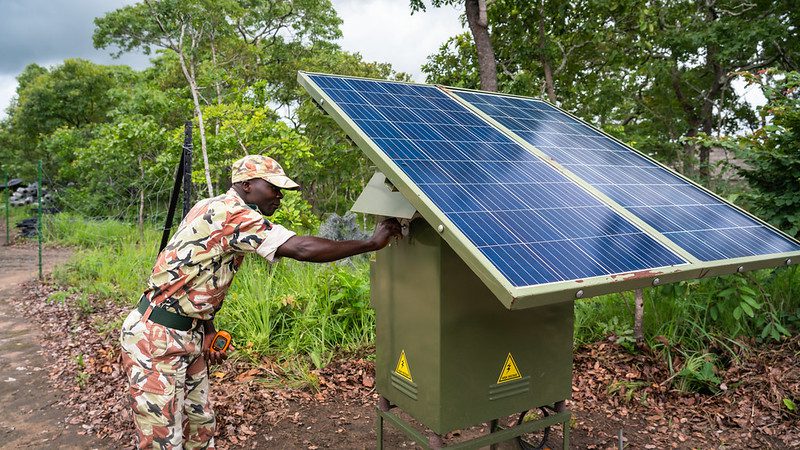
Due to the rising population and food insecurity rates, integrating technology tools and new scientific developments for agriculture in Kenya can be key to ensuring an adequate food supply. This could benefit those in Kenya and other countries plagued by food insecurity. Agricultural technology in Kenya involves a wide array of approaches, ranging from digital services to climate-smart farming techniques advanced by science. These tools address many common agricultural concerns in Kenya, including climate-related struggles, product yields and overall knowledge of farmland and crops.

Digital Services and Platforms

In partnership with the World Bank, Kenya’s Ministry of Agriculture implemented the Kenya Climate-Smart Agriculture Project and the National Agriculture & Rural Inclusive Growth Project. These gave Kenyan farmers access to various online support services in hopes of increasing production and profit. In addition, the collaboration led to the development of the Big Data Platform and the Kenya Agricultural Observatory Platform (KAOP). The Ministry also introduced the One Million Farmer Platform, which fostered collaboration between 24 AgTech startups and 27 county governments, connecting 1.1 million farmers.

The platforms have been vital in sharing high-resolution geospatial data with farmers and employees within the agriculture sector. These tools work by assessing specific coordinates to a location and delivering information about the geography, which has helped optimize land usage. The online services also provide advice to farmers tailored to their specific needs, such as seed and fertilizer suggestions. In addition to geographic data, the KAOP is notable for its weather forecast accuracy. The platform uses satellite-based information and shares weather advisories and patterns with the public via online messaging. This has allowed farmers to better prepare their farmland for inconstant weather events like heavy rain.

A popular app in Kenya tailored to smallholder farmers is iCow. The service works by utilizing SMS to better inform farmers on how to care for livestock, for example, providing information on disease management. In addition to SMS, iCow provides search engines to help farmers find experts nearby and also shares an online database full of information ranging from crops and soils to climate instability. Currently, 1.6 million individuals in Kenya utilize iCow and the service has sent more than 110 million messages to farmers.

Climate-Smart Farming

The joint effort between scientists at the Kenya Agricultural and Livestock Research Organization (KALRO) and the Alliance of Bioversity International and CIAT introduced a new bean for farmers in Kenya. Nyota beans are genetically modified to thrive in droughts and grow within shorter periods. Farmers who have grown Nyota beans have reported increased crop yields and profits. In Kenya, the bean consumption rate outweighs the bean production rate by 155,000 metric tons. However, the Nyota bean could decrease the deficit in the coming years.

New developments have allowed scientists to detect nutrient, water and carbon levels throughout Kenya to determine the most efficient technique for planting and growing crops in a certain area. They also observe the best soil and watering techniques in regions with frequent drought and water scarcity. Scientists share the information with farmers through hundreds of “farmer field schools” administered by KALRO. The farmers who used the farming techniques reported a crop yield increase of 20% and a 20% decrease in fertilizer use.

Conclusion

With shifting climate patterns and a growing population facing food insecurity, Kenya’s agricultural sector faces mounting pressure. In response, integrating modern technologies has become a significant step forward. From digital platforms that deliver localized weather forecasts and farming guidance to climate-smart innovations, modern technologies are addressing many of the top concerns of individuals living in Kenya. The success of these initiatives emphasizes the growing potential of agriculture technology and sustained investment and collaboration are crucial to expanding these accomplishments.

– Grace Johnson

Grace is based in Chicago, IL, USA and focuses on Technology and Global Health for The Borgen Project.

Photo: Freepik

July 29, 2025
https://borgenproject.org/wp-content/uploads/borgen-project-logo.svg 0 0 Lynsey 2 https://borgenproject.org/wp-content/uploads/borgen-project-logo.svg Lynsey 22025-07-29 01:30:122025-07-29 01:17:19Modernizing Agriculture in Kenya: Technology and Tools
Children, Global Poverty, Nonprofit Organizations and NGOs

Ciudad de los Niños: A Non-Profit’s Impact on Tijuana’s Children

Ciudad de los Niños (City of Kids): A Nonprofit's Impact on the Children of Mexico Ciudad de los Niños is a civil organization serving the community of Tijuana, Mexico. It offers a home for children from unsafe families, as well as childcare, psychological and educational programs. From a guiding value of co-responsibility, the nonprofit shares a commitment with society and families to protect, care for and support children experiencing social disadvantages. These disadvantages include financial hardship, mental health issues, disabilities and not having safe or reliable parental care. 

The Borgen Project spoke with Marta Beltrán, director of Ciudad de los Niños; Maryel Nieves, head of communications; Gladys, coordinator of CAI Albergue Infantil; and Cinthia Saavedra, coordinator of Unidad de Servicios Especializados, to gain further insight into the organization’s work. 

CAI Albergue Infantil (Children’s Shelter)

The Albergue Infantil is a shelter home for children who have experienced abuse or abandonment from their caregivers. The children’s cases are evaluated by the state. In this process, the children are moved to shelter homes like the Albergue Infantil offered by Ciudad de los Niños. There is no specific time frame for the length of cases, so children can spend anywhere from a few months to several years at the home.

Coordinator Gladys works directly with these children. She focuses on creating a family-like atmosphere and wants the children to have a loving and dignified childhood. She ensures that all fundamental emotional needs are met, guided by love.

Unidad de Servicios especializados (Unit of Specialized Services)

The Unidad de Servicios Especializados is Ciudad de los Niños’ psychological unit. Here, the nonprofit offers therapy to children and parents for mental health, trauma and disabilities.

Typically, the children are between 3 to 17 and a half years old. For kids with disabilities, the unit offers speech therapy, teaches sign language and provides hearing aids. For parents, they work with therapists outside the organization to connect them. Psychiatric services are included at the unit for patients who may need medication.

Prices are adjusted and decided after an assessment of family income. This allows low-income families to access needed psychological services. Equity is practiced, as the price is set using context and understanding of differing situations.

Initially, patients can have a hard time, as the therapists challenge them and help them confront difficult emotions. However, as treatment progresses, patients begin to feel proud of themselves for their successes. Similarly, the workers often have to figure out solutions, but feel very fulfilled seeing their patients’ progress.

Estancia Infantil (Day Care)

Ciudad de los Niños offers a daycare for working parents. To qualify for the program, both parents must be employed. However, the organization makes exceptions. If a parent is continuing their education, they may still qualify, since they cannot be with their child during class. Also, in consideration of summer vacation, children who are alone at home due to their parents’ working hours are accepted into the daycare. 

The daycare promotes equity, as low-income families can receive scholarships. Furthermore, the requirement helps ensure that working families have better access to childcare, as there is less competition from families with a stay-at-home parent.

Programa Educativo (Educational Program)

The children at Ciudad de los Niños attend public school and are further supplemented through educational programs at the organization. The organization connects with the schools to understand what each child needs to improve. They also focus on the students’ homework. Additionally, Ciudad de los Niños offers its own curriculum on art, plastic art and ecology.

The education program goes beyond its unit. It is present in all the aforementioned units, most notably at the Unidad de Servicios Especializados. In the case of mental disabilities, the unit implements pedagogy to provide effective aid to patients with neurodivergence.

All of the units work together. A child in the Albergue Infantil may go to therapy at the Unidad de Servicios Especializados and participate in the Programa Educativo after school for a concept they may not have understood at school.

Volunteers

Ciudad de los Niños welcomes volunteers across its programs, including at the Estancia Infantil, which supports young children. Volunteers assist with caregiving, play-based learning and basic needs such as organizing supplies. In the past, volunteers have donated school supplies and toys through independent fundraising efforts. The organization fosters a welcoming environment for volunteers, often including them in group activities and highlighting their contributions on social media.

Looking Ahead

Ciudad de los Niños offers direct aid to the community of children and even parents in Tijuana, Baja California, Mexico. At the Albergue Infantil, children are given a second chance at a childhood filled with love, respect and integrity that they did not receive in their original homes. At the Unidad de Servicios Especializados, children with mental disabilities or traumatic upbringings can seek healing and peace through the help of psychologists and therapists. Likewise, at the Estancia Infantil, hardworking parents receive child care support. This allows for social mobility, as parents can grow their careers or have two incomes instead of one. Finally, in the educational program, children receive further instruction in subjects like arts and ecology and receive help with their homework. Parents and children experiencing financial challenges, mental health concerns, disabilities and unsafe homes can find help at Ciudad de los Niños.

– Andrea Roji

Andrea is based in San Diego, CA, USA and focuses on Good News for The Borgen Project.

Photo: Ciudad de los Niños

July 28, 2025
https://borgenproject.org/wp-content/uploads/borgen-project-logo.svg 0 0 Precious Sheidu https://borgenproject.org/wp-content/uploads/borgen-project-logo.svg Precious Sheidu2025-07-28 09:45:572025-09-04 16:30:22Ciudad de los Niños: A Non-Profit’s Impact on Tijuana’s Children
Conflict, Global Poverty, Refugees and Displaced Persons

Positive Developments at Zamzam Camp in Sudan

Zamzam Camp in SudanZamzam refugee camp is approximately 15 kilometers outside El-Fasher, North Darfur, in southwestern Sudan. Many consider this camp to be the largest camp for internally displaced people (IDP) in the world. The government and humanitarian organizations established Zamzam in 2004 to respond to the surge of displaced individuals caused by the outbreak of conflict in the Darfur region.

Zamzam began as a temporary shelter for those fleeing conflict, violence and devastation. Since then, Zamzam has grown into an expansive settlement, hosting 120,000 people, including 54,000 families. Here are six facts about positive developments at Zamzam camp for IDPs in Sudan, despite its current instability.

Education for Children

According to the European Union External Action (EUAA), almost 30 schools within the camp contribute to educating 25,000 enrolled children. Many children in this camp have never been outside due to the conflict, making these schools incredibly important for their development and education.

Support for Children

The United Nations Children’s Fund (UNICEF) has supported children within Zamzam, successfully creating Child-Friendly Spaces (CFS). These safe places aim to help in dealing with the stream of traumatized children and teenagers arriving at this refugee camp. According to UNICEF, an average day in CFS entails taking their minds off the horrors going on throughout the country by working with psycho-social support workers.

Community-Led Initiatives

Despite the conflict and siege, the community has come together to assist in positive developments at Zamzam by helping supply the refugees with food and water. The United Nations (U.N.) has interviewed young people in Sudan who have come together to tackle the famine-stricken conditions in Zamzam. The organization explains that many people go there to volunteer in community kitchens to provide food to the various shelters around the camp.

UN Aid Convoy Security

In 2025, armed groups attacked a U.N. aid convoy, leading to the death of five humanitarian actors working for UNICEF and the World Food Programme (WFP). This devastating attack has increased security for all future aid convoys and the protection of humanitarian actors.

Water Relief From COOPI

An international NGO called COOPI recently delivered clean water, latrines and sanitation kits to around 9,000 people. Since the civil war broke out in 2023, this NGO has amplified its humanitarian efforts in North Darfur and Zamzam. It uses a multi-sectoral approach to provide essential human needs.

SAPA’s Integrated Emergency and Resilience Project

This project from the Sudanese American Physician Association (SAPA) has led to significant humanitarian efforts with the funding of the Schmidt Family Foundation. According to SAPA, this project has provided Zamzam IDP camp with emergency aid, such as food, health care and water relief, to more than 229,000 people.

Additionally, SAPA’s project includes the secondary phase implementation of a long-term recovery/resilience plan. This phase of the project consists of forming a youth development center. Furthermore, the SAPA team designed it to help train future generations in essential trades that will help rebuild Sudan.

In recent years, amid ongoing instability in Sudan, there have been positive developments at the Zamzam camp for IDPs in Sudan, many aimed at improving the quality of life for its residents. From increased humanitarian aid and improved water and sanitation infrastructure to educational initiatives and community-led programs, Zamzam is slowly evolving from a place of emergency shelter to one of cautious hope.

– Emma Dornan

Emma is based in Fife, Scotland and focuses on Good News for The Borgen Project.

Photo: Wikimedia Commons

July 28, 2025
https://borgenproject.org/wp-content/uploads/borgen-project-logo.svg 0 0 Lynsey 2 https://borgenproject.org/wp-content/uploads/borgen-project-logo.svg Lynsey 22025-07-28 07:30:452025-07-28 01:43:23Positive Developments at Zamzam Camp in Sudan
Global Poverty, Poverty, Trade

How the US-China Trade War Affects Trade in Indonesia

Trade in IndonesiaEarlier this year, the U.S. and China engaged in an all-out trade war as part of President Trump’s efforts to clamp down on what he called unfair trade practices by Chinese corporations. Since then, import tariffs have skyrocketed to a whopping 145%. International trade between the two countries has plummeted. Only recently have they agreed to ease a few of those tariffs.

While these developments hurt both powers, the impact of this tit-for-tat on developing countries and their ability to rely on stable trade with the U.S. and China is often overlooked. Indonesia offers a clear example of how these trade tensions ripple outward.

Indonesia as a Focal Point

Firstly, Indonesia trades with both nations. “Regarding exports, China and the U.S. are the first and third-largest trading partners for [Indonesia], respectively; regarding imports, China is its largest trading partner,” according to a study conducted by Bogor Agricultural University. Secondly, Indonesia is a prime example of how some countries won’t be able to adapt to the trade war while others will.

While some countries would benefit from the trade war due to production and manufacturing moving both outside the U.S. and China to avoid tariff rates, others, like Indonesia, would struggle to adapt to the tariff wars as they occur. This is largely because of low integration with the global value chain and the current trade structure in Indonesia, which heavily serves the Chinese and U.S. domestic markets. Using the country as a case study can show how this trade war can adversely affect developing nations.

Impact on Trade and Poverty

The tariff war between the U.S. and China has opened the door for several developing countries to fill the manufacturing gaps left behind. Countries like Thailand and Vietnam have boosted their exports due to the tariffs. At the same time, however, the trade war is indirectly dampening exports, as seen in Indonesia.

Due to its strong ties to both the Chinese and U.S. markets, Indonesia has experienced a decline in exports to both countries, with rising tariffs and broader economic fallout driving down demand. As a result, Indonesia has been more negatively affected than many other developing nations.

This decline in trade is also likely to affect Indonesia’s poverty rate. As demand continues to fall, the country may struggle to maintain downward progress on poverty. Reduced trade with developed nations like the U.S. and China could lead to job losses in labor- and export-heavy sectors such as textiles and electronics manufacturing.

Solutions

The Indonesian government is making several moves to reduce the impact of the U.S.-China trade war on the nation. One key effort is the government’s “Making Indonesia 4.0” initiative, which aims to harness advanced technologies to boost productivity and performance in the manufacturing sector.

Another potential solution is for the U.S. to sign a bilateral trade agreement with Indonesia. Indonesia has already taken steps toward this by proposing a limited trade deal with the U.S., which is expected to strengthen trade ties between the two countries. The deal aims to raise two-way goods trade from around $30 billion in 2019 to $60 billion in the next few years.

– Caelan Caukin

Caelan is based in Los Angeles, CA, USA and focuses on Global Health and Politics for The Borgen Project.

Photo: Wikimedia Commons

July 28, 2025
https://borgenproject.org/wp-content/uploads/borgen-project-logo.svg 0 0 Lynsey 2 https://borgenproject.org/wp-content/uploads/borgen-project-logo.svg Lynsey 22025-07-28 07:30:352025-07-28 01:44:10How the US-China Trade War Affects Trade in Indonesia
Disease, Global Poverty, Health

Organizations Advancing Disease Prevention in Serbia

Disease Prevention in SerbiaSerbia, a country in the Western Balkans between Southeastern and Central Europe, faces many diseases. It is suffering from the dual burden of communicable and noncommunicable illnesses to the growing threat of antibiotic-resistant bacteria spreading across Europe. Health organizations are working relentlessly to strengthen disease prevention efforts in Serbia.

European Center for Disease Prevention and Control

Over the past few months, the European Center for Disease Prevention and Control (ECDC) has visited Serbia. It aims to better understand the strengths and weaknesses of Serbia’s handling of communicable diseases, antimicrobial resistance (AMR) or antibiotic-resistant bacteria.

AMR is a major global concern as antibiotic use continues. Within the European Union (EU) alone, 35,000 people die each year from antimicrobial-resistant bacteria. The visits by ECDC experts ensure that roadmaps can be produced to follow AMR trends across the country, focusing on important sectors such as public safety, human and animal health.

The ECDC organized these visits using a “One Health” approach. The approach is a collaborative, multi-sectoral goal to achieve positive health for humans, animals and the environment, recognizing that the health of these three groups is interconnected. Using the approach, the EU hopes to increase disease prevention in Serbia and throughout Europe.

In addition to supporting the One Health initiative, the ECDC visited Serbia to help strengthen the surveillance of communicable diseases. On March 18, 2025, the agency released a report on its visit outlining several key recommendations:

  • Case definition revision. Revise case definitions within Europe’s most recent legal framework to understand “notifiable” diseases at the EU level in 2025.
  • Decrease surveillance burden for data providers. An automatic “integration of clinical and laboratory data” will decrease the chance of error within the system.
  • Improve notification timelines. Hold more meetings with stakeholders to collect overviews of notifications, which will aid in the surveillance of diseases.

The World Bank Group

The World Bank Group began a Noncommunicable Disease Prevention and Control Project for Serbia to aid in improving the Serbian health system. Efforts within the project include five main goals:

  • Improving the competence of providers.
  • Increasing accessibility to services.
  • Strengthening clinical and public health services.
  • Supporting project management, monitoring and assessment.
  • Improve government response in cases of emergency.

The World Bank Group initiated the project in December 2024. Efforts in the project are primarily focused on health facilities and construction, with a secondary focus on health and a tertiary focus on public administration. While the completion ratings and results have yet to be reported, the World Bank Group has reported “satisfactory” reviews for its management and progress in achieving the project goals.

Conclusion

The initiatives taken by groups like the ECDC and the World Bank Group are the first but the most important steps in securing a healthy future for the people in Serbia and worldwide. Suppose projects like the One Health approach improve Serbia’s prevention and control of disease. In that case, the broader application of this method can improve health systems in other developing countries.

– Matthew Perduk

Matthew is based in Chantilly, VA, USA and focuses on Good News and Global Health for The Borgen Project.

Photo: Flickr
July 28, 2025
https://borgenproject.org/wp-content/uploads/borgen-project-logo.svg 0 0 Lynsey 2 https://borgenproject.org/wp-content/uploads/borgen-project-logo.svg Lynsey 22025-07-28 07:30:272025-07-28 01:48:33Organizations Advancing Disease Prevention in Serbia
Children, Global Poverty, Politics

Vietnam’s Two-Child Policy Repealed: Here’s What That Means

Vietnam’s Two-Child Policy
Vietnam is in trouble. The country, in recent years, has become one of South-East Asia’s most talked about and exciting economies. The capital, Ho Chi Minh City, has become a thriving powerhouse of investment. However, demographics tell a different story. In 2015, Vietnam was declared an ‘aging’ country. Meanwhile, by 2035, it could become an ‘aged’ country. With a significant percentage of the population over 65, the momentum of the Vietnamese economy is coming to a gradual halt. When the birth rate dropped to 1.91, lower than the recommended replacement rate of 2.1, the government quickly acted and repealed Vietnam’s two-child policy.

Vietnam’s Two-Child Policy

Since 1988, the Vietnamese government has kept a rule of no more than two children per mother – this was in response to an extremely high birth rate of more than four babies in the 1980s. Given Vietnam’s struggling post-war economic state, it introduced the policy to control overpopulation. Demographics could, however, quickly stagnate the emerging Vietnamese economy in the 2030s, primarily hurting the poor the most, with rural and underdeveloped areas struggling to grow economically.

Challenges for the Elderly

Elderly Vietnamese often move from thriving cities, with developed infrastructure, to rural areas after retirement. With only two children to care for elderly relatives, many Vietnamese struggle in their old age, coupled with the lack of infrastructure in certain peripheral provinces. Younger Vietnamese workers are reluctant to move to these rural areas, with a lack of work opportunities and limited access to services. This disconnects retirees from their family, keeping young people in cities such as Hanoi.

The Vietnamese government spends a significant amount on health and social care. In the late ‘80s and early ‘90s, the percentage of state budgets spent on health, population and family-planning was around 30%. The rising elderly population would only continue the burden on government services, should the situation worsen. Many wonder what effect this rise will have on the existing poor in Vietnam; will the burden increase if poor families are having more babies? It is unclear that those in poverty will have more children as a result of these reforms.

Boosting Birth Rates

Vietnam already spends 5% of the state budget on health, population, and family planning. If these birth-rate boosting measures were not put in place, social programs for the elderly are expected to cost 0.4% of GDP by 2050. The long-term costs clearly outweigh the risk.

The Vietnamese government also seems to be specifically targeting population centers such as Ho Chi Minh City, for increased fertility. Compared with the overall birth rate of 1.91, Ho Chi Minh City saw levels as low as 1.39. The government, in response to this, instituted a ‘baby bonus’ – a grant of around $120 for those having two children before 35.

By encouraging wealthier areas to have more children, alongside a robust family planning safety net, Vietnam can increase its birth rate whilst taking the burden away from poorer families. This allows the long term economic development and diversification necessary for Vietnam to continue its economic growth, further providing for the poorest in the country.

Why This Was Necessary

The window of opportunity was shortening. Vietnam has been clearly moving towards a situation all too common in Asian countries with strong or developing economies. An aging population, rapidly turning into an aged one, and not enough working-age adults to combat this. 

Short-term fixes have been put in place, such as a raise in the retirement age from 55 to 60 for women, and 60 to 62 for men. The Prime Minister has even made personal pleas, asking women to marry before 30 and have two children before 35. These efforts, however, are only small aspects of a larger story.

Repealing Vietnam’s two-child policy demonstrates a structural shift in the Vietnamese government’s approach to combating the aging population. This move will not only help the poor in the long-term, but future-proof the Vietnamese economy against imminent stagnation.

– Lee Stonehouse

Lee is based in Newcastle upon Tyne, UK and focuses on Good News and Politics for The Borgen Project.

Photo: Wikimedia Commons

July 28, 2025
https://borgenproject.org/wp-content/uploads/borgen-project-logo.svg 0 0 Lynsey 2 https://borgenproject.org/wp-content/uploads/borgen-project-logo.svg Lynsey 22025-07-28 03:00:372025-09-05 11:04:21Vietnam’s Two-Child Policy Repealed: Here’s What That Means
Global Poverty, Sports, War

Exercising in Gaza: The Man Inspiring People To Keep Fit

Exercising in GazaDespite the unique challenges that arise from living in the war-torn country, one Palestinian man is exercising in Gaza and documenting it for the rest of the world to see.

The Fitness Trend

Young people are increasingly prioritizing health and wellness. This year’s London Marathon broke records with 56,640 finishers. Gen Z is also drinking less and signing up for more gym memberships. Social media proves this trend, with a rise in fitness influencers sharing their workout routines, meal plans and physical transformations with millions of followers worldwide.

One of these influencers is Mohammed Hatem. He fits the mold in many ways: he’s 20, has more than 300,000 followers on Instagram and posts fitness videos online. But the difference is that he lives in Gaza.

The Journey

Hatem began documenting his fitness journey on Instagram as a displaced Palestinian in April 2024. An avid gym goer and bodybuilder before the war, he notes on his page that, since the conflict started in 2023, he hasn’t been able to access a gym or nourish himself properly, leading to losing much of his strength. Eventually, he grew “fed up [of] waiting for the war to end” to prioritize his physical health again. So he started posting videos of himself exercising in Gaza, detailing his workouts and meals.

More than a year later, Hatem has fled his home several times due to the widening “danger zone.” Despite this, he continues exercising in Gaza. He not only encourages his fellow Palestinians to keep fit with the little they have but also inspires people worldwide to confront their preconceptions and rethink what it means to live in a warzone.

Most of his videos share the innovative ways he keeps fit, including doing weighted press-ups with bricks in his backpack, using his door frame to do pull-ups and carrying large containers of water upstairs. However, he also details what he eats, mostly from a tin. Fresh food is scarce in Gaza and earlier this year, the U.N. warned that one in five people living there is at risk of starvation.

Hatem also posts informative videos on other aspects of his life besides exercising in Gaza. These include how he gets access to the internet, updates on ceasefires and his method of planting fruit and vegetables to supplement the food other nations send in aid.

Looking Ahead

In a recent video entitled “Pursuing Dreams in Gaza,” Hatem explains that he is hoping to build his dream physique and eat enough to gain muscle when the war is over. He also dreams of starting an online coaching business to help others, just as he does now through his Instagram account. Despite all adversity, he continues exercising, educating and inspiring. He provides hope to all those affected by war, poverty and displacement.

– Elsa Tarring

Elsa is based in London, UK and focuses on Good News and Global Health for The Borgen Project.

Photo: Unsplash

July 28, 2025
https://borgenproject.org/wp-content/uploads/borgen-project-logo.svg 0 0 Lynsey 2 https://borgenproject.org/wp-content/uploads/borgen-project-logo.svg Lynsey 22025-07-28 03:00:332025-07-27 16:22:21Exercising in Gaza: The Man Inspiring People To Keep Fit
Global Poverty, Housing Security, Slums

Indian Slums: Why People in India Won’t Be Slumming It Anymore

Indian SlumsFrom “Slumdog Millionaire” to “Gully Boy,” Indian slums have been the iconic backdrop of several movies and the root of several inspiring rags-to-riches stories. However, a recent series of slum demolitions in New Delhi has left low-income residents displaced. The action has drawn criticism from United Nations (U.N.) human rights experts, who called it an “aggravated form of human rights violation.”

Three Makes a Pattern

The Delhi Development Authority (DDA), established to promote and construct large-scale affordable housing in Delhi, recently demolished Loni Road in northeast Delhi’s Gokalpuri locality. This marks a pattern, following two earlier demolitions of homes in areas such as Ashok Vihar, Wazirpur and Madrasi Camp. It demolished neighborhoods described as “illegally encroaching on government land,” like the Jailorwala Bagh JJ Cluster in Ashok Vihar on June 16.

Many slum structures were torn down, leaving many low-income wage workers displaced without a home. According to a piece in the Times of India, DDA did not inform the slum-dwellers about the demolitions. Another neighborhood in the DDA demolition list, Batla House, received some relief when residents approached the High Court. However, the public interest litigation filed by MLA Amanatullah Khan was dismissed. The petition argued that some targeted residents were not in the disputed zone.

The DDA initiated these demolition drives following High Court orders to resolve the flooding issues caused by the narrow drains that obstructed water flow during heavy rains.

Criticism and Future

U.N. experts have issued a warning to India to halt demolitions that disproportionately affect people living in poverty. Long-time residents of these areas are now forced to watch their homes being destroyed. According to the U.N. special rapporteur on the right to housing, India is leading the front in illegal home demolitions.

The U.N. experts, in their statement, pointed out that the demolitions are carried out without any investigation into the presence of these “illegal immigrants.” They added that concerns such as “national security” and motivations like the “anti-enforcement campaigns” are used to justify the actions. These “bulldozer drives” affect low-income household minorities and migrants who are not qualified for resettlement and cannot afford housing.

Dharavi, one of Asia’s largest slum clusters, is currently in the process of redevelopment, with its first list of slum households eligible for housing being released. Chief Minister Rekha Gupta on June 20 said that the Delhi government is considering studying Dharavi’s model for the redevelopment of 675 slum clusters in the national capital. Gupta asked the residents of Indian slums in Delhi to consider their safety and security when they build their homes near the railway line.

Innovation Amid Crisis

Being one of the fastest urbanizing countries in the world, India is estimated to have a huge growth in population. The U.N. has estimated a whopping 164 million addition to India’s population between 2015 and 2030 in urban areas.

Researchers are exploring ways to improve slum conditions amid India’s rapid urbanization. A scientific trial led by the Wellcome Trust-backed project is trying to solve the heat problem, especially as heat waves intensify every summer in places like Ahmedabad.

Roofs of Indian slums were painted with a reflective white coating to send the sun’s radiation back to the atmosphere. This one-year trial involving 400 households in Ahmedabad was started earlier this year and residents already see a difference in temperature and electricity bills.

Conclusion

Although steps are being taken, urban growth is outpacing the development of adequate housing, sanitation, clean water and waste management in many areas. The demolition drives are displacing poverty-stricken communities, depriving them of their means of livelihood, deepening divisions and violating human rights.

– Sahana Shastry

Sahana is based in Newtown Square, PA, USA and focuses on Global Health for The Borgen Project.

Photo: Flickr
July 28, 2025
https://borgenproject.org/wp-content/uploads/borgen-project-logo.svg 0 0 Lynsey 2 https://borgenproject.org/wp-content/uploads/borgen-project-logo.svg Lynsey 22025-07-28 03:00:112025-07-27 16:26:15Indian Slums: Why People in India Won’t Be Slumming It Anymore
Global Poverty, Sports

How Togolese Athletes Rise Above Poverty To Reach the Olympics

Togolese AthletesTogo, a small nation in West Africa, is among the most impoverished countries in the world. Despite challenges, Togolese athletes proudly compete internationally, representing their homeland and raising global awareness about Togo’s struggles.

Poverty in Togo

With more than half of the national population living below the poverty line, Togo continues to struggle with implementing development initiatives and programs designed to improve the daily lives of the Togolese people. Similarities between Togo and other poverty-ridden nations are prevalent, including domestic unrest, a growing hunger crisis and a lack of access to education. Children often live without the key elements of a thriving society, namely access to education and child care, putting them and all of Togo at risk for cyclical poverty.

Despite widespread poverty, many Togolese athletes manage to reach international levels of competition, overcoming significant economic obstacles along the way. While international athletics provides a world stage to share the talent and ideals of individual nations, it also creates a platform for building a shared community. The opportunity to participate increases hope and resilience among athletes.

However, in impoverished countries like Togo, athletes face inadequate training facilities and equipment, limited access to coaching and trainers, a lack of nutrition and low sponsorship amounts for international competitions, according to The Brookings Institution.

A Rower From Agbodrafo

Akoko Komlanvi, a Togolese single sculls rower, competed in the 2024 Paris Olympic Games, rising above a poverty-stricken upbringing to gain international recognition. As one of five Togolese athletes at the Games, her performance improved with support from the Olympic Solidarity scholarship program.

The Olympic Solidarity program supports skilled athletes from marginalized and impoverished nations. These athletes often lack access to professional training resources and cannot afford travel costs. Support from the program helps them attend the international competitions required to qualify for events like the World Championships and the Olympic Games, according to the International Olympic Committee.

Without the Olympic Solidarity program, athletes like Komlanvi, gifted but lacking equal access to training and opportunities, would be unable to compete or represent their countries on the global stage. The program gave Komlanvi the chance to train in Tunisia, where she had access to quality rowing equipment that is rare, if not nonexistent, in Togo. Despite finishing last, participating in the Olympics was a win for Komlanvi and her country.

Pros Outweigh the Cons of the Olympics

As each Olympic Games nears, debates commence about the negative impacts of the event, primarily on the host country. The host country typically incurs an economic burden due to decreased revenue and increased costs of improving stadiums or building new arenas and housing for athletes.

However, after each Olympic Games, the necessity of providing this opportunity for athletes worldwide to gather under different flags in a fair and peaceful environment is re-established. Nations that compete, like Togo, reaffirm the importance of the goal of being counted among the participating countries.

Bringing the Togolese People Together via Sport

Sports can improve the health and well-being of athletes and those they represent, especially those living in poverty, increasing social inclusion and shedding light on global issues. While international support programs are vital for professional athletes, domestic and amateur athletes also need resources to improve their health and lessen the impact of poverty. Many of these individuals, whose struggles are echoed by their country’s athletes on the world stage, still lack access to necessities like food, health care and education.

One such program, run by the Leading Youth, Sport and Development group, supports youth development by using basketball to foster peace and address pressing social issues in Togo. This agency helps implement and support programs that align with the 2030 Agenda. It’s committed to minimizing poverty and inequality worldwide through programs designed to influence younger generations to make lasting changes positively.

Final Remarks

Beyond health benefits, sports can reduce discrimination, boost social participation and create job opportunities and revenue streams. This makes athletic programs a valuable investment in the well-being of the Togolese people.

– Avery Kachmarsky

Avery is based in Los Angeles, CA, USA and focuses on Business and Politics for The Borgen Project.

Photo: Wikimedia Commons

July 28, 2025
https://borgenproject.org/wp-content/uploads/borgen-project-logo.svg 0 0 Lynsey 2 https://borgenproject.org/wp-content/uploads/borgen-project-logo.svg Lynsey 22025-07-28 01:30:532025-07-27 16:12:48How Togolese Athletes Rise Above Poverty To Reach the Olympics
Education, Global Poverty, Slavery

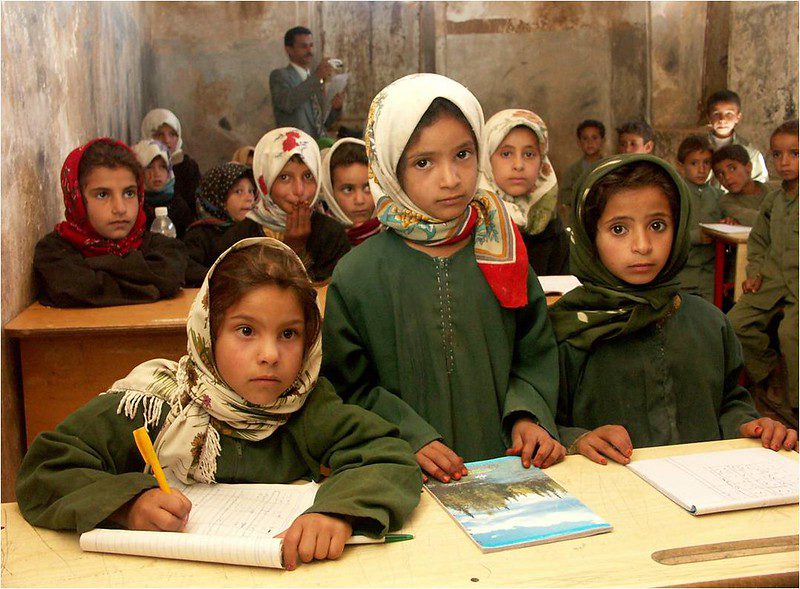
How Freed Communities Are Building Schools in Mauritania

Schools in MauritaniaIn Mauritania, hereditary slavery is not always visibly evident, but its influence remains strong. For generations, the Haratine, a Black ethnic group historically enslaved by the White Moors (Beidane), have been born into lives of servitude, owned as property and made to believe that their bondage is divine will. Women face sexual violence and are forced to bear children who inherit their enslaved status. Entire families work unpaid within a caste system that persists beyond legal abolition. Although Mauritania criminalized slavery in 2007 and reinforced laws in 2015, enforcement remains weak.

Few enslavers have been prosecuted and the government denies that slavery still exists, instead targeting anti-slavery activists who challenge the system. Illiteracy, common among the Haratine, deepens their marginalization, with only half able to read and write. Public education in Mauritania is underfunded and neglected, failing those most in need, while the elite send their children to private schools.

Without birth certificates, many Haratine children are prevented from attending school, reinforcing their exclusion. Nonetheless, communities are establishing their schools in response to systemic neglect. Since 2014, more than 60 grassroots schools have been built by and for the Haratine, providing literacy and empowerment. These initiatives challenge a divided nation, where rural slavery contrasts with urban segregation and where the legacy of slavery persists in slums and segregated neighborhoods.

The Rise of Community-Led Schooling

Pervasive illiteracy and the emergence of community-led schools in Mauritania underscore both significant challenges and the resilient efforts of formerly marginalized communities to reclaim their right to education, a transformative journey from enslavement to education. Although there have been gradual improvements, stark disparities persist, exacerbated by a brain drain of young, educated Mauritanians seeking higher education abroad, leading to a fractured system.

Ali Deng of the Sahel Foundation notes that primary education is highly stratified: wealthy families send their children to elite private schools, the middle class chooses lower-tier private institutions and the impoverished rely on underfunded government schools with few resources. Rural areas are hit hardest, with severe teacher shortages making access nearly impossible. With literacy rates as low as 52% and extreme poverty impacting three-quarters of the population, grassroots organizations have stepped in to fill the gap.

Groups like Graines d’Espoir Mauritania work directly with marginalized communities, offering educational support, nutrition and agricultural programs to promote long-term development. These efforts, often led by residents and supported by diaspora networks, focus on inclusive education, rejecting ethnic or religious discrimination. While the government is gradually expanding access, NGOs and community-led schools in Mauritania enable oppressed groups, such as the Haratin, to overcome systemic barriers and create their routes to literacy and empowerment.

Political Pushback and Progress

Despite Mauritania’s official abolition of slavery in 1981 and subsequent laws against it, the practice continues with alarming impunity. Those advocating for emancipation face relentless political repression. Leading this effort is Biram Dah Abeid, an anti-slavery activist and politician who established the Initiative for the Resurgence of the Abolitionist Movement (IRA-Mauritania).

Abeid is globally recognized for his bravery, receiving awards like the 2013 U.N. Human Rights Prize, the 2016 U.S. State Department’s TIP Hero Award and the 2015 Dutch Human Rights Tulip. Abeid works to free enslaved communities, prosecute slaveholders and challenge the government’s complicity. His activism has come at a personal cost. In 2014, he and 16 fellow activists were arrested during a protest against slaveholder impunity. He was charged with unlawful assembly and sentenced to two years in prison amid international protests.

Although released in 2016, he was re-arrested in 2018, highlighting the government’s effort to silence dissent. Nonetheless, IRA-Mauritania continues grassroots activism through protests, hunger strikes and global advocacy. These suppression tactics reflect a wider pattern of resistance against Black liberation movements, where legal and political systems are weaponized to uphold oppression. Yet, Abedi’s perseverance and international support show that liberated communities are demanding education and justice and redefining resistance narratives amid systemic violence.

The Lasting Effects

In Mauritania, community-led educational and economic programs are transforming freed slave communities by breaking cycles of oppression and reshaping cultural narratives. Organizations like Anti-Slavery International and SOS-Esclaves have supported formerly enslaved individuals, especially Haratine women. They do this through vocational training, financial literacy workshops and small business support, helping hundreds achieve economic independence for the first time.

These initiatives do more than foster livelihoods; they challenge caste hierarchies by promoting self-worth and empowerment. Personal stories, such as Moctar’s, who escaped slavery at age 13 and now aims to become a lawyer, illustrate the psychological freedom these efforts provide. His mother’s initial resistance, rooted in long standing beliefs about caste superiority, highlights the cultural barriers these programs face.

By teaching skills like embroidery, sewing and market entrepreneurship, these workshops offer income opportunities and reshape social roles for Haratines, historically limited to “dirty” or “degrading” work. These community-driven initiatives demonstrate how they can address immediate survival needs while fostering long-term cultural change, turning emancipation into genuine empowerment.

A Path Forward Through Collective Action

Mauritania’s transition from enslavement to education highlights both the persistence of systemic oppression and the empowering role of community-led resistance. Although slavery has been legally abolished, hereditary slavery continues under caste hierarchies, government denial and institutional neglect. Nonetheless, freed communities, especially the Haratine, are creating spaces for empowerment through grassroots schools, vocational programs and economic initiatives in Mauritania.

The growth of community-based schooling, supported by groups like Anti-Slavery International and activists such as Abeid, shows how education can break the cycle of intergenerational trauma. These successes, though hard-won, reveal the contradictions within a state that bans slavery but criminalizes those fighting against it.

The path forward remains challenging. Repressive government actions limited public funding and deeply rooted caste ideologies still obstruct progress. However, the resilience of Mauritania’s marginalized populations provides a change model, with these grassroots efforts fostering a future where emancipation signifies freedom from chains and the opportunity to thrive.

– Emilia Bartle

Emilia is based in Watford, UK and focuses on Good News and Politics for The Borgen Project.

Photo: Flickr
July 28, 2025
https://borgenproject.org/wp-content/uploads/borgen-project-logo.svg 0 0 Lynsey 2 https://borgenproject.org/wp-content/uploads/borgen-project-logo.svg Lynsey 22025-07-28 01:30:352025-07-27 16:11:05How Freed Communities Are Building Schools in Mauritania
Page 147 of 2162«‹145146147148149›»

Get Smarter

  • Global Poverty 101
  • Global Poverty… The Good News
  • Global Poverty & U.S. Jobs
  • Global Poverty and National Security
  • Innovative Solutions to Poverty
  • Global Poverty & Aid FAQ’s
Search Search

Take Action

  • Call Congress
  • Email Congress
  • Donate
  • 30 Ways to Help
  • Volunteer Ops
  • Internships
  • Courses & Certificates
  • The Podcast
Borgen Project

“The Borgen Project is an incredible nonprofit organization that is addressing poverty and hunger and working towards ending them.”

-The Huffington Post

Inside The Borgen Project

  • Contact
  • About
  • Financials
  • President
  • Board of Directors
  • Board of Advisors

International Links

  • UK Email Parliament
  • UK Donate
  • Canada Email Parliament

Get Smarter

  • Global Poverty 101
  • Global Poverty… The Good News
  • Global Poverty & U.S. Jobs
  • Global Poverty and National Security
  • Innovative Solutions to Poverty
  • Global Poverty & Aid FAQ’s

Ways to Help

  • Call Congress
  • Email Congress
  • Donate
  • 30 Ways to Help
  • Volunteer Ops
  • Internships
  • Courses & Certificates
  • The Podcast
Scroll to top Scroll to top Scroll to top