Poverty in Saudi Arabia
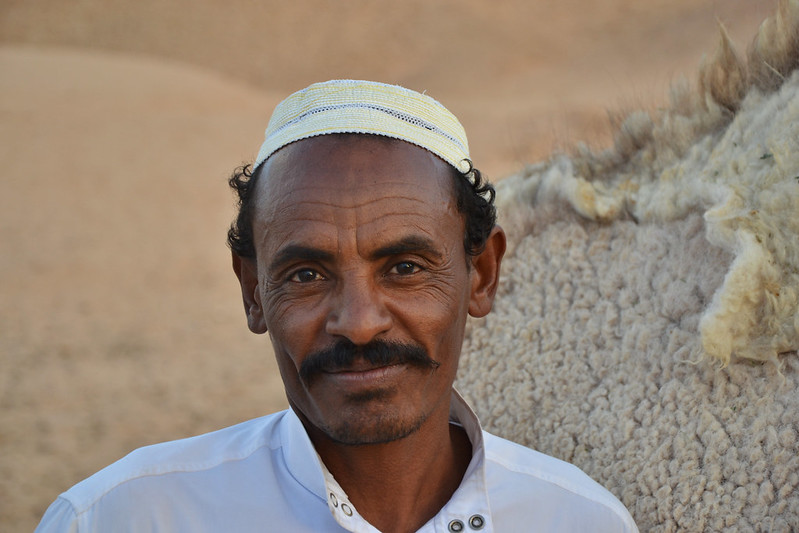 Between 2010 and 2021, the poverty rate in Saudi Arabia decreased from 18.2% to 13.6%, lifting 483,000 Saudis out of poverty. However, significant challenges remain, including systemic unemployment and a lack of affordable housing. With a nominal GDP of $1.07 trillion, the country boasts the largest economy in the Middle East. Despite this economic strength, the kingdom also has the highest poverty rate among Gulf states, with one in seven Saudi nationals living in poverty.
Poverty Hidden from View
Saudi Arabia does not officially disclose statistics on poverty or define a poverty threshold. The kingdom portrays itself as a highly developed and civilized nation, with gleaming cities like Riyadh and luxury resorts along the Red Sea, boosting its tourism industry. Yet, poor neighborhoods and slums exist, though their locations often make them invisible to visitors. Urban layouts deliberately segregate lower-class neighborhoods from highways and central city areas, pushing low-income citizens to society’s fringes. Until 2002, Saudi officials denied the existence of poverty altogether and state-run media ignored the issue until Crown Prince Abdullah bin Abdulaziz visited a Riyadh slum, bringing the problem to light.
Vision 2030
Saudi Arabia derives most of its wealth from the oil sector. Vision 2030 is a plan to reduce the country’s reliance on oil by diversifying industries, expanding the private sector and scaling down the public sector. A cornerstone of this initiative is the partial privatization of Aramco, the state-owned oil giant. However, the plan also includes privatizing public services, such as hospitals and schools. A significant challenge for Saudi citizens under Vision 2030 is the proposed reduction in state employment.
Currently, two-thirds of Saudis work in government jobs, but the plan aims to lower this to 20% of the population. Welfare spending, which includes free education and health care, has also seen cuts. The government funds much of its welfare spending through Zakat, an Islamic principle requiring individuals to donate 2.5% of their wealth to charity. The government collects and distributes these funds. Under Vision 2030, the government is reducing subsidies for essential services like fuel, electricity and water. These cuts disproportionately affect poorer citizens, creating further challenges for those already struggling financially.
Women and Migrant Workers: The Most Vulnerable
Under Islamic law, men are traditionally responsible for financially supporting women and children. As a result, women without a husband or living male relative often face significant socio-economic challenges. Female-headed households represent a large proportion of the poorest families in Saudi Arabia. Although women are permitted to work independently, many employers require written consent from a male guardian, limiting women’s participation in the labor force. This guardianship system creates barriers to employment, increasing women’s vulnerability to poverty and rising living costs. Migrant workers, particularly women, are among the most vulnerable groups in Saudi society. They often endure low wages, financial hardships and exploitative practices such as wage withholding and the confiscation of passports, exacerbating their economic challenges.
Progress and Solutions
According to the United Nations (U.N.), poverty in Saudi Arabia has become less of a taboo topic since the crown prince visited a Riyadh slum in 2002. Following this pivotal moment, the country implemented the National Poverty Reduction Strategy in 2005 and the Supplementary Support Programme in 2006, both aimed at assisting those in need. Policy reforms remain essential to effectively combat poverty. Key strategies include promoting a fair tax system, enhancing the efficiency of social protection transfer programs and revising land distribution and public procurement policies. Additionally, prioritizing investments in skill development for citizens is critical. These measures can help expand access to socioeconomic opportunities, fostering greater inclusion and reducing poverty across the nation.
Looking Ahead
Efforts to tackle poverty in Saudi Arabia are advancing, however, systemic challenges such as unemployment, limited affordable housing and economic disparities persist. Targeted reforms, including improved social protection systems and investments in education and skill development, remain critical to achieving greater socioeconomic inclusion. As the kingdom moves forward with Vision 2030, balancing economic diversification with equitable welfare measures could be essential to reducing poverty further.
– Salome von Stolzmann
Salome is based in London, UK and focuses on Global Health and Politics for The Borgen Project.
Photo: Flickr
