• Link to X
  • Link to Facebook
  • Link to Instagram
  • Link to TikTok
  • Link to Youtube
  • About
    • About Us
      • President
      • Board of Directors
      • Board of Advisors
      • Financials
      • Our Methodology
      • Success Tracker
      • Contact
  • Act Now
    • 30 Ways to Help
      • Email Congress
      • Call Congress
      • Volunteer
      • Courses & Certificates
      • Be a Donor
    • Internships
      • In-Office Internships
      • Remote Internships
    • Legislation
      • Politics 101
  • The Blog
  • The Podcast
  • Magazine
  • Donate
  • Click to open the search input field Click to open the search input field Search
  • Menu Menu

Archive for category: Indigenous Peoples

Education, Global Poverty, Indigenous Peoples

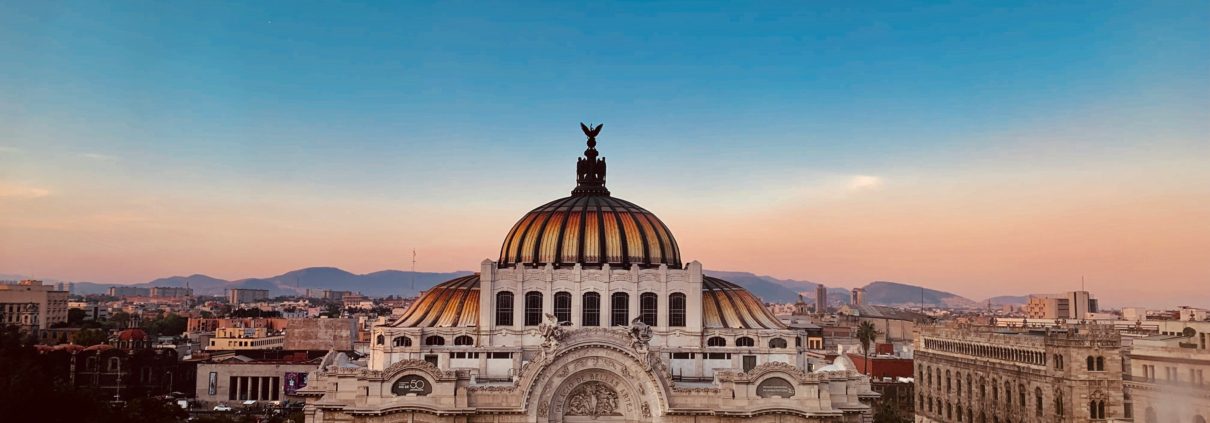
Community Groups Supporting Indigenous Families in Mexico City

Indigenous Families in Mexico CityMexico City can offer opportunities, but for many families it also brings new pressures. Rent is high, work can be uncertain and basic services are not always easy to access. For Indigenous families, those pressures are often intensified by displacement, exclusion and the strain of trying to preserve community and identity in a city that can be indifferent to both. 

That is why local support matters. In practice, it can mean food, shelter, help staying in school or simply the reassurance that someone is taking a family’s future seriously. Community groups supporting Indigenous families in Mexico City are, at heart, about that kind of practical support and the difference it can make.

The Indigenous Education Support Program

The Indigenous Education Support Program provides lodging and food, promotes cultural identity and supports Indigenous and Afro-Mexican youth as they continue their studies. It is aimed particularly at students who do not have local educational options in their communities. This helps address longer-term issues when poverty is not only about income but also about whether young people can remain in school without being forced to choose between education and survival.

A program like this does more than meet an immediate need; it gives families a better chance of staying stable while helping younger people move forward without losing touch with their cultural identities.

Casa Tochán

Support in Mexico City also comes through shelters and community organizations that help people rebuild and settle after periods of upheaval. Casa Tochán is one such organization that supports people in migration in Mexico City through housing, medical and psychological care, job support and cultural activities. The Unitarian Universalist Service Committee (UUSC) describes it as a place that helps people not only survive but begin to recover some sense of ordinary life.

Casa Tochán also provides paralegal advice, community health campaigns and support with local integration issues. Even though the shelter is not exclusively for Indigenous families, its work still speaks to the wider reality of exclusion in the city. Families arriving with few resources often face overlapping pressures related to housing, legal uncertainty, health and work. 

Casa Tochán’s model is useful because it treats those pressures as connected rather than separate. Its works allow families to focus on their own lives rather than becoming caught in the various bureaucratic webs these issues can create when kept separate.

The Impacts of Support 

What stands out about both the Indigenous Education Support Program and Casa Tochán is that neither treats poverty as an abstract issue. They respond to it by asking whether a child can remain in school, whether a family has food and shelter and whether people trying to build a life in Mexico City are met with respect rather than indifference. That may sound simple, but it is not insignificant.

For underrepresented families, consistent, local and humane support can shape the course of daily life. These community groups supporting Indigenous families in Mexico City are not only responding to need, but also reflecting the effort, care and quiet solidarity that help people endure and rebuild. Mexico City remains a difficult place for many families living at the margins.

However, these examples show that practical support is within reach. When organizations invest in education, shelter and everyday dignity, they make it easier for families not just to endure the city but to find some footing within it.

– Elliott Carter

Elliott is based in Mexico City, Mexico and focuses on Good News for The Borgen Project.

Photo: Unsplash
May 15, 2026
https://borgenproject.org/wp-content/uploads/borgen-project-logo.svg 0 0 Hemant Gupta https://borgenproject.org/wp-content/uploads/borgen-project-logo.svg Hemant Gupta2026-05-15 07:30:262026-05-15 13:21:57Community Groups Supporting Indigenous Families in Mexico City
Global Poverty, Indigenous Peoples

Everything You Need to Know About Poverty in Mexico

Poverty in MexicoPoverty in Mexico remains a major social challenge that affects different groups disproportionately, even as the country has made noticeable progress in recent years. In 2024, 38.5 million Mexicans, as much as 29.6% of the population, were living in multidimensional poverty. While that number remains strikingly high, it marks a notable decline of 8 million people in poverty from 2022. The shift suggests that while hardship remains widespread, recent support measures and broader social gains have helped ease conditions for millions of households.

Who Poverty in Mexico Affects Most

National figures only tell part of the story and might suggest that quality of life is improving nationally, however, poverty in Mexico continues to fall unevenly, with rural and Indigenous communities carrying a far heavier burden than the country as a whole. In rural areas, the poverty rate stood at an alarming 45.8% in 2024, compared with 25% in urban areas. This divide reflects more than geography alone. It indicates long-standing gaps in infrastructure, formal employment and access to support systems.

The disparity is even sharper for Indigenous communities. In 2024, 60.8% of Mexico’s Indigenous population was living in poverty. Although that figure represents an improvement from previous years, it does so at a less than the national rate, illuminating how deeply inequality remains embedded in communities that have had less access to opportunity and public investment.

Why Poverty Persists in Mexico

Part of the reason poverty in Mexico remains so difficult to overcome is that it is not just about wages. Mexico measures poverty through a multidimensional system, taking into account access to essentials such as education, health care and social protections. For many families, economic vulnerability persists because single setbacks such as illness, job losses or rising cost of living can quickly push them into poverty.

This is especially true where social protections remain weak. In 2024, nearly half of Mexico’s population did not have formal employment-based protections such as pensions, health coverage or other long-term support. This helps explain why national progress can coexist with persistent hardship, especially in the country’s most vulnerable regions.

Reducing Poverty in Mexico

What is helping, however, is easier to see in the latest data. Recent reporting suggests that social welfare programs and other support measures helped reduce hardships for many families. While that kind of support does not solve the deeper causes of poverty, it can make an immediate difference for households under financial pressure and help prevent even deeper forms of deprivation.

National programs have also tried to address poverty through employment schemes and rural development. Jóvenes Construyendo el Futuro, for example, has supported millions of young people who are not in work or education with training and financial support, while Sembrando Vida is aimed at strengthening rural livelihoods by supporting farmers and local production. While these efforts are not enough to eliminate every structural cause of disproportionate poverty in Mexico, they show that targeted investment can expand opportunity and reduce vulnerability for many families, making a palpable difference to many lives.

Looking Forward

Poverty in Mexico remains a major issue, particularly for rural and Indigenous communities that continue to face the highest levels of hardship. Even so, the latest figures offer a measure of hope. Poverty has declined in recent years, and national support programs appear to be helping prevent even deeper deprivation. With sustained investment and continued attention to the communities most affected, Mexico has a real opportunity to build on that progress in the years ahead.

– Elliott J. Carter

Elliott is based in Mexico City, Mexico and focuses on Good News for The Borgen Project.

Photo: Unsplash
May 8, 2026
https://borgenproject.org/wp-content/uploads/borgen-project-logo.svg 0 0 Jennifer Philipp https://borgenproject.org/wp-content/uploads/borgen-project-logo.svg Jennifer Philipp2026-05-08 12:08:032026-05-08 12:08:03Everything You Need to Know About Poverty in Mexico
Global Poverty, Indigenous Peoples

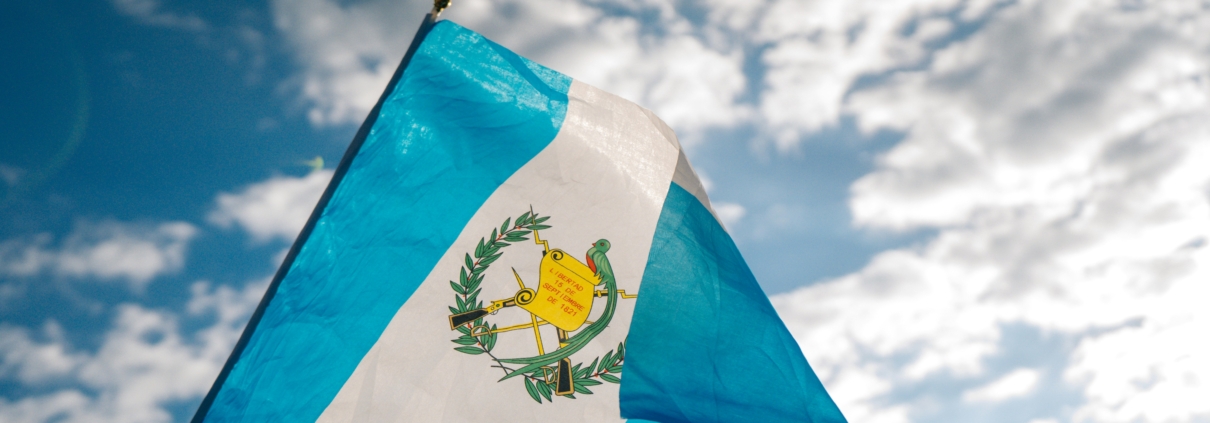
Toward Ending Poverty in Mayan Communities in Guatemala

Mayan Communities in guatemalaMayan communities are Indigenous to present-day Guatemala, Belize, Honduras, El Salvador and Mexico. In Guatemala, Mayan people make up 51% of the population, making it the only Central American country where more than half of the population is Mayan. Guatemala is considered one of the most impoverished countries in the region, with 56% of its population living below the national poverty line.

Conditions are generally worse for Mayan communities, many of whom live in rural areas far from major cities. As a result, access to essential services such as health care and education is often extremely difficult and in some cases, impossible. Poverty affects 75% of Indigenous populations in the country, compared to 36% of non-Indigenous people.

A Brief History

The Mayan civilization was a highly advanced, agriculture-based Mesoamerican society. It established city-states, developed sophisticated trade routes and made significant advances in writing, mathematics and astronomy. The Spanish conquest of the Maya in the 16th century led to a sharp decline in civilization, marking the first of three major periods of cultural erasure.

The Liberal Revolution of 1871 triggered a second wave of repression against Mayan communities. The new government dispossessed Indigenous populations of their land, including farms belonging to Mayan families. Many were then forced into exploitative labor systems, working on lands that had been taken from them.

In the ’80s, during a period of military rule, General Efraín Ríos Montt led a counterinsurgency campaign targeting Mayan communities that had long advocated for basic rights and cultural recognition. The army destroyed more than 600 villages, killing or disappearing more than 200,000 people. It also displaced more than 1.5 million others during three years of conflict.

Despite these periods of violence and repression, Mayan communities in Guatemala have endured. Today, the country is home to 24 Indigenous ethnic groups that continue to practice their cultures and preserve their languages.

Medicine and Health

Access to health care is often more difficult for rural Indigenous communities around the world and Mayan communities in Guatemala are no exception. With few hospitals located in rural areas, many people must travel for hours to receive care. Maternal mortality rates among Mayan women are also significantly higher. 

The maternal mortality ratio for Mayan women is 166, compared to 78 for non-Indigenous Guatemalans. This disparity is partly driven by limited access to health facilities in rural areas, which forces many women to give birth at home. At the core of these disparities is a “deep-seated mistrust of institutional health care, rooted in historical trauma and systemic neglect.” 

Beyond physical distance, Mayan communities also face major cultural and structural barriers, including language, cost and discrimination. For many, the challenge is not only a lack of access to health facilities, but also a lack of what some experts describe as “cultural accessibility.”

Wuqu’ Kawoq (Maya Health Alliance) strives to address the health care challenges Mayan communities face every day. With a mission to advance health equity, the alliance serves more than 11,000 people annually. It plays a significant role in improving both access to care and the quality of health care available to Mayan communities in Guatemala.

Education

Access to education is similarly restricted when children have no nearby schools to attend each day. Karla Sucely Ramos Reyes, a kindergarten teacher based in Guatemala City, told The Borgen Project that in some cases, “children have to walk several kilometers to attend” school, contributing to low attendance and a “shortage of teachers.” She also noted that while nearly all children in major cities complete secondary education, “in rural areas, boys typically study up to the sixth grade of primary school.”

Adult literacy rates in Guatemala are relatively high overall, reaching 82% in 2024, according to the World Bank. However, literacy rates are significantly lower among Indigenous communities, at just 33%. Reyes also noted that “public schools [in Guatemala] do not have libraries.” She added that the government “provides little funding to libraries,” which means many rely largely on “donations from organizations that support literary and cultural arts.”

Chajul, a small town in Guatemala and home to the Ixil Maya community, opened its first public library, the Saber Sin Límites (Limitless Knowledge) Community Library, in 2010. The library houses more than 11,500 books in English, Spanish and Ixil, along with quiet study rooms and community spaces designed to support learning and growth. It also offers a range of programs, classes and projects to bridge the educational gap and encourage young people to embrace their Indigenous language and culture.

Labor and Employment

The labor market is often unforgiving for many urban Mayan people. Linguistic and cultural barriers continue to shape employment opportunities, as those who speak little or no Spanish and wear traditional clothing often face discrimination when seeking work. This can severely limit access to stable employment, social security and a livable income.

Women’s labor force participation in urban areas is nearly 50%. For Indigenous women in rural areas, however, that figure is significantly lower. Reyes also told The Borgen Project that gender-based wage inequality is more common in rural areas than in major cities.

Employment patterns also reflect deep inequality. For example, Mayan people make up 80% of domestic workers in private homes. In politics, by contrast, Indigenous people account for only 15% of parliamentarians. 

Mayan Power and Light (MPL), a project developed by the nonprofit Appropriate Technology Collaborative, is one initiative helping Mayan women pursue careers as entrepreneurs through training in green technology, particularly solar energy. Through workshops and training sessions, MPL seeks to address unemployment and gender inequality in the workforce. MPL also promotes sustainable, renewable energy solutions in Guatemala. In doing so, it is helping create a brighter future in more ways than one.

Looking Forward

Several other organizations are also making a meaningful difference for Mayan communities in Guatemala. The Office of the Ombudsman for Indigenous Women (DEMI), for example, is a government institution that works to defend the rights of Indigenous women by addressing discrimination and other forms of vulnerability. Although many initiatives are working to challenge inequality and confront the lasting effects of colonial oppression on Mayan communities in Guatemala and beyond, significant work remains.

Advocating for increased government investment in health care and education, while raising awareness of the inequalities faced by Mayan communities across the country, are essential steps toward a brighter, sustainable and equal future. 

– Brittany Buscio

Brittany is based in Montreal, Quebec, Canada and focuses on Good News and Global Health for The Borgen Project.

Photo: Flickr

April 14, 2026
https://borgenproject.org/wp-content/uploads/borgen-project-logo.svg 0 0 Hemant Gupta https://borgenproject.org/wp-content/uploads/borgen-project-logo.svg Hemant Gupta2026-04-14 01:30:492026-04-13 08:41:53Toward Ending Poverty in Mayan Communities in Guatemala
Education, Global Poverty, Indigenous Peoples

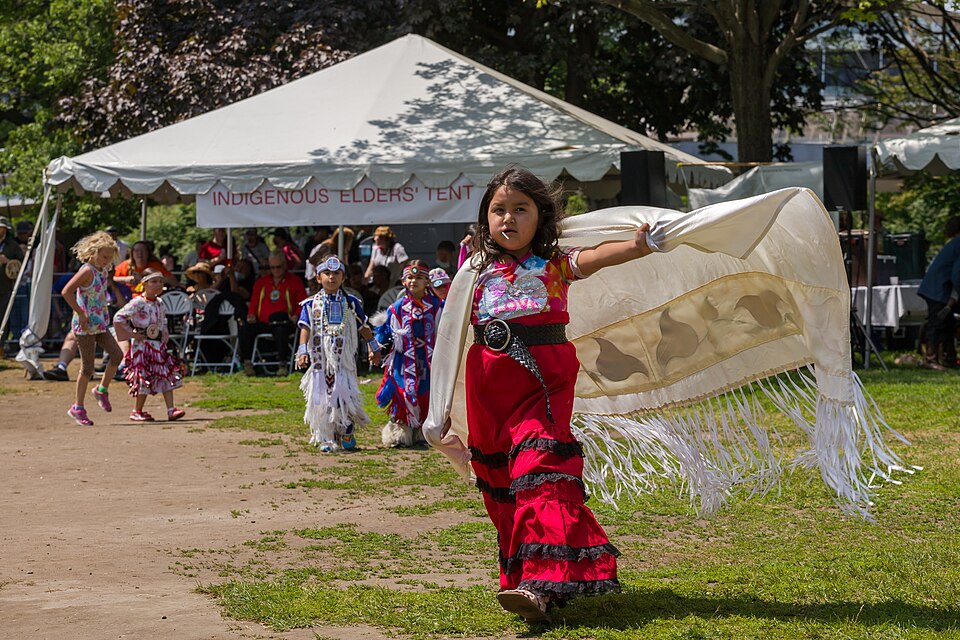
Education and Indian Tribal Communities Fight Against Poverty

Education and Indian Tribal CommunitiesIndia prides itself on its rich cultural diversity, being home to the origin and existence of a variety of cultural groups. Indian tribal communities occupy a unique place within this diversity, with lineages and cultural practices dating back centuries. However, these Indigenous communities face poverty challenges of their own.

Moreover, their remote geographical locations further distance them from access to governmental aid. Over the years, different provisions and strategies were attempted, among which the chief focal point was improving literacy rates. Officials and some of the Indigenous groups view education as a potent long-term solution to alleviate the lives of the poor in this region.

Indian Tribal Communities and Poverty

Poverty ranks among the top socio-economic problems that the Scheduled Tribes in India encounter. A 2011 national census states that 45.3% of tribal communities in rural areas live below the poverty line, while their urban counterparts record 24.1% below the poverty line. Several social studies conducted in the last few decades also identify similar problems, along with a lack of resources, clean drinking water, sanitation and access to health care.

In historic times, records suggest that tribal communities flourished in a lifestyle centered around hunting, agriculture and barter trade systems. However, due to invasions and encroachment over centuries, many lost land and migrated to hilly regions.

The groups’ current landscape lacks resources that can nurture their survival, let alone provide a stable means of livelihood. Additionally, even those Indigenous groups that attempt to assimilate with the wider nation encounter unemployment challenges due to the existing literacy gap.

Education and Indian Tribal Communities

Indian tribal groups have a two-pronged approach toward mainstream education. One aspect views education as a means of economic and social empowerment. On the other hand, concerns about preserving cultural identity lead specific groups to show hostility toward central education.

Presently, in 2026, numerous scholars, including many from tribal origins, work toward building a more optimistic perspective. They identify issues and strategies that could help education become more culturally sensitive and accommodating of the inherent differences between tribal groups.

One particular social research study delves into several challenges in tribal communities’ education. Firstly, the lack of proper school infrastructure and accessibility poses a significant impediment. Second, economic and livelihood demands often include children as an integral part of procuring food or income.

In such cases, tribal families tend to view sending children to school as a luxury they cannot afford, despite education being free. Thus, many experts highlight the need to include Indigenous group members in the decision-making process regarding education for children in these communities.

Education’s Role in the Fight Against Poverty

While earlier sections discussed the poverty existing among tribal and Indigenous groups in India, many proposed solutions point toward education. Studies over the past century emphasize the role education can play in poverty reduction.

Nobel laureate economist James Heckman stated that early education can help break the cycle of poverty across multiple generations. A 2017 report from the United Nations Educational, Scientific and Cultural Organization (UNESCO) says that nearly 420 million people could escape poverty if they complete secondary education.

Through education, tribal communities, specifically those residing in urban areas, stand a higher chance of employment. Subsequently, this leads to improved access to basic needs such as food, health care and economic opportunity.

Moreover, education can help empower multiple aspects of Indigenous communities. For children, it opens opportunities beyond the villages and cities of their upbringing. Adult tribal men can benefit from technology and other advancements that education provides for farming, animal rearing and other means of livelihood.

Women, through education, may benefit significantly. Apart from financial independence, Adivasi women can face gender-based risks such as domestic abuse, child marriage and human trafficking. Literacy and education can help women better protect themselves from such risks and improve their economic opportunities.

Looking Ahead

Education has the potential to transform the lives of Indian tribal communities. As discussed, policymakers and nongovernmental organizations (NGOs) continue to address many factors contributing to poverty among tribal groups through education initiatives. However, experts note that strategies require culturally responsive and community-centered approaches to education. Such approaches may improve the likelihood of reducing poverty within these communities.

– Shafika Fathima

Shafika is based in Chennai, India and focuses on Good News and Global Health for The Borgen Project.

Photo: Flickr

March 30, 2026
https://borgenproject.org/wp-content/uploads/borgen-project-logo.svg 0 0 Precious Sheidu https://borgenproject.org/wp-content/uploads/borgen-project-logo.svg Precious Sheidu2026-03-30 07:30:412026-03-30 01:21:36Education and Indian Tribal Communities Fight Against Poverty
Education, Global Poverty, Indigenous Peoples

The Struggle With Higher Education in Guatemala

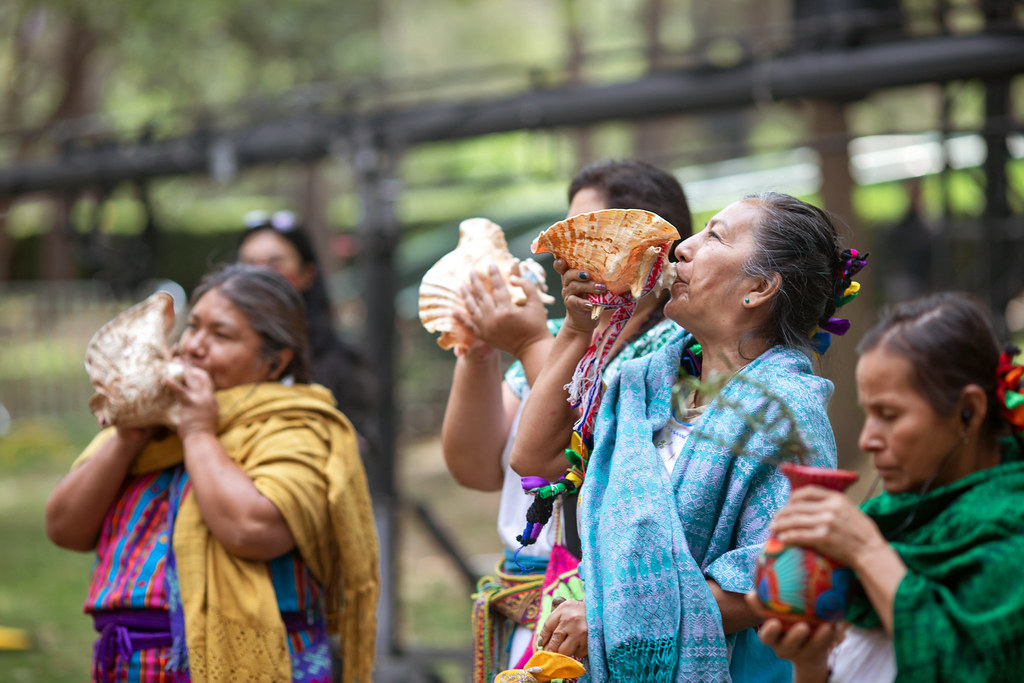
Higher Education in GuatemalaGuatemala is a country in Central America with a population of 18.45 million people, of whom more than half are socioeconomically disadvantaged. Unfortunately, the one factor that could be leading them above poverty also has alarming data. It is a well-known fact that a good and complete education is vital for the eradication of poverty. In fact, every additional year of education increases a person’s income by 10% on average, contributing to the overall development and improvement of their life and their community.

However, in Guatemala, only 56.6% of 25-year-olds have completed elementary school, and 17.9% have completed upper secondary grades. When it comes to higher education in Guatemala, only 5.1% hold a bachelor’s degree and 0.4% hold a master’s degree. Some of the reasons for these low percentages are as follows.

A Weak Foundation for Higher Education 

Legally, education is free and compulsory for children up to the age of 14. However, due to the low number of educators, low quality of education and poor infrastructure, the basic education facilities are not satisfactory. Moreover, within socioeconomically challenged communities, due to family constraints and economic pressure, most children drop out and aim to contribute financially. Overall, a bottleneck exists at the base level, which leads to further declining number of students pursuing a higher education. To increase primary education among the underprivileged children, the government have created targeted scholarship programs and an early warning system, ENTRE, to identify and support students at-risk for dropping out. The long-term benefits of these measures are yet to be seen.

Diminished Access To Higher Education in Guatemala

Currently, Guatemala has only one public university, Universidad de San Carlos (USAC), and 15 private universities, such as Universidad Rafael Landívar, Universidad del Valle de Guatemala and Universidad Francisco Marroquín. For those in socioeconomically disadvantaged communities, real and holistic access to these few universities is limited. These universities are based in Guatemala City or larger towns, leading to restrictions for people all over the country, such as relocation, housing and transportation costs. These often hinder individuals from pursuing higher education. The small concentration of universities also provides fewer opportunities for these individuals. Programs and NGO funded scholarships, like PROGRESA, aim to target academically gifted, disadvantaged students, hoping to offset the access barrier.

Scarce Funding for Disadvantaged Students

Globally, governments allocate around 4.3% of gross domestic product to the education sector. Unfortunately, the Guatemalan government invests only approximately 3.1% of its GDP to education. The scholarships set aside for the socioeconomically disadvantaged community reflect this. Only 0.01% of the overall education spending goes toward scholarships for higher education. Moreover, scholarships are competitive, often targeting individuals with an excellent academic track record. Unfortunately, since the number of students who have completed both primary and secondary levels is quite low, there is a limited number of students who may obtain and benefit from these scholarships.

Language and Cultural Barriers 

Indigenous Guatemalans make up 43% of the overall population, of whom 80% live in extreme poverty conditions. These individuals face additional language and cultural barriers. A Spanish-centric and culturally non-inclusive education system leads to poor completion rates among indigenous students both at the basic and higher education levels. These students also face discrimination based on ethnicity, which leads to limited opportunities and unequal treatment and resources. Indigenous communities have created six Mayan universities, designed for their younger generations, but are yet to have their courses certified officially. Foundations, like the BFB Foundation, and programs, aim to support indigenous youth through scholarships and mentorships, so they go on to complete their higher education.

Looking Ahead

These factors are a few among many that have resulted in the poor educational levels in the country. Overall, the higher education system in Guatemala requires further investment, better policies and more refinement, such that the younger generations among socioeconomically challenged communities are empowered to rise above and uplift their communities. Steps are being taken in response, however, only time will tell how effective they are. 

– Nishtha Mahendra Kumar

Nishtha is based in London, UK and focuses on Technology and Solutions for The Borgen Project.

Photo: Unsplash
March 27, 2026
https://borgenproject.org/wp-content/uploads/borgen-project-logo.svg 0 0 Jennifer Philipp https://borgenproject.org/wp-content/uploads/borgen-project-logo.svg Jennifer Philipp2026-03-27 03:00:322026-03-27 03:30:45The Struggle With Higher Education in Guatemala
Global Poverty, Indigenous Peoples, Tourism

Migration to Hawaii

Migration to HawaiiBefore becoming the 50th United State, the islands that constitute the archipelago of Hawaii were first populated by South Pacific voyagers. These voyagers respected the land and sea for their agricultural and aquacultural benefits and eventually settled in the archipelago. In 1795, King Kamehameha united the various chiefdoms, and by 1810, the archipelago had become the Kingdom of Hawaii. In 1824, King Kamehameha II visited London in an effort to gain recognition for Hawaii as a nation-state, and in 1874, King Kalākaua became the first foreign leader to attend a state dinner at the White House.

By then, missionaries had also migrated to Hawaii and integrated into the government as the Reform Party. To gain control of Hawaii, the Reform Party forced King Kalākaua to sign the Bayonet Constitution, which shifted power from Native Hawaiians to landowners from the United States, Britain and Germany. The Kingdom of Hawaii ended in 1893 when wealthy businessmen who formed the Committee of Safety overthrew the government with the support of the U.S. Navy. The Committee of Safety then petitioned the United States for annexation, and Hawaii became a United States territory in 1898 and a state in 1959.

Present-Day Migration to Hawaii

Research conducted by the University of Hawaii revealed that in 2023, 80% of migrants to Hawaii were from other U.S. states. However, it also found that long-term residents are moving away, with about 58,000 residents leavingHawaii in 2023. Additionally, data from 2010 to 2023 show an increase in net migration to Hawaii that began in 2020 and reached its peak in 2021. Analysts attribute this surge to residents from other states taking advantage of remote work during the COVID-19 pandemic.

Beyond migrants from the U.S. mainland, there is also a significant population of Asian and Hispanic residents. According to 2024 U.S. Census data for Hawaii, 43.5% of the population identified as white, 57.6% as Asian, 10.2% as Hispanic and 27.4% as Native Hawaiian. Hawaii Magazine reports that Asian immigrants from Japan, China, Korea and the Philippines arrived in the 1850s as laborers contracted by American and English sugar plantation owners. After completing their contracts, many remained in Hawaii to raise their families and provide opportunities for their children.

The Impact on the Native Hawaiian Population

When Hawaii became a United States territory, Native Hawaiians experienced denationalization through loss of land, military occupation, Christianization, assimilation and marginalization. In 1896, the native Hawaiian language was banned, resulting in many Native Hawaiians primarily speaking English. Denationalization also included the Americanization of schoolchildren, and those who did not conform were often directed into labor after grade school instead of continuing their education.

Currently, Native Hawaiians are a minority in Hawaii and experience lower socioeconomic status and higher education attainment rates compared to other groups. Migration from the U.S. mainland has contributed to rising living costs, and some Native Hawaiians have relocated to the mainland as housing prices increased. Increased migration has been linked to higher prices for goods and real estate, making affordable housing more difficult to obtain.

Ongoing Efforts 

In 2023, Hawaii experienced wildfires on Maui. Gov. John Green announced that he would not allow U.S. mainland buyers to make predatory offers to purchase land from local residents affected by the fires. The governor and the state attorney general placed a moratorium prohibiting the sale of properties damaged or destroyed by the wildfires.

In the aftermath of the wildfires, Bill 9 was introduced and signed into law in December 2025. Bill 9 phases out certain transient vacation rentals and returns apartment-zoned land to local residents. According to county data, 94% of units affected by Bill 9 are owned by non-Maui residents, and many do not reside in Hawaii. The law does not end tourism but aims to address housing availability for local residents. Rental units will be reclassified under hotel zoning.

Additionally, the Office of Hawaiian Affairs (OHA) was established in 1978 to advocate for Native Hawaiians. OHA works to support the preservation of Native Hawaiian land and culture, promote economic sufficiency and expand access to education and health care. The organization supports initiatives that address health, affordable housing, culture-based education and financial empowerment.

Looking Ahead

While economic pressures and migration to Hawaii continue to shape the country’s future, recent policy efforts and longstanding institutions such as the Office of Hawaiian Affairs demonstrate ongoing work to address housing access, cultural preservation and economic equity. As state leaders balance tourism, development and community needs, these initiatives reflect steps toward protecting Native Hawaiian communities while supporting sustainable growth across the islands.

– Thirza List

Thirza is based in the United States and focuses on Politics for The Borgen Project.

Photo: Flickr

February 26, 2026
https://borgenproject.org/wp-content/uploads/borgen-project-logo.svg 0 0 Precious Sheidu https://borgenproject.org/wp-content/uploads/borgen-project-logo.svg Precious Sheidu2026-02-26 07:30:232026-02-27 02:06:50Migration to Hawaii
Global Poverty, Health, Indigenous Peoples

Reclaiming Health Care for Indigenous Communities in Canada

Indigenous Communities in CanadaIn Canada, health care is socially determined. More precisely, health care for Indigenous communities faces several barriers that generate disproportionate health statistics compared to non-Indigenous Canadians. Indigenous people have a lower life expectancy and are at a greater risk of developing chronic and infectious diseases.

They also experience higher rates of mental health issues, as well as substance abuse and are more likely to be discriminated against by health care professionals.

The Barriers

One of the greatest barriers for Indigenous communities seeking health care is geography, especially for those living off-reserve and in remote areas. In a survey conducted by Statistics Canada, more than half of Inuit respondents reported having to travel more than 1,500 kilometers to access health care. In that same survey, one in five Indigenous people reported experiencing discrimination and racism by health care professionals.

In some cases, this prejudice would lead to inadequate care, misdiagnoses and negatively impact mental health. Health care for Indigenous communities also falls short when it comes to diseases. Indigenous peoples have a higher risk of developing chronic diseases such as diabetes. cardiovascular diseases and respiratory illnesses compared to non-Indigenous Canadians.

This is partially due to the aforementioned health care barriers and can also be attributed to intergenerational trauma and forced erasure of traditional medicinal practices.

The Case of Joyce Echaquan

Joyce Echaquan’s death on September 28, 2020, at the Joliette Hospital Center in Quebec is one fatal instance of racial discrimination against Indigenous peoples by health care professionals. Echaquan, a 37-year-old Atikamekw woman and mother of seven, went to the hospital for severe stomach pain. She recorded hospital staff verbally berating her on her phone and passed away shortly after posting the video to social media.

Her case received widespread media attention and prompted protests, marches and vigils in Montreal and surrounding Quebec cities to bring hospital staff to justice. A call to action in her name, the Joyce’s Principle, “aims to guarantee to all Indigenous people the right of equitable action, without any discrimination, to all social and health services.” The Joyce Principle has since been adopted by the federal government and by universities such as McGill.

The Canadian Medical Association (CMA) covered her story in its historical and ethical review report and apology to Indigenous peoples released in 2023.

Indigenous-Led Initiatives

Indigenous representatives across Canada are calling for more initiatives led by their own communities to ensure that health care is delivered in a culturally safe way. The First Nations Health Authority (FNHA) in British Columbia is one such initiative. It is the only health authority in Canada to operate on a provincial scale and its mission is to establish culturally safe care by managing and funding health programs.

It has been successful in operating clinics and health centers across the province and in encouraging respectful collaboration with Indigenous people since 2013. Similar initiatives, such as the Keewatinohk Inniniw Minoayawin (KIM) in Manitoba and the Sioux Lookout First Nations Health Authority (SLFNHA) in Ontario, aim to provide culturally safe health care at the provincial level, on par with the FNHA.

– Brittany Buscio

Brittany is based in Montreal, Canada and focuses on Good News and Global Health for The Borgen Project.

Photo: Flickr

February 3, 2026
https://borgenproject.org/wp-content/uploads/borgen-project-logo.svg 0 0 Hemant Gupta https://borgenproject.org/wp-content/uploads/borgen-project-logo.svg Hemant Gupta2026-02-03 19:30:112026-03-06 03:25:56Reclaiming Health Care for Indigenous Communities in Canada
Developing Countries, Global Poverty, Human Rights, Indigenous Peoples

Fragility and Rule of Law in Peru

Fragility and Rule of Law in PeruFragility and the rule of law in Peru remain closely intertwined with political instability, corruption and low public confidence have weakened the rule of law in Peru, limiting equal enforcement and protection of citizens’ rights.

These challenges limit accountability, restrict access to justice and disproportionately harm low-income and marginalized communities, reinforcing cycles of poverty. Peru has made economic gains over the past two decades, but since 2023, 29% of the population still lives in poverty with rural and indigenous communities facing the highest vulnerability.

Structural Weaknesses in Peru’s Justice System

Public confidence in Peru’s institutions is extremely low. According to the World Justice Project’s 2022 general population poll, only 36% of Peruvians believe high-ranking officials will face accountability for breaking the law, a modest improvement from 2018. Moreover, 84% of respondents believe most or all members of Congress are involved in corrupt practices with 78% stating the same of political parties.

This erosion of trust weakens democratic legitimacy and reduces incentives for people to engage with formal institutions, leaving vulnerable communities exposed to abuse and exclusion. Therefore, fragility and the rule of law in Peru directly shape the country’s ability to reduce poverty and promote inclusive development.

Peru has approximately 10 judges per 100,000 inhabitants, below the OECD European average of 18. Access to justice is uneven; only 27% of Peruvians with recent legal problems received professional assistance, 19% struggled with costs and 47% experienced stress or health hardships. Rural and Indigenous populations are disproportionately affected, reinforcing legal inequality.

For rural and Indigenous populations, geographic isolation and financial barriers make courts nearly inaccessible. Without reliable legal protection, people face higher risks of land dispossession, labor exploitation and environmental harm; all factors that deepen poverty and inequality.

Political Interference and Judicial Independence

Political interference has further undermined judicial independence in Peru. According to America’s director at Human Rights Watch, Juanita Goebertus states that “Peru’s Congress has severely weakened one of the last standing independent bodies that could serve as a check on its abusive practices.” As a result of these weakened oversights, it has reduced institutional autonomy and limits the ability to investigate corruption and organized crime. 

High-profile prosecutions, such as former President Martin Vizcarra’s, illustrate perceived selective enforcement and politicization, limiting public confidence in judicial impartiality.

In August 2022, Peru granted immunity to security forces accused of human rights abuses during the 1980–2000 internal conflict, halting more than 600 cases and overturning 156 convictions, raising concerns over international obligations.

Civil Society and Legal Accountability

Civil society organizations play a critical role in expanding access to justice and monitoring government conduct. However, recent legislation has introduced new restrictions on non-governmental organizations. The Guardian reported that new laws allow fines of up to $500,000 against NGOs that support legal actions against the state, potentially affecting hundreds of organizations involved in legal advocacy and human rights protection. These measures risk reducing legal support for marginalized communities and weakening external oversight, further undermining accountability under the rule of law in Peru.

As funding and advocacy space shrink, poor and marginalized populations lose essential support networks, making it harder to challenge abuses or access public services. This further illustrates how fragility and the rule of law in Peru compounds economic vulnerability.

Consequences and Reform Prospects

The erosion of the rule of law in Peru has measurable governance consequences. According to the World Bank’s Worldwide Governance Indicators, Peru’s rule of law score stood at -0.54 in 2023. These negative scores reflect weak confidence in contract enforcement, judicial independence and legal predictability. 

The OECD Justice Review emphasizes the need for reforms focused on strengthening judicial independence, expanding access to justice in underprivileged regions, improving institutional coordination and safeguarding civil society participation.

Government and NGO Responses To Rule of Law Challenges

Despite persistent challenges, government programs and NGO initiatives are working to strengthen the rule of law in Peru. One major effort is the Justice Sector Support Project (JSSP‑2), led by the American Bar Association’s Rule of Law Initiative (ABA ROLI) in collaboration with Peru’s Ministry of Justice and Human Rights and funded by the U.S. State Department. Launched in 2022, this program operates across all 34 judicial districts and seeks to consolidate judicial reforms, improve Peru’s capacity to combat complex crimes, prevent and detect corruption, and strengthen access to justice, especially for vulnerable and Indigenous communities. It builds on a previous five‑year project and has included nationwide oral litigation workshops with more than 600 participants, as well as practical training for prosecutors and police on environmental law and crime investigation.

Peru’s experience demonstrates the close relationship between state fragility and the erosion of the rule of law. There is empirical evidence that reveals low public confidence in accountability mechanisms, limited judicial capacity, political interference in legal institutions and growing constraints on civil society. Together, these factors undermine the effective functioning of the justice system and weaken democratic governance.

– Madison Brown

Madison is based in Nottingham, UK and focuses on Good News and Celebs for The Borgen Project.

Photo: Unsplash

February 3, 2026
https://borgenproject.org/wp-content/uploads/borgen-project-logo.svg 0 0 Jennifer Philipp https://borgenproject.org/wp-content/uploads/borgen-project-logo.svg Jennifer Philipp2026-02-03 01:30:502026-02-02 00:15:26Fragility and Rule of Law in Peru
Global Poverty, Indigenous Peoples, Inequality

Reducing Poverty in Latin America

poverty in Latin America

Across Latin America, governments are quietly reshaping their approach to poverty. After decades of high inequality, fragile growth and political instability, several countries are moving away from short-term welfare fixes and toward broader models of inclusive development. Colombia, Chile and Mexico are among the leaders in this transition, combining income support, labor market reform and long-term social investment to narrow social and economic gaps.

Now, while these policies slowly come into effect, the direction is clear: poverty reduction is increasingly being seen as a structural issue rather than a temporary emergency.

Social Protection Programs

At the center of this shift are new generations of social protection programs, many of which are largely based on conditional cash transfers (CCTs). These programs promise cash in exchange for meeting specific goals. Latin America has been reducing poverty by pioneering these schemes since the early 2000s, with 60 programs in operation across the region.

The region continues to play a central role in national anti-poverty strategies. In Colombia, Familias en Acción provides cash payments to low-income households in exchange for tasks like school attendance and regular health check-ups for children being completed. Originally designed as a temporary measure, the program has expanded significantly, particularly in rural and conflict-affected areas.

With recipients receiving about $972 annually, it can be linked to improved school participation, child nutrition and household stability. For instance, there was a 6-percentage-point decline in children’s chronic malnutrition following an increase in the chances of completing secondary school. Similarly, Chile has combined cash transfers with personalized social support.

Under Chile Solidario and later Ingreso Ético Familiar, families receive not only financial assistance but also guidance from social workers to help them access public services, employment programs and health care. These frameworks help vulnerable citizens receive the care they need, with cash installments and support offered for up to two years. The aim is to address social inequalities alongside income poverty.

Mexico’s Prospera program, formerly known as Progresa, is a widely studied CCT. Its emphasis on education, maternal health and nutrition has produced long-term benefits, including higher school completion rates and better health outcomes. While political reforms have reshaped the program in recent years, its core principles continue to influence social policy and it has been replicated in more than 50 countries worldwide.

These programs rely heavily on effective public services and stable funding, both of which are unevenly available across the region. However, with significant funding from the World Bank, they were able to support more than 22 million households across Latin America. Still, they reflect a broader shift: social welfare is increasingly popular, not as a safety net, but as an investment in future generations.

Closing the Rural Divide

Geography deeply shapes poverty in Latin America. Rural areas and Indigenous communities consistently experience higher deprivation, weaker infrastructure and limited access to state institutions. However, governments are increasingly paying closer attention to these territorial inequalities.

In Colombia, rural development has become closely linked to the country’s post-conflict agenda. Investment in rural roads, agricultural support and access to credit is aimed at reducing poverty while stabilising regions long affected by violence. Land restitution efforts, though slow and politically charged, form part of this post-conflict strategy.

In 2023, the Special Assetholding Agency (SAE) of the Colombian government successfully redistributed 40,000 hectares to cooperatives under the “Land for Peace” policy. This government initiative shows promise in reducing poverty in Latin America. On the other hand, Chile has pursued a more technocratic model.

Through agencies such as INDAP, the government supports small farmers with credit, training and irrigation projects, while investing in rural connectivity. For instance, in January 2024, the Chilean government implemented a $50 million investment project to strengthen food security and modernise the technology available to farmers. These efforts have helped narrow, though not eliminate, the gap between urban and rural living standards.

Tackling Pensions and In-Work Poverty

With informal employment being widely prevalent across Latin America, pension policies have begun to shift, as traditional contributory pension systems previously excluded millions of adults from coverage. However, in response, several countries have started to expand their pension schemes. For instance, one way Latin America is reducing poverty is with Chile’s 2008 pension reform, which introduced a Solidarity Pillar, guaranteeing a basic pension to low-income and informal workers, significantly expanding coverage among older women and rural populations.

Mexico has followed a similar path, introducing universal or near-universal pensions for older adults without formal work histories. Additionally, Mexico’s AFORE pensions will provide a top-up payment to beneficiaries whose monthly pension falls below their final salary rate. This shows a commitment to citizens who were potentially vulnerable to state neglect.

Similarly, even as employment has grown, in-work poverty remains a persistent problem. In response, countries such as Chile and Mexico have turned to minimum wage increases to boost incomes at the bottom of the labor market, proving how Latin America is reducing poverty. Chile has implemented gradual, predictable wage increases linked to inflation, helping low-income workers remain above the poverty line.

Increasing the monthly minimum wage to approximately $582 and promising a future increase for January 2026, helps ensure that Chile’s citizens can survive despite rising inflation. Mexico has taken a more aggressive approach, raising the minimum wage by 18% (on average) annually since 2018, after years of stagnation. Evidence suggests these increases have reduced workplace poverty without causing widespread job losses, as critics feared.

Now, while a minimum wage increase alone cannot solve inequality, it reflects a broader recognition that a fairer income distribution must keep pace with inflation.

A Measured Transformation

Latin America’s fight against poverty is far from over. Fiscal constraints, political volatility and deep-rooted inequality continue to limit progress. Yet, the policies emerging in Colombia, Chile and Mexico indicate a significant shift in direction. Rather than relying on short-term relief, governments are investing in education, health, rural development and social inclusion.

The approach is slow and imperfect, but it has demonstrated real-world success in transforming people’s lives. These policies effectively demonstrate changing attitudes across the region, exemplifying how Latin America is reducing poverty.

– Megan Burrows

Megan is based in Birmingham, UK and focuses on Good News and Politics for The Borgen Project.

Photo: Unsplash

January 25, 2026
https://borgenproject.org/wp-content/uploads/borgen-project-logo.svg 0 0 Hemant Gupta https://borgenproject.org/wp-content/uploads/borgen-project-logo.svg Hemant Gupta2026-01-25 07:30:112026-01-25 01:38:24Reducing Poverty in Latin America
Global Poverty, Indigenous Peoples, Inequality

Tackling Indigenous Poverty in Guatemala

Indigenous Poverty in GuatemalaGuatemala, a small country in Central America with a population of 18.4 million, continues to face widespread poverty, especially among Indigenous communities. 

Brief History of Indigenous People in Guatemala

The Maya people, Guatemala’s largest Indigenous group, have endured centuries worth of colonization, conquest and neocolonial forms of violence and domination. Their struggles and systemic discrimination increased during the Guatemalan Civil War that lasted from 1960 to 1996. During the civil war, the Maya people were accused of being affiliated with or supporters of the Guerrillas (a paramilitary group).

The Guatemalan government burned entire villages and innocent people were massacred. What is now considered a genocide resulted in more than 200,000 deaths, the internal displacement of one million people and 30,000 fleeing as refugees to other countries. The Peace Accords were signed in 1996, allowing most refugees to return home to Guatemala.

The next crucial step was the signing of the Accord on Identity and Rights for Indigenous Peoples, designed to protect Guatemala’s Indigenous communities. Unfortunately, it wasn’t implemented.

The Numbers

Indigenous poverty in Guatemala stems from long-standing inequality—Indigenous people do not receive the same opportunities or respect as non-Indigenous populations. Indeed, four out of five Indigenous Guatemalans live in poverty, with limited access to healthcare, education and other basic necessities. Around 75% of Guatemala’s Indigenous population lives in rural areas, where government support is often limited.

Approximately 58% of Indigenous people suffer from chronic malnutrition (compared to 38% of the non-Indigenous population), which stunts children’s growth and learning, perpetuating the cycle of poverty. Additionally, many Indigenous children do not complete secondary school and literacy rates remain particularly low among Indigenous women.

Why These Inequalities Persist

These disparities are rooted in structural and institutional discrimination:

  • Structural Racism: According to The International Work Group for Indigenous Affairs (IWGIA), the social and political gap between Indigenous and non-Indigenous Guatemalans reflects systemic racism, a legacy of colonialism that remains interwoven into modern governance.
  • Unequal Public Investment: The stark difference in daily per-capita spending ($0.40 vs. $0.90) highlights how Indigenous lives are under-resourced by the state.
  • Land Dispossession: Many Indigenous communities lack formal land titles. Without recognized land rights, they remain vulnerable to eviction, exploitation and external development projects.
  • Geographical Isolation: With most Indigenous people living in rural areas, many communities are physically and economically remote, making access to services extremely difficult.

The Change

Despite the debilitating history and hardships, Indigenous and campesino (peasant farmer) movements and organizations have taken the lead in improving the livelihood of Indigenous people in Guatemala. For more than 36 years, the Campesino Committee of the Highlands (CCDA) has fought for access to land, the defense of territory, decent work and justice. Founded in 1981, after the signing of the Peace Accords, it expanded to the Alta Verapaz region.

Currently, CCDA works in 20 departments around Guatemala. Regarding the chronic malnutrition affecting more than half of the Indigenous population, the Crecer Sano Project addresses malnutrition from a sectoral perspective. This organization focuses on expanding access to basic healthcare in remote areas, improving water access and improving sanitation.

More than 31,000 families have received water filters through this program. The initiative emphasizes behavior change by integrating traditional practices, ensuring that these communities receive culturally appropriate care. Guatemala is also vulnerable to natural disasters, which include hurricanes, droughts and earthquakes.

These natural occurrences disproportionately affect the most impoverished communities. International initiatives have supported Indigenous-led development as well. For instance, the Dedicated Grant Mechanism (DGM) for Indigenous Peoples and Local Communities is part of Guatemala’s Forest Investment Program, which seeks to reduce deforestation and promote sustainable forest management. The DGM strengthens Indigenous communities’ capacity to manage land and forests sustainably by combining traditional knowledge with economic opportunities that incentivize environmental stewardship.

Moving Forward

Progress has been slow. However, organizations such as CCDA, the Crecer Sano Project and DGM demonstrate that addressing Indigenous poverty in Guatemala through empowerment and environmental protection can be achieved in tandem. Achieving true equality will require continued investment, respect for Indigenous land rights and a national commitment to justice and inclusion.

Guatemala’s Indigenous poverty is not just a legacy of the past; it is a current, structural problem. High rates of malnutrition, poverty and exclusion reflect centuries of marginalization. But the story is not only one of suffering: Indigenous communities, supported by international partners, are leading initiatives for healthier, more just futures via projects like Crecer Sano and rural development partnerships.

To build a more equitable Guatemala, it will take sustained political will, fair resource distribution, secured land rights and respect for Indigenous leadership. Only then can Guatemala truly fulfill its constitutional commitment to being a multicultural nation.

– Arielle Telfort

Arielle is based in Purchase, NY, USA and focuses on Global Health for The Borgen Project.

Photo: Flickr

December 2, 2025
https://borgenproject.org/wp-content/uploads/borgen-project-logo.svg 0 0 Hemant Gupta https://borgenproject.org/wp-content/uploads/borgen-project-logo.svg Hemant Gupta2025-12-02 07:30:192025-12-02 00:49:04Tackling Indigenous Poverty in Guatemala
Page 1 of 212

Get Smarter

  • Global Poverty 101
  • Global Poverty… The Good News
  • Global Poverty & U.S. Jobs
  • Global Poverty and National Security
  • Innovative Solutions to Poverty
  • Global Poverty & Aid FAQ’s
Search Search

Take Action

  • Call Congress
  • Email Congress
  • Donate
  • 30 Ways to Help
  • Volunteer Ops
  • Internships
  • Courses & Certificates
  • The Podcast
Borgen Project

“The Borgen Project is an incredible nonprofit organization that is addressing poverty and hunger and working towards ending them.”

-The Huffington Post

Inside The Borgen Project

  • Contact
  • About
  • Financials
  • President
  • Board of Directors
  • Board of Advisors

International Links

  • UK Email Parliament
  • UK Donate
  • Canada Email Parliament

Get Smarter

  • Global Poverty 101
  • Global Poverty… The Good News
  • Global Poverty & U.S. Jobs
  • Global Poverty and National Security
  • Innovative Solutions to Poverty
  • Global Poverty & Aid FAQ’s

Ways to Help

  • Call Congress
  • Email Congress
  • Donate
  • 30 Ways to Help
  • Volunteer Ops
  • Internships
  • Courses & Certificates
  • The Podcast
Scroll to top Scroll to top Scroll to top