Food Crisis in Kenya: Challenges and Responses
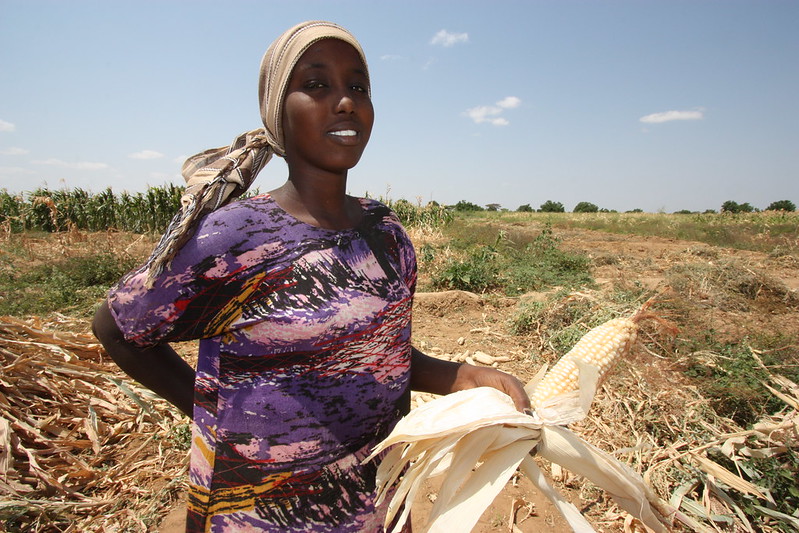 The food crisis in Kenya presents a sustained challenge, impacting not only the lower class but also the entire socioeconomic spectrum of the nation. Drought and failed harvests have exacerbated food insecurity, leaving millions without reliable access to food. Various organizations and nonprofits are responding to the crisis by distributing food and water, supporting farmers in adapting to the changing climate and assisting residents displaced by flooding.
Urban Impact: Food Insecurity in Nairobi
Low-income communities in Nairobi, where 60% of the city’s four million residents live in urban slums, are severely impacted by the nation’s food crisis. The scarcity of available food has driven up prices, exacerbating the difficulty of affording quality food. Migrant households suffer disproportionately, with 65% spending more than a third of their income on food.
Drought Effects in Northern Kenya
The northernmost region of the country, particularly the arid and semi-arid lands (ASAL), faces the most severe impacts of drought, experiencing high food insecurity and diminished food production due to decreased rainfall. These areas typically receive little to no rain, exacerbating the situation. In Kenya’s rural regions, malnutrition is a growing problem, with more than two million people highly food insecure. As of 2021, the Integrated Food Security Phase Classification (IPC) identified more than one million people in crisis and more than 300,000 in extreme conditions.
World Food Programme Initiatives
The World Food Programme (WFP) in Kenya provides food and cash aid, impacting more than half a million beneficiaries through various projects. The WFP has introduced H2Grow, a project that promotes hydroponics to innovate agricultural production among struggling farmers. Additionally, the Cash for Schools project has expanded the impact of school meal programs. By securing more stable markets, the WFP ensures children receive adequate nutrition and supports local farmers effectively.
Action Against Hunger’s Response
Action Against Hunger is addressing the rising malnutrition cases exacerbated by the food crisis in Kenya, particularly around Nairobi and in regions like Isiolo and Marsabit. These areas are experiencing heightened malnutrition due to a prolonged drought affecting food quality and distribution. In 2023, Action Against Hunger supported nearly one million people through programs that treat malnutrition, enhance water access and educate farmers on the adaptations for the changing climate.
Looking Forward
The food crisis in Kenya poses a dire threat to a vast number of people, risking starvation, malnutrition and poverty across the nation. With high food prices and low agricultural output, food insecurity is escalating in impoverished areas and even among middle-class residents of urban centers like Nairobi. In response, Kenya has garnered support from numerous international organizations such as the World Food Programme, Action Against Hunger and Food Banking Kenya. These groups strive to provide the nation with adequate and reliable food sources. Despite increased rainfall in 2023, the crisis still severely affects more than 1.5 million people. Without sustained aid, the conditions in Kenya are likely to deteriorate further.
– Immanuel Wiggins
Immanuel is based in Jackson, MS, USA and focuses on Global Health for The Borgen Project.
Photo: Flickr
