• Link to X
  • Link to Facebook
  • Link to Instagram
  • Link to TikTok
  • Link to Youtube
  • About
    • About Us
      • President
      • Board of Directors
      • Board of Advisors
      • Financials
      • Our Methodology
      • Success Tracker
      • Contact
  • Act Now
    • 30 Ways to Help
      • Email Congress
      • Call Congress
      • Volunteer
      • Courses & Certificates
      • Be a Donor
    • Internships
      • In-Office Internships
      • Remote Internships
    • Legislation
      • Politics 101
  • The Blog
  • The Podcast
  • Magazine
  • Donate
  • Click to open the search input field Click to open the search input field Search
  • Menu Menu

Archive for category: Global Poverty

Key articles and information on global poverty.

Global Poverty, Poverty, Poverty Reduction

Japanese Organizations Combating Poverty Globally

Japanese Organizations Combating Poverty
Just like other highly developed nations, Japan actively pursues international affairs. People tend to think of America as a country that aids in poverty reduction before Japan, with famous American humanitarian groups like the Red Cross or Salvation Army in mind. Japan has charities of its own, though; a handful of them focus on eliminating poverty in various locations. Here is a list of Japanese organizations combating poverty on a global scale, expanding the visions of a better future from Japan to the rest of the globe.

The Nippon Foundation

One Japanese organization is the Nippon Foundation, which participates in several areas of activity, including how to enrich communities and bring them closer together. The Nippon Foundation describes itself as a social innovation hub, but it is also a nonprofit organization providing grants to fund research. The Establishment of Model Learning Deaf School in the Philippines receives around $161,000 in grants. Scholarships, fellowships and supporting projects in social issues are also part of the Foundation’s scope. Projects of the Nippon Foundation branch out into multiple fields; it provides resources to directly address poverty itself and its reach goes to a diverse number of countries.

One focus of the organization is child poverty, as it attempts to bring awareness to the issue. Important research in economics helps display the burden children have when they try to attend schools. More specifically, the project targeted the fact that a difference in education produces a difference in income, and a higher income leads to more taxes and social security premiums, reducing the government’s fiscal load. By comparing scenarios, the organization proved that a higher number of well-paying jobs yields significantly more premiums.

The Foundation set up an initiative in Africa to teach agricultural farmers how to increase their production, wishing to teach farmers how to process and preserve crops rather than only provide resources. It aimed to create a value chain or framework for sustainable agriculture to help farmers establish a market for their crops.

In Myanmar, the Foundation supported the building of schools and treatment for leprosy. From the 1960s until the present day, the cases of leprosy per 10,000 have reduced from 250 to 10. The Nippon Foundation began building schools and similar infrastructure during Myanmar’s period of military rule, where the country did not connect with the rest of the world. The government directly requested the organization to establish schools, eventually creating a link with the local communities it was helping.

Oxfam Japan

Oxfam believes that poverty is an injustice in a rich world and that every person should live with dignity. Comprised of a confederation of smaller organizations, Oxfam Japan also places heavy emphasis on community and global interactivity. Poor people, Oxfam believes, should possess a voice in the decisions that affect them and enjoy an improved livelihood in the process.

The organization’s actions include emergency responses that provide immediate relief to natural disasters and conflict as well as long term development. The organization places a significant effort on assisting those impacted by the Syrian crisis. The organization provided water tank installations, vouchers and cash assistance for foods and sanitation goods. It also distributed essential items like blankets during winter.

Apart from long and short-term program work and relief, Oxfam Japan practices advocacy. Lobbying often influences the powerful and the organization is using its years of experience and research to address the issues revolving around poverty. Oxfam then amplifies this advocacy work with campaigning, which raises the voices of the people, invigorating the general public. Topics of their campaigns include debt relief, basic education and humanitarian response.

Japan considers raising awareness of disadvantaged citizens important. The fact that Japan belongs to the Group of Eight (G8), or the eight most industrialized countries in the world, means that it can accomplish substantial influence when it addresses poverty. Oxfam shares its experiences helping around the world and in Japan to pique interest in global affairs. Campaigning to Japanese officials about global poverty helps prioritize this issue on the international agenda.

Japan’s Emergency Nonprofit Organization (JEN)

A third Japanese organization combating poverty is JEN or Japan Emergency Nonprofit Organization. Responding to disasters across the globe, JEN meets the current needs of its recipients with emergency relief and reconstruction assistance.

JEN enlists projects in different countries. One example is when the organization sent emergency relief goods to Haiti after its 2010 earthquake. Later, the organization sent support to repair water and sanitation; it taught citizens how to lead self-reliant lives after the quake upheaved the normal facilities they had grown used to.

The organization carried out a similar action plan after an earthquake in Indonesia in 2009. It delivered emergency supplies to the people in the mountainous areas of the affected Indonesian coast first due to the little attention that area received. It also implemented workshops to teach how to lessen the effects of natural disasters. After also realizing the government provided food and water but not housing repair, JEN provided toolkits to make reconstruction possible. These projects align with the mission statement of the organization that includes addressing the specific needs in a situation and focusing on the people most left out.

Community participation is also invaluable to JEN’s goal. A section on the organization’s website seeks out volunteers and invites participation in its events and lectures. JEN welcomes corporate and foundation supporters, suggesting ways smaller groups can support them, such as mobilizing a workforce.

JEN tries to retain strong engagement by providing a news page with periodic updates, lists of meet-ups, lectures and even wine and fishing events. These are all to spread awareness of the countries that require attention.

These Japanese organizations combating poverty are still up and running today. Each of their efforts has helped reduce the impact of disaster within the countries they have aided and allowed the countries to adapt quickly.

– Daniel Bertetti
Photo: Flickr

November 9, 2019
https://borgenproject.org/wp-content/uploads/borgen-project-logo.svg 0 0 Lynsey Alexander https://borgenproject.org/wp-content/uploads/borgen-project-logo.svg Lynsey Alexander2019-11-09 07:30:102024-05-29 23:13:26Japanese Organizations Combating Poverty Globally
Global Poverty, Human Trafficking

10 Facts about Human Trafficking in Honduras

Human Trafficking in Honduras
Honduras is a country located in Central America. Guatemala borders it to the west, Nicaragua to the southeast and the Pacific Ocean to the south, which makes Honduras a hub of activity in Central America. These 10 facts about human trafficking in Honduras highlight the critical information about human trafficking in general and what groups are fighting for the rights of human trafficking victims.

10 Facts About Human Trafficking in Honduras

  1. Human Trafficking: Globally, about 80 percent of human trafficking victims end up in the sex trade and another 19 percent of human trafficking victims find themselves subjected to labor exploitation. In total, approximately 13 million children and 27 million adults across the world find themselves subjected to human trafficking.
  2. Luring: While human trafficking is a worldwide phenomenon, rampant poverty in other countries influences it. Human traffickers often entice victims with promises of better opportunities to isolate them from those who could help them. This tactic is a common way to lure victims into both sex and labor trafficking.
  3. The Honduran Government’s Efforts: As of 2019, the U.S. government labeled Honduras a tier-two country in reference to how it fights against human trafficking. This classification means that while Honduras does not meet the minimum requirements for the eradication of human trafficking, the Honduran government is making significant strides to investigate and convict sex traffickers. An example of this is that the Honduran government increased funding to the Inter-institutional Commission to Combat Commercial Sexual Exploitation and Trafficking in Persons (CICESCT).
  4. Global Communities’ First Phase: Many non-governmental organizations work on the Honduran human trafficking crisis. One such NGO is Global Communities. Global Communities’ two-step program highlights efforts to eliminate human trafficking. The first phase of this program consists of raising awareness among Honduran citizens and increasing the ability of the regional government and NGOs to help victims.
  5. Global Communities’ Second Phase: The second phase of Global Communities’ plan is to provide a more advisory role when it comes to fighting against human trafficking in Honduras. This advisory role involves working as facilitators for CICESCT, which primarily worked to fight against sexual exploitation before 2012. With Global Communities’ help, CICESCT started lobbying the Honduran government for support for long-term campaigns against human trafficking.
  6. Human Trafficking Victim Ages: In Honduras, the average age when victims enter the human trafficking system is between 14 to 16 years old. A potential reason behind this is that family members of people in their hometown bring most young trafficking victims into the industry. Given that children would be much more likely to listen to someone they know as opposed to a stranger, this could explain the average age of entry.
  7. Forced Crime: Honduran trafficking victims not only find themselves used for labor and sex; another common form of trafficking is forced crime. A victim of forced crime trafficking will often find themselves thrust into drug-related crimes such as smuggling. Twenty-four percent of all human trafficking victims in Honduras are forced to commit crimes to the benefit of their captors.
  8. Gender Disparity: There are differences in trafficking rates between Honduran men and women. For example, 42 percent of labor trafficking victims are male, while 55 percent are female.  Only 13 percent of sex trafficking victims are male, while an astronomical 81 percent of sex trafficking victims are female.
  9. USAID Recommendations: As of 2018, USAID gave a list of recommendations that the government could use to improve its fight against human trafficking in Honduras. CICESCT has already enacted some suggestions, such as increased awareness among youth and LGBTQ individuals through programs. The CICESCT is lobbying for other improvements like expanded services for trafficked individuals.
  10. SEDIS: The Honduran Ministry of Development and Social Inclusion (SEDIS) works diligently to provide former victims of human trafficking with counseling, economic support and medical attention when necessary. SEDIS also distributed small loans to 21 victims to give them a leg up on starting a small business. These programs are incredibly beneficial to the well-being and recovery of former human trafficking victims.

These 10 facts about human trafficking in Honduras show that while Honduras has some catching up to do in the fight against human trafficking, the country is well on its way to eliminating it. Honduras will be able to take on the difficulties of modern-day human trafficking with groups like USAID, Global Communities, SEDIS and CICESCT. As these 10 facts have shown, eliminating human trafficking may be difficult, but it is most certainly a just and attainable goal.

– Ryan Holman
Photo: Flickr

November 9, 2019
https://borgenproject.org/wp-content/uploads/borgen-project-logo.svg 0 0 Lynsey Alexander https://borgenproject.org/wp-content/uploads/borgen-project-logo.svg Lynsey Alexander2019-11-09 01:30:262024-05-29 23:13:2810 Facts about Human Trafficking in Honduras
Developing Countries, Development, Global Poverty

Energy Use in Sub-Saharan Africa

Energy Use in Sub-Saharan Africa

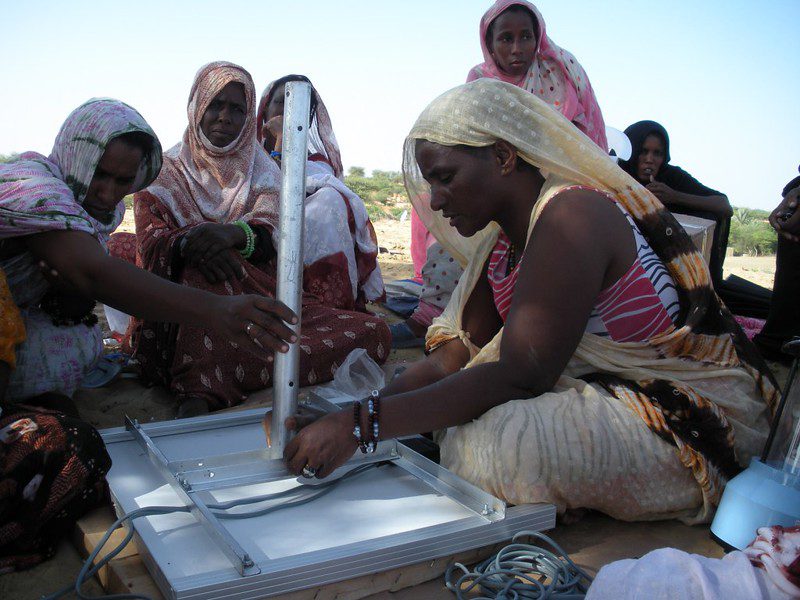
Energy demand is estimated to increase by 85 percent in Africa between 2010 and 2040. To compensate for growing infrastructure and population, the cheapest and most environmentally-friendly energy sources are in high demand as well. Countries within sub-Saharan Africa have taken numerous measures to improve affordable living through receiving aid and implementing programs to promote efficient energy use. However, challenges hinder the implementation of efficient energy use in these countries. For example, the trained workforce that could take on massive energy projects is very small. There is also very minimal awareness of the benefits of efficient energy use so many people prefer to stick to traditional sources. Governments and global organizations are combating these challenges as they work to advance energy efficiency and indirectly reduce poverty and over-spending in sub-Saharan Africa.

Energy Efficiency in Emerging Economies Training Week

The International Energy Agency and the Department of Energy of South Africa hosted the very first Energy Efficiency in Emerging Economies (E4) Training Week for sub-Saharan Africa in Pretoria, South Africa from Oct. 14 to Oct. 17, 2019. The objective of the training was to educate junior policymakers from all over sub-Saharan Africa to model future politicians into environmental activists. The week included courses on the ability of energy-efficient sources to reduce extra expenses and, therefore, improve living conditions. The courses taught participants about energy efficiency policy in buildings, appliances, equipment, industry, cities and indicators and evaluation. E4 Training Week also made a key point to encourage women to apply for the program.

Numerous organizations supported the E4 Training Week, including Global Environment Fund (GEF), United Nations Industrial Development Organization (UNIDO), Swedish International Development Cooperation Agency (SIDA), East African Centre for Renewable Energy and Energy Efficiency (EACREEE) and SADC Centre for Renewable Energy and Energy Efficiency (SACREEE).

The Domestic Energy and Rural Access to Basic Sources Project

The World Bank’s Domestic Energy and Rural Access to Basic Sources Project (PEDASB) worked to install a 52-kilowatt plant in Zantiébougou, south of Bamako in the Sikasso region. The plant has provided electricity to 765 people and allows women to carry out other economic activities and trades as they are no longer concerned about gathering fuel, such as wood. PEDASB also implemented a hybrid electricity system that combines solar photovoltaic and diesel power in Niena. The system improved the quality of health care in local clinics and increased school performance in students. This energy sector as a whole is contributing to the economy of sub-Saharan Africa and increasing the wealth of its people.

Compact Fluorescent Light Bulbs

Ethiopia’s government is taking the initiative to improve efficient energy use. Through a collaboration with the World Bank Project, the Ethiopian government introduced compact fluorescent light bulbs (CFL), which help rural families save money. 80 fewer megawatts of electricity is used by distributing 2.5 million CFL bulbs, which quantifies as $100 million saved. Through a $4 million investment, 5 million CFL bulbs were distributed all over the country. Households under the poverty line were able to reduce their energy usage by 55 percent which significantly cut utility costs for families. Beyond lightbulbs, 2.5 million efficient cookstoves were distributed in Ethiopia, reducing 40 to 60 percent of wood fuel. This not only helps the environment but also boosts families’ lifestyles all over the country.

The Electrify Africa Act

In 2016, President Barack Obama signed the Electrify Africa Act (S.2152) into law. The Electrify Africa Act ensures that the Obama Administration’s Power Africa initiative remains in effect, providing millions of sub-Saharan Africans with access to electricity which in turn, increases economic growth and development.

So far, the Electrify Africa Act is a great success. As of January 2019, Power Africa, with the support of the Electrify Africa Act, achieved the following results in sub-Saharan Africa:

  • 20.5 billion invested in Power Africa transactions
  • 58,552,435 beneficiaries gaining access to electricity
  • 10,095 megawatts (MW) reaching financial close
  • 2,652 MW moved from financial close to operation

In conclusion, sub-Saharan countries are breaking the cycle of poverty through creatively implementing efficient energy sources. From educating young policymakers to governments distributing free equipment and implementing laws, numerous countries are able to benefit from efficient energy use in sub-Saharan Africa.

– Haarika Gurivireddygari
Photo: Flickr


November 8, 2019
https://borgenproject.org/wp-content/uploads/borgen-project-logo.svg 0 0 Kim Thelwell https://borgenproject.org/wp-content/uploads/borgen-project-logo.svg Kim Thelwell2019-11-08 11:43:082024-05-29 23:13:14Energy Use in Sub-Saharan Africa
Advocacy, Education, Global Poverty

4 Books on Poverty: The Power Of Words

Books on Poverty

Listed below are four fiction and non-fiction books on poverty. The novels not only share interesting stories and plots, but they also demonstrate the injustice of poverty and remind the readers of the importance of fighting back and helping people overcome these odds.

4 Books on Poverty

  1. Katherine Boo’s Behind the Beautiful Forevers
    Behind the Beautiful Forevers is a non-fiction novel by Katherine Boo — Pulitzer Prize winner and staff writer for The New Yorker. Her novel sheds light on families trying to better their lives in a makeshift settlement in Annawadi, while the rest of India begins to flourish. Boo spent three years in India personally gathering stories about the struggles these families faced. The novel begins by revealing the harsh truth of living in slum life; families make money by selling rich people’s garbage while facing adversity like wrongful imprisonment. Boo also shows how corruption in institutions like hospitals, charities and the education system threatens poor communities. Behind the Beautiful Forevers won the National Book award in 2012. The novel has been added to the common core and the teachings continue to be shared in high schools everywhere.

  2. NoViolet Bulawayo’s We Need New Names
    We Need New Names
    is a fictional novel written by Zimbabwean author, NoViolet Bulawayo. Bulawayo’s novel is about a young girl’s journey out of Zimbabwe and into the United States. The book focuses on life in Zimbabwe in the early 2000s. At that time, the country was in a political upheaval; the young girl and her family were forced to move to a new village after their home was bulldozed by the government. The book tells of the obstacles of living in a poverty-stricken country, and the family’s need to get out and start a new life.

  3. Robert D. Kaplan’s Surrender or Starve: Travels in Ethiopia, Sudan, Somalia, and Eritrea
    Kaplan’s Surrender or Starve: Travels in Ethiopia, Sudan, Somalia, and Eritrea is a non-fiction novel that explores the ethnic, religious and class conflicts of people in Sudan, Ethiopia, Somalia and Eritrea in the 1980s. Kaplan studies the reasons for famine in the region and offers both a forward and afterward, which explains how the region has developed since the famine in the 80s.

  4. Nicholas D. Kristof’s and Sheryl WuDunn’s Half the Sky: Turning Oppression Into Opportunity for Women Worldwide
    Half the Sky is a non-fiction novel about the oppression of women and girls in the developing world. The novel introduces struggling women throughout Africa and Asia, some of which share their tragic experiences of being sold into sex slavery and suffering dangerous injuries during childbirth. The novel also gives hope to the audience by sharing how these women overcame the obstacles of living as a woman in poverty to lead fulfilled, successful lives.

Not only do these four books on poverty entertain their readers with interesting stories, but they also emphasize the importance of fighting back and helping to end poverty by sharing the harsh reality of living in a poverty-stricken community.

– Juliette Lopez
Photo: Flickr

November 8, 2019
https://borgenproject.org/wp-content/uploads/borgen-project-logo.svg 0 0 Lynsey Alexander https://borgenproject.org/wp-content/uploads/borgen-project-logo.svg Lynsey Alexander2019-11-08 09:36:272020-01-18 14:00:284 Books on Poverty: The Power Of Words
Global Poverty

3 Countries That Have Eliminated Trachoma

countries that have eliminated trachoma

Neglected tropical diseases (NTDs) affect more than 1.4 billion people in 149 countries. These diseases flourish in areas of the world where there is a lack of basic sanitation, which means that the global poor have the highest risk of contracting them. These diseases are preventable and treatable, but due to a lack of resources and aid, millions of people still suffer from these diseases that can cause them to be disfigured, disabled and may even result in death.

However, with the help of several different organizations and national campaigns, many countries have successfully eliminated some NTDs, including trachoma, which is the leading cause of blindness in the world. Trachoma is a bacterial eye infection that affects the eyes and eyelids, causing the eyelashes to turn inward toward the eye leaving patients blind.

Here are three countries that have eliminated trachoma.

3 Countries That Have Eliminated Trachoma

  • Ghana – In 2018, Ghana became the first country in West Africa to eliminate blinding trachoma. Three groups were instrumental in this effort: FHI 360 – a nonprofit human development organization; END in Africa Project (financed by USAID) and Ghana Health Service’s NTD program. Working together, the three organizations eliminated blinding trachoma over an eight-year period. From 2010 to 2018, the END in Africa Project supported the global distribution of more than 464 million NTD Program treatments for trachoma and other diseases. They also mapped disease distribution, treated at-risk populations and monitored treatment impact while also documenting successes along the road to eliminating this terrible disease. FHI 360 provided technical and financial assistance for trachoma post-treatment surveillance, which will help with further prevention of the disease. The program’s long surveillance and treatment of patients is a testament to its dedication and commitment to ending NTDs.
  • Laos – In 2017, Laos became the fifth endemic country in the world to eliminate blinding trachoma as a public health problem. Blinding trachoma was especially common among young children. The United States government had been supporting Laos since 2012 through several USAID projects, such as END in Asia and ENVISION. These projects assisted the Ministry of Health in collecting reliable data on the status of trachoma, which helped determine the correct approach to eradicate the disease. Laos was able to place ophthalmologists at national, provincial and district levels to detect and operate on cases of patients with the disease. The projects also trained primary health care workers to screen patients for trachoma, and they gave patients with less severe conditions the antibiotic eye treatments they needed. Nongovernmental organizations also helped train health volunteers in villages on ways to prevent trachoma. Education ministries invited volunteers to come to their schools and educate their students on facial cleanliness and showed how the infection spread from person to person. Laos achieved amazing success with its partners, working to not only diagnose and treat the disease but also to educate people on how to prevent trachoma.
  • Mexico – Mexico became the first country in the Americas and the third country in the world to officially eliminate trachoma in April 2017. In 2004, the Secretary of Health of the state of Chiapas formed a group of health professionals called Trachoma Brigades to implement SAFE, the strategy recommended by the World Health Organization to eliminate the disease. In their fight against this disease, Mexico provided surgery for people at imminent risk of blindness, administered antibiotics in affected communities to reduce infection in children as well as to stop transmission, promoted personal hygiene and improved environmental conditions. The SAFE strategy’s 4 interventions have been especially successful in the state of Chiapas. Trachoma was endemic in 246 communities in the state and affected over 146,000 citizens. Trachoma Brigades, alongside national, state and community efforts and international partners, eradicated this disease. Trachoma Brigades visited communities several times a year to conduct surveys, eye examinations, identify cases, administer antibiotics, educate children about proper hygiene and perform surgeries.

These three countries worked for years to eradicate this trachoma and improve their citizens’ quality of life. The combined efforts of multiple organizations and governments brought medication, surgeries and public education to these countries toward achieving this goal. In addition to Ghana, Laos and Mexico, countries such as Cambodia, Togo, The Marshall Islands, Oman and Morocco have also made progress against this disease.

It is a U.S. foreign policy objective to support the treatment, control and elimination of Neglected Tropical Diseases (NTDs). The World Health Organization recognizes 17 NTDs which currently afflict 1.4 billion people around the globe. Urge Congress to support the End Neglected Tropical Diseases Act to advance U.S. foreign policy interests and safeguard national security.

Email Congress to End NTDs

– Jannette Aguirre
Photo: WHO

November 8, 2019
https://borgenproject.org/wp-content/uploads/borgen-project-logo.svg 0 0 Lynsey Alexander https://borgenproject.org/wp-content/uploads/borgen-project-logo.svg Lynsey Alexander2019-11-08 08:19:442024-05-29 23:13:283 Countries That Have Eliminated Trachoma
Development, Global Poverty, Technology

India’s Digital Transformation

India’s Digital Transformation
Over the last decade, India has tackled barriers like undocumented citizen identities and minimal access to formal banking and new technologies with a series of innovative programs and digital services. This article will explore India’s digital transformation.

Digital Identification and Financial Inclusion

Efforts to digitize India first took off in 2009 with the launch of a digital identity system called Aadhaar. Aadhaar aimed to provide every citizen with a digital identity. Aadhaar obtained IDs through a biometric-authenticated 12 digit number that created them according to applicant’s iris and fingerprint scans. Aadhaar has provided over 600 million voluntary applicants with UID’s (unique identifications) since its launch. The success of Aadhaar gave even the most rural populations the ability to identify themselves and avoid the hassle of ineffective systems.

Although the majority of citizens obtained digital IDs, a portion of the population still lacked access to digital banking services. Limited access excluded citizens from participating in formal banking that could improve their lives. With the demand for digital banking services increasing, India embarked on its next phase of digital innovation.

In 2014, with added backing from the Modi government, India created the Jan Dhan financial inclusion program. Jhan Dhan sought to get as many Aadhaar identity holders to participate in digital banking as possible. Within the first day of the program’s launch, Aadhaar identifications set up 10 million paperless bank accounts. The program also promised account holders accident insurance for up to 100,000 rupees (or $1,500) and an overdraft capacity of 5,000 rupees ($80).

Empowered with digital identification and banking, citizens could digitally access government services with more ease. The increase in mobile banking also created new layers for India’s digital transformation.

Demonetization and BHIM

By 2017, Aadhaar identification had become a required function for formal banking, SIM connections and income tax returns. With the majority of the population using digital services, the need for India to demonetize became more apparent. India’s total demonetization seemed daunting, but it appears to have worked well for the country. India’s decision to demonetize was so abrupt, the demand for services like Aadhaar and Jan Dhan, among others, increased rapidly. With the replacement of its old currency and the demand for digital services rising so quickly, India’s digital transformation took its next steps.

To help with the transition of demonetization, India’s Prime Minister launched BHIM (Baharat Interface For Money) in 2016. The app serves as a digital payment platform in tandem with the country’s UPI interface. BHIM also works with a 2G network, meaning that people even the most rural parts of India can access this service. This network allows UPI account holders to send and receive instant payments from non-UPI holders, which cushioned the shock of demonetization for more of the population.

The app also offers a wealth of diverse services for users and businesses. Currently, it allows users to shop/pay for services online, transfer money to family and friends, receive customer payments with no additional cost and check transaction history and account balance at any time.

Three years after its launch, BHIM collaborated with over 100 banks nationwide and in early 2018 people downloaded the app 21.65 million times for Android phones and over a million for Apple. Data that RBI and the National Corporation of India collected also demonstrated that out of 145 million UPI transactions that year, BHIM carried out 9.1 million of them.

Although India requires more work, it has dedicated itself to improvements through innovative technology and creative solutions over the last decade. As it continues its efforts, the country’s citizens should have increased access to banking services.

– Ashlyn Jensen
Photo: Flickr

November 8, 2019
https://borgenproject.org/wp-content/uploads/borgen-project-logo.svg 0 0 Lynsey Alexander https://borgenproject.org/wp-content/uploads/borgen-project-logo.svg Lynsey Alexander2019-11-08 07:30:542020-01-18 14:01:44India’s Digital Transformation
Children, Global Poverty, Health, Poverty, Poverty Reduction

How Poverty Affects Breastfeeding in Zimbabwe

Breastfeeding in Zimbabwe
Zimbabwe is an African country located in the southern region of the continent. It has beautiful landscapes and wildlife that attract many people every year, but the country is still intensely poverty-stricken. In fact, it is one of the poorest nations in the world with a whopping 70 percent of the entire nation living under the poverty line.Many of the downsides that come with poverty are present in the country, but one downside that people often do not consider is how poverty affects breastfeeding in Zimbabwe. While people often see breastfeeding as a natural process that even the poorest populations do, breastfeeding is limited in Zimbabwe. About 66.8 percent of Zimbabwean women exclusively breastfed their newborns between the first six months of life with only 32 percent starting breastfeeding within the first day of life. In a country of malnourished people and food scarcity, this article will explore why women do not frequently breastfeed in Zimbabwe.

The Reason Women Do Not Breastfeed in Zimbabwe

One can attribute the lack of exclusive breastfeeding in Zimbabwe to a set of issues that include low education, low income and traditional practices as well as the country having a patriarchal society. Women said what they were only comfortable exclusively breastfeeding for the first three months of their child’s life and this directly relates to the fact that there is intense pressure from in-laws to include different foods in their babies’ diets which stems from long uninformed traditions. With little to no support from the male partner, mothers can find it difficult to resist this pressure.

In combination with these factors, there is also the simple fact that many Zimbabwean women suffer extreme malnourishment. Some reports also stated that many mothers who did not engage in exclusive breastfeeding for at least the first three months of life were simply unable to produce enough milk to fully nourish their babies.

The Effect On Zimbabwean Babies

Zimbabwe has an infant mortality rate of 50 deaths per 1,000 births. For perspective, the infant mortality rate in the United States is five deaths per 1,000 births. Reports determined that 10 percent of all mortality in children aged 5 years was because of non-exclusive breastfeeding at the beginning of life, which is quite significant.

In conjunction with this high infant mortality rate, there is also chronic malnutrition and stunting. Approximately 27 percent of children under the age of 5 in Zimbabwe suffer from chronic malnutrition. Stunting also occurs in Zimbabwean children but varies by region from 19 percent to 31 percent.

There is a correlation between education and breastfeeding in Zimbabwe as well. People have observed a connection between education and breastfeeding not only in the patterns of the mother but also in how it affects her children.

Solutions

Some are making efforts to bring more awareness and education to the people of Zimbabwe. One of these efforts is the initiation of World Breastfeeding Week which representatives from WHO, UNICEF and the Ministry of Health and Child Care launched due to concerns about the low exclusive breastfeeding rates. Only 48 percent of babies below the age of 6 months received exclusive breastfeeding at the time of this event which is significantly lower than the 66.8 percent in 2019.

The improved statistics show that efforts to combat the misinformation and societal pressures among Zimbabwean women to improve rates of exclusive breastfeeding are working. While poverty negatively affects breastfeeding in Zimbabwe, others are slowly combating it.

– Samira Darwich
Photo: Pixabay

November 8, 2019
https://borgenproject.org/wp-content/uploads/borgen-project-logo.svg 0 0 Lynsey Alexander https://borgenproject.org/wp-content/uploads/borgen-project-logo.svg Lynsey Alexander2019-11-08 01:30:352024-05-29 23:10:12How Poverty Affects Breastfeeding in Zimbabwe
Child Labor, Global Poverty, Poverty Reduction

Eritrea’s Efforts Toward Safer Child Labor Laws

safer child labor laws
Eritrea is a country in Africa founded in 1993. It is a fairly new country but has already faced many problems regarding poverty and its impact on the people who call Eritrea home. The poverty rate is roughly 50 percent of its 4.475 million inhabitants. Even before primary school, children often must start working due to the unfortunate circumstances that poverty created. A 2008 study showed that legislation already existed for safer child labor laws, but a 2016 study revealed Eritrea’s government offered very little implementation of these laws. With countless amounts of children in Eritrea’s workforce, the problem is less the actual laws in place, but the enforcement of these laws. Fortunately, Eritrea recently made big steps in furthering legislation for a safer workforce in 2019. Here is an overview of Eritrea’s progression toward safer child labor laws.

Eritrea’s Initial Legislative State

In 2008, the Bureau of International Labor Affairs conducted a study painting a clear picture of the state of child labor in Eritrea. Children in rural Eritrea often work labor-intensive jobs like working in fields, carrying water or collecting wood. Children in urban Eritrea can work as vendors selling cigarettes, gum or newspapers. At this time, there are some child labor laws in place to increase protection and safety. There is a minimum work age of 14. Children aged 14-18 have a daily work limit of 7 hours a day and they can only work between 6 a.m. and 6 p.m. Children under 18 cannot work in hazardous environments. These laws seemed like a positive start for Eritrean children.

The True Picture

In 2016, shocking evidence revealed the scope of the child labor issue in Eritrea. The U.N. released a full-detailed inquiry that determined Eritrea’s government was responsible for not only encouraging child labor, but participating in extrajudicial killings, tortures and sexual slavery. The Eritrean army, the National Security Agency, the president and the police force were all huge factors in worsening child labor conditions. This investigation did not change any legislation and was a major step back in Eritrea’s governmental support toward safer child labor laws.

Recent Progress

On June 3rd, 2019, Eritrea’s government ratified eight important conventions formed by the International Labor Organization (ILO). The ratifications exemplify huge progress for the country because it shows signs that there will be better enforcement of safer child labor laws from now on. ILO’s conventions include prohibition and elimination of the worst forms of child labor. Eritrea’s goal is to eliminate forced labor and end all forms of child labor by 2025. With the government’s agreement to these eight ratifications, that goal is actually within reach. The future lives of millions of children who live in Eritrea will soon change for the better.

The progression of Eritrea’s government toward safer child labor laws from 2008-2019 has been a struggle. While Eritrea’s government initially appeared to show interest in creating a safer working environment for its children, further research proved how little it really enforced legislation. This year witnessed exceptional progress, lighting the way for a brighter future in safer child labor laws.

– Kat Fries
Photo: Pixabay

November 7, 2019
https://borgenproject.org/wp-content/uploads/borgen-project-logo.svg 0 0 Lynsey Alexander https://borgenproject.org/wp-content/uploads/borgen-project-logo.svg Lynsey Alexander2019-11-07 23:12:542020-01-18 14:02:39Eritrea’s Efforts Toward Safer Child Labor Laws
Developing Countries, Development, Global Poverty

A Look at Major Efforts to Preserve Rainforests in Gabon

Rainforests in Gabon

Gabon is a country on the west coast of Central Africa, the equator passing through its center. The country is known first and foremost for its rainforests, which cover more than 80 percent of its terrain. Due to a historic deal with Norway, there now exists a financial incentive for preserving rainforests in Gabon.

Preserving Rainforests in Gabon

The deal, which took place at the 2019 Climate Action Summit in New York, will reward Gabon with $150 million over the course of the next 10 years. In preserving Gabon‘s rainforests, the U.N. hopes to reach net-zero greenhouse gas emissions by the middle of the century.

Norway has been involved in similar preservation efforts in the past, most notably through its partnership with Liberia in 2014. Much of Norway’s partnership with Gabon is mirrored in its work with Liberia, in which Liberia was offered a maximum of $150 million by 2020. The main difference between the two deals involves their retroactive and proactive natures: the deal with Liberia was based on future preservation efforts, whereas the deal with Gabon is based on past accomplishments, as well as future goals for the nation.

Gabon has a quickly developing reputation for preservation. In 2002, the country established its first national park system. The national park system is comprised of 13 parks, one of which, Lope-Okanda national park, is a registered UNESCO natural heritage site.

The new deal was announced by a representative for the Central African Forest Initiative (CAFI). CAFI is a partnership between six Central African countries, the U.N. Development Program (UNDP), the Food and Agriculture Organization of the United Nations (FAO), the World Bank, and a coalition of foreign donors, including the Kingdom of Norway, France, Germany and the United Kingdom.

CAFI was launched at the U.N. Sustainable Development Summit in September of 2015. Its goal, to put it simply, is to assist the governments of the six partnered Central African countries (Gabon, Cameroon, Equatorial Guinea, the Central African Republic, the Republic of Congo and the Democratic Republic of the Congo) and to aid in reform efforts. These reforms are far-reaching, addressing issues of climate change, food insecurities and poverty.

How Does Preservation Help Address Poverty?

Preserving Gabon’s rainforests is currently a central focus of CAFI. What follows are just a few of the ways in which preservation can help alleviate the symptoms of poverty:

  • Climate change and the progressive loss of natural environments have a drastic impact on the availability of food and water. Land set aside for agricultural use often experiences extreme flooding or droughts as the problem worsens. Approximately 80 percent of drought damage was absorbed by agricultural land. By preserving the natural environment in Gabon, this danger can be largely avoided.
  • Conflict is one of the leading causes of poverty and tends to further divide the classes. By maintaining Gabon’s natural resources, and in turn reducing scarcities of resources, the country will likely continue to be largely at peace.
  • When the climate changes, so do prices. As shortages occur, prices rise, and the world’s poor are the most heavily affected by this. It is estimated that those living below the poverty line have experienced a 62 percent spike in their budgets for food in recent years. By preserving Gabon’s rainforests and the country’s environment as a whole, Gabonese people will likely avoid the impacts of further volatility in the market.

– Austin Brown
Photo: Flickr

November 7, 2019
https://borgenproject.org/wp-content/uploads/borgen-project-logo.svg 0 0 Kim Thelwell https://borgenproject.org/wp-content/uploads/borgen-project-logo.svg Kim Thelwell2019-11-07 12:23:302024-05-29 23:13:10A Look at Major Efforts to Preserve Rainforests in Gabon
Children, Developing Countries, Development, Education, Global Poverty

7 Facts About Education in Vietnam

Read more
November 7, 2019
https://borgenproject.org/wp-content/uploads/borgen-project-logo.svg 0 0 Lynsey Alexander https://borgenproject.org/wp-content/uploads/borgen-project-logo.svg Lynsey Alexander2019-11-07 10:44:302026-04-09 11:47:187 Facts About Education in Vietnam
Page 1187 of 2180«‹11851186118711881189›»

Get Smarter

  • Global Poverty 101
  • Global Poverty… The Good News
  • Global Poverty & U.S. Jobs
  • Global Poverty and National Security
  • Innovative Solutions to Poverty
  • Global Poverty & Aid FAQ’s
Search Search

Take Action

  • Call Congress
  • Email Congress
  • Donate
  • 30 Ways to Help
  • Volunteer Ops
  • Internships
  • Courses & Certificates
  • The Podcast
Borgen Project

“The Borgen Project is an incredible nonprofit organization that is addressing poverty and hunger and working towards ending them.”

-The Huffington Post

Inside The Borgen Project

  • Contact
  • About
  • Financials
  • President
  • Board of Directors
  • Board of Advisors

International Links

  • UK Email Parliament
  • UK Donate
  • Canada Email Parliament

Get Smarter

  • Global Poverty 101
  • Global Poverty… The Good News
  • Global Poverty & U.S. Jobs
  • Global Poverty and National Security
  • Innovative Solutions to Poverty
  • Global Poverty & Aid FAQ’s

Ways to Help

  • Call Congress
  • Email Congress
  • Donate
  • 30 Ways to Help
  • Volunteer Ops
  • Internships
  • Courses & Certificates
  • The Podcast
Scroll to top Scroll to top Scroll to top