• Link to X
  • Link to Facebook
  • Link to Instagram
  • Link to TikTok
  • Link to Youtube
  • About
    • About Us
      • President
      • Board of Directors
      • Board of Advisors
      • Financials
      • Our Methodology
      • Success Tracker
      • Contact
  • Act Now
    • 30 Ways to Help
      • Email Congress
      • Call Congress
      • Volunteer
      • Courses & Certificates
      • Be a Donor
    • Internships
      • In-Office Internships
      • Remote Internships
    • Legislation
      • Politics 101
  • The Blog
  • The Podcast
  • Magazine
  • Donate
  • Click to open the search input field Click to open the search input field Search
  • Menu Menu

Archive for category: Global Poverty

Key articles and information on global poverty.

Development, Global Poverty

Understanding the Benefits of Cool Roofs

Cool Roofs

First researched in the 1980s, cool roofs only became a reality around 2001. This cooling technology naturally cools the house, while being cheaper and more energy-efficient than traditional roofs, prompting many parts of the world to consider shifting towards them. The world will benefit financially, environmentally and even comfort-wise from the addition of cool roofs.

The Problem

Over 1 billion people in developing countries face significant risks from extreme heat, with no access to electricity for cooling. Another 2.3 billion can only afford inefficient, unhealthy air conditioning models that use HFC gases that are thousands of times more polluting than carbon dioxide. The energy demand from developing countries is predicted to climb more than 33-fold by 2100. Americans alone consume the same amount of electricity for air conditioning as the total electricity used for all the needs of 1.1 billion people in Africa. The introduction of cool roofs, though a seemingly insignificant change, would not only help people in developing nations but those in developed countries as well.

How it Works

Cool roofs are created by using cool roof coatings, which are thick, white or reflective paint applied to the roof, it covers or shingles to protect the roof from UV light, chemical and water damage, maintaining and restoring the roof itself, making it last longer than traditional roofs. The paint reflects the sunlight, keeping the house cooler than can a traditional roof, which absorbs the sunlight instead. In so doing, cool roofs can reduce indoor temperatures by 3.6-5.4 degrees Fahrenheit (2-3 degrees Celsius) and can reduce the internal temperatures of individual rooms by 20 percent. As for urban heat island effects, they can reduce urban temperatures up to 7.2 degrees Fahrenheit (4 degrees Celsius).

Benefits

In addition to reducing cooling costs and increasing roof life, cool roofs are environmentally friendlier than traditional roofs. They reduce air temperature, retard smog formation and decrease power plant emissions (carbon dioxide, sulfur dioxide, nitrous oxides, mercury) and reduce electricity demand in the summer. When the house itself is already cool during the summer, people do not need to use as much air conditioning, thus reducing the usual strain on the electricity grid.

The people who would likely benefit first from the addition of cool roofs are the estimated 630 million people that may already have access to electricity, but have poor quality housing and may not be able to afford a fan or the money to run it. Regions with the highest population of these people are China, India, Nigeria, Brazil, Pakistan, Bangladesh, Indonesia, the Philippines, Sudan and Iraq.

Regions That Are Shifting To Cool Roofs

Mexico is participating in the Global Superior Energy Performance Partnership (GSEP) and is working towards installing more cool roofs. Mexican authorities are not yet aware of the advantages of cool roofs, thus the goal is to communicate the impact on energy efficiency, economy, health and comfort that cool roofs will have on the population. This technology saves energy and saves money on air conditioning as well.

South Africa is also part of the GSEP and has begun a Cool Surfaces Project, a collaborative agreement between the American and South African Departments of Energy. People in South Africa need technology that will provide them with the benefits that cool roofs provide (fire retardancy, passive-energy usage, waterproofing, low cost, low maintenance, cooling), making it a perfect fit for them. This project will save them a lot of money and energy, as well as influencing nearby regions to follow suit. Kheis, a rural community of about 15,000 in South Africa, is one of the leaders in developing this cool roof approach to provide a respite from the heat.

Globally, when less money and energy is devoted towards air conditioning either in the first or the third world, more can be done to confront other problems. The installation of cool roofs creates jobs, reduces the strain on electricity grids, naturally cools buildings and even lowers the net temperature of local areas.

– Nyssa Jordan
Photo: Flickr

November 13, 2019
https://borgenproject.org/wp-content/uploads/borgen-project-logo.svg 0 0 Kim Thelwell https://borgenproject.org/wp-content/uploads/borgen-project-logo.svg Kim Thelwell2019-11-13 10:18:322024-05-29 23:13:07Understanding the Benefits of Cool Roofs
Global Poverty, Women and Children

Bridging the Gap in Human Milk and Infant Nutrition

Human Milk and Infant Nutrition 

Breastmilk possesses invaluable qualities that nourish, nurture and protect infant health. Most people are aware that the properties of breast milk help to fight against infections in infants. However, it is lesser-known that breastfeeding stimulates hormone responses that establish bonds crucial to healthy emotional development. There is a general lack of awareness surrounding the global inequalities of breast milk, particularly in nutrient quality and status. Society perpetuates the cycle of poverty when they remain naive of the issues affecting poor women.

Not only is the nutritional value of breast milk unequal across nations, but women in developing countries are disproportionately affected by poverty and malnutrition. This further hinders the production of nutrient-rich human milk in low-income areas. Women are also less likely to receive health and nutrition education than men. Despite the fact that women are natural suppliers of infant nutrition, they forfeit nutritional intake under the given circumstances.

Women’s issues in developing nations also face a disparity in the quantity of data. Lindsay Allen, a scientist who studies human milk and micronutrient deficiencies in developing countries, addresses this issue with the MILQ Project. She emphasizes that understanding differences in human milk condition is key in bridging the human milk and infant nutrition gap.

The MILQ Project in a Nutshell

To study the human milk quality of women in developing countries, Allen collected samples from well-nourished lactating mothers in Bangladesh, Brazil, Denmark and The Gambia. With these reference values, she gained a better understanding of the quality of breast milk concerning maternal nutrient intake and infant status. Allen used a consistent frame of reference for extracting research (from the time of delivery until nearly 9 months postpartum) to increase the accuracy of results. She found that there is considerable variance in micronutrient value in breast milk, an issue that remains a misconception among common social ideology.

More specifically, the concentration of thiamin in breast milk and infant status was found to be closely linked to maternal intake. Maternal deficiencies are likely the cause of correlating infant deficiencies, but with supplementation, thiamin levels and infant status were able to adjust accordingly. Research shows that vitamin B6 concentration in infants is also strongly linked to breast milk amounts and maternal status. Additionally, supplementation also improves human milk concentration in a short amount of time.

Sociocultural Norms Leave Women’s Issues Unattended

In addition to the limited evidence base for human milk and infant nutrition, there is also an extreme lack of resources when it comes to nutritional recommendations for lactating mothers. The only mentioning of nutritional lactation support given by the World Health Organization (WHO) was in 2016. The WHO asserts that postpartum women may be prescribed supplementation of iron and potentially folic acid to reduce the risk of anemia for areas in which it is considered a public health concern.

Regarding iron deficiency statistics, the WHO states that “data indicates that while iodine status has improved among pregnant and lactating women in Europe, the eastern Mediterranean, Southeast Asia and the Western Pacific regions, there has been little progress in the African region.” Researchers are learning that lactation nutrition goes beyond iron and folic acid. Studies like the MILQ Project are progressive steps towards bridging the gap in human milk and infant nutrition.

Breast Milk Goes Beyond Nutrition

The biochemical correspondence that takes place between a mother and her infant is a complicated interaction. The recent developments have made it possible to explore the molecular chemical structure of breast milk and infant nutrition. Various other health and therapeutic benefits that extend beyond its nutritive assets can now be validated through research. Infants that receive breast milk of optimal nutritional quality gain access to profound benefits. Areas where infants face micronutrient deficiencies may encounter more of a struggle. This creates a gap between the nursing mother and her infant in terms of the health benefits, as well as their biochemical interaction. Nursing, along with skin to skin contact, allows both mother and baby to produce oxytocin, a hormone that triggers other positive chemical reactions in the brain and is essential in forming bonds.

Recent improvements in methodology have allowed for the study of the chemical nature of breast milk. However, it is still not surprising that few studies have been carried out on this subject. These scientific advancements can aid in developing strategies surrounding nutrition, healthy feeding practices and therapeutic methodologies for infants. These societal advancements will further assist in bridging the gap in human milk and infant nutrition.

In Allen’s MILQ Study, vitamin concentrations in breast milk in developing areas were considered insufficient to obtain adequate infant status. Nutrient deficient mothers are not able to provide all of the necessary nutrients and micronutrients to their infants. The review shows that vitamin concentration levels are often less than half of optimal levels in comparison to the U.S. When it comes to human milk and infant nutrition, there is a global and gendered gap limiting the world’s understanding of the inequalities of human milk.

– Helen Schwie
Photo: Flickr


November 13, 2019
https://borgenproject.org/wp-content/uploads/borgen-project-logo.svg 0 0 Jennifer Philipp https://borgenproject.org/wp-content/uploads/borgen-project-logo.svg Jennifer Philipp2019-11-13 04:14:372024-05-29 23:13:40Bridging the Gap in Human Milk and Infant Nutrition
Global Poverty

Cruise Lines Provide Aid after Hurricanes

Cruise ships are most commonly used for pleasure voyages in which the journey, the ship’s amenities and the destinations along the route all come together to create a unique experience for the passengers. Destination possibilities are endless. Some cruises take tropical routes through islands and others sail along coastlines made of ice. During hurricanes, many cruise ships reroute to provide aid to the victims of hurricanes. Hurricanes cause billions of dollars of damage and multiple cruise lines provide aid for those in need.
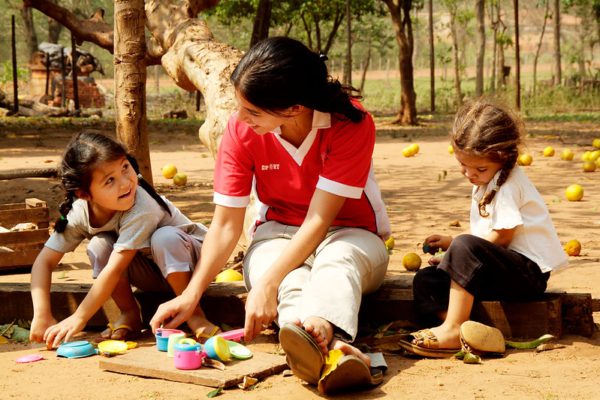
Cruise Ships Turn Into Shelters

Hurricane Katrina was one of the most devastating hurricanes to hit the U.S. Katrina caused $125 billion in damage to New Orleans and parts of Florida. Three Carnival Cruise Line ships were chartered to provide shelter for at least 7,000 displaced people. The cruise line canceled thousands of passengers in order to provide much-needed accommodations for those in need.

Hurricane Sandy destroyed much of New Jersey and New York in 2012. It caused close to $62 billion in damage. Carnival Corp. offered free cruises to the victims of Hurricane Sandy alongside a donation of $2 million divided between four charities that provided relief. Norwegian Cruise Lines welcomed 150 New York-area mothers and their loved ones aboard its Mother’s Day sailing trip in an effort to alleviate some of the hardships these women were facing. 

2017 Hurricane Season

The hurricane season in 2017 caused multiple, devastating storms. There were four main storms: Harvey, Irma, Maria and Nate. They were so notable their names have been retired from the hurricane names list. There was an estimated cost of $200 billion in damage; although, the final costs will not be known for years. Several cruise lines provided aid after each hurricane.

  • Royal Caribbean was one of the first cruise companies to provide aid after Hurricane Irma. It sent ships back toward the storm to rescue those stranded. In addition to repurposing their ships, Royal Caribbean matched Hurricane Irma donations up to $1 million.
  • Carnival Cruise Lines pledged a minimum of $2 million in aid after Hurricane Harvey to rebuild and relieve affected areas of Texas. Following Hurricane Irma a few months later, the cruise company released a statement that ships were on standby to help Florida after damage.
  • Disney Cruise Line donated money after both Harvey and Irma. Disney also pledged one million dollars to the American Red Cross. The Walt Disney Company followed suit and pledged to donate another $2.5 million to help those in Florida.
  • Norwegian Cruise Line worked directly with the government to provide supplies to St. Thomas days after Hurricane Irma. The cruise line also deployed ships to aid islands in the Caribbean that had been affected earlier.

Hurricane Dorian

In August 2019, Hurricane Dorian caused about $7.5 billion in damages. Royal Caribbean committed $1 million to Dorian disaster relief, and their partners in the Holistica joint venture donated an addition $100,000. The donations included matching guest and employee donations up to $500,000. Royal Caribbean went even further than monetary donations and pledged to provide 20,000 meals each day to those in need of relief. It also sent supplies in the form of water, toilet paper, pet food, tarps, plywood, diapers, flashlights and generators.

Hurricanes cause massive amounts of damage every year. They displace residents, flood entire cities and cause trauma to those who live in the affected areas. Despite the horrors hurricanes cause, cruise lines provide aid to those affected by hurricane damage.

– Darci Flatley
Photo: Flickr

November 13, 2019
https://borgenproject.org/wp-content/uploads/borgen-project-logo.svg 0 0 Jennifer Philipp https://borgenproject.org/wp-content/uploads/borgen-project-logo.svg Jennifer Philipp2019-11-13 01:30:292024-05-29 23:13:32Cruise Lines Provide Aid after Hurricanes
Child Labor, Children, Global Poverty

Global Infancia: The Blueprint for a Successful NGO

Global Infancia

Global Infancia is a nongovernmental organization (NGO) that specializes in protecting children from abuse in Paraguay. It was founded in 1995, “Global Infancia works towards creating a culture which respects the rights of children and adolescents in Paraguay.”

It has attempted to promote the human rights of children in a myriad of ways, ranging from creating a branch of the government tasked with protecting children to founding a news agency focusing on children’s rights. Global Infancia represents the blueprint for a successful NGO because of its ability to form partnerships with governments, influence local communities, and follow through with its goals.

Partnerships with Governments

Studies have estimated that roughly 60 percent of children in Paraguay have been victims of violence. Faced with this fact, Global Infancia worked with the National Secretariat for Childhood and Adolescence along with the Paraguayan Government to pass a law stating “all children and adolescents have the right to be treated properly and with respect for their physical, psychological and emotional well-being. This includes protections for their image, identity, autonomy, ideas, emotions, dignity and individual values”.

Additionally, Global Infancia spearheaded the forming of Municipal Councils for the Rights of Children and Adolescence who have become instrumental in protecting children’s rights throughout Paraguay. Global Infancia’s work is proof of how a successful NGO can form fruitful partnerships with local governments.

Integration into the Local Community

Since the end of authoritarian rule in Paraguay, it has been working to integrate itself into local communities and promote the recognition of children’s rights. In the town of Remansito, Global Infancia is providing supplementary nutrition and school support to over 1,000 children. Approximately 22 percent of Paraguayans live below the poverty line. The child labor force of participation with a rate of 25 percent, shows that the conditions for many children in Paraguay are not ideal.

However, Global Infancia recognized these problems and has created national media campaigns to raise awareness for children’s rights and used training forums around the country to educate the public that violence against children will no longer be tolerated. Finally, Global Infancia has harnessed the power of local communities by “installing an alert system which reduces the demand for childhood labor”. These actions illustrate how a successful NGO employs the power of the communities they are working in.

Accomplishing Goals

At its inception, it was primarily focused on fighting the trafficking of babies and children. Today it has evolved into a children’s rights organization with a bevy of goals. Whether it be their success at establishing legal rights for children in Paraguay or the founding of CODENIS bodies which protect children throughout the country today, Global Infancia has had a considerable impact on Paraguayan society. In a 2017 report by the United States Department of Labor, experts found significant advancement in Paraguay’s fight to end child labor.

However, the current situation still puts many children in danger, requiring more resources to fully end child labor. With the help of Global Infancia and the multitude of other successful NGO’s, there are no doubts that Paraguay will continue to see improvements to children’s rights.

Overall, Global Infancia is a perfect example of how a successful NGO operates. From its crucial government and community partnerships to their impressive track record of accomplishing its goals.

– Myles McBride Roach

Photo: Flickr

November 12, 2019
https://borgenproject.org/wp-content/uploads/borgen-project-logo.svg 0 0 Jennifer Philipp https://borgenproject.org/wp-content/uploads/borgen-project-logo.svg Jennifer Philipp2019-11-12 19:05:062024-05-29 23:13:00Global Infancia: The Blueprint for a Successful NGO
Global Poverty, Health

Finding the Solution to the HIV/AIDs Epidemic in South Africa

HIV AIDS Epidemic in South Africa

South Africa has the world’s largest HIV/AIDs epidemic. The government has issued numerous HIV prevention programs in an effort to educate the public, reduce the annual number of new infections, and, eventually, eliminate the disease.

History of the HIV/AIDS Epidemic in South Africa

South Africa’s first reported cases of the Human Immunodeficiency Virus, or HIV, emerged in 1982 among homosexual men amidst Apartheid. Due to the political upheaval and repression by the government during Apartheid, HIV was ignored, thus allowing the virus to spread rapidly throughout the homosexual community among men. HIV was almost exclusively diagnosed in gay men until 1987 when there was a sudden increase in women being infected with the virus. The opportunistic microbial infection was credited with being spread as a result of poverty, limited primary health care, lack of education, and sexual exploitation and violence against women. It was not until the early 2000’s that the government recognized HIV/AIDs as a major issue after HIV rates with pregnant women soared from 1 percent in 1990 to over 30 percent by the beginning of the next decade.

Prevalence of HIV/AIDs Epidemic in South Africa

In 2018, the HIV/AIDS epidemic in South Africa rose to an estimate of 7.1 million South Africans affected by the disease, with 240,000 new diagnoses, and 71,000 AIDS-related illnesses. The disease is most prevalent among marginalized groups: sex workers account for 57.7 percent of HIV cases, gay men at 26.8 percent, and drug addicts at 1.3 percent. Additionally, there is an estimate of 280,000 children who have contracted the disease from their mothers; HIV prevalence is four times greater in women and young girls due to gender-based violence and transgender women are twice as likely to be infected by the virus than gay men.

Solutions to the Epidemic

Despite the initial negligence to the HIV/AIDs epidemic of South Africa from the government, South Africa aims to reduce the number of new infections to under 100,000 by 2022. The government has made great efforts to resolve the issue by executing awareness campaigns, encouraging HIV testing, distributing condoms, and implementing HIV prevention programs. In 2018, the HIV/AIDS epidemic in South Africa rose to an estimate of 7.1 million South Africans affected by the disease. There have been large improvements in the choice of antiretroviral medicines and the widespread accessibility of the Prevention of Mother-to-Child Transmission, or PMTCT, program. As of 2016, mother-to-child transmission rates have fallen from 3.6 percent to 1.5 percent between 2011 to 2015, meaning the country is on track to completely eliminating MTCT.

Due to the 2010 national HIV Testing and Counselling (HTC), campaign and the 2013 HTC Revitalisation Strategy—which focused on encouraging people from the private sector, rural areas, and higher education to test—more than 10 million people in South Africa get tested for HIV every year.

As of 2016, only 5 percent of South African schools provided sex education, but the government has committed to increasing this number to over 50 percent by 2022—especially in high-risk areas. The government has adopted UNAIDS 90-90-90 strategy: By 2020, 90 percent of all people living with HIV will know their HIV status; 90 percent of all people with diagnosed HIV infection will receive sustained antiretroviral therapy; and 90 percent of all people receiving antiretroviral therapy will have viral suppression. Thus far, 90 percent of South African’s know their HIV status, 68 percent are on treatment, and 87 percent are virally suppressed. Factually, South Africa has made significant progress in reducing HIV amongst the population, and they are on track to eliminate the HIV/AIDS epidemic in South Africa.

– Arielle Pugh
Photo: Wikimedia

November 12, 2019
https://borgenproject.org/wp-content/uploads/borgen-project-logo.svg 0 0 Lynsey Alexander https://borgenproject.org/wp-content/uploads/borgen-project-logo.svg Lynsey Alexander2019-11-12 10:38:412019-12-18 13:24:02Finding the Solution to the HIV/AIDs Epidemic in South Africa
Developing Countries, Development, Global Poverty, Health, Water, Water Quality, Water Sanitation

10 Facts About Sanitation in Africa

Sanitation in Africa

According to rehydrate.org, “One flush of your toilet uses as much water as the average person in the developing world uses for a whole day’s washing, cleaning, cooking and drinking.” This is the case in the second largest continent on Earth: Africa. It is home to bountiful wildlife, hot sun, and cultural life; but unfortunately, clean water and sanitation are not as boundless of a commodity. Here are 10 facts about sanitation in Africa to explain the depth of the issue.

10 Facts About Sanitation in Africa

  1. One of the starkest of the 10 facts about sanitation in Africa is just how widespread the problem is. Of the 54 countries in Africa, 16 have less than 25 percent sanitation coverage. While statistics vary depending on the country, the bottom line is that it isn’t an isolated issue. Nearly 45 percent of all people in Africa will face unclean sanitation conditions in their life.
  2. Not only is this an uncomfortable way of life, poor sanitation is a key cause in many of the prevalent diseases in Africa. Diarrhea, cholera, dysentery and typhoid are all transmitted by unclean water and account for a large majority of infant deaths. More than 315,000 children in Africa die annually from diarrheal diseases that result from a lack of sanitation. Providing clean water and proper sanitation could reduce diarrhea by 15 to 20 percent.
  3. A lack of clean drinking water causes more than disease. Multiple problems like swelling of the brain, seizures, kidney failure, and comas are extreme results of continuous dehydration. Additionally, daily life becomes much harder to live when basic needs like hydration are not first fulfilled. It’s hard to think and perform at your best when you are constantly thirsty.
  4. When water is available in most rural African villages, it is often in far away locations. This leaves children and women forced to walk many miles a day in order to access water. The United Nations estimates that Africa loses nearly 40 billion hours per year due to collecting water- roughly equivalent to a whole year of labor from France’s entire workforce. This is time that could be dedicated to education or pursuing careers if enough clean water was easily accessible for all.
  5. Most of Africa has yet to see a strong private sector develop for water and sanitation. Having a sturdy and ethical private sector would lead to a growth in affordable sanitation services for many people.
  6. Many issues with poor sanitation lie in the age-old cultural practices common in rural regions of Africa. Open defecation is one of the biggest of these. Though this is largely because of a lack of toilets and waste management systems, even when these systems are put into place, people’s beliefs must change with the infrastructure. Proper education and awareness is necessary to overcome sanitation habits ingrained in many people’s daily routine.
  7. Ultimately, governments of each individual African country must prioritize providing clean water and sanitation to their population for largescale progress to be made. It is encouraging to note that South Africa has made this a high priority goal and has already seen an improvement of 62 percent to 82 percent of households gaining access to improved sanitation.
  8. Having a lack of clean water makes life physically unbearable. Finding clean water takes precious time of out people’s lives. Drinking unclean water causes diseases and more physical discomfort. As a result, poverty in areas of poor sanitation remains stubborn. People cannot escape the vicious cycle of poverty without first having their basic needs met. Only when clean water becomes freely available can people in these places of Africa have enough time, energy and health to pursue a poverty-free future.
  9. One of the greatest bright spots in 10 facts about sanitation in Africa is the Reinvent the Toilet Challenge. Created by Bill and Melinda Gates, the Reinvent the Toilet Challenge asks innovators to create affordable solutions to poor sanitation in developing countries. As a result, 20 different engineering companies created low-cost and sanitary toilets. These projects still need work being implemented on a large scale, but nevertheless they offer hugely promising results for our future world.
  10. Along with this hopeful initiative, other improvements to sanitation in Africa have been made. Open defecation has dropped from 32 percent in 1990 to 25 percent in 2006. Additionally, between the years of 1990 and 2006, 146 million people in Africa gained access to sanitation. Finally, in 2006, 354 million of the 1.2 billion people in Africa used an improved sanitation facility.

– Hannah Stewart
Photo: Wikimedia

November 12, 2019
https://borgenproject.org/wp-content/uploads/borgen-project-logo.svg 0 0 Kim Thelwell https://borgenproject.org/wp-content/uploads/borgen-project-logo.svg Kim Thelwell2019-11-12 08:01:582024-05-29 23:13:0910 Facts About Sanitation in Africa
Global Poverty

5 Facts About Kenya’s Breast Milk Bank

Kenya's Breast Milk Bank

In April 2019, Kenya’s Ministry of Health launched Kenya’s first breast milk bank at the Pumwani Maternity Hospital in Nairobi. Given Nairobi’s high neonatal death rate of 38 deaths per every 1,000 live-births, the Ministry launched the bank as a pilot to test if it could reduce the neonatal mortality rate. 

Background

Kenya’s breast milk bank serves infants who are premature, malnourished, underweight or orphans that do not have access to their mother’s breast milk. PATH, like several other global health organizations, cites human milk as the greatest tool for child survival. Breast milk contains a dense number of nutrients and antibodies critical to human development. Therefore, PATH estimates that if children had access to universal breast milk, breast milk could save about 823,000 children’s lives under the age of 5.

Human milk banks are an alternative to ensuring that infants have consistent access to breast milk. At the time of the bank launch, Kenya’s Ministry of Health stated that if the bank was successful, the Ministry would open several more banks in the country. Here are 5 facts about Kenya’s breast milk bank.

5 Facts About Kenya’s Breast Milk Bank

  1. The Pumwani Maternity Hospital: The Technical Working Group selected Pumwani Maternity Hospital to host Kenya’s first breast milk bank because the hospital promotes kangaroo mother care– skin-to-skin contact and breastfeeding–as part of its neonatal program. The hospital’s neonatal program caters specifically to preterm, underweight and malnourished infants.
  2. Mothers as Primary Milk Donors: Lactating managers from the Pumwani Maternity Hospital select mothers with more milk than their infant requires to donate it to the milk bank. The managers require mothers who agree to donate to undergo health and lifestyle screenings in order to ensure that they are viable candidates. The screenings include health and lifestyle questionnaires and laboratory blood tests. If lab workers identify alcohol, tobacco and drugs, HIV, Hepatitis B or C or Syphilis in a mother’s blood test, they will disqualify her from donating milk.
  3. Storing and Pasteurizing Donor Mother’s Milk: Mothers at the Pumwani Maternity Hospital donate their milk both naturally and with an electric pump. The hospital stores every mother’s milk separately in batches that contain codes for every mother. Once every batch volume reaches capacity, the hospital pasteurizes the batches to kill any bacteria or viruses in the milk.
  4. The Ministry of Health and Kenya’s Newborn Care Guidelines: Given that Kenyan infants now have access to breast milk due to Pumwani Maternity Hospital’s milk bank, the Ministry of Health (MOH) has added donated human milk to Kenya’s newborn care guidelines. These guidelines help to ensure that Kenyan infants receive the growth-development benefits from breast milk in order to increase their chances of survival.
  5. The Milk Bank’s Impact: As of October 2019, after six months since the MOH launched the bank, the Pumwani Maternity Hospital has delivered nutrient-rich breast milk from over 400 donors to 75 infants.

As stated in these 5 facts about Kenya’s breast milk bank, Kenya’s Pumwani Maternity Hospital is impacting the lives of numerous vulnerable infants. The Ministry of Health looks toward the hospital impacting an increasing number of infants and significantly reducing Kenya’s neonatal mortality rate.

– Niyat Ogbazghi
Photo: Flickr

November 12, 2019
https://borgenproject.org/wp-content/uploads/borgen-project-logo.svg 0 0 Lynsey Alexander https://borgenproject.org/wp-content/uploads/borgen-project-logo.svg Lynsey Alexander2019-11-12 01:30:192024-05-29 23:13:345 Facts About Kenya’s Breast Milk Bank
Education, Global Poverty

7 Facts About Poverty in Havana

7 Facts About Poverty in Havana
In 1962, the U.S. imposed a full embargo on Cuba which prohibits all trade between the two countries. Since then, Havana, the capital city of Cuba, has become ridden with poverty and inequality. Here are seven facts about poverty in Havana.

7 Facts About Poverty in Havana

  1. Living Conditions: Under the Castro government, the housing deficit in Havana has grown by 20 percent each year since the 1990s. Out of 2.6 million housing units, 1 million are below standards. Most buildings have not been updated or maintained properly since 1959. There are 696 multi-family buildings in a critical state, leaving some Havana residents in fear of having their roofs collapse. In rural areas, Havana residents sometimes live in self-made huts with dirt flooring. The government is working to improve living conditions, but it could take up to 10 years to meet demands.
  2. Economic Classes: The Cuban government has not recently published poverty data for Havana; however, the average salary for those working a government job is around $20 a month. Doctors and nurses have recently received a raise which gives specialized doctors $67 a month and entry-level nurses $25 a month. If a doctor works a typical 40-hour workweek, this means that they would make around 42 cents an hour. Waiters and cashiers in Havana on average earn less than $220 a year, which is four times less than what doctors make.
  3. Hotels and Tourism: Around 26 hotels in Havana are tied to the Cuban military and therefore the money gained from tourism does not benefit the people of Cuba. An alternative option for tourists is Airbnb, as this directly benefits citizens by allowing them to rent out their rooms. Sometimes, the money Cubans earn from Airbnb rentals is more than they would make in an entire month.
  4. Food Rationing: In Havana, the government rations chicken, eggs, rice, beans, soap and other basic goods. Rationing has forced the citizens of Havana to plant their own gardens and farms. Today, over 90 percent of the produce that people consume in Havana grows there. An organization called Proyecto Communitario Conservacion Alimentos (Community Food Preservation Project) helps teach Cubans to grow and preserve their own food. These efforts have helped many people in Havana learn to cook food from the goods they produced themselves.
  5. Social Systems: Despite the fact that the average person in Havana lives on less than $1.20 a day, Cuba boasts having one of the highest literacy rates in the world due to their free education. Health care is also free and considered a human right. People in Havana live just as long as U.S. citizens, regardless of their impoverished living conditions.
  6. Currency: Cubans have two currencies, each with different uses. Local Cubans in Havana use the CUP (Cuban Peso Nacional), which converts as 25 CUP per $1 USD, while tourists use the CUC (Cuban Convertible Currency), which holds the same value as the U.S. dollar. The dual currency system has created large inequalities in Havana because only those working in the tourism industry use CUC. This has created a two-tier class system that benefits only those working in tourism. To remedy this, however, the Cuban government has plans underway to eliminate the dual-currency system.
  7. U.S. Embargo: The embargo between the U.S. and Cuba has been a contributing factor to Havana’s fall from grace. According to NAFSA, resuming American travel and trade will not only boost the Cuban economy but will also empower Cubans to impose change on their government. The NAFSA Cuban Engagement Initiative works on legislation that will end the U.S. embargo on Cuba.

There is a long road ahead to end Havana’s poverty crisis, but with people doing work to change U.S. policies and increase responsible tourism, the world could see Cuba’s capital city return to its once elevated state. The most important step is to spread awareness and mobilize to change government policies that will benefit Havana’s citizens.

– Lisa Di Nuzzo
Photo: Flickr

November 11, 2019
https://borgenproject.org/wp-content/uploads/borgen-project-logo.svg 0 0 Lynsey Alexander https://borgenproject.org/wp-content/uploads/borgen-project-logo.svg Lynsey Alexander2019-11-11 13:09:532024-06-06 00:32:487 Facts About Poverty in Havana
Global Poverty

Prioritizing Autism Treatment in South Africa

, Autism Treatment in South Africa
Autism is a developmental disorder, which typically develops at a young age and can greatly impair one’s social skills. People with autism often have difficulties communicating, differentiating between appropriate and inappropriate behavior and directly interacting with others. There is a spectrum associated with the disorder that correlates with the severity of a person’s behavior; ranging from high functioning and extremely intelligent to low functioning and nonverbal. Autism affects people regardless of where they live, their ethnic background or their socioeconomic class. While it is approximated that only 1 to 2 percent of the population has this developmental disorder, autism treatment in South Africa is becoming increasingly prevalent as the rate of diagnosis is rising.

Autism in South Africa

Within the secluded, underdeveloped regions of South Africa, medical care can often be difficult to come by, including diagnoses. However, it has been estimated that the diagnosis of developmental disabilities, including autism, has increased 70 percent in South Africa in less than 30 years. This is in direct correlation with medical care becoming more readily available in areas where it had never been before.

The disparities within the health care system are even more notable in populations that are already vulnerable, which includes the majority of the communities in South Africa. Young children on the spectrum rarely receive support or services largely due to a lack of access.

Autism Treatment in South Africa

Research has shown that occupational and speech therapy services are integral for autistic individuals. As a result, autism treatment programs have begun popping up and are providing different modes of treatment. These include advocating for children with the disorder to receive Individualized Education Plans (IEPs) and other methods that promote inclusivity. The following organizations are all committed to autism treatment in South Africa.

  1. The Centre for Autism Research in Africa: The leading autism clinical research program in South Africa, this center is based in the Division of Child and Adolescent Psychiatry at the University of Cape Town. The center’s research is founded upon three basic principles: clinical research through screenings and diagnosis, teaching and training of those diagnosed and their families as well as the community and advocating for the rights of those with autism. Recognizing the crucial role technology can play in improving the lives of the underprivileged autistic community in South Africa, the center uses technology, including stimming apps and noise-canceling headphones, in its work.
  2. The Star Academy: The Star Academy, alternately known as the Centre for Autism and Related Disorders, Inc, is an exemplary institution that supports individuals with autism and their families. Centers that offer this support are located throughout South Africa, in Cape Town, Johannesburg, Pretoria and Durban. Star Academy’s motto is “Recovery is Possible,” and while the organization don’t promote the concept that autism is reversible, significant gains are very possible. Research has shown that those who start intervention at a younger age are able to benefit most from intensive applied behavior analysis therapy, one of the most common treatments for autism. The organization also incorporates PROMPT Instruction therapy, which is a holistic approach that focuses on developing or regulating speech. These improvements are most evident through increased academic performances, and in some cases, have resulted in physicians diagnosing children as no longer being on the spectrum.
  3. Autism South Africa: Autism South Africa is another organization that is greatly benefiting the autistic community. Adding a different perspective to autism treatment in South Africa, Autism South Africa promotes the diversity that every autistic child brings to the community and works to empower them. The organization also has a strong partnership with the Centre for Autism Research in Africa, which provides data on autism in the country. The four pillars of the organization are parent empowerment, advocacy, lobbying and training. Each step of the diagnosis has a holistic focus, and the organization is working to ensure the autistic population has a bright future.

With autism diagnosis being on the rise in many underdeveloped communities, it is encouraging to see organizations and programs that are focused on assisting the developmentally challenged through a variety of methods. Moving forward, autism treatment in South Africa must continue to be a priority for these organizations and others.

– Joanna Buoniconti
Photo: Wikimedia Commons

November 11, 2019
https://borgenproject.org/wp-content/uploads/borgen-project-logo.svg 0 0 Lynsey Alexander https://borgenproject.org/wp-content/uploads/borgen-project-logo.svg Lynsey Alexander2019-11-11 12:58:242024-05-29 23:13:34Prioritizing Autism Treatment in South Africa
Activism, Developing Countries, Development, Global Poverty, Health, Water, Water Quality

8 Companies Working to End the Global Water Crisis

Global Water CrisisWater is a fundamental resource for the sustainment of human life. The accessibility of clean water throughout many underdeveloped countries is rapidly becoming a detrimental humanitarian problem, a direct result of exponential population growth. And with such swift consumption, usable water sources are quickly drying up and diminishing. Over the past couple of years, daily conservation of water has become a global plea to help preserve water sources for future generations. This may seem like a bleak issue, but there is hope. Many corporations and nonprofit organizations around the world are invested in ending to the global water crisis. Here are eight companies working to end the global water crisis.

8 Companies Invested in Putting an End to the Global Water Crisis

  1. charity: water – Founded in 2006, this nonprofit organization is working to end the global water crisis by providing clean drinking water to citizens in 24 developing countries. charity: water focuses on three methodologies for providing clean water to communities in need: hand-dug wells, drilled wells and rainwater catch equipment that collects the water and sanitizes it. In addition, by collaborating with a number of local partners, the organization has funded more than 24,000 successful water projects as of 2018. Instead of just accepting donations, charity: water inspires people to start their own campaigns to raise money for clean water. Overall, the organization’s efforts have benefitted approximately 8.2 million people and counting.
  2. Global Water Challenge – The Global Water Challenge, also known as the GWC, is part of a leading team of organizations heavily invested in bringing clean water, for both consumption and hygiene purposes (WASH Sustainability Program), to each corner of the globe. While the GWC’s programs benefit entire communities, women’s empowerment is an important area of focus. After all, women are typically responsible for spending a huge portion of their days gathering water to sustain their families. Thanks to its public-private partnerships, the organization has reached more than 1 million individuals to date.
  3. water.org – The organization’s WaterCredit Initiative works with local businesses to provide loans to people who lack adequate water and sanitation resources. The organization mainly works with people through financing safe access to water in efforts to diminish the global water crisis, more sustainable methods and have effectively enabled more than 25 million people to obtain access to clean water and sanitation services.
  4. Drop in the Bucket – Similar to the previous organization, Drop in the Bucket also operates on a community loan basis to fund wells.  The organization has built 300 wells in schools in East Africa since its founding in 2006, recognizing this area as one in need when seeking to address the global water crisis.
  5. PepsiCo – Through partnerships with NGOs such as WaterAid and 2030 Water Resources Group of the World Bank, Pepsi has made it a priority to invest in ending the global water crisis. The company is focused on helping developing communities in the United States, Latin America, India and China by offering strategic grants that teach various methods for effectively conserving water. As of the middle of 2018, the company has donated $40 million to these organizations.
  6. The Nature Conservancy – One of the biggest charitable environmental organizations in North America, the Nature Conservancy concentrates its efforts on the preservation of land and water sources. The organization works in three continents — specifically focusing on Europe, as well as in Latin America and India. With more than one million members actively working to conserve natural landscapes through science and technological means, this group instills hope for future generations.
  7. UN Water – An arm of the United Nations, this agency works in more than 30 countries to provide clean water and sanitary techniques to assist the underprivileged. UN Water uses a data-driven approach to effect change in the countries where it operates.
  8. World Resources Institute – The World Resources Institute (WRI) is focused on the “mapping, measuring and mitigating global water challenges.” One of the organization’s current projects utilizes aqueduct systems as a method for preserving and sustaining water sources. The group is also working to rehabilitate ecosystems, to lessen the burden on diminishing water sources. The WRI is active in more than 50 countries and has global offices in Brazil, China, Europe, India, Indonesia, Mexico and the United States.

– Joanna Buoniconti
Photo: Flickr

November 11, 2019
https://borgenproject.org/wp-content/uploads/borgen-project-logo.svg 0 0 Kim Thelwell https://borgenproject.org/wp-content/uploads/borgen-project-logo.svg Kim Thelwell2019-11-11 12:39:192024-05-29 23:13:108 Companies Working to End the Global Water Crisis
Page 1185 of 2180«‹11831184118511861187›»

Get Smarter

  • Global Poverty 101
  • Global Poverty… The Good News
  • Global Poverty & U.S. Jobs
  • Global Poverty and National Security
  • Innovative Solutions to Poverty
  • Global Poverty & Aid FAQ’s
Search Search

Take Action

  • Call Congress
  • Email Congress
  • Donate
  • 30 Ways to Help
  • Volunteer Ops
  • Internships
  • Courses & Certificates
  • The Podcast
Borgen Project

“The Borgen Project is an incredible nonprofit organization that is addressing poverty and hunger and working towards ending them.”

-The Huffington Post

Inside The Borgen Project

  • Contact
  • About
  • Financials
  • President
  • Board of Directors
  • Board of Advisors

International Links

  • UK Email Parliament
  • UK Donate
  • Canada Email Parliament

Get Smarter

  • Global Poverty 101
  • Global Poverty… The Good News
  • Global Poverty & U.S. Jobs
  • Global Poverty and National Security
  • Innovative Solutions to Poverty
  • Global Poverty & Aid FAQ’s

Ways to Help

  • Call Congress
  • Email Congress
  • Donate
  • 30 Ways to Help
  • Volunteer Ops
  • Internships
  • Courses & Certificates
  • The Podcast
Scroll to top Scroll to top Scroll to top