• Link to X
  • Link to Facebook
  • Link to Instagram
  • Link to TikTok
  • Link to Youtube
  • About
    • About Us
      • President
      • Board of Directors
      • Board of Advisors
      • Financials
      • Our Methodology
      • Success Tracker
      • Contact
  • Act Now
    • 30 Ways to Help
      • Email Congress
      • Call Congress
      • Volunteer
      • Courses & Certificates
      • Be a Donor
    • Internships
      • In-Office Internships
      • Remote Internships
    • Legislation
      • Politics 101
  • The Blog
  • The Podcast
  • Magazine
  • Donate
  • Click to open the search input field Click to open the search input field Search
  • Menu Menu

Archive for category: Education

Information and stories on education.

Education, Global Poverty, Slavery

How Freed Communities Are Building Schools in Mauritania

Schools in MauritaniaIn Mauritania, hereditary slavery is not always visibly evident, but its influence remains strong. For generations, the Haratine, a Black ethnic group historically enslaved by the White Moors (Beidane), have been born into lives of servitude, owned as property and made to believe that their bondage is divine will. Women face sexual violence and are forced to bear children who inherit their enslaved status. Entire families work unpaid within a caste system that persists beyond legal abolition. Although Mauritania criminalized slavery in 2007 and reinforced laws in 2015, enforcement remains weak.

Few enslavers have been prosecuted and the government denies that slavery still exists, instead targeting anti-slavery activists who challenge the system. Illiteracy, common among the Haratine, deepens their marginalization, with only half able to read and write. Public education in Mauritania is underfunded and neglected, failing those most in need, while the elite send their children to private schools.

Without birth certificates, many Haratine children are prevented from attending school, reinforcing their exclusion. Nonetheless, communities are establishing their schools in response to systemic neglect. Since 2014, more than 60 grassroots schools have been built by and for the Haratine, providing literacy and empowerment. These initiatives challenge a divided nation, where rural slavery contrasts with urban segregation and where the legacy of slavery persists in slums and segregated neighborhoods.

The Rise of Community-Led Schooling

Pervasive illiteracy and the emergence of community-led schools in Mauritania underscore both significant challenges and the resilient efforts of formerly marginalized communities to reclaim their right to education, a transformative journey from enslavement to education. Although there have been gradual improvements, stark disparities persist, exacerbated by a brain drain of young, educated Mauritanians seeking higher education abroad, leading to a fractured system.

Ali Deng of the Sahel Foundation notes that primary education is highly stratified: wealthy families send their children to elite private schools, the middle class chooses lower-tier private institutions and the impoverished rely on underfunded government schools with few resources. Rural areas are hit hardest, with severe teacher shortages making access nearly impossible. With literacy rates as low as 52% and extreme poverty impacting three-quarters of the population, grassroots organizations have stepped in to fill the gap.

Groups like Graines d’Espoir Mauritania work directly with marginalized communities, offering educational support, nutrition and agricultural programs to promote long-term development. These efforts, often led by residents and supported by diaspora networks, focus on inclusive education, rejecting ethnic or religious discrimination. While the government is gradually expanding access, NGOs and community-led schools in Mauritania enable oppressed groups, such as the Haratin, to overcome systemic barriers and create their routes to literacy and empowerment.

Political Pushback and Progress

Despite Mauritania’s official abolition of slavery in 1981 and subsequent laws against it, the practice continues with alarming impunity. Those advocating for emancipation face relentless political repression. Leading this effort is Biram Dah Abeid, an anti-slavery activist and politician who established the Initiative for the Resurgence of the Abolitionist Movement (IRA-Mauritania).

Abeid is globally recognized for his bravery, receiving awards like the 2013 U.N. Human Rights Prize, the 2016 U.S. State Department’s TIP Hero Award and the 2015 Dutch Human Rights Tulip. Abeid works to free enslaved communities, prosecute slaveholders and challenge the government’s complicity. His activism has come at a personal cost. In 2014, he and 16 fellow activists were arrested during a protest against slaveholder impunity. He was charged with unlawful assembly and sentenced to two years in prison amid international protests.

Although released in 2016, he was re-arrested in 2018, highlighting the government’s effort to silence dissent. Nonetheless, IRA-Mauritania continues grassroots activism through protests, hunger strikes and global advocacy. These suppression tactics reflect a wider pattern of resistance against Black liberation movements, where legal and political systems are weaponized to uphold oppression. Yet, Abedi’s perseverance and international support show that liberated communities are demanding education and justice and redefining resistance narratives amid systemic violence.

The Lasting Effects

In Mauritania, community-led educational and economic programs are transforming freed slave communities by breaking cycles of oppression and reshaping cultural narratives. Organizations like Anti-Slavery International and SOS-Esclaves have supported formerly enslaved individuals, especially Haratine women. They do this through vocational training, financial literacy workshops and small business support, helping hundreds achieve economic independence for the first time.

These initiatives do more than foster livelihoods; they challenge caste hierarchies by promoting self-worth and empowerment. Personal stories, such as Moctar’s, who escaped slavery at age 13 and now aims to become a lawyer, illustrate the psychological freedom these efforts provide. His mother’s initial resistance, rooted in long standing beliefs about caste superiority, highlights the cultural barriers these programs face.

By teaching skills like embroidery, sewing and market entrepreneurship, these workshops offer income opportunities and reshape social roles for Haratines, historically limited to “dirty” or “degrading” work. These community-driven initiatives demonstrate how they can address immediate survival needs while fostering long-term cultural change, turning emancipation into genuine empowerment.

A Path Forward Through Collective Action

Mauritania’s transition from enslavement to education highlights both the persistence of systemic oppression and the empowering role of community-led resistance. Although slavery has been legally abolished, hereditary slavery continues under caste hierarchies, government denial and institutional neglect. Nonetheless, freed communities, especially the Haratine, are creating spaces for empowerment through grassroots schools, vocational programs and economic initiatives in Mauritania.

The growth of community-based schooling, supported by groups like Anti-Slavery International and activists such as Abeid, shows how education can break the cycle of intergenerational trauma. These successes, though hard-won, reveal the contradictions within a state that bans slavery but criminalizes those fighting against it.

The path forward remains challenging. Repressive government actions limited public funding and deeply rooted caste ideologies still obstruct progress. However, the resilience of Mauritania’s marginalized populations provides a change model, with these grassroots efforts fostering a future where emancipation signifies freedom from chains and the opportunity to thrive.

– Emilia Bartle

Emilia is based in Watford, UK and focuses on Good News and Politics for The Borgen Project.

Photo: Flickr

July 28, 2025
https://borgenproject.org/wp-content/uploads/borgen-project-logo.svg 0 0 Lynsey 2 https://borgenproject.org/wp-content/uploads/borgen-project-logo.svg Lynsey 22025-07-28 01:30:352025-07-27 16:11:05How Freed Communities Are Building Schools in Mauritania
Education, Global Poverty

Vocational Training Centers in Fiji

Vocational Training Centers in FijiSince 2015, when Fiji’s Ministry of Education intensified investment in vocational training, youth unemployment has remained stubbornly high—15.24% in 2023—compared with an average of roughly 10% across neighboring Pacific Island nations such as Tonga (6.7%) and the Solomon Islands (3%), suggesting that expanded training alone has not been sufficient to absorb new entrants into the labor market. More than 40% of Fijians live in rural areas, where access to formal education is limited; in 2023, rural residents accounted for 41% of the population. Fortunately, vocational education training centers in Fiji are attempting to fill in the gaps.

TVET Structure and Offerings

Fiji operates 62 state-run vocational education training centers, each accredited under the National Qualifications Framework and overseen by the Ministry of Education. These centers deliver one- to two-year programs in five core trades: automotive engineering, carpentry and joinery, catering, tailoring and office technology. Enrolment currently totals about 2,300 learners; 46% are women, predominantly in catering, tailoring and office technology. Additionally, the Training and Productivity Authority of Fiji offers ISO 9001-certified courses designed around 70% practical work and 30% theory, with on-the-job placements secured through partnerships with local businesses.

Impact on Poverty Reduction

High youth unemployment in rural districts—where nearly half the population resides—has long fueled poverty, school dropouts and underemployment. TVET graduates report rapid transitions into work: more than 90% secure jobs within months of finishing, often in tourism, construction or transport, boosting household incomes and economic resilience. A UNESCO-UNEVOC case study of the Woodcraft Technology programme shows students partnering with local sawmills to turn waste timber into lamps, furniture and décor; proceeds fund workshop upkeep and teach entrepreneurship alongside trade skills.

Quality Assurance and Innovation

Centralized curricula and standardized exams ensure consistency across MOE centers, yet resource gaps persist. To close these, TPAF enforces ISO 9001 quality management, annual monitoring and international trade tests. When COVID-19 halted face-to-face classes, guidelines issued by the Ministry in collaboration with Australia Pacific Training Coalition and Fiji National University enabled remote and hybrid delivery, safeguarding uninterrupted learning.

Since 2021, the Fijian government has earmarked $1.5 million USD in TVET scholarships; the Tertiary Education Loans Scheme has financed 5,000 technical training places; and a pandemic relief reskilling fund provided 1 million FJD for retraining initiatives. Remaining challenges include instructor shortages in remote centers and fragmented coordination among providers. Pilot “Green-TVET” schemes and self-financing woodcraft models offer scalable blueprints for sustainable growth.

Fiji’s Path Forward Through TVET

Between 2019 and 2023, Fiji National University’s TVET programmes graduated more than 69,000 learners across formal, competency-based and rural streams. Furthermore, by upgrading facilities, extending outreach into remote districts and deepening partnerships with industry, many alumni are now launching their own ventures—from rural cooperatives crafting furniture out of waste timber to urban graduates providing IT and hospitality services—fueling local livelihoods and sustainable, inclusive growth for Fiji’s youth.

– Alexander Broermann

Alexander is based in Frankfurt am Main, Hessen, Germany and focuses on Good News and Global Health for The Borgen Project.

Photo: Unsplash

July 26, 2025
https://borgenproject.org/wp-content/uploads/borgen-project-logo.svg 0 0 Jennifer Philipp https://borgenproject.org/wp-content/uploads/borgen-project-logo.svg Jennifer Philipp2025-07-26 01:30:062025-07-25 16:38:33Vocational Training Centers in Fiji
Education, Global Poverty, Technology

Ghana’s Tech Innovation in Education

Ghana’s Tech Innovation in EducationGhana has embarked on a transformative journey to digitize its education system in recent years. Ghana’s shift aims to improve tech innovation in education and learning outcomes, bridge educational disparities and equip students for a technology-driven global economy. While significant progress has been made, challenges persist, particularly in ensuring equitable access across urban and rural communities.

Background

As Ghana works toward this next chapter of future learning, it is essential to note that the digitalization of education is a global reform trend. As Olga N. Machekhina describes in Revista Espacios, it is a powerful force for modernizing educational systems. Ghana has embraced this wave through various national strategies. The Education Strategic Plan (2018–2030) and the ICT in Education Policy Framework (2015) illustrate this commitment, emphasizing teacher training, curriculum reform and early school ICT exposure.

A notable step came in 2023 to include tech innovation in education with the launch of the ICT Competency Framework for Teachers. Developed by the Ministry of Education, the National Council for Curriculum and Assessment (NaCCA) and other stakeholders, this framework supports educators in integrating technology effectively into their teaching practices. Higher education institutions like the University of Cape Coast also support digitalization through platforms such as Moodle, streamlining learning for students and lecturers.

Government Initiatives

The National Digital Literacy Program, launched in 2013, seeks to train 10 million Ghanaians in digital skills by 2030. It focuses on equipping individuals with essential digital skills to participate effectively in the digital economy. Furthermore, in 2015, Ghana released its ICT in Education Policy Framework, emphasizing teacher training in digital skills and introducing ICT as a topic beginning in primary school. The policy sought to transform the educational system to improve the quality of teaching and learning at the various levels of education and expand access to education, training and research resources and facilities to produce a cutting-edge and skilled workforce for the growth of the country’s economy.

The government’s efforts intensified during the COVID-19 pandemic through platforms like Ghana Learning TV and iCampus. Despite good intentions, accessibility remained a significant issue. Key findings from a report titled “Ghana’s E-Learning Program During the Pandemic Presents Access Challenges for Many Students” highlight significant barriers to digital learning. Fewer than three in 10 Ghanaian households (28%) own a computer, with access even lower among rural and low-income families, only about one in seven (14%).

While 71% of households nationwide have reliable electricity from the national grid, this figure drops to 59% in rural areas and 55% among impoverished households. An additional 5% of households rely on alternative electricity sources such as solar panels, batteries or generators. In response, in 2024, Ghana launched the Smart Schools Project to distribute 1.3 million free tablets to high school students nationwide. The initiative began with 15 schools and reflects the government’s ongoing push toward digital inclusivity.

Grassroots Innovation: Lemvon’s Story

However, government programs are not the only drivers of change. An 18-year-old developer, Lemuel Grigsby, created Lemvon, a school management system that uses AI to personalize learning. In an interview with The Borgen Project, Grigsby shared that he turned to app development to heal after losing his older brother in 2020. Grigsby, motivated by his educational struggles, developed a comprehensive platform that manages everything from exam records to fee processing.

His AI-powered Learning Management System (ALM) adapts to each student’s pace, learning style and language. He also notes that the system allows parents to track their children’s academic performance and attendance. In partnership with the Ghana Association of Private Schools, Lemvon is now available through a 92-day free trial, allowing schools to evaluate its impact. Grigsby hopes these free trials will produce strong results and expand to rural communities.

Other Nonprofits Bridging the Gap

Other startups and nonprofits are contributing significantly to Ghana’s tech innovation in education. Street Library Ghana is a volunteer-driven social enterprise that provides library services in rural communities through mobile vans, book kiosks and digital access. It aims to improve literacy and education among children and youth in underserved areas.

The Ghana Code Club is an after-school program teaching children computer programming skills. Since its inception, it has trained more than 100,000 students, 3,5,00 teachers and several computer centers in Ghana.

Challenges in Digital Education

Despite these positive developments, gaps remain. According to the Ghana Living Standards Survey (2020), only 39.7% of Ghanaians had internet awareness, with a stark urban-rural divide (51.6% vs. 27.4%). Africa Education Watch (2024) reports that just 15% of public primary schools and 13% of junior high schools had functioning ICT labs by the end of the 2022/2023 academic year.

Infrastructure challenges are acute. Although national electricity coverage exceeds 80%, only 44% of primary schools and 63.9% of junior high schools had access to electricity as of 2020. Teacher preparedness is another hurdle: only 53% have received ICT training and 22% of students have basic ICT skills. According to Grigsby: “These issues not only create barriers but impede results for startups like Lemvon and others trying to help.”

Conclusion

Both national strategies and youth-led innovation are powering Ghana’s tech innovation in education. From free tablets to AI-driven learning platforms, the landscape is evolving. However, systemic issues like poor infrastructure, teacher training gaps and data literacy have to be addressed to ensure lasting impact.

Dr. Peter Anti of the Institute of Education Studies noted, “Instead of focusing on unnecessary projects in Accra, we need to address the actual issues in schools where the data shows there are urgent needs.” Grigsby echoes that sentiment: “The fact that we continue to face these basic issues is a sign that our policies have been poorly planned and targeted. We must use data more effectively to direct our efforts and solve the problems head-on.”

– Dela Michel 

Dela is based in Rockville, MD, USA and focuses on Technology and Solutions for The Borgen Project.

Photo: Unsplash

July 25, 2025
https://borgenproject.org/wp-content/uploads/borgen-project-logo.svg 0 0 Lynsey 2 https://borgenproject.org/wp-content/uploads/borgen-project-logo.svg Lynsey 22025-07-25 07:30:572025-07-25 03:26:01Ghana’s Tech Innovation in Education
Education, Global Poverty, Women's Empowerment

Children of the Mekong Increases Access to Education for Girls

Children of the MekongHistorically, male-dominated spaces have loomed large, excluding their female counterparts from these spaces of public life. One of the areas where this has remained most prevalent even in the 21st century is access to education. Globally, cultural and social norms have prioritized and leveraged the education of boys and men over that of girls and women.

The United Nations Educational, Scientific and Cultural Organization (UNESCO) reported that “129 million girls are out of school globally, with the highest concentration in sub-Saharan Africa and South Asia.” These statistics illustrate the prevailing existence of gender disparities and the barrier to access to education faced by young women globally.

Children of the Mekong

Children of the Mekong is a nonprofit organization supporting underprivileged children across Southeast Asia. Founded in 1958, the organization works to improve access to education, health care and emotional support for vulnerable youth. It operates through child sponsorship programs, educational centers and partnerships with local communities to create lasting change.

Focusing on dignity, responsibility and long-term impact, Children of the Mekong empowers children, especially girls, to rise above poverty and shape a better future. The charity has improved the standard of living of more than 23,000 children through local programs and targeted integration.

Aware of the sociocultural climate, Children of the Mekong is not ignorant of the rates at which young women lack the same educational opportunities as young men. The organization recognizes the vital role women play in the global economy. This goes beyond the private sphere of the home and family structure. As a result, it is committed to ensuring that girls also receive an education of their own.

Why Investing in Girls’ Education Matters

Below are just some statistics reporting the gender disparities experienced by children and young women in South Asia. This data outlines why prioritizing education for girls matters and provides context for Children of the Mekong’s mission.

  • Girls represent only 30% of the world’s population in education.
  • In Cambodia, 30% of women are illiterate and unable to read or write.
  • Over 65% of women in rural areas work on the land but receive no pay.
  • A child whose mother can read and write has a 50% greater chance of living beyond 5.

Education for girls and women means more than attending school; it means the difference between having a better chance of survival. It is the opportunity to transform these girls’ futures.

Final Remarks

Children of the Mekong has significantly improved girls’ lives across South Asia by promoting access to education, health and empowerment opportunities. Through scholarships, the organization has enabled several girls, especially in Cambodia, Vietnam and Myanmar, to stay in school and avoid early marriage or child labor.

The nonprofit’s programs also focus on building self-confidence and life skills, equipping girls to break the cycle of poverty. Local partnerships and community involvement ensure a culturally sensitive, long-term impact. As a result, more girls graduate, pursue careers and become role models within their communities.

Children of the Mekong’s targeted efforts are transforming girls’ lives in South Asia by giving them the tools to succeed. The organization is paving the way for a more equitable and hopeful future through education and empowerment.

– McKenzie Rentie

McKenzie Rentie is based in Dallas, Texas, United States and focuses on Celebs, Politics for The Borgen Project.

Photo: Flickr

July 24, 2025
https://borgenproject.org/wp-content/uploads/borgen-project-logo.svg 0 0 Lynsey 2 https://borgenproject.org/wp-content/uploads/borgen-project-logo.svg Lynsey 22025-07-24 01:30:142025-07-24 02:18:53Children of the Mekong Increases Access to Education for Girls
Education, Global Poverty, Women's Empowerment

Investing in Girls’ Education in Malawi

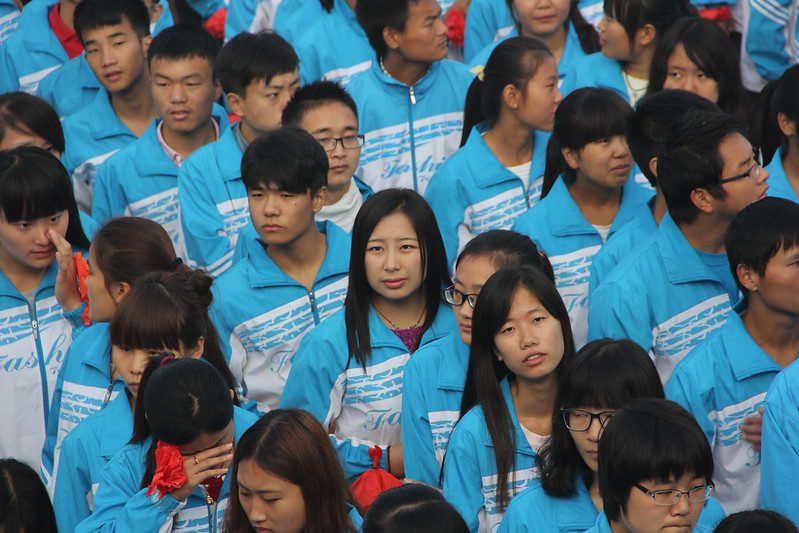
Girls' Education in MalawiIn Malawi, many girls, especially those living in rural areas, face steep challenges in staying in school. While more girls are enrolling in primary education than ever, many are forced to drop out long before graduation. Early marriage, poverty, long and often unsafe journeys to school and a lack of menstrual hygiene products are just some of the obstacles that stand in their way. Nearly 42% of girls in Malawi are married before their 18th birthday, which often ends their education early. These barriers not only limit their potential but also deepen cycles of poverty and inequality that affect entire communities.

CAMFED: Scholarships and Mentorship

The Campaign for Female Education (CAMFED) has made significant strides in Malawi by providing holistic support for girls’ secondary education. Since its launch, CAMFED Malawi has supported more than 646,000 students by covering school fees, uniforms, books and menstrual supplies. It has also trained 4,710 students in government schools with essential services and mentorship through its Learner Guide model.

CAMFED fosters long-term educational engagement through its alum network, the CAMFED Association. The association reached nearly 110,000 students in 2023 with mentoring, life-skills development and leadership training. These initiatives are directly credited with boosting retention and completion rates among rural girls.

Let Girls Learn Initiative

In Malawi, the Let Girls Learn initiative, backed by USAID and the U.S. Department of State, led to focused efforts that helped more girls continue their education beyond primary school. One of the key projects, called Apatseni Mwayi Atsikana Aphunzire (AMAA), was carried out by Save the Children and Concern Worldwide across five districts. The program built girl-friendly school facilities, supported girls’ transitions to secondary school and offered life-skills training to boost their confidence and resilience.

Globally, the Let Girls Learn program contributed $25 million to support locally driven education programs in 13 countries, including Malawi. These efforts addressed major obstacles such as school fees, period poverty and child marriage while promoting leadership, inclusion and long-term access to learning.

National Strategy and Policy Reform

The government of Malawi has prioritized gender equity in education through its National Strategy for Girls’ Education. The project integrates school access with child protection, gender-based violence prevention and reproductive health education. The strategy supports the re-enrollment of young mothers, the enforcement of anti-child marriage laws and teacher training to create safe and inclusive learning environments.

Implemented with organizations such as UNICEF and the Global Partnership for Education, this policy framework addresses the systemic and social causes of girls’ dropout rates.

Building a Brighter Future

The combined impact of local nonprofits, international partnerships and national education reforms is reshaping the landscape for girls in Malawi. Programs like CAMFED have supported thousands of students. A recent World Bank report highlights that investing in girls’ education is one of the most effective ways to reduce poverty, improve health outcomes and promote gender equality.

Educated girls are more likely to delay marriage, have healthier families and contribute to economic growth. By supporting comprehensive approaches that combine schooling with health, mentorship and legal protections, Malawi is laying the foundation for a more equitable and prosperous future.

– Joseph Hasty

Joseph is in Winter Park, FL, USA and focuses on Global Health for The Borgen Project.

Photo: Flickr
July 22, 2025
https://borgenproject.org/wp-content/uploads/borgen-project-logo.svg 0 0 Lynsey 2 https://borgenproject.org/wp-content/uploads/borgen-project-logo.svg Lynsey 22025-07-22 07:30:272025-07-22 13:22:11Investing in Girls’ Education in Malawi
Economy, Education, Global Poverty

Oman’s Poverty Eradication: A Global Model for Ending Poverty

Oman’s Poverty EradicationIn May 2025, Oman became one of the first countries in the world to completely end extreme poverty. According to the National Centre for Statistics and Information, no one in the country is living on less than $1.25 a day which is the global line for extreme poverty. Other countries now see Oman’s poverty eradication efforts as a model to follow.

Oman guided its fight to end poverty through a national plan called Vision 2040. It focuses on improving education, creating more jobs outside of oil and helping people in every part of the country. Another plan, called the 10th Five-Year Development Plan, helped turn these goals into real projects. As of 2025, Oman has completed 95% of the programs in the plan and invested more than $28 billion to help improve people’s lives.

Expanding Social Protection

A big part of Oman’s poverty eradication came from a new social protection law. This law, which started in 2024, created a national program to give financial help to more than 1.5 million people. Families now get support for children, seniors, people with disabilities and workers who lose their jobs. The program is paid for by the government and makes sure no one is left behind. Oman also worked closely with international groups like the United Nations International Children’s Emergency Fund (UNICEF). Together, they launched a Child Protection Guide to keep children safe and supported across the country.

Investing in Education, Health and Housing

Oman has made big improvements in education and health. The country now ranks among the top 20 in the world for how much it spends on each student and nearly 98% of adults can read and write. Health care is free for all citizens and new hospitals and digital systems are making care even better. Housing is another important part of reducing poverty. Oman has given money to thousands of low-income families to help them build or fix homes. The country is also building Sultan Haitham City, a new city with 20,000 homes, schools, parks and clean energy. It will house 100,000 people once finished.

Looking Ahead

Even with all this spending, Oman has managed to keep its finances under control. It used oil money wisely, paid off debts and still had enough left to support the country’s programs. In fact, its credit rating was upgraded in 2024, suggesting higher levels of trust from global investors. Oman tracks its progress using the United Nations’ Sustainable Development Goals. These goals help countries measure how well they’re doing on issues like poverty, education and health care. Oman has met or is close to meeting many of them.

– Cameron Jones

Cameron is based in Hendersonville, TN, USA and focuses on Good News and Politics for The Borgen Project.

Photo: Flickr

July 20, 2025
https://borgenproject.org/wp-content/uploads/borgen-project-logo.svg 0 0 Precious Sheidu https://borgenproject.org/wp-content/uploads/borgen-project-logo.svg Precious Sheidu2025-07-20 07:30:092025-07-19 11:14:52Oman’s Poverty Eradication: A Global Model for Ending Poverty
Education, Global Poverty, Poverty Reduction

Teaching Abroad: A Form of Equity

Teaching Abroad: A Form of Equity Reda, a 14-year-old boy from a low-resourced town in Morocco, is now a pre-med student at San Francisco State University, aiming to become a doctor for a nonprofit organization. His Peace Corps English teacher, Nathaniel, played a key role in his development. Since 1961, teaching abroad has been an impactful way to promote equity and create opportunities for social mobility.

Teaching Abroad

Teaching abroad as a form of equity shares similarities with Teach For America. Teach For America recruits recent, excelling graduates to teach in high-need areas. This allows aspiring teachers to grow their careers and students in low-income areas to receive a better education. Organizations like the Peace Corps work in a similar way. Participants for the Peace Corps need to have a bachelor’s degree, but no teaching experience is necessary. The volunteers then go on to teach in high-need areas across the world. Volunteers practice kindness by teaching their knowledge, empowering the students by equipping them with a better education.

History of the Peace Corps

The Peace Corps was established in 1961 by the United States (U.S.) President John F Kennedy through an executive order. The agency’s mission is to create friendship and peace with other countries through helpful engagement. The first countries ever visited were Tanzania and Ghana.

The Power of Education

Education enables social mobility. Obtaining a higher education is a reliable path to higher salaries and upward mobility. Among OECD nations, earning a college degree increases income by 54% compared to a high school diploma. Additionally, higher education has been shown to boost a country’s gross domestic product (GDP). 

Since 1961, the Peace Corps has expanded its impact around the world. In its education sector, volunteers have taught more than 212,000 students in subjects such as English, literacy, math and science. The organization has served in 144 countries and supported local projects through in-person and online efforts. The Peace Corps also offers opportunities in other sectors, including health, economic development and engineering, allowing volunteers to choose how they want to serve.

Ongoing Challenges

Volunteers may experience culture shock, homesickness and language barriers. In addition, living conditions are often less resourced than what they are used to in their home countries. Volunteers are not paid a salary but receive a stipend along with room and board. Many use money saved from their home countries during their service.

According to the information on the Peace Corps website, teaching abroad as a form of equity can also be a way of travel. It can be an immersive and enriching experience to be in another country for an extended period of time.  Likewise, teaching abroad can be a great career builder for students in social work, global health, international relations and education.

Looking Ahead

Through the Peace Corps and similar initiatives, teaching abroad continues to be a powerful force for global equity. By connecting volunteers with underserved communities, programs like these promote access to education, encourage cultural exchange and support long-term development goals. As stories like Reda’s show, a single educator can help unlock opportunities that last a lifetime.

– Andrea Roji

Andrea is based in San Diego, CA, USA and focuses on Good News for The Borgen Project.

Photo: Flickr

July 20, 2025
https://borgenproject.org/wp-content/uploads/borgen-project-logo.svg 0 0 Precious Sheidu https://borgenproject.org/wp-content/uploads/borgen-project-logo.svg Precious Sheidu2025-07-20 03:00:322025-07-19 10:54:08Teaching Abroad: A Form of Equity
Education, Global Poverty, Nonprofit Organizations and NGOs

Soap-Making: Hygiene and Economic Empowerment

Hygiene and Economic Empowerment In countries like Uganda and Haiti, soap-making creates financial independence, poverty reduction and community leadership. Through women-made soap businesses, local entrepreneurs are adapting powerful tools for change through basic hygiene. 

Hygiene and Economic Empowerment

Global nonprofits like Clean the World, Care International and Oxfam support many of these businesses, contributing to a ripple effect of positive outcomes. Women are receiving training in entrepreneurship, health services and supply chain management, which allows them to produce soap in areas where hygiene product availability is scarce. This is not only improving health, but also boosting income and helping communities reach self-sufficiency.

The central idea driving these efforts is hygiene and economic power, both working together to equip women with the tools to fight disease and gain enough financial support to lift themselves out of poverty. A prime example appears in refugee camps and urban slums, where waterborne diseases like cholera and diarrhea are widespread. With regular access to personal hygiene products like soap, infection rates can decrease. A World Health Organization (WHO) study states that handwashing with soap can significantly reduce diarrheal disease—an important statistic for communities without access to clean water.

Empowering Women Through Soap-Making

Making soap helps these women earn a living. In Haiti, women involved in Oxfam’s local hygiene initiatives not only make and sell soap but also teach others about the importance of staying clean and healthy. By focusing on both business and health advocacy, the program supports longer-lasting benefits. The use of recycled soap from hotels offers an innovative solution for communities in need. Organizations like Clean the World collect discarded soap from partner hospitality businesses, sanitize it and redistribute it through women-led local cooperatives. The system is both eco-friendly and provides economic opportunities for women.

Looking Ahead

The ongoing programs are helping drive progress against poverty. In Haiti, women participating in these businesses have steadily increased their household income over the past two years. With higher incomes, families can afford school fees, consistent food supplies and health care. Each bar of soap sold contributes to reducing the cycle of poverty. Amid the challenges facing low-income countries, hygiene and economic empowerment play a key role in helping communities develop. Investing in women-led cooperatives supports efforts toward greater equality. Programs like these strengthen public health systems, promote economic stability and support long-term development.

– Kyra Cribbs

Kyra is based in Trenton, NJ, USA and focuses on Good News for The Borgen Project.

Photo: Flickr

July 18, 2025
https://borgenproject.org/wp-content/uploads/borgen-project-logo.svg 0 0 Precious Sheidu https://borgenproject.org/wp-content/uploads/borgen-project-logo.svg Precious Sheidu2025-07-18 07:30:062025-07-18 04:07:38Soap-Making: Hygiene and Economic Empowerment
Development, Education, Global Poverty

Vocational Education in Russia: A Way Out of Poverty

Vocational Education in RussiaIn the industrial towns of Russia’s Far East and the outskirts of Moscow, vocational training centers are quietly changing lives. For young people who can’t afford university — or who need a faster path to a stable income — these schools appear to serve as launchpads. As Russia grapples with persistent income inequality and rising youth unemployment, vocational education and training (VET) centers are playing a crucial role in helping low-income communities escape poverty. By offering practical skills tied directly to real-world jobs, VET programs are helping thousands find their footing in an unpredictable economy.

A Different Path to Opportunity

In Russia, millions of teenagers finish 9th grade and head straight into secondary vocational colleges, where they study everything from welding and auto repair to IT support and nursing. These programs usually last two to four years and often include apprenticeships with local companies. For many students from rural areas or economically struggling families, VET is the only accessible route to employment. Tuition is often free, funded by the government and students gain practical skills without the burden of long-term debt.

According to the Russian Ministry of Education, more than 3 million students are currently enrolled in vocational training. And the demand is growing — not just among students, but among employers looking for skilled workers.

Vocational Education in Underserved Regions in Russia

The impact of vocational training is especially visible outside of Russia’s major cities — in regions like the North Caucasus, Siberia and the Ural Mountains. In these places, job options are limited and many young people feel left behind. VET centers bridge that gap by preparing students for the jobs that actually exist in their regions — whether it’s agriculture, transportation, construction or mining. These careers give people the ability to support themselves and their families. Some centers also offer tailored programs for vulnerable youth, including orphans, disabled students and ethnic minorities. These offer life skills, confidence and a clear path toward economic independence.

Global Standards and Local Solutions

Russia’s vocational system has also been getting a 21st-century upgrade. Through initiatives like WorldSkills Russia, training centers are adopting international standards, modernizing equipment and partnering with businesses to align coursework with real-world needs. From robotics to renewable energy, students are now learning the kinds of skills that can boost not just their own futures, but the country’s economic resilience. It’s a shift that reflects a broader understanding: vocational education isn’t a fallback — it’s a forward-thinking solution.

Overcoming Stigma and Gaps in Skills Training

Despite recent progress, challenges remain. Some training centers — especially in rural areas — still lack qualified instructors or updated facilities. And there’s still a lingering perception among parents and policymakers that vocational paths are somehow “lesser” than academic ones. But for students who finish school with a job offer in hand, those perceptions don’t hold much weight. What seems to matter to them is getting a skill that pays the bills.

Looking Ahead

In Russia, where economic disparities run deep and social mobility can feel out of reach, the chance to earn a living through skill-based training could be a game-changer. These vocational programs are helping to restore dignity, build communities and create opportunities where few existed before. And as more countries face similar challenges, Russia’s growing investment in vocational education could serve as a model for others.

– Polina Makarova

Polina is based in New York, USA and focuses on Good News and Technology for The Borgen Project.

Photo: Flickr

July 18, 2025
https://borgenproject.org/wp-content/uploads/borgen-project-logo.svg 0 0 Precious Sheidu https://borgenproject.org/wp-content/uploads/borgen-project-logo.svg Precious Sheidu2025-07-18 03:00:042025-07-18 03:51:17Vocational Education in Russia: A Way Out of Poverty
Education, Global Poverty, Hunger

Being Poor in Sudan

Being Poor in SudanBeing poor in Sudan is a reality shaped by a deep-rooted, complex issue that internal conflict and political instability have worsened. According to the World Bank, 46.5% of the population lives below the national poverty line.

Historical Context and Conflict

Sudan has struggled with internal conflicts for a substantial portion of its history, from the Mahdist Revolution (1881-1898) to the Sudanese Civil War (2023-present). These conflicts have driven many innocent bystanders into extreme poverty and deprivation. The current Civil War officially broke out on April 15, 2023, when a power struggle between two rival factions of the military triggered the conflict. The Sudanese Armed Forces (SAF), led by General Abdel Fattah al-Burhan, and the Rapid Support Forces (RSF), led by Mohamed Hamdan Dagalo, were at the center of this struggle. This conflict has rapidly escalated into one of the worst humanitarian crises in the world.

The Hunger Crisis

The effects of these long-standing conflicts have led to lasting damage to the country’s stability, devastating Sudanese infrastructure and agricultural lands. According to the nonprofit organization Action Against Hunger, 24.8 million people are living in food poverty and need aid, alongside hundreds of thousands living in famine-like conditions. This is nearly half of the population.

Hyperinflation has further exacerbated the hunger crisis. According to the International Monetary Fund (IMF), the annual inflation rate reached an astonishing 359% in 2021. Additionally, IMF data shows that businesses and traders raised prices by 200% last year. Sudanese citizens now struggle to find basic food staples like sorghum, rice, beans and sugar due to scarcity and high prices.

Unemployment and Economic Collapse

Being poor in Sudan means facing a daily reality of unemployment as ongoing conflict has led to the job market and economy crashing down. Before the war, unemployment rates in Sudan were already high. Since 2023, these rates have only increased. According to the International Food Policy Research Institute (IFPRI), the Civil War contributed to the estimated loss of more than 5 million jobs and $5 billion in Sudan’s economy in the first year of the war.

Education Crisis

The conflict has severely disrupted access to education. The conflict has destroyed or repurposed schools and has forced millions of children out of education. International organizations have made significant efforts to solve this problem. UNICEF has launched a ‘learning passport,’ delivering education through digital platforms. This initiative has reached more than 12,000 children around Sudan.

The Global Partnership for Education (GPE) has also launched multi-million dollar packages to assist with education, ensuring that all children can access education even during crises, by helping train teachers and distributing various materials. These packages have helped more than 285,000 children in Sudan.

International Developments, Positive Progress and Aid

Amidst all this seemingly negative news, there have been substantial efforts to progress, alongside these education initiatives to help fight being poor in Sudan. Many major international organizations have committed to helping in relief efforts:

  • The United Nations and UNHCR are both working to provide refugees and internationally displaced people with crucial protection services and emergency supplies.
  • Action Against Hunger works in regions that are facing extreme poverty. While it faces many security issues, the team tries their best to assist with food, water, hygiene and sanitation. According to this organization, it managed to provide 180,000 people with essential aid in a single year.

Looking Ahead

Being poor in Sudan today means struggling with hunger, unemployment, lack of education and ongoing displacement. The compounded effects of war, economic instability and food scarcity have fabricated a humanitarian emergency. However, the work of international aid agencies and education initiatives brings a glimmer of hope for millions of these vulnerable Sudanese citizens.

– Emma Dornan

Emma is based in Fife, Scotland and focuses on Good News for The Borgen Project.

Photo: Flickr

July 16, 2025
https://borgenproject.org/wp-content/uploads/borgen-project-logo.svg 0 0 Jennifer Philipp https://borgenproject.org/wp-content/uploads/borgen-project-logo.svg Jennifer Philipp2025-07-16 01:30:102025-07-15 13:11:49Being Poor in Sudan
Page 18 of 241«‹1617181920›»

Get Smarter

  • Global Poverty 101
  • Global Poverty… The Good News
  • Global Poverty & U.S. Jobs
  • Global Poverty and National Security
  • Innovative Solutions to Poverty
  • Global Poverty & Aid FAQ’s
Search Search

Take Action

  • Call Congress
  • Email Congress
  • Donate
  • 30 Ways to Help
  • Volunteer Ops
  • Internships
  • Courses & Certificates
  • The Podcast
Borgen Project

“The Borgen Project is an incredible nonprofit organization that is addressing poverty and hunger and working towards ending them.”

-The Huffington Post

Inside The Borgen Project

  • Contact
  • About
  • Financials
  • President
  • Board of Directors
  • Board of Advisors

International Links

  • UK Email Parliament
  • UK Donate
  • Canada Email Parliament

Get Smarter

  • Global Poverty 101
  • Global Poverty… The Good News
  • Global Poverty & U.S. Jobs
  • Global Poverty and National Security
  • Innovative Solutions to Poverty
  • Global Poverty & Aid FAQ’s

Ways to Help

  • Call Congress
  • Email Congress
  • Donate
  • 30 Ways to Help
  • Volunteer Ops
  • Internships
  • Courses & Certificates
  • The Podcast
Scroll to top Scroll to top Scroll to top