The Fight Against Child Poverty in Lima, Peru
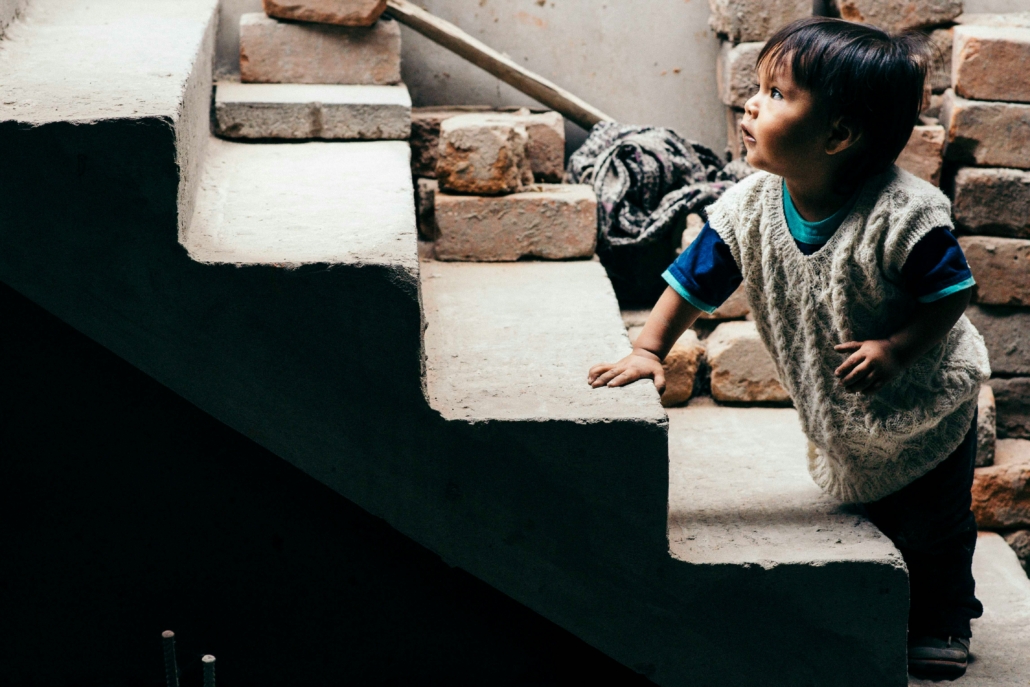 Lima, the sprawling capital of Peru with its 10 million inhabitants, is also an epicenter of poverty. As of 2022, approximately 26% of residents in the departments of Lima and Callao, which together make up a metropolitan zone, experience some degree of poverty. This contrasts with the total population percentage for Peru, which was 29% in 2023, actually an increase from the previous year. Most of the city’s poor concentrate in what is known as pueblos jóvenes or “young towns,” informal shantytowns that are widespread throughout Peru. Poverty here is endemic, as are social issues such as crime, poor sanitation, unclean water and lack of education services.
Several organizations, both international and local, operate in Peru with the aim of alleviating child poverty in Lima. Their charitable efforts contribute to improving the livelihoods of thousands of disadvantaged youths living in the Peruvian capital.
SOS Children’s Villages
SOS Children’s Villages is the largest charitable organization in the world dedicated to the rights of children, particularly those without or at risk of losing family care. Established in 1946 in Austria, it now operates in 135 countries worldwide. The Peruvian branch of SOS Children’s Villages addresses concerning problems affecting the country’s urban youth: according to official figures, more than 3.4 million were at risk of losing family care in 2019 and more than 1.5 million did not work or study in 2023.
Its work is focused on providing children with a safe family environment by strengthening families’ child-rearing skills, settling children with relatives, training family care professionals and providing integral development courses. It also lobbies the Peruvian government so it increases assistance to vulnerable youths. All of these initiatives establish a solid foundation for child social development that is particularly felt in Lima, a dense urban environment where family fracturing is prevalent.
Un Techo Para Mi Pais
Un Techo para mi País (TECHO) is a Latin American nonprofit that works to provide proper housing to vulnerable populations. Though active in 18 countries, its activities in Peru overlap mostly with the aforementioned pueblos jóvenes of the major cities. Since 2006, it has built 5,800 emergency settlements and provided aid to more than 26,000 people. Approximately 3.5 million Limans experience home precarity or homelessness, and around 300,000 of them are children. As the epicenter of Peru’s child homelessness problem, TECHO concentrates its house-building activities in the city’s most underprivileged areas.
This also includes increased access to sanitation and clean water, providing these services to almost 11,000 people. The work TECHO performs elevates the living standards of those residing in the notorious pueblos jóvenes, particularly those in the massive urban sprawl of Lima.
Caritas Internationalis
Caritas Internationalis, founded in 1951, is another international relief group, aligned with the Catholic Church. Since its beginning in 1955, Caritas in Peru has carried out programs that foster human development, particularly among the disadvantaged. It fights against discrimination and social exclusion, which are prevalent in Lima and other cities, by providing families with the training and resources to elevate themselves. Some of its programs include rural development through cacao planting, caring for the elderly, providing aid to migrants and work training for at-risk youths. When it comes to impoverished youths in Lima, this latter initiative is particularly relevant: Caritas provides workshops and vocational training for youths, specifically focusing on the pueblos jóvenes, where educational and economic opportunities are scarce.
It also engages in political advocacy, initiatives in environmental responsibility and projects for natural disaster mitigation. Although active throughout Peru, Caritas places a special emphasis in urban areas given the prevalence of factors such as economic inequality, urban poverty and crime, and their work directly benefits vulnerable populations experiencing child poverty in Lima.
Looking Ahead
Lima, the largest city in Peru, offers its own unique range of social challenges. It is only a very small fraction of the problem that is child poverty; however, professional, dedicated organizations with decades of experience are making genuine progress. Every day sees steady progress in the fight against child poverty in Lima. While the reliability of aid from world governments comes increasingly under question, supporting private initiatives may be the future of the ongoing fight against poverty in all its facets and across every corner of the world.
– Rafael Saavedra
Rafael is based in San Antonio, TX, USA and focuses on Politics for The Borgen Project.
Photo: Unsplash
