Indigenous Poverty in Brazil: How Has it Improved?
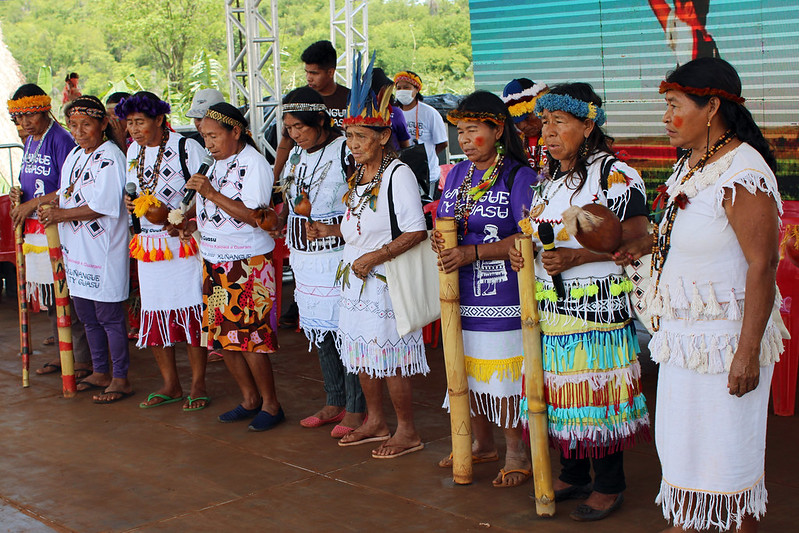 According to 2022 Statista data, Indigenous poverty in Brazil stands at a rate of 33.2%. This number has declined since 2005 when Indigenous poverty saw a rate of 48.8%. Much of this has to do with government action and cooperation.
Brazil and President Luiz Inácio Lula da Silva
According to 2022 data, Brazil is home to close to 1.7 million people of Indigenous descent, only making up 0.83% of the population. In recent years, the relationship between the government of Brazil and the Indigenous populations has become a topic of conversation. President Luiz Inácio Lula da Silva is the current president of Brazil. He is also a past president of Brazil; he was Brazil’s president from 2003 to 2011.
President Lula’s current administration has the same goals as his previous administration. In the past, much of the focus of his presidency was that of reforming social security, enhancing educational opportunities, particularly for poor individuals, pension, tax policies and combating hunger and poverty. In his time as president before, he would combat poverty in Brazil through three main motions: providing aid to farmers, improving labour and reform pensions, and providing cash-transfer programs to the poor. Much of the work he did back then has been maintained.
Aid for farmers is as much of an issue now as it was in the early 2000s. According to the World Bank, as of November 2024, the World Bank Board of Directors approved the Transforming Brazil’s Agrifood System program. It aims to improve the national agriculture system by supporting farmers and increasing productivity, along with expanding access to markets. With a total budget of $1.6 billion, it could benefit close to 421,000 farmers and over 1.2 million people living in rural Brazil.
Bolsa Familia
Cash transfer programs are still in place in the country. The Brazilian Cash Transfer Program, known as Bolsa Família, is “the largest conditional cash-transfer program in the world” as of 2020. The program has a goal of eradicating poverty and stabilizing food accessibility. It assists 13 million families, totalling about 50 million people.
The program requires families to commit to keeping their children in school and providing them adequate health care, like regular health checks, to obtain the funds. The funds are equal to about $35. About 94% of the funds go to the poorest 40% of the population, according to the World Bank. Evidence shows that people use money for food, clothes and school supplies.
Indigenous Relations with the Brazilian Government
Since the beginning of President Lula’s administration in his previous presidency and now, he has focused on reducing Indigenous poverty in Brazil.
Relations between Indigenous peoples and the government of Brazil have improved since Lula’s creation of the Ministry of Indigenous Peoples. Sônia Guajajara became the minister of the program. Guajajara is currently leading the fight over land rights for Indigenous peoples in the country of Brazil. She came from poverty, just as President Lula himself did.
Guajajara has done extensive work trying to make sure that Indigenous voices are heard within the government. She is a member of four different organizations aimed at uplifting the Indigenous population within the country. In 2018, she was a candidate for vice president. TIME magazine named her one of the most influential people in the world in 2022.
Indigenous poverty in Brazil is being targeted through sustainable projects in villages throughout Brazil. As of 2022, the country has invested around R$30 million in rural production, agricultural machinery, technical training and fishing. Internet accessibility has also improved in Indigenous communities through the WI-Fi Brazil Program. The program has led to the installation of 197 internet points in Indigenous communities throughout the country.
Decreasing Steadily
Since 2005, Indigenous poverty in Brazil has decreased steadily, with a short uptick due to the COVID-19 pandemic. In 2005, the poverty rate was at nearly 50%. Currently, the poverty rate for Indigenous communities stands at 33.2%. Due to President Lula and his fervour to eradicate poverty within the country, that number is where it is.
– Maya Renfro
Maya is based in Chicago, IL, USA and focuses on Good News for The Borgen Project.
Photo: Flickr
