Ethiopia’s Health Workforce Shortage: Strategies To Train & Retain
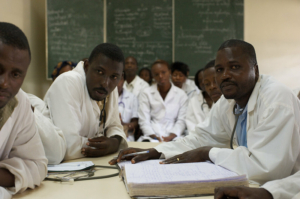 Ethiopia is one of the most populous nations in Africa. It is dealing with a severe shortage of trained medical providers, particularly in rural and low-income areas. This shortage reduces access to quality health care, undermines the effectiveness of public health initiatives and ultimately affects life expectancy.
Ethiopia’s Health Care Workforce Shortage
Ethiopia has one of the lowest health care worker-to-patient ratios in sub-Saharan Africa, with only one physician per 5,843 people. Many rural clinics operate with just one or two nurses and sometimes, no trained doctors. Programs like the Health Extension Program improve access to basic services.
However, a lack of trained health professionals continues to limit the success of health programming and the overall quality of health care for the population. Key factors contributing to the workforce shortage include a lack of medical training and vocational programs, low salaries, poor working conditions and limited opportunities for advancement. Together, these challenges drive many trained professionals to leave Ethiopia in search of work elsewhere.
Increasing Educational Opportunities
Increasing educational opportunities is an essential component to tackle Ethiopia’s workforce challenges. Ethiopia has made major strides in expanding medical schools and allied health programs nationwide. There has been some success in establishing higher outputs of trained doctors and nurses in a short time.
However, the need continues to grow for trained doctors, nurses and specialists. This requires investments in teaching hospitals, training facilities and qualified faculty. It also calls for partnerships with international universities and health institutions to create opportunities for knowledge transfer, skill development and student exposure to professional exchange programs in global health settings.
Such measures would strengthen medical education in Ethiopia and provide students with valuable pathways to gain experience.
Ethiopia’s Health Care Workers Retention Challenge
Retaining health care personnel is another significant challenge. Many health workers and other health care professionals are often under extreme stress due to a high patient load, old equipment and fluctuating salaries. Such conditions can lead to burnout and increase the likelihood of trained workers leaving their country to work elsewhere for relatively better conditions.
There are many solutions to these retention issues, such as improved standards of care, better health care systems, consistent supply chains for medical equipment and medicines and salaries that are compliant or more than the salaries in the region. Financial incentives such as bonuses for performance or relocation expenses for trained health professionals returning to work in Ethiopia can also boost recruitment and retention of trained health care professionals currently working abroad.
Ethiopia can build a healthier and more robust workforce if it can start to solve retention challenges.
Efforts To Boost the Health Workforce
Technology-based solutions exist to relieve tensions related to the health care workforce shortage in Ethiopia. Programs like the International Virtual e-Hospital Foundation’s (IVeH) telemedicine initiative aim to enhance health care access and education in Ethiopia.
Telemedicine cannot wholly substitute in-person care; however, it is a vital tool to deal with the burden of having limited staff to meet the health care needs of individuals in remote areas for timely consultations.
Public engagement and awareness are also important to create a sustainable health care workforce. Campaigns highlighting the benefits and importance of health care careers can motivate young Ethiopians to pursue medical training and lay a strong foundation for a commitment to service in their communities.
Schools, community settings and social media can all encourage students to consider health care professions. Indeed, by promoting health care as a respectable and impactful career, graduates will be more likely to remain in Ethiopia and support the development of the national health system.
Conclusion
Tackling Ethiopia’s health care workforce shortage has ramifications beyond public health, extending into national development. A stronger and more equitable workforce could expand access to care, prevent avoidable deaths and restore public confidence in the health system.
Training and retaining health care personnel is a health investment and an economic one, as improved health fosters a more productive population capable of advancing national development goals. Furthermore, by aligning efforts in medical education, workforce retention, technological innovation and public engagement, Ethiopia can build a sustainable health care system that meets the needs of its growing population.
– Sophia Scelza
Sophia is based in Lindenhurst, NY, US and focuses on Good News and Global Health for The Borgen Project.
Photo: Flickr
