How Coding is Helping Fight Gender Inequality in Africa
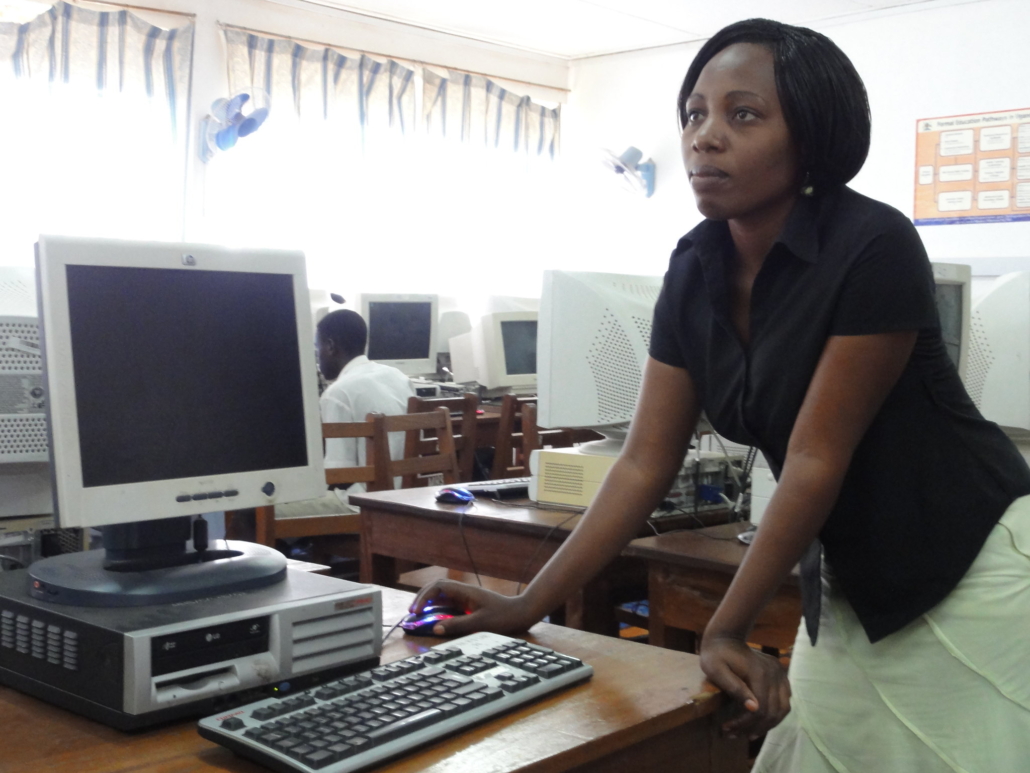
Women in Africa are less likely to work in technology than their male counterparts. In 2019, around 22% of women in Africa used the internet. Due to the fact that men oftentimes have higher incomes than women, they are more likely to purchase a mobile device with internet capabilities. In West and Central Africa, four in 10 girls enter child marriage before the age of 18. This allows gender inequality to grow and prevent economic autonomy for young girls and women in Africa. Here is an organization that is actively fighting gender inequality in Africa by advocating for and providing for African women in tech.
African Girls Can Code Initiative (AGCCI)
The project has been able to help women and young girls in gaining access to work in tech. The initiative aims to train at least 2,000 girls from ages 17-25 to help them gain economic independence and an advantage in the rising tech industry. In the camp’s first phase, girls learn about mainstream ICT. The program created an e-webinar to help keep the program intact during the pandemic. Awa Ndiaye-Seck, U.N. Women Special Representative to the African Union and UNECA, says that the AGCCI’s goal is to “address not only the policy-level bottlenecks related to access to technology and finances but also the gender-based harmful norms and practices that hinder women and girls from pursuing STEM fields.”
Impact and Second Stage
Since the camp began in 2018, 600 girls have received training nationally and regionally. The Coding camp has participants from a large and diverse set of countries such as Ethiopia, Burundi, Côte D’Ivoire, DRC, Kenya, Liberia, Mali, Malawi, Rwanda, Senegal, Sierra Leone, Sudan, South Sudan, South Africa, Uganda, Tanzania and Zimbabwe. The aforementioned e-learning platform provides mentorship, coursework, training tools and job opportunities. In 2022, the Belgian government spearheaded phase two of the camp by funding the project. The project will also partner with U.N. Women, UNICEF and UNESCO. The second stage involves selecting a pool of trainers to train 11 more selected countries, thereby setting up more AGCCI learning centers in participating countries and providing learners with adequate technology (phones, laptops, computers, etc.).
Continuing to Reduce Gender Inequality in Africa
A 2016 report suggested that women launched only 9% of tech startups. Low levels of female participation in the tech industry further strengthen and reinforce the inequalities women in Africa face. The African Union’s Digital Transformation Strategy has set a mission to provide “digital inclusion for every African by 2030.” This means that there will be more African women in tech positions. It is an ambitious goal that will without a doubt receive help from existing programs such as the AGCCI. Consistent efforts to include women in the field of technology will alleviate existing barriers and inequalities for African women and girls.
Final Thoughts
Programs like the AGCCI are helping to alleviate gender inequality in Africa by providing women opportunities to learn about and work in tech. African women in tech is just one example of positive programs aiming for a better future for African women.
– Anna Richardson
Photo: Flickr
