Coding Bootcamps in Rwanda: Breaking the Poverty Cycle
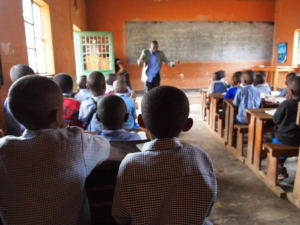 Coding bootcamps in Rwanda create pathways into well-paid tech work by linking government policy with private training providers. Through partnerships between the Government of Rwanda and Andela, intensive programs are upskilling youth, especially young women and connecting graduates to remote roles with international companies.
How Coding Bootcamps in Rwanda Work
In 2018, the Rwanda Development Board (RBD) and Andela agreed to establish a pan-African tech hub in Kigali. They plan to recruit up to 500 Rwandans and provide them with paid training, preparing them to serve a global client base.
Today, Andela’s nine-month Andela Technical Leadership Program (ATLP), run in partnership with the Ministry of ICT & Innovation, trains engineers in team-based software development and professional skills. As a full-time career accelerator, it covers modern web development and distributed team practices.
The Igire Rwanda Organization complements this pipeline with its SheCanCODE academy, which reports having “delivered more than 800 women to the job market” since 2016. U.N. Women documents recent SheCanCODE cohorts and outcomes, as the program cohorts run intensively (roughly 12–14 weeks) and move learners from fundamentals to production-ready projects with career support.
The Ministry of ICT also runs national teen coding bootcamps to widen the future talent pool. These programs nurture young talent early and help ensure that Rwanda’s technology ecosystem continues to expand inclusively across genders and age groups.
What Sets These Bootcamps Apart
- Public–private design links training to real vacancies.
- Students learn industry stacks and remote workflows from day one.
- Career services connect graduates to Andela’s global marketplace and Girls in ICT networks.
Because of these bootcamps, graduates aren’t just earning certificates, but are gaining far better access to career opportunities than before. Communications about Andela’s Rwanda apprenticeship/ATLP note strong placement outcomes (e.g., high employment among graduates) and a growing channel of junior engineers.
Because Andela operates a global remote talent marketplace, many roles are with international employers and often outpace typical local entry-level wages. Additionally, from a broader perspective, Rwanda’s strategy is building connections that drive growth in its tech economy, linking it to the global market.
Kigali Innovation City is a tech-and-education district that aims to bring universities, R&D labs, startups and investors together in one area to help Rwanda build exportable tech and attract foreign investment. The district also provides incubator spaces, mentorship programs and networking opportunities to foster collaboration among local and international innovators. By concentrating talent and resources, Kigali Innovation City seeks to accelerate Rwanda’s digital transformation, create high-skilled jobs and position the country as a leading technology hub in East Africa.
The Remaining Gap and Why Targeted Programs Matter
Women have historically been underrepresented in STEM in Rwanda; programs like SheCanCODE and ATLP help close that gap. Ultimately, public–private partnerships are turning coding bootcamps in Rwanda into pathways to remote, higher-paying tech jobs for young women, all while advancing Rwanda’s ambition to be a regional tech powerhouse.
– Riddhi Sharma
Riddhi is based in Richmond,BC, Canada and focuses on Technology and Solutions for The Borgen Project.
Photo: Wikimedia Commons
