In most parts of the rural world, obtaining over-the-counter medication for a cold isn’t an option. Despite Tylenol’s world-wide market and the growing popularity of Vicks and Sudafed, sometimes the availability or the price of these products, or the unmistakably Western feel of them, makes them unappealing to parts of the globe.
There are stubborn old grandmothers in every country who insist they know best while passing on their home-style remedies for curing the common cold. Here’s a sampling of common cold remedies from across the globe:
Iran
A plate of cooked, mashed turnips to ease a cold. The vegetable is full of vitamin C and can ease a cough or ticklish throat.
Europe
Cow or sheep fat is wrapped in cloth, warmed, and placed on the chest to help with congestion. This is still sometimes used in rural areas to keep a deep cough from turning into pneumonia.
Russia and the Ukraine
Similar to eggnog, this hot drink is whisked egg yolk with a teaspoon of honey or sugar. Pour into a half-cup of warm milk prepared with a tablespoon of unsalted butter. Adding rum or cognac turns this into eggnog and promotes a good night’s sleep.
Rice porridge, or jook, is thought to be the easiest food to digest and cleanses a sick body of toxins. To prevent a cold some turn to mustard green soup: a pound of broad leaf mustard greens, cooked with a large sweet potato and simmered in water for a few hours. The resulting soup is hydrating and easy to stomach. Some people also burn Ai Ye, or wormwood to fend off a cold or to prevent further infection.
Hong Kong
A soup made up of dried lizards, yam and Chinese dates simmered in water
Tea with sage, bay leaf, lemon juice and honey. Another is horseradish tea: grate horseradish into boiling water before adding lemon juice and honey. This isn’t always the most enjoyable to drink, but the aroma is known for clearing out the sinuses.
India
Just a spoonful of ginger juice and honey. For sick kids parents will roast ajwaim, or carom seeds. Similar to thyme, this acts as a decongestant.
Turkey
Tea made with eight or more whole cloves, two or three cinnamon sticks, one full-circle star anise, a peeled whole ginger root that has been cracked in a few places. All of this is left to soak for about 45 minutes before being strained and served with honey.
Cuba
Oregano tea.
Vietnam
Broth-based Pho soup: includes chili to clear the sinuses and vitamin-packed veggies.
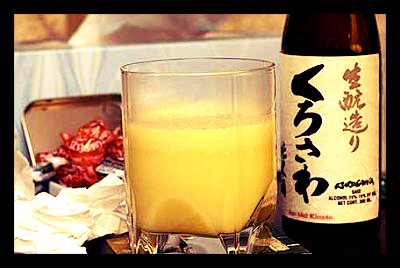
Tamagozake; a drink made with sake, one egg and honey. It strengthens the immune system and promotes a good night’s sleep. Another favorite is umeboshi or “pickled plum” which is eaten or steeped in tea with ginger and lemon.
Lemon, honey and garlic in any combination. Garlic works as a decongestant, lemon thins mucus and honey boosts the immune system.
Morocco
An omelet made with garlic, oil and pepper.
Chad
Tea made by simmering hibiscus flower, fresh ginger, cinnamon, cloves and honey.
Netherlands
Black licorice-root candies and tea. Black licorice root contains glycyrrhizin, which has antiviral and anti-inflammatory effects and works to stop the growth of viruses.
Thailand
Tom Yum soup; traditionally made with shrimp and sometimes called hot-and-sour, this soup is made with coriander, lemongrass and lime leaves.
Korea
a combination of fermented cabbage or radish seasoned with garlic, salt, vinegar, chili peppers and other spices. This particular collection of spices and vitamins is thought to fight off disease.
Try a few and build them into your winter diet!
– Lydia Caswell
Sources: Health & Wellbeing, Health Line, Daniels Fund Ethics Initiative, Fresh Juice
Photo: Method Magazine

Polio in Pakistan
The World Health Organization (WHO) recently announced a high number of polio cases are concentrated in Pakistan’s city, Peshawar. Afghanistan, Nigeria and Pakistan are the only countries that remain on the polio endemic list. Despite various vaccination campaigns on children, the disease has not been eliminated. The efforts by several organizations are constantly curtailed by the deaths of vaccinators and police officers.
Pakistani Taliban militants are said to be responsible for these attacks and continue to ban vaccinators in North and South Waziristan, undermining government efforts to eliminate the virus.
Most of the cases of polio in Pakistan have been linked to Peshawar, including all 12 cases found in the neighboring country, Afghanistan. In 2012, Pakistan reported 58 polio cases but this number has increased to 91 this past year. There is an explanation to why this genetic link of polio has origins in Peshawar.
Approximately 65 of these cases in 2013 were from remote tribal regions of Pakistan, but due to fighting, thousands of families migrated and sought refuge in the city of Peshawar. Now Peshawar is the site of infection; Afghans who travel into the city take the disease back to their country.
On January 22, six policemen and a boy were killed by a bomb meant to detonate on a polio vaccination team. On January 21, gunmen were behind another wave of violence that killed a medical team. Militants are seeking to terrorize health workers so they abandon the polio campaigns similar to events in 2012, where two United Nations workers were killed by the Taliban and programs were suspended.
Nobody is certain about who is leading these attacks but some suspect the work of militant Islamists because of their strong presence in the northwestern areas of the country.
The WHO has worked diligently to stop this disease from spreading. The Pakistani government has also mandated test samples of the sewage water from Peshawar and other major cities. Several children are at risk of contracting this disease that can potentially paralyze or kill, so several organizations are pressuring the government for more vaccination campaigns.
These past months, each test conducted in the sewage line has indicated the presence of the polio virus in Peshawar. Due to tensions in the northwest with militants who believe vaccination campaigns are meant to sterilize Muslim children, health workers were unable to reach all of the children in North and South Waziristan. About 260,000 children were not given vaccinations last year and because they mostly live in unsanitary conditions, there could possibly be another surge if immunization programs continue to be obtructed by militants.
– Maybelline Martez
Sources: Deutsche Welle, CBS
Photo: Dawn
An Open Letter: North Korea to the South
In a bid to better relations with its southward neighbor, the Democratic People’s Republic of North Korea has agreed to allow family reunions with The Republic of Korea for those separated during the Korean War. Initially proposed by President Park Geun-hye early in 2014, the reunion was promptly rejected by North Korea.
However, a news conference from the North Koreans communicated the acceptance of the proposal under the guise of improving relations between the two countries. Between 1985 and 2010, over 22,000 individuals have been reunited with their families as organized by both governments on the peninsula, reports The New York Times.
This development comes as a result of South Korea’s prompt to its northern neighbor to prove their desire to reconcile citing a letter from North Korea which relayed the message of “reconciliation and unity” with South Korea. The letter comes from the National Defense Commission and more directly, Kim Jong-un himself. “The DPRK [North Korea] has already unilaterally opted for halting all acts of getting on the nerves of South Korea and slandering it,” reports the BBC.
However, South Korea and its military ally, the United States, remain wary of either proposal. Previous military provocations despite periodic peace concessions from North Korea keep the two allied nations skeptic. A North Korean disarmament of nuclear arms remains to be realized and this new development may just be another power play from the North.
Furthermore, “Foal Eagle” maneuvers, annual military drills between South Korea and the U.S., are often met with aggression from North Korea. In 2013, North Korea threatened both nations with pre-emptive nuclear strikes, viewing the military collaboration as acts of aggression against the People’s Republic.
“Foal Eagle” will consist of around 10,000 soldiers from both South Korea and the U.S. and is set to begin in February.
In its open letter, North Korea has asked to stop the military drills, to which the U.S. has responded with a clear no—the drills will continue as planned.
Whether or not North Korea is serious in its calls for reconciliation remains to be seen, as will most likely become clear as the joint U.S.-South Korean military exercises begin.
– Miles Abadilla
Sources: BBC, CNN, New York Times
Photo: Borgen
2014 Gates Annual Letter
Bill Gates, writing for the Bill and Melinda Gates Foundation, recently released the Gates Annual Letter debunking three particular myths about foreign aid. Here, is a brief summary of the annual report.
Myth 1: Poor countries will forever stay poor.
The Gates Annual Letter states that income and human welfare have risen from previous notions of the “First World” and the rest of the world. Previous decades have considered the categories of “developed” and “developing” countries yet the two are far from relevant. One billion people have risen out of poverty and many others live in thriving economies. The myth of Africa forever plagued and poor does not hold true—Gates cites Nairobi as an urban center distinguished from a Kenyan village.
Myth 2: Foreign aid is ineffective.
Gates counters that nations such as the United States only spend 1 percent of their respective budgets for foreign aid—approximately $11 billion, far different from generalizations that donor countries often outspend and must therefore cut the foreign aid budget.
The Gates Annual Letter continues that foreign aid is an investment, not only for short-term solutions such as vaccines and bed nets, but also as an investment on the people themselves. The improvement and lifesaving consequences of foreign aid allow for the recipients to focus on education and development in their respective country.
Corruption and aid dependency are also treated in the essay. Though corruption is inevitable, the consequences are minimal to the benefits that are a result. Increasing transparency of the use of public funds also stymies corruption.
Lastly, countries that were once aid recipients are now themselves aid donors. The dependency myth is disproved by the amount of development that receiving countries have gone through and the change that ensued.
Myth 3: Foreign Aid leads to overpopulation
Melinda Gates takes over to write off the third myth: foreign aid leads to overpopulation. The idea being, saving lives leads to a higher density in a given population.
The truth is, as mortality rates decline, so do fertility rates. As women become more educated and as standards of living rise, family planning becomes a priority. The more confident a family is that their child will make it past infancy, that same family will have more children.
Foreign aid helps to create economic growth and education in recipient country, Gates argues. As the Co-chairs of their foundation, Bill and Melinda strive for bettering the lives of many by fighting extreme poverty.
With Bill Gates’ recently stepping down as chairman of the board for Microsoft, a company he helped found, more of his time will be geared towards his philanthropic work. Bill Gates is, however, to continue his role as an advisor for Microsoft, now under the leadership of newly-minted CEO Satya Nadella.
– Miles Abadilla
Sources: Gates Foundation, Huffington Post, NPR
Photo: ISideWith
Cyclical Causes of Poverty
According to a new study, nearly forty two million women are living in poverty or on the brink of poverty. In over 40 percent of American households, women with children are the primary breadwinners.
One of the sole causes of poverty for women is the extreme gap between men and women’s wages in America. The national average wage has women earning 77 cents for every dollar men earn when you compare the yearly earnings of full time male and female workers. The National Partnership for Women and Families performed a study on California’s population, which shows that women can afford at least “62 fewer weeks of food for their families, seven fewer months of rent, and more than 1,900 fewer gallons of gas per year compared to men.”
For women of color, the distribution gap is even larger. African American women earn 67 cents to every man’s dollar and Latina women earn a mere 44 cents to every dollar men earn. In order to pull women away from the brink of poverty and into the middle class, this imbalance needs to be fixed.
When looking at poverty from a global perspective, 1,345 million people live on $1.25 a day. One of the main causes of poverty universally is the major lack of resources available to those that need them the most. Lack of resources can be defined as the inability to receive a proper education, decent healthcare and employment that is suitable for sustaining and affording necessities.
Poverty often times works as a vicious cycle. Without receiving a GED, or understanding the importance of receiving one, many adults are not able to attain a well-paid job. Without holding a well-paid job, many adults are then unable to afford proper healthcare, and without healthcare mortality rates rise. With higher mortality rates, for example in China, there is a greater likelihood for overpopulation and therefore higher rates of people living in poverty.
The cycle then begins again for children living in poverty. Young students living in poverty are five times more likely to not complete high school than children living in the top 20 percent of all family incomes.
The economy is also a large cause for poverty. As the economy becomes healthier, there are more options for jobs and better income rates, but when the economy declines job availability also declines. According to the 2014 Index of Economic Freedom, the U.S. is no longer among the top 10 most economically free countries, but falls at number 12.
It is possible to become part of the top 10 again; within the past 20 years the global economy has increased by 20 percent. Millions of people have managed to lift out of poverty and joined the middle class despite recessions and economic disasters.
– Rebecca Felcon
Sources: Mercury News, Slate, Social Inclusion, American Psychological Association, The Wall Street Journal
Photo: The Guardian
China Discriminates Against Students with Disabilities
Many Chinese students place high on the rankings for international standardized tests. Recently, China came out on top for the Program of International Student Assessment which covers various subjects such as science, math and reading.
Sadly, there are a vast number of children that are completely left out of the mainstream education system in China. One of the most discriminated groups of students are those possessing disabilities.
Students with disabilities’ access to public schools is extremely lacking in part because of the hukou system. It is a national registration system that prevents migrants from moving freely throughout the country.
Citizens are given rural and urban hukou registrations. If an individual with a rural hukou registration migrates to a major urban center for work, even though they are Chinese citizens, they are denied basic social services that individuals with urban hukous can obtain.
It is unfortunately a legal discrimination.
In Beijing, over one-third of the people are migrant workers, which means one-third of the population cannot take advantage of the social services available to their neighbors. Many migrant children are unable to attend public schools in the region where their parents work because they do not possess the proper hukou registration.
Also, there seems to be an inherent bias against children with disabilities in the Chinese education system. The system divides students into two tracks: those with disabilities and those without.
Those with disabilities are denied access to certain subjects. Many students who are blind are pushed into music and massage courses even if they have the capacity to excel in other subjects.
While the system allows students with disabilities to move into the more mainstream education system as long as they meet the requirements, in many cases they are denied. The legal resources for disabled individuals who are denied access seems to be minimal at best. This is due to the murkiness of Chinese discrimination law.
While China has established schools throughout the country dedicated to teaching children with disabilities, even these come with their own form of discrimination. Many of these schools are tailored to teach children with a specific disability. Students with disabilities who do not fit within the specified category are not allowed to attend.
The result of this discrimination is that many disabled children are not afforded the opportunity to attend school. Looking at the latest international standardized tests, it is apparent that Chinese students in mainstream schools have become great achievers. It is now time for the government to afford the same resources present in mainstream education to disabled children.
It is an affront to Chinese society as a whole that many children with special needs are simply left in the dust as other students excel worldwide.
– Zack Lindberg
Sources: Human Rights Watch, CNN
Photo: Education News
Child Marriage and Poverty in the Developing World
In developing countries many marriages are early or forced and child marriage is wide spread, particularly among girls. While boys do marry before the age of 18, girls are much more significantly affected. A study on child marriage found that in 2003, there were 72 girls married for every one boy in Mali. Despite efforts from the United Nations and various NGOs to end child marriage, one-third of girls still marry before the age of 18 and one in nine marry before the age of 15. Every year, 14 million girls under the age of 18 are married.
Child marriage occurs in poor rural communities and the girl’s parents or other leaders in her village often arrange the marriage. The girls often have no say in when or whom they marry. Child marriage is most prevalent in sub-Saharan Africa and parts of South Asia.
Child Marriage and Poverty
Child marriage is most prevalent in the poorest countries in the world and particularly in the poorest households of these countries. For poor families, child marriage often seems like the best way to get their daughters and the rest of their families out of poverty. When parents marry off their daughter, they often receive a dowry. Even if the families do not receive a dowry, they benefit from having one less person to care for.
Parents believe marriage is a way out of poverty for their daughter, but girls who marry young often remain in poverty and never receive an education.
The International Centre for Research on Women reports poverty is strongly related to the number of child brides. In Bangladesh, Mali and Mozambique, more than 75% of the population lives on less than $2 per day and more than 50% of the girls are married before the age of 18.
The country’s GDP is also related to child marriage. Chad has a GDP of only $1,600 per capita and 71%of its are married before the age of 18. In almost all developing countries girls from poor households are more than twice as likely to marry before the age of 18 than girls in more financially secure households.
Child Marriage and Health
Girls who marry young often get pregnant soon after; however, these girls are often not physically or emotionally mature enough to handle the demands of sexual activity, pregnancy and childbirth. Pregnancy and childbirth are the leading causes of death in girls between the ages of 15 and 19 worldwide. These girls are also at much greater risk of domestic violence and rape and often believe that their husbands have the right to beat them and force them into sex. Lastly, girls who marry young are at a greater risk of contracting HIV.
What Can Be Done?
The Girls Empowerment Network is going into communities where child marriage is prevalent and starting girls clubs that empower girls and finally ask them whether they want to get married. It then helps the girls to advocate for themselves and explain to their parents and the leaders of their communities that they want to go to school rather than get married. One community where the Girls Empowerment Network is working recently initiated a law saying girls may not be married before the age of 21. While this may not work in all communities, it is at least starting to work in some.
– Elizabeth Brown
Sources: Plan, IRCW, Girls Not Brides, NPR, UNFPA
Photo: The Travel Photographer
4 Ruthless Leaders Ruling today
In recent years many notorious leaders have been overthrown and put to death for their ruthless ways. Unfortunately, more of these leaders still remain around the world and continue to hold power over innocent lives. Here are 4 that are still around.
Kim Jong un- North Korea
In 2011, Kim Jong-un became Supreme Leader of Democratic People’s Republic of Korea, AKA North Korea, preceding his father, longtime dictator Kim Jong-Il whom was in power since 1941.
Today, the desolation of human rights still remains under rule of Jong-un. Thousands of people are held in political prison camps, facing starvation, daily beatings and death. People are sent to these camps for numerous reasons; government opposition being the main one.
If they are not sent to prison camps, execution is likely ordered by the dictator. Among recent reports Jong-un ordered the execution of his grandfather and in 2011, also executed his then girlfriend, Hyon Song Wol. Jong –UN also holds American Kenneth Bae captive for unknown reasons and refuses to release him to the American government.
Outside of prison camps famine spreads like wildfire. An estimated 1 million people have died from starvation since 1990. In addition to this, mobile phone use is highly restricted and internet usage is monitored and filtered by the government. Television is also censored and runs numerous ads painting the U.S. as an evil nation. Government opposition is not tolerated by Kim Jong- UN.
Xi Jinping – China
Xi Jinping became president of China in March of 2013. The communist leader claims to have loosened the ties on certain human rights violations, such as eliminating labor camps and modifying the one child rule. However, reports have surfaced stating the newly created “rehab centers” to replace labor camps might be close to one in the same. People are still beaten and starved for opposing government power and expressing religious freedom.
Complete control over all media and internet usage is common in China. Over 40,000 people are employed by the government to monitor web browsing and block news sites deemed unacceptable. Any form of government rebellion is not tolerated. Many people have been punished for speaking out against the dictatorship. Thousands of people are executed and tortured every year for this.
Bashar Al Assad – Syria
President of Syria since 2000, Al- Assad took over after his father Hafez al-Assad died. Once hoped to be a reformer of his father’s ruthless political ways, Al- Assad quickly revealed keen dictatorship after government protesters were attacked under his command.
Internet usage is monitored around the clock. Blockage of popular internet sites such as YouTube, Facebook and Wikipedia occurred throughout the 2008 -2011 time period.
Protesters are continuously attacked and imprisoned for opposing the dictator. During the 2011 Syrian war, gang rapes of young boys and the killing of children as young as two by Syrian security were reported.
King Mswati III – Swaziland
Located in Africa, Swaziland shares borders with South Africa and Mozambique. This country has been under the rule of King Mswati III’s dictatorship since 1986. The 1 million plus country longs for a democratic government however, King Mswati clearly objects to splitting up the political parties, sticking with traditional monarchies.
Mswati’s monarchy has been known for its lavish and carefree ways which have depleted economic funds. Careless handling of finances has left the Swaziland people to fight for their lives.
Poverty, food shortages and disease take countless lives every day. Over 26 percent of adults live with AIDS, making it the highest rate per country in the world. Anti-viral treatments that could lower this number dramatically are not provided by the government, resulting in thousands of children becoming orphans every year. The life expectancy in Swaziland is the lowest in the world, estimated to be 48.
– Amy Robinson
Sources: USA Today, Amnesty International, CNN, Human Rights Watch, BBC, World Vision
Photo: Foreign Policy
Nike Strives to Overcome Sweatshop Abuse
Although Nike has established itself as a leading athletic brand and even as an endearing icon of American athleticism, it was not too long ago that the company was publicly scorned for its shameful use of child labor. Since its heyday, Nike had secured its success in part by an efficient, albeit ethically-questionable, business model where its manufacturing was outsourced to underpaid, under appreciated and often underage factory workers. The money that Nike saved by utilizing this business model was often invested in topnotch advertising.
After becoming the face of aggressive mega-business abuses of power and wealth, and suffering markedly due to a dwindling public image, Nike has taken steps to alter its practices and image. In 1998, one of the first significant steps that the company took to change its business model took place with a speech given by then-CEO Phil Knight. Knight proclaimed that “the Nike product has become synonymous with slave wages, forced overtime and arbitrary abuse.” Knight further stated that, “I truly believe the American consumer doesn’t want to buy products made under abusive conditions.”
Ever since Knight’s 1998 speech, Nike has enacted an onslaught of redemptive measures, such as the company’s 1999 creation of the Fair Labor Association. This nonprofit group fuses business and human rights in order to maintain a fairer work-place consisting of a minimum age for labor, increased company monitoring and a 60-hour work week.
Furthermore, in 2005, Nike became the first in its specific sportswear industry to publish a comprehensive list of its contracting factories in addition to thorough reports on its factory environments, factory pay and persisting factory issues in order to maintain its still-nascent pledge to corporate social responsibility.
However, despite these amendments to its business policy, Nike is still dogged by allegations of mistreatment in its factories. In 2011, workers at Nike’s Indonesian Sukabumi plant claimed that supervisors would physically and verbally abuse them. Specifically, workers alleged that supervisors would throw shoes at them and equate them to dogs.
In response, Nike has disclosed that such abuses do indeed remain extant in a handful of its factories, thereby acknowledging that the company, despite its immense progress over the decades, still has a long road ahead of itself in order to completely abolish its history of sweatshop abuse. With increased transparency and a continued allegiance to the humane treatment of workers, Nike may eventually be able to recover its public and industrial image.
– Phoebe Pradhan
Sources: Business Insider, Daily Mail
Photo: An Focal
Common Cold Remedies from Across the Globe
In most parts of the rural world, obtaining over-the-counter medication for a cold isn’t an option. Despite Tylenol’s world-wide market and the growing popularity of Vicks and Sudafed, sometimes the availability or the price of these products, or the unmistakably Western feel of them, makes them unappealing to parts of the globe.
There are stubborn old grandmothers in every country who insist they know best while passing on their home-style remedies for curing the common cold. Here’s a sampling of common cold remedies from across the globe:
Iran
A plate of cooked, mashed turnips to ease a cold. The vegetable is full of vitamin C and can ease a cough or ticklish throat.
Europe
Cow or sheep fat is wrapped in cloth, warmed, and placed on the chest to help with congestion. This is still sometimes used in rural areas to keep a deep cough from turning into pneumonia.
Russia and the Ukraine
Similar to eggnog, this hot drink is whisked egg yolk with a teaspoon of honey or sugar. Pour into a half-cup of warm milk prepared with a tablespoon of unsalted butter. Adding rum or cognac turns this into eggnog and promotes a good night’s sleep.
China
Rice porridge, or jook, is thought to be the easiest food to digest and cleanses a sick body of toxins. To prevent a cold some turn to mustard green soup: a pound of broad leaf mustard greens, cooked with a large sweet potato and simmered in water for a few hours. The resulting soup is hydrating and easy to stomach. Some people also burn Ai Ye, or wormwood to fend off a cold or to prevent further infection.
Hong Kong
A soup made up of dried lizards, yam and Chinese dates simmered in water
Italy
Tea with sage, bay leaf, lemon juice and honey. Another is horseradish tea: grate horseradish into boiling water before adding lemon juice and honey. This isn’t always the most enjoyable to drink, but the aroma is known for clearing out the sinuses.
India
Just a spoonful of ginger juice and honey. For sick kids parents will roast ajwaim, or carom seeds. Similar to thyme, this acts as a decongestant.
Turkey
Tea made with eight or more whole cloves, two or three cinnamon sticks, one full-circle star anise, a peeled whole ginger root that has been cracked in a few places. All of this is left to soak for about 45 minutes before being strained and served with honey.
Cuba
Oregano tea.
Vietnam
Broth-based Pho soup: includes chili to clear the sinuses and vitamin-packed veggies.
Japan
Tamagozake; a drink made with sake, one egg and honey. It strengthens the immune system and promotes a good night’s sleep. Another favorite is umeboshi or “pickled plum” which is eaten or steeped in tea with ginger and lemon.
South America and Spain
Lemon, honey and garlic in any combination. Garlic works as a decongestant, lemon thins mucus and honey boosts the immune system.
Morocco
An omelet made with garlic, oil and pepper.
Chad
Tea made by simmering hibiscus flower, fresh ginger, cinnamon, cloves and honey.
Netherlands
Black licorice-root candies and tea. Black licorice root contains glycyrrhizin, which has antiviral and anti-inflammatory effects and works to stop the growth of viruses.
Thailand
Tom Yum soup; traditionally made with shrimp and sometimes called hot-and-sour, this soup is made with coriander, lemongrass and lime leaves.
Korea
a combination of fermented cabbage or radish seasoned with garlic, salt, vinegar, chili peppers and other spices. This particular collection of spices and vitamins is thought to fight off disease.
Try a few and build them into your winter diet!
– Lydia Caswell
Sources: Health & Wellbeing, Health Line, Daniels Fund Ethics Initiative, Fresh Juice
Photo: Method Magazine
Dalai Lama: Non-Violent Resolve to Tibetan Oppression
The Chinese occupation of Tibet has been going on since 1949. The Tibetan people, under command of the “Holy Dalai Lama,” have been attempting to win back their freedom and independence through non-violent means. All over the world, international networks of people have been forming Tibet Support Groups, or TSG’s.
The support groups serve as initiatives that raise awareness among foreign nations and generate support and aid towards freeing the Tibetan people.
China is trying to gain membership status in the United Nations Human Rights Council, but the nation has an ongoing ban on all information concerning the exiled Dalai Lama. Although the Central Tibetan Administration and the Dalai Lama believe they can solve the oppression of the Tibetans and still remain a part of China, anti-Tibet propaganda still runs throughout the occupied territory.
Jiang Zemin was the former President of China, replaced this year by Xi Jinping. The previous leader was under investigation for crimes against Tibetan humanity, but the Spanish Government abruptly let the situation drop without consequences and the oppression continues today.
In January, the Intercontinental Hotel Group was issued a complaint by Tibetan protesters for plans to construct a high-class hotel in occupied Tibet. The Intercontinental Hotel Group has yet to respond to this complaint, and the U.N. Global Compact (UNGC) has given them a deadline to answer these complaints.
The UNGC was an initiative signed by the Intercontinental Hotel Group that serves to provide the most honorable and genuine business practices among companies with holdings in multiple countries. Another complaint with the hotel in Lhasa involves the main executive being corrupt and participating in fraudulent business dealings, but so far nobody has responded to any of the issues raised.
The Dalai Lama is adamant about solving Tibet’s problems through non violent means as a way to bolster the Buddhist way. The Chinese wants to build water powered projects on the large Brahmaputra river that originates in Tibetan India.
In a business-standard.com article, the Dalai Lama said, “The mighty Brahmaputra river, which flows through many parts of India and southeast Asia, has its origin in Tibet. The success of the Tibetan movement is an imperative for saving the environment and ecology of the entire world.”
The struggle against Tibetan oppression in China, especially its non-violence, is an important lesson for everyone to learn. The Tibetan movement is trying to prove that morally sound, peaceful, and righteous action against an enemy can be just as effective and more beneficial to everyone. Politicians, leaders and citizens on all sides of the earth can use this information to their advantage and take it forward into the future that we all share together.
– Kaitlin Sutherby
Sources: Tibet.net, Business Standard, Tibet.org
Photo: Telegraph