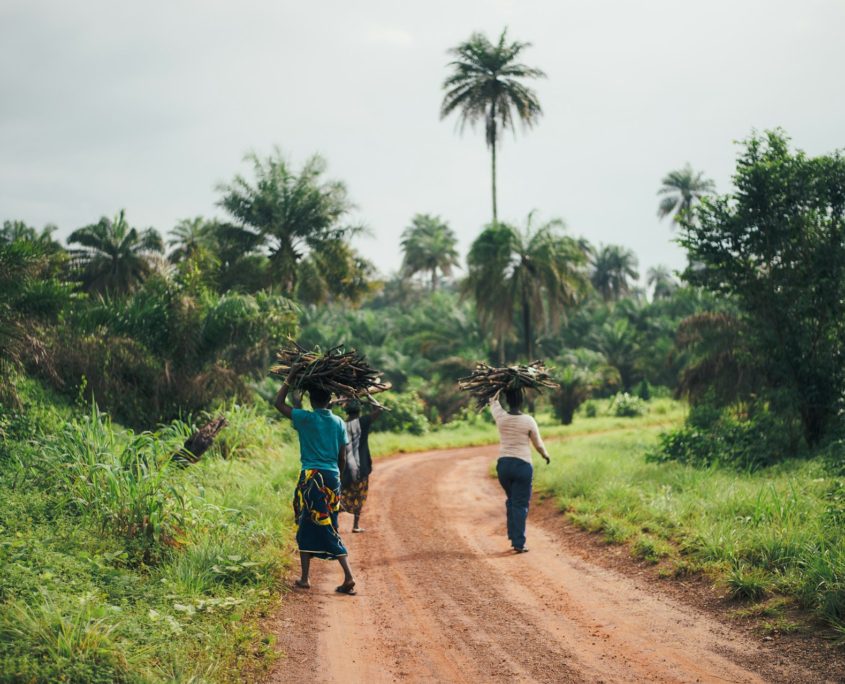
 Lassa Fever is spread primarily through rodents, specifically Mastomys rats. The viral illness affects up to half a million people a year, with thousands of deaths reported each year. Despite its destructive impact on West Africa, there is still no licensed vaccine. To fight this, the Coalition for Epidemic Preparedness Innovations (CEPI) is driving forward an ambitious strategy that combines science, partnerships and capacity building. CEPI is fighting Lassa Fever, offering a blueprint for how the world can prepare for other epidemic threats.
Accelerating Clinical Trials in West Africa
A key step toward eliminating Lassa Fever lies within vaccine development and CEPI is helping to fast-track clinical trials directly in the communities that have been most affected. In 2022, CEPI supported Phase 1 trials in Liberia, marking the first test of an experimental Lassa vaccine in West Africa. This has now been followed up with Phase 2 studies across Ghana, Nigeria and Liberia, which have enrolled more than 600 participants as of 2024.
The Lassa Fever Vaccine Efficacy and Prevention for West Africa (LEAP4WA) consortium, funded by both CEPI and the European and Developing Countries Clinical Trial Partnerships (EDCTP), is now preparing for a phase 2b efficacy trial in Liberia, Nigeria and Sierra Leone. CEPI’s April 2025 LEAP4WA newsletter confirms that this trial, evaluating the ‘rVSVΔG-LASV-GPC’ vaccine candidate, will begin in 2026 with extensive preparations already underway.
Dr. Richard Hatchett, CEO of CEPI, stressed the urgency of the development of a vaccine: “Lassa Fever has been neglected far too long; through supporting trials in endemic regions, we can help those in need.” This focus on West African communities reflects one of the most important ways CEPI is fighting Lassa Fever, ensuring that science serves the people who need it most.
Understanding the Disease Through Epidemiology
Developing a vaccine is only half the challenge; understanding the virus itself is equally vital. That is why CEPI has created its ENABLE program, the largest study of its kind for Lassa Fever, which has enrolled up to 23,000 participants across Benin, Guinea, Nigeria and Sierra Leone. This ground-breaking study aims to map transmissions, symptoms and risk factors. These findings are vital for guiding future vaccination campaigns.
To ensure global data consistency, CEPI’s Enabling Science initiative, in collaboration with the World Health Organization, has developed international standards and assays for Lassa Fever. This ensures laboratories worldwide can reliably evaluate vaccines and diagnostics.
Gabrielle Breugelmans, CEPI’s Director of Epidemiology, stated, “ENABLE 1.5, running in Nigeria, Liberia, and Sierra Leone, is giving a clearer picture. Its findings will guide vaccine trial locations and help identify priority groups for vaccination.” Supporting this, CEPI’s Centralized Laboratory Network (CLN) has become the world’s largest vaccine testing network, processing more than 120,000 samples and aiding more than 60 developers. In 2025, it expanded with new members, including the Democratic Republic of Congo, which has strengthened Africa’s outbreak readiness.
In accordance with this, CEPI’s Biospecimen Sourcing Initiative aims to reduce the time needed to collect survivor samples from months to weeks, accelerating the diagnostic process and vaccine development. Together, these innovations demonstrate the way CEPI is fighting Lassa Fever, linking local epidemiology and global lab capacity.
Strengthening Regional Partnerships and Governance
Scientific progress alone cannot subdue Lassa Fever. Strong governance and collaboration are essential to ensure vaccines are delivered fairly and effectively. CEPI has worked with the West African Health Organization (WAHO) to launch the Lassa Fever coalition. This collaboration brings together ministries of health, NGOs and civil society organizations to coordinate strategies across borders.
Oyeronke Oyebanji, the head of CEPI’s Lassa Engagement, proclaimed, “The coalition reflects growing solidarity across West Africa, strengthening health security for Lassa and other epidemic threats.”
In parallel, CEPI supports the RegECs Project, which has harmonized regulatory and ethical approval processes across West Africa through collaboration with the African Regulatory Forum (AVAREF). This innovation has reduced delays in starting trials whilst upholding the international safety standards. Such cross-border cooperation is yet another example of how the CEPI is fighting Lassa Fever, ensuring that progress doesn’t stop at the laboratory but extends into policy and practice.
Building Clinical Trial Infrastructure
One of CEPI’s most forward-thinking strategies is investment in local infrastructure. Through the Research Preparedness Program West Africa (RPPWA), CEPI is helping establish new laboratories, train researchers and prepare trial sites capable of hosting large-scale studies. These investments are designed to outlast any single project. By strengthening scientific capacity across the region, CEPI is building resilience that will help West African countries respond not only to Lassa fever but also to future outbreaks such as Ebola or unknown diseases like “Disease X.” This commitment to sustainability is another practical way CEPI is fighting Lassa fever, leaving behind a legacy of stronger, self-reliant health systems.
A Blueprint for Future Epidemics
CEPI’s fight against Lassa fever illustrates how epidemic preparedness must go beyond developing a vaccine. Indeed, it requires embedding research with affected communities, building networks of trust and investing in long-term infrastructure. Its work shows that when science, governance and regional leadership align, neglected diseases can be confronted head-on.
Through accelerated clinical trials, pioneering epidemiological studies, regional governance initiatives and infrastructure development, CEPI is reshaping how the world approaches epidemic threats. These strategies are among the most impactful ways CEPI is fighting Lassa fever while also providing a model for addressing other emerging infectious diseases. In a region where outbreaks have too often devastated communities, CEPI’s approach offers hope not just of a vaccine but of a safer, more resilient future.
– Charlie Wood
Charlie is based in Liversedge, West Yorkshire and focuses on Global Health for The Borgen Project.
Photo: Unsplash

The Shirika Plan: Rethinking the Kenyan Refugee Crisis
Kenya’s encampment policy requires refugees to live in two major camps, Dadaab and Kakuma, located in remote, arid regions of the country where agriculture is unfeasible. As a result of the U.S.’s humanitarian aid cuts, Kenya’s refugee camps were plunged into crisis.
Due to U.S. cuts, only 181 million out of 300 million people worldwide in need received aid in 2024. The impact of these cuts is especially evident in Kenyan refugee camps. Despite the ongoing refugee crisis, its government is rethinking its approach by implementing the Shirika Plan: a pioneering approach focusing on individual freedom and self-sufficiency instead of relying on foreign aid.
The Impact of Humanitarian Aid Cuts
The U.S. cuts to humanitarian aid under the Trump administration are having dire implications for those living in refugee camps. These cuts directly harm livelihoods and undermine refugee-led organizations that promote self-reliance.
The impact of these cuts was documented in a 2022 University of Oxford study in Kakuma that examined the effect of aid on the ground. Halfway through the study, the World Food Programme (WFP) was forced to cut assistance to the camp by 20%. This left people with a daily wage of $13.
Caloric intake in the camp dropped by 7%, with people eating a less diverse and lower-quality diet due to these cuts. One Somali refugee told the team of researchers, “After the aid reduction, the lives of refugees became hard. That was the money sustaining them… Hunger is visible.”
The situation has since worsened; in June 2025, the ration was cut again to the equivalent of $5 per month. In addition, frequent delays in distribution only exacerbate the Kenyan refugee crisis, leaving families with less than their basic nutritional needs. Because of this, Kenya has had to adopt a new approach to the refugee crisis.
The Shirika Plan
Born of the Refugee Act No.10 of 2021, which emphasised governmental commitment to refugee welfare and finding sustainable solutions, the Shirika Plan signalled a significant shift in refugee policy. A multiyear initiative that aims to transform camps into integrated settlements, this plan promotes the socioeconomic inclusion of around 83,000 refugees in northern Kenya.
Local initiatives such as the Kalobeyei Integrated Socioeconomic Development Plan (KISEDP) and the Garissa Integrated Socioeconomic Development Plan (GISEDP) aim to integrate refugees into Kenya’s development agenda. These programs produce what has been dubbed a “triple benefit”: enhancing self-reliance, reducing aid dependency and strengthening host communities’ economies. The Shirika Plan also begins to address the problem of waning humanitarian aid while promoting dignity among refugees.
However, as a relatively new initiative, the benefits need time to take shape. Kenya must adopt a comprehensive refugee management policy to achieve seamless coordination across Kenyan ministries, departments and humanitarian agencies in rolling out the plan.
The Next Steps
Born out of necessity, the Shirika Plan represents a shift in political outlook and a move toward sustainable, long-term solutions. Although still in its infancy, this pioneering approach breaks away from decades of refugee policy that confined displaced people to remote settlements and reliance on international aid.
– Libby Foxwell
Photo: Flickr
Organizations Reducing Child Poverty in Malawi
A child experiencing multi-dimensional poverty is defined by their inability to access specific goods and services simultaneously. In Malawi, poverty is nationwide, but the disparity between urban and rural areas, alongside the layers of poverty, is severe. However, several charities and programs have created solutions to end the cycle of child poverty and strengthen Malawi’s youth and future.
Open Arms Malawi
Open Arms Malawi aims to break the cycle of child poverty through community-led support. By engaging directly with families, Open Arms equips and empowers them with the resources necessary to raise healthy children and achieve self-sufficiency. From birth, it provides infant care to ensure babies survive their early years.
The organization not only supplies families with medicines, milk and food formulas but also covers medical expenses to prevent delays in treatment. Additionally, Open Arms offers parenting advice and education on nutrition and child care, along with monitoring growth charts and health status to create a supportive system for both children and parents, with goals being met. In 2024, 300 children had their health monitored and were provided with food, clothing, educational and medical advice throughout the year.
Self-sufficiency is encouraged through education and collaboration with families. By providing both short-term and long-term resources, sustainable change is driven through learning and developing independence. This strengthens Malawi’s youth from their earliest years and creates a brighter future for them.
Starfish Malawi
Among Starfish Malawi’s various projects aimed at empowering vulnerable children is Glad Tidings Orphan Care. Based in Ngolowindo, a rural village in Malawi’s Salima Lakeshore District, the project is staffed by just six workers. Through home visits, workshops for guardians and medical and nutritional support, the project has improved the lives of 240 children in the area.
Like Open Arms, Glad Tidings’ community-driven support is at the heart of its work. Glad Tidings collaborates with parents, caregivers and community members to carry out its programs and support children in need. Additionally, it provides accessible nursery education as an early intervention for disadvantaged children, encouraging physical, intellectual, creative, social and emotional development.
Currently, 525 children are registered at the GTO nurseries, receiving free nursery education. As such, these orphaned and disadvantaged children can access education, which provides stability and security, a key solution to tackling the cycle of child poverty in Malawi.
Hope4Malawi
Hope4Malawi’s Youth Program concentrates on the final stages of a child’s development as they prepare to leave school. The character development component teaches young people essential life and leadership skills that they can apply in their personal and professional lives, ultimately influencing their community. Hope4Malawi received sponsorships, which have granted full scholarships to 27 students and half scholarships to 28 more students.
Additionally, it has also provided educational resources. This changes the trajectory of the families who couldn’t attend school and provides children and families with an opportunity to reach their potential. Conversely, vocational and business skills are taught to empower young people to secure a livelihood.
These include problem-solving skills, academic skills for employment and business skills to broaden job opportunities and develop business ideas. This not only provides a foundation for young adults to build their careers and enhance employment prospects but also enables them to explore their own dreams. Hope4Malawi helps strengthen Malawi’s youth by encouraging them to turn those dreams into reality.
Going Forward
The community acts as the foundation of these initiatives, working to end child poverty and make a stronger generation of children in Malawi. By addressing and finding solutions to issues faced by babies from birth, the Open Arms support system can transform the lives of children and parents. As children grow, receive an education and seek employment, community-driven efforts persist through organizations like Starfish Malawi and Hope4Malawi’s Youth Program.
These organizations not only offer a helping hand but also help stabilize children from a young age and tackle the multifaceted poverty they encounter. By increasing funding, resources and raising awareness, these community-driven solutions would further strengthen Malawi’s youth and create a brighter future across the country.
– Jule Riemenschneider
Photo: Flickr
Innovative Ways CEPI is Fighting Lassa Fever
Accelerating Clinical Trials in West Africa
A key step toward eliminating Lassa Fever lies within vaccine development and CEPI is helping to fast-track clinical trials directly in the communities that have been most affected. In 2022, CEPI supported Phase 1 trials in Liberia, marking the first test of an experimental Lassa vaccine in West Africa. This has now been followed up with Phase 2 studies across Ghana, Nigeria and Liberia, which have enrolled more than 600 participants as of 2024.
The Lassa Fever Vaccine Efficacy and Prevention for West Africa (LEAP4WA) consortium, funded by both CEPI and the European and Developing Countries Clinical Trial Partnerships (EDCTP), is now preparing for a phase 2b efficacy trial in Liberia, Nigeria and Sierra Leone. CEPI’s April 2025 LEAP4WA newsletter confirms that this trial, evaluating the ‘rVSVΔG-LASV-GPC’ vaccine candidate, will begin in 2026 with extensive preparations already underway.
Dr. Richard Hatchett, CEO of CEPI, stressed the urgency of the development of a vaccine: “Lassa Fever has been neglected far too long; through supporting trials in endemic regions, we can help those in need.” This focus on West African communities reflects one of the most important ways CEPI is fighting Lassa Fever, ensuring that science serves the people who need it most.
Understanding the Disease Through Epidemiology
Developing a vaccine is only half the challenge; understanding the virus itself is equally vital. That is why CEPI has created its ENABLE program, the largest study of its kind for Lassa Fever, which has enrolled up to 23,000 participants across Benin, Guinea, Nigeria and Sierra Leone. This ground-breaking study aims to map transmissions, symptoms and risk factors. These findings are vital for guiding future vaccination campaigns.
To ensure global data consistency, CEPI’s Enabling Science initiative, in collaboration with the World Health Organization, has developed international standards and assays for Lassa Fever. This ensures laboratories worldwide can reliably evaluate vaccines and diagnostics.
Gabrielle Breugelmans, CEPI’s Director of Epidemiology, stated, “ENABLE 1.5, running in Nigeria, Liberia, and Sierra Leone, is giving a clearer picture. Its findings will guide vaccine trial locations and help identify priority groups for vaccination.” Supporting this, CEPI’s Centralized Laboratory Network (CLN) has become the world’s largest vaccine testing network, processing more than 120,000 samples and aiding more than 60 developers. In 2025, it expanded with new members, including the Democratic Republic of Congo, which has strengthened Africa’s outbreak readiness.
In accordance with this, CEPI’s Biospecimen Sourcing Initiative aims to reduce the time needed to collect survivor samples from months to weeks, accelerating the diagnostic process and vaccine development. Together, these innovations demonstrate the way CEPI is fighting Lassa Fever, linking local epidemiology and global lab capacity.
Strengthening Regional Partnerships and Governance
Scientific progress alone cannot subdue Lassa Fever. Strong governance and collaboration are essential to ensure vaccines are delivered fairly and effectively. CEPI has worked with the West African Health Organization (WAHO) to launch the Lassa Fever coalition. This collaboration brings together ministries of health, NGOs and civil society organizations to coordinate strategies across borders.
Oyeronke Oyebanji, the head of CEPI’s Lassa Engagement, proclaimed, “The coalition reflects growing solidarity across West Africa, strengthening health security for Lassa and other epidemic threats.”
In parallel, CEPI supports the RegECs Project, which has harmonized regulatory and ethical approval processes across West Africa through collaboration with the African Regulatory Forum (AVAREF). This innovation has reduced delays in starting trials whilst upholding the international safety standards. Such cross-border cooperation is yet another example of how the CEPI is fighting Lassa Fever, ensuring that progress doesn’t stop at the laboratory but extends into policy and practice.
Building Clinical Trial Infrastructure
One of CEPI’s most forward-thinking strategies is investment in local infrastructure. Through the Research Preparedness Program West Africa (RPPWA), CEPI is helping establish new laboratories, train researchers and prepare trial sites capable of hosting large-scale studies. These investments are designed to outlast any single project. By strengthening scientific capacity across the region, CEPI is building resilience that will help West African countries respond not only to Lassa fever but also to future outbreaks such as Ebola or unknown diseases like “Disease X.” This commitment to sustainability is another practical way CEPI is fighting Lassa fever, leaving behind a legacy of stronger, self-reliant health systems.
A Blueprint for Future Epidemics
CEPI’s fight against Lassa fever illustrates how epidemic preparedness must go beyond developing a vaccine. Indeed, it requires embedding research with affected communities, building networks of trust and investing in long-term infrastructure. Its work shows that when science, governance and regional leadership align, neglected diseases can be confronted head-on.
Through accelerated clinical trials, pioneering epidemiological studies, regional governance initiatives and infrastructure development, CEPI is reshaping how the world approaches epidemic threats. These strategies are among the most impactful ways CEPI is fighting Lassa fever while also providing a model for addressing other emerging infectious diseases. In a region where outbreaks have too often devastated communities, CEPI’s approach offers hope not just of a vaccine but of a safer, more resilient future.
– Charlie Wood
Photo: Unsplash
5 Diseases Impacting Saudi Arabia
1. Dengue Fever
Dengue fever, which the mosquito-borne Orthoflavivirus causes, can cause high fever, muscle pain and large rashes. Rising average temperatures across the Mediterranean have allowed mosquitoes to spread north from East Africa to the Middle East. This has increased Saudi Arabia’s mosquito population and has contributed to a rise in infection rates since the 1990s. These rates spike each year during the holy month of Ramadan, where this year, more than 122 million worshippers visited the city of Mecca in western Saudi Arabia.
Large gatherings of people from outside the country, who have had no previous exposure to the virus and have therefore built no immunity, can allow it to spread rapidly if they do not take the necessary precautions, such as wearing insect-proof clothing and sleeping under mosquito nets.
The Saudi health ministry has invested heavily in raising awareness of behaviors that prevent the spread of mosquitoes among locals. This helped reduce the number of annual reported infections from 4,266 in 2018 to 1,888 the following year.
2. MERS-CoV
Middle East respiratory syndrome coronavirus (MERS-CoV) is one of the most recently identified diseases impacting Saudi Arabia. In early 2025, the Saudi health ministry confirmed nine cases, including two deaths.
MERS-CoV produces flu-like symptoms and infects patients through their respiratory system. Experts believe it has passed to Saudi Arabia’s rural population through contact with dromedary camels, which people widely use for transportation across the country’s deserts.
3. Meningitis
The Saudi health ministry identified 11 cases of meningitis in March 2025, with the WHO identifying a further 17 in April. In response to this, the Saudi health ministry now requires anyone entering the country to receive a quadrivalent meningococcal vaccine at least 10 days prior to their arrival. At the time, estimates indicated that only 54% of international visitors to Saudi Arabia met the vaccination requirements.
The Saudi health ministry highlighted the importance of vaccination to citizens in its public health campaigns. This complements a post-exposure chemoprophylaxis scheme, in which close contacts of patients receive antimicrobial prophylaxis in order to prevent further transmission.
The U.K. Health Security Agency (UKHSA) has classified meningococcal meningitis as one of the diseases impacting Saudi Arabia, which poses the greatest risk to British tourists visiting the country. The UKHSA’s current guidance urges tourists travelling to Saudi Arabia to ensure they receiv meningitis vaccinations before they travel.
4. Tuberculosis
Tuberculosis (TB) is one of the most widely researched diseases impacting Saudi Arabia. Since 2021, Saudi Arabia’s National Tuberculosis Programme has focused on training hospital staff to prevent TB being transmitted between patients, and investing in specialist TB hospitals.
These efforts to curb the spread of the disease have reduced the infection rate from 23 infections per 100,000 people in 2000, to 8.4 infections per 100,000 people in 2023. This meets the targets set out in the UN’s Sustainable Development Goal 3, which focuses on health and well-being.
Despite this success, TB remains more prevalent in Saudi Arabia than in the neighboring United Arab Emirates, and in much of Europe, including the U.K.
5. Brucellosis
Brucellosis is a zoonotic disease transmitted to humans through contact with animals such as sheep, goats and camels, and through drinking their unpasteurized milk. Many epidemiologists believe it to be the most widespread zoonotic infection in the world.
Infection rates have dropped in Saudi Arabia over the last 30 years, partially due to urbanization reducing the number of people working in agriculture. Despite this, the disease remains endemic in rural communities.
Antibiotics such as Doxycycline can treat brucellosis, with ongoing humanitarian efforts focusing on supplying these medicines to remote areas.
Future Steps
Internal and external efforts to raise public awareness of vital health practices and improve the supply of treatments to rural communities are combating diseases impacting Saudi Arabia. Recent outbreaks, however, prove that substantial government funding of the health ministry and international co-operation remain crucial to further reducing the threat that communicable diseases pose across the country.
– Billy Stack
Photo: Unsplash
Expanding Digital Access and Education in Rural Kenya
Kenya operates an education system that is structured around a 2-6-6-3 framework. This framework includes no more than two years of “pre-primary,” six years of primary, six years of secondary, which is split into three years of junior and three years of senior secondary and a minimum of three years of tertiary education.
COVID-19 and the Kenyan Education System
Children have had to endure more than what most people would consider a “fair amount” when it comes to the education switches in Kenya during the worldwide COVID-19 pandemic. In 2020, school closures disrupted learning for more than 17 million children. In 2021, it was encouraging to see things seemingly return to normal. With children scoring higher test results and a safe return to school, everything seemed to be back on track.
However, for many of Kenya’s children, the return to school did not coincide with a return to normality. This was mainly due to the learning loss that both younger and rural children experienced in 2020 and because some children have still not returned to school. This resulted in what seemed like a lost hope for learning and education in rural Kenya.
According to an article published by Whizz Education titled “Measuring the Impact of COVID-19 on Learning in Rural Kenya,” it was found that 53% of students show declines in their levels of maths knowledge or “maths age.” The average loss among those students was 13 months, meaning that their maths age had regressed by more than a year from where it was before the start of school closures.
The learning loss was greater in the lower grades than the higher ones, which is most likely why these results were not reflected in exams. Girls were far more impacted than boys. Additionally, much more than their counterparts in richer urban areas, those in poorer rural regions experienced an increase in already existing inequalities. If children lost math skills during school closures, it is safe to assume they also lost reading, writing and other crucial skills.
The Digital Literacy Program
Launched in 2013, Kenya’s Digital Literacy Program (DLP) is a government initiative to integrate digital technologies such as laptops, tablets and projectors. It also includes tools like DLP content servers, digital wireless routers and power solutions, including solar power for off-grid schools. The program’s overall goal is to expand and improve education in rural Kenya.
Kenya’s DLP has connected rural communities in Kenya to a broader variety of information that goes beyond the scope of just Africa. Furthermore, using digital learning tools has increased student engagement in recent years, promoting a more engaging and relevant school environment for students.
This program has also fostered community development by enabling students and residents to participate in various online activities, connect with others and explore economic and educational opportunities.
Looking Forward
To this day, initiatives are being put in place to help Kenya expand its digital access for education. One of these key initiatives is called the National Digital Masterplan. This plan aims to improve digital literacy in schools by focusing on the digital infrastructure, government services, skills development and innovation.
Another key initiative to help Kenya expand its digital access for education is known as the DigiSchool Connectivity Project. This collaborative initiative in Kenya focuses on integrating Information and Communication Technology (ICT) into everyday teaching. Led by Kenya’s Ministry of Education and ICT Authority, also in partnership with UNESCO and Huawei, this project’s goal is to provide safe and reliable internet access to schools all across Africa. It has already been implemented in two phases, connecting approximately 34 schools and six special education schools.
– Simone Sanchez
Photo: Flickr
Food and Electricity: Cuban Mothers’ Activism Against Poverty
The blackouts paralyzed businesses, disrupted schools and caused mass spoilage of household food. According to reports by civil society organizations, around 290 protests driven by the National Electric Power System collapse took place between June 2024 and June 2025. Other factors have spurred the demonstrations, such as the decades-long U.S. embargo, which began in 1958 and has since tightened under the Trump administration; currency reform, which led to soaring inflation; and the COVID-19 pandemic.
These protests have been marked with resilience, especially by Cuban mothers who have been leading the charge. Cuban mothers’ activism has been the loudest, filling the void in the protest movement.
Mothers on the Front Line
Forced to bear the weight of being both caregivers and wage-owners, mothers in Cuba, especially single mothers, bear the brunt of the economic hardships disproportionately. Becoming the main opposition to the Cuban regime, Cuban matriarchs are demanding basic needs such as food, water, electricity, health care and housing. Worried about how the living and economic conditions may impact the lives of their children, Cuban mothers’ activism has brought these issues to the fore.
One poignant example of mothers spearheading the protest movement is 33-year-old Amelia Calzadilla. In a social media video, Calzadilla asked local authorities to run a gas line to her block, one of the few areas in Havana that does not have government-provided gas service. Since her initial video, she began sharing more openly antigovernment stances about Cuba’s deteriorating living conditions. Juggling activism, a paid occupation and caring for three children, Calzadilla represents the multifaceted pressures Cuban women are facing.
In more recent protests, mothers who were unable to feed their children have blocked highways. During the country’s frequent blackouts, matriarchs are protesting through the streets, banging pots and pans until the electricity resumes. Local media reports that more than 30 of these protests occurred in 2023. Women have also been the most vocal in denouncing the government’s detention of at least 45 minors for their participation in the 2021 protests. They have called out children being detained and interrogated without the presence of adults.
Moving Forward
Cuban mothers’ activism has become a formidable force, confronting social and economic issues while they shoulder the weight of being a matriarch. Their feat is all the more monumental considering the danger of detention that protestors face.
– Libby Foxwell
Photo: Wikimedia Commons
A Party against Poverty: Caribbean Carnivals Impact
While carnivals characteristically personify positivity and togetherness, the unstable tropical climate, combined with the repercussions of COVID-19 in the Caribbean, are two key reasons for slowed development in the region. By 2030, the United Nations (U.N.) projects that climate change will cause an additional 100 million people to suffer from conditions of extreme poverty. Natural disasters such as hurricanes and earthquakes have increasingly plagued the fragile islands of the Caribbean, leaving life-changing damage to property and devastation in their midst.
The severe implications of the global pandemic have also highlighted how important carnival is to economic growth. Without commercial and tourist interest, the monetary rewards and employment opportunities created by carnival can no longer be assured. Now that COVID-related travel restrictions have been lifted, the economic recovery of these island nations has revolved around a larger annual celebration of carnival.
Cruising into Celebration
Conventionally arriving in the Caribbean by plane or boat, international tourists come to experience the iconic impact and cultural showcases that carnivals offer. Having arrived on sandy shores, tourists seek to indulge in local festivals, cuisine and events which revolve around carnival season. On the picturesque island of Saint Vincent and the Grenadines, the Vincy Mas carnival takes months to prepare, opening up job vacancies such as event organizers, costume curators and float designers. These paid responsibilities are examples of longer-term contract roles that are available for native islanders to get involved in. The tourist demand for extra lavishness, pomp and splendor continues to drive the capacity and standards of carnivals year on year. In Vincy Mas alone, the 2022 Miss SVG contest generated more than $100,000 in revenue.
Alongside an increase in employment opportunities for local residents, carnival spectators are not limited to international tourists. The celebrations also have a powerful ability to unite Caribbean communities. In Trinidad and Tobago, carnival has an institutional dimension. Unlike other festivals with religious or political affiliations, carnival unifies people through creative dance, performance and expression. By appealing to those historically marginalized, carnival plays an important role in promoting the interests of the Caribbean community.
The National Carnival Commission of Trinidad and Tobago (NCC) has overseen the development of carnival enterprises since the 1990s. As a result, the festival has attracted one of the largest crowds in the Caribbean and promotes values of collaboration, equality and togetherness. This sense of community identity reinforces the impact of Caribbean carnival on development initiatives.
Procession, Publicity and Promoting Development
The creative forms of communication and expression are broadcast to thousands of people annually. In Antigua and Barbuda, the Antiguan government chose to promote its 2024 Sustainable Development Goals (SDGs) on a carnival float paraded through bustling streets. Using Caribbean carnival impact to grow public awareness for sustainable development initiatives enables governments to outline pathways toward ‘poverty alleviation’ and ‘well-being amongst others.’ The carnival float has a visual appeal that official documents or speeches do not.
Furthermore, official U.N. initiatives promoting development and climate awareness projects have recently adopted a carnival-style approach to relaying important messages. The 2025 Small Island Future Festival held in Barbados incorporated performances and showcases from more than 100 different creatives. An opening address by Mrs. Limya Eltayeb of the United Nations Development Program (UNDP) encouraged the Caribbean to work as a collaborative network of island nations striving to achieve sustainable targets by 2030. The festival championed innovative measures, such as tackling the dangerous rise of Sargassum algae arriving on once pristine coastlines.
Looking Ahead
Caribbean carnivals continue to have an impact on the Caribbean economy. Festivals across the region draw large numbers of tourists and create job opportunities for local residents. Beyond tourism, carnival has also been used to raise awareness of inequality and poverty brought on by natural disasters and the pandemic. The celebrations unite Caribbean communities through dance, performance and music and local governments increasingly use carnival as a platform to promote sustainability and crisis management.
– Ash Fowkes-Gajan
Photo: Unsplash
The African Nation Leading the World: Uganda’s Refugees
Uganda’s commitment to hosting refugees goes beyond providing shelter. The government, along with international organizations, has implemented initiatives to help refugees rebuild their lives. These efforts reflect the country’s broader approach to refugee welfare, turning policy into tangible support for millions of displaced people.
Support Available to Uganda’s Refugees
The Future of Uganda’s Refugees
Uganda’s struggle with economic hardship raises questions about the future of refugees in the country. The number of struggling neighboring countries has led to a large influx of refugees, adding further stress on resources.
Although refugees feel safe, their quality of life remains imperfect. Schools and health facilities are overcrowded, reducing the quality of care and education for both refugees and hosts. In addition, 48% of asylum-seekers live in poverty and many blame Uganda’s self-reliance strategies and livelihood training. After receiving land, many refugees are responsible for their own survival, yet the training beforehand is not comprehensive. Beyond farming, job opportunities for refugees are limited, particularly since Uganda was already facing high unemployment before the influx of asylum seekers.
Multiple organizations are working to alleviate the pressure on resources. The U.N. High Commissioner for Refugees (UNHCR) is active in the country, partnering with local and global nongovernmental organizations (NGOs) to provide various types of aid. UNICEF and GAVI address health concerns, including vaccination programs. In addition, the United Nations World Food Programme (WFP) supports 660,000 refugees in Uganda and recently received €5 million from the European Union (EU) to continue its mission. RISE is also working to improve education and aims to reach 85,372 children and 12,264 teachers.
Looking Ahead
Overall, to continue supporting vulnerable refugees, Uganda needs support and funding from global organizations. Better training for asylum seekers before they receive land, as well as access to more public facilities for the entire population, is also needed. This could be challenging, as countries around the world are reducing foreign aid and organizations are already struggling with funding. WFP, for example, had to halt food assistance to nearly one million refugees, while others received reduced rations. Uganda’s generosity has set a global example and the future of its refugees depends on continued international support.
– Lysia Wright
Photo: Flickr
Elderly Poverty in Andorra: Navigating a Rapidly Aging Future
Elderly Poverty in Andorra
In Andorra, about 22% of retirees – people aged 65 and older — are considered at risk of poverty. That is higher than the overall poverty risk of 13%. Without social benefits, the elderly poverty rate could climb nearly 30%.
Several factors contribute to this elevated risk of elderly poverty. One key issue is inequality in the pension system as many long-term contributors receive contributory pensions below the minimum wage (currently around 1,431 euros each month), whereas non-contributory solidarity pensions can be significantly higher—sometimes even three times as much—creating unfair disparities among retirees.
Experts have predicted that the elderly age group in Andorra will increase at the quickest rate in Europe due to rising life expectancy and falling fertility. In the absence of improvements, Andorra’s health care and pension spending will likely rise 8.8 percentage points of GDP by 2050 compared to 2022. This increase may severely strain state finances, necessitating changes to other spending, an increase in revenue, or a rise in the national debt. Any nation must make these kinds of adjustments, but a microstate like Andorra, which is more prone to shocks, will likely find it especially difficult.
Health Care in Andorra
In 2022, adults 65 and older made up 15% of Andorra’s population — among the lowest shares in the EU — but the figure is expected to climb to 37% by 2050, the highest among its peers, U.N. data shows. The shares for residents 80 and older is projected to rise from 4% to 13% in the same period, driving up health care costs, as this age group spends more than three times its population share on care, according to CASS.
Early disease detection and prevention can reduce health care costs, especially as Andorra’s growing elderly poverty requires more care. By promoting healthy aging and expanding prevention programs, like routine checks, the country can improve productivity, extend working years, strengthen pensions and limit medical expenses.
Pensions in Andorra
Andorra’s government is proposing a minimum pension for contributory pensions that is equal to the minimum wage to help address elderly poverty. Prerequisites for the pension are that applicants have contributed to it for at least 40 years and have not chosen to retire early.
On June 1, 2025, the Andorran government chose to boost the pension for low-income retirees and raised Social Security pensions that fell below the minimum inter-professional wage by 3.67%. Individuals who have contributed for at least 25 years will qualify for retirement pensions, and widows’ and widowers’ pensions. The government also offers pensions for illnesses related to work, and disability pensions for both occupational and non-occupational accidents. for common work-related illnesses.
The Takeaway
Andorra’s aging population, while challenging, presents an opportunity for reform and growth. By investing in prevention, promoting healthy aging and aligning pensions with the minimum wage, the country can protect vulnerable seniors, lower the risk of elderly poverty in Andorra, reduce health care costs and extend workforce participation. With smart planning, these measures could turn demographic pressures into sustainable and dignified models, positioning Andorra as a leader in adapting to Europe’s demographic shifts.
– Joshua Pettis
Photo: Unsplash
5 Lawmakers Supporting Global Poverty Through Bipartisan Action
5 Lawmakers Supporting Global Poverty
Looking Ahead
In turbulent policy times, Sen. Coons, Rep. Castro, Sen. Graham, Rep. Fitzpatrick and Sen. Shaheen form a bipartisan group focused on advancing global poverty relief. Their actions demonstrate that addressing global poverty involves not only compassion, but also policy, stability and international engagement. Through appropriations debates, legislation and continued advocacy, these lawmakers support programs that assist vulnerable communities while aligning with U.S. strategic interests and reinforcing the country’s role in global development.
– Ray Bechara
Photo: Flickr