4 Countries Improving Malnutrition with RUTF
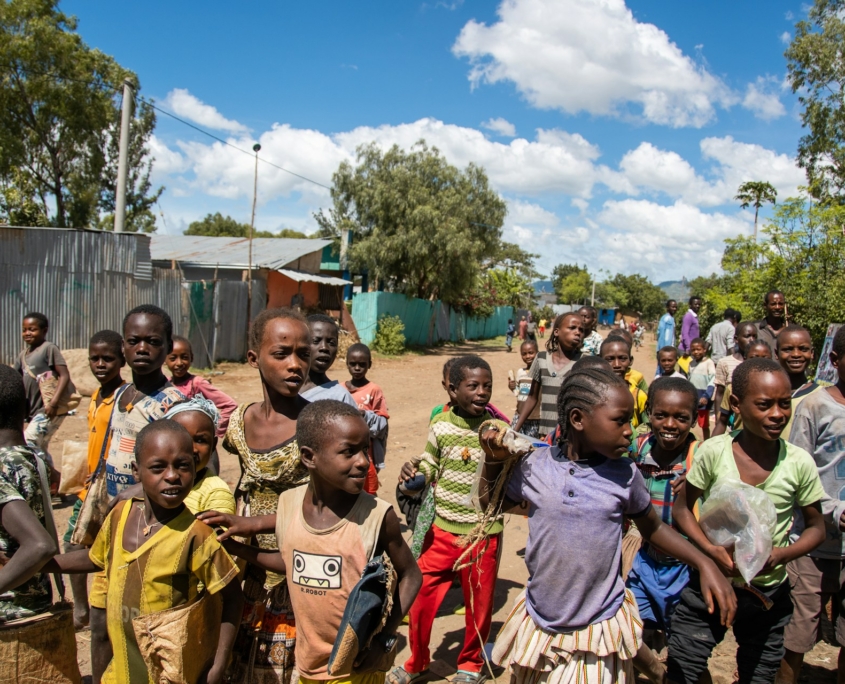 The global malnutrition crisis significantly impacts millions in underdeveloped nations. According to the World Food Programme, severe food insecurity affects more than 309 million people across 72 countries. This crisis stems from factors beyond poverty, including inadequate dietary intake, limited healthcare services and a lack of access to safe drinking water and resources. Ready-to-use therapeutic Food (RUTF) has become a key intervention in combating global malnutrition effectively.
Improving Malnutrition with RUTF
André Briend and Michel Lescanne developed RUTF more than 25 years ago to offer effective nutritional treatment for malnourished children. This high-energy paste includes ingredients like powdered milk and peanuts, along with essential vitamins, providing substantial nutritional value without the need for water or concerns about rapid spoilage. UNICEF reports that consuming three packets of RUTF daily for six to eight weeks can significantly address acute malnutrition in children and the agency currently distributes approximately 80% of the global supply. Additionally, numerous nongovernmental organizations are involved in distributing RUTF. Several countries have revealed notable improvements in the nutritional status of children and adults facing chronic malnutrition through the use of RUTF.
Yemen
Yemen faces a severe food security crisis, with 56% of its population lacking proper nutrition and nearly 500,000 children suffering from acute malnutrition. In response, UNICEF has partnered with USAID’s Office of Food for Peace and the Bureau for Humanitarian Assistance to combat starvation among children using RUTF. In the Tur Al Bahah district’s Al-Khatabiah area, 20% of children are acutely malnourished. Local health centers, supported by UNICEF, screen for malnutrition, provide RUTF treatment and conduct follow-up check-ups. The treatment has significantly aided recovery, improving conditions for affected families. USAID/BHA has supplied RUTF to address more than 144,000 cases of malnutrition in Yemen, underscoring the critical role of RUTF in combating the nation’s food insecurity.
Haiti
In Haiti, the struggle against malnutrition intensifies amid natural disasters, poor sanitation and economic challenges. With a population of 11.7 million, nearly 4.3 million face acute malnutrition and more than 22% of children under age 5 experience chronic hunger. The country’s escalating violence often hampers access to healthcare centers. To combat this, nongovernmental organizations, like Meds and Food for Kids, deliver nutritional support with their RUTF known locally as “Medika Mamba” or “Peanut Butter Medicine.” This product effectively restores essential micronutrients and is produced following standards set by PlumpyField and Nutriset, global leaders in nutritional solutions. Annually, Meds and Food for Kids produces more than 1000 metric tons of RUTF, achieving a 92% treatment success rate for malnourished children within 8 to 12 weeks.
Ethiopia
In Ethiopia, environmental challenges such as droughts and declining livestock productivity exacerbate food insecurity. The COVID-19 pandemic’s lockdown measures further worsened the situation as nearly one million children lost access to school feeding programs. This has led to acute malnutrition and a rise in micronutrient deficiencies, including iron deficiency anemia and Vitamin A deficiency. To combat this, Ethiopia’s government and UNICEF have committed to protecting vulnerable populations, such as children and pregnant women. Since 2007, Hilina Enriched Foods has collaborated with UNICEF to distribute RUTF to communities in urgent need. This partnership leverages ‘last-mile distribution’ strategies to deliver RUTF directly to health facilities, ensuring timely supply across 240 districts and improving malnutrition management in hard-to-reach areas.
Democratic Republic of Congo
In the Democratic Republic of Congo (DRC), malnutrition affects 40% of children. From June 2023 to June 2024, about 1.1 million children ages 6 to 59 months and 605,000 pregnant women experienced high rates of acute malnutrition. The World Health Organization (WHO) defines child wasting as rapid weight and muscle loss due to insufficient nutrient intake, often exacerbated by inadequate feeding practices and scarce resources. To combat this, the DRC has integrated RUTF into its national healthcare strategy, including listing it on the Essential Medicines List. UNICEF, the Bureau for Humanitarian Assistance (BHA), the World Bank and various NGOs with private funding have supplied RUTF.
Moving Forward
UNICEF has acknowledged the integration of RUTF in national clinical guidelines for malnutrition management across 71 countries. This adoption underscores a growing reliance on RUTF to combat global malnutrition effectively. Nations such as Yemen, Haiti, Ethiopia and the Democratic Republic of Congo have made significant strides by incorporating RUTF into their health strategies, revealing marked improvements in severe malnutrition cases. The support from UNICEF, USAID and various nongovernmental organizations has been instrumental in these ongoing efforts. Continued investment and focus on the programs could be essential for reducing malnutrition and improving health outcomes globally.
– Abigail Lobo
Abigail is based in Mississauga, Ontario, Canada and focuses on Good News and Global Health for The Borgen Project.
Photo: Unsplash
