Bidipads: Menstrual Products in Uganda Refugee Settlement
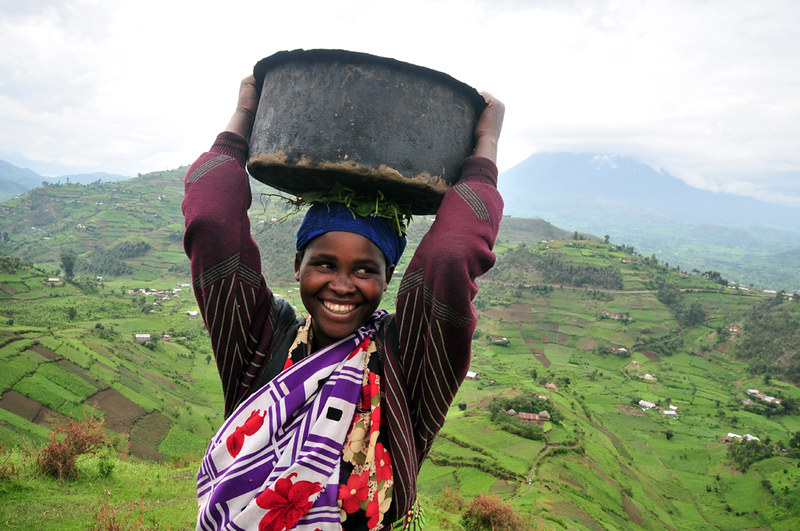 An initiative in Bidibi, Uganda, is expanding access to menstrual and hygiene products within refugee settlements. This project, known for their production of “bidipads,” consists of both refugees and community members. The initiative promotes proper menstrual hygiene through the production of reusable sanitary pads, as well as soap, women’s underwear, and garments. In addition to supplying the community with sanitary products, it also focuses on community education and stigma management surrounding menstruation. HEKS/EPER (Swiss Church Aid Uganda) in partnership with Yumbe Gender-Based Violence Network (YUGNET) started the Bidipad project in Uganda.
Refugee Settlements in Uganda
Uganda is home to the largest number of refugees within East Africa, serving as a place for safe settlement for more than 1.2 million asylum seekers. The country of origin for many of these refugees is South Sudan or the Democratic Republic of Congo, both of which have faced instances of extreme instability in recent years.
Established in 2016. Bidibi is a settlement within the Yumbe district to address the influx of South Sudanese refugees. In less than a year, this settlement became home to a quarter million refugees, reaching its maximum capacity and making it one of the largest refugee settlements in the world.
Bidipads
Within Bidibi, several groups have come together to establish an initiative to improve menstrual hygiene within the community. The initiative does this by employing women within the settlement to manufacture hygiene products ranging from reusable pads to soap. The bidipads project is formatted in a cooperative structure with 30 women from the settlement and 30 women from the host community participating at a time, according to the Global Compact on Refugees.
This employment opportunity allows for increased economic empowerment for the participating women, something desperately needed after the relocation that these refugees have faced. As one of the women in the cooperative remarked, “I am very happy to be part of the training. The skills I have acquired here will improve my life and ensure that I am always self-employed. For me, this is my biggest joy because as a refugee, we are always dependent, and I am tired of this dependency,” Global Compact on Refugees reports.
Community Education
Along with the production of menstrual and hygiene products, this initiative also seeks to educate and reduce stigma around menstruation within the refugee community. It seeks to do this in both home and school environments, hoping to encourage a change in perspective around menstruation on a large scale. When developing this initiative, members of the cooperative hosted a workshop to brainstorm how physical products can contribute to stigma reduction in the community. Considerations around religious and cultural backgrounds are part of the design of the products, including color and cleaning instructions. In doing this, the initiative takes a necessary hygiene product and transforms it into a tool for women and girls that is free from awkwardness and shame.
The Future
Working within the Bidibi community, organizations like HEKS/EPER and YUGNET have come together to help the refugee women of Uganda on several fronts. Through the Bidipads initiative, women receive employment and empowerment within their wage-earning status, while receiving necessary hygiene products and educational programming to address cultural stigmas around menstruation.
– Gwyneth Connor
Gwyneth is based in Kensington, MD, USA and focuses on Global Health for The Borgen Project.
Photo: Flickr
