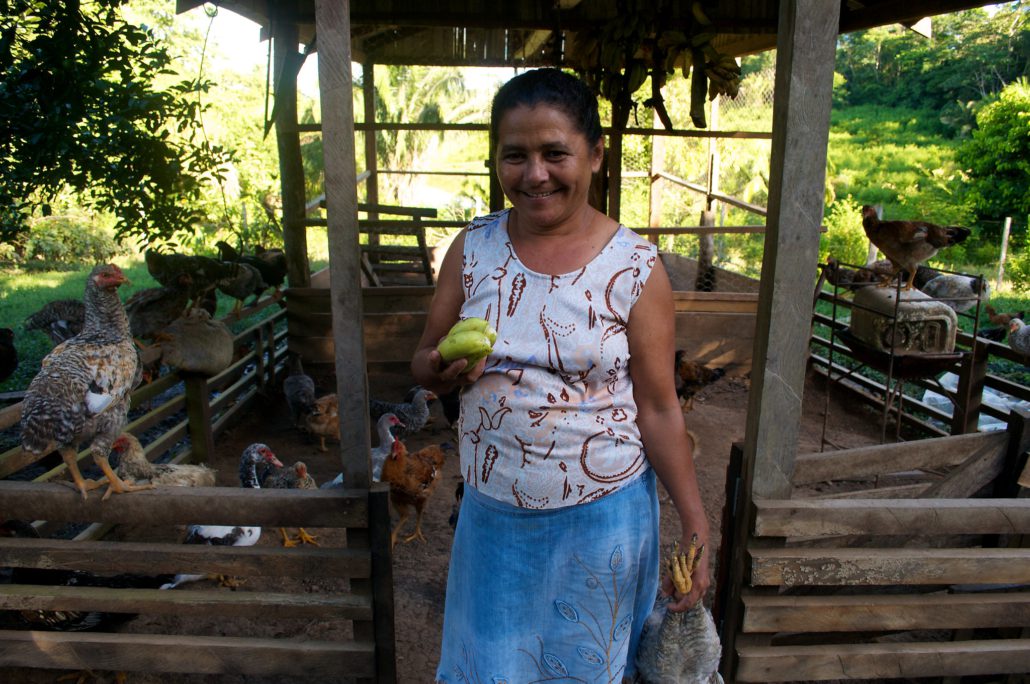
 In the midst of an arid rural environment, many Brazilians who once struggled with poverty and lack of opportunity are now having support through Brazil’s progress in achieving SDG 17 in Brazil. Communities that were once overlooked are not only gaining access to a steady income but also receiving the long-deserved recognition they deserve.
Brazil’s Sustainable Development Goals
This success story shows Brazil’s commitment to the Sustainable Development Goals (SDGs), a set of 17 global aims that the United Nations created in 2015 to create a more equitable and sustainable future. This drive emerged as countries around the world faced growing global issues of poverty, changing weather patterns and ecological damage internationally. Each goal addresses a specific priority.
SDG 17 specifically aims for the implementation of “partnerships to achieve objectives.” The government, civilians and the private sector work together to bring economic stability, improve international trading and advance sustainable initiatives for resource allocation. By examining the nine ways that Brazil is advancing SDG 17, one can clearly see its commitments to the cause.
1. FAO-IDB Brasília Action for Rural Resilience
The Inter-American Development Bank (IDB) and the Food and Agriculture Organization of the United Nations (FAO) partnered with Brazil’s Ministry of Environment and Climate Change to launch the Brasília Action for Rural Resilience.
Environmental Ministries from nine Latin American and Caribbean countries, along with civilians, development banks and multilateral organization specialists, joined the effort. They focused on strengthening social protections and promoting policies that improve rural lives and address climate justice.
By coordinating economic, social and environmental sectors more efficiently, this partnership advances the goals of the SDGs. Two of its major successes include the Sustainable and Inclusive Piauí Project, which enhanced the lives of 210,000 rural families by increasing farmers’ income, expanding access to basic services like water and sanitation, and reducing food insecurity, and the Planting Climate Resilience in Rural Communities of the Northeast project, which boosted rural families’ climate resilience by installing solar-powered irrigation and pushing for low-emission agricultural technique.
2. The Bolsa Verde Programme
The Bolsa Verde programme combined sustainability and economic development by providing technical training and generating income for rural civilians living in environmentally protected areas. In exchange, civilians actively maintained efforts to protect the surrounding nature.
Brazil achieved astonishing progress on SDG 17 in this initiative, reducing CO2 emissions by 415 million UAS, four times the program’s cost. Additionally, 51,000 rural families gained proper knowledge on how to sustainably make agricultural practices.
This example demonstrates how Brazil has turned SDG 17 in Brazil from theory into concrete actions that deliver both environmental and economic benefits to local communities.
3. Together for Health
Brazil’s national bank for Economic and Social Development (BNDES) launched the Together for Health initiative, and the Institute for the Development of Social Investment (IDIS) coordinated its efforts. It aims to fundraise to strengthen the Unified Health System (SUS) in Brazil’s North and Northeastern regions.
Through match-funding, the initiative plans to allocate BRL 200 million to health projects in the region by 2026. So far, the program has issued BRL 96 million and reached 300 cities.
Brazil faces considerable challenges, especially in the North and Northeastern regions, where hospitals struggle with understaffing and high disease burdens leave many communities underserved due to limited infrastructure. This initiative is aimed at bridging these gaps through funding projects and expanding access to essential services, creating a more equitable and effective health care system for those who need it most.
4. Catalyst 2030
Brazil advanced SDG 17 through the “Catalyzing Fund Challenge,” which implements projects to expand clean water access for Brazil’s Munduruku Indigenous people. The initiative installs water filters, educates communities on safe water practices and boosts collective action by tackling the critical lack of clean drinking water that affects many Indigenous households.
Additionally, three Brazilian B-Corps including MagikJC, Gaia Group and Din4mo jointly created the Organized System for Affordable Housing, a nonprofit that provides social housing to marginalized urban populations. This collaboration raised BRL 15 million through real estate receivables certificates (CRI) on São Paulo’s Stock Exchange. The project clearly demonstrates how SDG 17 in Brazil boosts innovation and tangible solutions to serve both rural and urban communities.
5. IFAD’s 13th Replenishment
This UN fund supports farmers and helps them achieve sustainable, productive capacities. Under Brazil’s leadership, G20 leaders committed to fighting global poverty and starvation to advance social inclusion. So far, Brazil has pledged $13 million USD to IFAD in its three-year work program.
The newest reports confirm that Brazil has successfully reduced hunger, according to the UN Hunger Map, demonstrating solid results from both international and domestic partnerships.
6. Caatinga Restoration Through PPI
Brazil formed a partnership to oversee the regions of Paraíba, Rio Grande do Norte and Pernambuco. The government aimed to boost sustainable food production and generate income for nearly 5,000 rural families.
This collaboration was done as a way of tackling food insecurity in the region, due to the limited resources and degraded land that threaten proper nutrition and the livelihood of rural families. Brazil’s advanced SDG 17 in this case by actively bringing together the private sector, government and local communities, while empowering women in rural businesses in the Caatinga.
The partnership implemented the Production, Protection and Inclusion (PPI) mechanism, which provided rural families with access to credit, created market opportunities for women in farming, promoted environmental protection and supported sustainable agriculture.
7. Envision Energy
Brazil and China jointly announced a $1 billion investment from China’s Envision Energy to boost eco-friendly aviation fuel made from Brazilian sugarcane. This collaboration boosts sustainable low-carbon fuel production, as well as promotes innovative energy technologies that target industries and their ecological footprint on the atmosphere. China’s Windey Energy Technology and Brazil’s Senai Cimatec are actively advancing this innovative initiative together.
8. Brazil-France Amazon Partnership
Brazil and France joined forces to protect the Guyanese and Brazilian Amazon forest by launching a four-year investment program of EUR €1 billion using both public and private funds. Brazil demonstrated its SDG 17 progress by pledging through the partnership to stop deforestation in the Amazon by 2030, while also supporting sustainable development through payments for environmental services, financing and market-based joint frameworks that actively engage both private and public actors.
9. BNDES Green Investment Lead
To attract foreign investment in sustainable developments, Brazil launched a platform that begins with BRL $5 billion in private sector actions, with a final aim to raise 18 billion reais in investments. Brazil selects initiatives that align with their environmentally focused priorities, including mobility, industry and “nature-based solutions.” The state’s development bank, BNDES, manages the project and leverages the capital to provide funding. This program becomes essential for Brazil’s SDG 17 goals, since it will increase the country’s reputation on environmental governance and bring a collaborative strategy for sustainable development of the nation.
Lessons Learned
These examples summarize what Lula’s administration has actively pursued, showcasing Brazil’s SDG 17 progress in advancing a greener and more equitable future. Indeed, when examining SDG 17 in Brazil, one can see that building partnerships lies at the core of the country’s strategies for achieving its SDG goals. From Indigenous water projects to billion-dollar Amazon agreements, SDG 17 in Brazil demonstrates how the government, local communities and international partners can actively shape a sustainable future.
By advancing SDG 17, Brazil is addressing poverty inequalities and, through collaborations with the private sector, civilians and government, creating opportunities that promote the sustainable livelihood of marginalized communities.
– Liz Mendes
Liz is based in Vancouver, British Columbia, Canada and focuses on Good News for The Borgen Project.
Photo: Flickr

How Landlocked Developing Countries Become Global Players
As countries that are directly cut off from access to the sea, they must face many challenges. These include slow delivery times, high transport costs and border procedures directly impacting economic success and progress. Beyond economic and geographical barriers, the climate emergency worsens the problem. It damages roads and disrupts supply chains, threatening the fragile infrastructure with droughts, floods and other forms of extreme weather.
Despite these barriers, LLDCs are progressing toward becoming active global trade players, working to develop as they adopt goals that could successfully lift millions out of poverty.
Turning Point and Success
More recently, a United Nations (U.N.) conference in landlocked Turkmenistan has led to hope regarding LLDCs. The conference brought together Heads of State, development partners, private sector leaders and U.N. officials. Leaders highlighted the Awaza Program of Action for 2024 to 2034. The Program encompasses five priority areas:
Seeking to accelerate progress, the Awaza Program sets a clear direction. Its focus spans trade facilitation, transport connectivity, climate resilience, the mobilization of international support, structural transformation and technology. It aims to align domestic and global nations within a shared framework for sustainable development.
A U.N. Economic and Social Commission for Asia and the Pacific (UNESCAP) report examined Asian LLDCs. It argued that to accelerate structural transformation, these countries must diversify their economies and reduce dependency on extractive industries. Regarding poverty alleviation and structural transformation, what matters most is a reallocation of production factors that leads to the growth of labor-intensive sectors. Since labor is the primary input of those experiencing poverty in production processes, expanding the labor sector is key to long-term poverty reduction.
What’s Next
Looking forward, LLDCs are working to turn these commitments into real progress. Several initiatives worldwide show that development is truly possible, stressing the need for smarter infrastructure, broader economic diversification and simplified customs procedures. In Africa, electronic cargo tracking and Central Asia’s use of electronic TIR carnets have reduced delays and encouraged private sector participation in cross-border trade.
Upcoming global forums, such as COP30 in Brazil in November 2025, the UNCTAD conference and the 2027 Global Mountain Summit, will give LLDCs opportunities to push their priorities higher on the international agenda. The international community must continue to foster cooperation among LLDCs so they can more easily access global markets. Stronger cooperation will drive regional integration and build an international framework of shared rules, standards and goals.
Conclusion
While the precarious geographical position of LLDCs presents many obstacles, recent developments show that their future does not need to be limited by borders. Through international cooperation, domestic policy development, structural transformation and the adoption of innovative trade systems, LLDCs are steadily moving from “landlocked” to “landlinked.”
This transformation goes beyond economic development, improving the lives of millions. Lower transport costs allow for the development of domestic industries and cheaper goods for families. Infrastructure projects create jobs, economic diversification raises wages and climate-resilient systems protect vulnerable communities. These projects contribute to the reduction of poverty and to narrowing the gap between LLDCs and other developing countries.
– Rafaela Paquet
Photo: Unsplash
Forest Sustainability and Poverty Reduction
Forest Dependency
Approximately 40% of the world’s rural poor in developing nations, about 3.27 billion people, live in or within one kilometer of a forest. When the range is expanded to five kilometers, the number rises to 4.17 billion, according to the Food and Agriculture Organization of the United Nations (FAO). With 80% of the world’s most impoverished people living in rural areas, mostly concentrated in the Global South, the importance of forests to their subsistence is clear, further underscoring the connection between forest sustainability and poverty reduction.
Those who rely on forests in whole or in part to survive via employment or source of income, but most importantly as a food source, are classified as Forest Dependent People (FDP). The majority of FDP live within forests and derive their entire livelihood from them alone, but FDP also includes those that tangentially rely on forests, such as foraging for medicinal plants, harvesting wood or even supplying labor to logging and forestry businesses.
Indigenous groups often make up FDP communities and their extremely rural proximity limits access to goods and services. This makes them vulnerable to economic, social and health care shocks. Discrimination and marginalization, such as in India and Kenya, or poor infrastructure, as in the Brazilian Amazon, further compound their struggles.
Forest resources help mitigate these shocks for FDP, however, rampant deforestation and land degradation have only exacerbated their poverty and vulnerability. Because of this, FDPs are a focal point for anti-poverty initiatives, but this has been a double-edged sword.
Damaging Effects of Standard Poverty Reduction Efforts
There is no question that poverty-reduction initiatives have been successful. According to World Bank figures, poverty has declined in developing countries by more than 65% since 1990. Yet many of these tried-and-true methods end up causing further deforestation, which leaves FDP vulnerable in the long term.
Many goodwill efforts to alleviate poverty overlook the ingrained benefits of forest sustainability and poverty reduction, instead focusing on agricultural and infrastructural development, which can compound environmental destruction and damage aid efforts long-term. When forests are cleared, the health of the land erodes and water scarcity increases. This harms FDP communities and sets back any potential gains realized through intervention. Crops die without water and disease spreads worsens. Standard practices appear sufficient for the long-term prosperity of FDP.
The “One Health” Approach
In recent years, the FAO, World Bank and researchers from institutions such as the Notre Dame Poverty Initiative have increasingly observed the connection between forest sustainability and poverty reduction. In this collaborative approach, poverty alleviation must go hand in hand with forest conservation strategies.
Protected Area Projects make up one facet of sustainability efforts. In Brazil, the World Bank successfully lobbied the government to give protected status to 24 million hectares of forest land, safeguarding access for FDP communities. Furthermore, in Ghana, efforts resulted in the planting of sustainable woodlots to serve as sources of firewood and fuel instead of naturally occurring forests. In Kenya, the Plantation Establishment and Livelihood Improvement Scheme allocates degraded plots of forest land to FDP to revitalize through new plantings.
Research into further symbiotic strategies between forest sustainability and poverty reduction is ongoing. In countries such as India and Peru, researchers from the Pulte Institute for Global Development are evaluating nascent anti-poverty initiatives that also prioritize forest sustainability to isolate those most effective for rollout in other developing nations.
Looking Ahead
Evidence suggests that forest sustainability and poverty reduction are two sides of the same coin. Sustainable forests combat poverty among FDP by providing replenishing food sources, fuel and construction materials and improved community health. With such a large percentage of the world’s extreme poor being FDP or FDP-adjacent, efforts to support the prosperity of the world’s forests are also direct contributions to eventually lifting FDP out of poverty.
– Nikola Stojkovic
Photo: Flickr
Mastercard and the MADE Alliance: Driving Digital Access in Africa
Background
The initiative, announced at the U.S.-Africa Business Forum, will focus on the role of women and on the agricultural sector, starting a program that will support 3 million farmers in Tanzania, Kenya and Nigeria. While the African Development Bank Group will invest $300 million in the initiative, Mastercard’s plan is to register 15 million users on its platform. By leveraging public-private partnerships, the MADE Alliance represents a significant effort to foster economic growth, poverty reduction and digital inclusion throughout Africa.
Focusing on inclusive innovations meant to unlock economic potential and expand digital access, Mastercard plays a key role in the alliance. Using Community Pass, the company provides farmers across Nigeria, Kenya and Tanzania with digital identities and access to vital tools and services. Through collaborations with telecom and fintech companies, Mastercard provides millions of workers with access to real-time, inclusive and secure payment solutions.
The Impact
Since its launch, the MADE Alliance has made significant progress. In Kenya, Alliance members deployed affordable high-speed internet and provided digital skills training for approximately 10,000 farmers and their communities, according to the World Bank. The Kenya National Farmers’ Federation also received funding from the AfDB to help 250,000 farmers improve their bankability to financial institutions.
In Tanzania, the MADE Alliance is helping equip 50,000 sunflower farmers with digital payment solutions. In Nigeria, Mastercard has introduced solutions like Tap on Phone, Payment Links and QR Pay-by-Link; options that allow small businesses to easily accept payments while reducing cash reliance through e-commerce, according to The Guardian.
For consumers, the opportunity to use digital payments offers more security, convenience and financial access, allowing people to pay bills, shop online and make transactions with just a mobile device. This provides them with better access to banking services, particularly in areas where traditional banking infrastructure is limited or non-existent.
Women, Poverty and the Future of Inclusive Growth
The MADE Alliance also tackles gendered poverty by focusing on women’s economic empowerment. Women make up nearly 40% of Africa’s agricultural labor force but continue to face systemic barriers in access to land, credit and training, according to The Guardian. By equipping women farmers and entrepreneurs with digital identities, financial tools, and services, the Alliance not only supports equality but also addresses the structural poverty that limits entire households and communities.
Ultimately, the development of digital technologies in agriculture has the potential to serve as a powerful poverty-reduction tool. By boosting productivity, expanding market access and opening financial doors for millions, the MADE Alliance provides pathways out of subsistence-level farming and into more sustainable livelihoods.
Mastercard’s role in this process is to support growth, strengthen local innovation, and build on investments that accelerate inclusive, poverty-reducing development. By removing trade barriers, expanding financial access and empowering women and farmers, the Alliance demonstrates how digital infrastructure can be leveraged not just for economic growth, but for poverty alleviation at scale.
– Rafaela Paquet
Photo: Flickr
Earthquakes in Afghanistan: The International Response
Survivors Share Their Stories
A resident in Kunar spoke about the effects of the earthquake on his family. Muhammad Israel said the earthquake buried his home, belongings and livestock. According to The Guardian, he said: “I barely got my children out of there. The earthquake jolts are still happening. It is impossible to live there.” Dr. Sahak, leader of the World Health Organization’s (WHO) emergency office, was at the scene to aid those injured. He arrived at Nurgal District on Monday afternoon and said he was unprepared for the devastation.
Thousands of civilians rushed to help victims and volunteer rescuers came from neighboring countries. Dr. Sahak described the scenes at the site: “We saw bodies in the street. They were waiting for the people to come in to bury them.” One survivor, Muhammed, age 60, told Dr. Sahak about the loss he had experienced. Dr. Sahak said the man had 30 family members living with him and 22 of them had died in the earthquake.
Earthquakes Deepen Poverty Crisis
A 2021 report from the United Nations Development Programme (UNDP) said that as much as 97% of Afghanistan’s population was at risk of falling below the poverty line, following what it called a “catastrophic deterioration” of the economy. New figures from the UNDP show that, as of 2024, 85% of Afghans live on less than $1 a day. An estimated 22 million Afghans are in a state of food crisis or emergency, according to Islamic Aid. The recent earthquakes have further exacerbated the country’s economic crisis, leaving thousands in eastern Afghanistan without homes or belongings.
The Impacts on Women in Afghanistan
Poverty for women in Afghanistan is extreme, with the Taliban’s restrictions not allowing women to work in most jobs. This has led to an estimated economic loss of between $600 million and $1 billion. The United Nations (U.N.) has detailed the ongoing mental health crisis for women in Afghanistan due to the loss of rights. In Afghanistan, 8% of women have reported knowing a girl or woman who attempted suicide, with 68% saying they have “very bad” mental health.
U.N. Women believes that women and girls will be among the most affected by the recent earthquakes. After the 2023 earthquake in western Afghanistan, nearly two-thirds of those injured were women and almost six in 10 of those killed were women. Many women, so far, have been deeply affected by the most recent earthquakes in Afghanistan. And with the restrictions on women’s rights in the country, many women affected by these earthquakes in Afghanistan may fall further into poverty after losing their most beloved and belongings, with restrictions prohibiting them from helping provide for their families.
Response from Charities
Looking Ahead
Despite the devastation, international organizations are stepping in to provide lifesaving aid and long-term recovery support for Afghans affected by the earthquakes. From emergency food and medicine to rebuilding schools and health care systems, these efforts highlight how global cooperation can bring hope and resilience to communities facing crisis.
– Alice Haston
Photo: Flickr
Renewable Energy in Comoros
Poverty in Comoros is catastrophic with poor, unprofitable harvests on a national economy that is dependent on farming. In 2014, the poverty headcount ratio measured up to a 31.4% of the population of Comoros living on less than $3 a day, in scale with 2021 purchasing power adjusted prices. In the combat against poverty, improving public health especially the incidence of waterborne infectious diseases, acute lower respiratory infections and lung cancer through the use of renewable sources of energy over other energy sources is beneficial. Non-renewable sources of energy have high damage costs, which was $16.4 million in 2021 as a result of carbon dioxide gas emissions from the use of fossil fuels and cement production. Here is more information about renewable energy in Comoros.
Hydroelectric Power Plants in Comoros
Comoros has hydroelectric power plants constructed on the island, which are a renewable source of energy. Hydroelectric power plants transform the potential energy of water into electrical energy, which holds advantages of having low operational and maintenance costs, a long lifespan, as well as wide-ranging uses in: irrigation, the supply of water to urban areas, flood control and navigation. The greater the water flow rate, height of the water descending and conversion efficiency of the turbine, the greater the electrical power generated from the hydroelectric power plant. However, Comoros still has a poor supply of electricity and water, largely due to poverty. Comoros and other low-economic countries could develop the technical potential of hydroelectric power, since only 6% of the technical potential for hydroelectric power has undergone development for use in Africa, compared to half in Europe.
The Benefits of Hydroelectric Power
The use of hydroelectric power as a renewable energy source over non-renewable energy sources reduces carbon emissions and decreases greenhouse gas emissions, which is of great importance in light of the Paris Agreement (2016) – a legally binding international treaty on environmental welfare that 195 parties adopted at a United Nations conference to limit global temperature rises. The necessity for the integration of renewable energy sources is paramount to an eco-friendly economic development, since for Comoros a weighty 0.23 tonnes of carbon dioxide equivalent greenhouse gas emissions emitted were from the transportation sector in 2021, which is just a fragment of the wider societal infrastructure.
Although Comoros has built and installed hydroelectric power plants on the island, a greater number of other renewable energy source technologies would be beneficial to the increasingly urbanized towns and industrialization as the country develops economically in strategies to reduce extreme forms of poverty. Since hydroelectric power is helpful in supplying storage and load balancing for solar, wind and other renewable energy sources, further investments in other renewable energy sources would be a fitting extension to the hydroelectric power plants present on the island.
Solar Energy Project in Comoros
Comoros has invested in solar energy via a Solar Energy Access Project for Comoros, with the goal of expanding the renewable energy generation capacity and enhancing the operational performance of the solar energy system for electricity. Power storages in addition to photovoltaic and system upgrades were installed as part of the project at solar photovoltaic power plants built at Grande Comore, Anjouan and Mohéli, while the battery storage remained situated in Grande Comore and Anjouan. The photovoltaic cells transform solar energy radiation from sunlight directly into electrical energy that people can use as electricity.
The vast majority of photovoltaic cells in international financial retail market shares comprise crystalline silicon materials. According to a review on solar photovoltaic technology, innovative carbon nanotube cells used as a material for photovoltaic cells have the capacity to convert 75% of the light energy it receives into electricity, which could aid in providing a more reliable source of electricity to Comoros. Comoros has a tropical weather climate with peak temperatures of 35°C at the beginning of the humid season, therefore the warm sunny climate makes solar energy an ideal renewable energy source.
The Comoros National Electricity Corporation will aid the enlargement across territories of the management information system of the solar energy project plus the installation of the advanced metering infrastructure to all customers. Solar energy projects have great potential compared to other renewable sources of energy as the International Energy Agency (IEA) suggested, and could even help disinfect water for safe drinking.
Looking Ahead
The use of renewable energy sources rather than non-renewable sources of energy is crucially important in the industrial development of Comoros, in order for the country to expand economically as a poverty-reduction effort without causing pollutive damage to the ecosystem, public health or financial trade markets. Hydroelectric and solar energy power plants are renewable sources of energy that have been constructed in Comoros, although maximizing the technical benefits of the renewable energy sources is vital to ensure an efficient, reliable electricity and water supply in a country that has poor utilities due to poverty.
– Deborah Asante
Photo: Unsplash
Food Insecurity and Poverty in Jordan
Poverty and Food Insecurity in Jordan
According to new data, the percentage of registered refugees living in poverty has increased significantly in Jordan’s refugee camps, rising from 45% in 2021 to 67% now. Food insecurity has increased and household spending has decreased as a result. The employment rate among camp-dwelling refugees has also decreased since 2021. According to the survey, many women are unable to look for work due to hold/hold duties, and those who can find employment are frequently more susceptible to risks at work.
Experts globally recognize that to transform food security and eradicate poverty, it is essential to develop safe, sustainable, and healthy diets that are accessible to all. As the United Nations Food Systems Summit approached in 2021, the national food systems highlighted the great importance of transformation and suggested ways to lower the cost of nutritious foods and make healthy diets more accessible for the country, which launched the National Food Security Strategy in 2021.
Creating Sustainable Economic Opportunities
A significant progress is happening in Jordan. Officials are saying the move from an economy that focuses on resource extraction to a circular nation is opening opportunities for the country to not only achieve sustainable and inclusive development but to boost the economy to grow, along with the creation of new jobs that will increase the local production of goods. While highlighting the country’s environmental benefits the Ministry of Environment has made the circular economy a top priority. This will include recycling and cutting down on waste, trimming down on gas emissions and taking on resource use to encourage sustainable consumption and production.
Ensuring Food Availability
Funded in 2003 by Princess Haya bint Al Hussin, Um Ali gives out sustainable food support and essential assistance to support food security and poverty eradication in Jordan that are in deep need across the country. The mission of the food bank still continues to push through occasional charitable food distributions. In 2020 and 2022 wage based employment and self employment aims to help those who participated in the employment program develop technical skills, self- reliance, and strengthen their goal of long-term food for security for the poor.
Final Thoughts
Jordan faces significant challenges in food security due to the resource shortages, poverty and limited job opportunities. Transforming the nation’s food systems and promoting sustainable, healthy diets is essential. Through initiatives like the 2021 National Food Security, the circular economy, and programs by Tkiyet Um Ali, Jordan is making progress by creating jobs, boosting local production and providing sustainable food support to vulnerable communities, ultimately strengthening self-reliance and long term food security.
– Joshua Pettis
Photo: Flickr
Vocational Education in Mexico
While challenges remain, efforts from organizations such as the United Nations Educational, Scientific and Cultural Organization (UNESCO), the National Institute for Standardization and Certification of Labor Competencies (CONOCER) and German cooperation through Sparkassenstiftung show how VET centers are reducing barriers, especially for women. These initiatives are also creating new pathways out of poverty.
Skill Gaps in Mexico’s Workforce
Flexibility, adaptability and technical skills are key to Mexico’s vocational training programs. In the past, government-driven policies often limited the scope of workers’ training, restricting them to narrow skills tied to specific industries. This prevented workers from finding higher-paying jobs and slowed the country’s ability to meet global market demands. Today, VET centers address these gaps by equipping workers with diverse, transferable skills.
There is still a gender gap in vocational education enrollment. Social barriers and perceptions that technical training is “not for women” create unequal access to opportunities. Encouraging women’s participation strengthens the labor force, increases household incomes and promotes social equality.
Solutions Driving Change
During the North American Free Trade Agreement (NAFTA) reforms, Mexico’s certification system shifted from rigid government-imposed curricula to training models supported by companies and industries. This change expanded access to certifications and improved job placement opportunities by making training more relevant to labor market needs.
Expanding the Dual Vocational System
German development organizations such as GIZ are collaborating with Mexican schools to expand dual VET programs. These combine classroom instruction with workplace training, giving students both theoretical knowledge and practical experience. Sparkassenstiftung reports that thousands of young Mexicans have already been trained through this system. Benefits include higher employment rates and stronger partnerships between schools and employers.
The Impact of VET Centers in Mexico
Mexico has more than 2,500 institutions dedicated to higher education, with approximately 20% of lower secondary students enrolled in VET pathways. By expanding access and making training more inclusive, VET centers are becoming a powerful tool in reducing poverty and improving social mobility.
Conclusion
Vocational education and training centers in Mexico are more than just schools. They are engines of economic growth and social progress. By investing in VET, Mexico is not only building a skilled, adaptable and inclusive workforce but also creating a long-term pathway to poverty reduction. Each investment in VET translates into more opportunities for employment, higher wages and a stronger safety net for vulnerable communities.
These programs prepare students for today’s labor market while giving them the resilience to thrive in tomorrow’s global economy, ensuring that progress reaches families across the country.
– Miranda Yacynych
Photo: Flickr
Traditions and Gender Equality for Women in Chad
Cultural Beliefs and Practices Throughout the Region
Many of Chad’s customs and etiquette are deeply rooted in its cultural practices and the various ethnic groups. Some of its formalities are practiced universally, such as respecting your elders, the proper handshake and different verbal greetings. Cultural festivals and ceremonies showcase Chad’s rich heritage and traditions through lively music, dance and costumes. A wide range of styles and instruments is used to express an even wider range of emotions and the diverse ethnic identities found throughout the region.
While some traditions in Chad are bright and innocent, others cause extreme harm to women. One such practice still regularly carried out is female genital mutilation (FGM). Strong motivations to continue it stem from peer pressure, as many girls fear being rejected by their community and feel compelled to comply in order to be socially accepted. The practice is viewed as a necessity for raising a girl. It is typically performed during infancy or adolescence as preparation for adulthood and marriage. It is largely intended to control a girl’s sexuality and promote celibacy until marriage.
Although considered necessary by some, this tradition has no health benefits. It damages healthy tissue and interferes with the natural anatomy of a woman’s body. All forms of FGM are linked to serious health complications, which worsen with severity. Immediate risks include urinary problems, infections, swelling, injury to surrounding tissue and even death. Long-term complications include childbirth difficulties, menstrual disorders, recurring infections and psychological trauma.
This practice reinforces patriarchal control and restricts women’s social and economic independence, reflecting their lower social status. Marriage is often the only path to economic and social security for women and there is a widespread expectation that men should marry women who have undergone mutilation.
How the Chadian Government Is Helping
The Chadian government established a Ministry of Women to promote gender equality and protect women’s rights. The ministry ensures that women’s affairs are integrated into all government policies and programs. It also works to protect women and children from discrimination and violence, promote reproductive health and education, lead awareness campaigns and implement national strategies to improve the livelihoods of women and children.
Alongside this ratification, Chad’s 2023 constitution guarantees equality for all before the law and calls for the elimination of all forms of discrimination against women. It secures and protects women’s rights while also requiring greater representation of women in assemblies and public administrations.
In 2002, the Chadian government passed a reproductive health law that upholds the right to medical services, including access to abortion as defined in Article 14. The article is to be activated through specific applications outlining the processes, guidelines and technical specifications required to provide these services.
Other countries and international organizations are also supporting Chad’s efforts toward a safer and more equal future. The United Nations Population Fund (UNFPA), a sexual and reproductive health agency working in 150 countries, including Chad, helps ensure the rights and choices of women and girls. The United Nations Children’s Fund (UNICEF) works to empower girls and women in Chad while promoting values of peaceful coexistence through youth activities in local communities.
– Eva Wakelin
Photo: Flickr
9 Initiatives Boosting Progress on SDG 17 in Brazil
Brazil’s Sustainable Development Goals
This success story shows Brazil’s commitment to the Sustainable Development Goals (SDGs), a set of 17 global aims that the United Nations created in 2015 to create a more equitable and sustainable future. This drive emerged as countries around the world faced growing global issues of poverty, changing weather patterns and ecological damage internationally. Each goal addresses a specific priority.
SDG 17 specifically aims for the implementation of “partnerships to achieve objectives.” The government, civilians and the private sector work together to bring economic stability, improve international trading and advance sustainable initiatives for resource allocation. By examining the nine ways that Brazil is advancing SDG 17, one can clearly see its commitments to the cause.
1. FAO-IDB Brasília Action for Rural Resilience
The Inter-American Development Bank (IDB) and the Food and Agriculture Organization of the United Nations (FAO) partnered with Brazil’s Ministry of Environment and Climate Change to launch the Brasília Action for Rural Resilience.
Environmental Ministries from nine Latin American and Caribbean countries, along with civilians, development banks and multilateral organization specialists, joined the effort. They focused on strengthening social protections and promoting policies that improve rural lives and address climate justice.
By coordinating economic, social and environmental sectors more efficiently, this partnership advances the goals of the SDGs. Two of its major successes include the Sustainable and Inclusive Piauí Project, which enhanced the lives of 210,000 rural families by increasing farmers’ income, expanding access to basic services like water and sanitation, and reducing food insecurity, and the Planting Climate Resilience in Rural Communities of the Northeast project, which boosted rural families’ climate resilience by installing solar-powered irrigation and pushing for low-emission agricultural technique.
2. The Bolsa Verde Programme
The Bolsa Verde programme combined sustainability and economic development by providing technical training and generating income for rural civilians living in environmentally protected areas. In exchange, civilians actively maintained efforts to protect the surrounding nature.
Brazil achieved astonishing progress on SDG 17 in this initiative, reducing CO2 emissions by 415 million UAS, four times the program’s cost. Additionally, 51,000 rural families gained proper knowledge on how to sustainably make agricultural practices.
This example demonstrates how Brazil has turned SDG 17 in Brazil from theory into concrete actions that deliver both environmental and economic benefits to local communities.
3. Together for Health
Brazil’s national bank for Economic and Social Development (BNDES) launched the Together for Health initiative, and the Institute for the Development of Social Investment (IDIS) coordinated its efforts. It aims to fundraise to strengthen the Unified Health System (SUS) in Brazil’s North and Northeastern regions.
Through match-funding, the initiative plans to allocate BRL 200 million to health projects in the region by 2026. So far, the program has issued BRL 96 million and reached 300 cities.
Brazil faces considerable challenges, especially in the North and Northeastern regions, where hospitals struggle with understaffing and high disease burdens leave many communities underserved due to limited infrastructure. This initiative is aimed at bridging these gaps through funding projects and expanding access to essential services, creating a more equitable and effective health care system for those who need it most.
4. Catalyst 2030
Brazil advanced SDG 17 through the “Catalyzing Fund Challenge,” which implements projects to expand clean water access for Brazil’s Munduruku Indigenous people. The initiative installs water filters, educates communities on safe water practices and boosts collective action by tackling the critical lack of clean drinking water that affects many Indigenous households.
Additionally, three Brazilian B-Corps including MagikJC, Gaia Group and Din4mo jointly created the Organized System for Affordable Housing, a nonprofit that provides social housing to marginalized urban populations. This collaboration raised BRL 15 million through real estate receivables certificates (CRI) on São Paulo’s Stock Exchange. The project clearly demonstrates how SDG 17 in Brazil boosts innovation and tangible solutions to serve both rural and urban communities.
5. IFAD’s 13th Replenishment
This UN fund supports farmers and helps them achieve sustainable, productive capacities. Under Brazil’s leadership, G20 leaders committed to fighting global poverty and starvation to advance social inclusion. So far, Brazil has pledged $13 million USD to IFAD in its three-year work program.
The newest reports confirm that Brazil has successfully reduced hunger, according to the UN Hunger Map, demonstrating solid results from both international and domestic partnerships.
6. Caatinga Restoration Through PPI
Brazil formed a partnership to oversee the regions of Paraíba, Rio Grande do Norte and Pernambuco. The government aimed to boost sustainable food production and generate income for nearly 5,000 rural families.
This collaboration was done as a way of tackling food insecurity in the region, due to the limited resources and degraded land that threaten proper nutrition and the livelihood of rural families. Brazil’s advanced SDG 17 in this case by actively bringing together the private sector, government and local communities, while empowering women in rural businesses in the Caatinga.
The partnership implemented the Production, Protection and Inclusion (PPI) mechanism, which provided rural families with access to credit, created market opportunities for women in farming, promoted environmental protection and supported sustainable agriculture.
7. Envision Energy
Brazil and China jointly announced a $1 billion investment from China’s Envision Energy to boost eco-friendly aviation fuel made from Brazilian sugarcane. This collaboration boosts sustainable low-carbon fuel production, as well as promotes innovative energy technologies that target industries and their ecological footprint on the atmosphere. China’s Windey Energy Technology and Brazil’s Senai Cimatec are actively advancing this innovative initiative together.
8. Brazil-France Amazon Partnership
Brazil and France joined forces to protect the Guyanese and Brazilian Amazon forest by launching a four-year investment program of EUR €1 billion using both public and private funds. Brazil demonstrated its SDG 17 progress by pledging through the partnership to stop deforestation in the Amazon by 2030, while also supporting sustainable development through payments for environmental services, financing and market-based joint frameworks that actively engage both private and public actors.
9. BNDES Green Investment Lead
To attract foreign investment in sustainable developments, Brazil launched a platform that begins with BRL $5 billion in private sector actions, with a final aim to raise 18 billion reais in investments. Brazil selects initiatives that align with their environmentally focused priorities, including mobility, industry and “nature-based solutions.” The state’s development bank, BNDES, manages the project and leverages the capital to provide funding. This program becomes essential for Brazil’s SDG 17 goals, since it will increase the country’s reputation on environmental governance and bring a collaborative strategy for sustainable development of the nation.
Lessons Learned
These examples summarize what Lula’s administration has actively pursued, showcasing Brazil’s SDG 17 progress in advancing a greener and more equitable future. Indeed, when examining SDG 17 in Brazil, one can see that building partnerships lies at the core of the country’s strategies for achieving its SDG goals. From Indigenous water projects to billion-dollar Amazon agreements, SDG 17 in Brazil demonstrates how the government, local communities and international partners can actively shape a sustainable future.
By advancing SDG 17, Brazil is addressing poverty inequalities and, through collaborations with the private sector, civilians and government, creating opportunities that promote the sustainable livelihood of marginalized communities.
– Liz Mendes
Photo: Flickr
5 Charities Operating in Namibia
Here are five charities operating in Namibia whose efforts address urgent needs and build a stronger foundation for a future defined by inclusion and opportunity.
Ombetja Yehinga Organization
HIV/AIDS is a viral disease that is particularly prevalent in southern Africa. In 2017, Namibia had approximately 185,000 people living with HIV, 9,000 of whom were children. In 2023, 3,300 Namibians aged 15 and above died of HIV. Ombetja Yehinga Organization (OYO) is an organization that uses both visual and performing arts to spread awareness among young people of the HIV/AIDS pandemic and other social problems.
These include domestic violence, rape and the abuse of drugs and alcohol. OYO communicates in a language that resonates with teenagers. The OYO Dance Troupe travels to schools and communities where the group performs and interacts with students. It also creates a safe space to answer questions and provides a specially trained youth councillor to handle particularly sensitive cases. By providing access to information, OYO empowers young people to make informed choices.
After School Program for Orphans and Vulnerable Children
After School Program for Orphans and Vulnerable Children (ASPOVC) was founded in 2007 and focuses on providing structured and supervised support to enhance the physical, psychological and social well-being of vulnerable children. In 2021, the number of orphans and vulnerable children in the Ohangwena region of Namibia was recorded at 24,594. ASPOVC’s most recent project began in 2023 and aims to ensure better education for orphaned girls, many of whom are often deterred from full academic participation due to a lack of financial, material or psycho-social means.
So far, ASPOVC has provided 200 vulnerable young girls with hygiene products to minimize barriers to school attendance. It has further provided another 150 children with stationery and school uniforms.
Autism Association Namibia
Global misconceptions of autism can lead to stigma, social exclusion and late diagnosis or lack of diagnosis entirely. Autism Association Namibia (ANN) is an organization formed by parents, individuals on the autism spectrum and professionals dedicated to enhancing the well-being of persons with autism spectrum disorders (ASD) across Namibia. ANN’s core mission is advocacy and awareness: it sensitizes both the public and governmental bodies about the rights, needs and support systems essential for people with ASD.
It also trains parents and professionals in detecting ASD and effective assessment methods. Further, it aims to support infrastructure: the development of offices, resource centers and library services to support autism-related education and training. Filling critical gaps in awareness, services and support opens doors to acceptance, inclusion and respect for neurodiverse individuals.
Children’s Home Namibia
Children’s Home Namibia deeply believes that children are never responsible for the political or social conditions that can lead to adverse living conditions. Primarily based in the Katutura Township, this charity aims to help disadvantaged and abused children obtain a school education, a job and the opportunity to pursue higher education.
Many Namibian children face poverty, neglect or instability due to socioeconomic hardship and thus miss educational opportunities. By covering school fees, uniforms and related expenses, Children’s Home Namibia helps break the poverty cycle in Katutura and set young people on a path toward self-reliance and opportunity.
Men on the Side of the Road
As of 2024, 19.1% of Namibia’s total workforce was unemployed. Many of Namibia’s unemployed population did not have access to higher education and thus do not possess computer literacy. Men on the Side of the Road (MSR) aims to equip members of the organization to find employment by preparing and connecting them to opportunities. Though the percentage of individuals using the internet in Namibia has increased rapidly since 2016 (which was recorded at 31%), only 64% have access as of 2023.
As the current employment market has been digital (postings, applications and CVS are now all conducted online), MSR’s latest priority is offering unemployed Namibians access to digital literacy skills. The organization provides computers and internet access, allowing people to look for and apply to jobs they otherwise wouldn’t have access to. The long-term goal of MSR is to get Namibians into employment and thus help them rise out of poverty.
These five charities operating in Namibia exemplify how collective action can transform lives. These organizations foster long-term resilience and opportunity by filling critical education, health care and social support gaps. As these efforts continue to grow, they offer a reminder that meaningful change often begins at the grassroots and that with the right support, their work supports the vision of a more inclusive and equitable Namibia.
– Elysha Din
Photo: Flickr