A Party against Poverty: Caribbean Carnivals Impact
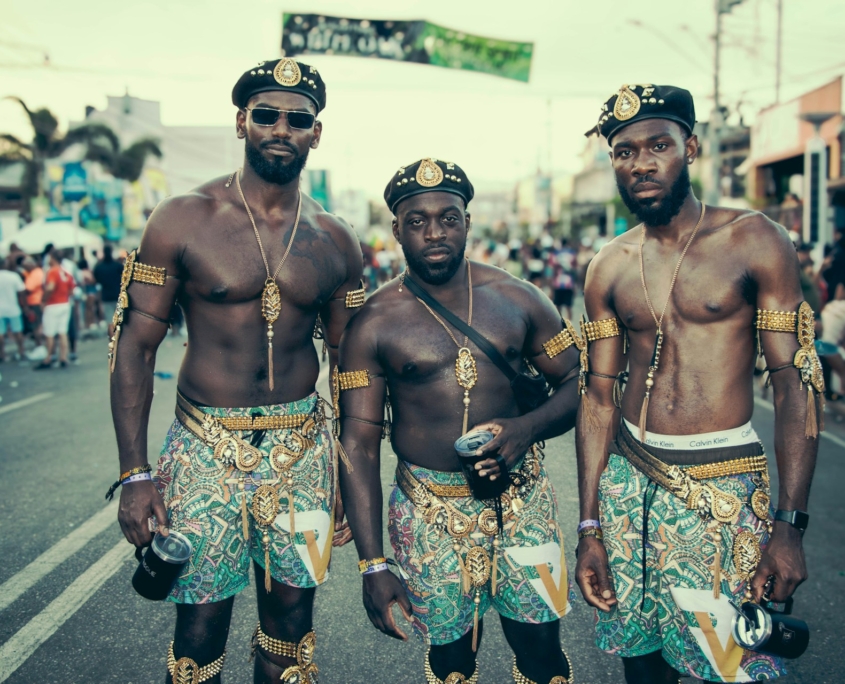 The impact of Caribbean carnivals across the region has helped the vibrant celebrations transcend into the realm of socio-economic development for locals. Every year, thousands of international tourists flock to the Caribbean for the atmosphere, sounds and cultural experiences that carnivals offer. For locals, equating carnival with community has shown how these celebrations can encourage collaboration, drive sustainability and bring prosperity to a region that consistently showcases creative talent.
While carnivals characteristically personify positivity and togetherness, the unstable tropical climate, combined with the repercussions of COVID-19 in the Caribbean, are two key reasons for slowed development in the region. By 2030, the United Nations (U.N.) projects that climate change will cause an additional 100 million people to suffer from conditions of extreme poverty. Natural disasters such as hurricanes and earthquakes have increasingly plagued the fragile islands of the Caribbean, leaving life-changing damage to property and devastation in their midst.
The severe implications of the global pandemic have also highlighted how important carnival is to economic growth. Without commercial and tourist interest, the monetary rewards and employment opportunities created by carnival can no longer be assured. Now that COVID-related travel restrictions have been lifted, the economic recovery of these island nations has revolved around a larger annual celebration of carnival.
Cruising into Celebration
Conventionally arriving in the Caribbean by plane or boat, international tourists come to experience the iconic impact and cultural showcases that carnivals offer. Having arrived on sandy shores, tourists seek to indulge in local festivals, cuisine and events which revolve around carnival season. On the picturesque island of Saint Vincent and the Grenadines, the Vincy Mas carnival takes months to prepare, opening up job vacancies such as event organizers, costume curators and float designers. These paid responsibilities are examples of longer-term contract roles that are available for native islanders to get involved in. The tourist demand for extra lavishness, pomp and splendor continues to drive the capacity and standards of carnivals year on year. In Vincy Mas alone, the 2022 Miss SVG contest generated more than $100,000 in revenue.
Alongside an increase in employment opportunities for local residents, carnival spectators are not limited to international tourists. The celebrations also have a powerful ability to unite Caribbean communities. In Trinidad and Tobago, carnival has an institutional dimension. Unlike other festivals with religious or political affiliations, carnival unifies people through creative dance, performance and expression. By appealing to those historically marginalized, carnival plays an important role in promoting the interests of the Caribbean community.
The National Carnival Commission of Trinidad and Tobago (NCC) has overseen the development of carnival enterprises since the 1990s. As a result, the festival has attracted one of the largest crowds in the Caribbean and promotes values of collaboration, equality and togetherness. This sense of community identity reinforces the impact of Caribbean carnival on development initiatives.
Procession, Publicity and Promoting Development
The creative forms of communication and expression are broadcast to thousands of people annually. In Antigua and Barbuda, the Antiguan government chose to promote its 2024 Sustainable Development Goals (SDGs) on a carnival float paraded through bustling streets. Using Caribbean carnival impact to grow public awareness for sustainable development initiatives enables governments to outline pathways toward ‘poverty alleviation’ and ‘well-being amongst others.’ The carnival float has a visual appeal that official documents or speeches do not.
Furthermore, official U.N. initiatives promoting development and climate awareness projects have recently adopted a carnival-style approach to relaying important messages. The 2025 Small Island Future Festival held in Barbados incorporated performances and showcases from more than 100 different creatives. An opening address by Mrs. Limya Eltayeb of the United Nations Development Program (UNDP) encouraged the Caribbean to work as a collaborative network of island nations striving to achieve sustainable targets by 2030. The festival championed innovative measures, such as tackling the dangerous rise of Sargassum algae arriving on once pristine coastlines.
Looking Ahead
Caribbean carnivals continue to have an impact on the Caribbean economy. Festivals across the region draw large numbers of tourists and create job opportunities for local residents. Beyond tourism, carnival has also been used to raise awareness of inequality and poverty brought on by natural disasters and the pandemic. The celebrations unite Caribbean communities through dance, performance and music and local governments increasingly use carnival as a platform to promote sustainability and crisis management.
– Ash Fowkes-Gajan
Ash is based in London and focuses on Good News and Politics for The Borgen Project.
Photo: Unsplash
