Bridging Gaps: Education In Kenya
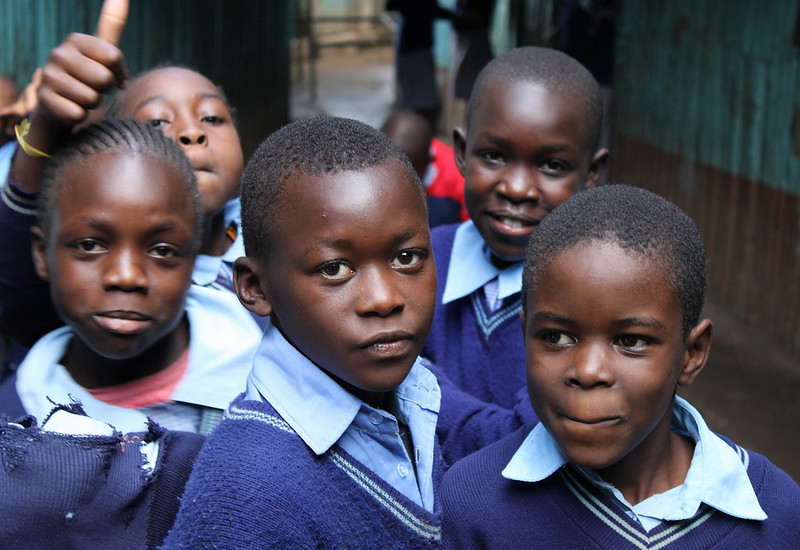 Kenya has one of the youngest populations in the world, with nearly 40% of its citizens under the age of 15. This youthful demographic presents both opportunities and challenges, particularly in education. While the country boasts an 83% literacy rate, rural and marginalized communities face significant barriers to accessing quality education. However, organizations like Just Be a Child, the Teso Education Fund (TEF) and CHinK are working to bridge this gap, transforming Kenya’s educational landscape through community-driven initiatives.
Just Be a Child: Libraries and Learning Centers
Since its founding in 2013, Just Be a Child (JBAC) has re-homed nearly 500,000 books from the United Kingdom (U.K.), giving more than 2 million children the opportunity to read. The organization has constructed eight shipping container libraries, which serve as community-led learning centers. These libraries, operated by volunteers, provide free access to books and foster peer-to-peer learning through programs like arts and crafts sessions and Yong Writer Competitions. The impact has been transformative. Children using these libraries have shown significant improvements in school performance, better retention rates and an increased likelihood of qualifying for university. JBAC has also empowered more than 300 volunteers, with 10 starting their businesses, demonstrating how education initiatives in Kenya can spark economic development.
CHinK: Holistic Support for Marginalized Children
Founded in 2007, Children in Kenya (CHinK) provides comprehensive support for 206 children at its CHinK Academy. For £20 a month, sponsors help provide children with essentials such as two meals a day, school supplies, uniforms and medical care. The organization also emphasizes extracurricular activities, such as field trips and graduation ceremonies, to create a well-rounded educational experience. This nurturing environment has helped children from extremely poor backgrounds stay in school and achieve academic success, breaking cycles of poverty in their families.
The Teso Education Fund: A Beacon of Hope
The Teso Education Fund (TEF) focuses on empowering underprivileged children in Kenya’s Teso region. By providing scholarships, school supplies and mentorship programs, TEF helps students from low-income families stay in school and access quality education. Beyond financial aid, the fund’s mentorship programs instill confidence and leadership skills, inspiring students to dream big and contribute to their communities. This initiative has a ripple effect, uplifting not just individual students but entire families and fostering long-term development in the region.
A Brighter Future Through Education
These organizations—JBAC, CHinK and the TEF demonstrate how community-driven education initiatives in Kenya can tackle systemic barriers to education. Indeed, by combining accessible resources, mentorship and holistic care, they are not only improving literacy rates but also creating pathways for personal and community development. Kenya’s youth represent a vast reservoir of potential. With continued support from these organizations, young Kenyans can potentially grow into the leaders and innovators their country needs. Expanding access to education is not just an investment in individuals—it’s a step toward a more equitable and prosperous future for Kenya.
– Mmanoko Faith Molobetsi
Mmanoko is based in Pretoria, South Africa and focuses on Good News and Politics for The Borgen Project.
Photo: Flickr
