The Shirika Plan: Rethinking the Kenyan Refugee Crisis
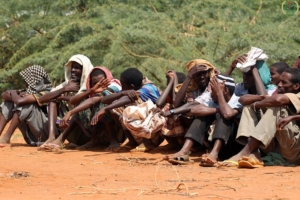 Kenya is currently hosting more than 850,000 refugees and asylum seekers. Many are fleeing conflict, repression and climate-related disasters in Somalia, South Sudan and the Democratic Republic of the Congo. Those living in these camps rely heavily on humanitarian funding.
Kenya’s encampment policy requires refugees to live in two major camps, Dadaab and Kakuma, located in remote, arid regions of the country where agriculture is unfeasible. As a result of the U.S.’s humanitarian aid cuts, Kenya’s refugee camps were plunged into crisis.
Due to U.S. cuts, only 181 million out of 300 million people worldwide in need received aid in 2024. The impact of these cuts is especially evident in Kenyan refugee camps. Despite the ongoing refugee crisis, its government is rethinking its approach by implementing the Shirika Plan: a pioneering approach focusing on individual freedom and self-sufficiency instead of relying on foreign aid.
The Impact of Humanitarian Aid Cuts
The U.S. cuts to humanitarian aid under the Trump administration are having dire implications for those living in refugee camps. These cuts directly harm livelihoods and undermine refugee-led organizations that promote self-reliance.
The impact of these cuts was documented in a 2022 University of Oxford study in Kakuma that examined the effect of aid on the ground. Halfway through the study, the World Food Programme (WFP) was forced to cut assistance to the camp by 20%. This left people with a daily wage of $13.
Caloric intake in the camp dropped by 7%, with people eating a less diverse and lower-quality diet due to these cuts. One Somali refugee told the team of researchers, “After the aid reduction, the lives of refugees became hard. That was the money sustaining them… Hunger is visible.”
The situation has since worsened; in June 2025, the ration was cut again to the equivalent of $5 per month. In addition, frequent delays in distribution only exacerbate the Kenyan refugee crisis, leaving families with less than their basic nutritional needs. Because of this, Kenya has had to adopt a new approach to the refugee crisis.
The Shirika Plan
Born of the Refugee Act No.10 of 2021, which emphasised governmental commitment to refugee welfare and finding sustainable solutions, the Shirika Plan signalled a significant shift in refugee policy. A multiyear initiative that aims to transform camps into integrated settlements, this plan promotes the socioeconomic inclusion of around 83,000 refugees in northern Kenya.
Local initiatives such as the Kalobeyei Integrated Socioeconomic Development Plan (KISEDP) and the Garissa Integrated Socioeconomic Development Plan (GISEDP) aim to integrate refugees into Kenya’s development agenda. These programs produce what has been dubbed a “triple benefit”: enhancing self-reliance, reducing aid dependency and strengthening host communities’ economies. The Shirika Plan also begins to address the problem of waning humanitarian aid while promoting dignity among refugees.
However, as a relatively new initiative, the benefits need time to take shape. Kenya must adopt a comprehensive refugee management policy to achieve seamless coordination across Kenyan ministries, departments and humanitarian agencies in rolling out the plan.
The Next Steps
Born out of necessity, the Shirika Plan represents a shift in political outlook and a move toward sustainable, long-term solutions. Although still in its infancy, this pioneering approach breaks away from decades of refugee policy that confined displaced people to remote settlements and reliance on international aid.
– Libby Foxwell
Libby is based in Sherborne, Dorset, UK and focuses on Politics for The Borgen Project.
Photo: Flickr
