The African Nation Leading the World: Uganda’s Refugees
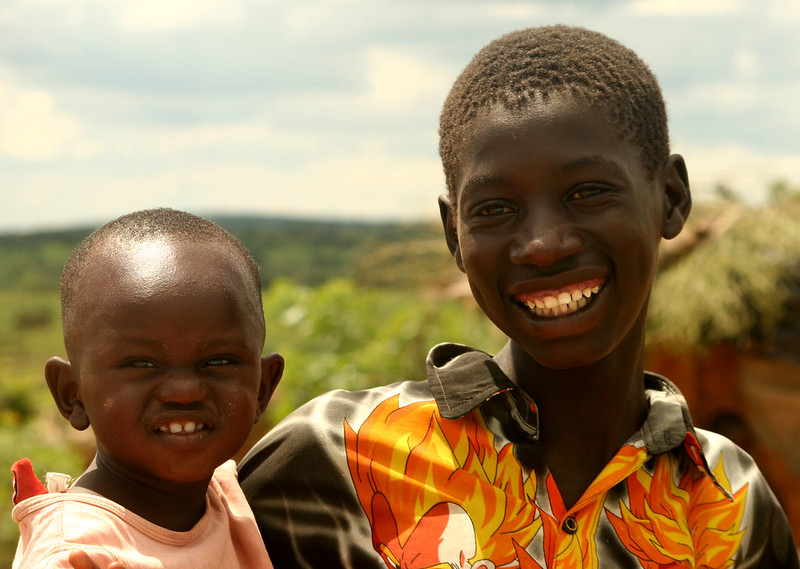 Hosting the most asylum-seekers in Africa and the fifth most in the world, Uganda offers refugees a safe and welcoming place. The country employs an open-door policy to help anyone in need. Currently, more than 1.7 million refugees live in Uganda, most from neighboring countries facing humanitarian crises. Many have come from the Democratic Republic of Congo, South Sudan and Somalia—countries battling war or terrorism. About 54% of Uganda’s refugees are children and 26% are women, many of whom have lost their families and endured severe sexual and physical violence. For many, Uganda is the first safe place they have experienced.
Uganda’s commitment to hosting refugees goes beyond providing shelter. The government, along with international organizations, has implemented initiatives to help refugees rebuild their lives. These efforts reflect the country’s broader approach to refugee welfare, turning policy into tangible support for millions of displaced people.
Support Available to Uganda’s Refugees
- Land. Uganda offers refugees small plots of land to grow and cultivate food. About 78% of rural refugees own agricultural land. This not only helps refugees support themselves and their families but also boosts Uganda’s economy and is a key reason the country can house so many.
- Education. All child refugees receive a free education. There are also initiatives beyond basic schooling, including programs for adults. The U.N. High Commissioner for Refugees (UNHCR) has worked in the country to help prevent gender-based violence (GBV). A total of 135,080 men, women and children took part in a program that increased awareness of GBV, particularly male accountability. In addition, 27% of child refugees aged 5 to 17 received support for psychosocial development and 20,000 parents and caregivers received positive parenting training to strengthen child well-being and safety.
- Green Initiative. By December 2024, 68,062 refugee and host community households in Uganda had received energy-efficient cookstoves, covering 44.5% of refugee households since 2020 and reaching 75.6% of the 2024 response plan target. Refugees also produced 45.1 tons of briquettes, most of which were sold for income. The cookstoves improved daily life as well, providing a cleaner option that helps prevent respiratory issues.
- Health Care. As well as receiving free basic health care, Ugandan refugees are vaccinated to prevent potential pandemics. The Global Alliance for Vaccines and Immunization (GAVI) and the United Nations Children’s Fund (UNICEF) supplied 98.1% of refugees in Uganda with the measles vaccination. Although reports of outbreaks appeared in various refugee settlements, all were resolved with zero casualties.
The Future of Uganda’s Refugees
Uganda’s struggle with economic hardship raises questions about the future of refugees in the country. The number of struggling neighboring countries has led to a large influx of refugees, adding further stress on resources.
Although refugees feel safe, their quality of life remains imperfect. Schools and health facilities are overcrowded, reducing the quality of care and education for both refugees and hosts. In addition, 48% of asylum-seekers live in poverty and many blame Uganda’s self-reliance strategies and livelihood training. After receiving land, many refugees are responsible for their own survival, yet the training beforehand is not comprehensive. Beyond farming, job opportunities for refugees are limited, particularly since Uganda was already facing high unemployment before the influx of asylum seekers.
Multiple organizations are working to alleviate the pressure on resources. The U.N. High Commissioner for Refugees (UNHCR) is active in the country, partnering with local and global nongovernmental organizations (NGOs) to provide various types of aid. UNICEF and GAVI address health concerns, including vaccination programs. In addition, the United Nations World Food Programme (WFP) supports 660,000 refugees in Uganda and recently received €5 million from the European Union (EU) to continue its mission. RISE is also working to improve education and aims to reach 85,372 children and 12,264 teachers.
Looking Ahead
Overall, to continue supporting vulnerable refugees, Uganda needs support and funding from global organizations. Better training for asylum seekers before they receive land, as well as access to more public facilities for the entire population, is also needed. This could be challenging, as countries around the world are reducing foreign aid and organizations are already struggling with funding. WFP, for example, had to halt food assistance to nearly one million refugees, while others received reduced rations. Uganda’s generosity has set a global example and the future of its refugees depends on continued international support.
– Lysia Wright
Lysia is based in Derby, UK and focuses on Global Health and Politics for The Borgen Project.
Photo: Flickr
