• Link to X
  • Link to Facebook
  • Link to Instagram
  • Link to TikTok
  • Link to Youtube
  • About
    • About Us
      • President
      • Board of Directors
      • Board of Advisors
      • Financials
      • Our Methodology
      • Success Tracker
      • Contact
  • Act Now
    • 30 Ways to Help
      • Email Congress
      • Call Congress
      • Volunteer
      • Courses & Certificates
      • Be a Donor
    • Internships
      • In-Office Internships
      • Remote Internships
    • Legislation
      • Politics 101
  • The Blog
  • The Podcast
  • Magazine
  • Donate
  • Click to open the search input field Click to open the search input field Search
  • Menu Menu

Tag Archive for: USAID

Information and news about mobile technology

Posts

Global Poverty, Hunger

Emmanuel Ngulube and USAID: The Malawi Hunger Fight

Emmanuel Ngulube and USAID: The Malawi Hunger Fight
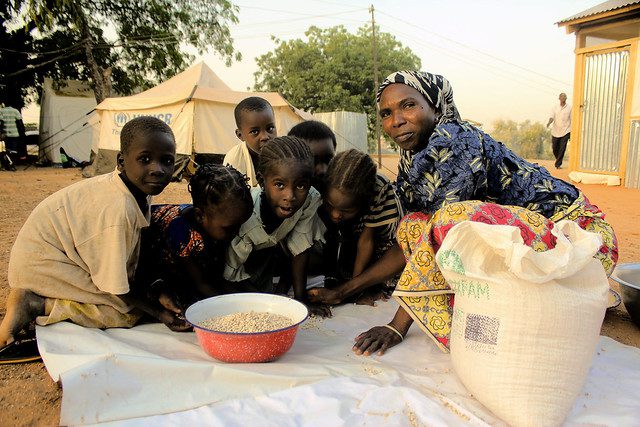
Emmanuel Ngulube — a Zambian native — has dedicated his life to the Malawi hunger fight. Before Ngulube decided to take on the battle of food insecurity in Malawi, he worked as a program specialist for the USAID in Zambia. Zambia, like many African countries, has experienced devastating natural disasters.

Ngulube acknowledged how fortunate his family was to survive the Zambian drought of 1980, because his “father worked for the mines and he could afford to buy food imported by the government, but others relied on emergency food assistance.” USAID’s Food for Peace mission has allowed Ngulube to find his niche and find creative ways for Malawi to establish strong food security.

The current conditions of Malawi resonated with Ngulube, because of the country’s past and most recent history with natural disasters. A record-breaking flood ripped through Malawi just last year, that left tens of thousands stranded. This year Malawi underwent a terrible drought and vast crop failure due to a warm oceanic phase called El Niño. The aftermath of El Niño left 6.5 million people in a crisis of food insecurity in Malawi.

Since Malawi is consistently plagued with natural disasters, its government has created an advanced technology that has assisted the country and its citizens with predicting natural disasters. Thanks to sufficient financing from the Global Facility for Disaster reduction and Recovery, Malawi has been able to establish the Malawi Disaster Risk Management project.

The Malawi Disaster Risk Management project has “led to advanced disaster preparedness by the country’s citizens, who are better able to predict catastrophic events and, therefore, more effectively prepare for them.”

Being able to prepare for natural disasters before they hit is crucial to Malawian citizens’ survival because the majority of them rely on rain-fed agriculture to make a living. One natural disaster can be the difference between a bountiful harvest and a catastrophic event.

For example, the Shire River Basin — which floods yearly — affects thousands each year and heavily hinders lower income families from recovering from natural disasters.

Malawi has developed an economic vulnerability and Disaster Risk Assessment that indicated “annual flood damage in the Shire River Basin resulted in an average loss of 0.7 percent of GDP ($9 million) per year. Elsewhere in the country, drought caused an average economic loss of 1 percent annually ($13 million).”

Although stopping natural disasters from affecting the country of Malawi is a tall task, Ngulube has fallen in love with helping the local communities create new ways to sustain themselves and recover from the tragic times of the past. Ngulube’s influence can be seen within many communities, whose battle with food insecurity in Malawi has been greatly reduced. Ngulube’s progress has only reassured him that his efforts are making a real difference.

– Terry J. Halloran

Photo: Flickr
October 9, 2016
https://borgenproject.org/wp-content/uploads/borgen-project-logo.svg 0 0 Borgen Project https://borgenproject.org/wp-content/uploads/borgen-project-logo.svg Borgen Project2016-10-09 01:30:572024-12-13 17:55:48Emmanuel Ngulube and USAID: The Malawi Hunger Fight
Global Poverty, Health

Saving Mothers, Giving Life Decreases Maternal Mortality Rates

Maternal Mortality Rates
In Zambia and Uganda, Saving Mothers, Giving Life is a public-private partnership founded by the USAID and put into action by former Secretary of State Hilary Clinton in 2012. Saving Mothers, Giving Life has been a key factor in reducing the overwhelming, preventable problem of maternal mortality rates in Zambia and Uganda. The maternal mortality rates in these countries are some of the highest in the world but thankfully, these rates have declined since 2007.

The Zambia Demographic and Health Survey (ZDHS) reported that maternal mortality rates were around 591 deaths for every 100,000 live births, and neonatal mortality rates were around 34 deaths for every 1000 births.

Many of the causes for these maternal deaths stem from a lack of knowledgeable midwives, a scarce quantity of necessary equipment, poor referral systems and precarious accessibility to lifesaving care.

For example, USAID’s Senior Maternal and Newborn Health Advisor and the U.S. Government lead for Saving Mothers, Giving Life Claudia Morrissey Conlon states that “the nearest hospital [for most Zambian citizens] is 60 kilometers away—40 of them over a rough gravel road. Lacking a cell tower, health center staff would walk or ride 27 kilometers in order to call for an ambulance.

Saving Mothers, Giving Life strives to reduce maternal mortality and neonatal deaths by improving local health systems at a district level, and adding trained midwives who can deliver babies and simultaneously treat the complications that can occur during the delicate process of childbirth.

This preventative initiative was originally launched in four of Uganda’s and Zambia’s districts and has procured tremendous results in both countries. Both Uganda and Zambia saw their maternal mortality rates decrease by thirty-five percent in just one calendar year.

This quick and inspiring statistical turn allowed the program to heavily expand in 2014, adding twelve more districts in Zambia and six in Uganda. The 2015 mid-initiative report stated that “maternal deaths have decreased by 41 percent—not just among women who delivered in a facility, but among the districts’ entire population.”

Saving Mothers, Giving Life allowed the Kabarole District in Zambia to create a Demand Creation Committee that informs women on the advantages of delivering their babies in established health facilities.

The Kabarole District uses its health facilities and local radio stations to educate the public on family planning and prenatal care visits. Thanks to these additional efforts that have allowed local organizations’ to combine forces, “nearly 90 percent of women are now giving birth in a facility, compared to 63 percent at the outset of the initiative.”

Saving Mothers, Giving Life has been so incredibly successful since the program’s implementation in 2012 that the initiative has changed many societal norms regarding childbirth in these countries. The initiative is already expanding to countries like Nigeria and serves as a model for other countries to follow suit.

Since Saving Mothers, Giving Life can be sustained for the long term, countries are gaining the tools to be able to take care of themselves and effectively treat the many problems that can occur during childbirth.

Such capabilities are extremely pertinent if countries like Uganda, Zambia and Nigeria want to become self-sustaining. These countries have made extraordinary strides in healthcare and as a result, their future looks more promising than ever.

– Terry J. Halloran

Photo: Flickr

October 2, 2016
https://borgenproject.org/wp-content/uploads/borgen-project-logo.svg 0 0 Borgen Project https://borgenproject.org/wp-content/uploads/borgen-project-logo.svg Borgen Project2016-10-02 01:30:212020-05-19 20:24:46Saving Mothers, Giving Life Decreases Maternal Mortality Rates
Children, Education, Global Poverty

Great Strides for Education in Nigeria

 Education in Nigeria

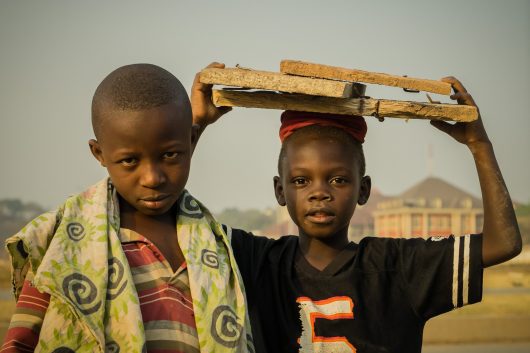
Children walking to school: an image many take for granted and expect as a given in the world today. But in many places, such as Nigeria, not every child has the opportunity to learn.

Nigeria, the most populated country in Africa, comprises 20 percent of the total children not currently attending school in the world. And the problem is far from stagnant as there are 11,000 babies born every day in the country.

Politically insecure and vulnerable to attack, Nigeria’s children are at great risk for not receiving an education. The northern part of the country faces a devastating statistic as two-thirds of the children are illiterate.

An attack in Northern Nigeria forced 2.2 million people to flee their homes, resulting in the displacement of families whose children no longer have a school to attend. In 2015, USAID set out to change the status quo, teaming up with state officials and a number of non-profit organizations to improve education in Nigeria.

They developed the Education Crisis Response Program: a program designed to relieve the local schools of some of their overwhelming demands by providing education for children between the ages of six and 17 in three different Nigerian states.

Two hundred ninety-four learning centers were built for classes three days per week. In-class meals and necessary school supplies were provided. The Education Response Program did not stop there. Recognizing the possible trauma many of these children may have experienced in the rapid displacement of their families from their homes, the program also provides psychological treatment.

Teachers in these learning programs have been trained to approach their classrooms through a psychosocial mindset. They encourage group work, remain aware of the history these children hold and provide open student-teacher interaction to help them feel safe and comfortable back in the classroom.

The Nigerian government supports this program and will be entrusted with the task of carrying its essential goals through when the program is phased out in 2017. The country is also planning financially so that the education response will grow with time.

Furthermore, the World Bank announced in September of 2016 a budget of $500 million for basic education in Nigeria.

Nigeria joined the Global Partnership for Education in 2012, established to increase the amount of people receiving quality, basic education. This partnership has worked with each state to develop a plan “to outline its priorities and objectives.”

In addition, an organization called the Nigerian International Athletes Association (NIAA) will hold a conference in October. The NIAA is a union based in the United States comprised of former Nigerian athletes seeking to improve the future of athletics, education and healthcare in their home country.

According to Premium Times, the NIAA’s president plans to use the conference’s funds “to support kids from disadvantaged homes with their education and help talented young athletes to combine sports and education.”

Perhaps the NIAA’s efforts combined with those of USAID and World Bank will result in not only the maintainence of millions of children’s education, but the advancement as well. With teachers trained to care for them beyond the classroom and former athletes enabling them to chase their dreams, education in Nigeria is surely on the rise.

– Rebecca Causey

Photo: Flickr

September 29, 2016
https://borgenproject.org/wp-content/uploads/borgen-project-logo.svg 0 0 Borgen Project https://borgenproject.org/wp-content/uploads/borgen-project-logo.svg Borgen Project2016-09-29 01:30:582024-12-13 17:55:51Great Strides for Education in Nigeria
Education, Global Poverty

How Can Vocational Training Help Developing Communities

How Can Vocational Training Help Developing Communities
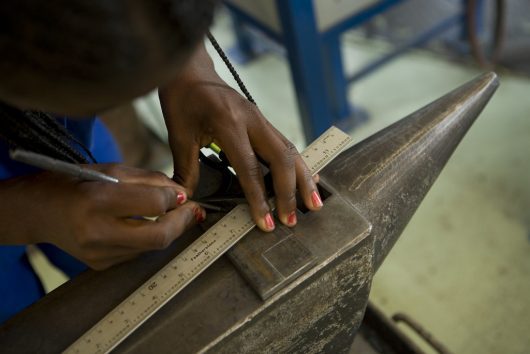
Vocational education aims to provide the skills and training for individuals to pursue industrial and commercial occupations. It works as a method that is taught in professional schools or even job training workshops. The methods gained popularity after the Second World War as an alternative college education concerned with skills and specialized training methods.

In Malawi, the government adopted vocational training to promote self-employment and help vulnerable youth seek better opportunities. The government worked with researchers to evaluate and study how the program will affect development and improve economic conditions. The results indicated increased economic development and improved well-being of youth. The results also indicated that there is an increased likelihood of individuals starting their own businesses. The youth also invested more time on their skills development.

The results of a vocational training session for young women in Delhi showed an increased in employability, increased wages and a higher likelihood of owning a sewing machine. This increased employment could drive the economy and increase the pace of development in India as more women are entering the productive labor force. Even though such training might be costly, their impact on employment as a global issue is important.

Lastly, in Morocco, youth make up about one-third of the population. Unfortunately, 40 percent of these youth are out of school. Hence, vocational training can significantly impact the youth conditions in Morocco. USAID along with other partners locally, work to provide alternative sustainable opportunities.

The training revolves around equipping the youth with skills required to enter the workforce and to connect them to high-level demanding jobs. The training also focuses its attention in underprivileged neighborhoods in the north of Morocco.

– Noman Ahmed

Photo: Flickr

September 29, 2016
https://borgenproject.org/wp-content/uploads/borgen-project-logo.svg 0 0 Borgen Project https://borgenproject.org/wp-content/uploads/borgen-project-logo.svg Borgen Project2016-09-29 01:30:072020-06-05 12:27:28How Can Vocational Training Help Developing Communities
Global Poverty, Refugees

How Foreign Aid is Helping Refugees in Ukraine

Refugees in Ukraine

The conflict in eastern Ukraine has taken nearly 10,000 lives just since 2014, and the casualties continue to rise as the conflict becomes tenser.

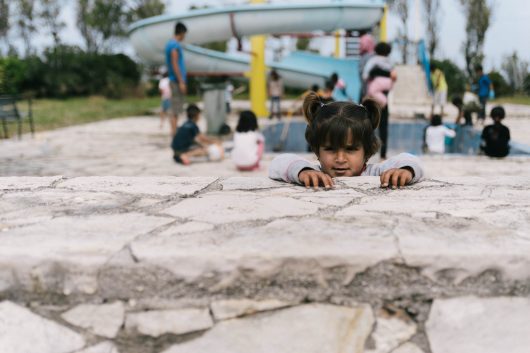
Many of the refugees in Ukraine have been internally displaced – some have fled to cities that are actually close to the conflict like Kharkiv and Zaporizhia while others have left to their neighboring nations.

The 1.4 million internally displaced Ukrainians are victims of a hidden humanitarian crisis where families are displaced in run-down apartments or other vacant buildings instead of typical refugee. UNHCR has been providing shelter repairs for these internally displaced people after the damage in the eastern region. However, many are still without accommodation or have lost their homes.

Many of these Ukrainians fled to the Russian Federation. During the worst time of conflict Russia made a significant effort to assist refugees in Ukraine by providing housing and dispatching humanitarian convoys regularly. However, Russia recently has dialed back on their efforts and is accepting far fewer refugees. Ukrainians now flee to Belarus, Poland, and Germany where they find aid from various organizations such as the Ukrainian Samaritan Federation.

The Ukrainian Samaritan Federation has partnered with the ASB in Ukraine to provide assistance to the refugees. They have donated over $30,000 while aid has also come from seven other European Samaritan Associations.

These funds are meant to ensure that the refugees continue to have medical care, particularly for the injured activists. Refugees have also received over 200,000 food parcels as well as 4,000 winter aid parcels. The volunteers at SSU have spent countless hours providing relief supplies and have even provided safe shelter for many refugees.

In order to improve life back home, USAID has installed the Ukraine Confidence Building Initiative to create a more stable nation and provide short-term assistance to Ukraine in its transition to democracy. Assistance comes in the form of grants for goods, services and technical support to help communities to mitigate the effects of conflict in the east. The goal is to make this a stable and peaceful transition to resolve this conflict so that the refugees may eventually return to their homes and rejoin their families.

– Amanda Panella

Photo: Flickr

September 22, 2016
https://borgenproject.org/wp-content/uploads/borgen-project-logo.svg 0 0 Kim Thelwell https://borgenproject.org/wp-content/uploads/borgen-project-logo.svg Kim Thelwell2016-09-22 01:37:002024-12-13 17:55:39How Foreign Aid is Helping Refugees in Ukraine
Foreign Aid, Foreign Policy, Global Poverty

South Korean Foreign Aid: Former Recipient Now a Major Donor

South Korean foreign aid
South Korea, a country which used to rely heavily on foreign aid, is now giving its own. The increasing prominence of South Korean foreign aid is proof that the impact of U.S. foreign aid extends well beyond the period during which it gives.

On July 5, 2016, South Korea’s Ministry of Foreign Affairs greenlighted $21 million in projects aimed at helping refugees in Africa and improving health care across the continent. The money will come from a 1,000 won ($0.87) solidarity tax on airline tickets for outbound international flights.

The air ticket levy is not the only source of funding for South Korean foreign aid. According to the Australian Institute of International Affairs, the country has donated a total of $1.8 billion in official development assistance (ODA) as of 2016, equivalent to 0.14 percent of its gross national income.

South Korea kicked off its donations with a $25 million contribution in 1987, the same year it became a democracy. In 2010, only 23 years after it became a donor, the country became a member of the Development Assistance Committee (DAC) of the Organization for Economic Co-operation and Development (OECD). It remains the only country on the DAC that had been a recipient of development assistance.

It is hard to imagine that South Korea, which is now the world’s 11th largest economy and leads the globe in innovation, was at one time among the world’s poorest countries.

In 1960, the country’s per capita income stood at $70. Adjusted for purchasing power parity, South Korea’s GDP per capita in 1960 was still a dismal $1,420. In fact, according to a case study by the Embassy of the United States in Seoul, it was only ahead of one-third of the countries in sub-Saharan Africa.

South Korea started receiving U.S. foreign assistance in 1952, which was meant to assist the war-torn country on the path to recovery. It was entirely dependent on the United States for food supplies in the following ten years, and USAID missions continued through the 1970s.

The recent increase in South Korean foreign aid is proof of the lasting impact of U.S. development assistance. An initial injection of foreign aid in a country will multiply itself down the line as that country develops and becomes self-sufficient.

When John F. Kennedy became president in 1961, he specifically called for “aid to end aid” and to “help people help themselves” concerning South Korea. More than fifty years later, South Korea not only no longer requires assistance from the U.S. but is now making its mark as a donor of foreign aid.

– Philip Katz

Photo: Flickr

September 6, 2016
https://borgenproject.org/wp-content/uploads/borgen-project-logo.svg 0 0 Borgen Project https://borgenproject.org/wp-content/uploads/borgen-project-logo.svg Borgen Project2016-09-06 01:30:012020-06-09 09:56:08South Korean Foreign Aid: Former Recipient Now a Major Donor
Aid, Food & Hunger, Food Aid

The Dangote Foundation Donates Food in Abuja, Nigeria

Dangote FoundationThe Dangote Foundation delivered food items worth millions of Nigerian naira to thousands of vulnerable internally displaced persons (IDPs) in Abuja, the Federal Capital Territory of Nigeria.
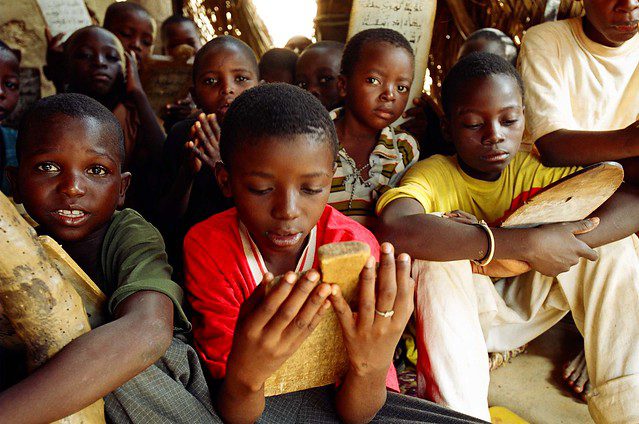
During a visit to the IDP camps of Abuja, Dangote Foundation chairman Alhaji Aliko Dangote was saddened by what he saw and pledged to alleviate the suffering of thousands of IDPs. The Dangote Foundation is a branch of the Dangote Group. The foundation provides charitable funds to a variety of causes in Nigeria and other African states.

Abuja currently has 13,481 internally displaced persons according to the latest assessment by the International Organization for Migration’s Displacement Tracking Matrix. The Dangote Foundation donated food items to the IDPs during Ramadan as a philanthropic action geared toward alleviating poverty in Nigeria.

The Federal Capital Territory (FCT) Minister Malam Muhammad Musa Bello directly received the donation and ensured that the IDPs would expressly benefit from the donations. These items included Dangote sugar, Dangote salt, Dangote Spaghetti, rice, Danvita and wheat meal.

The FCT Minister stated that the donation Abuja received was extremely generous and the country is grateful to the foundation. Moreover, the FCT Administration is committed to alleviating poverty and respects non-governmental organizations with a similar mission.

This donation has been one of many recent philanthropic actions by the Dangote Foundation in Nigeria. Within a span of five years, the foundation has donated N6.3 billion to various IDP camps in Nigeria. Currently, one US dollar equals 315.25 Nigerian Naira.

Previously, the Foundation made donations to Nigerian universities and women’s causes. They have also provided donations during ethnoreligious crises. In addition, the Dangote Foundation donated to the World Food Program to help Pakistan during massive flooding in 2010 and raised over N11billion for flood relief in Nigeria.

In coordination with the Gates Foundation; the Dangote Foundation, USAID and Nigerian governors joined together to secure political and financial resources to enhance immunization programs within Nigeria in order to keep the country polio-free.

The Dangote Foundation focuses on health, education, economic development and disaster relief through their commitment to decreasing the amount of people suffering or dying from poverty-related issues.  The Dangote Foundation’s donations work to rectify the lack of education for children, to create quality healthcare and support underprivileged adults by improving access to education and healthcare.

– Kimber Kraus

Photo: Flickr

August 20, 2016
https://borgenproject.org/wp-content/uploads/borgen-project-logo.svg 0 0 Borgen Project https://borgenproject.org/wp-content/uploads/borgen-project-logo.svg Borgen Project2016-08-20 01:30:092024-05-27 09:35:03The Dangote Foundation Donates Food in Abuja, Nigeria
Education, Global Poverty, USAID

How USAID is Improving Access to Education in Niger

Education in NigerWith a stable democracy and no civil war, it would seem that Niger is ripe for progress compared to many other African nations. Yet Niger struggles with extreme poverty and ranks last on the U.N.’s Education Development Index. In 2003, the government instated a 10-year plan for education reform, but little progress in both quality of and access to education in Niger was made.
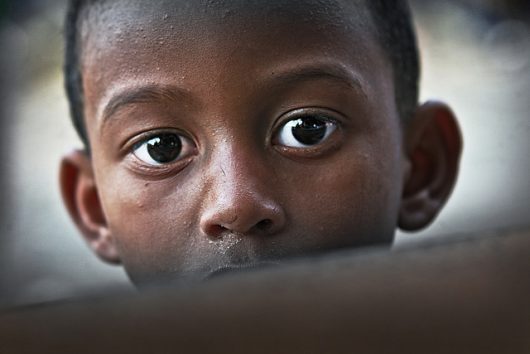
Niger’s history as an independent republic is very brief and rather bleak. According to the BBC, after gaining independence from France in 1960, Niger faced political instability, drought and widespread poverty. Slavery was only just outlawed in 2003 but remains a problem to this day.

Fortunately, in a peaceful 2010 election, Mahamadou Issoufou became president of Niger and since then the nation has been relatively stable politically. However, the nation remains one of the “poorest peaceful [countries] in the world.”

Limited access to education in Niger is a significant contributor to widespread and ongoing poverty in the nation. According to the U.N., average expected years of schooling in Niger is 5.4, compared to 16.9 in the U.S.

Niger’s adult literacy rate is a staggering 15.5% and only 5.2% of the population have at least some secondary education. These figures, among others, cause Niger’s education system to rank 187/187 nations ranked in the 2013 U.N. Human Development Report.

2013 also marked the 10 year anniversary of the plan for education reform; in the same year, USAID became involved in the effort to increase access to education in Niger.

A 2007 evaluation of the PDDE (from the French “Programme Décennal pour le Développement de l’Éducation”), revealed that Niger’s education system had improved quantitatively, but not qualitatively. That is to say, access to education improved — access to primary education increased nationally from 51% to 65% – but quality remained sub-par.

USAID aims to increase access to quality education in Niger. Higher quality education in Niger would mean a safer and more welcoming environment for female students, which currently have a 44 percent enrollment rate after sixth grade, increased parental involvement, and strengthened community links to education.

According to their website, the objectives of USAID are “to increase access to quality education in schools through an improved physical and social environment; and to increase early grade reading achievement by promoting a culture of reading.”

USAID calls their program “Niger Education and Community Strengthening.” By addressing the low education rates through the lens of community, USAID will have a sense of the cultural aspects that contribute to Niger’s struggling education system.

Working with the community as well as the Millennium Challenge Corporation will fortify USAID efforts to decrease the 18% gender gap in education and increase the 5.2% education rate.

– Sabrina Yates

Photo: Flickr

August 18, 2016
https://borgenproject.org/wp-content/uploads/borgen-project-logo.svg 0 0 Borgen Project https://borgenproject.org/wp-content/uploads/borgen-project-logo.svg Borgen Project2016-08-18 01:30:562024-12-13 17:54:49How USAID is Improving Access to Education in Niger
Activism

Global Poverty and Foreign Aid: What Works

Global poverty and foreign aid

Despite various myths about global poverty and foreign aid, evidence supports the claim that foreign aid works well in the fight against poverty.

According to the Gates Foundation, there are currently more than one billion people worldwide living in extreme poverty. Foreign aid (when one country donates a portion of their resources to another) aims to lower that number.

However, many people subscribe to the belief that foreign aid is ineffective. They argue that corruption prevents resources from reaching the people who need it most. In addition, they assume that countries who receive foreign aid will grow to depend on it too much.

The Millennium Development Goals

Thankfully, the data suggests otherwise. The relationship between foreign aid and global poverty is a positive, effective one.

Perhaps some of the strongest examples of the effectiveness of foreign aid are the Millennium Development Goals.

These goals, proposed by the United Nations and ratified by all countries across the globe, aimed to:

  • reduce poverty, hunger and child mortality;
  • achieve universal primary education, gender equality and environmental sustainability;
  • improve both overall health by fighting treatable diseases;
  • and act as a global partnership for development.

“The MDGs helped to lift more than one billion people out of extreme poverty, to make inroads against hunger, to enable more girls to attend school than ever before and to protect our planet. They generated new and innovative partnerships, galvanized public opinion and showed the immense value of setting ambitious goals,” stated Ban Ki-moon, Secretary General of the United Nations, in the project’s 2015 annual report.

After the success of the MDGs, the U.N. introduced a set of followup goals in 2015. These new initiatives were called the Sustainable Development Goals and have a deadline set at 2030.

Global Food Security Act

In 2010, the United States shifted the focus of its foreign aid spending to small farmers across the globe through initiatives such as Feed the Future. The Global Food Security Act aims to build off of the Feed the Future Initiative by expanding investments in small farmers.

The hope is that these investments would aid families (especially women and children) lift themselves out of poverty. In addition, they would also simultaneously provide families access to cheap, nutritious food.

During an interview with Grist, Raj Shah, head of USAID, said that thanks to Feed the Future, they “are starting to see a rapid reduction in rural poverty, in the percentage of children who are stunted, and in the total number of people that don’t get 2,100 calories a day. Those are rough indicators of a large-scale transformation starting to occur.”

Domestic Benefits from Global Contributions

Despite strides made towards ending global poverty, less than 1% of the U.S. federal budget goes toward foreign aid.

In terms of foreign aid, nations can and should do more to help the world’s poor. Moral obligations aside, lifting people out of poverty also provides new economic markets for the U.S. and reduces national security risks.

– Sabrina Santos

August 4, 2016
https://borgenproject.org/wp-content/uploads/borgen-project-logo.svg 0 0 Borgen Project https://borgenproject.org/wp-content/uploads/borgen-project-logo.svg Borgen Project2016-08-04 01:30:392024-12-13 17:54:38Global Poverty and Foreign Aid: What Works
Food & Hunger, Global Poverty

Is the United States Doing Enough for the Poor?

Poor_Aid
With nearly 842 million people suffering from chronic hunger, the role of the United States in eradicating global poverty is becoming more important.

President Obama’s Feed the Future program aims to “strengthen food security and nutrition for millions of people by focusing on the smallholder farmers at the foundation of the world’s agriculture system.” USAID reported that targeting the agricultural sector, like the program does, is “at least twice as effective at reducing poverty as growth in other sectors.”

Initiatives similar to Obama’s Feed the Future give the appearance that the United States is doing enough for the poor globally. The Center for Global Development produces an annual report called “The Commitment to Development” Index, which rates a country’s finance, technology, environment, trade, security, migration and overall aid in the past year. The United States was ranked 21 out of 27 developed countries, which puts them in the bottom third based on foreign aid.

While ranked 6th in both trade and security aid, the Center for Global Development rated the United States as 27th and 26th in the finance and environment aid categories. That puts the most prominent developed nation behind countries in economic snafus like Greece and Ireland in those categories. The data analysis blames the low ranking on “improper environmental monitoring and a low score on the Financial Secrecy Index.”

A PhD student from Stanford University named Lauren Prather researched why countries like the United States post such low foreign aid numbers. Her study compared a population’s desire to give with the amount that was actually given. In the end, she found “a clear relationship between citizens’ support for foreign aid and the amount their country gives.”

Does that mean that the average person in the United States is not doing enough for the poor globally? Prather conducted another study measuring an American’s chance of providing aid based on where it is going. Prather a survey of 1000 people and found that “A majority of Americans supported giving both food and money to their conationals, while a majority supported cutting both entirely for foreigners.”

Prather’s research and “The Commitment to Development” Index reveal the United States’ lack of urgency when it comes providing foreign aid. In addition, a Gallup poll released in 2014 shows that African approval of U.S. leadership dropped to a record low of 59 percent.

Research indicates that procrastinating the objective of poverty eradication is a threat to the global political and economic order. “The weaknesses of poor states could destabilize the entire international system,” asserts Vincent Ferraro, author of a Wilson Center report titled “Should Global Poverty be a U.S. National Security Issue?”

The perception that the United States is doing enough for the poor globally via foreign aid is quickly corrected by research and data done by several organizations. Programs supported by USAID like Feed the Future can provide another way forward in the global arena of poverty relief. Ferraro concludes by saying, “A reformulation of the national interest to include global interests is necessary because our world scarcely resembles that of 17th century Europe.”

– Jacob Hess

Photo: Flickr

July 2, 2016
https://borgenproject.org/wp-content/uploads/borgen-project-logo.svg 0 0 Borgen Project https://borgenproject.org/wp-content/uploads/borgen-project-logo.svg Borgen Project2016-07-02 01:30:002024-12-13 18:06:08Is the United States Doing Enough for the Poor?
Page 75 of 92«‹7374757677›»

Get Smarter

  • Global Poverty 101
  • Global Poverty… The Good News
  • Global Poverty & U.S. Jobs
  • Global Poverty and National Security
  • Innovative Solutions to Poverty
  • Global Poverty & Aid FAQ’s
Search Search

Take Action

  • Call Congress
  • Email Congress
  • Donate
  • 30 Ways to Help
  • Volunteer Ops
  • Internships
  • Courses & Certificates
  • The Podcast
Borgen Project

“The Borgen Project is an incredible nonprofit organization that is addressing poverty and hunger and working towards ending them.”

-The Huffington Post

Inside The Borgen Project

  • Contact
  • About
  • Financials
  • President
  • Board of Directors
  • Board of Advisors

International Links

  • UK Email Parliament
  • UK Donate
  • Canada Email Parliament

Get Smarter

  • Global Poverty 101
  • Global Poverty… The Good News
  • Global Poverty & U.S. Jobs
  • Global Poverty and National Security
  • Innovative Solutions to Poverty
  • Global Poverty & Aid FAQ’s

Ways to Help

  • Call Congress
  • Email Congress
  • Donate
  • 30 Ways to Help
  • Volunteer Ops
  • Internships
  • Courses & Certificates
  • The Podcast
Scroll to top Scroll to top Scroll to top