• Link to X
  • Link to Facebook
  • Link to Instagram
  • Link to TikTok
  • Link to Youtube
  • About
    • About Us
      • President
      • Board of Directors
      • Board of Advisors
      • Financials
      • Our Methodology
      • Success Tracker
      • Contact
  • Act Now
    • 30 Ways to Help
      • Email Congress
      • Call Congress
      • Volunteer
      • Courses & Certificates
      • Be a Donor
    • Internships
      • In-Office Internships
      • Remote Internships
    • Legislation
      • Politics 101
  • The Blog
  • The Podcast
  • Magazine
  • Donate
  • Click to open the search input field Click to open the search input field Search
  • Menu Menu

Tag Archive for: USAID

Information and news about mobile technology

Posts

Global Poverty

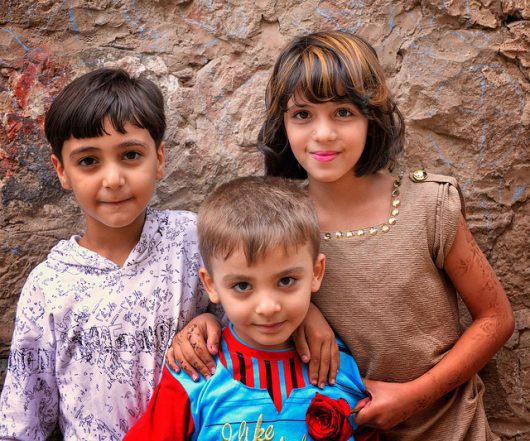
10 Facts About Child Mortality

Facts about Child Mortality
Since 1990, the world has almost cut infant mortality rates in half. Where the number of neonatal deaths in the first 28 days was once 5.1 million in 1990, there were just 2.7 million in 2015. Although this progress is heartening, it does not meet the Millennium Development Goal of a two-thirds decrease in the mortality rate for children under five.

In fact, over 17,000 children under five years old continue to die every day of treatable conditions. This is evidence that we must focus on this problem more heavily, and that child survival must be made an ongoing priority. Here are 10 facts about child mortality:

  1. About 99 percent of newborn deaths transpire in low and middle-income countries.
  2. Africa and South Asia currently have the highest rates of infant mortality and show the least amount of progress in combating it.
  3. In 2015, 5.9 million children died before their fifth birthday. This is equivalent to 11 child deaths every minute.
  4. Approximately 2.7 million child deaths occur within their first month of life. Nearly 50 percent of these deaths occur within the first 24 hours, while 75 percent occur within the first week.
  5. A child’s risk of mortality is highest in the neonatal period. This period occurs in the first 28 days of a child’s life.
  6. Leading causes of child mortality in children under 5 years include preterm birth complications, pneumonia, birth asphyxia, diarrhea and malaria.
  7. Roughly 45 percent of all child deaths are at least in part due to malnutrition.
  8. Children who have lost their mothers are ten times as likely to die prematurely than children whose mothers are present.
  9. In 2015, low-income countries saw one child in every 13 dies before the age of five. In wealthy nations, this occurred in only one child of every 143.
  10. About 3 million of the 5.9 million children who die each year can be saved at a low cost to wealthy nations.

There are things that can be done to help. Access to affordable health care has proven effective against child fatality in developing nations. In fact, more than half of child fatalities worldwide are due to conditions that can be easily treated or prevented should mothers and children be given access to simple and affordable care.

The 48 hours following birth are the most important, as this is when the mother and child are most vulnerable. It is also important that mothers and their children receive follow-up care to both prevent and treat illness.

The bipartisan Reach Every Mother and Child Act (H.R. 3706) is one such solution that works toward ending preventable deaths of mothers and young children in developing countries. If the bill should pass, it would mandate a multi-year strategy to combat maternal and infant mortality, part of which would entail establishing a permanent United States Agency for International Development (USAID) Maternal and Child Survival Coordinator.

The job of this coordinator would be to find and implement a strategy that will bolster the most effective treatments and interventions making them available or scaled up in target countries. It would also require the executive branch of the United States government to develop a fiscal framework to get commitments from non-profit organizations, the private sector, ally countries and global organizations.

Infant mortality is a problem in this world. However, by working together to lobby congress and by donating to global organizations such as UNICEF it is one that we can work to alleviate.

You can make a difference by asking your members of Congress to support the Reach Every Mother and Child Act here.

– Kayla Provencher

Photo: Flickr
November 6, 2016
https://borgenproject.org/wp-content/uploads/borgen-project-logo.svg 0 0 Borgen Project https://borgenproject.org/wp-content/uploads/borgen-project-logo.svg Borgen Project2016-11-06 01:30:192024-12-13 17:55:5610 Facts About Child Mortality
Children, Global Poverty, USAID

Breastfeeding to Combat Malnutrition in Ghana

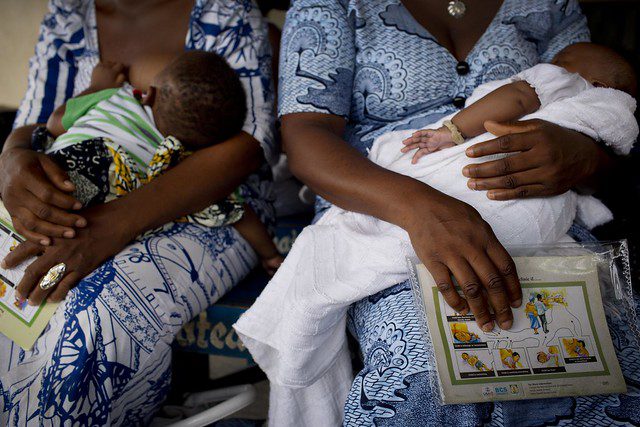
Malnutrition in GhanaMalnutrition in Ghana has cost its economy $2.6 billion annually or 6.4% of gross domestic product (GDP) due to increased health care costs, additional burdens on the educational system and lower productivity by its workforce, according to a new United Nations report.

In the Northern Region, malnutrition is much more prevalent with 20 percent of children under five being underweight. As a result, there is a high stunting rate of 32.4 percent. The region is also plagued by high rate of micronutrient deficiencies such as anemia and vitamin A deficiency.

The USAID Resiliency in Northern Ghana (RING), a collaborative project dedicated to sustainably reducing poverty and improving livelihoods and nutritional status of vulnerable populations, called for exclusive breastfeeding to combat malnutrition in Ghana.

“Mothers should stick to [exclusive] breastfeeding for the first six months after which they can introduce the sour foods to children,” nutrition officer of the USAID-RING Project, Kristen Kappos underscored.

Kappos also implored health workers, volunteers and farmers to continue raising people’s awareness on breastfeeding within their operational zones.

As far back as 1991, Ghana adopted the Baby-Friendly Hospital Initiative (BFHI) to promote and support the practice of exclusive breastfeeding. However, exclusive breastfeeding rate has remained unchanged for two decades at 64.7%, far lower than the World Health Organization would prefer.

According to a recent study, knowledge gaps in key nutritional areas, especially infant and young child feeding, are the main reason leading to a low rate of exclusive breastfeeding in Ghana.

About 26% of the mothers studied were unable to define exclusive breastfeeding and 22% of them said breastmilk only was not sufficient to meet the nutritional needs of the child. They believed that the child may not be satisfied and could die if fed with only breastmilk for six months. Nearly 90% of the mothers did not know that breast milk could be expressed, stored safely and given to the child when the mothers were absent.

In addition, cultural factors also create challenges for mothers to breastfeed. The majority of the mothers showed a lack of confidence in expressing and storing breastmilk, a taboo in the local context.

Interventions must be designed to increase women’s confidence and dispel their misconceptions regarding breast milk, USAID-RING Project urged. Meanwhile, Hajia Ayishetu Bukari, Central Gonja district director of Ghana Health Service, also emphasized the need for employers to create and maintain conducive workplaces for exclusive breastfeeding practices.

– Yvie Yao
Photo: Flickr

November 1, 2016
https://borgenproject.org/wp-content/uploads/borgen-project-logo.svg 0 0 Borgen Project https://borgenproject.org/wp-content/uploads/borgen-project-logo.svg Borgen Project2016-11-01 01:30:572024-06-04 01:17:44Breastfeeding to Combat Malnutrition in Ghana
Food Security, Global Poverty

USAID: Reducing Poverty in Malawi Through Feed the Future

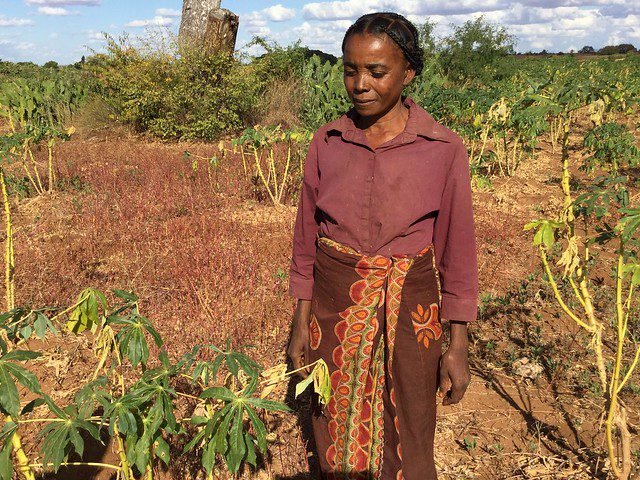
Poverty in MalawiMalawi is a landlocked African country that is bordered by Tanzania to the northeast, Mozambique to the south and Zambia to the west. The impact of poverty in Malawi can be seen prominently in the agriculture sector.
Malawi ranks 160 out of the existing 182 sovereign nations on the Human Development Index and is currently one of the world’s poorest nations. Nearly three-fourths of the population lives on less than a $1.25 a day, and approximately 90% live on less than $2 a day.

Agriculture makes up 35% of Malawi’s gross domestic product (GDP), and nearly 85% of Malawians are employed in the agricultural sector.

Maize is typically grown for local markets; small-scale farmers typically grow various fruits and vegetables such as pineapples, guava, mangoes, lemons, green peppers, cabbage, cucumbers and eggplants.

Agricultural growth in Malawi is often limited and difficult to effectively sustain due to reoccurring droughts in the region. Nearly 80% of Malawians are smallholder farmers who rely on their crops to feed their families and communities.

Malawi experiences extreme weather conditions — periods of drought and flooding — that contribute to widespread famine and destroyed infrastructure.

USAID reports that they are currently developing the National Nutrition Policy and Strategic Plan that is closely related to the Comprehensive Africa Agriculture Development Program (CAADP) plan, and the Agriculture Sector-Wide Approach to promote agriculture and address food insecurity at the national and local levels to reduce poverty in Malawi.

Feed the Future, USAID reports, is working closely with the Malawian government to devise policies to promote agricultural sustainability, improve access to food and invest in crops such as legumes and dairy that would expand domestic and export markets for Malawi to help their economy prosper.

Through the Feed the Future initiative, USAID helped trained farmers on better farming techniques to increase productivity and provided financial and marketing services to farmers as well. USAID reported that they are committed to promoting private sector development by strengthening government institutional capacity that will accelerate long-lasting agricultural sustainability.

Since the beginning of the initiative, milk productivity has substantially increased by 52%. USAID has also succeeded in organized 23,000 Malawians from rural villages into savings-and-loans groups. Adding to that success, USAID trained 60,000 farmers on new agricultural technologies and techniques that would improve irrigation and crop harvesting.

The Feed the Future initiative aims to improve the vulnerability of rural smallholder farmers to help them escape poverty and hunger. Also, they plan to impact the lives of 293,000 children in helping to provide better nutrition to reverse growth stunting and prevent infant mortality.

Economic issues and food shortage issues have historically affected the poverty in Malawi; however, the successful partnership between the Feed the Future initiative and the Malawian government continues to improve agricultural techniques, farming technologies and promote food security for impoverished communities.

– Haylee Gardner
Photo: Flickr

October 31, 2016
https://borgenproject.org/wp-content/uploads/borgen-project-logo.svg 0 0 Borgen Project https://borgenproject.org/wp-content/uploads/borgen-project-logo.svg Borgen Project2016-10-31 01:30:232020-06-02 16:58:08USAID: Reducing Poverty in Malawi Through Feed the Future
Global Poverty, Health

A Look at Three of the Top Diseases in Bangladesh

Top Diseases in Bangladesh
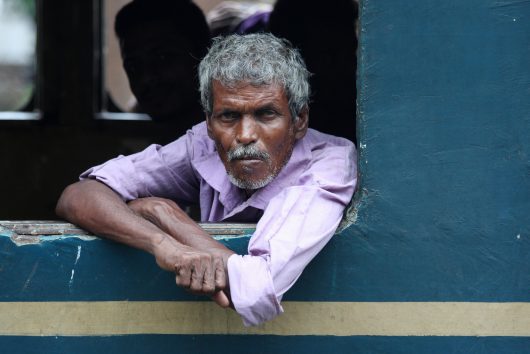
Bangladesh, a dense country of more than 160 million on India’s eastern border, has seen remarkable development in recent decades. A growing economy and enormous improvements in maternal health and food security have raised the quality of life for millions of Bangladeshis. Now, less than a third of the quickly urbanizing population lives under the poverty line, down from more than half. Bangladesh aims to have officially become a middle-income country by 2021.

Thousands of Bangladeshis, however, still suffer and die from easily preventable diseases every year. While the nation’s expenditure on health increased significantly in the past two decades, it still comprises only 3.7 percent of the national GDP. Improving public health is the biggest focus of international aid in Bangladesh, accounting for roughly 43 percent of all assistance committed to helping the country. The following are some of the top diseases in Bangladesh and what the government and international organizations are doing to fight them.

  1. Tuberculosis
    Tuberculosis is a bacterial infection that can be deadly, especially for young children, if improperly treated. According to USAID, Bangladesh has one of the highest infection rates in the world. The World Health Organization reported that tuberculosis is the leading cause of death in the country. In 2012, nearly 70 thousand Bangladeshis died from tuberculosis.
    The Bangladeshi government and international aid organizations have labored to bring the tuberculosis rate down and save more patients, and they have seen tangible success. In the early 1990s, Bangladesh’s government established the National Tuberculosis Control Program (NTP) with the support of USAID, and today, 99 percent of people living in Bangladesh have access to effective detection and treatment services. USAID is continuing to provide funding for technology, infrastructure and drugs to control tuberculosis in Bangladesh, as well as prevent, detect and combat drug-resistant strains of the infection.
  2. Waterborne Diseases
    Bangladesh has yet to provide much of its population with access to quality sewage and water infrastructure. Only 16 percent of Bangladeshis living in rural areas have access to up-to-par latrines. As a result, millions of Bangladeshis are at risk for waterborne diseases, including hepatitis A and E and a wide variety of serious bacterial infections like typhoid and leptospirosis.
    Low water quality makes diarrheal diseases especially serious in Bangladesh. In fact, diarrhea is the seventh single biggest killer of children under 5 years of age in the country. According to Water.org, a nonprofit aiming to expand access to clean water globally, 100,000 children die from diarrheal diseases annually.
    Heavy rain is normal in Bangladesh and frequent floods exacerbate waterborne diseases by overflowing dirty water supplies into clean reservoirs and residential areas. Sixteen provinces in Bangladesh have suffered from severe flooding this summer, and local news is reporting thousands of new cases of waterborne diseases, with scores of deaths.
    The government and aid organizations are working to prevent the top diseases in Bangladesh primarily by widening access to clean water. UNICEF is working with the government to improve water infrastructure and also educate Bangladeshis about how to keep their water clean and avoid disease. Further, organizations like Water.org are providing grants and loans for sanitation projects across the country.
  3. Neonatal Sepsis
    Neonatal sepsis refers to bacterial blood infections in newborn babies, and it is the fourth biggest cause of death for children under 5 years of age in Bangladesh. According to UNICEF, such infections are the leading cause of mortality for newborn babies in Bangladesh; 80,000 of whom die less than a month after birth each year. Many common bacteria can cause neonatal sepsis. While infections are serious, they are easy to treat as long as they are detected early, and preventing neonatal sepsis can be as simple as providing mothers with clean environments for giving birth.
    Despite its struggle with neonatal sepsis, Bangladesh has made remarkable progress in maternal and neonatal health in the past 20 years and remains determined to improve obstetric care across the country. The nation has already achieved its millennium goals for maternal and child health and reduced child and maternal mortality by 60 percent since 1990. Bangladesh continues to upgrade obstetric health facilities and make them more accessible to citizens living in under-served regions.

A brief look at some of the top diseases in Bangladesh provides clear lessons about poverty and health. Simple and cheap improvements for health systems — things like basic antibiotics, proper latrines and clean places to give birth — can save millions of lives in developing countries.

Bangladesh still struggles with deadly diseases, but with determination, the country has already climbed beyond many of its goals and continues to promote public health and fight against preventable illnesses.

– Charlie Tomb

Photo: Flickr

October 25, 2016
https://borgenproject.org/wp-content/uploads/borgen-project-logo.svg 0 0 Borgen Project https://borgenproject.org/wp-content/uploads/borgen-project-logo.svg Borgen Project2016-10-25 01:30:172024-06-07 05:07:37A Look at Three of the Top Diseases in Bangladesh
Global Health, Global Poverty, USAID

What is the Global Health Innovation Act?

What is the Global Health Innovation Act?
On Dec. 18, 2015, the Global Health Innovation Act (H.R. 2241) was passed with bipartisan support in the U.S. House of Representatives. The bill is projected to advance U.S. leadership in global health innovation.

Introduced by Representative Albio Sires, D-NJ, the Global Health Innovation Act aims to strengthen global health research and development programming at the U.S. Agency for International Development (USAID) by requiring the agency to submit an annual report to Congress on the development and use of new health technologies in the agency’s programs, projects and activities.

“I am proud to support this legislation, which will help effectively address health needs around the world. As USAID continues to expand its research and development of these technologies, it is important that Congress continue to play its important role of oversight in ensuring the Agency’s investments make clear progress towards its stated goals,” said Sires.

Global health has experienced great progress over the last 50 years. Child mortality rates around the world have declined by 70 percent. In the last two decades alone, 50 million children were saved and people are living 21 years longer on average.

Yet nearly 9 million people are still dying every year from infectious diseases and other health challenges. Current technology alone is inadequate in combating systemic and emerging global health threats. New vaccines, drugs, diagnostics and other health technologies are critical in advancing global health.

The Global Health Innovation Act shines a light on and supports health innovations that are affordable, culturally appropriate, accessible and functional in settings that may have unreliable electricity, lack access to clean water and refrigeration and under-resourced health infrastructures.

The bill is currently in the Senate Committee on Foreign Relations.

The Borgen Project is working to build support for this bill and encourages everyone to e-mail their Senators and voice their support for global health innovations.

– Rodalyn Guinto

Photo: Flickr

October 24, 2016
https://borgenproject.org/wp-content/uploads/borgen-project-logo.svg 0 0 Borgen Project https://borgenproject.org/wp-content/uploads/borgen-project-logo.svg Borgen Project2016-10-24 12:09:242024-06-05 04:10:54What is the Global Health Innovation Act?
Global Poverty

A Look at U.S. Foreign Aid in Kenya

Aid in Kenya
On Oct. 19, USAID announced that it would award an additional $5 million to improve health care in Kenya. Where will that money go, and who will it help?

With a population of nearly 47 million, Kenya has the largest economy in Central and Eastern Africa. Its GDP per capita is $3,200 per year — not luxurious by any measure, but a leg above all its immediate neighbors. Its capital, Nairobi, is a regional hub for business, trade and commerce.

Yet only 5.7 percent of its expenditures are devoted to health care, the area where the funds are perhaps needed the most. The country suffers from high infant and mother mortality rates, a life expectancy of only 64 years, and a 1-in-20 percent chance of contracting AIDS. There are only two physicians per 10,000 people, and they are spread dishearteningly thin as they try to address the continuing HIV epidemic and widespread diseases.

Because Kenya has a better record of democracy and transparency than many developing African nations, and because the U.S. considers it, “an important developing country partner in east Africa,” it has become a significant target of U.S. foreign aid.

The State Department says that its objectives in Kenya are to “(1) strengthen democratic institutions; (2) spur economic growth, trade and investment; (3) advance peace and security and (4) promote opportunity and development.” In 2014, Kenya received $2.7 billion from the international community to help build infrastructure and encourage peaceful development.

Five million dollars may sound like a drop in the bucket compared to that sum, but these directly targeted funds will serve an important purpose. The funds will expand the work of an organization called Living Goods, which focuses on encouraging entrepreneurship in the health industry: it trains women in basic health procedures and recruits them to become small business owners. These women leverage their rich social networks to sell affordable, high-quality, life-saving products — such as simple treatments for common diseases — to families who would otherwise go without care.

When you live in developing countries like Kenya, even health care offered free by the government can come with a price. Sometimes it’s the literal price of commuting to the clinic; other times it’s the price of risk, the chance, in places as high as 50 percent, that the hospital will be out of the medicine your child needs.

Living Goods seeks to extend medical care to every community using a model that is both impactful and sustainable, and by doing so increase access to the most basic health supplies and expertise.

The $5 million from USAID is funded by the Development Innovation Ventures program, and it will help expand Living Goods’ community health care in Kenya. A recent independent study showed that the program had managed to reduce child deaths by 25 percent for less than $2 per person per year. Over the next decade, the organization plans to improve the health and lives of over 50 million people.

– Madeleine Read

Photo: Flickr

October 23, 2016
https://borgenproject.org/wp-content/uploads/borgen-project-logo.svg 0 0 Borgen Project https://borgenproject.org/wp-content/uploads/borgen-project-logo.svg Borgen Project2016-10-23 01:30:312024-12-13 17:56:03A Look at U.S. Foreign Aid in Kenya
Foreign Aid, Global Poverty

The Challenges and Benefits of Foreign Aid Policy

Benefits of Foreign Aid Policy
In less than a decade, Europe suffered severe destruction and was quickly torn apart due to World War II. Soon after that, a huge foreign aid policy package known as the Marshall Plan helped European nations recover, seek a path of democracy and sustained peace.

Today, The U.S. continues to invest in foreign aid to advance its security and global leadership. This has played an indispensable role in strengthening U.S. strategy as well as economic and moral obligations.

Foreign aid policy can strengthen national security by cutting the roots of terrorism. It also helps in stabilizing weaker regimes, promoting regional security and long-term stability. Foreign aid helped nations such as South Korea and Colombia recover from instability.

Nations who receive aid could serve as potential markets and attract investors. Presidents like George W. Bush and Barack Obama emphasized such points. Also, President Reagan was a strong advocate of aid. He also argued strongly against those who claimed that national income was being wasted.

However, the success of the past decades is facing an uncertain, and perhaps unpromising future. The foreign aid budget planned for next year is only $34 billion. This number is expected to decrease further in the coming years.

Furthermore, there have been more conflicts in the twenty-first century that gripped the attention of the U.S. War in Afghanistan and Iraq coupled with a rising global trend of terrorism are some of the factors that challenge foreign aid programs. Hence, there comes a greater target zone for aid programs and more communities to address.

Such challenges make the process of development and the execution of programs a lot harder. Agencies are put under pressure as they have to provide support for a lot of people in a short time. Political dilemmas and conflicts complicate the tasks of agencies to access data and effectively manage aid programs.

With all the modern challenges of the twenty-first century, the U.S. aims to make the process of foreign development programs more transparent, accountable and effective.

Over the last decade, the U.S. has succeeded in creating new standards and metrics as part of foreign aid reform. Such transparency and accountability reforms can be expanded into developmental programs such as delivering aid packages and managing educational programs.

The U.S. Agency for International Development (USAID) understands the modern challenges standing in face of foreign aid policy. It aims to address such challenges by aligning resources with goals to achieve transforming development.

USAID also tailors programs according to needs and opportunities. The agency has also adopted the policy of increased selectivity in allocating resources. Despite the disappointing voice, aid programs are improving in their capability of dealing with all the modern challenges.

– Noman Ahmed

Photo: Flickr

October 22, 2016
https://borgenproject.org/wp-content/uploads/borgen-project-logo.svg 0 0 Borgen Project https://borgenproject.org/wp-content/uploads/borgen-project-logo.svg Borgen Project2016-10-22 01:30:202024-06-05 04:10:44The Challenges and Benefits of Foreign Aid Policy
Global Poverty

New Nano Bandage in Egypt Heals Wounds in Days

nano bandage
A research team from Zewail City of Science and Technology in Egypt, led by Director of the Center for Material Science Ibrahim M. El-Sherbiny, has created a nano bandage capable of wound healing within days using the anti-epilepsy phenytoin.

This new phenomenon due to its high skin healing potency may be the band-aid solution for repercussions of the 1063/2014 Constitution guaranteeing free healthcare to patients in Egypt.

What is the Nano Bandage?

The curative nano bandage boosts the rehabilitation of cells forming the epithelial tissue that borders the internal organs, skin and body bursa. This bandage has proven to accelerate the healing phase of wounds for up to 10 days upon treatment.

Cairo researchers believe that the bandage may be most useful for treating wounds in situations where there is a shortage of medical supplies or staff.

The Health Insurance Organization in Egypt Plays a Key Role

In the past, the Health Insurance Organization (HIO) and the Ministry of Health (MoH) were responsible for the health care system in Egypt and creating a platform for insurance and care to all Egyptians. Now, only government workers and juvenescence remain as beneficiaries of their health programs.

The emergency response and humanitarian crisis in Egypt have received much support from the European Commission, USAID, the World Bank, African Development Bank and the Japanese Development Bank between 2012-2016.

New Policy Change Means the First 48 Hours are Free

In 2014, former prime minister of Egypt Ibrahim Mehleb issued decision 1063/2014, based on the 2014 Constitution, which guarantees free medical care during the first 48 hours for emergency concerns. Due to this dramatic change in policy, delays in wound healing cost health institutions a lot because of extended hospitalization periods.

In addition, the cost of extended medical assistance during official working hours is overpriced. Poor conditions and management have left a meager 33 beds for every 10,000 citizens in Egypt’s hospitals.

Denying any form of medical treatment to any human in emergency or life-threatening situations is a crime. As a result, doctors, physicians and nurses are susceptible to assault and exploitation.

The new nano bandage will prove useful in treating patients efficiently who require to burn treatments without requiring overnight comprehensive care or constant supervision.

How do Health Facilities Affect the Poor?

With 43% of the population living in urban areas, the free medical treatments offered in Egypt has endured much scrutiny by the media due to the dilapidated conditions of public hospital facilities.

Based on the 2014 constitution, Egypt committed to allocating no less than three percent of gross domestic product (GDP) towards health. The percentage is expected to increase progressively based on global rates.

However, the efforts of the health sector budget in tackling the existing expenses and ongoing challenges has proven more inadequate than substantial. Only 1.5% of the state GNP was allocated towards improving healthcare during the 2014-2015 fiscal year.

The poor in Egypt are not able to afford extensive health care and with this new development, both health care personnel and patients will be positively impacted.

– Shanique Wright

Photo: Flickr

October 19, 2016
https://borgenproject.org/wp-content/uploads/borgen-project-logo.svg 0 0 Borgen Project https://borgenproject.org/wp-content/uploads/borgen-project-logo.svg Borgen Project2016-10-19 01:30:422024-05-27 23:53:48New Nano Bandage in Egypt Heals Wounds in Days
Foreign Aid

USAID Offers $127 Million to Southern Africa After El Nino

El NinoThe U.S. Agency for International Development (USAID) will contribute $127 million in humanitarian aid to Southern Africa to combat the effects of El Nino in the region. Funding from the U.N. and NGO partners will go to Lesotho, Malawi, Mozambique, Madagascar, Swaziland and Zimbabwe to combat drought and rebuild the region.
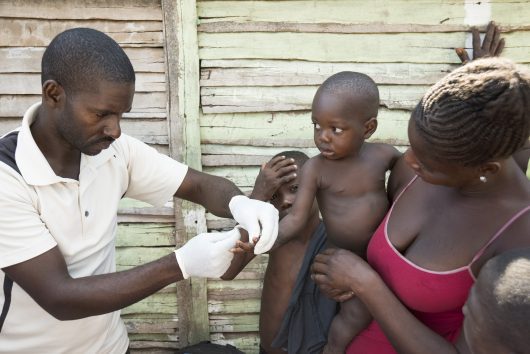
El Nino is the warming of the Equatorial Pacific that leads to increased rainfall in some areas and drought in others. USAID reports indicate that the funding will address the many needs of those harmed by the long-lasting effects of the phenomenon. These needs include health support, food assistance and treatment for people with HIV.

USAID also aims to provide Southern Africa with improved health, food and agricultural aid. However, Southern African countries still appealed for $2.8 billion to feed the millions of people affected by the drought.

The gap between what the region needs and what other nations have promised is not enough, especially since the number of those in need will increase as food becomes more scarce.

South African countries are not the only ones facing harm from El Nino. According to The Guardian, many countries in five continents are in states of emergency and are dealing with food insecurity. For example, Central America is suffering from the worst drought in decades.

El Nino will only become more difficult to predict, and could even double in its frequency over the next few decades due to human-induced climate change. An international effort to aid nations dealing with the consequences of the weather cycle is necessary, especially from those nations that have contributed the most to carbon emissions.

Communities impacted by El Nino need more resilience to help them combat the ever-evolving phenomenon. Increased humanitarian aid from USAID and international programs will help those struggling through El Nino deal with the unpredictable future.

– Addie Pazzynski

Photo: Flickr

October 19, 2016
https://borgenproject.org/wp-content/uploads/borgen-project-logo.svg 0 0 Borgen Project https://borgenproject.org/wp-content/uploads/borgen-project-logo.svg Borgen Project2016-10-19 01:30:392024-05-27 09:35:01USAID Offers $127 Million to Southern Africa After El Nino
Global Health, Malaria

Treatment and Prevention: On the Cusp of Ending Malaria by 2020

Within the Cusp of Ending Malaria
The end of malaria could possibly be closer than expected. With the recent success of Sri Lanka officially declaring itself as Malaria free after withstanding three years without a single case of infection. The World Health Organization (WHO) Reported a 60 percent decrease in global malaria mortality rates between 2000 and 2015.

According to the Guardian, “Public health officials said 13 countries, including Argentina and Turkey, had reported no cases for at least a year and may well follow the success of Sri Lanka…” Sri Lanka was near ending malaria 50 years ago and it has finally been able to do so becoming a catalyst for other countries.

The local transmission of malaria is slowly but surely being reduced as countries invest more in treatment and prevention strategies. Earlier this year the WHO estimated that “21 countries are in a position to achieve this goal, including six countries in the African Region.”

The Global Technical Strategy for Malaria 2016–2030 is currently in place. Four crucial points make up the plan, which includes reducing the rate of new malaria cases by at least 90 percent, reducing malaria death rates by at least 90 percent and eliminating malaria in at least 35 countries.

This plan was devised before the triumphant victory of Sri Lanka over malaria. Recently the members of the WHO of the African Region have adopted a framework that goes hand-in-hand with the goals outlined by the Global Technical Strategy for Malaria 2016–2030.

Within the document issued by United States Agency for International Development (USAID) titled President’s Malaria Initiative Strategy 2015-2020 the optimism to end malaria within this time period is evident. The document goes on to state “Innovative approaches to deploying existing tools also are being tested, including presumptive insecticide rotation to mitigate the spread and intensification of resistance.”

The U.S. has made it a priority to partake in ending malaria along with the other countries trying to terminate the disease from its country by 2020.

– Mariana Camacho

Photo: Flickr

October 10, 2016
https://borgenproject.org/wp-content/uploads/borgen-project-logo.svg 0 0 Borgen Project https://borgenproject.org/wp-content/uploads/borgen-project-logo.svg Borgen Project2016-10-10 01:30:472024-05-27 23:53:37Treatment and Prevention: On the Cusp of Ending Malaria by 2020
Page 74 of 92«‹7273747576›»

Get Smarter

  • Global Poverty 101
  • Global Poverty… The Good News
  • Global Poverty & U.S. Jobs
  • Global Poverty and National Security
  • Innovative Solutions to Poverty
  • Global Poverty & Aid FAQ’s
Search Search

Take Action

  • Call Congress
  • Email Congress
  • Donate
  • 30 Ways to Help
  • Volunteer Ops
  • Internships
  • Courses & Certificates
  • The Podcast
Borgen Project

“The Borgen Project is an incredible nonprofit organization that is addressing poverty and hunger and working towards ending them.”

-The Huffington Post

Inside The Borgen Project

  • Contact
  • About
  • Financials
  • President
  • Board of Directors
  • Board of Advisors

International Links

  • UK Email Parliament
  • UK Donate
  • Canada Email Parliament

Get Smarter

  • Global Poverty 101
  • Global Poverty… The Good News
  • Global Poverty & U.S. Jobs
  • Global Poverty and National Security
  • Innovative Solutions to Poverty
  • Global Poverty & Aid FAQ’s

Ways to Help

  • Call Congress
  • Email Congress
  • Donate
  • 30 Ways to Help
  • Volunteer Ops
  • Internships
  • Courses & Certificates
  • The Podcast
Scroll to top Scroll to top Scroll to top