Great Strides for Education in Nigeria
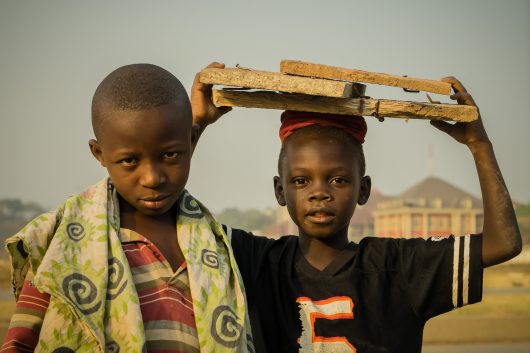
Children walking to school: an image many take for granted and expect as a given in the world today. But in many places, such as Nigeria, not every child has the opportunity to learn.
Nigeria, the most populated country in Africa, comprises 20 percent of the total children not currently attending school in the world. And the problem is far from stagnant as there are 11,000 babies born every day in the country.
Politically insecure and vulnerable to attack, Nigeria’s children are at great risk for not receiving an education. The northern part of the country faces a devastating statistic as two-thirds of the children are illiterate.
An attack in Northern Nigeria forced 2.2 million people to flee their homes, resulting in the displacement of families whose children no longer have a school to attend. In 2015, USAID set out to change the status quo, teaming up with state officials and a number of non-profit organizations to improve education in Nigeria.
They developed the Education Crisis Response Program: a program designed to relieve the local schools of some of their overwhelming demands by providing education for children between the ages of six and 17 in three different Nigerian states.
Two hundred ninety-four learning centers were built for classes three days per week. In-class meals and necessary school supplies were provided. The Education Response Program did not stop there. Recognizing the possible trauma many of these children may have experienced in the rapid displacement of their families from their homes, the program also provides psychological treatment.
Teachers in these learning programs have been trained to approach their classrooms through a psychosocial mindset. They encourage group work, remain aware of the history these children hold and provide open student-teacher interaction to help them feel safe and comfortable back in the classroom.
The Nigerian government supports this program and will be entrusted with the task of carrying its essential goals through when the program is phased out in 2017. The country is also planning financially so that the education response will grow with time.
Furthermore, the World Bank announced in September of 2016 a budget of $500 million for basic education in Nigeria.
Nigeria joined the Global Partnership for Education in 2012, established to increase the amount of people receiving quality, basic education. This partnership has worked with each state to develop a plan “to outline its priorities and objectives.”
In addition, an organization called the Nigerian International Athletes Association (NIAA) will hold a conference in October. The NIAA is a union based in the United States comprised of former Nigerian athletes seeking to improve the future of athletics, education and healthcare in their home country.
According to Premium Times, the NIAA’s president plans to use the conference’s funds “to support kids from disadvantaged homes with their education and help talented young athletes to combine sports and education.”
Perhaps the NIAA’s efforts combined with those of USAID and World Bank will result in not only the maintainence of millions of children’s education, but the advancement as well. With teachers trained to care for them beyond the classroom and former athletes enabling them to chase their dreams, education in Nigeria is surely on the rise.
– Rebecca Causey
Photo: Flickr
