• Link to X
  • Link to Facebook
  • Link to Instagram
  • Link to TikTok
  • Link to Youtube
  • About
    • About Us
      • President
      • Board of Directors
      • Board of Advisors
      • Financials
      • Our Methodology
      • Success Tracker
      • Contact
  • Act Now
    • 30 Ways to Help
      • Email Congress
      • Call Congress
      • Volunteer
      • Courses & Certificates
      • Be a Donor
    • Internships
      • In-Office Internships
      • Remote Internships
    • Legislation
      • Politics 101
  • The Blog
  • The Podcast
  • Magazine
  • Donate
  • Click to open the search input field Click to open the search input field Search
  • Menu Menu

Tag Archive for: USAID

Information and news about mobile technology

Posts

Global Health

Senate is Improving Global Health

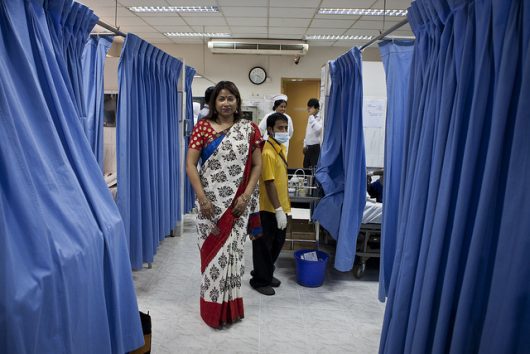
Senate Committee Votes "Yes" to Improving Global HealthThe Senate Committee on Appropriations made significant progress for improving global health on September 7 by approving both the FY 2018 State & Foreign Operations (SFOPs) and the FY 2018 Labor, Health, and Human Services (LHHS) appropriations bills. Both of these bills intend to allocate money to important global health initiatives.

After months of controversy surrounding President Trump’s drastic cuts to these initiatives in his proposed FY 2018 budget, funding in the Senate’s budget for all program areas was above the President’s FY 2018 budget request and either matched or exceeded final FY 2017 levels. The proposed levels of funding are a clear rejection of President Trump’s proposals.

Politicians from both sides of the aisle came together to offer bipartisan support. One uniting factor was the $2 billion proposed increase for the National Institutes of Health and $29 million increase in funding for the Department of Education.

The funding proposed in this bill will be very important for improving global health. The budget proposes funding of $8.6 billion to the State Department and USAID, which handle all the majority of global health assistance programs. This number represents a $2.1 billion, or 32.6 percent, increase from President Trump’s proposal. The budget also allocates $433.6 million to the CDC for global health.

Many specialized global health programs will benefit from this funding. Here are some of the highlights:

  • $1,350 million as the US contribution to the Global Fund to Fight AIDS, Tuberculosis, and Malaria
  • An increase to $261 million in total funding for Tuberculosis
  • An increase to $202.5 million in total funding for Global Health Security
  • $23 million in funding for Vulnerable Children, which President Trump had eliminated from his request
  • $622.5 million for Family Planning and Reproductive Health
  • Repeal of the Mexico City Policy, which President Trump had reinstated with an executive order in January

One especially important program receiving funds is the National Institute of Allergy and Infectious Disease (NIAID), which is working to combat antibiotic resistant bacteria. The prevalence of antimicrobial resistance is growing at an alarming rate and especially impacts developing countries.

The Senate’s approval of these bills has important implications for the future of global health. While much work still must be done to actually approve the budget, these numbers are certainly a step in the right direction and indicative of a commitment to improving global health.

– Lauren Mcbride

Photo: Flickr
October 9, 2017
https://borgenproject.org/wp-content/uploads/borgen-project-logo.svg 0 0 Borgen Project https://borgenproject.org/wp-content/uploads/borgen-project-logo.svg Borgen Project2017-10-09 01:30:062024-05-29 22:27:20Senate is Improving Global Health
Education

Protecting Girls’ Access to Education in Vulnerable Settings Act Passes House of Representatives
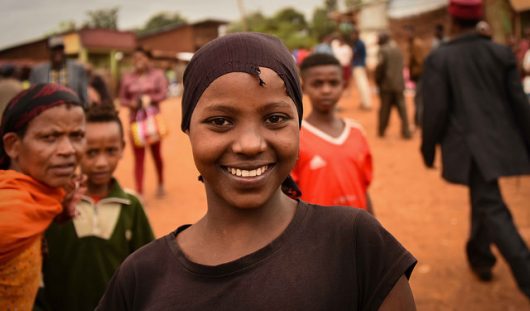
Protecting Girls' Access to Education in Vulnerable Settings ActThe Protecting Girls’ Access to Education in Vulnerable Settings Act passed in the U.S. House of Representatives on Oct. 3 and goes to the Senate next for consideration.
In May 2017, Rep. Steve Chabot (R-OH) and Rep. Robin Kelly (D-IL) reintroduced the bill in the House of Representatives. Prior to its passing in the House, the legislation gained 50 cosponsors — 37 Democrats and 13 Republicans.

The bill was assigned to the House of Foreign Affairs Committee and is meant “to enhance the transparency, improve the coordination and intensify the impact of assistance to support access to primary and secondary education for displaced children and persons, including women and girls.”

This means that if the bill passes Congress, USAID would be able to further improve existing education programs for displaced children, with an emphasis on girls. USAID would collaborate with the private sector and civil society groups to make these improvements possible. The bill would also require the State Department and USAID to include education data in any report to Congress that covers disaster relief efforts.

The bill would specifically allow the State Department and USAID to bolster programs that provide safe primary and secondary education for displaced children, increase school capacity in countries hosting displaced children and help give displaced children, especially girls, opportunities in educational, economic and entrepreneurial realms. It would allow the State Department and USAID to coordinate with multilateral organizations to collect data.

Educating girls is a key step to ending poverty. Girls who attend school are less likely to get married young, and if every girl received an education, adolescent marriage could decrease by 64 percent worldwide. Women are less likely to contract HIV/AIDS if they have adequate education. In addition, an extra year of secondary school increases a woman’s future earnings by anywhere from 15 to 25 percent. Lastly, educated women are more likely to become entrepreneurs and invest in their communities, breaking the cycle of poverty.

Despite these facts, girls everywhere, especially displaced girls, lack access to proper education. Girls in conflict-affected countries are nearly two and a half times more likely to be out of school, and young women affected by conflict are nearly 90 percent more likely to be out of secondary school than their counterparts in stable countries. There are 98 million girls worldwide who do not attend school.

The vote to pass the bill in the House was done by voice, so there is no written record of which representatives voted yes and which voted no. The Senate must approve the bill in its original form in order for it to be passed on to the next step. If the Senate amends the bill in any way, it must be sent back to the House of Representatives to be accepted or rejected.

If the Senate passes the bill, it will go to the President’s desk next. He will then either sign it into law, veto it and send it back to Congress (which can overrule the veto with a two-thirds vote), or pocket veto it — which means that he would wait too long for it to be signed during the current legislative session.

According to Skopos Labs, there is a 38 percent chance of the bill being enacted. You can learn more about the Protecting Girls’ Access to Education in Vulnerable Settings Act here, and find out how to contact your senators about the bill here.
-Téa Franco

Photo: Flickr

October 8, 2017
https://borgenproject.org/wp-content/uploads/borgen-project-logo.svg 0 0 Borgen Project https://borgenproject.org/wp-content/uploads/borgen-project-logo.svg Borgen Project2017-10-08 13:21:052024-05-29 22:27:38Protecting Girls’ Access to Education in Vulnerable Settings Act Passes House of Representatives
Economy, Food Security, Global Poverty

USAID Helping People in Qatar

How to Help People in Qatar

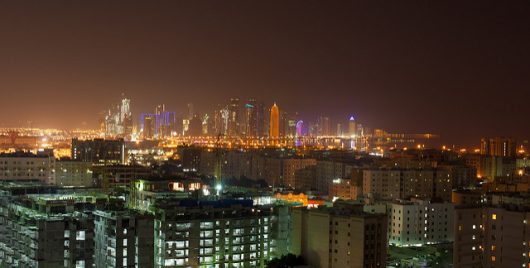
Qatar is a nation of extreme economic stratification between rich and poor. An oil rich gulf state, Qatar’s economy is booming, with its GDP reaching a soaring $329.2 billion in 2016 – making Qatar the wealthiest Arab state. Despite this title, there are still unfortunately a large number of people living in poverty here. In this climate of extreme inequality, the question of how to help people in Qatar remains of vital importance.

This economic growth is coupled with a massive population spike, due to the influx of migrant workers needed to sustain the economic growth of the country. Migrant workers are estimated to comprise about 90 percent of the Qatari population, with nearly 60 percent living in what the Qatari monarchy officially calls “labour camps.”

This influx of migrant workers has been further exacerbated by the construction for the upcoming 2022 FIFA World Cup. Human rights groups have long condemned the working conditions of migrant workers in Qatar. Under the kafala labor sponsorship system, workers are dependent on their employers for their visas, living accommodation and even permission to enter or exit the country. Amnesty International has deemed labor conditions as “squalid and cramped,” while the International Labor Organization is launching investigations into the labor camps and systems surrounding the construction of World Cup infrastructure.

Qatar is an absolute monarchy, ruled by Emir Sheikh Tamim bin Hamad bin Khalifa Al-Thani. As an official ally of the U.S., diplomats from the U.S. have unique access to the small faction of the Qatari population that maintains control over the political and economic realities that the poor face. It is crucial that the U.S. uses its influence to advocate for the outrageous treatment of migrant workers, on whose backs the immense wealth and economic growth of Qatar is built.

USAID has already begun to answer the question of how to help people in Qatar, and are still working to implement a Memorandum of Understanding (MOU) regarding Cooperation to Enhance Global Food Security, signed in 2011. Dr. Rajiv Shah, then the administrator of USAID, signed the MOU, saying, “Both the United States and Qatar see food security as a development issue that must be addressed comprehensively and creatively.”

It is critical to the health and well-being of the impoverished Qatari workers that these goals be pursued. Moreover, resources must continue to flow to organizations such as USAID, which work to pressure the Qatari monarchy to provide a social safety net and adequate human rights for its subjects.

– Jeffery Harrell
Photo: Flickr

October 8, 2017
https://borgenproject.org/wp-content/uploads/borgen-project-logo.svg 0 0 Kim Thelwell https://borgenproject.org/wp-content/uploads/borgen-project-logo.svg Kim Thelwell2017-10-08 01:30:022024-05-29 22:27:31USAID Helping People in Qatar
Global Poverty, USAID

USAID’s Power Africa Initiative: Electricity for Rural Africans

USAID's Power Africa Initiative

Within the entire continent of Africa, 57 percent of people have no access to electricity. In places like South Sudan, that percentage skyrockets to 97 percent. Power Africa, an initiative started by the USAID, is working to change this.

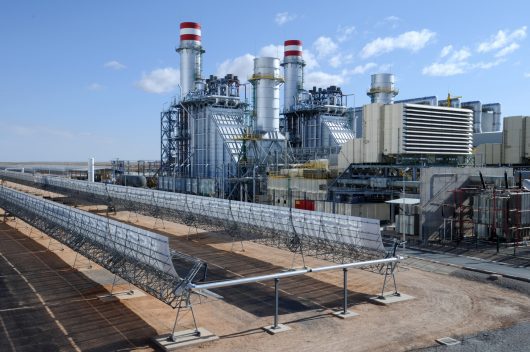
Power Africa has the goal of adding over 30,000 megawatts of clean energy capacity to African homes and businesses. These goals are achieved through partnerships with American private businesses. Power Africa works to facilitate private sector transactions and cultivate optimal investment climates. These partnerships help to further African development while saving U.S. taxpayer dollars and creating jobs here at home.

More specifically, as Power Africa notes in its annual report, “Applying U.S. Government resources in support of U.S. business growth in Africa, Power Africa has a hand in developing multi-million and billion dollar projects that are producing returns for U.S. investors and supporting job growth at home.”

So, far Power Africa has added 7,200 megawatts of energy. This means that 53 million people have access to electricity today who did not have access prior to the launch of the initiative. By 2020, that number is expected to more than double.

The work Power Africa is doing is vital. Access to electricity can be viewed as a stepping stone to lasting development. With electricity, people can run more efficient businesses, provide better health care and improve education for citizens. And the simple act of providing a community with electricity can be hugely empowering.

This is especially apparent in the story of Regina Tembo, a Zambian woman who is the manager of her local micro-grid. Members of Tembo’s community can purchase electricity from her. Tembo makes sure that her neighbors and local businesses are provided energy tailored to their needs. Not only is she providing her fellow Zambians with much-needed electricity, but Tembo also feels empowered. “Being a Standard Microgrid Manager has increased my status in the community and enabled me to share knowledge with people in different countries,” she told USAID.

Of course, Power Africa still has a long way to go. In the near future, Power Africa hopes to provide larger systems, like micro-grids and solar home systems. These systems allow people to power larger appliances.

USAID’s Power Africa goals may be ambitious, but they’re achievable. Building a brighter Africa will help to reduce poverty, increase development and create jobs here at home.

– Adesuwa Agbonile

Photo: Flickr

September 19, 2017
https://borgenproject.org/wp-content/uploads/borgen-project-logo.svg 0 0 Borgen Project https://borgenproject.org/wp-content/uploads/borgen-project-logo.svg Borgen Project2017-09-19 01:30:392024-05-28 00:16:31USAID’s Power Africa Initiative: Electricity for Rural Africans
Foreign Aid, Global Poverty, USAID

7 Facts About Mark Green, USAID’s Administrator

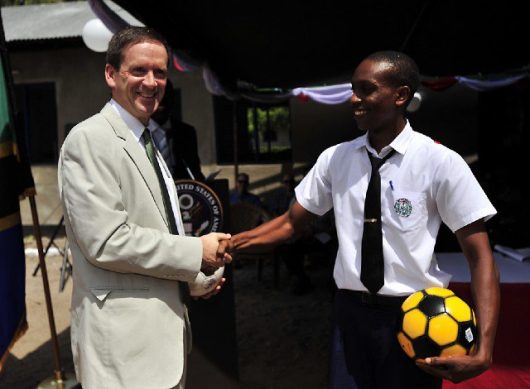
Mark GreenOn August 7th, Mark Andrew Green became the 18th administrator of the U.S. Agency for International Development. USAID is the part of the executive branch responsible for furthering international development.
As Administrator, Mark Green is responsible for leading this charge. His vision of international development has the potential to affect the lives of millions of the global poor. With that in mind, it’s important that we know who exactly he is. Here are the 7 most important things to know about Mark Green.

  1. He used to be a member of Congress. Mark Green was a member of the U.S. House of Representatives from 1999 through 2007. He represented Wisconsin’s 8th Congressional District. This is good news. It means that Green understands the ins and outs of politics and advocacy.
  2. He has a track record of supporting international aid. While serving as a representative, Mark Green voted consistently in support for international development. He was a member of the Congressional Human Rights Caucus. And he co-sponsored the Hunger to Harvest bill, which aimed to reduce hunger in sub-Saharan Africa.
  3. He has been an aid-worker himself. After graduating college, Mark Green and his wife taught English to rural Kenyans through WorldTeach. In his congressional testimony, Green reiterated how much this experience shaped his worldview, and how it will shape is work as an Administrator.
  4. He was the Ambassador to Tanzania. After serving as a representative, Mark Green served as an Ambassador from 2007-2009. He oversaw President George W. Bush’s first visit to Tanzania. According to Mark Green himself, his tenure as Ambassador taught him “lessons too numerous to count.” His experience in the international makes his leadership as an Administrator trustworthy and reputable.
  5. He’s worked in the private sector. After his ambassadorship, Mark Green remained involved in international development. Green served on the board of directors for Malaria No More and the Millennium Challenge Corporation. Most recently, Green was president of the International Republican Institute. Notably, all the organizations Green has been a part of have one important thing in common. They focus on development with the end goal of making donor countries self-sufficient.
  6. He has bipartisan support. Mark Green served as a Republican representative, but he has support from both sides of the aisle. Senator Tammy Baldwin, a Democrat from Wisconsin, praised him during his confirmation hearing. “He has the deep personal passion and commitment to do this job as shown through years of work in advancing our common good on the international stage,” Senator Baldwin said. And Mark Green himself promised during his confirmation hearing to “work in [a] bipartisan spirit.”
  7. He is knowledgeable about aid. Simply put, Mark Green understands what makes good aid policy. He consistently said that “the purpose of foreign assistance should be ending its need to exist.” In other words, Green’s goal at USAID is to end global poverty. Ensure that the world’s poor stop needing aid. And he has been clear in the steps he will take to steer USAID towards achieving this lofty goal. Specifically, he’s called for USAID to “incentivize reform, diversify our partner base,” and “foster local capacity-building” within partner countries.

You may never have heard of Mark Green. USAID doesn’t often make the front pages of newspapers. But that doesn’t make the work that Green and USAID are doing any less important. And under the leadership of Mark Green, USAID is sure to keep on helping millions of people.

– Adesuwa Agbonile

Photo: Google/span>

September 11, 2017
https://borgenproject.org/wp-content/uploads/borgen-project-logo.svg 0 0 Kim Thelwell https://borgenproject.org/wp-content/uploads/borgen-project-logo.svg Kim Thelwell2017-09-11 01:30:592024-12-13 17:58:277 Facts About Mark Green, USAID’s Administrator
Foreign Aid, Government

How Foreign Aid to Colombia Benefits the US

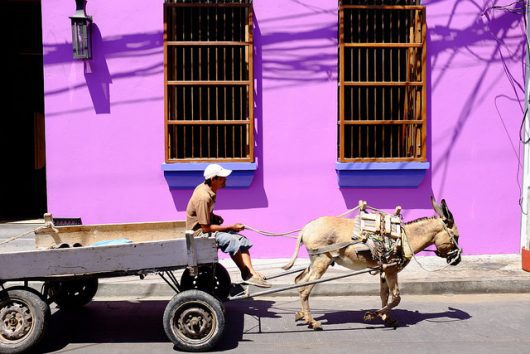
Foreign Aid to Colombia In November 2016, after four years of negotiations, the Colombian government reached a peace agreement with the Revolutionary Armed Forces of Colombia (FARC), a rebel narco-terrorist organization. As of July 2017, FARC rebels have turned over 7,000 weapons. The success of the Colombian peace process is partly due to U.S. foreign aid to Colombia. This assistance benefiting Colombia also helps the U.S.’s economy and national security.
The civil war between the Colombian government and FARC lasted more than five decades. 250,000 people died and 60,000 disappeared. FARC kidnapped American citizens and supplied nearly all the cocaine in the U.S.

To combat this, the United States has invested $10 billion since 2000 in Colombia through Plan Colombia, a bipartisan initiative to strengthen Colombia’s public institutions. President Obama updated America’s foreign policy in Colombia after the successful peace negotiations in 2016 by pledging an additional $450 million in foreign aid to Colombia through the new U.S. initiative Peace Colombia.

While Colombia is covering 90 percent of the peace accord implementation costs, the U.S. assistance is primarily targeted toward security, expanding Colombian state institutions into rebel areas and providing justice services for victims. Peace Colombia also enables USAID to work with the Colombian government, private sector and non-profits so that reintegrated FARC rebels and their families can find stable employment instead of reverting back to growing coca.

Although peace in Colombia is promising, issues persist. According to the United Nations, Colombian cocaine production and coca cultivation increased by 34 and 52 percent respectively in 2016. The upcoming 2018 elections in Colombia could also disrupt the peace process. Though President Trump reaffirmed the U.S. commitment to peace in Colombia in May, his administration requested to reduce foreign aid to Colombia for FY 2017 from $391 million to $250 million.

Nevertheless, progress has been achieved. Colombia is experiencing a steady decline in mortality and an increase in literacy. The country has the fastest growing economy in Latin America and is the leading U.S. ally in the region, becoming a major trading partner.

In testimony to the Senate Foreign Relations Subcommittee, Juan Sebastian Gonzalez, an Associate Vice President of The Cohen Group and former Special Advisor to Vice President Biden, stated that a secure and peaceful Colombia creates potential for U.S. businesses to invest and leads to a more secure U.S., especially in regards to drug trafficking.

On August 13, Vice President Pence, while visiting Colombia, said the U.S. will continue its partnership with Colombia because “…we’ve long recognized the importance of Colombian security and prosperity to our own.” Pence also complimented President Santos of Colombia, stating that “…Colombia represents the future of Latin America. It is a future of freedom, security, and prosperity. And America stands with you.”

– Sean Newhouse

Photo: Flickr

September 10, 2017
https://borgenproject.org/wp-content/uploads/borgen-project-logo.svg 0 0 Borgen Project https://borgenproject.org/wp-content/uploads/borgen-project-logo.svg Borgen Project2017-09-10 01:30:362024-05-28 00:16:13How Foreign Aid to Colombia Benefits the US
Global Poverty, Health

Mozambican Adaptation Project to Combat Climate Change

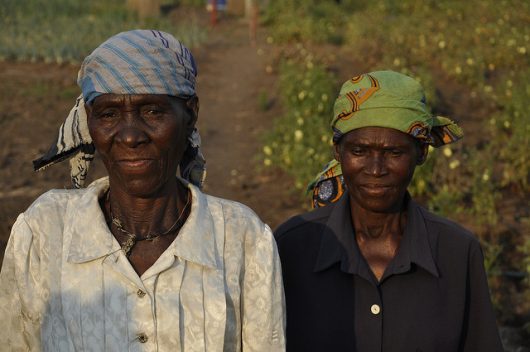
Mozambican Adaptation ProjectMozambique has seen the capabilities of climate change first-hand. Rainwater from northern watersheds often cause massive floods that destroys the property of 22 million Mozambicans living on the coast. Seasonal rains, cyclones and tropical storms also pose threats to inhabitants of the coastline. Heavy rains often disrupt the energy supply in Northern Mozambique. Cyclones bring strong winds, torrential rains, and storms that cause landslides, coastal and inland erosion.
As a result of climate change, rainfall becomes unpredictable, and extreme weather occurrences like drought that occur every three to four years become more frequent. Flooding and cyclones threaten the health and economic stability of many Mozambicans. In 2015, flooding affected 160,000 people, displaced 50,000 and killed 159 in central and northern Mozambique. Furthermore, the country suffered great economic damage to infrastructure, as flooding collapsed roads and bridges.

Mozambique’s mangrove forest in Bon Sinais River, Icidua, Quelimane has completely flattened out as locals use the trees for building and fuel, and the clear space for harvesting salt. Mangroves protect communities that have improperly built homes that are incapable of withstanding strong winds.

USAID funded the Mozambican adaptation project by equipping five municipalities: Pemba, Quelimane, Nacala, Mozambique Island and Mocimboa de Praia. Throughout the next few years, the Coastal City Adaptation Project (CCAP) will see more than 200,000 mangrove trees planted on 37 acres in Icidua, resulting in decreased erosion and flood prevention and an increase in fishing.

Pemba, Mozambique has witnessed the heaviest rainfall in 40 years destroy the homes of its community. The Mozambican adaptation project will commence dune restoration and a phone-based early warning system that allows communities to quickly learn about and prepare for disaster. This emergency response system will prevent flooding damages that have previously destroyed the homes and taken the lives of many.

If the Mozambican adaptation project cannot combat climate change, by 2075 semi-arid and arid areas can expect a 2-3 percent increase in solar radiation and a 9-13 percent increase in evapotranspiration. Mozambique will see an overall 2-9 percent decrease in precipitation and a 5-15 percent decrease in precipitation during the rainy season from November to May.

– Tiffany Santos

Photo: Flickr

September 6, 2017
https://borgenproject.org/wp-content/uploads/borgen-project-logo.svg 0 0 Kim Thelwell https://borgenproject.org/wp-content/uploads/borgen-project-logo.svg Kim Thelwell2017-09-06 07:30:512020-07-07 08:51:56Mozambican Adaptation Project to Combat Climate Change
Children, Education, Global Poverty, USAID

How USAID is Improving Girls’ Education in Pakistan

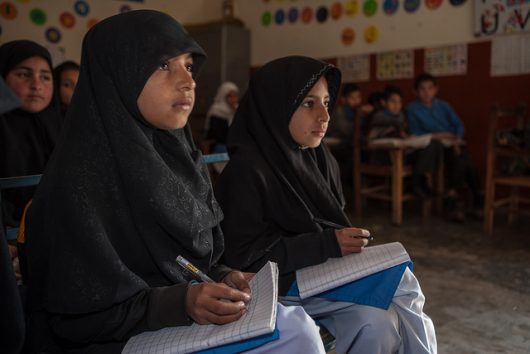
Girls' Education in PakistanWith an estimated 22.6 million children (aged 5 to 16) out of school, Pakistan is facing an education crisis. This education concern is disproportionately affecting girls, who make up two-thirds of out-of-school children. With so many girls not able to achieve more than an elementary education in Pakistan, USAID has made it a priority to improve girls’ education in Pakistan.
The challenge of child education in Pakistan stems from a variety of human rights issues, from the Taliban preventing girls from going to school to the practice of child marriage. Although these threats continue to diminish, they are still affecting girls’ education in Pakistan.

Only 54 percent of girls are enrolled in primary school, and this number drops to just 30 percent for secondary school. From there, it is estimated that only one in 10 will complete their secondary schooling, being pulled out of school for financial reasons or to be forced into marriage. These practices are typically concentrated in rural areas, but affect girls throughout Pakistan.

With secondary education difficult to access for many girls because they are subject to arranged marriages or financial pressures, USAID has started a program to focus on girls’ access to secondary education. So far, USAID has created 33 schools covering sixth through eighth grade for girls between 11 and 19. These schools will be set up in rural villages where there are often no existing secondary schools for girls.

USAID is also working to improve other dimensions of Pakistan’s education crisis. USAID has done so by building and repairing more than 1,135 schools since 2011, and by educating more than 660,000 primary-level students through its reading program. USAID has also committed over $70 million to implement its Empower Adolescent Girls strategy in order to help educate more than 200,000 young girls in Pakistan.

In addition to improving students’ access to education, USAID is investing in teachers by repairing and building the 17 Faculty of Education centers in Pakistan as well as by providing more than 3,100 scholarships for aspiring teachers to earn their education. USAID has also trained more than 25,000 teachers and school administrators since 2014.

When a child is educated, their livelihoods improve and they are given the tools necessary to be lifted from poverty. While there are still far too many children out-of-school in Pakistan, USAID is working tirelessly in order to give every child access to a complete education.

– Kelly Hayes

Photo: Flickr


Learn about the Protecting Girls’ Access to Education in Vulnerable Settings Act


September 6, 2017
https://borgenproject.org/wp-content/uploads/borgen-project-logo.svg 0 0 Kim Thelwell https://borgenproject.org/wp-content/uploads/borgen-project-logo.svg Kim Thelwell2017-09-06 07:30:092024-05-24 23:40:59How USAID is Improving Girls’ Education in Pakistan
Children

Efforts to Improve Maternal and Child Health in Haiti

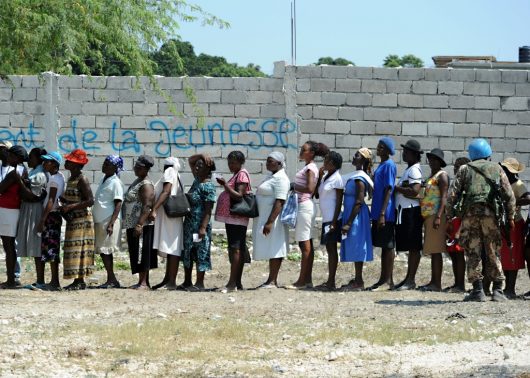
Maternal and Child Health in HaitiSince the earthquake that shook the small country of Haiti in 2010, minimal research has been done that concerns maternal and child health in Haiti. Haiti has the highest infant and maternal mortality rate in the western hemisphere, with the infant mortality rate at 48.2 per 1,000 lives births and the maternal mortality rate at 359 per 10,000 live births. Only 34.5 percent of women in Haiti use any form of contraceptive.
Crushing poverty, poor health infrastructure and frequent natural disasters are some of the causes of the poor situation for maternal and child health in Haiti. Many people are still displaced from the 2010 earthquake. Women have a one in 80 chance of dying due to pregnancy and childbirth, and about 50 percent of the population has no access to basic health services at all.

The first study conducted by the NIH after the earthquake that looked at maternal and child health in Haiti and includes opinions of Haitian women and healthcare workers (HCWs) was conducted in 2015. This study found that Haiti was staffed with only 2.8 HCWs per 1,000 inhabitants, and only 1.8 nurses and one physician per 10,000 inhabitants.

The study outlined six major strategies for improving maternal and child health in Haiti:

  1. Create a nurse-midwife program offering post-graduate certification for nurses.
  2. Develop and implement maternal and child health training that focuses on morbidity and mortality prevention and is specifically designed for lay birth attendants.
  3. Implement training for HCWs in obstetric and pediatric complications.
  4. Develop relationships between lay birth attendants and nurse-midwives to work collaboratively.
  5. Implement breastfeeding training programs for HCWs and mothers to increase exclusive breastfeeding to decrease infant diarrhea and malnutrition.
  6. Develop women’s health programs to prevent intimate partner violence and increase condom use to prevent HIV.

The U.N. Population Fund (UNFPA) has been working with the health ministry and other partners on improving these issues on the ground by supporting “smile clinics.” Smile clinics are maternity hospitals and clinics that provide basic but life-saving emergency obstetric and neonatal care. They are among the most active clinics in the country and also offer family planning services, programs to combat gender-based violence and HIV treatment services.

Haiti has seen a 43 percent decrease in maternal mortality since 1990, and infant mortality is falling by three percent annually, but there is still more to be done. Because only 10 percent of midwifery needs are currently being met, UNFPA supported the construction of a new earthquake-resistant National Midwifery School after the previous one was flattened.

UNICEF is another organization working to improve conditions for maternal and child health in Haiti. UNICEF opened a clinic in 2012 in Marigot, a rural area with little access to health services. In addition to Basic Emergency Obstetric Care (BEmOC), the clinic provides training for matrons, traditional Haitian birth attendants who usually do not have any training. Most matrons use traditional childbirth practices that are passed down through generations. Transportation to clinics can be very difficult, and Haitians often trust and prefer local matrons to professionally trained midwives. For this reason, the clinic in Marigot emphasizes training matrons in basic obstetric care.

USAID’s Maternal and Child Survival Program (MCSP) is another agency working to improve maternal and child health in Haiti. Beginning in April 2014, MCSP has been working in Haiti with Ending Preventable Child and Maternal Deaths (EPCMD) and Services de Sante de Qualite pour Haïti-Nord (SSQH-Nord) to provide technical assistance directly to the Ministry of Health in policies, guidelines and protocols in line with global standards.

In the project’s first year, it opened three National Training Centers with 19 staff trained as trainers in Maternal and Newborn Health skills standardization and high-impact interventions. MCSP also mapped and profiled 36 civil society organizations engaged in community health. The project will continue through September 2017.

With efforts such as these, maternal and child health in Haiti is sure to continue improving in the future.

– Phoebe Cohen

Photo: Google

September 2, 2017
https://borgenproject.org/wp-content/uploads/borgen-project-logo.svg 0 0 Borgen Project https://borgenproject.org/wp-content/uploads/borgen-project-logo.svg Borgen Project2017-09-02 07:30:532024-06-07 05:07:44Efforts to Improve Maternal and Child Health in Haiti
Disease, Health

Solutions for Common Diseases in Belarus

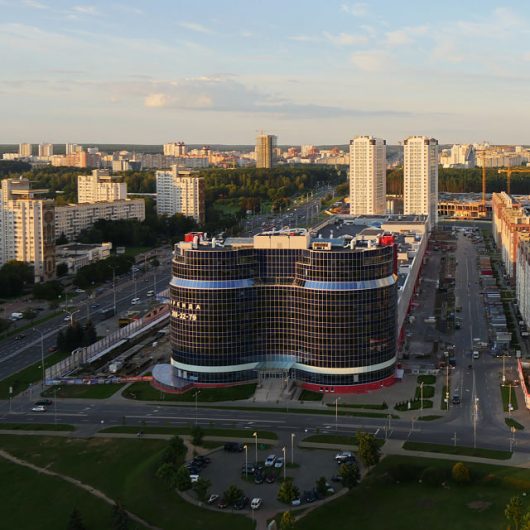
Common Diseases in BelarusBelarus is a small country located directly west of Russia. The country was a former member of the Soviet Union and is not a member of the European Union. Today, Belarus is undemocratically ruled by President Alexander Lukashenko and is heavily dependent on Russia.

The population of Belarus is 9.5 million, just smaller than the population of North Carolina. The life expectancy for men is 75 years, while the life expectancy for women is 83 years. As a result of common diseases in Belarus, however, the actual average ages at death for men and women are significantly lower than the life expectancy: 65 for men and 77 for women.

The top 10 causes of death in Belarus are noncommunicable diseases or injuries, which is common for a developed country. Cardiovascular diseases and cancer are by far the most common causes of death in Belarus. Cardiovascular diseases account for 61 percent of death, and cancer accounts for 14.7 percent.

The most common cause of death is ischemic heart disease. In 2013, ischemic heart disease killed about 653 people for every 100,000 people in Belarus. The mortality rate for ischemic heart disease in Belarus has increased 61 percent since 1990. The number of premature deaths caused by ischemic heart disease in Belarus is the highest of any Eastern European country.

While communicable diseases are not a main cause of death in Belarus, the country has an anomalous relationship with tuberculosis. According to the World Health Organization, Belarus had the highest recorded incidence of multi-drug resistant tuberculosis. Additionally, the mortality rate for tuberculosis has increased by 80 percent since 1990, and the mortality rate for HIV/AIDS has increased by 16336 percent since 1990.

The most common risk factors for disease in Belarus are mostly either behavioral or metabolic. Behavioral risk factors include poor diet, alcohol and drug use and tobacco smoke. Metabolic risk factors include high blood pressure, high cholesterol and high body mass index (BMI). The highest environmental risk is air pollution.The three most common risk factors for cardiovascular disease in Belarus are poor diet, high blood pressure and high cholesterol.

Smoking is at least partially responsible for 30 percent of cancer cases in Belarus, making smoking the most common cause of cancer. Additionally, the radiation from the Chernobyl accident in neighboring Ukraine in 1986 has resulted in a dramatic increase in the incidence of thyroid cancer. The incidence of thyroid cancer was very prevalent among children and teenagers living in the most affected areas.

The government of Belarus is actively trying to alleviate these causes of death. In fact, Ministry of Health has worked out a national program devoted to the prevention of noncommunicable diseases. This program, titled “Health of the Nation and the demographic security of the Republic of Belarus” will take a cross-sectoral approach to strengthening population health, reducing premature death and reducing disability attributed to noncommunicable diseases.

Furthermore, the government has pledged thirty percent of Belarus’s healthcare budget to fighting cancer. Regarding tuberculosis, the United States Agency for International Development (USAID) provided support to Belarus that gave them the resources to revise national tuberculosis guidelines and policies.

While the statistics surrounding common diseases in Belarus and their mortality rates are concerning, there are still positives. Lifestyle changes can easily reduce most risk factors for common diseases in Belarus. The government is investing in healthcare and receiving support from USAID. Belarus will hopefully continue to see positive trends in the prevention and reduction of common diseases.

– Christiana Lano

Photo: Flickr

August 29, 2017
https://borgenproject.org/wp-content/uploads/borgen-project-logo.svg 0 0 Borgen Project https://borgenproject.org/wp-content/uploads/borgen-project-logo.svg Borgen Project2017-08-29 07:30:562024-06-05 04:37:57Solutions for Common Diseases in Belarus
Page 68 of 92«‹6667686970›»

Get Smarter

  • Global Poverty 101
  • Global Poverty… The Good News
  • Global Poverty & U.S. Jobs
  • Global Poverty and National Security
  • Innovative Solutions to Poverty
  • Global Poverty & Aid FAQ’s
Search Search

Take Action

  • Call Congress
  • Email Congress
  • Donate
  • 30 Ways to Help
  • Volunteer Ops
  • Internships
  • Courses & Certificates
  • The Podcast
Borgen Project

“The Borgen Project is an incredible nonprofit organization that is addressing poverty and hunger and working towards ending them.”

-The Huffington Post

Inside The Borgen Project

  • Contact
  • About
  • Financials
  • President
  • Board of Directors
  • Board of Advisors

International Links

  • UK Email Parliament
  • UK Donate
  • Canada Email Parliament

Get Smarter

  • Global Poverty 101
  • Global Poverty… The Good News
  • Global Poverty & U.S. Jobs
  • Global Poverty and National Security
  • Innovative Solutions to Poverty
  • Global Poverty & Aid FAQ’s

Ways to Help

  • Call Congress
  • Email Congress
  • Donate
  • 30 Ways to Help
  • Volunteer Ops
  • Internships
  • Courses & Certificates
  • The Podcast
Scroll to top Scroll to top Scroll to top
