• Link to X
  • Link to Facebook
  • Link to Instagram
  • Link to TikTok
  • Link to Youtube
  • About
    • About Us
      • President
      • Board of Directors
      • Board of Advisors
      • Financials
      • Our Methodology
      • Success Tracker
      • Contact
  • Act Now
    • 30 Ways to Help
      • Email Congress
      • Call Congress
      • Volunteer
      • Courses & Certificates
      • Be a Donor
    • Internships
      • In-Office Internships
      • Remote Internships
    • Legislation
      • Politics 101
  • The Blog
  • The Podcast
  • Magazine
  • Donate
  • Click to open the search input field Click to open the search input field Search
  • Menu Menu

Tag Archive for: United Nations

Posts

Development, Foreign Aid, United Nations

Foreign Aid Successes and the Millennium Development Goals

foreign_aid_successes
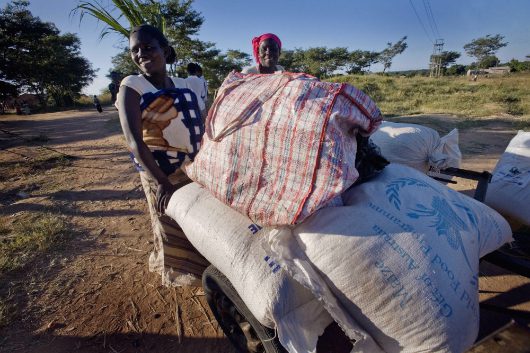
Tracking foreign aid successes is essential to understanding how state actions affect the world’s poorest places, as well as dispelling myths about the ineffectiveness of aid. Aid works, and there have been dramatic improvements in education, health and the basic quality of life in the developing world because of it.

The Millennium Development Goals (MDGs) were established and adopted by all members of the United Nations in 2000. Some of these goals include reducing child mortality, combating HIV/AIDS rates and severely curbing extreme poverty by 2015. While not all of these goals have been met, there has been remarkable progress in others. Tracking progress toward these goals thus far can help fill in knowledge gaps about which aspects of global poverty need to be addressed the most.

For example, the rate of extreme poverty since 2000 has been cut in half (extreme poverty being defined as living on less than $1.25 per day). In about a decade, nearly half a billion people were pulled out of extreme poverty, especially in China and India. Poverty rates in Africa are also expected to fall below 40% this year. A Brookings Institute report estimates that this halving of extreme poverty rates took place as early as 2008, a full seven years before the deadline, and continued despite the global recession.

Foreign aid has also had a huge impact on global health. Another one of the MDGs was to reduce under-five child mortality by two-thirds by 2015. This goal was met in Rwanda, a country which only two decades ago was engulfed in a violent civil war; additionally, child mortality was reduced by one- to two-thirds in the last decade in some of the top U.S. aid recipients, such as Ethiopia. Globally, this amounts to a 10% reduction in infant mortality between 2005 and 2013.

Another oft-overlooked example of foreign aid successes are the health services and products that the United States Agency for International Development (USAID) provides to millions of people in the developing world. These products and services, among other things, have led to a total eradication of smallpox. One specific example of the effectiveness of USAID health programs is that U.S. foreign aid saves 3 million lives annually in the developing world through immunizations. USAID was also instrumental in providing 1.3 billion people with safe drinking water, and 750 million others with sanitation by supporting the United Nations Drinking Water Supply and Sanitation Decade.

Millennium Development Goal 6 calls to combat HIV/AIDS and other diseases. The U.S. leads the way in HIV/AIDS treatment and prevention, having established the U.S. President’s Emergency Plan for AIDS Relief (PEPFAR). Since its inception, this program has, according to the National Academies Institute of Medicine, saved millions of lives by providing antiretroviral drugs to affected regions. Additionally, the program has served as a proof-of-concept that HIV/AIDS prevention and treatment services can be effectively implemented on a large scale, something that was thought to be impossible only a few decades ago.

USAID has also helped affect change in education in the developing world. Since 1950, the rate of enrollment for children in primary school has gone from less than half to about 90% globally. Consequently, literacy rates have increased by a third in the last 25 years. Two of the Millennium Development Goals were to achieve universal primary education as well as promote gender equality. USAID is pursuing these two goals by promoting robust programs that expand access to education for women in countries like Liberia and Mali.

There are many reasons to be optimistic about the efficacy of foreign aid. Aid programs should be subject to scrutiny and review so that they may be made more efficient and target the populations that most need them. However, it is also important to take into account the many foreign aid successes that USAID and other donors have had in the developing world. Acknowledging that aid works is the first step in achieving the Millennium Development Goals.

– Derek Marion

Sources: Washington Post, Brookings Institute USAID, World Bank Foreign Affairs, IOM
Photo: International Institute for Sustainable Development
July 6, 2015
https://borgenproject.org/wp-content/uploads/borgen-project-logo.svg 0 0 Borgen Project https://borgenproject.org/wp-content/uploads/borgen-project-logo.svg Borgen Project2015-07-06 06:15:342024-12-13 17:51:39Foreign Aid Successes and the Millennium Development Goals
Global Poverty, United Nations

United Nations Reduces Global Poverty

United-Nations-Reduces-Global-PovertyEradicating global poverty is an undeniably massive and difficult task. From lack of food and shelter to ineffective medications and governments, it seems almost entirely impossible for an ordinary person to provide any help for developing countries with such circumstances. Bring in a group of ordinary people, however, and a solution is attainable.

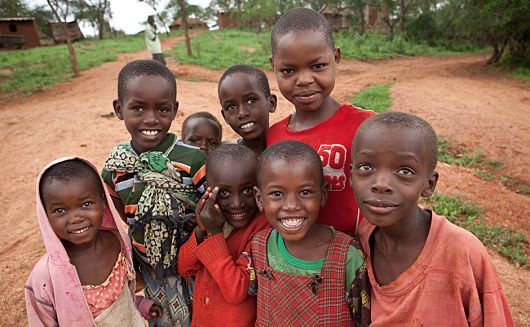
The United Nations set a goal to reduce global poverty and did – overwhelmingly so. In 2000, 191 countries of the U.N. created the Millennium Development Goals, a set of eight goals that sought to cut extreme poverty in half by 2015.

Since then, the Goals have helped 700 million people overcome extreme poverty. From 1990 to 2010, the efforts of the U.N. reduced global poverty by half, five years before the target date. Today, the amount of undernourished people in developing countries has decreased from 23 percent in 1990-92 to 14 percent.

Furthermore, the U.N. wanted to see universal primary education. By 2010, enrollment in primary school had reached 90 percent, an eight percent increase from 1999. By 2012, the number of children not attending school had declined by two million.

Such successes have been achieved not only through foreign aid but also through several programs that teach impoverished communities to lead sustainable lives.

This September, the U.N. will meet again to develop new goals and advance old ones for international development through 2030. The global goals, called the Sustainable Development Goals​, are shaped to end extreme global poverty, fight gender inequalities and address climate change. One objective for the next 15 years is to lift another 1.2 billion people out of poverty.

Additionally, the new set of goals will address the 842 million people that remain hungry, as well as the unfortunately high number of children that are not receiving a proper education. Though the number of children in school today is at its highest, 126 million youth between the ages of 15 and 24 remain illiterate.

Unquestionably, the U.N. has made a significantly positive difference in the reduction of global poverty since 1990, having met or exceeded several criteria from the Millennium Development Goals. However, the fight against global poverty is not over, and the U.N. will continue to fight until it is completely eradicated.

– Sarah Sheppard

Sources: UN MDGs, SF Chronicle, The Global Goals
Photo: Child Fund

July 2, 2015
https://borgenproject.org/wp-content/uploads/borgen-project-logo.svg 0 0 Borgen Project https://borgenproject.org/wp-content/uploads/borgen-project-logo.svg Borgen Project2015-07-02 15:47:182024-05-25 00:19:03United Nations Reduces Global Poverty
Violence Against Women, Women

Violence against Women in Bangladesh

women_in_bangladesh

Bangladesh is a small South Asian country which borders India, Myanmar, and the Bay of Bengal. Since it gained independence in 1971, Bangladesh’s economy has been growing about 6% annually. However, while the economy in Bangladesh is becoming more progressive, socially, Bangladesh still has room for advancement. Patriarchal customs mean that many women in Bangladesh face threats of violence.

Some main acts of violence committed against women include dowry killings, rape, sexual harassment and stalking, acid attacks, physical and mental abuse and sex trafficking. Nearly two out of every three women in Bangladesh are victims of some form of violence.

Gender based violence is on the rise. In 2004, there were 2,981 cases of dowry related violence; women are beaten or killed because their parents fail to pay the dowry that her in-laws request. This number rose to 4,563 cases in 2012.

Gender discrimination also leads to women having less opportunities. The literacy rate for women in Bangladesh is only 43.2%, while 61.0% of Bangladeshi men are literate. The unemployment rate for women is 70.7%, much higher than the 12.4% unemployment rate for men. Even though many women help in the agricultural sector, 73% of those women contribute what is considered as unpaid ‘family labor’ and do not receive a salary. This is problematic because even if women work for their family, patriarchal values dictate that many of the women are not given control of the property or the family income, and therefore the women are not able to spend the money they earn as they see fit.

Many women in Bangladesh fail to report violence committed against them because there persists a stigma surrounding rape, abuse, and domestic violence in the country. The police are also likely to blame the victim and favor the side of the abuser. From 2010 to 2012, the Bangladeshi police received 109,621 complaints about violence against women. However, the police determined that only 6,875 of these complaints were ‘genuine’ and should be further investigated. The inspector-general of police, who is responsible for investigating crimes involving violence against women, told the Inter Press Service news agency that “On many occasions . . . the law was used to harass the accused. It does seem that not all complaints are genuine”.

The stigma surrounding violence against women means that many women do not get the justice they deserve. In 2011, there were 420 recorded cases of rape in Bangladesh, and only 286 reached the prosecution stage.

Luckily, there are laws and programs being implemented to help reduce the amount of gender based violence that is taking place in Bangladesh. A joint program with the UN has instituted a three-tier strategy to help reduce this violence. The first part of the UN’s program is designed to enhance the capacities of the government and to support NGO’s in order to help prevent violence against women and protect victims. The program also aims to protect survivors of violence and to change social attitudes, which lead to much gender based violence.

Some important achievements of the UN’s program have been increased access to healthcare for women, a decrease in the rate of child-marriages and dowry-killings and more awareness about the lesser-known forms of gender based violence, such as sexual harassment in the workplace.

There are also specific laws which have been instituted by the Bangladeshi government in an effort to prevent violence against women. Some of these laws include the 2010 Domestic Violence Act and the 2000 Suppression of Violence against Women and Children Act.

The 2010 Domestic Violence Act criminalizes domestic violence. This was a landmark act because many Bangladeshi women face cruelty by their husbands. A 2007 report stated that 53% of married women in Bangladesh were physically and/or sexually abused by their husbands. If the court deems that domestic violence is likely to occur, it can either relocate the victim to a shelter or evict the perpetrator of the violence.

The Suppression of Violence against Women and Children act was passed in 2000 and makes clear that there will be harsh punishment for those convicted for committing violent crimes. The law targets rape, trafficking, and kidnapping.

Though legislation is an important step toward ending violence against women in Bangladesh, in order for significant change to occur, societal attitudes must change in order to end the stigma and victim-blaming that women face when they report violence carried out against them.

– Ashrita Rau

Sources: MDG Achievement Fund, IPS News Odhikar, Department of Women’s Affairs, Bangladesh UN, CIA CIA World Factbook, OHCHR
Photo: Women Deliver

June 29, 2015
https://borgenproject.org/wp-content/uploads/borgen-project-logo.svg 0 0 Borgen Project https://borgenproject.org/wp-content/uploads/borgen-project-logo.svg Borgen Project2015-06-29 12:14:522024-06-04 01:08:11Violence against Women in Bangladesh
Global Poverty, Politics and Political Attention, United Nations

US Congressman Calls for Cuts to United Nations Funding

United Nations Funding
Earlier this month, U.S. Representative Matt Salmon of Arizona introduced a bill to prohibit any government agency from contributing to the United Nations Population Fund (UNFPA) on the grounds that the organization isn’t in line with America’s policy agenda.

The bill, H.R. 2678, is the fourth bill introduced by Salmon as a part of his “Shrink Our Spending Initiative,” a budget plan to cut what Salmon has deemed “wasteful taxpayer-funded programs.” It is also the second bill of its kind to go before Congress in the last 5 years.

“Taxpayers shouldn’t be forced to fund activities that aren’t in line with our national priorities,” said Salmon, calling the UNFPA a “pro-abortion organization,” according to a SonoranNews.com report.

But according to the United Nations Population Fund FAQ page, the UNFPA does not promote abortion as a method of family planning. Rather, it works to promote family planning measures such as the use of condoms and female birth control. However, the organization does work to address the impact of abortions on women’s health, and to assure that in nations where abortions are legal, it is safe and accessible.


Learn why the military is requesting that Congress better fund efforts to combat extreme poverty.


The UNFPA operates as a subsidiary of the United Nations General Assembly to address population and development issues. Started in 1969, the United Nations Population Fund now operates in 150 countries, and has been instrumental in reducing the complications of pregnancy and childbirth in developing nations.

Sexual and reproductive health problems are the leading cause of death and disability for women in developing nations, and according to the UNFPA, some 225 million women lack access to family planning measures.

The goal of the United Nations Population Fund is to assure that all women have access to safe and effective family planning measures and safe deliveries and to make sure that every pregnancy is wanted.

In 2013, the United States was among the top 10 core donors to the United Nations Population Fund, contributing nearly three percent of the UNFPA’s total contributions for the year. If H.R. 2678 passes, it will eliminate all government contributions to that total.

The bill regarding United Nations funding was first introduced on June 4, 2015, and has been referred to the House Committee on Foreign affairs. According to a Huffington Post report, the Committee has already approved a $150 million cut to family planning and reproductive health programs. Such program cuts may jeopardize the health of an estimated 225 million women in developing countries who lack access to safe family planning, according to the Huffington Post.

– Gina Lecher

Sources: UNFPA, Congress.gov, Sonoran News, Huffington Post
Photo: Hill Heat

June 29, 2015
https://borgenproject.org/wp-content/uploads/borgen-project-logo.svg 0 0 Borgen Project https://borgenproject.org/wp-content/uploads/borgen-project-logo.svg Borgen Project2015-06-29 08:32:532020-07-14 18:27:40US Congressman Calls for Cuts to United Nations Funding
Children, Disease, Global Poverty, Hunger

Global Hunger: Five Things to Know

global_hunger
While hunger has always been a ubiquitous concern among humanitarian and developmental organizations, it is often misunderstood. Here are five things to keep in mind when considering a problem affecting millions around the world:

1. Hunger is widespread.
The United Nations estimates there are 795 million hungry people today, mainly rural people in developing nations. Although hunger is a global problem, it is concentrated primarily in Asia and sub-Saharan Africa. India has the most hungry people: 194.6 million, which is roughly 24 times the population of New York City.

2. It affects children the most.
Hunger is the leading cause of death for children under five. That is about 3.1 million deaths per year, according to the World Food Programme (WFP). Hunger also causes physical and cognitive stunting; a fourth of children worldwide suffer from this condition. Without proper nutrition, children cannot develop strong bodies and minds. The first 1,000 days of a child’s life are especially important.

3. It’s caused by poverty and waste.
A common misconception is that hunger is caused by global food scarcity or overpopulation. In fact, a third of the food the world produces goes to waste every year. Poverty and the unequal distribution of resources are actually the leading causes of hunger. It is often made worse by disasters, both natural and man-made.

4. It weakens the immune system and helps disease spread.
A proper diet is essential to a functioning immune system. Nutritionally deficient people are more likely to become infected with disease, more likely to suffer worse symptoms and less likely to recover. The World Health Programme estimates that iron deficiency is the most widespread nutritional concern, affecting almost two billion people. Vitamin A deficiency is also a cause for concern, especially among children and pregnant women.

5. It can be solved during our lifetime.
José Graziano da Silva, director-general of the Food and Agriculture Organization, recently called on the world to become the “Zero Hunger generation.” Hunger is a problem that can be solved and organizations around the world have made great progress to date. The WFP calls this effort a “best buy” because it can be very cost-efficient. For example, a child only needs 25 cents per day to receive the essential nutrients and vitamins, according to the WFP. That’s why the United Nations made global hunger a top priority in its Millennium Development Goals. That effort was a success; according to a recent report, 72 of 129 nations monitored by the United Nations met their goal by 2015. But the work continues.

– Kevin McLaughlin

Sources: U.N. Food and Agricultural Organization, UNICEF, World Food Programme, World Health Organization
Photo: Humanosphere

June 27, 2015
https://borgenproject.org/wp-content/uploads/borgen-project-logo.svg 0 0 Borgen Project https://borgenproject.org/wp-content/uploads/borgen-project-logo.svg Borgen Project2015-06-27 09:30:522024-12-13 17:49:34Global Hunger: Five Things to Know
Foreign Aid, Global Poverty, United Nations, USAID

What is International Aid & Why Should We Care?

What is International Aid
What is International Aid? International aid is any form of needed assistance by one country, or multilateral institution, to another.

Aid is most commonly provided as official developmental assistance (ODA), which targets poverty reduction and the promotion of public welfare and economic development. The World Food Programme and the United Nations are examples of international organizations that provide significant amounts of aid to developing countries.

Investing in foreign aid is a just cause. The leading U.S. Government agency, USAID, alone saves more than 3 million lives each year through immunization programs. Over 850,000 people are educated about HIV prevention annually through USAID, and 40,000 have been trained to protect their countries for the long-term. Other forms of lasting education strategies include USAID’s population program, which serves more than 50 million couples worldwide, and USAID land cultivation training in Honduras that helps 21,000 families to practice subsistence farming and has reduced soil erosion by 70,000 tons.

Foreign aid is not just giving away money and resources; it means making a concerted attempt to restructure sectors in need of improvement. USAID invested $15 million in technical assistance for developing countries’ energy sectors, which created a $50 billion annual market for private power.

With all this good, would it surprise you that U.S. foreign assistance uses less than 1% of the total federal budget?

Less than 1% of the U.S. total federal budget values to about $50 billion. In comparison, the U.S. military defense budget totals to about $663 billion. To put this in per capita terms, The Guardian calculated that the U.S. spends $73 per person on aid and $1,763 per person on defense.

In 1970, The U.S. joined the ranks of many other wealthy nations with plans to give 0.7% of their gross national income as ODA. Of the twenty-three players, only five succeeded in 2011,and the U.S. was not one of them.

The U.S. gave 0.2% of their net ODA.

But why is this even a problem?

Other countries with fewer capabilities are doing more than their part while the U.S. is falling short. Public perception plays a huge role in how the budget is made and, subsequently, the degree of U.S. involvement in global aid. Americans, on average, estimated 28% of the federal budget is spent on foreign aid. Four in ten Americans also believe aid is given remotely, allowing the recipient to use it as they see fit. As a result, few people vote for budget increases.

In actuality, most U.S. foreign aid is issued to a specific issue and program with clear endpoints.

Most commonly, Americans believe foreign aid to be a waste of resources. Who does the money help and in what ways? In fact, it helps both the recipient and donor.

International aid strengthens national security, garners international support and establishes diplomatic ties between the donor and recipient countries.

Today, the donor-consumer relationship is far more influential than ever because developing countries and economies are in transition. Africa’s net growth momentum, for example, is expected to continue to rise with GDP growth increasing from 4.6% in 2015 to 4.9% in 2016. Home to five of the world’s twelve fastest growing economies, the supercontinent hosts a growing middle class and large youth population. While Africa’s political and economic history promises a challenge, its potential is enormous.

– Lin Sabones

Sources: Encyclopaedia Britannica, UN, The Guardian, OECD, USAID, CNBC
Photo: Flickr

June 15, 2015
https://borgenproject.org/wp-content/uploads/borgen-project-logo.svg 0 0 Borgen Project https://borgenproject.org/wp-content/uploads/borgen-project-logo.svg Borgen Project2015-06-15 08:33:402024-05-30 22:22:56What is International Aid & Why Should We Care?
Global Poverty

Poverty in Beijing

In the goal to reduce global poverty, the United Nations implemented Millennium Development Goals. China was included on the list of countries that was in need of these goals because it lacked the proper support for those that were impoverished in the country. China has done remarkably well in achieving these goals. Most of the goals were reached a whole five years before the 2015 deadline. However, there have been some new developments in the country that are leading to more poverty.

A great amount of rural-urban migrants began to move from rural areas to urban areas. This is a result of the implementation of the agricultural responsibility system which, on one hand, greatly improved agricultural efficiency, but, on the other hand, led to a large amount of farmers to not be needed, as they were now redundant. Even though some towns and villages took some of these farmers in in order to give them work, the majority still needed a job.

The increase of construction jobs, factory jobs and various urban services made urban life all that more enticing for the farmers. However, the fast growth of the floating population in Beijing has resulted in growing unemployment and the spread of unstable, temporary and insecure jobs. This is the root of poverty in Beijing.

The jobs available for those floating in between rural and urban life are described as the following:

  • High labor intensity, low income but formal jobs
  • Stable, contracting but temporary jobs
  • Unstable, temporary and insecure jobs
  • Jobs as either employee or employer in own small firms

The lack of quality job opportunity leaves Beijing with a bigger population and no real foundation to support this increase in population, leading to poverty. Those who migrate toward the city to find a job are given jobs that can barely keep them afloat. This is the main cause of poverty in Beijing.

– Erik Nelson

Sources: Beijing Review, Paper
Photo: Flickr

April 24, 2015
https://borgenproject.org/wp-content/uploads/borgen-project-logo.svg 0 0 Borgen Project https://borgenproject.org/wp-content/uploads/borgen-project-logo.svg Borgen Project2015-04-24 04:00:562024-05-27 09:23:47Poverty in Beijing
Global Poverty

Malnutrition in Vanuatu

Despite progress in nutrition and food security, Vanuatu’s recent cyclone has caused a major set-back for the nation’s efforts in reducing malnutrition and food insecurity.

As a result of the storm, an estimated 13,000 homes were destroyed and people’s lives were affected. The storm caused increased food and water shortages, as well as destroyed agricultural lands that sustained the area’s population. It has also driven a large portion of the population into poverty.

Following the destruction of Cyclone Pam, malnutrition among its citizens, especially children and babies, have increased. According to UNICEF, an estimated 90 percent of food gardens in the affected parts of the country have been destroyed as a result of the cyclone, consequently creating a large-scale food shortage among the nation’s farming communities.

With a majority of its crops wiped out and shelters destroyed, Vanuatu is experiencing an increase in hunger and poverty. The United Nations warned that lasting food insecurity is a consequence of the cyclone wiping out over 90 percent of the nation’s crops. Currently, there is an estimated 250,000 people who live in Vanuatu. Located in the southwest Pacific Ocean, the nation spreads across more than 60 islands. The U.N. said the population, who relies significantly on agriculture, is now short on food, and farmers are short on income. With no income coming in, the livelihoods of many in Vanuatu are threatened.

The cyclone not only affected the farmers who rely on crops as a source of nutrition, but also the water systems needed to ensure crop growth. Lack of clean water as a result of contaminated tanks and wells from the cyclone is a cause for concern. Vanuatu’s population is reliant on agricultural production, with 80 percent of the people utilizing crops as sustainability. By having a large percentage of the crops wiped out, the country is in need of replantation and water. Resorting water systems and replanting lost crops is a step toward improving malnutrition and food insecurity in Vanuatu.

Aside from recent events, there are several other factors that influence food insecurity and malnutrition in Vanuatu. Although rural parts of the country primarily rely on a subsistence way of life, Vanuatu has transitioned from consuming traditional food to imported food such as rice, milk and bread. The traditional food in Vanuatu consists of yams, taro and fruits including plantains and breadfruit. Due in part to the transition to imported foods, agriculture production and sustainability in Vanuatu has been affected.

Additionally, malnutrition and stunted growth is more prevalent among children living in Vanuatu. Children, especially babies, are more susceptible to the sudden food insecurity. There is a visible threat that children, especially under 2 years old, can slip into acute malnutrition. According to FAO, malnutrition in Vanuatu has decreased over the years; however, it’s been brought to attention that children who are 2 years old or less have a greater risk of stunted growth.

The good news is that government-led emergency relief systems are ensuring that victims are provided with food, water and shelter. Furthermore, foreign aid also goes toward helping combat malnutrition, hunger and poverty in the country. As Vanuatu recovers from the cyclone and rebuilds itself, it will once again see progress.

– Nada Sewidan

Sources: FAO, Pacific Islands Report, Reuters, The Sydney Morning Herald, The World Bank
Photo: Flickr

April 21, 2015
https://borgenproject.org/wp-content/uploads/borgen-project-logo.svg 0 0 Borgen Project https://borgenproject.org/wp-content/uploads/borgen-project-logo.svg Borgen Project2015-04-21 04:00:312024-05-27 09:23:46Malnutrition in Vanuatu
Global Poverty, United Nations

Namibia as a Successful Peace Operation

NamibiaWhile there have been numerous peace operations, the United Nations peacebuilding mission in Namibia is regarded as one of the United Nation’s most prominent successes. Peace operations were not originally mentioned in the 1945 U.N. Charter, however the modern condition of warfare has allowed for flexibility in international law, norms, and actors. The extension of the definition of “threats to peace and international security” has broadened over time, as evidenced by legal positivism and treaties such as the Responsibility to Protect and the Universal Declaration of Human Rights.

It has been argued the Security Council embraced an innovative character throughout the late 1980’s and early 1990’s.  A large contribution to this was the extension of “threats to peace” after the Cold War to include widespread violations of international humanitarian law and the massive flow of refugees. Since the 1990’s, the Security Council has acted past its authorized powers by means of flexible interpretation of the charter, but mostly expressed consent.There have been numerous peace operations, specifically during after the 1990’s, and many of these operations have taken place in civil war conflict areas. While there are various debates on the efficacy of peace operations, the mission is Namibia provides a case of a successful and sustainable peace.

Namibia is a country that was colonized by the Germans until a defeat by South Africa in 1915. South Africa ruled colonized Namibia until the Security Council confirmed the illegality of South Africa’s presence in the Territory in 1970, and later declared the necessity to hold free elections in Namibia as to ameliorate the oppressive presence of the South African Administration on the Namibian peoples. The United Nations adopted Resolution 435 in 1978 for U.N. supervision over Namibia’s independence, the mission was titled United Nations Transition Assistance Group, also referred to as UNTAG.According to the U.N. Mandate, the mission aimed to “Assist the Special Representative of the Secretary-General to ensure the early independence of Namibia through free and fair elections under the supervision and control of the United Nations. UNTAG was also to help the Special Representative to ensure that: “All hostile acts were ended; troops were confined to base, and, in the case of the South Africans, ultimately withdrawn from Namibia; all discriminatory laws were repealed, political prisoners were released, Namibian refugees were permitted to return, intimidation of any kind was prevented, law and order were impartially maintained.”

UNTAG proved to be different from previous peace operations, for its goals were focused on political rather than military goals. The success of the mission in Namibia had many ingredients. Not only was the timing appropriate due to the regional desire for peace, but UNTAG involved a great deal of civilian involvement. This is a critical component, for civilian input is invaluable when a society is being constructed into a democratic entity. Since the United Nations had been involved in Namibia for a substantial amount of time, the personnel and senior offices were very familiar with the situation. This is significant, for outside parties need dense insight into the conflict of which they are intervening. The wide mandate of the UN, combined with the sense of legitimacy by the Namibian people was necessary for the lasting peace in the region. Namibia gained independence in March 1990 and joined the United Nations as an independent country in April 1990.

– Neti Gupta

Sources: Taylor & Francis Online, University of Colorado, United Nations 1, United Nations 2

Photo: Fotolibra

April 4, 2015
https://borgenproject.org/wp-content/uploads/borgen-project-logo.svg 0 0 Borgen Project https://borgenproject.org/wp-content/uploads/borgen-project-logo.svg Borgen Project2015-04-04 04:00:422024-06-05 01:58:26Namibia as a Successful Peace Operation
Global Poverty, Sanitation, Water

Obstacles in Water and Sanitation Goals

water_and_sanitation
Currently, approximately 2.5 billion people around the world do not have access to basic sanitation services, according to the World Health Organization (WHO).

On November 19, the UN released a report highlighting the gaps in water and sanitation progress. “Water and sanitation are essential to human health. Political commitment to ensure universal access to these vital services is at an all-time high,” said WHO Director of the Department of Public Health and the Environment, Dr Maria Neira. “International aid for the sector is on the rise. But we continue to see major financial gaps at the country level, particularly in rural areas.”

Ninety-four countries were surveyed in the UN-Water Global Analysis and Assessment of Sanitation and Drinking-Water report. Data revealed that over 80 percent of these countries have enacted national policies for drinking-water and sanitation, with over 75 percent enacting policies for hygiene as well. The report also recognized that international aid for improved water and sanitation conditions is increasing. Aid rose from $8.3 billion to $10.9 billion between 2010 and 2012- an increase of 30 percent. Most recent increases in international aid have been the result of strives toward the Millennium Development Goals.

However, WHO points out the major gaps in the MDGs. Approximately 748 million people lack access to clean drinking water sources while a billion people have no sanitary system in place and are forced to practice open defecation.

Still today, hundreds of millions of people lack clean water and soap to wash their hands. This leads to transmission of diarrhoeal disease which is the second largest killer of children under five. Lack of clean water can cause many other water-borne diseases as well, including cholera, typhoid and hepatitis while poor sanitation can cause debilitating diseases like blinding trachoma, intestinal worms and schistosomiasis.

WHO reports that the key obstacles which inhibit progress to water and sanitation development include insufficient funding and weak national capabilities to carry out water, sanitation and hygiene (WASH) initiatives. While statistics show that international aid is increasing, 80 percent of countries have declared that their current financial resources are too low to meet WASH targets.

The funding gap is even more extreme in rural areas which represent the majority of people in need of sanitation and water systems. According to the new report, less than 10 percent of WASH financing goes to improvement in rural areas. Additionally, the report cites challenges in implementing WASH programs in national institutions like schools and health facilities. Fewer than 30 percent of surveyed countries have institutional WASH plans that are being fully carried out, funded and reviewed.

Despite these obstacles to WASH and Millennium Development Goals, many are still hopeful that countries will get back on track to achieving their targets.

“Now is the time to act,” says Michel Jarraud, Chair of UN-Water and Secretary-General of the World Meteorological Organization. “We may not know yet what the post-2015 sustainable development agenda will look like. But we do know that water and sanitation must be clear priorities if we are to create a future that allows everyone to live healthy, prosperous and dignified lives.”

 – Meagan Douches

Sources: UN, UNHCR, WHO
Photo: U.S. Chamber Foundation

December 9, 2014
https://borgenproject.org/wp-content/uploads/borgen-project-logo.svg 0 0 Borgen Project https://borgenproject.org/wp-content/uploads/borgen-project-logo.svg Borgen Project2014-12-09 12:00:062024-06-05 01:58:19Obstacles in Water and Sanitation Goals
Page 34 of 44«‹3233343536›»

Get Smarter

  • Global Poverty 101
  • Global Poverty… The Good News
  • Global Poverty & U.S. Jobs
  • Global Poverty and National Security
  • Innovative Solutions to Poverty
  • Global Poverty & Aid FAQ’s
Search Search

Take Action

  • Call Congress
  • Email Congress
  • Donate
  • 30 Ways to Help
  • Volunteer Ops
  • Internships
  • Courses & Certificates
  • The Podcast
Borgen Project

“The Borgen Project is an incredible nonprofit organization that is addressing poverty and hunger and working towards ending them.”

-The Huffington Post

Inside The Borgen Project

  • Contact
  • About
  • Financials
  • President
  • Board of Directors
  • Board of Advisors

International Links

  • UK Email Parliament
  • UK Donate
  • Canada Email Parliament

Get Smarter

  • Global Poverty 101
  • Global Poverty… The Good News
  • Global Poverty & U.S. Jobs
  • Global Poverty and National Security
  • Innovative Solutions to Poverty
  • Global Poverty & Aid FAQ’s

Ways to Help

  • Call Congress
  • Email Congress
  • Donate
  • 30 Ways to Help
  • Volunteer Ops
  • Internships
  • Courses & Certificates
  • The Podcast
Scroll to top Scroll to top Scroll to top