• Link to X
  • Link to Facebook
  • Link to Instagram
  • Link to TikTok
  • Link to Youtube
  • About
    • About Us
      • President
      • Board of Directors
      • Board of Advisors
      • Financials
      • Our Methodology
      • Success Tracker
      • Contact
  • Act Now
    • 30 Ways to Help
      • Email Congress
      • Call Congress
      • Volunteer
      • Courses & Certificates
      • Be a Donor
    • Internships
      • In-Office Internships
      • Remote Internships
    • Legislation
      • Politics 101
  • The Blog
  • The Podcast
  • Magazine
  • Donate
  • Click to open the search input field Click to open the search input field Search
  • Menu Menu

Tag Archive for: Technology

Posts

Cultural Heritage, Global Poverty, Legislations and Policies, Technology

How Kenya is Using Satellite Data to Settle Land Rights

satellite data to settle land rightsIn Kenya’s informal settlements, where more than half of urban residents live without formal land titles, a quiet shift is transforming how land rights are established. Through partnerships between the government and international organizations, Kenya is using satellite imagery and unmanned aerial vehicles (UAVs) to map and formalize land ownership, unlocking economic opportunities for millions of residents who have lived for decades without legal proof of ownership.

Mapping the Unmapped

Kenya’s use of satellite data to settle land rights begins with remote sensing technologies tested in regions like Kajiado County. Researchers developed smart sketch mapping systems combined with UAV technology to capture high-resolution images of informal settlements. According to a study published in the journal Remote Sensing in January 2020, these methods achieved ground sample distances of about six centimeters, offering unprecedented detail for land boundary mapping.

A fit-for-purpose approach used in Makueni County in 2017 showed that field data collection could be quick and affordable. As reported by GIM International, two surveyors collected data for about 40 parcels in six hours using handheld devices displaying satellite imagery on mobile screens. Villagers walked the perimeters of their land while GPS antennas recorded boundary points, creating a participatory process that directly links people to polygons on digital maps.

The KISIP Initiative

The Kenya Informal Settlements Improvement Project (KISIP) is the most comprehensive effort to formalize land tenure in urban areas. Launched in 2011 through a partnership between the Government of Kenya, the World Bank, the Swedish International Development Cooperation Agency and the Agence Française de Développement, KISIP has benefited more than 1.4 million residents.

According to the State Department of Housing and Urban Development, KISIP operates in about 40 counties and focuses on land tenure regularization through planning, surveying and issuing ownership documents.

The project’s second phase, which began in March 2021, targets informal settlements located on uncontested public land. As People Daily reported in July 2025, KISIP2 has prepared more than 1,470 titles in Nyeri County alone, with 540 already issued.

Economic Transformation

The economic impact of secure land tenure goes far beyond property ownership. Title deeds can be used as collateral for bank loans, enabling residents to invest in permanent housing and small businesses. A 2019 Capital Blog article noted that residents of Nyalenda in Kisumu County used their new titles to access bank loans after receiving secure tenure through KISIP.

In November 2024, the Cabinet waived Sh12.3 billion in interest on land settlement loans, demonstrating the government’s commitment to unlocking land-based economic potential. According to Capital FM, the waiver will benefit thousands of settlers in 520 settlement schemes across 26 counties, helping them obtain title deeds and use them as collateral for investment.

Peter Kagai, an 80-year-old farmer from Kamuiri colonial village in Nyeri County, told People Daily that owning a title deed improved his life significantly, allowing him to secure loans to educate his children and invest in his farm.

Technology Meets Community

U.N.-Habitat’s Social Tenure Domain Model tool has proven effective in participatory mapping. In the Kwa Bulo settlement in Mombasa County, more than 1,000 Certificates of Occupancy were issued through participatory enumerations and mapping approaches. According to U.N.-Habitat, perceived tenure security led to increased economic activities, including new retail businesses and construction projects that created employment opportunities for youth.

Looking Forward

Kenya’s use of satellite data to settle land rights represents a model for other developing nations addressing informal land tenure. The combination of affordable satellite imagery, UAV technology and community-led mapping offers a scalable solution that respects local knowledge while providing legally recognized documentation.

As Flying Labs Kenya reported in October 2024, organizations continue expanding drone applications across humanitarian and development sectors, including land tenure mapping in counties like Kajiado.

With its ability to collect data quickly and cost-effectively, the technology is well-suited for large-scale land formalization programs. The success of these initiatives shows that technology-driven solutions, combined with partnerships and community participation, can address historical land injustices and create pathways to economic opportunity. For millions of Kenyans in informal settlements, satellite data and digital mapping tools are becoming essential to securing their future.

– Jawad Noori

Jawad is based in London, UK and focuses on Technology and Politics for The Borgen Project.

Photo: Pexels

November 30, 2025
https://borgenproject.org/wp-content/uploads/borgen-project-logo.svg 0 0 Precious Sheidu https://borgenproject.org/wp-content/uploads/borgen-project-logo.svg Precious Sheidu2025-11-30 03:00:032025-11-29 23:05:02How Kenya is Using Satellite Data to Settle Land Rights
Aid, Global Poverty, Government

BLB: UK Towns Helping Developing Countries

BLBRecent cuts to international aid spending have not stopped U.K. towns from supporting developing countries. One way they continue to foster global cooperation is through town twinning, a formal partnership between two towns in different countries that operates independently of national governments. This scheme gained popularity following World War II as a means of promoting peace and understanding among different nations.

Town twinning enables U.K. towns to help developing countries by providing a pathway through which cultural and technological aid can be donated directly to the places that need it most.

Greenwich and Tema

The London Borough of Greenwich was twinned with the town of Tema, Ghana, in 2000, partially due to both towns being situated on the Earth’s prime meridian line. Since then, annual youth exchanges have enabled students in both cities to experience another culture and share what they have learned with their communities.

In 2005, the Greenwich Council sent a converted bus, filled with books and second-hand computers, to Tema, to be used in local schools. Technological aid from U.K. towns helping developing countries can be vital in improving the quality of life in the recipient town.

Barnet and Pokhara

In 2024, six councillors from Barnet Borough Council traveled to the borough’s twin town of Pokhara, Nepal. They were invited by Pokhara’s mayor, Dhana Raj Acharya. They visited the town’s World Peace Pagoda along with other museums, schools, hospitals, historical venues and environmental landmarks — a week-long delegation aimed at strengthening cultural ties and collaboration.

Their visit followed a devastating plane crash in Pokhara on 15 January 2023, which had prompted an official condolence message from Barnet and the borough’s flag to fly at half-mast at Hendon Town Hall.

Calderdale and Musoma

Calderdale in West Yorkshire established itself as one of the U.K. towns helping developing countries when the town’s council helped pay for an officer from the town of Musoma, Tanzania, to complete a business studies course at the nearby University of Huddersfield. This is an example of educational aid being used to enhance the governance of a town in a developing country, thereby improving its capacity for development. Direct aid has continued through donations of sewing machines to Musoma, all of which were refurbished in Calderdale.

Chesterfield and Tsumeb

Chesterfield open-air market in Derbyshire was used as a model for the Namibian town of Tsumeb’s own market, after some of Chelmsford’s traders agreed to advise the Tsumeb Municipal Council during its construction. The former Mayor of Chelmsford, Adrian Kitch, along with his wife, Inger, also donated funds to help build the Tsumeb Women and Children’s Center. They emphasized the importance of U.K. towns supporting developing countries during their tenure in office.

Bristol and Puerto Morazan

Every year, the town of Bristol in Southwest England hosts Fairtrade Fortnight. In this event, Fairtrade coffee producers from around the world are encouraged to meet and discuss how to operate the industry in a manner that is fair to local growers.

Coffee is a major export across Nicaragua, including in Bristol’s twin town of Puerto Morazán. Local farmers there benefit from programs that help them earn a larger share of the profits from their coffee.

Bristol and Beira

A friendship agreement was signed in 1990 between Bristol City Council and the Southern African Resource Centre (SARC), linking Bristol with the town of Beira in Mozambique. SARC was founded earlier that year by the Bristol Anti-Apartheid Movement as a means of enabling U.K. towns to help developing countries provide aid to deprived communities, outside of the restrictions imposed by pro-apartheid governments.

The towns’ ongoing relationship is currently managed by the Bristol Link with Beira (BLB) group. BLB “currently aims to find funding in the U.K. for at least two projects per year in Beira, each valued at £5,000 [about $6,500],” says the group’s trustee Caroline Pitt in an interview with The Borgen Project. Previous investments have included the “Economic Resilience” scheme that provided “microfinance, small business training and horticultural goods for women farmers.” Another initiative, the “Support for Teachers” program, offered office furniture, computer equipment and ICT training to several schools in Beira.

Pitt says that BLB’s long-term objective is to enable “small-scale projects (that) are aimed at beneficiaries in the poorest country in Southern Africa” to have positive impacts which spread “to positions outside of Beira.” This process enables aid projects targeting individual twin towns to benefit a wider region or country, as those who have received educational or technological assistance utilize their new skills to support others better. Pitt cited one of BLB’s young women mentors, who went on to work as a U.N. Women Peace Champion, as an example of the scheme already having widespread benefits.

In addition to funding aid projects in Mozambique, BLB aims to foster cultural links between Bristol and Beira. This has previously been achieved through a series of civic exchanges, most recently the mayor of Beira Adel Sofala’s visit to Bristol in 2017. BLB also runs an annual photography competition.

The event provides photographers from Beira with the opportunity to have their work displayed in Bristol, thereby gaining increased publicity. It also enables Bristol’s citizens to gain a deeper understanding of life in Mozambique. Pitt says that BLB has also directly benefited Bristol by contributing “to the global citizenship of Bristol through a Schools Teaching Pack.” This aims to improve children’s geographical knowledge and encourages them to empathise with their counterparts across the world.

The Importance of Town Twinning

Future cuts to the U.K. government’s international aid spending may risk damaging relations between the country and many of the developing countries that rely on its aid. It is therefore vital that British towns that intend to improve relations with towns in developing countries have a means of doing so in a mutually beneficial way. Through town twinning schemes, such as BLB, Pitt believes that “we can encourage cities to look outside themselves” and continue to provide international aid, independently of national governments.

– Billy Stack

Billy is based in London, UK and focuses on Global Health and Politics for The Borgen Project.

Photo: Pixabay

November 30, 2025
https://borgenproject.org/wp-content/uploads/borgen-project-logo.svg 0 0 Hemant Gupta https://borgenproject.org/wp-content/uploads/borgen-project-logo.svg Hemant Gupta2025-11-30 01:30:092025-11-29 22:40:05BLB: UK Towns Helping Developing Countries
Financial Instruments, Global Poverty, Government

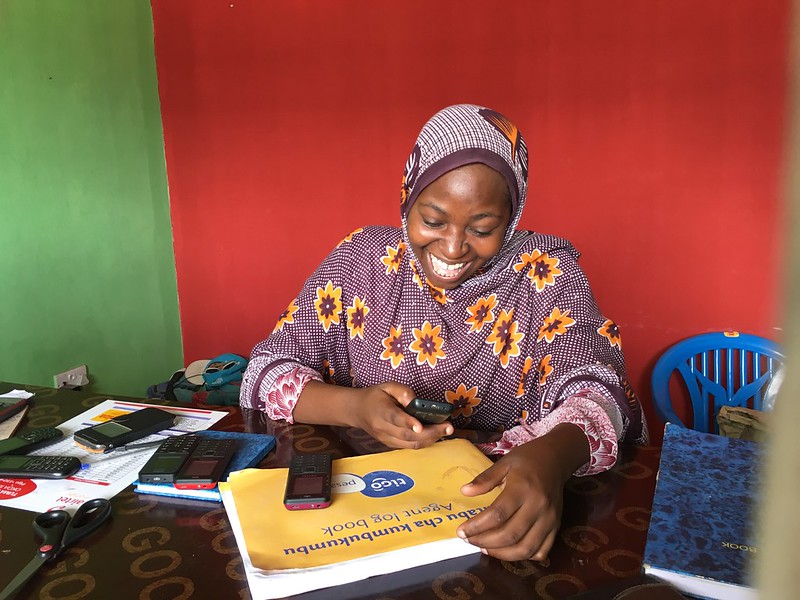
G2Px: Digitizing Government-to-Person Payments

G2PxAround the world, low-income communities often face two overlapping challenges: limited access to government assistance and barriers to digital and financial services. At the intersection of these issues is a growing solution: digitizing government-to-person (G2P) payments.

Closing a Digital and Financial Divide

Government payments for retirement, disability, unemployment and basic needs are critical for many households and individuals. However, accessing these benefits is not always straightforward. Payments were traditionally made in cash and required in-person collection, which creates barriers for people living in remote areas, those with limited mobility or individuals who cannot afford to take time off work.

“When there is a payment, we spend the whole day at the town hall, we leave in the morning from our village to come back in the evening and that is a difficulty,” said one Malian cash recipient in a World Bank report. By shifting government-to-person payments to digital platforms, recipients gain incentives to access financial services. This helps close the digital divide, promotes digital literacy and offers more secure financial access.

A Path to Financial Inclusion

Digital G2P payments can serve as a first step toward broader financial inclusion. For many recipients, especially in low-income or rural areas, receiving government payments through a bank or mobile account is their first interaction with the formal financial system.

According to the World Bank, 865 million account owners in developing countries—including 423 million women—opened their first financial institution account to receive government payments. This initial connection can lead to increased use of financial services such as saving, borrowing or making digital transactions. The impact is particularly significant for women and young people, who often face additional barriers to financial access.

The G2Px Initiative: Progress and Empowerment

Despite progress in digital government-to-person payments, the digital and financial inclusion gap remains, with 1.4 billion adults still unbanked worldwide. To help close this gap, the World Bank Group created the G2Px initiative. In partnership with the Bill & Melinda Gates Foundation and Norad, the initiative supports governments in improving G2P systems through policy development, design improvements and digital and financial literacy programs.

In a 2023 report, the World Bank Group highlighted how G2Px supported data collection that helps modernize G2P payments with recipients at the center. The report documented good practices that countries can adopt, and many nations have since joined the conversation. Sierra Leone launched its first account-based social assistance payments, while Yemen completed a study to inform mobile money pilots in eight districts, with 18,000 recipients already registered to opt in.

Technical assistance from the initiative also supported policies that promote inclusion. Jordan’s National Aid Fund revised program design to enable government-to-person payments to women instead of only heads of households.

This empowerment is one of the key benefits of digitizing G2P payments. Access to digital payments can strengthen women’s privacy, financial autonomy, decision-making and labor force participation. Payments also increase opportunities to access financial services such as savings, credit, remittances and insurance. When both men and women in a household can access payments, women’s participation in household decision-making increases.

To support women’s economic empowerment, a World Bank partnership in Liberia developed a simple financial planning intervention to help couples plan the use of their G2P payment before receiving it. This approach not only increased women’s inclusion but also improved the household’s overall financial condition.

Moving Forward

Digitizing government payments is helping millions of people access assistance more efficiently and securely. With continued investment in inclusive design and digital literacy, this approach has the potential to reach more underserved communities and contribute to long-term poverty reduction.

– Jannah Khalil

Jannah is based in Sacramento, CA, USA and focuses on Good News and Global Health for The Borgen Project.

Photo: Flickr

November 29, 2025
https://borgenproject.org/wp-content/uploads/borgen-project-logo.svg 0 0 Precious Sheidu https://borgenproject.org/wp-content/uploads/borgen-project-logo.svg Precious Sheidu2025-11-29 01:30:572025-11-28 10:37:36G2Px: Digitizing Government-to-Person Payments
Global Poverty, Natural Disaster, Technology

Seismograph Technology Solutions for Typhoon Bualoi

Seismograph TechnologyAccording to data measurements from the Nay Pyi Taw Seismological Observatory in the Philippines, the tropical storm typhoon Bualoi, which occurred in the West Pacific Ocean during September 2025, measured a strong 6.9 on the Richter scale. Typhoon Bualoi brought heavy rainfall, flooding and landslides that caused extensive damage to roads, buildings and bridges, along with power outages and numerous casualties in Vietnam, Laos and Thailand. In Vietnam, 30,000 people were evacuated ahead of the storm. Poverty rates remain high across Southeast Asia, where these three countries are located.

Tropical storms, such as Typhoon Bualoi, form over warm tropical oceans. When they intensify, they are classified as hurricanes, cyclones or typhoons, depending on the region in which they occur.

Typhoon Bualoi’s Impact on Vietnam’s Poverty and Infrastructure

According to Sky News reports, Typhoon Bualoi caused extensive flooding and landslides in Vietnam. Consequently, the town infrastructure of Vietnam became disarrayed, leading to the disconnection of roads and regional areas in the northern mountains of Son La and Lao Cai provinces, as well as central Nghe. Excessively high levels of water rose in the Thao River of Yei Bai to emergency levels, causing floods to overflow into residents’ houses.

Other news report stations have revealed that more than 200,000 homes, cities and farmland were destroyed by the typhoon, amounting to an approximate maximum of $600 million in damages. Tropical storms heighten and accelerate poverty due to the extensive cost of infrastructural repairs and disruption of town services. Poverty markers from the charity Oxfam indicate that 13 million people in Vietnam live in poverty.

Typhoon Bualoi also disrupted several transport networks: Vietnam’s Noi Bai International Airport had to suspend operations to ensure safety during the storm and Vietnam Railways Corporation canceled most services between Hanoi and the business hub of Ho Chi Minh City. Climate instability may have further worsened the storm’s impact, as rising global temperatures melt ice caps, raise sea levels and increase the likelihood of natural disasters.

Seismograph Technology Solutions 

The seismograph at the Filipino Nay Pyi Taw Seismological Observatory records ground oscillations caused by seismic waves from earthquakes, volcanic eruptions and certain microseisms from storms at sea. Seismographs are built with electromagnetic sensor components that convert ground movement into electrical signals, which are recorded and processed by digital or analog circuitry. They can be calibrated to measure earthquake magnitude quantitatively, using scales such as the Richter scale.

Tropical storms, such as Typhoon Bualoi, leave detectable signatures in seismic data, as ocean waves generated by strong winds produce signals known as seismic fingerprints. Seismograph technology helps evaluate and assess these microseisms from typhoons, enabling authorities to implement effective evacuation plans and relief efforts according to the storm’s severity. More effective evacuation plans and a durable disaster risk management strategy, especially during the monsoon season, are crucial in reducing the widespread poverty caused by tropical storms.

Seismograph technology proved instrumental during Typhoon Bualoi, supporting the execution of evacuation protocols and the delivery of charitable aid to affected regions.

Innovative Seismograph Technology

Innovative seismograph technology has been developed for the enhanced detection of smaller, lighter and more types of seismic waves. The innovative technology employed mathematical research techniques in the field of polarization analysis, which involved studying the motion of particles in three dimensions to detect a wide range of polarized seismic waveforms. Such research has been pivotal in evaluating seismic waves from underground locations with minimal observation points.

The novel seismograph technology enhances the detection of earthquake seismic waves, facilitating the construction of more effective natural disaster risk assessments, as well as short-term and long-term preparedness for tropical storms. Building natural disaster shelters, implementing evacuation strategies and preparing for domestic flights, as well as irrigation dams and inland water transport, are all aspects of tropical storm preparedness.

Charity Response to Typhoon Bualoi

The charity ShelterBox supports relief efforts in regions affected by Bualoi through emergency shelters, solar lights, mosquito nets and blankets. The Samaritan’s Purse charity also provided aid to support the effects of the typhoon by distributing relief kits. It included food kits, cooking pots, mosquito nets, blankets and personal hygiene kits containing towels, soap and dental products, which were distributed to hundreds of families in Ha Tinh Province, Vietnam.

Seismograph technology has been an instrumental solution, alongside other charitable outreach efforts, in alleviating poverty caused by tropical storms. By evaluating seismic waves, it facilitates more effective evacuation protocols and disaster preparedness.

– Deborah Asante

Deborah is based in London, UK and focuses on Technology and Global Health for The Borgen Project.

Photo: Flickr

November 19, 2025
https://borgenproject.org/wp-content/uploads/borgen-project-logo.svg 0 0 Hemant Gupta https://borgenproject.org/wp-content/uploads/borgen-project-logo.svg Hemant Gupta2025-11-19 07:30:282025-11-19 02:44:42Seismograph Technology Solutions for Typhoon Bualoi
Global Poverty, Health, Technology

WHO’s EIOS 2.0 Brings AI to Early Outbreak Detection

EIOSThe World Health Organization (WHO) launched an upgrade to its Epidemic Intelligence from Open Sources (EIOS) in October 2025. Smarter and more inclusive, WHO’s EIOS 2.0 is expected to considerably amplify the early warning system’s capabilities. The goal is to prevent or reduce the number and degree of public health emergencies.

Like its predecessor, EIOS 2.0 is a sophisticated web-based interface that sifts through readily available information from various sources, including media, social platforms, official government websites, news sites and other sources. It analyzes the data obtained to identify clues that point toward the possible spread of contagious diseases or public health threats. According to a press release, as of October 2025, 110 nations have joined the initiative.

Ways EIOS 2.0 Benefits Low- And Middle-Income Countries

  • Free Access: Member nations and eligible organizations can utilize the WHO’s outbreak detection tool. This is the same technology high-income countries enjoy, at no charge.
  • Preventing Economic Fallout: Pandemics impose a heavy burden on families and societies. During the COVID-19 emergency, an estimated 70 million people around the world fell into extreme poverty.
  • Minimizing Loss of Life: A model studying the health emergency that led to the COVID-19 pandemic estimated that up to 35% of the deaths in Wuhan, China, might have been avoided had steps to control the disease’s spread been taken one week earlier. In other cities, 50% of those who perished might have been saved.
  • Interface Translations: EIOS 2.0 is now available in multiple languages, increasing accessibility for users with limited English proficiency.
  • Semantic Search: Keyword search is now smarter as the system identifies context and intended meaning.
  • Radio Sources: Enabling a speech-to-text feature allows EIOS 2.0 to investigate radio communications. This could potentially catch information that may not have been otherwise captured, particularly in more vulnerable areas.

Does Epidemic Intelligence Work?

Africa experiences the highest number of health emergencies each year. Indeed, as of November 2023, there were 130 active outbreaks across the continent. In the same year, an evaluation of the EIOS system showed that in 22 countries, 50% of health events were detected before national announcements or official WHO communications.

WHO studies show that in countries using EIOS, the median time between the first detected health event and notification to the Pan American Health Organization (PAHO) or WHO dropped from 14 days to 11. In fact, it was the EIOS system that first detected a “pneumonia” outbreak in Wuhan, China, in 2019.

One example is the Korea Disease Control and Prevention Agency (KDCA), which utilized the EIOS system between June and October 2023 to detect 425 events. These mainly included mpox and dengue fever. Eight of these events were identified before official declarations, on average, 20 days earlier. In Brazil, an event involving Haff disease was identified and tracked in 2022.

EIOS 2.0’s Promise for Inclusive Global Health Preparedness

In its first iteration of EIOS, WHO demonstrated the advantages of using an intelligent agent that can filter through hundreds of thousands of data sources and discern the likelihood of a health emergency in real-time. Indeed, with EIOS 2.0’s new features, AI capabilities and interface, more regions around the world can benefit from a free-to-use system that can strengthen existing pipelines. With earlier warnings, health authorities can take immediate measures to prevent catastrophic pandemics like those that have sunk millions of people deeper into poverty.

– Johanna Lorena Arredondo Gonzalez

Johanna is based in Pittsburgh, PA, USA and focuses on Technology and Global Health for The Borgen Project.

Photo: Pexels

November 11, 2025
https://borgenproject.org/wp-content/uploads/borgen-project-logo.svg 0 0 Hemant Gupta https://borgenproject.org/wp-content/uploads/borgen-project-logo.svg Hemant Gupta2025-11-11 01:30:202025-11-11 01:28:52WHO’s EIOS 2.0 Brings AI to Early Outbreak Detection
Child Poverty, Global Poverty

How Supergmiri.ge Helps Fight Poverty in Georgia

Supergmiri.ge
Everyone needs a superhero in their life – someone to look up to and someone who helps without expecting anything in return. In Georgia, everyday superheroes are stepping in to make that difference.

What is Supergmiri.ge?

Supergmiri.ge, which translates to “Superhero,” is a Georgian nonprofit platform that connects children living in poverty with donors who provide personalized, ongoing support. By covering essentials such as school supplies, clothing and daily needs, the initiative eases the financial strain on families while helping children participate fully in education and community life.

The platform operates with a 0% commission model, ensuring that every contribution directly benefits a child. This transparency builds trust and keeps the focus where it belongs – on changing lives. While not a substitute for national welfare programs, Supergmiri.ge offers a hopeful path toward breaking cycles of poverty, one child, one act of care and one everyday superhero at a time.

How It Works

Supergmiri.ge identifies children living in vulnerable or socially difficult conditions – those from families in poverty or without access to school activities, materials or other basic needs. The organization gathers profiles including their stories, needs, interests and ages.

These profiles appear on the Supergmiri website, allowing potential donors to learn about each child and choose whom to support

Donors, or “Superheroes,” can provide ongoing monthly assistance and support multiple children if they wish. Each donation funds customized items such as educational supplies, clothing, hygiene products and activity materials tailored to each child’s interests.

Transparency and Partnerships

Supergmiri.ge maintains strict transparency standards through its 0% commission model, meaning 100% of donations go to beneficiaries. Donors can track how their funds are used and see updates on the delivery of gift packages, according to Meliora.

The organization also partners with local businesses to expand its reach. Collaborations with e-commerce platforms like VELI.store, banks and CSR-focused companies help source and deliver products efficiently. The company Qwerty, for example, provided technical development and maintenance for the Supergmiri.ge website.

Scale and Impact

By the end of 2022, Supergmiri.ge had supported about 450 children with the help of 330 donors, collecting more than 900,000 GEL, Meliora reports. On its website, Supergmiri.ge stated it has raised 2,461,305 GEL as of 2025. During a collaboration with VELI.store, 506 children received 5,143 packages containing nearly 54,882 products (On.ge, 2023).

The website also publishes detailed records of donations, showing exactly how each contribution was used – reinforcing its commitment to transparency and accountability.

Real-Life Examples of Everyday Superheroes Changing Lives

  1. Mariam, Age 9: Mariam is a 9-year-old living in a low-income neighborhood outside Tbilisi. Her family struggled to afford school supplies and books, limiting her ability to participate fully in class and extracurricular learning. Through Supergmiri.ge, Mariam matched with her everyday superhero, who now sends monthly packages tailored to her interests, including notebooks, reading materials and art supplies. Supergmiri.ge connects children like Mariam with donors who help remove barriers to education and give every child a chance to thrive.
  2. Giorgi, Age 12: Giorgi is a 12-year-old who dreams of playing soccer and attending a sports club, but his family could not afford registration fees or equipment. Supergmiri.ge published Giorgi’s profile, including his age, hobbies and goals. A donor stepped in as his everyday superhero and now supports him with monthly contributions that include team gear, training shoes and a sports club membership voucher.Supergmiri.ge’s personalized approach recognizes not just material need but also each child’s passion and potential.
  3. Nino, Age 7: Nino is a 7-year-old whose family faced hardship after her single parent lost work during the pandemic. The stress of covering food, clothes and childcare risked pushing the family deeper into poverty. Nino’s profile on Supergmiri.ge highlighted her immediate needs and interests in educational puzzles and drawing sets. A superhero donor now sends monthly packages that include nutritious food, clothes and development materials. Supergmiri.ge’s 0% commission model ensures that every contribution goes directly to children like Nino, turning small acts of care into meaningful change.

Why These Stories Matter

These stories aren’t just blurbs; they’re real-life children whose lives have been impacted by donors. Supergmiri.ge humanizes poverty in Georgia by showing that even modest, sustained support from everyday superheroes can make a measurable difference in a child’s development and well-being.

The Future

While Supergmiri.ge tackles immediate needs, its real impact lies in the awareness it generates. The project humanizes poverty and invites public empathy – both critical ingredients for long-term social change. By combining transparency with personal connection, the initiative offers a model that other nations could replicate to empower children in need.

The platform’s success also reinforces a key global lesson: fighting poverty requires both systemic policy reform and grassroots compassion. Programs like Supergmiri.ge bridge that gap by showing that even small, consistent acts of care can create meaningful change.

In Georgia and beyond, everyday superheroes are proving that empathy, transparency and collective action can be just as powerful as policy when it comes to breaking the cycle of poverty.

– Salome Jincharadze

Salome is based in Tbilisi, Georgia and focuses on Good News and Politics for The Borgen Project.

Photo: Flickr

November 4, 2025
https://borgenproject.org/wp-content/uploads/borgen-project-logo.svg 0 0 Naida Jahic https://borgenproject.org/wp-content/uploads/borgen-project-logo.svg Naida Jahic2025-11-04 07:30:252026-01-05 12:13:32How Supergmiri.ge Helps Fight Poverty in Georgia
Global Poverty, Government, Technology

CBMS: Targeting Poverty More Effectively

CBMSThe Philippines’ Community-Based Monitoring System (CBMS) is a government-mandated, technology-driven framework for collecting and analyzing local poverty data across the country. It gathers disaggregated household information on health, nutrition, housing, education, employment, income and sanitation to give local governments a clearer picture of where and how poverty persists. Under the law, every city and municipality must maintain up-to-date data to guide local development planning and budgeting. Through mobile data collection tools, geo-tagging and community-based surveys, CBMS produces detailed poverty maps and indicators that strengthen decision-making at the local level.

How It Links to Anti-Poverty Goals

In the effort toward poverty alleviation, CBMS strengthens the connection between information and policy. Using digital data poverty mapping, the system enables local governments to identify poor and near-poor households with precision. This targeting helps ensure that social aid, infrastructure and livelihood programs reach those who need them most.

In Palawan, for example, CBMS data revealed pockets of food insecurity, poor sanitation and low school attendance in remote municipalities. Those findings allowed local authorities to reallocate funds and target assistance more effectively, replacing broad interventions with tailored strategies. This approach shows how tech-based poverty solutions in the Philippines can turn data into practical change, aligning limited government resources with measurable local needs.

Technology and Local Empowerment

CBMS also represents a model of participatory, technology-driven governance. Enumerators use digital tablets to collect and verify household data, while each family is geo-tagged for inclusion in poverty mapping systems. The CBMS model goes beyond data capture; it empowers local residents to take part in defining and validating the information gathered.

This local involvement increases accuracy and transparency. As one regional PSA official remarked, “Data is not just numbers… it is the voice of the people.” When communities help collect and interpret their own data, programs become more accountable and citizens can better advocate for services that reflect their realities.

Challenges and What Lies Ahead

Despite its progress, the CBMS initiative still faces challenges. Some local governments lack the staff or resources to maintain robust data systems, and recent data privacy concerns have highlighted the need for stronger safeguards. Yet the overall direction remains promising. The Philippine Statistics Authority (PSA) has announced plans to expand CBMS coverage, integrate it with national poverty databases and include Sustainable Development Goal (SDG) indicators, allowing policymakers to track both global and local progress in real time.

If fully implemented, CBMS could become a cornerstone of evidence-based poverty reduction. Indeed, by uniting technology, data, and community participation, the system is positioning the Philippines to deliver more precise, transparent and inclusive solutions to ensure that no community is left unseen in the country’s ongoing fight against poverty.

– George Horberry

George is based in York, UK and focuses on Technology and Politics for The Borgen Project.

Photo: Flickr

November 4, 2025
https://borgenproject.org/wp-content/uploads/borgen-project-logo.svg 0 0 Precious Sheidu https://borgenproject.org/wp-content/uploads/borgen-project-logo.svg Precious Sheidu2025-11-04 03:00:452025-11-04 00:23:34CBMS: Targeting Poverty More Effectively
Global Poverty, Hunger, Technology

Food ATMs: How Smart Dispensers Are Redefining Hunger Relief

Food ATMsIn narrow alleys and public markets of Quezon City, Philippines, glowing dispensers now operate under the city’s Paleng-QR Ph program, allowing residents to purchase or collect essentials through QR-enabled systems. Introduced and accelerated during the pandemic, these digital systems allow families to access essentials independently, without crowds or manual processing.

For thousands of families, it represents more than convenience; it’s peace of mind, knowing their family can eat without the stress of waiting or public scrutiny. Each quiet transaction is a small but meaningful reassurance in an unpredictable world.

What Are Food ATMs?

Food ATMs, sometimes called Grain ATMs, work like cash machines but dispense food instead of currency. Users authenticate with a biometric ID, smart card or QR pass and the machine releases a measured amount of grain based on eligibility. These systems are designed to prevent ration theft and eliminate the need for manual ledgers and oversight, making distribution more transparent and tamper-proof.

For many families, this means receiving their daily sustenance without anxiety or embarrassment, allowing them to focus on work, school and family life rather than waiting in long lines.

The Technology Behind Food ATMs

In India, the Annapurti Grain ATM can dispense up to 50 kilograms of grain within five minutes. It uses biometric verification and automation to reduce wait times by an estimated 70%, according to rollout reports from the state of Odisha. Machines are being adapted to run on solar power, making them functional even in regions with unstable electricity.

In the Philippines, the QR-based Paleng-QR initiative digitizes transactions in public markets, encouraging cashless and monitored distribution. For the families who rely on these systems, it means fewer hours spent waiting in queues and more certainty that their children will have food on the table. Each successful transaction offers a quiet reassurance that their daily needs are met efficiently and safely.

Global Expansion: Verified Examples

The concept of automated, dignity-focused resource distribution is spreading across regions:

  • India: Grain ATMs under public distribution reforms provide 24/7 access and reduce dependency on ration shops.
  • Kenya: Smart-card water ATMs in Nairobi slums allow users to access safe water at reduced cost and are available at any hour.
  • Philippines: The Paleng-QR digitization effort is part of a government-backed strategy to integrate QR authentication for everyday essentials.

The Quiet Revolution: Food Without Shame

Beyond speed and logistics, these machines challenge an age-old problem in aid distribution: public visibility and shame. Traditional food lines force recipients to wait in crowded spaces, often creating a sense of dependency and exposure. Automated, private collection allows families to receive aid quietly, preserving dignity.

Reports from digital aid pilots show increased participation when food access is available privately and without human gatekeepers. Parents and caregivers experience relief and confidence, knowing their families can receive essentials discreetly, allowing them to focus on daily life without fear of judgment. Each quiet visit to a food ATM reinforces autonomy and trust in the support system.

Challenges and Ethical Considerations

Digital systems require electricity, connectivity and maintenance, which are not always guaranteed in informal settlements or disaster-prone areas. Biometric or QR technologies risk excluding people without government IDs or mobile access. Moreover, digital records can raise privacy concerns, as transaction logs reveal when and how often people collect aid.

In response, some pilot systems are introducing offline verification modes and solar-powered units to reduce exclusion. Even small technical glitches can leave marginalized families without a meal or essential supplies, making reliable and inclusive access a matter that directly impacts their daily lives and dignity.

Closing

In Quezon City, digital access points are expanding through Paleng-QR. In India, the Grain ATM continues its rollout under public distribution reforms.

Families eat, students study and parents work, without the extra burden of food insecurity. Ultimately, food ATMs are not just dispensers but quiet tools of autonomy, dignity and transformative change.

– Diane Dunlop

Diane is based in Edmonton, Canada and focuses on Good News and Technology for The Borgen Project.

Photo: Flickr
November 2, 2025
https://borgenproject.org/wp-content/uploads/borgen-project-logo.svg 0 0 Hemant Gupta https://borgenproject.org/wp-content/uploads/borgen-project-logo.svg Hemant Gupta2025-11-02 07:30:462025-11-02 01:51:18Food ATMs: How Smart Dispensers Are Redefining Hunger Relief
Global Poverty, Technology

Gaming as an Activist

gamingIn the U.S., 85% of teens report playing video games; this has become a part of daily life for millions and is particularly prevalent in the younger generation. This provides a new platform to mobilize and educate young people on, which charities and content creators have started to make use of. Through challenges and games that attract enormous audiences, millions have been raised for causes that help alleviate global poverty, creating opportunities for gaming to be a great success as an activist.

Stream for Humanity

In January 2025, the French streamer AnimeMaTue organized “Stream for Humanity,” a 48 hour charity streaming event on Twitch. The stream featured many prominent French streamers like Squeezie, Michou and Gotaga, who engaged in challenges, gaming sessions and tournaments, all while raising awareness for the impactful work of their chosen organization.

The event was a huge success, raising more than $4 million for Médecins Sans Frontières, a French humanitarian aid organization and their work specifically in four conflict zones: Sudan, Palestine, Lebanon and the Democratic Republic of Congo. The event attracted more than 560,000 spectators and accumulated 2,4000 donations per minute at it’s peak.

Jingle Jam

Since its creation in 2011, Jingle Jam – a charity set up by hosts of the YouTube channel Yogscast – has raised more than $33 million for various charities. The streaming occurs around Christmas time every year on Twitch and has attracted more than 40 million views in the last 4 years. In 2024, the event raised more than $2 million for eight charities. This includes War Child, an organization focusing on reaching children as early as possible in situations of conflict. Advocating for children’s rights, access to education, safety and ability to heal is at the heart of their mission.

Care Gaming

The #CAREgaming program partners with gamers, streamers and organizations to support and raise awareness of other CARE initiatives. The charity has given humanitarian relief and introduced poverty-fighting programs in 121 countries, which has helped more than 53 million people.

From its #CAREgaming initiative, the organization raised more than $2 million, which has helped support disaster relief in areas like Ukraine, Syria and Turkey. Professional esports and entertainment brand FaZe Clan have used this programme to contribute to charity in their tournaments, most famously their #FIGHT2FUND online tournament they organized in 2020.

Dan and Phil Streams for Palestine

Dan and Phil, one of the U.K.’s most iconic gaming duos, have done many charitable streams, including their birthday stream for Phil that raised more than $100,000. This impactful amount came from a stream of less than two hours, showing how impactful gaming as an activist can be when awareness is given to important world issues.

All money went to the Palestinian Children’s Relief Fund, which is a humanitarian medical relief organization working to provide free medical care to injured and ill children. Since their founding in 1991, they’ve been able to send more than 2000 children abroad for free medical care and have bought humanitarian aid to tens of thousands of children who would otherwise not receive it. The organization is a nonprofit and donations like this this are extremely important for their work to continue.

Games Done Quick

This is a series of charity video game marathons that include speed runners playing games as fast as they can in order to raise money for various nonprofit organizations. They run multiple events per year, including the Summer Games Done Quick, which raises money for Doctors Without Borders. Since these week-long marathons began in 2010, more than $54 million has been raised for charity.

Their chosen charity, Doctors Without Borders, takes action to save lives in areas of conflict, natural disasters and epidemics. They provide medical care in more than 70 countries, in 2023 admitting more than 1.3 million people into their hospitals. They hold millions of consultations at hospitals, mobile clinics and refugee camps, advocating for every person’s right to medical care.

The Future

Gaming and streaming have become a huge way to raise money for charities, as well as awareness for world issues. When popular gamers and influential people in the gaming industry speak out, people listen, leading to massive ripple effects in wider communities. Utilizing gaming as a way to help poverty creates opportunities for gaming as an activist to have great effects on the world. This also allows audiences, especially young people to consume content and education in the ways they prefer.

– Abigail Gadsden

Abigail is based in Kent, UK and focuses on Good News, Celebs for The Borgen Project.

Photo: Flickr

October 31, 2025
https://borgenproject.org/wp-content/uploads/borgen-project-logo.svg 0 0 Naida Jahic https://borgenproject.org/wp-content/uploads/borgen-project-logo.svg Naida Jahic2025-10-31 03:00:432025-10-31 02:56:01Gaming as an Activist
COVID-19, Global Poverty, Technology

How COVID-19 Technology in Pakistan Accelerated Progress

COVID-19 Technology in PakistanFor Pakistan, COVID-19 became an incubator for innovation. The country adopted global practices through digital transformations to sustain governance and daily operations during the lockdown. These practices, such as hybrid and remote work, soon became a permanent part of the professional culture, bridging the gap created by reduced resources across multiple sectors.

Initially, the COVID-19 outbreak led to severe economic deterioration for Pakistan. For example, an overall decline in economic parameters such as GDP growth, unemployment rate, inflation, per capita income, debt, tax collection, poverty and trade (imports/exports). These disruptions were major challenges to its economic activities. The result was that during the fiscal year 2020, for only the second time in Pakistan’s history after 1951–1952, the country recorded a negative GDP growth rate of −0.4%.

Initial Challenges Caused by the COVID-19 Pandemic

The primary challenges caused by COVID-19 in Pakistan were rising unemployment and poverty. The pandemic caused nearly three million people to lose their jobs, leading to a sharp increase in the unemployment rate, which reached 9.56% in the 2020 fiscal year. Global trade disruptions also hit the country hard.

In 2020, exports fell by 6.36% to $22 billion, while imports declined by 8.56% to $45 billion. Meanwhile, pressure on debt servicing intensified as total debt rose from $95.2 billion in 2018 to $112.8 billion in 2020. This pushed Pakistan further into a debt trap, forcing it to borrow new loans to repay old ones.

Innovation in COVID-19 Technology in Pakistan

Despite the initial setbacks, Pakistan showed resilience by adopting global best practices that fueled digital transformation. The COVID-19 pandemic became a turning point for digital progress in Pakistan, especially in the work and education sectors. The introduction of hybrid work models and remote employment systems reshaped professional environments, including public and private institutions.

Organizations increasingly use digital tools, online platforms and cloud-based communication systems to maintain productivity and ensure operational continuity. According to a report, the pandemic significantly boosted digital payments in Pakistan as citizens reduced their use of physical cash to minimize health risks.

The introduction of COVID-19 technology in Pakistan improved efficiency. It helped conserve vital resources such as time, paper and energy by reducing physical commuting and manual workflows. It also accelerated the adoption of online education, pushing schools and universities to embrace digital learning platforms to maintain academic progress.

According to the World Bank, Pakistan responded swiftly by launching the federal TeleSchool program for students nationwide and the Taleem Ghar initiative for learners in Punjab. These e-learning programs in Pakistan ensured continued access to education during lockdowns, demonstrating how technology bridged learning gaps and supported the country’s broader digital transformation.

Economic Adaptation Through COVID-19 Technology in Pakistan

During the COVID-19 pandemic, Pakistan saw a shift toward digital transformation, as technology became the only possible adaptation for individuals and institutions. The pandemic caused a shift toward remote work, freelancing and digital entrepreneurship, helping sustain livelihoods in widespread economic uncertainty.

According to The Dayspring, “Pakistan’s freelancing economy surged by 22% amid COVID-19.” Payoneer also reported the country’s overall freelancing revenue growth from 47% to 69% during the pandemic. Government initiatives such as Punjab’s e-Rozgaar program also played a significant role.

This program empowered youth to earn through online platforms, providing training and access to freelance marketplaces. As INP-WealthPK highlighted, Pakistan witnessed a record 47% growth in freelancing earnings in 2021, with women making up 52% of total graduates and contributing around half of the total earnings. This marked a significant step toward digital inclusion and women’s economic empowerment in Pakistan’s gig economy.

Similarly, the Ministry of IT’s DigiSkills program, a national-level training initiative, has trained more than 1.28 million individuals in freelancing, enabling them to generate sustainable incomes from home. Federal Minister Syed Amin Ul Haque emphasized the goal of expanding female participation in the program from 23% to 33%, reflecting the government’s vision for inclusive digital growth.

Furthermore, the private sector quickly adapted to the new normal of remote work and virtual collaboration. Many companies eliminated mandatory office attendance, providing employees with the necessary resources such as computers, internet connectivity and secure data access to work efficiently from home.

Technology in Public Services and Broader Social Impact

Sehat Kahani emerged as one of Pakistan’s leading examples of digital health care innovation during the COVID-19 pandemic in Pakistan. The platform provided telemedicine services through its mobile app, including free online consultations and e-prescriptions. It helped thousands of patients in remote and low-income areas.

According to Gavi, the Vaccine Alliance, Sehat Kahani’s expansion during the pandemic demonstrated how digital health services in Pakistan can bridge access gaps and empower women doctors to serve communities from home. In the education sector, digital transformations in Pakistan helped sustain learning during lockdowns. The government launched several e-learning programs, ensuring continued education through televised and online lessons.

The World Bank reported that these programs successfully reached millions of students. A report by the United Nations Development Programme (UNDP) further highlighted the broader social impact of digitalization. It revealed that districts showing stronger digital transformation also ranked higher in human development outcomes.

All these studies highlight how Pakistan’s growing investment in digital public services, from telehealth to education, has strengthened national resilience and paved the way for inclusive growth.

Conclusion

All these digital transformations from remote work and freelancing to telemedicine and online education helped Pakistan rebuild its economy and move toward sustainable growth. By 2023, Pakistan’s GDP growth rate recovered to around 3.04%, reflecting how the nation’s digital adaptation turned adversity into opportunity. This evolution shows that when a crisis is met with innovation, collaboration and the right technological tools, it can become a catalyst for development rather than decline.

– Sidra Tahir

Sidra is based in Rawalpindi, Pakistan and focuses on Technology and Politics for The Borgen Project.

Photo: Unsplash

October 28, 2025
https://borgenproject.org/wp-content/uploads/borgen-project-logo.svg 0 0 Hemant Gupta https://borgenproject.org/wp-content/uploads/borgen-project-logo.svg Hemant Gupta2025-10-28 07:30:592025-10-27 23:58:49How COVID-19 Technology in Pakistan Accelerated Progress
Page 4 of 29«‹23456›»

Get Smarter

  • Global Poverty 101
  • Global Poverty… The Good News
  • Global Poverty & U.S. Jobs
  • Global Poverty and National Security
  • Innovative Solutions to Poverty
  • Global Poverty & Aid FAQ’s
Search Search

Take Action

  • Call Congress
  • Email Congress
  • Donate
  • 30 Ways to Help
  • Volunteer Ops
  • Internships
  • Courses & Certificates
  • The Podcast
Borgen Project

“The Borgen Project is an incredible nonprofit organization that is addressing poverty and hunger and working towards ending them.”

-The Huffington Post

Inside The Borgen Project

  • Contact
  • About
  • Financials
  • President
  • Board of Directors
  • Board of Advisors

International Links

  • UK Email Parliament
  • UK Donate
  • Canada Email Parliament

Get Smarter

  • Global Poverty 101
  • Global Poverty… The Good News
  • Global Poverty & U.S. Jobs
  • Global Poverty and National Security
  • Innovative Solutions to Poverty
  • Global Poverty & Aid FAQ’s

Ways to Help

  • Call Congress
  • Email Congress
  • Donate
  • 30 Ways to Help
  • Volunteer Ops
  • Internships
  • Courses & Certificates
  • The Podcast
Scroll to top Scroll to top Scroll to top