• Link to X
  • Link to Facebook
  • Link to Instagram
  • Link to TikTok
  • Link to Youtube
  • About
    • About Us
      • President
      • Board of Directors
      • Board of Advisors
      • Financials
      • Our Methodology
      • Success Tracker
      • Contact
  • Act Now
    • 30 Ways to Help
      • Email Congress
      • Call Congress
      • Volunteer
      • Courses & Certificates
      • Be a Donor
    • Internships
      • In-Office Internships
      • Remote Internships
    • Legislation
      • Politics 101
  • The Blog
  • The Podcast
  • Magazine
  • Donate
  • Click to open the search input field Click to open the search input field Search
  • Menu Menu

Tag Archive for: Technology

Posts

Agriculture, Global Poverty, Technology

Technology for Smallholder Farmers in India

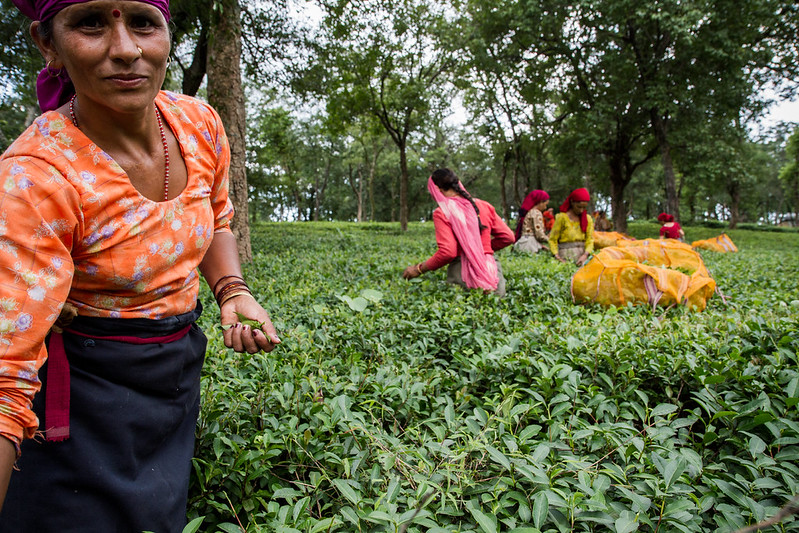
Technology for Smallholder Farmers in IndiaA trader pulls up to a field in rural Maharashtra. He names a price for the onion harvest. The farmer, who has no way to check if it is fair, has always accepted. That is how it has worked for generations.
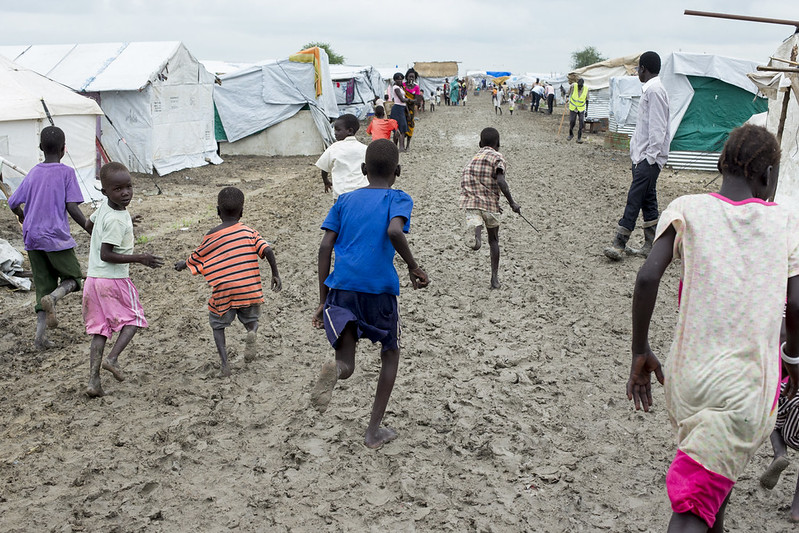
Not anymore.

Before the trader has finished talking, the farmer’s phone buzzes. A message in a WhatsApp group — 2,000 members, all onion growers in the same region — has just circulated today’s wholesale rate from the nearest mandi market. The trader’s offer is 30% below it. The farmer tells him to leave.

This single exchange captures what the technology for smallholder farmers in India revolution looks like. Not a Silicon Valley app. Not a government scheme. A free messaging platform, a few thousand farmers and information that was always available — just never to them.

The Middleman’s Greatest Weapon Was Ignorance

India’s agriculture sector employs 42% of the country’s workforce.

Yet the people doing that work have historically been the most informationally isolated. Smallholder and marginal farmers — those with less than two hectares of land — account for 86.2% of all farmers in India, but own just 47.3% of the arable land. They grow the country’s food from a position of almost zero leverage.

The trader knew the mandi price. The farmer did not. That single information gap — replicated across millions of transactions every harvest season — has quietly transferred billions of rupees from the people who grew the food to the people who simply moved it. WhatsApp groups are closing that gap in real time.

500,000 Farmers, Two Friends From Sangli

In 2012, two friends in Sangli, Maharashtra — Dr. Ankush Chormule and Amol Patil — noticed something simple: farmers around them had endless questions about pests, soil, crop timing and market prices and nowhere fast to get answers. WhatsApp had just launched. They started a group.

Seven years later, that group had grown into a network of more than 500,000 farmers across seven states. Their sugarcane group alone has 230,000 members from Karnataka, Rajasthan, Madhya Pradesh, Uttar Pradesh, Chhattisgarh and Gujarat. Farmers report getting answers to crop questions within five to 15 minutes. Farmers in the network detected the arrival of fall armyworm pests in Maharashtra before it became a regional epidemic — weeks before any government alert.

“If something as simple as a video helps a farmer, it means his income goes up and his faith in the occupation is restored,” Patil told The Better India.

No funding. No offices. No staff. Just a phone and a willingness to answer messages.

One farmer in the network, Ramesh Jadhav of Nashik district, told local reporters that the group helped him identify a fungal infection in his tomato crop within hours of posting a photo — saving an estimated ₹80,000 (approximately $841) worth of produce he would otherwise have lost. Cases like his are now common across the network.

What the Data Says

The anecdotes are compelling. The data backs them up. Research from the GSMA found that 75% of active users of mobile agricultural services made measurable improvements to their farming practices — translating to 1.5 million farmers globally reporting better productivity outcomes.

The annual financing gap for smallholder farmers worldwide sits at $170 billion — a number that better market access directly chips away at.

Meanwhile, the infrastructure for scaling this further is already in place. India crossed 958 million active internet users in 2025, with rural India now accounting for 57% of that base — around 548 million people.

Rural internet users are growing at 16% annually, twice the pace of urban areas. By 2026, India is projected to have one billion smartphone users, with rural areas driving the majority of that growth. The phones are there. The farmers are using them. The question is whether anyone in power is paying attention.

The Problem With Official Solutions

For decades, governments and development organizations have tried to close the agricultural information gap through extension officers, radio broadcasts and expensive digital platforms. Many have produced modest results at enormous cost. WhatsApp groups are producing comparable — often greater — impact for free.

The reason is trust. A price update from a government portal is data. The same update forwarded by a cousin farming the same crop two villages over is intelligence. Technology for smallholder farmers in India works when it moves through existing social networks, not around them.

India’s farmers are not waiting for a solution to be designed for them. In Maharashtra, Punjab and Andhra Pradesh, they have already built one — on a platform that was never intended for agriculture, using nothing more than the collective knowledge of people who have worked the same land for generations.

The middleman still shows up. He just does not get the same answer he used to.

– Parthivee Mukherji

Parthivee is based in Edinburgh, Scotland and focuses on Technology and Solutions for The Borgen Project.

Photo: Unsplash

June 15, 2026
https://borgenproject.org/wp-content/uploads/borgen-project-logo.svg 0 0 Lynsey Alexander https://borgenproject.org/wp-content/uploads/borgen-project-logo.svg Lynsey Alexander2026-06-15 03:00:502026-06-15 01:53:47Technology for Smallholder Farmers in India
Global Poverty, Technology

Understanding Poverty in South Sudan with Poverty Simulations

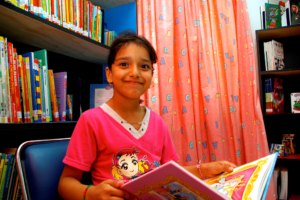
poverty in south sudanPoverty in South Sudan is among the worst in the world. More than 70% of the population is on or below the poverty line, and only around 30% of the population is literate. This intense poverty is a result of national fragility, prolonged conflict, economic collapse and the inability of the government to provide for its citizens. More than two-thirds of the South Sudanese people need to rely on humanitarian aid for their survival. And though the amount of aid sent to South Sudan is an inspiring metric, things will not change without stronger efforts. And efforts won’t be strengthened unless the people of the world band together in support of poverty eradication.
Poverty Simulations

Now, Poverty Simulations are taking effect all across the U.S. and are enlightening the general public to the candid realities of poverty. Poverty simulations are simulations that imitate what real people in poverty go through. They are garnering more and more support for poverty relief efforts across the globe by educating the public

Poverty simulations are the exact thing that is necessary to help increase support for South Sudan. Most people know about poverty, but few truly understand it. Understanding poverty in South Sudan more deeply is now possible with poverty simulations.

What it is Like to Live in South Sudan

South Sudan is the world’s newest country, having gained independence from Sudan in 2011, less than two decades ago. This youth comes with significant struggles for the population. First of all, the population of the nation is very young. More than 70% of the population is below 18 years old. The young, inexperienced government of the country has struggled since its birth to provide for its people and manage conflict. This has led to a nation overrun by food insecurity and division.

There are few large towns in South Sudan, and most people live in compact, makeshift houses in very small villages. In some regions, people do not even use money for transactions; instead, farming and harvesting are the main sources of sustenance. Sources of aid, like schools, churches and social services, are near nonexistent. Civil conflict is rampant as well. Daily violence often prevents people from going about their daily lives

This level of poverty can be difficult to comprehend, but there is now an accessible way to begin understanding what it’s like on a deeper level.

What are Poverty Simulations and How do They Work?

Poverty simulations are group activities mostly for schools, nonprofit workers, nurses or other individuals who may encounter poverty in their field of work. They aim to help people who live in developed countries, like the U.S., understand and sympathize with people who live in extreme poverty. The activities themselves are comparable to role-play games.

Jason Morrow, an internist and an ethics professor at the University of Texas Health Science Center in San Antonio, was responsible for running a poverty simulation for his medical students to help them empathize with patients who are living in poverty. According to Morrow, “The (poverty) simulation is an immersive experience where students play a role within a family.” “In the exercise, they have to survive and try to thrive with low income and limited resources.”

Individuals are put into groups or families, and each is assigned a particular role. The individual must perform that role as best they can. Resources are also set throughout the setting of the simulation, like social services, the grocery store, the church, and others, where the participants can go for help and amenities. However, the participants can not always receive exactly what they need to thrive. Often, they’re turned away from the help they need; this mirrors the reality that most people in poverty face.

Morrow claims that poverty simulations bestow participants with an understanding of poverty beyond just reading about it: “It’s one thing to read about how poverty strains cognition. It’s another thing to spend two hours running from one side of the room to the other so you can try to pay your utility bills, not get evicted, and make sure your child has some sort of supervision.”

These simulations are extremely valuable for understanding any kind of economic struggle, but this fictional poverty doesn’t even come close to some of the things that people in South Sudan go through. Many live a life without money altogether. They must grow their own food and trade for resources. However, that does not mean poverty simulations don’t help people sympathize with the struggle for wellness. On a fundamental level, all who live in poverty go through a similar mental strain of not knowing how they will make it to tomorrow.

Hope for the Future of South Sudan

With a better understanding of South Sudan’s immense hardships, it’s also important to understand that hope is still there. There are organizations working hard in and around South Sudan to bring relief to those suffering from extreme poverty. Here are a few examples:

Global Care has partnered with the Diocese of Wau to put more than 50 students through educational training to become teachers for the children of South Sudan. Global Care has also established several other schools in the region, which have helped hundreds of children receive an education who would not otherwise have received it.

The United Nations has an ongoing peacekeeping operation in South Sudan. It has established camps to protect civilians from conflict and stationed officials around the country to respond to violent incidents, according to CFR.

Hopeland has partnered with Medair to manufacture and distribute shelter kits in South Sudan to communities affected by severe flooding. Shelter kits are packages made from recycled materials that can be used to create makeshift shelters to shield from harsh weather conditions.

South Sudan has some of the worst poverty rates in the world, but if developed countries are consistently sympathizing more and more with poverty thanks to poverty simulations, then support for relief efforts in South Sudan will remain strong and grow even stronger.

– Lucas Cain

Lucas is based in Pittsburgh, PA, USA and focuses on Good News and Technology for The Borgen Project.

Photo: Flickr

June 9, 2026
https://borgenproject.org/wp-content/uploads/borgen-project-logo.svg 0 0 Naida Jahic https://borgenproject.org/wp-content/uploads/borgen-project-logo.svg Naida Jahic2026-06-09 01:30:452026-06-08 11:17:20Understanding Poverty in South Sudan with Poverty Simulations
Global Poverty, Technology

Tech Hubs and Youth Economic Empowerment in Iraq

Youth Economic Empowerment in IraqYouth in Iraq are no longer looking towards the oil fields for their future; they are looking toward the cloud. In a country where more than 90% of government revenue relies on the fluctuating oil market, a new generation is staging a digital alternative.
Background

The urgency for youth economic empowerment in Iraq is driven by demographics, with roughly 60% of the population under the age of 25. The private work sector finds itself limited in size and scope while trying to accommodate this influx of talent. While the public sector remains the traditional anchor of the economy, it has become a room with no remaining seats; today’s graduates are stepping into a workspace that is already at capacity.

As a result, Iraq records a higher percentage of 13.5% unemployment and lower labor force participation rates of 38% than the regional average. This highlights why digital hubs have become the primary engine for youth economic empowerment in Iraq. As of 2026, in an economy where petroleum still anchors over 90% of the national budget, these hubs are carving out a non-oil economy and growing steadily since last year.

Digital Leap

By providing high-speed internet infrastructure, resources often unavailable in private homes, these centers enable a “digital leap” for a generation entering the job market. Through courses in high-demand fields like AI data labeling and cybersecurity, the internet could connect young Iraqis to the global “gig economy.” This could allow graduates to bypass a stagnant local labor market and earn stable, international-level wages.

This decoupling is a critical lifeline, ensuring the financial future of Iraqi youth is no longer tied to global oil prices. Furthermore, these hubs could help narrow the gender gap; by 2024, targeted outreach has begun to raise the historically low female labor participation rate by offering remote work pathways that respect local cultural contexts.

Silicon Valley of Baghdad

The “Silicon Valley of Baghdad” narrative finds its blueprint in the south, within a specific Public Youth Center.

Souq Al-Shoyukh Community and Climate Hub (SSCH) is Iraq’s very first government-based community innovation center. With the efforts and partnership of UNDP-Iraq, the Ministry of Youth and Sports and the Nahr Al-Uloom Foundation, this shared space now harnesses local knowledge into real solutions and ventures.

While most tech hubs cluster in northern cities like Erbil or Mosul, the South has historically lacked opportunities for technical development. Indeed, the SSCH model addresses this gap by creating a government-supported infrastructure that bypasses the short lifespans of private, donor-dependent hubs. By providing reliable electricity and industrial-grade equipment, hubs like this act as a safe space for digital creation and a rescue from existing infrastructure gaps.

Looking Ahead

The expansion of these digital hubs signals a fundamental shift in Iraq’s social contract. By 2026, the success of centers like the SSCH proves that the future of youth economic empowerment lies in a high-tech synergy between public infrastructure and private initiative.

Rather than replacing traditional sectors, these hubs could act as a bridge, equipping a new generation to modernize Iraq’s economy from within.

By connecting local talent to the global digital frontier, Iraq is repositioning its most valuable resource: the intellectual capital of its youth.

– Celine Dib

Celine is based in London, UK and focuses on Good News and Technology for The Borgen Project.

Photo: Flickr

June 2, 2026
https://borgenproject.org/wp-content/uploads/borgen-project-logo.svg 0 0 Naida Jahic https://borgenproject.org/wp-content/uploads/borgen-project-logo.svg Naida Jahic2026-06-02 01:30:172026-06-03 06:50:33Tech Hubs and Youth Economic Empowerment in Iraq
Agriculture, Global Poverty, Technology

From Seeds to Market With the DeHaat App

dehaatFounded in 2012 by university graduates Shashank Kumar, Amrendra Singh, Adarsh Srivastav and Shyam Sundar Singh, DeHaat is a digital platform designed to support farmers across India. Today, it serves more than 1.4 million users by offering a range of services including: “frequent crop reminders, voice calls in regional languages, crop advisories, weather reports, and local mandi (market) rates.”

By combining technology with agriculture, DeHaat is helping to modernize the farming sector through modern agrotech solutions for farmers, making information and resources far more accessible. In doing so, the app is simultaneously helping farmers increase crop productivity and secure better prices for their produce.

The following sections outline the key features of the app and how each one of them contributes to reducing poverty and promoting long-term economic stability.

Crop Insurance

One of the most significant advantages of this app is its provision of crop insurance, which plays a critical role in alleviating poverty among farmers. A major challenge in the Indian agricultural sector is the impact of extreme weather events on harvests.  In India, since 2020, floods, storms or hailstorms have damaged“[…] 1.32 million acres – nearly seven times the size of New York City.”

Such losses could be devastating and force farmers to restart from the beginning, wiping out their income and pushing them deeper into financial insecurity. However, through integrated insurance services, DeHaat provides a vital financial safety net. This support ensures that farmers are not left without resources in times of crisis, helping them recover quickly and stabilise their income.

Therefore, by protecting farmers against unpredictable losses, the platform not only strengthens agricultural resistance but also promotes long-term economic security, making it a potent tool in the broader effort to reduce rural poverty.

Weather Alerts

Similar to its insurance feature, the app’s frequent weather alerts also play a key role in alleviating poverty. By providing timely meteorological updates and guidance for different stages of the growing season, farmers are able to plan ahead more effectively. This allows them to choose the right crops for specific conditions, allowing them to plant produce at optimal times.

For instance, if a storm is forecast to reach their farmland, farmers can prepare by fortifying crops or adjusting their harvesting schedule to minimize damage. These proactive decisions could help reduce crop losses, ensuring the farmer retains more of their income and produce.

Consequently, these agritech solutions for farmers could help lower the risks associated with unpredictable weather. DeHaat helps farmers to maintain more consistent earnings, reducing farmers’ vulnerability to condition-induced poverty over time.

Farm Tagging and Connect with Experts

A third significant feature of the app is its ability to directly and swiftly connect rural farmers with expert agriculture advice. Through the Dehaat platform, farmers can access guidance on critical aspects of farming such as pest control, irrigation techniques and the appropriate use of fertilizers. This immediate access to professional knowledge helps address one of the key challenges faced by smallholder farmers: the lack of reliable support.

By creating a more informed and responsive farming environment, the platform enables farmers to make better decisions and manage their land more thoroughly. Rather than relying on trial-and-error procedures, farmers can instead implement reliable and proven science-based solutions.

From a poverty-alleviation perspective, such expertise could be truly transformative because it could reduce the likelihood of crop failures, which would subsequently lead to lower production yields. In the long term, this intellectual exchange between farmers and experts empowers farmers to cultivate a secure and stable farming career, which could increase their ability to make money.

Market Linkage

The final, and most significant, feature of the app is its ability to connect farmers directly to local markets and facilitate the sale of their produce. Historically, the Indian agricultural sector has faced challenges related to corruption and exploitation. For example, findings from the BBC and Comptroller and Auditor General (CAG) identified that, “90,000 farmers between April 2011 and March 2012 found serious irregularities,” underscoring the vulnerability of small holders within traditional market systems.

By enabling direct access to institutional buyers, DeHaat could help reduce farmers’ reliance on intermediaries who may exploit information systems, helping ensure fairer pricing and more secure transactions, which helps farmers to avoid falling into debt traps. This greater financial independence contributes to a more equitable farmer experience that plays a role in reducing declines into rural poverty.

Conclusion

Ultimately, this app is an extraordinary example of how technology can provide effective solutions to reduce rural poverty by strengthening every stage of the farming process. From crop insurance to weather alerts to formal market guidelines, DeHaat agritech solutions for farmers help foster a proper, long-term, stable economic future for many individuals.

– Sophia Lupo

Sophia is based in London, UK and focuses on Technology and Solutions for The Borgen Project.

Photo: Flickr

May 10, 2026
https://borgenproject.org/wp-content/uploads/borgen-project-logo.svg 0 0 Naida Jahic https://borgenproject.org/wp-content/uploads/borgen-project-logo.svg Naida Jahic2026-05-10 10:49:052026-05-10 10:49:05From Seeds to Market With the DeHaat App
Global Poverty, Technology, Women and Female Empowerment

How Are Smartphones Driving Financial Inclusion in South Asia?

Financial Inclusion in South AsiaA silent revolution is taking place in South Asia’s markets and rural areas, where the digital gender gap is being challenged significantly. Recent studies show that despite women being 32% less likely than men to use mobile internet in South Asia, those who have access use smartphones as an all-in-one financial and educational hub, effectively avoiding traditional banking systems that have historically excluded them. Here is some information about how smartphones are driving financial inclusion in South Asia.

‎The Rise of the “Portable Bank Branch”

In South Asia, women in rural areas often face challenges in accessing physical banks. Women are compelled to rely on cash, which increases the risk of theft and prevents them from building a credit history. This lack of formal financial access traps women in a cycle of poverty. Women cannot access the capital required to grow a small business or save for investments.

In countries like India and Pakistan, the smartphone has transitioned from a communication device to a portable bank. The rise of India’s Unified Payments Interface (UPI) has become essential for women entrepreneurs as it processes more than 20 billion transactions per month. In Bangladesh, women manage their earnings using digital wallets such as PhonePe or bKash, without needing to visit a bank in person. Visiting a bank was a significant hurdle for women in remote areas where social norms or distance often restricts mobility.

‎This shift helped the rise of the micro- entrepreneur. In Pakistan, initiatives like Benazir Income Support Program (BISP) have successfully migrated to digital wallets such as JazzCash to ensure that the aid and business earnings reach women directly. This digital advancement enables women to maintain control over their financial assets, often using their savings for critical life improvement areas such as their children’s education or their own growth.

Financial Inclusion and the Poverty Gap

Poverty disproportionately affects women in South Asia. In Pakistan, the poverty rate among women is often higher because of a lack of property ownership and formal employment. Women are restricted to the household and often face hurdles to achieving financial freedom. Women with no control over income and finances are more likely to have less influence over household spending.

Cultural, economic and systemic barriers often constrain women’s autonomy in South Asia. In many rural areas, women require permission to leave home, and in some regions, women are restricted from stepping out of their homes. Women in rural areas are often dependent on male relatives for basic needs. People in those areas often see financial independence as rebellion.

Lack of access to technology does not limit digital inclusion; it is more about autonomy, according to the GSMA Mobile Gender Gap Report. The research findings indicate that while the overall gender gap in South Asia remains wide, the frequency of use among connected women is rapidly increasing. Women in this region are increasingly tech savvy, as they are not using these devices for just entertainment but to increase their awareness, access property rights information and health services. Utilization of mobile internet for e-learning is also becoming very popular.

Organizations are further working to improve women’s experience by creating safe, digital-first spaces where women can learn to invest and save. Organizations like India’s LXME, founded in 2018, further accelerate this trend. LXME created a women-only digital community. Women can learn about mutual funds, insurance, saving in a jargon-free environment and in local languages. Since its establishment, LXME has empowered more than 1000,000 women to decide their financial future. Making financial literacy accessible in local languages and easy-to-manage interfaces is bridging the gap between having a phone and having financial power.

‎Closing the Final Gap

‎While this silent transition is improving, challenges persist. Significant efforts are required to improve the situation, as 60% of the world’s unconnected women live in South Asia and sub-Saharan Africa. Millions of women risk being left behind in a rapidly digitalizing global economy, and aggressive investment in digital literacy and affordable information and communication can mitigate the risk.

‎As access to mobile internet is increasing, South Asian women’s situation is moving from helplessness to innovation. Financial inclusion in South Asia has improved as millions of women can make transactions via QR codes and manage business from their palms. A smartphone is not just a gadget; it is a new factor contributing to an equitable economy.

‎– Noor Ul Ain Ameer

Noor is based in Islamabad, Pakistan and focuses on Technology and Solutions for The Borgen Project.

Photo: Pexels

May 7, 2026
https://borgenproject.org/wp-content/uploads/borgen-project-logo.svg 0 0 Jennifer Philipp https://borgenproject.org/wp-content/uploads/borgen-project-logo.svg Jennifer Philipp2026-05-07 11:27:252026-05-07 11:27:25How Are Smartphones Driving Financial Inclusion in South Asia?
Development, Global Poverty, Health

Caribbean Health Systems: Lab Training and AMR in Barbados

AMR in BarbadosIn Barbados, laboratory professionals are helping lead one of the Caribbean’s most important public health efforts: strengthening the fight against antimicrobial resistance (AMR). Through regional training workshops focused on advanced diagnostic technologies, laboratory information systems and shared surveillance strategies, Barbados is emerging as a key hub for Caribbean cooperation against drug-resistant infections. As AMR continues to threaten health systems worldwide, Barbados offers a model for how regional investment in public health infrastructure can improve long-term development outcomes.

Why AMR Matters

AMR happens when bacteria and other microorganisms evolve, making antibiotics and other medicines less effective. The result is infections that are harder to treat, longer hospital stays and a higher risk of severe illness or death. For smaller island nations, the challenge extends beyond medicine into development itself. 

Limited diagnostic infrastructure can delay treatment decisions, raise health care costs and place greater strain on already stretched public health systems. For Caribbean countries with limited standard laboratories and uneven access to advanced testing equipment, these delays can weaken infection control efforts and reduce the quality of data needed for policy decisions. This is especially significant in lower-resource settings, where preventable illness can deepen poverty by increasing medical expenses and reducing workforce productivity.

How Barbados Is Strengthening Regional Laboratory Capacity

At the center of this effort is the Best-dos-Santos Public Health Laboratory in Bridgetown, where regional training sessions have brought together laboratory professionals from across the Caribbean. Recent workshops organized by the Pan American Health Organization (PAHO) focused on Laboratory Information Management Systems (LIMS), AMR characterization and new diagnostic technologies, including Matrix-Assisted Laser Desorption/Ionization Time-of-Flight (MALDI-TOF) mass spectrometry and infrared spectrometry. These tools allow laboratories to move more quickly from identifying pathogens to determining which antibiotics will work. 

Just as importantly, digital systems such as WHONET and SEDRI-LIMS help countries standardize data collection and share reliable surveillance information across borders. This regional interoperability strengthens the Caribbean’s ability to track resistant infections and coordinate public health responses more efficiently. Barbados’ growing leadership in this space reflects years of capacity-building support through PAHO and the U.K. Fleming Fund. 

According to PAHO, the Best-dos-Santos laboratory has improved microbiology workflows, reporting systems and regional coordination. This positions the country as an emerging reference center for AMR surveillance in the Eastern Caribbean.

The Link Between Stronger Labs and Global Development

Stronger laboratories do more than improve diagnostics. Faster, more accurate testing reduces unnecessary antibiotic use, supports better patient recovery and lowers the long-term costs associated with resistant infections. In practical terms, this means fewer preventable deaths, shorter disruptions to employment and less financial pressure on households already vulnerable to health-related poverty.

For the Caribbean, this also represents a broader investment in resilience. Over the past year, PAHO-supported initiatives delivered 34 critical pieces of laboratory equipment to 14 laboratories in nine Caribbean countries, helping expand the region’s diagnostic capacity and data quality. These improvements strengthen not only clinical care but also national action plans and regional health security.

A Model for Regional Public Health Cooperation

Barbados’ leadership points to a larger shift toward regional self-sufficiency in health infrastructure. As AMR grows into one of the century’s most serious public health threats, Barbados is showing how regional cooperation can turn limited resources into collective strength. By sharing technology, expertise and surveillance systems, Caribbean countries are building a collective response to a problem that no single nation can solve alone. 

Investments in laboratory systems today are helping the region build healthier, more resilient futures tomorrow.

– Angela “Phoenix” Garrett

Angela is based in Chicago, IL, USA and focuses on Good News and Global Health for The Borgen Project.

Photo: Flickr

April 28, 2026
https://borgenproject.org/wp-content/uploads/borgen-project-logo.svg 0 0 Hemant Gupta https://borgenproject.org/wp-content/uploads/borgen-project-logo.svg Hemant Gupta2026-04-28 07:30:472026-04-27 12:10:46Caribbean Health Systems: Lab Training and AMR in Barbados
Education, Global Poverty

Seoul Learn: Education Reducing Poverty in South Korea

Poverty in South KoreaSouth Korea values its educational system. A big reason for their financial success lies in the country’s devotion to education. Many celebrate their accomplishments as highly educated South Korean students attend international universities and excel.

However, education in South Korea is very competitive. Additionally, economic differences among students exacerbate the situation. Students from low-income households do not have access to higher education. This leads to an educational gap between them and students who are financially better off. Hence, the difference in the opportunities available in the job market. Therefore, education intertwines with poverty in South Korea. In other words, it leads to generational poverty. This is where the technological education program named “Seoul Learn” enters the equation.

What is the “Seoul Learn?”

Launched in August 2021, “Seoul Learn” is a project that aims to address and improve the issue of educational inequality. This program recognizes the distinction in educational opportunities, as lower-class students come at a disadvantage.

Due to their socio-economic situation, these students experience difficulties in acquiring access to educational resources. “Seoul Learn” highlights that this results in generational poverty. This program emerged from the COVID-19 pandemic as the educational inequalities broadened. It intends to prevent inequality between students and make education equal for all.

The Seoul Metropolitan Government (SMG) aspires to complete three distinct goals:

  • “A fair city of education”: Putting their focus on providing the necessary support to households with low earnings.
  • “A sustainable city of education”: Allowing students who are members of “Seoul Learn” to customize their educational content to benefit them in their lives.
  • “An innovative city of education”: Making the educational platforms more advanced by incorporating other educational technologies, such as Artificial Intelligence (AI).

A Fair City of Education

The first step that SMG completed was ensuring that the underprivileged students obtain devices to use for their studies. For example, tablets or computers to work on. Additionally, the government and the administration of education provided reliable internet services.

Interestingly, in recent years, the mayor of Seoul Oh Sehoon announced the “Seoul Run 3.0 Promotion Plan.” The project then made some changes in order to expand the eligibility of the recipients. The eligibility criteria were upgraded from households with nearly 60% of the median income to 80%. And thus, expanding the circle of targeted people, like the youth from the local children’s centers.

Research states that the number of students who can benefit from this upgrade increases from nearly 120,000 to 170,000.

In addition, entering this program begins with a qualification test conducted online. Following the completion of this quiz, students from vulnerable groups can thus join the community of “Seoul Learn.”

Within the project, there are significant objectives, such as eliminating the burden of private school expenses. The issue is that only private schools offer private content. However, with “Seoul Learn”, students from vulnerable groups then have the opportunity to acquire access to more advanced education.

A Sustainable City of Education

In 2025, an article reported how the project turned into a student-customized educational platform. New learning services were included in the program that have strengthened it. They are designed to better accommodate the students’ needs. Such learning services include:

  • “Real-time AI tutor”: a support that is targeted for young students who are a bit slower.
  • “1-on-1 essay monitoring”: customized support that focuses on high school students who are drafting their college essay. As students work, their questions would be immediately answered and their issues tackled.

An Innovative City of Education

The reorganization called “Seoul Run 3.0 Promotion Plan” focused on strengthening career dedication as well as the incorporation of AI in this platform. With the 2026 academic year, “Seoul Learn” planned to implement an AI system through the program. It will focus on how the members respond to the platform, and thus offer “customized counseling and career exploration.” The services incorporated, like ChatGPT and Gemini, allow the use of features that assist the students’ learning. For example, creating practice tests, image/video generation, lists of English vocabulary, and AI Q&A. Moreover, “Seoul Learn” doesn’t only concentrate on helping students improve their grades, but it also encourages them to plan their lives based on their developing abilities, invoking hope in students.

To Conclude

“Seoul Learn” aims to improve the situation of education and poverty at once in South Korea. This further demonstrates how “Seoul Learn” works towards helping students from low-income households to evaluate their potential fairly, just like any other student. This gives them a better chance of acquiring valuable employment in the competitive job market. And thus, poverty in South Korea is reduced through the mission of technological education.

– Lara Ibrahim

Lara is based in Créteil, France and focuses on Technology and Global Health for The Borgen Project.

Photo: Flickr

April 26, 2026
https://borgenproject.org/wp-content/uploads/borgen-project-logo.svg 0 0 Naida Jahic https://borgenproject.org/wp-content/uploads/borgen-project-logo.svg Naida Jahic2026-04-26 03:00:592026-04-25 09:24:50Seoul Learn: Education Reducing Poverty in South Korea
Disability, Global Poverty, Health

Amparo Confidence Sockets and Kenyan Amputees

Kenyan AmputeesIn Kenya, as of 2025, approximately 0.9% of the population is living with disabilities. Of that population, 42% experience disabilities related to motor function and 80% live in more rural parts of Kenya. Due to the nature of Kenya’s public health facilities, which often lack adequate equipment to provide more adapted amenities for Kenyans with mobility-related disabilities, a large number of Kenyans live with only the most basic levels of aid. 

Despite this, technology being deployed in the form of the Amparo Confidence Socket in Kenya has the capacity to modernize and revolutionize the lives of Kenyan amputees.

Causes of Amputations in Kenya

Around the world, amputations happen often for a plethora of reasons. In Kenya, a disproportionate number of amputations occur due to many different factors. For instance, in Kenya, around 550,000 people are living with diabetes, with more than one in three undiagnosed.

When diabetes is not managed, which can be the case when someone is living with undiagnosed diabetes, amputations may end up being the only form of treatment. Another factor is amputations related to trauma. In Kenya, 35.7% of amputations are a result of trauma-related incidents. 

Part of the high number of trauma-related incidents includes poor road infrastructure, which has the capacity to cause accidents weekly. Even with the different reasons as to how Kenya, as a country, ended up with a high portion of its population requiring aid in relation to their motor-related disabilities, there are still many barriers to achieving access to technology that could help. These barriers limit the availability and use of such technology.

The Amparo Confidence Socket

Designed for individuals with amputations in areas that often lack resources, the Amparo Confidence Socket was created as an “off-the-shelf prosthetic socket technology.” This allows for a more streamlined fitting process and increased portability. It makes the technology accessible to more rural communities.

The company Amparo, in partnership with the Global Disability Innovation Hub at University College London, deployed the Confidence Socket in Kenya as part of a clinical trial. The aim was to evaluate its effectiveness. It was later found that participants in the study had improved mobility after being fitted with the Confidence Socket. 

Despite some later complaints about decreased comfort, the Amparo Confidence Socket notably increased users’ access to prosthetic services. It also supported improved mobility outcomes.

Going Forward

The Amparo Confidence Socket has the capacity to truly revolutionize the experience of amputees in Kenya. There is still room for improvement in the comfort and long-term use of the Amparo Confidence Socket in Kenya. However, its introduction, along with its flexibility in transportation and fit, has the potential to revolutionize the lives of Kenyan amputees.

– Bernice Attawia 

Bernice is based in London, UK and focuses on Global Health and Politics for The Borgen Project.

Photo: Unsplash

April 24, 2026
https://borgenproject.org/wp-content/uploads/borgen-project-logo.svg 0 0 Hemant Gupta https://borgenproject.org/wp-content/uploads/borgen-project-logo.svg Hemant Gupta2026-04-24 07:30:372026-04-23 09:24:25Amparo Confidence Sockets and Kenyan Amputees
Global Poverty, Health, Women

Improvements in Maternal Health Care in Timor-Leste

Maternal Health Care in Timor-LesteTimor-Leste is a Southeast Asian country that constitutes half of the island of Timor. The country has a population of around 1.4 million and struggles with a relatively high poverty rate of more than 40%. Furthermore, structural challenges in the Timorese health care system have reportedly led to poor maternal health outcomes.

A lack of qualified specialists in maternal health care has partly explained how Timor-Leste has come to experience one of the highest mortality rates for new mothers in the Southeast Asian region. The rate stands at 195 per 100,000 births. However, a host of developments, both in national health planning and community organization efforts, have driven improvements in maternal health care outcomes.

Technology in Health Care: Liga Inan

Liga Inan, translated as “connecting mothers,” is a phone-based application first developed and implemented in the mid-2010s. The application facilitates communication between pregnant and postpartum mothers and their respective health care professionals specialized in maternal care. Its use was associated with increased staffing at birth and prompt postnatal care. Furthermore, this has led to its broader adoption within the public health network.

Upskilling: An Australian Training Program

In 2023, a dozen Timorese midwives and a nurse participated in a five-week training program in Queensland, Australia. The stated aim was to improve knowledge of maternal health care and, ultimately, reduce high maternal mortality rates. The participants were shown to possess improved knowledge and competence in several areas of maternal health care, including some emergency care, such as resuscitation.

One study showed that this type of upskilling could enhance knowledge in Timorese maternal health care if repeated. It sheds light on the impact of residential programs and provides a proven, effective framework.

Crisis Management: Mobile Maternity Clinics

The effects of humanitarian crises are felt acutely by the most vulnerable members of society, especially pregnant women. Following severe flash flooding in 2021, a collaboration between the Timorese Ministry of Health and the United Nations Population Fund (UNFPA) erected mobile maternity centers. These centers support displaced mothers and their children. 

This targeted support represents a strong prioritization of maternal health care in crisis planning and response procedures.

Prioritization in National Health Planning

Beyond crisis management and individual programs and organizations, Timor-Leste has solidified its commitment to improving maternal health care by integrating it into its national health planning. The country’s National Strategic Development Plan 2011-2030 prioritized “maternal care” and set specific targets for maternal health care. As such, Timor-Leste can continue making progress in maternal health care beyond spontaneous efforts. 

Conclusion

The case of maternal health care in Timor-Leste demonstrates that a country with a high relative poverty rate and structural barriers in its health care system can make significant progress. This can be achieved through targeted, informed state planning, effective mobilization of community partners and leveraging new medical technologies.

– Phoebe Lang-Clapp

Phoebe is based in Montréal, Québec, Canada and focuses on Global Health and Politics for The Borgen Project.

Photo: Flickr

April 20, 2026
https://borgenproject.org/wp-content/uploads/borgen-project-logo.svg 0 0 Hemant Gupta https://borgenproject.org/wp-content/uploads/borgen-project-logo.svg Hemant Gupta2026-04-20 07:30:262026-04-19 12:24:35Improvements in Maternal Health Care in Timor-Leste
Economy, Electricity and Power, Global Poverty

Working With Seaturns To Strengthen Mauritius’ Ocean Economy

Mauritius' Ocean EconomyIn March 2026, a two-megawatt (MW) wave energy pilot project was announced and launched in Mauritius, an island nation in East Africa. Developed by the French company Seaturns in partnership with Taylor Smith Group, a privately owned family business in Mauritius, it is designed to be grid-connected to the Central Electricity Board (CEB). This pilot project represents a significant step in the company’s full-scale trials scheduled for 2026 and 2027.

Wave energy is a renewable, high-density power source generated by harnessing the movement of ocean surface waves. In Mauritius, wave energy is vital for assessing renewable energy potential, informing coastal protection against erosion and planning marine infrastructure. This project aligns with the United Nations (U.N.) Sustainable Development Goals (SDGs). 

It contributes to the implementation of the European strategy, as defined in the Strategic Research and Innovation Agenda for Ocean Energy (SRIA) 2024. Seaturns is also supported by the FRANCE 2030 program, run by Business France. This project aims to keep Mauritius on the path to a better future since it gained independence.

Staying Above the Poverty Line

Mauritius has been above the poverty line since the late ’80s. By changing the trajectory it was on after gaining independence in 1968, the country set poverty on a path toward eradication. By 2017, extreme poverty had been virtually eradicated. 

In recent years, poverty has remained relatively stable at around 7%. With Seaturns being developed with support from the local company Taylor Smith Group, the project aims to create local job opportunities within the maritime sector.

Seaturns’ Goals

The Seaturns technology features a floating, cylindrical buoy that harnesses wave motion for power generation. Choosing Mauritius was a strategic choice for Seaturns. Mauritius is an island country in the Indian Ocean, east of Madagascar and has high-potential, consistent wave energy resources and a commitment to change. 

The project is part of the Mauritius Renewable Energy Agency (MARENA) initiative. The initiative supports Mauritius’s energy transition, aims to expand to 10 MW in the future and seeks to establish Mauritius as a regional hub for wave energy technology in the Indian Ocean. In 2025, Mauritius emitted 6.96 megatonnes of CO₂e.

Mauritius relies heavily on fossil fuels, mainly oil and oil products. In 2023 alone, the total energy supply in Mauritius accounted for nearly 62%. With Seaturns providing a clean energy solution, the project helps decrease the island nation’s dependence on imported fossil fuels and reduce greenhouse gas (GHG) emissions from electricity generation. With a goal of reducing GHG emissions by 40% by 2030, Seaturns is a stepping stone for other countries to follow Mauritius’ footsteps. 

Countries have the opportunity to learn from this pilot project in Mauritius and become active in lowering their GHG emissions while advancing the blue economy.

The Blue Economy

The blue economy is the sustainable use of ocean, sea and coastal resources for economic growth, improved livelihoods and jobs while preserving the health of marine ecosystems. Mauritius joined this economy in 2013 to become a large ocean state and updated that goal in 2023. Being surrounded by water, Mauritius has a high economic dependence on the ocean relative to its landmass, which has driven its interest in ocean energy.

This economy is vital for poverty reduction in Mauritius, aiming to diversify beyond tourism and sugar by leveraging its large Exclusive Economic Zone. The Mauritian ocean economy contributed 10% to 12% of GDP in 2026. Given that the ocean economy is relatively new, Mauritius is seizing the opportunity to expand in a positive direction.

With the ocean economy growing 2.5 times since 1995, outpacing other global sectors, wave energy is yet another stepping stone toward combating climate instability. Wave energy provides a consistent, renewable and emission-free source of electricity.

Final Remarks

Ocean energy is a relatively new, untapped renewable energy source. It has the potential to cut GHG emissions by up to 3.60 gigatonnes per year in 2050. As countries implement more stringent measures to limit GHG emissions, using renewable resources is a key element toward a better future. 

– Elizabeth Fryer

Elizabeth is based in Philadelphia, PA, USA and focuses on Good News, Global Health for The Borgen Project.

Photo: Wikimedia

April 14, 2026
https://borgenproject.org/wp-content/uploads/borgen-project-logo.svg 0 0 Hemant Gupta https://borgenproject.org/wp-content/uploads/borgen-project-logo.svg Hemant Gupta2026-04-14 03:00:422026-04-13 07:12:01Working With Seaturns To Strengthen Mauritius’ Ocean Economy
Page 1 of 29123›»

Get Smarter

  • Global Poverty 101
  • Global Poverty… The Good News
  • Global Poverty & U.S. Jobs
  • Global Poverty and National Security
  • Innovative Solutions to Poverty
  • Global Poverty & Aid FAQ’s
Search Search

Take Action

  • Call Congress
  • Email Congress
  • Donate
  • 30 Ways to Help
  • Volunteer Ops
  • Internships
  • Courses & Certificates
  • The Podcast
Borgen Project

“The Borgen Project is an incredible nonprofit organization that is addressing poverty and hunger and working towards ending them.”

-The Huffington Post

Inside The Borgen Project

  • Contact
  • About
  • Financials
  • President
  • Board of Directors
  • Board of Advisors

International Links

  • UK Email Parliament
  • UK Donate
  • Canada Email Parliament

Get Smarter

  • Global Poverty 101
  • Global Poverty… The Good News
  • Global Poverty & U.S. Jobs
  • Global Poverty and National Security
  • Innovative Solutions to Poverty
  • Global Poverty & Aid FAQ’s

Ways to Help

  • Call Congress
  • Email Congress
  • Donate
  • 30 Ways to Help
  • Volunteer Ops
  • Internships
  • Courses & Certificates
  • The Podcast
Scroll to top Scroll to top Scroll to top