• Link to X
  • Link to Facebook
  • Link to Instagram
  • Link to TikTok
  • Link to Youtube
  • About
    • About Us
      • President
      • Board of Directors
      • Board of Advisors
      • Financials
      • Our Methodology
      • Success Tracker
      • Contact
  • Act Now
    • 30 Ways to Help
      • Email Congress
      • Call Congress
      • Volunteer
      • Courses & Certificates
      • Be a Donor
    • Internships
      • In-Office Internships
      • Remote Internships
    • Legislation
      • Politics 101
  • The Blog
  • The Podcast
  • Magazine
  • Donate
  • Click to open the search input field Click to open the search input field Search
  • Menu Menu

Tag Archive for: Technology

Posts

Artificial Intelligence (AI), Global Poverty, Health

AI health chatbots: Reaching Rural Patients in India

AI health chatbotsIn rural India, accessing health care often means a difficult journey. Only 10% of rural residents have access to health care within a 10-kilometer radius, while 90% must travel to different locations for specialized treatment. This distance translates to lost wages, transportation costs and delayed treatment that can turn minor ailments into life-threatening emergencies.

The health care gap in rural India is severe. Rural areas have a doctor-to-patient ratio of 1:11,082, nearly 11 times worse than the World Health Organization’s (WHO) 1:1,000 recommendation. Meanwhile, 71% of India’s population lives in rural areas, but only one-third of physicians practice there.

As of 2025, a technological revolution is bringing medical expertise directly to India’s villages. AI health chatbots developed by Indian startups are transforming smartphones into medical lifelines, offering instant guidance to millions.

Empowering Community Health Workers

ASHABot leads this transformation. Developed by Khushi Baby in partnership with Microsoft Research India, this WhatsApp-based AI chatbot empowers India’s ASHA workers—community health volunteers serving as the backbone of rural health care. The goal is to reach all 1 million ASHAs across the country, who collectively serve 800 million to 900 million people in rural India.

Launched in early 2024, the platform uses GPT-4 technology to provide multilingual support in Hindi, English and Hinglish. When an ASHA worker encounters a question about childhood immunization, breastfeeding or pregnancy complications, she can ask ASHABot through voice notes and receive evidence-based answers within seconds. The system draws from around 40 curated documents, including India’s public health manuals and UNICEF guidelines. The voice note capability also allows ASHAs to play responses aloud for patients who cannot read.

Since early 2024, more than 24,000 messages have been sent through ASHABot, and 869 ASHAs have been onboarded. Currently operating only in the Udaipur district, Rajasthan, the tool represents a pilot that Khushi Baby plans to scale nationwide.

ASHABot builds on Khushi Baby’s decade of work. The organization’s broader Community Health Integrated Platform, used by more than 75,000 community health workers across 48,000 villages, has tracked the health of more than 50 million people. In randomized controlled trials involving 3,200 mothers, the digital health intervention showed a 12% improvement in complete infant immunization.

Making Health Care Affordable

In Odisha and Chhattisgarh, CureBay has established more than 150 e-clinics across 32 districts. The organization focuses on areas where approximately 65,000 people within a 10-kilometer radius lack access to health care.

CureBay’s innovation lies in its affordability. For ₹599 annually—less than ₹2 per day—members receive free doctor consultations and 15% discounts on medicines. For individuals covered under government schemes or insurance, CureBay provides financial support with a daily allowance of ₹1,000 for each day of hospitalization, up to a maximum of 30 days. This membership model helps eliminate catastrophic health expenses that push millions of Indians into poverty each year.

The platform combines AI-powered diagnostic tools with human expertise. AI analyzes symptoms and medical images, providing preliminary assessments during teleconsultations with doctors. CE- and FDA-approved devices conduct diagnostic tests at the e-clinics.

Since 2021, CureBay has served 550,000 unique patients. The organization employs more than 1,000 Swasthya Mitras, community health workers, creating local jobs while expanding access. Around 90,000 people actively subscribe to preventive health programs, with a renewal rate exceeding 60%, showing sustained engagement.

In May 2025, CureBay raised $21 million in Series B funding led by Bertelsmann India Investments, Elevar Equity and British International Investment. Total funding reached about $37 million, with a post-money valuation of around $75 million.

Addressing Mental Health

Mental health remains deeply stigmatized in rural India, yet stress, anxiety and depression affect millions. Wysa, a Bengaluru-based startup, created an AI chatbot that provides mental health support through evidence-based cognitive behavioral therapy techniques.

Wysa launched its Hindi version in April 2024, making mental health resources accessible to Hindi-speaking rural populations. The app is available on smartphones and WhatsApp. The Hindi pilot showed strong engagement, with 80% of users returning for multiple sessions.

Clinical studies demonstrate Wysa’s effectiveness. Users experience an average 31% reduction in moderate anxiety symptoms and a 40% reduction in moderate depression symptoms, according to a study by U.K. health insurer Vitality involving 60,000 members. The platform has facilitated more than 550 million conversations across 65 countries, reaching 7 million users worldwide.

Wysa’s basic version is free, making mental health support accessible to those who cannot afford traditional therapy.

The Digital Foundation

This transformation builds on India’s expanding digital infrastructure. The Ayushman Bharat Digital Mission generated 442 million digital health accounts and linked 293 million health records. Out of 597,000 villages, 572,000 now have mobile or network connectivity, enabling digital health services.

With more than 425 million rural smartphone users and 504 million rural internet users projected by 2025, the foundation exists to scale these solutions nationwide. Rural internet users are growing at a rate of 26%, projected to exceed urban users for the first time.

The Future of AI Health Chatbots

AI health chatbots are not replacing doctors. Instead, they extend medical expertise to villages that never had access. They turn the 100-kilometer barrier into zero distance and transform smartphones into tools for health equity. For rural India, the future of health care has arrived, one conversation at a time.

– Jawad Noori

Jawad is based in London, UK and focuses on Technology and Politics for The Borgen Project.

Photo: Pixabay

October 28, 2025
https://borgenproject.org/wp-content/uploads/borgen-project-logo.svg 0 0 Precious Sheidu https://borgenproject.org/wp-content/uploads/borgen-project-logo.svg Precious Sheidu2025-10-28 07:30:112025-10-28 00:08:06AI health chatbots: Reaching Rural Patients in India
Food Security, Global Poverty, Hunger

Data Harvest: Predictive Famine Modeling

Predictive famine modelingFamine rarely arrives without warning. Yet in many cases, the signs go unnoticed until people are already on the brink. A new wave of data-driven tools and predictive famine modeling seeks to change that. Satellites, mobile surveys, artificial intelligence (AI) and harmonized datasets are being used to forecast hunger months in advance—and whether those predictions can be turned into action.

The Urgency: Hunger on the Rise

Globally, more than 343 million people face severe food insecurity, a surge driven by climate shocks, conflict and economic instability. Behind those numbers are families skipping meals, parents who go hungry so their children can eat and communities forced to make impossible choices. In 2025, the World Food Program (WFP) warned that 58 million people risk losing food assistance unless emergency funding is secured.

For those on the ground, this doesn’t just mean smaller rations—it can mean no rations. In places already strained by drought or conflict, the absence of aid can tip households from hardship into catastrophe. Donor contributions have dropped by 40% compared to the previous year, leaving many relief programs strained and at risk of collapse.

This funding shortfall comes at the worst possible time: wars and weather extremes are multiplying, food prices are volatile and the world’s most vulnerable are bearing the brunt. The humanitarian community has described it as a “perfect storm,” where shrinking resources collide with rising needs.

In this context, predictive famine modeling is of critical importance. If the world cannot guarantee more food aid today, it can at least sharpen its ability to see where tomorrow’s hunger will strike. The question is whether we can turn foresight into action—moving from a cycle of crisis response to one of prevention.

The Data Revolution

Researchers are combining data streams that once seemed unrelated to forecast hunger more effectively. Every signal tells part of the story, from satellites watching rainfall and crop growth to mobile phone surveys capturing what families eat each week. Remote sensing provides a broad view of land and weather patterns that hint at failing harvests. At the same time, phone interviews and household surveys show how people cope—whether meals are being skipped or diets are being cut back.

To bring this information together, new tools such as the Harmonized Food Insecurity Dataset (HFID) now integrate multiple indicators into one monthly, subnational series. It gives analysts a clearer picture of when and where food stress worsens. Even unconventional sources are being tapped: the AI model HungerGist, for example, scans thousands of news reports to detect signals of looming food crises that traditional surveys may miss.

The result is a new way of seeing hunger. Instead of reacting once famine takes hold, analysts can detect trouble months in advance and pinpoint specific regions at risk. By weaving together these diverse sources, predictive famine modeling moves humanitarian response from hindsight to foresight.

Case Study: Zimbabwe’s Survey Fusion

One of the most promising real-world examples comes from Zimbabwe. Researchers developed a joint Multilevel Regression & Poststratification (jMRP) model that fuses high-frequency mobile survey data from WFP’s mVAM with annual face-to-face surveys conducted by ZimVAC. Mobile phone data alone is fast but imprecise, while in-person surveys are accurate but slow. The fused model corrects for bias, narrows uncertainty and produces monthly, district-level estimates of food insecurity.

It allowed agencies to detect worsening conditions in specific regions before new survey rounds arrived—a major step toward real-time hunger monitoring. This illustrates how predictive famine modeling can combine imperfect but frequent data with slower, more accurate surveys to produce actionable insights.

Challenges and Blind Spots

However, predictive famine modeling is not a silver bullet. Conflict zones and remote areas often remain invisible because reliable surveys cannot be conducted there. Bias is another issue: phone surveys exclude people without access to mobile technology and news-based models can be distorted by unequal media coverage.

Proxy data also have limitations—crop stress or rainfall deficits do not always translate into hunger if aid, markets or remittances intervene. And even the best predictions cannot guarantee action: humanitarian actors face funding shortfalls, logistics challenges and political barriers that can prevent aid from reaching people on time.

Looking Ahead: From Bytes To Bites

Despite these challenges, the potential of predictive models is clear. With climate shocks, conflict and economic crises overlapping, early warnings are more necessary than ever. Experts argue three steps are critical: expanding data coverage through community surveys, integrating forecasts directly into aid planning to trigger cash transfers or prepositioned supplies and securing reliable funding so warnings are acted upon rather than ignored.

Ultimately, the goal is to turn “bytes into bites.” Predictive famine modeling is not the same as preventing hunger. However, with better data and stronger response systems, famine need not arrive silently. If early warnings can be matched with early action, the world could finally begin to stop famine before it strikes.

– Diane Dunlop

Diane is based in Edmonton, Alberta, Canada and focuses on Good News and Technology for The Borgen Project.

Photo: Unsplash

October 20, 2025
https://borgenproject.org/wp-content/uploads/borgen-project-logo.svg 0 0 Hemant Gupta https://borgenproject.org/wp-content/uploads/borgen-project-logo.svg Hemant Gupta2025-10-20 03:00:142025-10-20 00:42:36Data Harvest: Predictive Famine Modeling
Global Poverty, Technology

ECook: How Induction Stoves Make Cooking Less Deadly

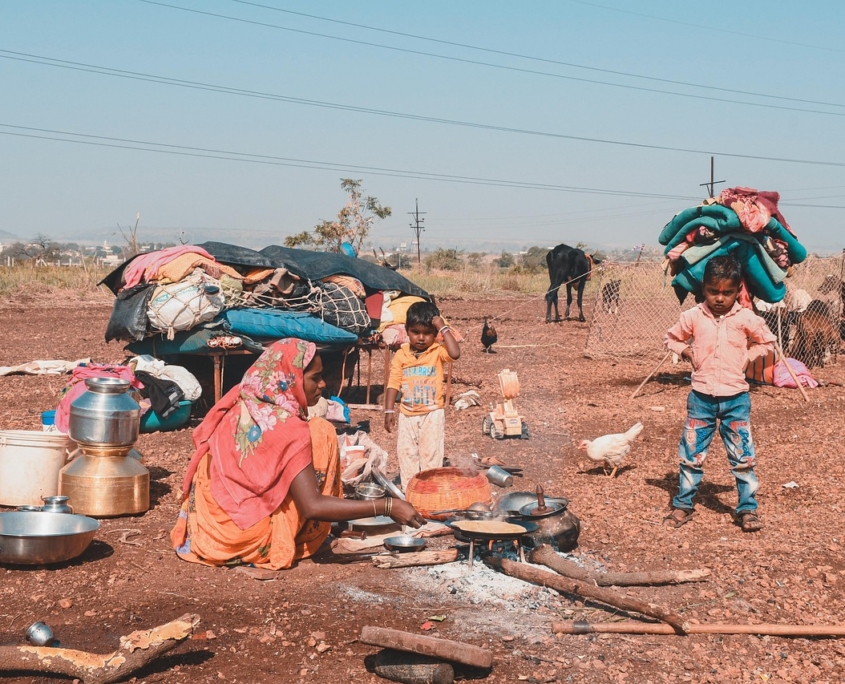
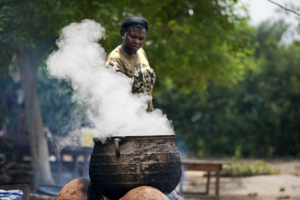
ECookIn many parts of the world, the warm, familiar smell of cooking isn’t just a homely comfort; it’s a threat. According to the World Health Organization (WHO), 2.1 billion people still cook using solid fuels such as wood, charcoal, crop waste, coal or even dung, in open fires and using inefficient stoves. The household air pollution from this cooking causes many issues, from eye damage to strokes, lung cancer and heart disease, especially in women and children who spend more time near cooking fires.

The pollution is responsible for an estimated 3.2 million deaths per year, three times more deaths annually worldwide than traffic accidents. However, one company is working to change that. ATEC’s eCook induction stove offers a clean cooking alternative to smoky, dangerous methods. By combining affordable financing, digital technology and economic incentives, eCook is showing how modern cooking can be practical and life‑changing in low‑income settings.

How eCook Works and Why It Matters

The eCook stove functions through induction technology. When the pot is placed on the surface, heat is generated. Without exposed flames, smoke or choking soot, the indoor air stays cleaner. The device includes safety features like automatic shut-off, precise temperature control and a child lock, which makes a difference in homes where children are around. In Cambodia, a user says it helps them have “confidence and feel safer, especially for my kids who cook at home.”

In Nepal’s Madhesh region, where traditional stoves fueled by firewood or cow dung dominate, feedback about eCook’s clean cooking praises the impact on quality of life. Pandey, a local health worker, observes women with fewer eye and respiratory complaints since electric induction stoves were introduced. Cleaner homes, less time spent collecting fuel and tending fires and more time for other tasks are becoming the norm.

What also sets eCook apart is its financing model. In Bangladesh, households can obtain the stove on a pay‑as‑you‑go basis, often paying as little as $5 per month. The company subsidizes part of the up‑front cost through carbon credits earned via verified usage of the stove. These credits are gold‑standard, meaning there’s an international verification of data tied to each household’s usage.

In Practice

Saleha, a 25‑year‑old homemaker in Dhaka, Bangladesh, describes how the eCook stove is both a cost- and time-saving option: “I can pay for the stove easily with the app. It did not require me to have a bank account to buy this product in a pay-as-you-go system. The stove cooks fast and the cost has been dropped to half since I no longer need to buy expensive LPG for cooking.”

This model helps not only make what might otherwise be unaffordable technology accessible to low‑income families but also becomes an income generator itself, particularly for women. Through ATEC’s Cook-to-Earn initiative, users, particularly women, receive direct carbon payments based on their usage. In the same way that ATEC uses certified carbon credits to keep costs low, women using the stove can measure, verify and convert their emissions reductions into carbon credits.

These credits can then be sold to decarbonization partners, empowering women in the Global South to turn climate action into income.

Facing the Gaps and Looking Ahead

Despite early success, challenges remain. In Madhesh, not every pot fits the induction stove; large vessels or specific cooking styles still depend on open fires or mud stoves. Electricity supply is still unreliable in some areas, which raises questions about consistency. But behavior change is gradual. Many families still keep a mix of stoves for different uses (a practice known as fuel stacking) rather than switching entirely.

Yet momentum in clean cooking is building. In September 2025, ATEC raised $15.5 million led by investors including Lightrock and TRIREC. It aims to roll out up to 200,000 more eCook stoves in Bangladesh, Cambodia, Malawi and Nepal over the next three years.

“Every family deserves a kitchen free from smoke that damages lungs, shortens lives and keeps people in poverty,” said ATEC CEO and co-founder, Ben Jefferys. “To achieve this, we must provide households with the right technology that unlocks their carbon assets to transact directly with decarbonisation partners at scale, backed by real-time data from every stove in every home.”

– Jannah Khalil

Jannah is based in Sacramento, CA, USA and focuses on Good News and Technology for The Borgen Project.

Photo: Flickr

October 20, 2025
https://borgenproject.org/wp-content/uploads/borgen-project-logo.svg 0 0 Hemant Gupta https://borgenproject.org/wp-content/uploads/borgen-project-logo.svg Hemant Gupta2025-10-20 01:30:532025-10-20 00:17:56ECook: How Induction Stoves Make Cooking Less Deadly
Global Poverty, Technology

Kistpay: Revolutionizing Smartphone Affordability

kistpayAccess to mobile internet and smartphone ownership is becoming increasingly linked to poverty alleviation worldwide. Mobile internet usage in the world’s poorest 40% of countries has increased by 770 million since 2015, with stronger network connectivity giving users easier access to financial services, educational software and health care platforms. The GSMA estimates that between 2023-2030, $3.5 trillion can go to global GDP through increasing mobile internet accessibility to those who live in areas with network coverage but no personal device.

Given that 15% of the global population currently cannot afford a mobile phone package, where in the world’s poorest fifth of countries these cost an average of 51% of a user’s monthly income, rethinking smartphone financing is essential to reduce digital exclusion and poverty.

Current Difficulties in Developing Countries

While institutions such as the World Bank recognize how the digital divide perpetuates poverty in low to middle-income countries, their recommended solutions for remedying this involve substantial policy shifts such as subsidising device costs and tax exemptions for the cheapest devices.

While these are important steps to bridge the accessibility gap that exists for the world’s poorest, the political viability of these measures varies across developing countries with different political regimes, budgets and popular support. Rather than address the gap, varying adoption rates of these policies could actually increase inequality, as only a few choice nations benefit. A new, dynamic approach to smartphone affordability is necessary: one that is easily, globally scalable with low-adoption costs.

Enter Kistpay

Kistpay, a Pakistani-based and UAE-headquartered platform, is revolutionizing smartphone affordability through its market-oriented solution to mobile financing. It works on the principle of “buy now, pay later,” a system that lets customers take home a product immediately and spread payments over time. Unlike conventional versions of this, which usually demand credit scores, bank accounts or deposits, barriers that shut out much of the low-income population, Kistpay relies on Google-enabled device-locking technology. If a user defaults, the phone is temporarily disabled rather than repossessed. This lowers lender risk and keeps repayment incentives intact, widening access for those with no formal financial history.

Through partnerships with major telecoms providers such as Jazz and Telenor, Kistpay offers Shariah-compliant instalment plans starting from just a few dollars a month, showing how expanding smartphone affordability in the developing world is not only possible through subsidy but through a commercially viable, market-driven model.

Scalability and Success

Kistpay’s revolutionary technology currently operates across three continents, in countries as geographically and economically diverse as Thailand and Mexico. This bold mission statement drives the global reach, aiming to shrink the number of digitally detached citizens and facilitate the inclusion of the “next billion users” of smartphones. A commitment as ambitious as this, whether achievable or not, indicates that Kistpay intends to play an emboldened role in ending smartphone inaccessibility.

Kistpay has already taken bold steps towards this reality, focusing on regions where religion may inhibit the ability to take out interest-accruing loans. Here, it offers Shariah-friendly, zero-interest smartphone loans and acts as a vital lever in galvanising mobile adoption in previously overlooked communities. Key international institutions like the UNDP, recognized this groundbreaking work and signed a Memorandum of Understanding with Kistpay in 2024 focusing on fostering digital inclusion and enhancing connectivity in the Arab world.

Kistpay has also placed women’s inclusion at the heart of its mission – an essential component of any serious anti-poverty strategy. In Pakistan, where just 26% of women own a smartphone, its Women Empowerment Program has already reached more than 10,000 women since 2022, with a target of 25,000 by 2026. By combining female-staffed helplines, women-only outlets, financial literacy training and affordable instalment plans, Kistpay is not only bridging the digital gender gap but enabling women to grow businesses, boost household incomes and achieve greater independence.

A Digitally Inclusive Future

While Kistpay is no Google or Microsoft, it is doggedly staking its claim in the future of smartphone affordability in the developing world. Through an innovative business model and strong sense of social responsibility, Kistpay has already affected millions in its quest to democratise access to Tech. In doing so, it offers a glimpse of a digitally inclusive future where connectivity is not a privilege, but a pathway out of poverty.

– George Horberry

George is based in York, UK and focuses on Technology and Politics for The Borgen Project.

Photo: Flickr
October 16, 2025
https://borgenproject.org/wp-content/uploads/borgen-project-logo.svg 0 0 Naida Jahic https://borgenproject.org/wp-content/uploads/borgen-project-logo.svg Naida Jahic2025-10-16 01:30:082025-10-16 00:14:25Kistpay: Revolutionizing Smartphone Affordability
Global Poverty, Technology, Women's Empowerment

TEGAs: Empowering with The Girl Effect Program

TEGAsThe Girl Effect program reaches millions of girls in 20 countries across Africa and Asia, using multimedia approaches to give them the tools, knowledge and confidence to take control of their health, education and livelihoods. In a conversation with Authority Magazine, Jessica Posner Odede, CEO of Girl Effect, emphasized that the program works by meeting young girls where they already are: online. Using media and technology to deliver content they want and trust, Posner Odede said, “We create safe spaces for girls — sharing facts, and answering questions about health, nutrition, education, relationships and so much more.”

Providing Space for Girls

The Girl Effect Program provides spaces where girls can ask questions and obtain accurate information–without shame or possibly dangerous scrutiny from those around them. One of the program’s most innovative tools is its AI-powered chatbot, Big Sis, in South Africa. Big Sis acts as a virtual big sister, responding instantly and privately to questions about sex, relationships and health. Posner Odede said, “By using chat technology, we’ve created this ‘virtual big sister’ that can respond to every girl instantly and privately.” Since its launch, more than 75,000 girls have started chats with Big Sis and sent over 1.3 million messages. Data shows that after advice from Big Sis, 76% of girls intend to access a health service before starting a new relationship, a figure that is 12% higher than among girls who have not used it.

Following the success of Big Sis, the Girl Effect program expanded to India with Bol Behen (a phrase that means “Speak! Sister” in Hindi), a chatbot that communicates in Hinglish. Posner Odede explained, “Girls sometimes feel more comfortable talking to a robot, because they are not afraid of being judged. In other words, they feel empowered to ask questions around topics that might be considered explicit elsewhere.” Within two years, Bol Behen facilitated 98,000 conversations and 1.6 million messages, increasing users’ knowledge of sexual health by an average of 15% compared to non-users.

TEGAs

The Girl Effect program also relies on networks of Tech-Enabled Girl Ambassadors (TEGAs) aged 18–24, who collect real-time insights from their communities using mobile tools. During the pandemic, when face-to-face research became impossible, 29 TEGAs in six countries participated in Hear Her Voice, a program wherein they documented their realities and recommendations for Girl Effect through digital diaries.

Posner Odede expanded, “The pandemic made face-to-face research impossible, so we ran a project called Hear Her Voice where TEGAs shared digital diaries with us — turning the camera on themselves to document their reality, resilience and recommendations for the support they needed.” This approach allowed the program to respond quickly to emerging challenges and ensured that the girls themselves shaped ongoing programming.

One TEGA, Rahma from Tanzania, exemplifies the impact of the program. Through the program, Rahma launched a liquid soap business, learned skills online and created income for her household. Posner Odede shared, “Rahma is using technology to start her own business and take control of her livelihood. She thinks the community should see a girl as a person with power, because that is the way she sees herself.” Through the program, Rahma launched a liquid soap business, learned skills online and created income for her household–all with the power of the internet.

Adapting Programs to Local Contexts

Media and entertainment form another core component of the Girl Effect program. TV dramas, radio shows, magazines and digital content deliver lessons on health, relationships and education. Posner Odede explained that the program adapts content to local contexts and challenges harmful societal myths. One such ‘myth’ was misinformation about vaccines, including the HPV vaccines.

“We have been using knowledge and insight gained from our work with Gavi, the Vaccine Alliance, in Ethiopia, Rwanda, Malawi and Tanzania — where we used our TV dramas, radio shows, magazines and digital content to improve girls’ knowledge about the HPV vaccine and cervical cancer, including challenging myths about it — as the foundation of our approach to tackle misinformation around vaccine hesitancy when it comes to COVID-19.”

Partnerships like the one with Gavi strengthen the program’s impact. Posner Odede emphasized the importance of working with organizations that share their goals: “We are really lucky to have partnered with a host of such organizations, such as Vodafone Foundation.” Such collaborations allow the program to expand its digital infrastructure and further ensure safe, secure and scalable spaces for girls.

Learning New Skills

In providing these online safe spaces, the Girl Effect program seeks to enable girls to enact change in their real communities. Posner Odede described how the initiative arms girls with skills to negotiate and challenge societal norms: “Do not underestimate the power of girls to change both their own lives, and the lives of those around them. At Girl Effect, we arm girls with the skills to negotiate and redefine what they are told is possible ‘for a girl’.”

Posner Odede articulated the program’s ultimate goal: “It would have to be realizing gender equality in every aspect of girls and women’s lives. This is Girl Effect’s key aim and we are proud to be working towards it.” Through its integrated approach of media, technology, research and community engagement, the Girl Effect Program works hard to address the complex challenges facing girls in poverty, from gender inequality and health misinformation to limited access to education and economic opportunity.

The Future

As the Girl Effect Program and the network of TEGAs expand across Africa and Asia, it provides a scalable and reproducible model for empowering girls while strengthening communities. Posner Odede concluded, “We know that when a girl unlocks her power to make different choices that change her life, it inspires others to do so too. She starts a ripple effect that impacts her family, her community, her country.” The Girl Effect program demonstrates that supporting girls is not only a matter of creating equity, but a strategic investment in the well-being of our global society.

– Kelsey Eisen

Kelsey is based in San Francisco, CA, USA and focuses on Technology and Solutions for The Borgen Project.

Photo: Flickr
October 9, 2025
https://borgenproject.org/wp-content/uploads/borgen-project-logo.svg 0 0 Naida Jahic https://borgenproject.org/wp-content/uploads/borgen-project-logo.svg Naida Jahic2025-10-09 03:00:112025-10-09 02:38:08TEGAs: Empowering with The Girl Effect Program
Economy, Foreign Aid, Global Poverty

The African Union’s SSE Strategy

SSE StrategyIn recent years, foreign aid has become increasingly political and divisive among Western nations. During his presidency, Donald Trump significantly reduced funding to the United States Agency for International Development (USAID), arguing for a more “America First” approach to spending. Similarly, countries such as the United Kingdom, France and the Netherlands have also scaled back their foreign aid commitments, citing shifting domestic priorities, according to The Financial Times.

The reduction in foreign aid spending by many Western countries has put significant pressure on global health organizations and the United Nations (U.N.), influencing them to adapt to a world where foreign aid budgets are no longer top priorities for high-income countries. A senior U.N. official, quoted in The Financial Times, acknowledged the severity of this shift, stating, “Around a fifth of the total aid budget is gone and we have to accept that.” In response, international agencies like the Global Fund to Fight Aids and the Vaccine Alliance are forced to scale back programs and sometimes discontinue aid projects altogether.

The Impact of Foreign Aid Cuts on Africa

Reductions in foreign aid spending, specifically budget cuts to USAID, have disproportionately impacted Africa, where millions rely on foreign aid assistance for health care services. In 2024, under the Biden administration, USAID allocated 31% of its total budget—totaling $12.7 billion—to aid programs across the continent.

These funds supported critical health initiatives targeting HIV/AIDS, malaria, tuberculosis, maternal and child health and nutrition. According to African Practice, the African Center for Disease Control and Prevention estimates that aid reductions could push an additional 5.7 million Africans into extreme poverty.

In the wake of aid cuts, the African Union has implemented a plan to navigate away from aid reliance and toward continent-wide development. The plan is a 10-year Social and Solidarity Economy (SSE) strategy, which focuses on strengthening locally rooted businesses and providing community-led public services and health care. By reinvesting the profits from these programs, the goal is to stimulate growth and create new jobs, ultimately stabilizing the continent and reducing the need for foreign aid.

Impacts from the African Union’s SSE strategy are already being seen across the continent. Below are a few highlights.

Babban Gona

Babban Gona is a farmer-owned cooperative based in Nigeria that supports the development of smallholder farms. Since its founding in 2010, the organization has created more than 80,000 jobs, impacted above 35,000 individuals in local communities and invested tens of millions of dollars into rural economies. These efforts have significantly reduced poverty and regional violence. The African Union’s SSE strategy aims to build on successful models like Babban Gona to promote broader community-driven growth across the continent.

Broad Reach

South Africa’s BroadReach program utilizes AI-driven data platforms to improve HIV and tuberculosis treatment nationwide. With support from government partners, BroadReach has enhanced the efficiency and reach of public health care systems, positively impacting millions of people and raising the overall quality of care. The program serves as a blueprint for how other African countries can scale health care services locally, minimizing foreign aid reliance for health care initiatives.

Esoko

Esoko is a Ghana-based project that uses mobile technology to provide communities with the necessary information to support positive change in agricultural markets. With more than one million farmers already impacted, Esoko delivers real-time updates on market prices and climate data to smallholders, improving both sustainability and productivity, according to Esoko.

Esoko has already improved farmers’ livelihoods across Ghana by creating a more interconnected agricultural market chain. This success can be scaled to surrounding regions under the African Union’s SSE strategy, making agriculture more dependable and profitable for many of Africa’s most vulnerable communities.

Final Remarks

While foreign aid cuts from Western nations have created challenges across Africa, they’ve also forced a necessary shift toward self-reliance and continent-wide development. Indeed, the African Union’s SSE strategy offers a new path forward. Programs like Babban Gona, BroadReach and Esoko show that locally based solutions already positively impact Africa. With continued support from the African Union, Africa has the tools to stimulate growth without depending on foreign aid.

– Jordan Venell

Jordan is based in Edina, MN, USA and focuses on Good News and Technology for The Borgen Project.

Photo: Flickr

October 9, 2025
https://borgenproject.org/wp-content/uploads/borgen-project-logo.svg 0 0 Hemant Gupta https://borgenproject.org/wp-content/uploads/borgen-project-logo.svg Hemant Gupta2025-10-09 01:30:322025-10-08 10:23:17The African Union’s SSE Strategy
Developing Countries, Development, Global Poverty, Women's Empowerment

BC Sakhi in India: Women Bringing Banking to Rural Doorsteps

BC Sakhi in IndiaAfter years of rapid digitalization, even coming across someone without a bank account has become an extremely rare sight for almost anyone today. However, this was far from reality for rural India just a decade ago, where, until 2014, only 35% of adults had an account with a financial institution, leaving millions excluded from formal banking.

This severe gap was not merely impractical, but resulted in a perpetual cycle of debt for many. Local moneylenders in rural India often charge high interest rates to exploit villagers with little to no knowledge of or access to formal credit and banking.

The Launch of BC Sakhi in India

2020 marked the start of something that completely reshaped a harsh reality for many rural Indians. Over the past five years, the Bank Correspondent (BC) Sakhi initiative has been dedicated to bridging this gap that leads to exploitation, going door-to-door to bring India closer to true financial freedom.

Launched by the Indian government under the National Rural Livelihoods Mission (NRLM), the BC Sakhi (friend) initiative aims to appoint at least one female banking correspondent for every Gram Panchayat (village council). Women from self-help groups are recruited and provided with extensive vocational training to be on the frontlines of financial inclusion, interacting with villagers to transform financial management.

These women take on roles ranging from raising financial literacy to opening bank accounts and linking villagers with credible institutions that offer credit, savings and government benefit transfers.

A Community-Centered Approach

The initiative adopts a tailored approach to overcome connectivity barriers—historically a major reason for access gaps in villages. Women within the community, often from underprivileged backgrounds and needing employment, are brought into the program. This enables them to secure a stable income to support their families while gaining vocational skills that help them advance in their careers.

Technology as a Tool for Inclusion

A door-to-door approach, while fruitful, created challenges of efficiency that needed to be resolved to speed up progress for villagers. As of 2022, only 37% of rural Indians were aware of or claimed to have used digital banking. Reflecting on this trend, the initiative tapped into an underutilized resource with great potential to transform banking for rural Indians—technology. Digital tools to accelerate adoption include: 

  1. Aadhaar-enabled payment systems: Bank accounts were linked to government IDs, allowing the use of biometrics to approve deposits and withdrawals.
  2. Micro-ATMs: To eliminate the need for a traditional branch, low-cost handheld devices enabled women correspondents to carry out common transactions at the doorstep, including extending small loans to informal workers.

Banking on Women’s Empowerment

While serving the rural population, the initiative also empowers rural women in all aspects of life. By stepping into the role of a BC Sakhis, women gain access to:

  1. Income Generation: By earning commissions on transactions and service fees, BC Sakhis can generate supplemental income.
  2. Skill Development: All correspondents receive free or heavily subsidized training in digital tools, financial services and soft skills such as customer service and communication.
  3. Social Status: While acting as facilitators between villagers and banks, Sakhis gain confidence and respect within their communities. Government-led impact studies have shown increased confidence levels among women who work with the initiative.

The initiative has already trained more than 50,000 women to serve as links between rural Indians and formal banking. By adopting a community-centered approach, the program has contributed to positive change toward reducing both financial insecurity and social marginalization of women. As more villages continue to be linked to correspondents under the scheme, BC Sakhi in India is set to remain a cornerstone of the nation’s journey to complete financial inclusion.

– Anahadhbir Singh

Anahadhbir is based in Toronto, Canada and focuses on Good News for The Borgen Project.

Photo: Unsplash

October 8, 2025
https://borgenproject.org/wp-content/uploads/borgen-project-logo.svg 0 0 Hemant Gupta https://borgenproject.org/wp-content/uploads/borgen-project-logo.svg Hemant Gupta2025-10-08 07:30:512025-10-07 23:48:37BC Sakhi in India: Women Bringing Banking to Rural Doorsteps
Food Security, Global Poverty

Food Security with Solar Cold Storage in Africa

Solar-Powered Cold Storage in AfricaIn sub-Saharan Africa, limited access to properly refrigerated goods means that as much as 50% of perishable produce never reaches the market, most prominently dairy, fish, fruits, and vegetables, items that are extremely valuable in this region. The continent loses $1.2 billion annually due to poor refrigeration and infrastructure, with 600 million people living without consistent access to electricity, affecting their ability to properly store food. These losses undermine hunger relief efforts and therefore hold farmers in a repetitive cycle of low income, affecting their ability to produce quality goods.

Solar Refrigeration Steps In

Companies like Sokofresh are utilizing solar-powered cold storage in Africa which is a clean, off-grid alternative to diesel-based systems. This enables farmers to preserve their perishable goods for up to 21 extra days, extending selling windows and increasing revenue potential.

Based in Nigeria, ColdHubs provides 100% solar-powered, walk-in cold rooms at rural hubs to combat post-harvest food waste for farmers. These units can store up to three tonnes and serve numerous small-scale farmers and fishers. This has ultimately reduced spoilage during transportation by up to 80%.

At the same time, Koolboks delivers solar-powered refrigeration and freezers to the Nigerian market traders to aid their protection of stock during frequent outages.

In Kenya, Sokofresh’s model helps farmers band together to access and share storage, helping them significantly cutting waste. ColdHubs’ network across 54 sites provides accessible refrigeration while generating local jobs and improving produce value.

As well as this, Uganda is implementing innovative strategies to empower female farmers, extend the shelf life of harvests, and strengthen local markets. This approach maximises available resources and serves as a model for reducing food waste and providing relief across Africa.

Barriers to Scaling Solar Cold Storage in Africa

However, there continues to be barriers as in Tanzania, up to 50% of tomato harvests spoil before reaching consumers due to a scarcity of cold storage. Significant obstacles are preventing Tanzania from introducing solar-powered storage, including institutional and technological barriers, foreign investment and aid to electrification project that require reshaping.

From the strides Nigeria has made in improving their food storage, this has awoken Rwanda’s eyes in attempting to reduce its food wastage by utilizing solar-powered storage. The model uses solar energy to complement Rwanda’s initiatives to reduce their post-harvest loss whilst increasing their green energy and cutting carbon emissions.

Cooling Towards Prosperity

Solar-powered cold storage has made significant differences in a multitude of countries all around Africa. Protecting the post-harvest quality, reducing waste and helping preserve farmers’ goods, this innovation supports food security, gender equity, and sustainable rural economies. This solar-powered solution can significantly reduce the $1.2 billion annual waste of improperly stored food and help provide wider access to food for those without consistent electrical connections.

– Carise Wallbank

Carise is based in the United Kingdom and focuses on Global Health for The Borgen Project.

Photo: Flickr

October 4, 2025
https://borgenproject.org/wp-content/uploads/borgen-project-logo.svg 0 0 Naida Jahic https://borgenproject.org/wp-content/uploads/borgen-project-logo.svg Naida Jahic2025-10-04 01:30:132025-10-04 02:28:05Food Security with Solar Cold Storage in Africa
Employment, Global Poverty, Nonprofit Organizations and NGOs, Technology

Youth Opportunities: Digital Literacy Programs in Southeast Asia

Digital Literacy Programs in Southeast AsiaSoutheast Asia is at the heart of one of the world’s fastest-growing digital economies. However, millions of people miss out on these opportunities because they lack digital skills, even as the region’s marketplaces grow and sectors are transformed by technology. This digital divide often leads to economic hardship, limiting the chances of upward mobility. Programs for digital literacy have become an essential response, giving young people the skills and knowledge they need to succeed in the modern workforce. By linking youth to employment, entrepreneurship and innovation, these initiatives aim to reduce unemployment and address poverty at its roots.

Growing Digital Economy and Skills Gap

Southeast Asia’s digital economy could reach $360 billion by 2025 and surge toward $1 trillion by 2030. However, most of the region’s workforce still lacks the digital skills needed to participate fully in this transformation. For instance, in Indonesia and Singapore, only 52% of non-tech employees receive digital skills training annually, as compared to 81% of tech employees. As a result, roughly half of non-technical employees do not have access to annual digital training. This gap threatens to widen inequality, as those without digital literacy remain locked out of opportunities created by online platforms, remote work and technology-driven industries. Thus, young adults run the risk of becoming stuck in low-wage, unofficial jobs that perpetuate poverty cycles. 

Impact of Digital Literacy Programs in Southeast Asia

Digital literacy programs in Southeast Asia are proving to be effective engines of opportunity as they equip young people with marketable skills. Initiatives such as “Digital Jobs Philippines” and Singapore’s “SkillsFuture” help thousands of young people get hands-on experience in coding, e-commerce and digital communication. Similarly, the United Nations Development Programme (UNDP) launched its “Skill Our Future” program in 2023. It offers free online training in AI, digital literacy and workplace skills to underserved youth in the Philippines and across Asia, specifically to improve employability. In the same year, UNDP and Microsoft announced a joint initiative to equip 2 million underserved youth in Asia with digital and AI skills, further boosting their chances in the labor market. 

Digital Literacy and Inclusivity

The impact of digital literacy programs in Southeast Asia extends beyond individuals. Marginalized youth, especially rural populations and women, often face the greatest challenges when it comes to digital participation. U.N. Women highlights that in several Asia-Pacific low and middle-income countries, women are 20% less likely to own smartphones or access the internet compared to men, emphasizing the critical need for training that is inclusive by design.

Moreover, according to the United Nations Children’s Fund (UNICEF), by 2030, 80% of jobs in Southeast Asia will require basic digital literacy and information and communications technology (ICT) skills. These digital literacy programs aim to close the inequality gaps by reshaping entire communities when designed to be inclusive. When marginalized youth gain digital skills, they secure better employment opportunities and also uplift their families and communities. Bridging these divides strengthens social cohesion and ensures that economic growth does not exclude anyone. These measures directly advance the fight against poverty as minoritized groups obtain opportunities to acquire skills that are greatly in demand, hence helping them access a plethora of opportunities. 

Long-Term Gains for Economies and Communities

Digital literacy does more than prepare individuals for immediate job opportunities. It also strengthens national economies. The Asian Development Bank expects improved digital skills to add $1 trillion to Asia’s GDP by 2030. A workforce with strong digital skills draws in investment, encourages innovation and increases resilience to shocks to the economy. This ensures that Southeast Asian economies remain competitive in the global marketplace. This long-term growth translates into poverty reduction on a national scale, as higher employment rates generate tax revenue that governments can reinvest in social programs, infrastructure and education. 

Looking Ahead

Digital literacy provides a pathway to opportunity by equipping Southeast Asia’s youth with highly demanded skills. In addition to empowering young entrepreneurs and ensuring that disadvantaged groups are not left behind, programs that offer these skills open avenues to employment. As governments, nongovernmental organizations (NGOs) and the private sector expand their investment in digital education, they are laying the groundwork for inclusive growth and long-term poverty reduction.

– Anagha Rajithkumar

Anagha is based in Charlottetown, Prince Edward Island, Canada and focuses on Business and Technology for The Borgen Project.

Photo: Flickr

October 1, 2025
https://borgenproject.org/wp-content/uploads/borgen-project-logo.svg 0 0 Precious Sheidu https://borgenproject.org/wp-content/uploads/borgen-project-logo.svg Precious Sheidu2025-10-01 01:30:582025-10-01 00:54:02Youth Opportunities: Digital Literacy Programs in Southeast Asia
Global Poverty, Innovations, Technology

The Silicon Valleys of Africa: The Burgeoning Tech Hubs in Africa

Tech Hubs in AfricaThe media often depicts Africa as a deeply impoverished continent, where governments struggle to provide basic resources for their populations and rely heavily on Western aid. While Africa does suffer from some of the highest rates of poverty in the world, the entire picture is multifaceted.

It is an incredibly resource-rich continent that has been the victim of colonial exploitation. While the imagery of malnourished children with bloated stomachs draws sympathy, it does not tell the whole story. In truth, there are many thriving industries and burgeoning hubs in Africa.

Africa is the fastest-growing continent in terms of population and aid creates a pathway for future profitable trade relations. Aid should not focus only on short-term fixes but also on long-term paths to autonomy for African nations. Many cities are already prosperous markets that foster innovation. Here are three burgeoning tech hubs in Africa:

Lagos, Nigeria

Lagos has already established itself as one of the leading tech hubs of the future, not just in Africa, but globally. It ranked first in the Rising Stars category of Dealroom.co’s 2025 Tech Ecosystem Index, with a 1100% growth rate since 2017. There are five unicorns, private companies with valuations of more than $1 billion, based in Lagos.

The city provides a centralized market, as most industries are focused on the neighborhoods of Marina and Victoria Island, as opposed to the split markets of Johannesburg and Cape Town. Infrastructure currently poses a challenge to expansion in Lagos. It is difficult to “find anywhere in Lagos that would take 3,000 people in one go.” In response, Tech entrepreneur Iyin Aboyeji is building a 72,000-square-foot business park near the metro area.

Education is one of the foundations of upward mobility. Providing equal access to education is a way to improve the lives of those suffering and ensure that a nation’s best talent is placed in the proper roles. The Global Partnership for Education grant is a partnership between the United Kingdom’s Foreign, Commonwealth and Development Office and Nigeria’s Ministry of Education that provides funding for education initiatives within Nigeria.

The program has pledged $100 million in funding from 2024 to 2027. Some of its priorities include improving school infrastructure and teacher training in various facets of education.

Nairobi, Kenya

Nairobi, also known as Silicon Savannah, is one of the burgeoning tech hubs in Africa and has cemented itself as East Africa’s center of innovation. The international community is taking notice of Nairobi, as Microsoft has just invested $1 billion in a data center in Kenya. This will provide cloud computing through Microsoft Azure to East Africa.

M-Pesa, a mobile payment enterprise, is largely responsible for Nairobi’s rise as a tech hub. In 2007, it pioneered a secure platform that enabled people to transfer money using only their cellphones. The fintech sector has continued to expand, with other companies, such as M-Kopa, Lendable and Tala, basing their operations in Nairobi.

Incubators have also found a foothold in Silicon Savannah. The U.S. Embassy operates tech hubs for entrepreneurs who may not have proper access to technology. Both founded in 2010, iHub and Nailab are two incubators intended to accelerate African innovation and improve Kenya’s economic prosperity by bringing together creative thinkers and providing proper mentorship.

Programs that foster innovation will help maintain Nairobi’s growth and its status as one of the burgeoning tech hubs in Africa.

Kigali, Rwanda

Although currently a smaller market than the previous two cities, Kigali remains one of the burgeoning tech hubs in Africa. Unlike Nairobi’s private enterprise-driven expansion, Kigali maintains substantial support from Rwanda’s government. There has been a state-led effort for “digital transformation.” 4G or 5G currently enables 95% of the city.

The Kigali Innovation City is a business hub that houses universities, incubators and office spaces for emerging tech companies. Additionally, the city hosts the Africa Tech Summit. However, the city faces challenges like the infamous “brain drain.”

Because Kigali’s innovation efforts are public endeavors, salaries remain more lucrative in cities such as Nairobi and much of Kigali’s top talent is being lured out of Rwanda. The solution, once again, lies in education. In conjunction with Andela’s coding boot camp, institutions such as Carnegie Mellon University and African Leadership University produce approximately 2,600 tech graduates annually.

The Timbuktu Fund, sponsored by the United Nations Development Programme (UNDP), aims to foster startups around Africa. Programs like these help drive up wages and economic growth in places like Kigali, which in turn helps the city maintain its workforce.

Conclusion

Lagos, Nairobi, and Kigali show that Africa is redefining its story, from dependency to innovation. With growing investment, talent and education initiatives, these hubs are positioning the continent as a rising force in global technology.

– Patrick Feeney

Patrick is based in Los Angeles, CA, USA and focuses on Business and Technology for The Borgen Project.

Photo: Flickr

September 28, 2025
https://borgenproject.org/wp-content/uploads/borgen-project-logo.svg 0 0 Hemant Gupta https://borgenproject.org/wp-content/uploads/borgen-project-logo.svg Hemant Gupta2025-09-28 03:00:142025-09-28 01:01:51The Silicon Valleys of Africa: The Burgeoning Tech Hubs in Africa
Page 5 of 29«‹34567›»

Get Smarter

  • Global Poverty 101
  • Global Poverty… The Good News
  • Global Poverty & U.S. Jobs
  • Global Poverty and National Security
  • Innovative Solutions to Poverty
  • Global Poverty & Aid FAQ’s
Search Search

Take Action

  • Call Congress
  • Email Congress
  • Donate
  • 30 Ways to Help
  • Volunteer Ops
  • Internships
  • Courses & Certificates
  • The Podcast
Borgen Project

“The Borgen Project is an incredible nonprofit organization that is addressing poverty and hunger and working towards ending them.”

-The Huffington Post

Inside The Borgen Project

  • Contact
  • About
  • Financials
  • President
  • Board of Directors
  • Board of Advisors

International Links

  • UK Email Parliament
  • UK Donate
  • Canada Email Parliament

Get Smarter

  • Global Poverty 101
  • Global Poverty… The Good News
  • Global Poverty & U.S. Jobs
  • Global Poverty and National Security
  • Innovative Solutions to Poverty
  • Global Poverty & Aid FAQ’s

Ways to Help

  • Call Congress
  • Email Congress
  • Donate
  • 30 Ways to Help
  • Volunteer Ops
  • Internships
  • Courses & Certificates
  • The Podcast
Scroll to top Scroll to top Scroll to top