Madhubani ArtAccording to the Multidimensional Poverty Index (MPI), the Indian state of Bihar is the most impoverished state in terms of multidimensional poverty. Poverty in Bihar goes beyond a lack of income; it reflects an impoverished state of health, education and living standards.

Bihar is heavily reliant on agriculture for its economic survival. However, with 73% of its area designated as flood-prone, the state’s people find themselves stuck in a vicious cycle of survival and sustenance. It has been noted that 76% of the population lives under the recurring threat of floods. 

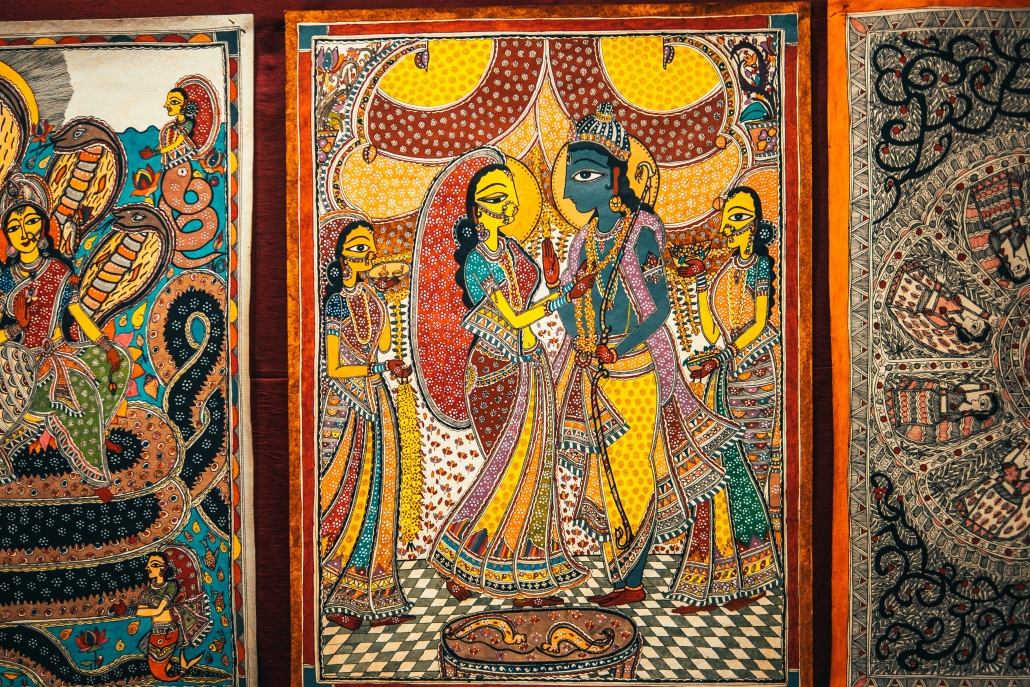
Despite the recurrent cycle of ruin and revival, the people of north Bihar, specifically in Madhubani District, have found a way to use their indigenous knowledge and Madhubani art tradition to generate income. Madhubani art, a distinctive folk art form originating in the region and also known as Mithila painting, has grown from a purely cultural expression into a livelihood that now sustains tens of thousands of families.

From Tradition to Economic Empowerment

Madhubani art originated in the villages of Mithila long before the modern era, where women decorated mud walls and floors with elaborate patterns expressing mythology, nature and community life. The art is defined by bold lines, bright, often natural colors and intricate geometric motifs depicting gods, animals, wedding scenes and ritual imagery. 

As droughts struck rural Bihar in the mid-20th century, artists began transferring this heritage onto paper, cloth and canvas, a transformation that unlocked commercial horizons. Today, Madhubani art manifests across surfaces from canvas and handmade paper to sarees, notebooks and decorative homeware, giving artisans access to urban markets, exhibitions and global tourism. 

Economic Impact: Numbers That Matter

Recent government records indicate that this traditional craft now provides regular income support to artisan families in Madhubani district. This support also extends to other surrounding areas, far beyond its original birthplace. In core hubs such as Jitwarpur, nearly 70% of local families depend on the sale of Madhubani art for income, with many artists coming from low-income backgrounds. 

Formal support measures have also made tangible gains. More than 5,000 artisans in the region have applied for specialized artisan credit cards designed to help them access loans for materials, training and other business needs. Tax policy reforms have reduced the Goods and Services Tax (GST) on handicrafts from 12% to 5%, making artworks more affordable for buyers and providing greater earnings stability for artisans. 

Though precise income figures can vary widely by artist and medium, studies of artisan households show that sales revenues often constitute a major share of family earnings. The revenues help cover daily expenses, schooling and health care, providing breakthroughs for communities once mired in seasonal migrant labor. Moreover, success in Madhubani art has given women greater public visibility. 

Many women now represent their communities at fairs, exhibitions and cultural events across India and abroad, breaking social norms that once confined them to the home. Women artisans report greater influence over family finances, improved household decision-making power and a stronger ability to invest in their children’s education, outcomes that can improve household well-being and reduce economic vulnerability.

Government Programs and Policy Support

The Bihar government has launched handicraft promotion campaigns and training programs to improve design quality, market access and digital selling skills for rural artisans. It aims to transform the craft into a sustainable enterprise. Nonprofit and livelihood programs, such as Bihar Rural Livelihoods Promotion Society (Jeevika), have also engaged Madhubani artists, linking them to broader rural development and poverty-alleviation strategies. 

Such initiatives typically emphasize skills development, collective marketing and cooperative organization to empower artisans economically and socially. Government programs have helped transform this cultural skill into economic opportunity. The National Handicrafts Development Program funded a $1.1 million craft village in Jitwarpur. 

The program created artist stalls, training centers and tourism infrastructure that reduce dependence on intermediaries. Meanwhile, Bihar’s JEEViKA self-help groups have enabled rural women artists to access credit, expand production and negotiate better prices. Despite these gains, artists and observers note ongoing challenges. 

These include limited year-round demand, exploitation by middlemen and uneven institutional backing, indicating that more coordinated policy is still needed for long-term sustainability. 

Changing the Narrative

The growing value of Madhubani art extends beyond individual households. Local tourism circuits, craft villages and cultural initiatives attract visitors interested in heritage experiences, catalyzing secondary employment in hospitality and travel. Artisans have also benefited from global interest, with works reaching buyers in the U.S., Europe and Japan and appearing in prestigious cultural forums and museum collections. 

This blend of heritage preservation, gender empowerment and economic diversification offers a replicable model for other rural communities seeking to leverage cultural capital into sustainable development. 

A Work in Progress

Despite notable strides, deep rural poverty has not vanished. Many households still supplement art earnings with agricultural or migration income and the market continues to fluctuate with seasonal and economic cycles. Yet, for villages once marked by limited livelihood options, Madhubani art has expanded economic horizons, giving thousands of families greater stability and hope.

Poverty in Bihar has not disappeared, but the shift from single-source farm income to diversified art-based earnings has improved household stability. It also reduced migration pressures and created one of Bihar’s few homegrown rural creative economies.

– Sayanee Mandal

Sayanee is based in Glasgow, UK and focuses on Good News for The Borgen Project.

Photo: Unsplash

the Aka PeopleThe Central African Republic (CAR) has, in large part, become a place that is forgotten by most of the world. For years, it has dealt with drastic political instability, which has left most of the population with little to no access to education, health care or a stable income. Per the World Bank, two-thirds of CAR’s population live in extreme poverty, nearly 67.7%. Families survive on only a few dollars every day and rural communities often lack even the most basic public services.

Living in the Forest: The Aka Culture and Knowledge

While CAR is home to many ethnic groups, the Ba’ka people have been especially left behind. They have lived in harmony with nature for centuries, possessing ecological knowledge that modern conservationists are only beginning to understand. Today, they face the same national challenges as others, often at a greater cost, experiencing deeper and more persistent exclusion. 

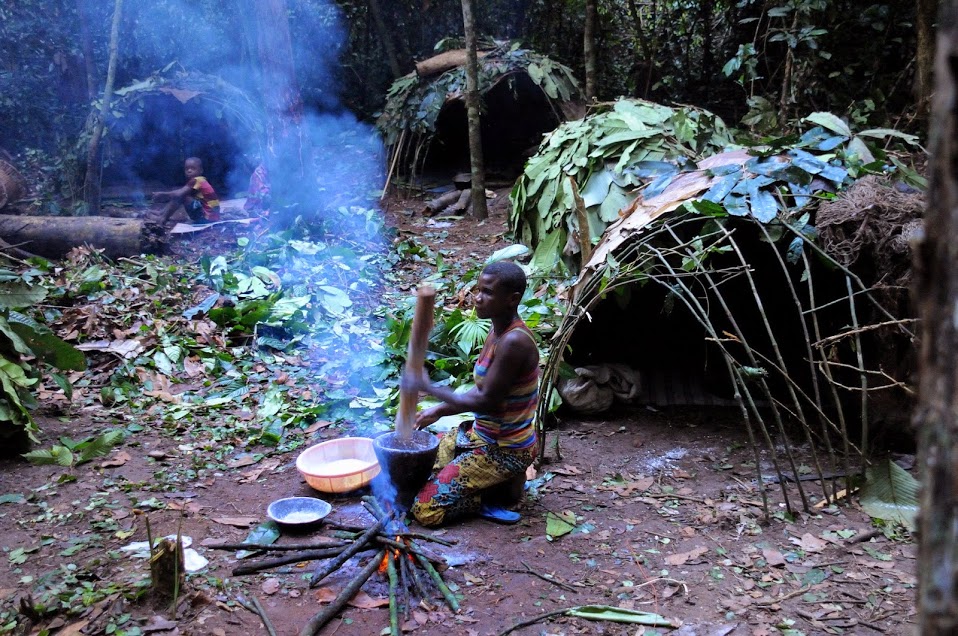
The Ba’ka have built their culture around hunting and tracking. Aka hunters follow animals by interpreting subtle signs in the soil and on the forest floor. Women gather medicinal plants, edible roots and wild vegetables. This knowledge is carefully passed down through generations.

Trapped in Cycles of Exploitation

Modernization and land pressures are increasingly disrupting the Aka people’s way of life. Logging, conservation zoning and agricultural expansion reduce the land available for traditional practices. As forests shrink, Aka families often move closer to roadside settlements, where discrimination and economic exploitation are common.

Many Aka people in CAR report unequal labor arrangements with neighboring farming communities. In some cases, families work in fields or perform domestic labor in exchange for food, used clothing or small goods rather than fair wages. These informal arrangements trap families in intergenerational debt and create long-term dependency. 

How the WWF Has Helped Aka Communities

The remote nature of many Aka communities leaves them largely invisible and without formal identity. However, international organizations like the World Wildlife Fund (WWF) and private NGOs have stepped in to help protect the Ba’ka from extreme poverty, providing employment opportunities and other essential resources. A particularly valuable resource for the Aka has been their deep ecological knowledge. 

Their expertise in tracking wildlife and monitoring poaching is often relied upon by the WWF and other conservation groups. This knowledge has allowed the Aka to secure employment outside the traditional debt-trap cycle.

Hope for the Aka People

The lack of documentation makes Aka communities statistically invisible. When governments and international organizations allocate resources, unregistered individuals often fall outside official counts. To address this gap, many NGOs have launched mobile civil registration campaigns that travel directly to remote forest regions in CAR, helping families obtain legal citizenship and birth certificates. 

UNICEF leads the most extensive mobile registration effort across the Congo Basin through the No Name Campaign, which aims to ensure every child can gain citizenship. In February 2026, UNICEF reported that it has distributed birth documents to more than 1,000 schoolchildren. 

A young boy named Azor received his certificate during this drive. Previously, he could not sit for his primary school exams; thanks to UNICEF’s efforts, he can now dream of one day traveling internationally to watch football.

– Haydn Goodboy

Haydn is based in MA, USA and focuses on Good News for The Borgen Project.

Photo: Wikipedia Commons

Poverty in PeruPeru is a country in South America with a population of 34.22 million people. The global pandemic did a lot of damage to Peru’s economy and poverty rates in the country have increased significantly since 2019. Currently, 27.6% of the population lives beneath the national poverty line and much of that poverty is centralized in rural parts of Peru.

In fact, rural poverty is higher than the national average, at a whopping 39.3%. Ending poverty in rural areas is vital to ending poverty nationwide. Still, it is tough, as many rural areas speak distinct languages and specialize in different forms of cultural art.

However, it is this cultural art that many programs have chosen to focus on in one of the many attempts to alleviate financial difficulty in rural areas.

The MGD Achievement Fund

The MGD Achievement Fund’s joint program in Peru focused on reducing poverty across four of the country’s most disadvantaged regions. It did this by building inclusive creative industries in tourism, handicrafts, organic agriculture and gastronomy. The program enriched the poorest parts of Peru by using traditional heritage to stimulate tourism through handicrafts and foods, as well as promoting organic agriculture.

Much of its work was done with the help of the United Nations (U.N.), specifically the Food and Agriculture Organization, the U.N. World Tourism Organization and the country’s Ministerio de la Producción (Ministry of Production). Focusing on the regions of Ayacucho, Cusco, Lambayeque and Puno, the program distributed official certificates to 126 artisans, 26 entrepreneurs in rural tourism and 49 regional cooks. The program was a huge success and more than 2,500 families across Peru increased their incomes, maintained their traditional practices and cared for the environment around them.

The program also documented many traditional arts and ensured they could continue for seasons to come.

The Awamaki Program

Awamaki uplifts Peruvian artists. It is a nonprofit that operates in Peru’s Sacred Valley, also known as the Urubamba Valley. It is based in the town of Ollantaytambo and focuses on addressing the widespread poverty throughout the valley.

The heart of the program is a cooperative of five women-led groups across the valley and it allows these women to receive skills-based training for their art. Their art is sold throughout the valley and beyond and all profits go back into their communities. The organization also helps facilitate tours in the region, bringing money into small towns.

It offers tours in both Spanish and Quechua, the native language of many regions in South America. The group also teaches computer classes to residents and offers English classes to help bolster international relations in the future.

Conclusion

Overall, Peru is a beautiful country with a wonderful heritage that is close to the hearts of many. Some have spent their entire lives doing their traditional art, making their own traditional food and speaking their traditional languages. Documentation and appreciation of heritage can be a huge stepping stone, especially when that heritage is so closely intertwined with the area’s finances. Honoring culture while promoting growth is the most effective tool for alleviating poverty.

– Eddie Hofmann

Eddie is based in Seattle, WA, USA and focuses on Business and Good News for The Borgen Project.

Photo: Flickr
satellite data to settle land rightsIn Kenya’s informal settlements, where more than half of urban residents live without formal land titles, a quiet shift is transforming how land rights are established. Through partnerships between the government and international organizations, Kenya is using satellite imagery and unmanned aerial vehicles (UAVs) to map and formalize land ownership, unlocking economic opportunities for millions of residents who have lived for decades without legal proof of ownership.

Mapping the Unmapped

Kenya’s use of satellite data to settle land rights begins with remote sensing technologies tested in regions like Kajiado County. Researchers developed smart sketch mapping systems combined with UAV technology to capture high-resolution images of informal settlements. According to a study published in the journal Remote Sensing in January 2020, these methods achieved ground sample distances of about six centimeters, offering unprecedented detail for land boundary mapping.

A fit-for-purpose approach used in Makueni County in 2017 showed that field data collection could be quick and affordable. As reported by GIM International, two surveyors collected data for about 40 parcels in six hours using handheld devices displaying satellite imagery on mobile screens. Villagers walked the perimeters of their land while GPS antennas recorded boundary points, creating a participatory process that directly links people to polygons on digital maps.

The KISIP Initiative

The Kenya Informal Settlements Improvement Project (KISIP) is the most comprehensive effort to formalize land tenure in urban areas. Launched in 2011 through a partnership between the Government of Kenya, the World Bank, the Swedish International Development Cooperation Agency and the Agence Française de Développement, KISIP has benefited more than 1.4 million residents.

According to the State Department of Housing and Urban Development, KISIP operates in about 40 counties and focuses on land tenure regularization through planning, surveying and issuing ownership documents.

The project’s second phase, which began in March 2021, targets informal settlements located on uncontested public land. As People Daily reported in July 2025, KISIP2 has prepared more than 1,470 titles in Nyeri County alone, with 540 already issued.

Economic Transformation

The economic impact of secure land tenure goes far beyond property ownership. Title deeds can be used as collateral for bank loans, enabling residents to invest in permanent housing and small businesses. A 2019 Capital Blog article noted that residents of Nyalenda in Kisumu County used their new titles to access bank loans after receiving secure tenure through KISIP.

In November 2024, the Cabinet waived Sh12.3 billion in interest on land settlement loans, demonstrating the government’s commitment to unlocking land-based economic potential. According to Capital FM, the waiver will benefit thousands of settlers in 520 settlement schemes across 26 counties, helping them obtain title deeds and use them as collateral for investment.

Peter Kagai, an 80-year-old farmer from Kamuiri colonial village in Nyeri County, told People Daily that owning a title deed improved his life significantly, allowing him to secure loans to educate his children and invest in his farm.

Technology Meets Community

U.N.-Habitat’s Social Tenure Domain Model tool has proven effective in participatory mapping. In the Kwa Bulo settlement in Mombasa County, more than 1,000 Certificates of Occupancy were issued through participatory enumerations and mapping approaches. According to U.N.-Habitat, perceived tenure security led to increased economic activities, including new retail businesses and construction projects that created employment opportunities for youth.

Looking Forward

Kenya’s use of satellite data to settle land rights represents a model for other developing nations addressing informal land tenure. The combination of affordable satellite imagery, UAV technology and community-led mapping offers a scalable solution that respects local knowledge while providing legally recognized documentation.

As Flying Labs Kenya reported in October 2024, organizations continue expanding drone applications across humanitarian and development sectors, including land tenure mapping in counties like Kajiado.

With its ability to collect data quickly and cost-effectively, the technology is well-suited for large-scale land formalization programs. The success of these initiatives shows that technology-driven solutions, combined with partnerships and community participation, can address historical land injustices and create pathways to economic opportunity. For millions of Kenyans in informal settlements, satellite data and digital mapping tools are becoming essential to securing their future.

– Jawad Noori

Jawad is based in London, UK and focuses on Technology and Politics for The Borgen Project.

Photo: Pexels

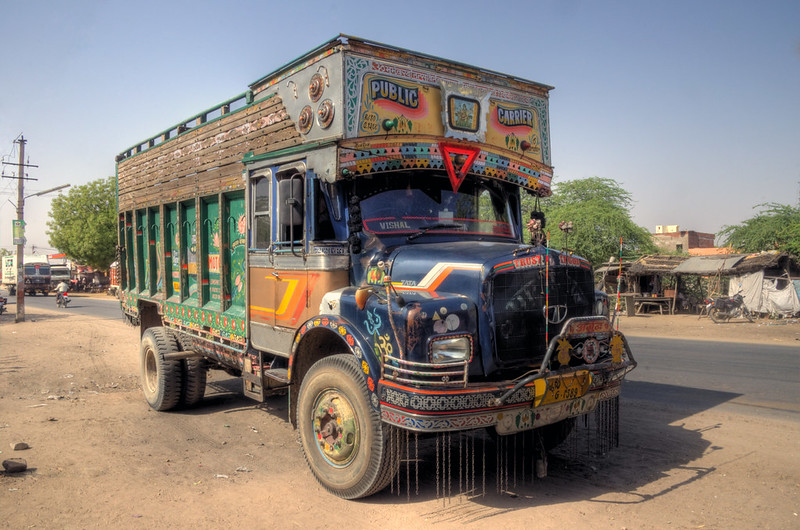
asian truck artOne thing the region of South Asia is popular for is truck art. Streets are full of vibrant, colorful, and detailed trucks that are carrying a variety of exports and necessities. In fact, within these streets, it can sometimes be hard to find trucks that are not donned in this extravagant art style. What is especially interesting about this art form, is that it is one of the working class and poor people in the country, telling an interesting story about aesthetics and poverty.

Origins

Truck art started in the 1920s, “Bedford trucks came from Great Britain, plying all over the country, carting goods”. The individuals driving the trucks decided to dress their vehicles in bright patterns and images to represent  the “inspirations and imagination of the people at large, and they also show the close bond of the truck owner with his vehicle”. This gave birth to the concept of truck art, which now dons a majority of trucks in South Asia. The truck art still represents inspiring and important cultural or political images to the drivers.

Poverty Within the Asian Truck Art World

The countries that have the most truck art are also places with extremely high poverty rates. Pakistan, known for having intricately decorated trucks fill up the roads, has a poverty rate of 22%.

According to the working class people who paint the trucks, “people take up this profession not out of choice but out of necessity”. The trucks that have elaborate colors and images originate from these individuals in poverty who paint the trucks for the drivers. Within the world of poverty, aesthetics become a tool of making more of the living conditions inflicted upon them. “From clothes, accessories, decorative items, transport and housing, the aesthetic of the underprivileged is one that has to do with poverty. It is about making do with what is available, or something old and/or something used or even shabby.”

A Form of Hope

Although the drivers and painters are in conditions less than ideal, they use truck art to symbolize a hopeful outlook on life. Individuals interviewed had discussed how the images painted on trucks was not a reality of their lives, but instead their hopes. Despite living through conditions of poverty, truck art helps the workers involved – either through driving the truck or painting the art – hope for a different and better life. South Asian truck art is now popular worldwide for its beautiful and intricate designs, but what is not as popular is the art form’s origins of trying to improve one’s life through art and beauty when in poverty.

– Sara Tareen

Sara is based in San Jose, CA, USA and focuses on Business and New Markets for The Borgen Project.

Photo: Flickr
La Piedra SchoolIn 2022, the town of Galvarino, located in Temuco, Araucanía, Chile, erected a school, but not just any traditional Chilean school. Designed by “Correos 3 Arquitectos,” the structure spans approximately 1,409 square meters and was created to reflect traditional Mapuche values. With about 1.7 million people, representing 84% of Chile’s Indigenous population, the Mapuche are the largest Indigenous group in the country.

Cultural Isolation and Domestic Segregation

According to the 2017 Chilean census, Indigenous people compose 12.8% of the Chilean population. Nonetheless, Chilean educational programs ostensibly lack cultural and linguistic diversity, which reinforces a sentiment of Indigenous isolation from Chilean society. For example, the Chilean government does not require public schools to incorporate interculturality into the early curriculum.

Generally, the Indigenous experience is excluded from textbooks and teachers, unversed in interculturality, are left with the discretionary authority to decide how to introduce the issue to classrooms, if at all. According to a 2016 survey by the Center for Public Studies, 67% of Chileans did not speak Mapuzugun, the native Mapuche language. Alarmingly, less than 20% of the Mapuche are fluent in their own native language.

Where It Began: Indigenous Displacement in Southern Chile

The Chilean-Mapuche conflict arose in the 19th century, when the Chilean Army overtook 90% of the Mapuche territory. Forced displacement toward the outskirts of society catalyzed a continuous cycle of Mapuche poverty, unemployment, domestic violence and illiteracy. In 2015, “end-of-mission” U.N. Reporter Philip Alston, deemed Indigenous rights the “Achilles’ heel of Chile’s [21st century] human rights record,” which sparked a series of armed conflicts between Mapuche activists and Chilean law enforcement.

Subsequently, Chilean media sources have frequently and unjustly painted the Mapuche as a violent demographic.

Bilingual Intercultural Education Program and the Traditional Educator

In 2009, the Ministry of Education integrated the Bilingual Intercultural Education (EIB) program into the General Education Law. The program introduced 1st through 6th-grade education in the Aymara, Quechua, Rapa Nui and Mapuche languages in schools where more than 20% of enrollees are Indigenous persons. However, this general law operates on a discretionary basis and parents can choose to opt their children out of bilingual programming.

Moreover, since many Chilean teachers are unfamiliar with Indigenous languages, “traditional educators” (Indigenous persons who lack formal training and professional educator status) spearhead curriculum in the classroom. Still, EIB schools are threatened by Chilean discrimination toward Indigenous populations. Frequent disrespect toward these communities, often perpetuated by the media, deters many young people in Chile from engaging with social issues affecting Indigenous groups. It seems that EIB programs and mere exposure to Indigenous languages are not enough to sustain an entire culture.

La Piedra School

As the most underserved region in Chile, Araucanía is heavily populated by the Mapuche people. This group has little representation in the Chilean Congress and often faces extreme police brutality during peaceful protests for community and Indigenous rights. For example, in 2015, the Mapuche Governor of Araucanía, Francisco Huenchumilla, was removed from office for advocating political reforms that would incorporate Mapuche rights. Although the Mapuche actively push for educational reform, their advocacy is often dismissed.

The first Mapuche political organizations (like the Sociedad Caupolicán) advocated for the protection of ancestral lands and increased access to cultural education. La Piedra School is compounding on this early effort to cultural reform; also providing work opportunities to the Mapuche people, many of whom are agriculturalists or teachers. In an effort to preserve Mapuche identity, La Piedra School in Temuco, Araucanía, Chile, provides an integrated academic and cultural education for Mapuche residents. This approach allows students to maintain their cultural heritage while pursuing a comprehensive and authentic curriculum.

Geometric Spatial Elements

The infrastructure features circumference, cardinal points and orthogonality, elements that are critical to Mapuche culture. The exterior also displays a sun, moon and earth emblem: three symbols that appear on the Mapuche coat of arms. The building’s circular design pays homage to the Mapuche tradition of convening in circles to reinforce equality within the community. To reflect this value, classrooms are arranged in a circle, with students seated equidistant from the teacher.

The structure also includes a courtyard for the Canelo Tree, an agricultural element deeply tied to Mapuche spirituality. This cultural feature invites “El Nguillatún” into the space, a Mapuche ceremony where communities express gratitude to spirits and make requests for good fortune. Nature, too, plays a critical role in Mapuche culture. The design allows sunlight to enter the classrooms before students take their seats, creating a sense of clarity and groundedness that permeates the learning environment.

Conclusion

Without sacrificing the curricular components of an inclusive bilingual education, La Piedra School effectively integrates elements of ethnocultural awareness into the learning environment. This demonstrates how education can meet standardized curricula while incorporating community language, oral traditions, iconography, reading and writing practices. Moreover, as a primary space for fostering cultural education, La Piedra can inform the Chilean public about Mapuche history, conflict and struggle and improve the quality of Mapuche life in intercultural spaces.

– Talia Gitlin

Talia is based in Natick, MA, USA and focuses on Good News for The Borgen Project.

Photo: Flickr
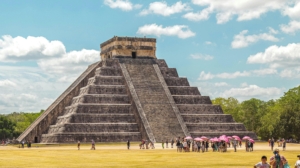
Reducing Poverty in MexicoChichen Itza is a pre-Hispanic Mayan archaeological site in Mexico’s Yucatán Peninsula. It preserves the rich history of the Mayan civilization through its remarkable stone monuments and artistry, created by the Maya and Toltec tribes. Dating back to around 415–455 A.D., Chichen Itza is recognized globally as a UNESCO World Heritage Site and one of the New 7 Wonders of the World. Beyond its historical value, it plays a crucial modern role in reducing poverty, driving economic growth and globalizing Mexico, particularly within the Yucatán region.

Economic Benefits and Poverty Reduction

Millions of tourists visit Chichen Itza annually, generating substantial income for local communities and Mexico’s national economy. In 2023, with the reopening of previously restricted areas for archaeological research, the site saw a 12% increase in visitors, totaling more than a million tourists. This influx supports Mexico’s post-pandemic recovery and strengthens the tourism industry.

The constant flow of visitors creates steady employment in hospitality, transportation, food services and local craft markets. These jobs provide sustainable income opportunities for families, helping reduce poverty and improve living standards in nearby communities. In addition to visiting the archaeological site, many tour operators now offer full-day excursions that include nearby destinations such as Valladolid, a colonial city in the Yucatán Peninsula.

These tours also feature visits to cenotes and natural sinkholes where visitors can swim and enjoy lunch prepared by local families. These tours promote small businesses, local restaurants and artisan markets, ensuring that tourism revenue is distributed more evenly across the region. Local guides who lead these trips share cultural knowledge and Mayan traditions, creating meaningful exchanges between visitors and residents while strengthening community identity and heritage.

Through these combined tourism experiences, Chichen Itza attracts international visitors and stimulates a regional economic ecosystem that uplifts surrounding towns and rural populations.

Cultural Preservation and Local Empowerment

Despite its benefits, Chichen Itza’s global popularity also presents challenges. Much of the site’s revenue flows to the federal government rather than Mayan communities. Additionally, some Indigenous residents have faced displacement due to tourism development. However, many have adapted by creating independent income sources, selling handmade crafts, guiding tours and educating visitors about their heritage.

Mayan artisans and entrepreneurs preserve their cultural legacy and promote national pride through these efforts. Visitors, in turn, gain a deeper understanding of Mexico’s Indigenous history, fostering global respect and cultural appreciation. Integrating traditional Mayan cuisine, language and artistry into tourism experiences has also helped safeguard intangible heritage while creating new forms of economic empowerment.

Regional Development and Sustainability

The success of Chichen Itza has also inspired infrastructure projects like the Tren Maya, a new railway system designed to improve accessibility across the Yucatán Peninsula. This initiative aims to manage overcrowding, boost tourism and expand economic opportunities for nearby towns.

Importantly, the Tren Maya project emphasizes sustainability. Its eco-friendly design reduces carbon emissions and supports environmentally responsible tourism, aligning economic development with long-term environmental goals. It enhances regional mobility by connecting cities like Cancún, Tulum, Mérida and Valladolid. It increases visitor flow to the peninsula’s local businesses, artisans and cultural centers.

Conclusion

Chichen Itza’s continued global appeal demonstrates how cultural heritage and tourism can drive economic resilience. By generating jobs, supporting local entrepreneurship and inspiring sustainable development, this ancient site contributes directly to reducing poverty in Mexico. Through guided tours that extend to surrounding cities and cenotes, tourism revenue reaches even more communities, strengthening the Yucatán Peninsula’s economy and preserving its cultural heritage.

Chichen Itza stands as both a monument to the country’s past and a catalyst for its future prosperity.

– Miranda Yacynych

Miranda is based in Pittsburgh, PA, USA and focuses on Business and Good News for The Borgen Project.

Photo: Pexels

Nukkad NataksNukkad Nataks, Indian street theatre, plays a vital role in preserving and revitalizing the cultural heritage of India; with roots in traditional storytelling and folk theatre forms that date back over 5,000 years, Nukkad Nataks emerged prominently in the 1980s as a tool for community engagement. 

Background

In a country where public life is very open – where people cook, bathe, and connect with neighbours in shared spaces – and where access to literature and formal education is not universal, Nukkad Nataks offer an ideal medium for communication. Performed in vibrant public settings like street corners, markets and college campuses, these short, high-energy plays turn everyday spaces into platforms for protest, dialogue and awareness, as Euronews reports.

Nukkad Nataks confront deeply human struggles and provoke urgent conversations. Their interactive, accessible format – featuring props, music and audience participation – ensures their messages on themes such as gender equality, political corruption, and environmental justice resonate with a wide-cross section of society.

The SOS Children’s Villages India

One powerful example is a street play that the young girls of Children’s Villages India perform, addressing the urgent issues of female education and restrictive gender roles. A 15-year-old girl Meena wrote and staged the story in a public courtyard. The play was deeply personal – shaped by her own experiences growing up in a community where girls are discouraged and shamed for seeking an education.

The absurdity of this notion was amplified through use of sharp exaggeration and satire, causing the audience to question their moral system. Recognizing the value of youth in the fight for equality, this Indian street theatre group focuses on harnessing the creativity, leadership and self-expression of young activists.

SCMS Hyderabad

SCMS Hyderabad delivered a Nukkad Natak raising awareness about the widespread issue of child labour in India and its traumatic impact on children’s futures. Their powerful Indian street theatre portrayed a series of heart-wrenching realities: a young boy injured while toiling on a construction site; a girl trapped in domestic servitude, watching other children attend school; and another boy burdened with the role of a family breadwinner as his childhood quietly slips away.

At the play’s crescendo, an actor takes on the haunting role of child labour itself, joining the children’s desperate cries for freedom – a symbolic moment that brought the emotional weight of the issue to life. Through emotive performances, the student actors revealed the audience’s passivity and naivety, urging them to join the fight for a more promising future for every child.  on the public to stand together in the fight for a more promising future for every child.

Yatri Niwas

Nukkad Natak also blends entertainment with vital education on health and safety. A striking example is the Yatri Niwas street play, where actors dressed as mosquitoes and viruses to raise mass awareness about the devastating impact of Dengue fever.

In a country where preventable diseases continue to claim lives, especially among the poor and vulnerable, this creative yet hard-hitting performance blended humour with harsh truths about the consequences of neglecting cleanliness. It shared life-saving information about Dengue’s causes, prevention and control, aiming to reach as many people as possible. The group dramatized the importance of awareness, empathy and group action in protecting public health.

Banka Bihar

Six tribal women from the Theatre of the Oprressed performed the unique Nukkad Nattax that dismantles the conventions of traditional theatre. The company serves as both a refuge and a platform – empowering women to transform their lived experiences of subordination into impactful, performative storytelling. Through a series of short scenes that expose the devastating consequences of gender inequality across India, the performances invite direct audience participation. Spectators are encouraged to pause the action, step onto the stage, and share their own stories if they feel compelled.

This interactive format not only deepens engagement but also fosters solidarity against gender-based discrimination. For many, this Indian street theatre provides liberation; several women have credited it with giving them the strength to leave abusive relationships and claim their autonomy.

Making Changes

These plays artfully expose audiences to the various forms of corruption within their society, and use cleverly executed theatre crafts to catalyse change that benefits and begins with the ordinary person. Their ability to ignite conversations, empower people across all age groups and communities and encourage civic responsibility cannot be overlooked. Hence, by turning public spaces into stages and amplifying unheard voices, Indian street theatre actively performs a more conscious, compassionate and equitable society into existence.

– Emily Wooster

Emily is based in Birmingham, UK and focuses on Good News and Global Health for The Borgen Project.

Photo: Flickr

Aranmula KannadiThe ancient art of making handmade metal mirrors, known as Aranmula Kannadi, passed down through families, is more than just a tradition in the small state of Kerala, located in the southern part of India. This traditional livelihood expresses the power of Indigenous knowledge in sustaining livelihood and preserving cultural heritage. 

The Unique Craft of Aranmula Kannadi

Aranmula Kannadi is distinct from ordinary glass mirrors. Unlike conventional mirrors that reflect images off a glass surface backed by a silver coating, Aranmula Kannadi is made entirely of a special metal alloy that reflects directly from its polished surface. The secret behind its unique composition is closely guarded by a few artisan families in Aranmula, a village in Kerala, ensuring that the knowledge remains within their lineage.

Making these mirrors requires a precise combination of metals, an elaborate hand-polishing process and meticulous craftsmanship, making each piece a true work of art. Hence, the original Aranmula Kannadi can only be legally made in this location due to its geographical indications certification.

Sustaining Livelihood Through Indigenous Knowledge

For generations, the skilled artisans of Aranmula have dedicated themselves to perfecting this traditional craft. Making these mirrors is labor-intensive, requiring high precision and expertise. The mud is carefully prepared, the metal alloy is melted and cast and the surface is manually polished for several days to achieve the desired reflective quality.

Each piece is a labor of love, requiring patience, skill and a deep understanding of metallurgy. However, in an era dominated by mass production and digital advancements, the survival of such indigenous crafts faces significant challenges. The artisans of Aranmula Kannadi rely on traditional techniques that machines cannot replicate, making the production process slow and limited in scale. Despite these constraints, their commitment to preserving the craft remains unwavering.

The livelihood of these artisans depends heavily on the demand for their products. Efforts to promote Aranmula Kannadi as a luxury heritage product have helped sustain the community. Government initiatives, cultural exhibitions and collaborations with heritage organizations have played a crucial role in ensuring that the craft continues to thrive. Furthermore, the artisans have started adapting to modern marketing strategies, leveraging e-commerce platforms and social media to reach a global audience.

Economic and Social Impact on Local Communities

The livelihood of many families in Aranmula depends on this craft. The intricate process of mirror-making provides employment opportunities for local artisans, metalworkers and traders, forming an essential part of the region’s economic framework. However, the survival of this craft is often challenged by modern manufacturing techniques and mass-produced imitations.

Despite these hurdles, the dedication of traditional artisans ensures that authentic Aranmula Kannadi continues to thrive. The craft is also deeply tied to the social fabric of Aranmula, as it fosters a sense of identity and community pride. Many artisans see their work as more than just a means of income. It is an inherited responsibility to preserve the cultural heritage of their ancestors. The mirror holds religious and spiritual significance in Kerala’s temple rituals, wedding ceremonies and traditional festivals, reinforcing its value beyond a mere artifact.

Challenges and the Way Forward

Despite Aranmula Kannadi’s recognition, the artisans face multiple challenges, including the high cost of raw materials, competition from counterfeit products and a decline in the number of skilled artisans willing to take up the trade. Younger generations often hesitate to continue the legacy due to the economic uncertainties associated with traditional craftsmanship.

Awareness campaigns that highlight the uniqueness of Aranmula Kannadi can also help combat counterfeit products and ensure that customers recognize the value of authentic handmade mirrors. Sustainable tourism initiatives promoting heritage crafts can also create new opportunities for artisans. Craft villages, workshops and experiential tourism centered around the making of Aranmula Kannadi could attract enthusiasts and collectors worldwide, further boosting the local economy.

Conclusion

The story of Aranmula Kannadi is one of resilience and dedication, reflecting the strength of indigenous knowledge and its role in sustaining livelihoods. As globalization and modernization continue to shape industries, safeguarding traditional crafts that hold cultural and historical significance has become increasingly important. By supporting artisans, raising awareness and fostering innovation while respecting tradition, we can ensure that the legacy of Aranmula Kannadi continues to shine for generations to come.

– Syam Kumar

Syam is based in Roorkee, India and focuses on Good News for The Borgen Project.

Photo: Wikimedia Commons

Poetry in SomaliaSomalia, the easternmost country of Africa, is also referred to as a “Nation of Poets” or “Nation of Bards” for the Somali people’s deep appreciation for and proficiency with poetry. This form of storytelling has been used in Somali culture as early as storytelling has existed. The earliest poetry in Somalia is from the 18th century; a meditation by Sheekh Cali Cabduraxmaan. This ancient tradition has inspired a newer group that has surfaced just before the COVID-19 pandemic.

The Somali Storytellers

The Somali Storytellers is a group of young poets who have banded together in hopes of reaching the people of Somalia, particularly the younger generations who will be shaping the future of the country. The group produces influential works of art and performances that bring out the nation’s history and ancient culture but also get a touch of modernity.

The UNDP founded a Digital Storytelling Bootcamp that took 20 young Somalis and trained them on how to share their meaningful stories around the world using whatever technology they had available such as smartphones or computers. After the training, the poets went on a field trip to Mogadishu where they could record and create stories in public with their community.

Zahra Abdihagi

There were 400 candidates, including Zahra Abdihagi. Although she faced fierce competition from other applicants, her remarkable accomplishments as a writer and storyteller, along with her efforts to promote social change, helped her to rise to the top.

Zahra received a high school education in Canada, and before she had even graduated, she had succeeded in publishing a book of short stories. Since graduating and returning to her home, she has won several awards for her poetry writing. In her efforts to write poetry in Somalia, she has won awards such as placing third in a Somali-language international poetry competition.

After she and the other 20 applicants went through a six-week course on the introduction of storytelling creation using smart technology, Zahra is now a part of other creative workshops, aiding in training 30 other young Somali people in the art of fables. Once the COVID-19 pandemic hit and everyone became isolated, she encouraged the youth to express themselves and share messages with the people to stay safe.

Digital Shelter

In 2020, Digital Shelter asked the women of Somalia to share their stories about these incidents which became a story and a media-driven campaign called the Without Fear project. In 2021, on International Women’s Day, Digital Shelter launched The Cabsi La’aan – The Without Fear Project. Zahra wrote a story that ended up across social media worldwide, reaching also thousands of women in Somalia.

Her poem speaks to the issues she and other Somali women experience online and in their communities. Every day online, women receive attacks on several different fronts including account hacking, blackmailing and various other forms of online bullying. By creating this poetry in Somalia, women can fight back against cyber attacks.

The Somali Storytellers are currently in the process of forming their own company as well. Zahra said, “I see a great future for us. Lots of young people are already asking how they can become storytellers themselves.” Many people are also donating to their cause via their website.

The Future of Poetry in Somalia

Many young Somali Storytellers are currently making their debut as filmmakers. They have recently screened a digital story collection called “Me and My Somalia,” a series highlighting the innovation, resilience, and challenges that Somali communities face. In their ideal future, digital storytelling will be widely available, Somali culture will be accurately portrayed and the media will be crucial in fostering constructive community transformation.

– Taylor Naquin

Taylor is based in Gilbert, AZ, USA and focuses on Good News and Global Health for The Borgen Project.

Photo: Flickr