• Link to X
  • Link to Facebook
  • Link to Instagram
  • Link to TikTok
  • Link to Youtube
  • About
    • About Us
      • President
      • Board of Directors
      • Board of Advisors
      • Financials
      • Our Methodology
      • Success Tracker
      • Contact
  • Act Now
    • 30 Ways to Help
      • Email Congress
      • Call Congress
      • Volunteer
      • Courses & Certificates
      • Be a Donor
    • Internships
      • In-Office Internships
      • Remote Internships
    • Legislation
      • Politics 101
  • The Blog
  • The Podcast
  • Magazine
  • Donate
  • Click to open the search input field Click to open the search input field Search
  • Menu Menu

Tag Archive for: Economic Growth

Information and news about economic growth

Posts

Global Poverty

Tech Solutions for Sustainable Agriculture in Serbia

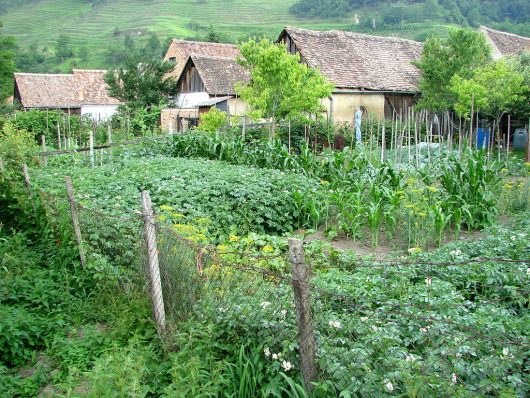
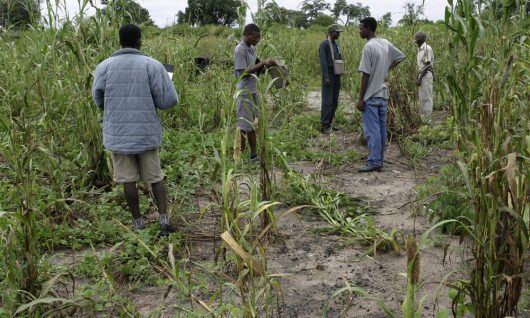
sustainable agriculture in SerbiaA Serbian institution called BioSense is at the forefront of innovative agricultural solutions research to practice more sustainable agriculture in Serbia. Global food security is one of the main issues of concern in European Union policymaking. Research has concluded that global food production must increase by 50 percent in the next 20 years. That increase will have to come from the intensification of current agricultural practices, so farmers must adapt to make their farms more productive.
The BioSense Centre at the University of Novi Sad in Serbia has partnered with the Foundation for Agricultural Research (DLO) at the University of Wageningen in the Netherlands, the leading research institute for applied research in agriculture and food security in Europe. BioSense, the regional leader in sustainable agriculture and advanced IT solutions research, is working with the DLO to increase food security in Serbia through the integration of advanced IT solutions into agricultural practices.

BioSense has pioneered a new trend in sustainable agriculture in Serbia called precision agriculture, which utilizes Wireless Sensor Networks (WSN) and Remote Sensing to acquire detailed crop data for analysis. The WSN is made up of tens or hundreds of sensors distributed appropriately throughout crop fields. The sensors communicate through wireless signals and acquire data on a variety of factors, including:

  • Humidity
  • Soil temperature
  • Illumination
  • Plant diameter
  • Growth rate

WSN make crop monitoring much more efficient and accurate. This advanced technological solution to precision agriculture can help farmers pinpoint and address problems or weaknesses within their fields. This will enable farmers to produce more food with fewer resources and inputs.

The integration of agriculture and advanced IT solutions is an important potential source of economic growth. Agriculture is one of the biggest industries in Serbia, making up almost 10 percent of its total GDP. Serbia has ideal conditions for agricultural production, with fertile soil, good climatic conditions, experienced farmers, good infrastructure and a rich farming tradition.

Serbia’s current farm structure is dominated by small farms. The country’s potential accession to the European Union may threaten the livelihood of small farmers and “farming heritage” as larger foreign competitors move into the market. Farmers must be willing and able to utilize the kind of advanced IT agricultural solutions developed by institutions like BioSense in order to increase their productivity to keep up with new competitors.

Sustainable agriculture in Serbia will be driven by research-based innovations in advanced IT solutions. BioSense’s strategies like precision agriculture and WSN would not only benefit Serbian farmers striving to drive up productivity in a more competitive agricultural market, but would contribute to the global struggle for food security.

– Sydney Lacey

Photo: Wikimedia Commons

February 5, 2018
https://borgenproject.org/wp-content/uploads/borgen-project-logo.svg 0 0 Borgen Project https://borgenproject.org/wp-content/uploads/borgen-project-logo.svg Borgen Project2018-02-05 01:30:202019-11-08 02:04:34Tech Solutions for Sustainable Agriculture in Serbia
Global Poverty

Reducing Poverty Through Agriculture

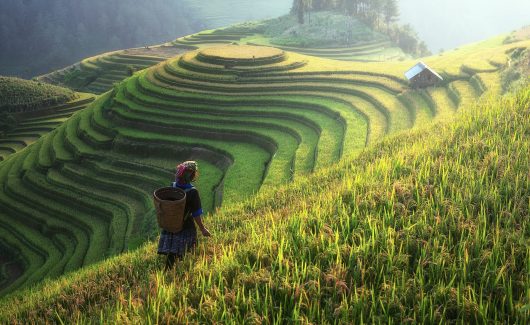
reducing poverty through agricultureA growing population and the increased demand for food are burning problems in the present day. Many scientists, organizations, individuals and political bodies are coming forward to find solutions to this problem. Feeding so many mouths is not a simple task, but research and hard work are making the impossible at least feasible.
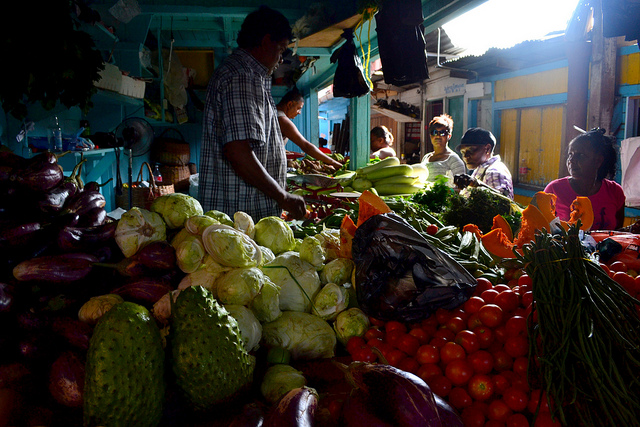
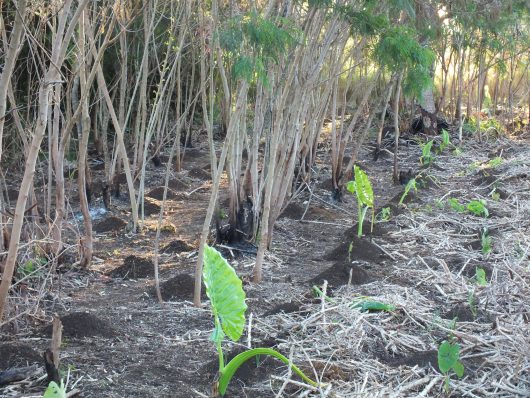
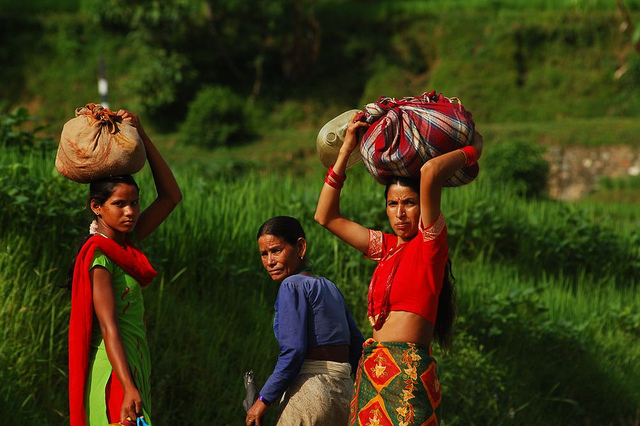
These are some methodical and sustainable ways of reducing poverty through agriculture and farming, especially in places with unfavorable climates, degraded soil and poor socioeconomic conditions.


Reforestation Through Cash Crops in Guatemala

Although Guatemala’s name means “a land of endless trees,” 80 percent of them were destroyed within a decade due to cattle breeding, corn farming, illegal settlements and destructive logging practices.

In order to restore the land to its previous condition, an organization named Livelihoods Funds, along with the government of Guatemala, took the initiative in reforestation by planting four million trees of various species over an area of 4,000 hectares.

The trees are mostly cash crops like rubber, coffee, patchouli, cocoa, mahogany, laurel, cedar and citrus plants. This helps the local community with reducing poverty through agriculture, boosting economic development and prevents climate change by reducing carbon dioxide emissions.


Reducing Hunger in Sub-Saharan Africa

Hunger, malnutrition and stunting prove detrimental to the economic advancement of any country. The Food, Agriculture, Natural Resources Policy Analysis Network (FANRPAN) came up with the initiative of helping individual farm families of Africa through nutrition-sensitive agricultural development.

Their aim is to provide technical assistance and a knowledge base for increasing food security with improved nutrition. Currently, their work is concentrated in sub-Saharan African countries, including Ethiopia, Nigeria and Tanzania.


Alternative Food Production in Kenya

Kenya suffers from inadequate rainfall, which affects the production of maize, the primary staple crop of most smallholder farmers. The result is that a vast population suffers from hunger and starvation.

One Acre Fund is helping the Kenyan government with reducing poverty through agriculture by planting drought-resistant crops like millet and sorghum, which act as a source of food and income during times of inadequate rainfall. The organization also trains farmers in sustainable planting techniques and fertilizer usage.


Integrated Pest Management Techniques in Honduras

CropLife International, along with the United States Agency for International Development, is helping the people of Honduras with integrated pest management techniques. With the help of field officials, they train the farmers in good agricultural practices.

The pest management helps protect the crops and increases their quality and productivity, fetching better incomes for the farmers while improving their livelihoods. It is a powerful example of fighting extreme poverty.


Bio-fortification in Rwanda

In Rwanda, an organization named HarvestPlus has introduced a nutritious variety of beans through bio-fortification, a process of increasing vitamins and minerals in plants through biotechnology. The beans are rich in iron and also have the capacity to resist viruses. They are suitable for extreme climates, producing a higher yield and thus increasing the incomes of farmers.


Fish Farming in Cambodia

The Feed the Future project in Cambodia is helping hatcheries raise good quality young fish known as fingerlings. The project provides cost-effective and simple technology to manage the clarity, nutrients and water quality of ponds. As a result of this technology, the growth rate and average weight of fingerlings have increased. helping individual hatcheries thrive.

The above methodologies are mainly applied in sub-Saharan and Latin American countries where there are extreme temperatures, drought and unsuitable soil. But these models can also be implemented in other parts of the world to increase the productivity of crops and meet the growing demand for food and simultaneously reducing the poverty of farmers.

– Mahua Mitra

Photo: Pixabay

February 5, 2018
https://borgenproject.org/wp-content/uploads/borgen-project-logo.svg 0 0 Borgen Project https://borgenproject.org/wp-content/uploads/borgen-project-logo.svg Borgen Project2018-02-05 01:30:132024-05-29 22:39:07Reducing Poverty Through Agriculture
Global Poverty

Sustainable Agriculture in Guyana

Sustainable Agriculture in GuyanaGuyana is one of the smallest countries in South America and a large portion of its population lives in poverty. One study found that nearly four in 10 people in Guyana live in poverty while almost two in 10 live in extreme poverty. Agriculture is the most important productive sector in the country, as it accounts for nearly one-third of Guyana’s Gross Domestic Product (GDP) and 30 percent of the country’s employment. Programs to aid sustainable agriculture in Guyana are crucial for its economic growth.

The volatility of international price rates and extreme weather changes challenge the Guyanese agricultural sector. However, this sector also has great growth potential in the country, and the Guyanese government and other foreign nations are investing in sustainable agriculture in Guyana.

The Food and Agriculture Organization

The Food and Agriculture Organization of the United Nations (FAO) has been working closely with the Guyanese government to promote sustainable agricultural systems and alleviate hunger and poverty.

Guyana’s 2012-2015 National Medium-Term Priority Framework, which is now known as the Country Programming Framework (CPF), is guiding the FAO’s assistance in the country. The CPF centers on four priority areas:

  • Food security and nutrition
  • Agricultural and rural development
  • Renewable natural resources and climate change
  • Agricultural health and food safety

Among its projects, FAO’s most successful initiative in Guyana’s agriculture sector aims to train people on how to respond to extreme climate change and natural disasters. Droughts and floods severely affect farmers and the agriculture sector in Guyana. The FAO assisted the Guyanese government in the formation of a Disaster Risk Management (DRM) Plan.

The project included training Ministry of Agriculture extension officers and other stakeholders in accordance with the FAO Livelihood Assessment Toolkit and a “full assessment of existing mechanisms for prevention, mitigation and preparedness, as well as response and recovery.” As a result, an informative report emerged to help the development of sustainable agriculture in Guyana. This project had success at the community level, and the Guyanese government has called on the FAO to help implement the DRM Plan in response to extreme climatic changes.

Other Projects for Sustainable Agriculture

Several other projects funded by foreign organizations are working to develop sustainable agriculture in Guyana. For instance, the International Fund for Agricultural Development (IFAD) funded Rural Enterprise and Development Project (READ) seeks to strengthen “intermediary service providers, institutions whose services add value to production and marketing systems and improve rural welfare.” In addition, the program works with rural communities to improve their capacity to capitalize on market opportunities.

Similarly, the Inter-American Development Bank (IDB) funded Agricultural Export Diversification Program (ADP) aims to establish institutions and services for a sustainable increase in the incomes from “the export of non-traditional agricultural exports in aquaculture, fruits and vegetables and livestock subsectors.” This project focuses on developing commodity chains on the nontraditional agricultural products in order to address Guyana’s export growth rate volatility.

Investment in sustainable agriculture in Guyana is crucial in order to boost productivity and sustainable use of resources in the country. Hopefully, with similar continued efforts, the country will be able to reduce poverty and promote food accessibility for everyone.

– Mehruba Chowdhury

Photo: Flickr

February 4, 2018
https://borgenproject.org/wp-content/uploads/borgen-project-logo.svg 0 0 Borgen Project https://borgenproject.org/wp-content/uploads/borgen-project-logo.svg Borgen Project2018-02-04 13:30:572024-12-13 17:58:34Sustainable Agriculture in Guyana
Global Poverty

Enabling Sustainable Agriculture in Tonga

sustainable agriculture in TongaMore than 70 percent of Tonga’s population lives in rural areas with agriculture and fisheries as its main source of livelihood. The country’s predominant economic activity is agriculture, so establishing sustainable agriculture in Tonga is essential to its economy.

Of all the Pacific Island countries, Tonga has one of the highest rates of subsistence food production. The method is self-sufficient and farmers produce enough food for local consumption with a little surplus for trade. More than 95 percent of Tonga’s agriculturally active households engage in subsistence and semi-subsistence agriculture activity, and only five percent engage in commercial activities.

Small landholdings, typically eight acres or 3.24 hectares, enable sustainable agriculture in Tonga. Multi-crop systems based on root crops provide food security, employment and income.

Root crops constitute 50 percent of Tonga’s total exports, with half being taro. Approximately 60 percent of Tonga’s exports are destined for New Zealand.

Watermelon exports increased from 86 tons in 2010 to 271 tons in 2013. Tonga’s goal is to export 1,000 watermelons per year to New Zealand over the next three years; New Zealand imports 2,500 tons of watermelons annually. Other export destinations include Samoa and American Samoa.

Tonga’s Ministry of Agriculture, Food and Forests (MAFF) plans to improve sustainable agriculture in Tonga by implementing the Tonga Agriculture Sector Plan’s four programs:

  1. Climate Resilient Environment: Ensures that Tonga’s natural resources are preserved
  2. Enabling Environment: Focuses on improving Tonga’s environment for the agriculture sector’s operation
  3. Sustainable Livelihoods and Healthy Foods: Improves farmers, knowledge, marketing techniques and technologies for sustainable and diverse agriculture
  4. Sustainable Growth and Foreign Exchange Earnings: Increases exports and enhances import replacements

MAFF’s main purposes are to:

  • Provide policy advice to the Tongan government on maintaining a sustainable and competitive agricultural sector
  • Provide policy advice on achieving social, economic and environmental benefits from limited natural resources
  • Administer government programs and legislation to support these objectives
  • Regulate imports to ensure Tonga is safeguarded against exotic threats
  • Regulate exports to satisfy importing country requirements

The Tongan government is focused on establishing a secure agricultural sector plan that promotes sustainable agriculture in Tonga. With the majority of Tongans reliant on agriculture, successful implementation of the Sector Plan is vital to the population.

– Carolyn Gibson
Photo: Flickr

February 4, 2018
https://borgenproject.org/wp-content/uploads/borgen-project-logo.svg 0 0 Borgen Project https://borgenproject.org/wp-content/uploads/borgen-project-logo.svg Borgen Project2018-02-04 12:15:242024-12-13 17:58:35Enabling Sustainable Agriculture in Tonga
Global Poverty

Sustainable Agriculture in Nepal Reducing Food Insecurity

Sustainable Agriculture in Nepal

Nepalese society faces challenges regarding agricultural disparity, a cultural problem rooted in the caste system. Sustainable agriculture in Nepal is essential to the growth and development of the Nepalese.

According to GlobalGiving, malnutrition and food insecurity are common obstacles that Nepalese society endures. Subsistence farming, a system in which farmers grow enough food to feed their own families, does not always provide adequate nutrients and is hindered by severe weather.

Educate the Children (ETC) aims to teach, provide resources such as agricultural tools and high-quality seeds and improve food security. Agriculture in Nepal is not providing enough security for families. Educate the Children’s Agricultural Development Program offers assistance to Nepalese women with practical farming skills to produce greater quantities of nutritious food. The ADP will provide sustainable agriculture in Nepal through organic cultivation that can decrease the use of chemicals.

ETC provides their women’s groups with seeds, tools and access to credit via group funds to rent land for enough produce to sell. Sustainable agriculture in Nepal is also being taught to young children, training them on planning, cultivating and harvesting gardens. The knowledge they learn is passed onto their families to demonstrate the importance of sustainable agriculture.

The International Food Policy Research Institute (IFPRI) believes in the power of sustainable agriculture, noting that agriculture makes up one-third of Nepal’s GDP and is the main source of income for two-thirds of the population. Food security and adequate nutrition are important objectives for Nepal. Their solutions for establishing sustainable agriculture in Nepal include education and training for people of all ages, particularly women, who have an opportunity to improve nutrition and health.

The Sustainable Agriculture Development Program in Nepal (SADP) aims to improve the resources of Nepalese farmers and communities via an understanding of agricultural development and promoting sustainable farming techniques. Actions taken by SADP to promote sustainable agriculture include demonstrating various farming methods, teaching communities the necessary skills needed for food production and establishing resources for Nepalese communities that can be sustained.

Sustainable agriculture in Nepal is a work in progress with development and changes underway. This work will not only help create an environmentally friendly society, but also improve the lives of many throughout Nepal.

– Jennifer Serrato

Photo: Flickr

February 4, 2018
https://borgenproject.org/wp-content/uploads/borgen-project-logo.svg 0 0 Borgen Project https://borgenproject.org/wp-content/uploads/borgen-project-logo.svg Borgen Project2018-02-04 07:30:582020-06-25 13:12:00Sustainable Agriculture in Nepal Reducing Food Insecurity
Global Poverty

Powering Development with Infrastructure in Togo

Infrastructure in TogoTogo, a West African nation on the Gulf of Guinea, shares a border with Ghana and has an estimated population of 7.6 million as of 2016. Togo is working towards improving its economy and relations by improving the country’s infrastructure.

Infrastructure is a crucial platform that supports countries, whether it be via economic or social means. Oftentimes, basic infrastructure such as power and water are lacking or in need of upgrades to sustain communities and development.

Power infrastructure in Togo is being improved with support from investors and consultation from the International Finance Corporation (IFC). ContourGlobal, a power company, is helping Togo meet the growing demand for power. The IFC is investing 20 percent equity in ContourGlobal for the development and operation of a 100-megawatt power plant located in Togo’s capital, Lomé. It now produces enough electricity for the city and will soon be enough to sustain regional power supplies. Electricity infrastructure in Togo has proven reliable and efficient in assisting communities as well as encouraging investment in infrastructure that will prove successful for Togo in the long run.

The World Bank has also assisted Togo with infrastructure development. The Emergency Infrastructure and Electricity Rehabilitation Project (PURISE) will support the Togolese government in restoring and expanding infrastructure in Togo. This project will improve urban mobility and access to remote locations as well as provide temporary work for workers in Togo.

PURISE is split into four categories, each one focused on areas needing improvement. One of the categories will focus on the drainage of unclean drinking water and replace outdated gutters with sustainable drainage networks. The water infrastructure in Togo is also seeing improvement via projects. One of the categories in PURISE is set to increase water access and improve the quality of drinking water. This will be achieved with networks of water systems between communities and installing pipes and water kiosks.

UNICEF states that 39 percent of Togolese do not have access to clean water and a quarter of the Togolese population does not have access to water within walking distance. The government of Togo has made commitments to improving water and sanitation, including eliminating open defecation and establishing sanitation and hygiene resource departments.

Infrastructure in Togo is slowly growing throughout the country. With investments being made in basic resources, Togo is sure to see beneficial modernization.

– Jennifer Serrato

Photo: Flickr

February 4, 2018
https://borgenproject.org/wp-content/uploads/borgen-project-logo.svg 0 0 Borgen Project https://borgenproject.org/wp-content/uploads/borgen-project-logo.svg Borgen Project2018-02-04 07:30:082024-05-29 22:39:05Powering Development with Infrastructure in Togo
Global Poverty

The Growth of Infrastructure in the Central African Republic

infrastructure in the Central African Republic
With a GDP per capita of only $639, the Central African Republic is ranked as the poorest country in the world. In a study undertaken by the Africa Infrastructure Country Diagnostic project, infrastructure in the Central African Republic was found to have contributed much to the country’s economic growth.

Between 2005 and 2009, despite the decades of conflict that have riddled the Central African Republic, the total contribution to the country’s per capita growth by telecommunications, electricity and road infrastructure was 0.9 percentage points. Though this was significantly lower than other central African countries, the study made it clear that infrastructure development in the sub-Saharan context led to faster growth per capita in several countries.

This strong potential is also beset by a dire reality: the central African region has the worst infrastructure on the African continent. According to a report by the African Development Bank (AfDB), the “region stands out on the continent as one with the least infrastructure network, particularly transport and energy, which impacts negatively on production capacities and regional trade as well as social conditions and welfare.”

Infrastructure in the Central African Republic, in particular, is in a very poor state. For instance, only 10 percent of the population — mainly in the capital of Bangui — has access to electricity, which is not available to the rural population.

Other services like telecommunication and banking are either lacking or nonexistent beyond Bangui. Corruption within the government not only fuels instability but also hinders developmental and growth efforts in the country as natural resources like diamond and gold are exploited within the inertia of instability.

Despite the many challenges, transport, water, power, and information and communications technology infrastructure in the Central African Republic have seen significant progress with $134 million in annual spending, $37 million of which is lost to inefficiencies.

The World Bank has estimated that a sustained expenditure of $346 million per year over the next decade can address the challenges that remain. Just by improving efficiency in infrastructure operations, around $34 million of additional resources can be unlocked.

Alternatives to the government’s poor budgetary situation have also been proposed, including extending the time horizon for meeting the infrastructure targets, prioritizing infrastructure spending and exploring additional resources from outside the budget. These are all ways infrastructure in the Central African Republic can be improved.

2017 saw some economic recovery in the Central African Republic, with GDP growth estimated to be around 4.5 percent, which fell short of the projected 5.3 percent. In 2018-19, the AfDB foresees a rise in average annual growth to 5 percent or higher. This growth “will hinge on improved domestic security, which is crucial to agricultural recovery and implementation of investment plans and economic reforms supported by international partners.”

– Mohammed Khalid

Photo: Flickr

February 4, 2018
https://borgenproject.org/wp-content/uploads/borgen-project-logo.svg 0 0 Borgen Project https://borgenproject.org/wp-content/uploads/borgen-project-logo.svg Borgen Project2018-02-04 01:30:502024-05-29 22:39:06The Growth of Infrastructure in the Central African Republic
Global Poverty

Sustainable Agriculture in Namibia Needs Improvement

sustainable agriculture in Namibia

Agriculture is an important part of a country’s economy. If a country does not have sustainable agriculture, it puts the economy in danger of failing and puts the nation’s citizens at an economic disadvantage. This has been the case for the country of Namibia.

Throughout the past few years, Namibia has suffered through three significant droughts that have had a severe negative effect on its agriculture. The lack of rain has led to soil erosion across the country as well as crop failure and high livestock mortality rates. Considering the country of Namibia relies heavily on farming its own food instead of having products imported, this has caused a numerous amount of problems throughout the country. In the aftermath of the drought’s impact, sustainable agriculture in Namibia has been placed in question.

The lack of food security caused by the impact of the drought has put the country in a very troubling place in regards to both its agriculture and economy. The lack of sustainability has also led to a significant decrease in income for farmers who live off their land and make money from their crops. This has left many citizens, as well as the country as a whole, at an economic disadvantage.

The disastrous effects of the drought have led to the Food and Agricultural Organization (FAO) stepping in to make a presentation about the country. The presentation highlights ways that sustainable agriculture in Namibia can be reached, and provides a platform for people to create ideas to help the country get back on its feet. The country has been in an unstable state because of the nature of its land as a result of the droughts, and the FAO is trying to come up with ideas to rectify the situation for Namibian citizens.

Despite the negative situation, the country has been able to sustain itself through the help of the First National Bank of Namibia. The Bank has contributed thousands of dollars to the farmers of Namibia to help support them through the effects of the drought and has continued to show support to the citizens of the country as they recover from the trying years. The need for sustainable agriculture in Namibia is still high, but farmers are doing their best to meet these needs and help create economic equilibrium in the country.

The cattle farmers in Namibia are experiencing a surprisingly good year compared to the past few they have had, and have been able to increase sales despite having to reduce their herds during the drought. This is a good sign for Namibia because it is now able to bring money into the country to help stabilize the economy, which can lead to a more sustainable agriculture.

Namibia is looking forward to a very rainy and prosperous year for its crops. This will hopefully allow the nation to create and maintain sustainable agriculture and an improved economy as a result.

– Simone Williams

Photo: AllAfrica

February 4, 2018
https://borgenproject.org/wp-content/uploads/borgen-project-logo.svg 0 0 Borgen Project https://borgenproject.org/wp-content/uploads/borgen-project-logo.svg Borgen Project2018-02-04 01:30:042019-12-18 11:22:52Sustainable Agriculture in Namibia Needs Improvement
Global Poverty

Sustainable Agriculture in Grenada Emphasizing Modern Techniques

sustainable agriculture in Grenada

The small island nation of Grenada is located off the northeastern coast of Venezuela. Independent since 1974, its history has long been tied to the dark side of agriculture. Colonized in the 16th century by the French, they grew sugarcane on plantations owned by colonists and run by slaves. The British took the island in 1762 and expanded sugarcane production. Now the people of Grenada are moving into the future. In the twenty-first century, sustainable agriculture in Grenada is the goal.

The future of any nation lies with its children. The younger generations always hold the key to the future, but it is the duty of the older generations to lead by example. In Grenada, the government, in cooperation with the island’s 4H clubs and the World Bank, began an initiative to educate children about the importance of sustainable agriculture in 2016. The program is called “The Pilot Programme on Integrated Climate Change Adaptation strategies”. Its goal is to teach Climate-Smart Agriculture (CSA) to children in Grenada. To reach this goal, members of the government team and 4H members are trained in CSA techniques and lecture in schools across Grenada. These techniques are as simple as planting crops for home use among trees and other indigenous plants and saving rainwater.

Educating the population about these techniques is important to sustainable agriculture in Grenada. The small island nation is susceptible to hurricanes, which can cause massive damage to the island both physically and economically. Heavy rain and strong winds cause erosion. On a small island, any erosion can be dangerous. The World Bank emphasizes CSA techniques that promote smart land use. First on their list is no-burn agriculture. In slash and burn agriculture, a field or forest is cleared using fire and crops are planted in the ashes. Although the soil is highly nutritious for the crops, this technique causes mass erosion. Forests help to hold soil in place during storms.

Proof that programs and sustainable agricultural techniques work can be found on the farm of Yacouba Toussain. Toussain runs a farm that operates using only CSA techniques. His farm grows Scotch Bonnet peppers. Solar power and wind turbines completely power his electric irrigation system. The benefit of an electric irrigation system is that the system is designed to only use a predetermined amount of water so as not to be wasteful. Toussain’s farm uses a drip irrigation system fed from a water tank. 

Toussain’s power system also uses batteries so that his farm is not connected to the power grid. The cost of energy is high in Grenada, meaning that advanced farming techniques, especially irrigation, are difficult for many people to attempt. Toussain hopes that he can lead by example and others will follow suit. Systems like Toussain’s meet almost all of the World Bank’s CSA goals. In the future, it hopes to invest in ways to make it feasible for more farmers to follow in Toussan’s footsteps.

As Sustainable agriculture in Grenada gains momentum, hopefully more farms like Toussain’s will be seen around Grenada; not only small farms but also commercial farms. These farms would be both environmentally and economically friendly, encouraging prosperity throughout the nation.

– Nick DeMarco

Photo: Flickr

February 3, 2018
https://borgenproject.org/wp-content/uploads/borgen-project-logo.svg 0 0 Borgen Project https://borgenproject.org/wp-content/uploads/borgen-project-logo.svg Borgen Project2018-02-03 07:30:402024-06-08 04:11:42Sustainable Agriculture in Grenada Emphasizing Modern Techniques
Global Poverty

The Push for Successful Sustainable Agriculture in Laos

Sustainable Agriculture in LaosThanks to improvements in infrastructure and energy generation, as well as growth in its mining and tourism industries, economic growth continues in the landlocked nation of Laos, population 6.7 million. As development continues, however, inefficient land use and deforestation threaten the country’s agriculture sector and rural regions. Improved planning for sustainable agriculture in Laos is needed.

The variable terrain and geographical features of Laos, officially the Lao People’s Democratic Republic, make the region susceptible to natural hazards. High mountains, low valleys, rivers and wind all contribute to floods, typhoons and inconsistent weather patterns. Dense forests have played a vital role in combating impacts of extreme weather as they protect slopes and banks. But as forests are logged for increased production, the ecosystem is becoming more vulnerable to weather and climate effects. In turn, sustainable agriculture in Laos is constantly challenged by the nation’s actions.

With aid, the government of Laos is working to improve current land-use practices, as well as repair the damage done thus far.


Laos and the United Nations Development Program

Under the United Nations Development Program (UNDP) Climate Change Adaptation initiative, the Advancing Cross-Sectoral Climate Resilient Livelihoods program specifically addresses the dilemma of one sector’s progress affecting the development of another.  The program works toward economic diversity, climate-resilient technologies and climate-resilient social protection.

Another specific goal of the program is policy revision and improvement in land use planning. After extensive analysis of flood and drought-prone areas in different Laotian provinces, the program intends for collaboration among more than 100 planners from national to local levels in generating new practices in land use plans.


Laos and the Food and Agriculture Organization of the United Nations

Maintaining focus on agriculture and farming practices, the government and the Food and Agriculture Organization (FAO) of the United Nations developed a Country Programme Framework (CPF) for the nation, outlining plans to achieve sustainable agriculture in Laos with four projected outcomes:

  • Fostering agricultural production and rural development
  • Improving food security and nutrition, with special focus on the vulnerable (poor women and food-insecure farm households)
  • Protecting and enhancing forests and other ecosystems
  • Improving capacity to respond to food and agricultural threats and emergencies and the impact of climate change

Each projected outcome of the CPF for agriculture features multiple projects led by multiple partners, all working to attain the set goal.

For true progress, each sector of an economy requires alignment of its successes with the other. Through aid, collaboration, resilience and a desire for unity, sustainable agriculture in Laos will be achieved.

– Jaymie Greenway

Photo: Flickr

February 3, 2018
https://borgenproject.org/wp-content/uploads/borgen-project-logo.svg 0 0 Borgen Project https://borgenproject.org/wp-content/uploads/borgen-project-logo.svg Borgen Project2018-02-03 07:30:242024-05-29 22:39:07The Push for Successful Sustainable Agriculture in Laos
Page 17 of 44«‹1516171819›»

Get Smarter

  • Global Poverty 101
  • Global Poverty… The Good News
  • Global Poverty & U.S. Jobs
  • Global Poverty and National Security
  • Innovative Solutions to Poverty
  • Global Poverty & Aid FAQ’s
Search Search

Take Action

  • Call Congress
  • Email Congress
  • Donate
  • 30 Ways to Help
  • Volunteer Ops
  • Internships
  • Courses & Certificates
  • The Podcast
Borgen Project

“The Borgen Project is an incredible nonprofit organization that is addressing poverty and hunger and working towards ending them.”

-The Huffington Post

Inside The Borgen Project

  • Contact
  • About
  • Financials
  • President
  • Board of Directors
  • Board of Advisors

International Links

  • UK Email Parliament
  • UK Donate
  • Canada Email Parliament

Get Smarter

  • Global Poverty 101
  • Global Poverty… The Good News
  • Global Poverty & U.S. Jobs
  • Global Poverty and National Security
  • Innovative Solutions to Poverty
  • Global Poverty & Aid FAQ’s

Ways to Help

  • Call Congress
  • Email Congress
  • Donate
  • 30 Ways to Help
  • Volunteer Ops
  • Internships
  • Courses & Certificates
  • The Podcast
Scroll to top Scroll to top Scroll to top