• Link to X
  • Link to Facebook
  • Link to Instagram
  • Link to TikTok
  • Link to Youtube
  • About
    • About Us
      • President
      • Board of Directors
      • Board of Advisors
      • Financials
      • Our Methodology
      • Success Tracker
      • Contact
  • Act Now
    • 30 Ways to Help
      • Email Congress
      • Call Congress
      • Volunteer
      • Courses & Certificates
      • Be a Donor
    • Internships
      • In-Office Internships
      • Remote Internships
    • Legislation
      • Politics 101
  • The Blog
  • The Podcast
  • Magazine
  • Donate
  • Click to open the search input field Click to open the search input field Search
  • Menu Menu

Archive for category: Women and Female Empowerment

information and Stories about woman and female empowerment.

Children, Food Security, Global Poverty, Hunger, Women

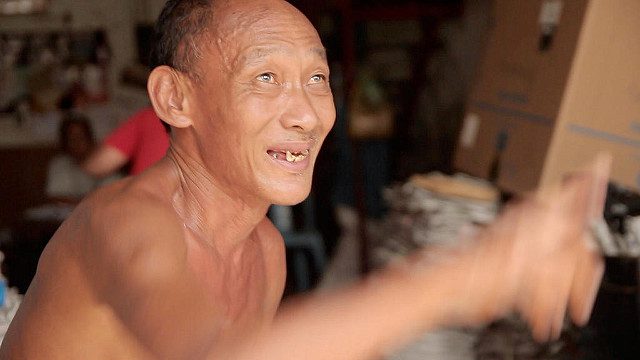
Hunger in Malaysia on the Decline

Hunger in MalaysiaMalaysia has shown remarkable economic progress over the past several decades, with poverty falling from 49.3 percent in 1970 to 23 percent in 1989 and 1.7 percent in 2012. One of the key aspects of the New Economic Policy adopted by Malaysia was creating a “Pro-Poor” policy. According to the World Bank, “the NEP contributed to poverty reduction and helped provide opportunities to poor households.”

However, Malaysia’s Poverty Line Income differs from the standard $1 USD per day (purchasing power parity) poverty line. When converting to international standards, it results in Malaysia having a higher poverty rate.

There has never been a problem of chronic hunger in Malaysia. Many nutrition programs have been incorporated into the rural development programs and have proved successful. According to the World Health Organization, consumption of fewer than 1,960 calories a day is a mark of food poverty. A great indicator of successful eradication of hunger in Malaysia lies in the fact that its daily per capita intake of calories has been consistently above the standard mark. The average was 2,969 in 1999.

The government introduced the Applied Food and Nutrition Programme in 1972 to improve nutrition and alleviate hunger in Malaysia. It aimed to increase the production of nutritious foods and promote supplementary feeding of pregnant and lactating mothers as well as infants and school-going children.

The Nutrition Rehabilitation Programme started in 1989, focusing on malnourished children. Food baskets containing nutritional supplements are distributed to such children on a monthly basis.

The results have been very positive. Only 1 percent of Malaysia’s children under the age of five are severely underweight, while the proportion of moderate underweight malnutrition has declined from 25 percent in the early 1990s to 12 percent in 2001.

Malaysia has overcome poverty through an inclusive approach to growth and equity. But there are still vulnerable groups, like single female-headed households and the elderly. Also, many Orang Asli still face extreme poverty. To move forward, a new consensus has to be built around a poverty line that is more balanced in line with international standards, as was suggested by the UNDP.

– Tripti Sinha

Photo: Flickr

October 27, 2017
https://borgenproject.org/wp-content/uploads/borgen-project-logo.svg 0 0 Kim Thelwell https://borgenproject.org/wp-content/uploads/borgen-project-logo.svg Kim Thelwell2017-10-27 07:30:482024-06-05 02:36:40Hunger in Malaysia on the Decline
Developing Countries, Education, Global Poverty, Hunger, Women and Female Empowerment

10 Educational Obstacles Throughout the World


In a perfect world, education would be free and easily accessible for citizens of all countries. As education seems to be unattainable for a lot of people in certain countries, there are a lot of people and organizations that want to help, but just do not know how or they  may not understand the many obstacles to obtaining an education. Here are 10 obstacles that citizens around the world struggle with when trying to obtain an education.

Classrooms
Finding an adequate space to teach students can be one of the major issues countries find when looking to start a school. Often, without a large enough teaching space, there are overcrowded classrooms or teachers are forced to teach outside, in which case they are not in a proper learning environment. The existing classrooms and buildings are sometimes poorly built and falling apart, lacking proper facilities such as toilets and water.

Learning Materials
Tools and materials students need access to in order to have a decent education are hard for them to obtain, often because living in poverty means that their families simply cannot afford them. A lot of textbooks are old and in bad condition and may be shared by six or more students. Not only do the students need proper materials, but the teachers often lack these supplies as well. Lesson plans and chalkboards may seem like basic materials, but a lot of countries lack these essentials for the classroom.

Expenses
Fees for tuition, school uniforms, transportation, supplies and any other fees add up very quickly. For families living on a low household income, this means that school is not an option for them; aside from this, these families often require their children to work instead of spending time in school.

Gender
Females are about two and a half times more likely to not attend school than males in conflict-affected countries. Therefore, even being born a female can prevent a student from obtaining an education. Often times this is due to the risk of a violent attack when attempting to attend class, an early marriage or pregnancy or discrimination. Some countries discriminate against women and girls from going to school because of longstanding social beliefs that men dominate women.

Rural Living
Children and students living in rural areas are at a disadvantage when it comes to their education. The distance is much farther than those who live in the city and closer to the schools, and it can be hard to find proper transportation to and from class.

Funding
A lot of poor countries do not receive enough government funding to establish a school, and often, the existing schools are not well built or sanitary. In some instances, there are not even private restrooms for females to use and this can prevent them from attending school.

Disabilities
Developmental disabilities are common of children in developing countries. Due to these – often cognitive – disabilities, families often suffer from an economic and social disadvantage. These children may not be able to learn and retain information properly, and therefore may have a hard time keeping up in school. This can prevent the child from attending school in general.

Teachers
Filling teaching positions is one of the many educational obstacles that countries face. Unfortunately, for there to be universal primary education, there would need to be 28.5 million new teachers by the year 2030. A lot of educators are given a class that contains way too many kids, with a variety of languages being spoken and not many materials to use.

Hunger
Malnutrition is known to make children very ill and hurt their immune system. Hunger can also cause things like anxiety and depression as well as behavioral problems, which can result in difficulty focusing. Not eating enough can impair childrens’ development and their achievement and can cause psychological problems.

War Zones
Education becomes less important when living in a war zone. An estimated 28 million children – 42 percent of the world’s total – do not have access to education, as they are living in war zones. Governments often donate and help with food, water and shelter, as the primary needs during an emergency, and education is an afterthought.

Although there are many obstacles prohibiting educational attainment around the globe, many of them can themselves be prevented. There are so many different organizations that people throughout the world can choose from to contribute their time to or donate to. Save the children, an organization founded in the U.S., was able to help over 13 million children receive an education in 2016. This is evidence that our donations and contributions through charities are indeed effective and changing lives, and that we are able to tackle these obstacles one by one.

– Chloe Turner

Photo: Flickr

October 27, 2017
https://borgenproject.org/wp-content/uploads/borgen-project-logo.svg 0 0 Kim Thelwell https://borgenproject.org/wp-content/uploads/borgen-project-logo.svg Kim Thelwell2017-10-27 01:30:352024-05-29 22:28:0210 Educational Obstacles Throughout the World
Human Rights, Women and Female Empowerment, Women's Rights

Women’s Collectives in India Offer Solutions and Empowerment

Indian slums

Many people living in India’s slums do not have a toilet in their own home. Their only option for using a toilet is walking 15 minutes to a run-down community toilet and waiting in an often chaotic line.

For men, relieving themselves in the open is an option, albeit one with negative effects on public health. Women who do this are targets for harassment, so they drink very little water and wait for the protection of nightfall to perform this necessary human function. 15 years ago, the miserable conditions in the slums of Ahmedabad prompted the Gujarat Mahila Housing SEWA Trust to use community-based women’s organizations to improve sanitary conditions.

The SEWA Trust identified local women leaders who recruited other women to join community-based organizations. These women were trained in sanitation system planning and how to demand funding from certain government programs. The women’s collectives in India monitored and maintained the sanitation systems they installed. Communities paid for one-third of the costs and the government covered the rest.

The program ultimately established 46 community-based organizations in 895 slums, trained more than 13,000 women and installed toilets in nearly 90,000 households. Many women opened bank accounts during the course of the program, strengthening their financial power.

Women used the skills gained from sanitation planning to tackle other issues in their communities. One woman used her skills to convince a power company to supply electricity to her slum. That company adopted a modified payment plan and eventually supplied electricity to nearly 1 million people in India. Many of the original community-based organizations have expanded to become citywide federations and make their voices heard in city planning.

CARE is an organization that is dedicated to ending world poverty, and one of the methods they use is establishing women’s collectives in India and around the world. On average, women joining CARE collectives see their yearly income increase twice as quickly as women in similar communities without CARE collectives.

According to women surveyed by CARE, the five main barriers to their economic empowerment are lack of time, limited access to resources, violence, low incomes and the productivity gap between men and women. Women who join CARE collectives fare better in all five categories compared to those who do not.

The number of women who believe that it is acceptable for their husband to beat them dropped from 50 percent in the control group to 12 percent in CARE collectives. The percent of women who feel that they have control over their income is 37 percent higher for women in collectives.

Typically, women produce 80 percent of what men produce while working twice as many hours. Women in collectives receive two additional hours of labor support from their families and produce 90 percent of what men do.

Women usually have access to 50 percent of the resources that men do, but for women in collectives that number jumps to 90 percent. Women’s collectives are not only effective in solving menacing community issues, but a tool for empowering women in all aspects of society.

– Kristen Nixon

Photo: Flickr

October 16, 2017
https://borgenproject.org/wp-content/uploads/borgen-project-logo.svg 0 0 Borgen Project https://borgenproject.org/wp-content/uploads/borgen-project-logo.svg Borgen Project2017-10-16 01:30:212020-07-17 19:19:57Women’s Collectives in India Offer Solutions and Empowerment
Development, Global Poverty, Women and Female Empowerment

Kenya’s Female Literacy Rate Continues to Improve

Female Literacy Rate
In September 2017, a BBC News correspondent reported a 60-year old woman from East Africa, Florence Cheptoo, learning to read for the first time. This feat is surprisingly uncommon for Cheptoo’s demographic in Kenya.

Although Kenya is one of the “best-educated low-income countries in sub-Saharan Africa,” the literacy rate among females, particularly the elderly, are lower than males. According to Global Ageing Campaign, “literacy rates among older people – especially older women – remain low and are often lower than for the population as a whole.”

The literacy rates among women have increased exponentially within the last 30 years, since the National Literacy Campaign launched in Kenya in 1979. During this time, according to a study from the International Review of Education, around 35 percent of males 15 and older and 70 percent of females in the same age group were illiterate. Furthermore, 93 percent of women over the age of 55 could not read.

In 1993, women comprised 70 percent of those enrolled in the adult literacy programs in Kenya, due to a lack of available educational opportunities for girls. Prior to the National Literacy Campaign, Cheptoo, who was born in 1957, did not receive support from her parents for education, encouraged instead to get married and have children. This is typical in sub-Saharan Africa, where females are often persuaded to marry early and are “unlikely to find any professional opportunities that enable economic self-sufficiency,” according to Daraja Academy.

Today, the female literacy rate is 74.9 percent, compared to the literacy rate of males at 81.1 percent, a stark difference from the literacy rates of the past. The female literacy rate is continually increasing with the support of secondary schools for girls including Daraja Academy and Oprah Winfrey’s Leadership Academy, which allow females of the future generations to secure an education.

Adult literacy programs are bridging the education gap for women who did not receive proper schooling in their youth. These literacy programs are a turning point for women, like Cheptoo, and provide them with learning opportunities to increase their knowledge of the world that surrounds them.

– Ashley Howard

Photo: Flickr

October 12, 2017
https://borgenproject.org/wp-content/uploads/borgen-project-logo.svg 0 0 Borgen Project https://borgenproject.org/wp-content/uploads/borgen-project-logo.svg Borgen Project2017-10-12 07:30:072024-06-05 02:12:16Kenya’s Female Literacy Rate Continues to Improve
Education, Global Poverty, Health, Women

Sanitation Leads to Improved Education for Girls in Ghana

Sanitation Leads to Education for Girls in GhanaEvery year, millions of girls all around the world experience their first period. To many, it is a moment of pride as they enter womanhood. For many others, the experience is significantly disruptive. This is especially true for school girls in Ghana, where the start of their period is simultaneously the start of missing 30 to 50 school days each calendar year. Inevitably, these young girls are falling behind in their education quickly. Education for girls in Ghana loses much to this.

One of the greatest obstacles for young girls in Ghana is acquiring sanitary supplies. For those who cannot afford the supplies, choices are limited. Many are left to fend for themselves by using scraps of clothing, fabric or even mud. Due to the risk of being exploited by their needs, many girls choose to stay home and simply avoid the embarrassment. According to a study in 2012 by WaterAid, upwards of 95 percent of the girls surveyed choose against attending during their period each month.

Fortunately, some non-profit organizations have begun tackling this issue of lacking proper sanitary supplies for the young girls in Ghana. The Educational Empowerment Initiative (EEI) has since been distributing free disposable sanitary supplies to school-aged girls within the school systems. As a result, schools have reported a drastic reduction in the number of period-related absences. All it took was distributing feminine hygiene supplies to show the fact that sanitation leads to improved education for girls in Ghana.

Moreover, the program has also sought to provide basic healthcare and reproductive educational classes to the girls as well as train teachers to talk to their students when they may have questions about their seemingly new bodies. Education concerning periods is just as crucial as general studies for girls in places like Ghana. A UNICEF study in 2013 revealed that nearly 48 percent of young girls were completely unaware of menstruation until they had their first experience.

UNICEF and Ghana Education Services (GES) are also pushing for research and improvements through Ghana. These two organizations have partnered together in order to conduct project research on the myths that haunt Ghana’s people regarding menstruation. For example, many believe menstrual blood to be a bad omen and that women are impure during their menstrual cycles. UNICEF and GES are seeking to use their finding to improve ongoing Water, Sanitation, and Hygiene (WASH) programs in schools. Specifically, UNICEF is focusing on advocating for better Menstrual Hygiene Management throughout the country, hoping it will improve girls’ attendance and retention.

Another real concern for all students in Ghana—not just the girls—is the overall lack of access to sanitation facilities. For some schools, like the Adusa Municipal Assembly Primary School, a couple of pit latrines and one makeshift, semi-open structure is all the students have to use to relieve themselves. Due to the extremely poor conditions of the facilities, many of the students report that they “hold it,” but admit to being unable to concentrate during class. The Ghana WASH project has specifically mentioned that institutional latrine improvements will address some of the girls’ absences, too. A simple extension of privacy and a brief excuse from class allows young girls to take care of themselves without missing a whole day of school.

The entrepreneurial young woman behind EEI, then-15-year old Winnifred Selby is a part of a global movement recognizing how important it is to aid young girls and women in fulfilling their basic needs. By helping the girls and women remain in and prioritize school, the chances they eventually enter and contribute to the workforce grow. Education is a powerful tool that enables people around the world to develop and participate in their local, national and international workforces and communities. Investing in educating women is an investment in improving society. Therefore, what is happening in Ghana is not isolated to Ghana. Improving sanitation is a greater concern for the world at large. As shown by some of the actions of EEI, UNICEF and the WASH projects, improved sanitation often leads to improved education.

– Taylor Elkins

Photo: Flickr

October 6, 2017
https://borgenproject.org/wp-content/uploads/borgen-project-logo.svg 0 0 Kim Thelwell https://borgenproject.org/wp-content/uploads/borgen-project-logo.svg Kim Thelwell2017-10-06 07:30:222024-05-29 22:27:17Sanitation Leads to Improved Education for Girls in Ghana
Education, Global Poverty, Human Rights, Women and Female Empowerment

Improving Access to Education in Africa

Access to Education in Africa
The Shule Foundation has two goals. The first of these goals is to expand access to education in Africa by building schools and not just classrooms. The second is to implement a unique self-sustaining model that will exceed the educational needs of all children. The Shule Foundation builds high-quality schools in rural villages across Africa, recycling surplus into scholarships for underserved students.

While many do have access to education in the world, there are still many problems which need to be addressed, especially in specific areas. Of the children that do get the opportunity to attend school, 250 million cannot read or write after four years. Fifty percent of the out-of-school children in the world live across Africa. The Shule Foundation was created to address the conditions of education across Africa including under-skilled teachers, limited resources, overcrowded classrooms, no electricity and a lack of nutrition.

The Shule Foundation believes education is a human right. The organization is dedicated to expanding access to quality education to children in Africa by providing various opportunities. Its goal is to improve the quality of education, increase family income, empower women and girls and produce a more financially stable population across Africa. The opportunities the campaign provides are funded through a few solutions.

The first solution is called the Kitalu Shule Project. The project aims to increase early childhood education and to build preschools that support early development. With this form of nourishment, better opportunities are created for children in the future.

The campaign’s plan is to build primary schools in Jeeja and Uganda and from there expand throughout Africa. The schools will provide the children with two meals a day, access to health care and better sanitary facilities.

The Miche (Seedling) Project is another favorable concept that the Shule Foundation has come up with. The organization planned a concept that starts with educating the community on farming, in turn yielding more crops that provide proceeds to build better schools. This is the Shule Foundation’s plan toward sustainability.

With this project, the Shule Foundation has turned 20 acres of land into efficient organic farms. Along with this successful step, the project will educate farmers on best crop practices, empower women and girls in the workforce, help raise funds for schools in different communities as well as provide food for the schools built.

The Shule Foundation does not just focus on increasing access to education in Africa; it also provides the concept and tools to work toward building schools and sustaining them. By introducing agricultural technologies, it will provide income to gain financial independence for not only the schools but also for families in communities across Africa.

– Brandi Gomez

Photo: Flickr

October 2, 2017
https://borgenproject.org/wp-content/uploads/borgen-project-logo.svg 0 0 Kim Thelwell https://borgenproject.org/wp-content/uploads/borgen-project-logo.svg Kim Thelwell2017-10-02 07:30:482024-05-29 22:27:00Improving Access to Education in Africa
Global Poverty, Women

Causes of Poverty in Belgium

Causes of Poverty in BelgiumThe country of Belgium in northwestern Europe is not one that is especially burdened by poverty. its working class includes a small number of people who live below the poverty line; in 2007, it was reported that 7 percent of Belgium‘s population was classified as “poor.” Moreover, a mere 14.8 percent of Belgium‘s population is “at risk of poverty”, and so Belgium’s government has not implemented any sort of massive policy in order to protect its people that are of low socioeconomic status.

However, these rather low statistics should not indicate that the existing poverty rate in Belgium is unimportant or should be ignored. In fact, a wide variety of causes of poverty in Belgium exist, and these causes should be addressed so that the government may implement specific policies and improve the lives of the different groups of people most likely to be living in poverty.

Single-parent families
One of the major causes of poverty in Belgium is that many families that are headed by single parents suffer from an inadequate income. Single parents, especially those who work low-wage jobs, bring home less income than parents who share their total household incomes with their spouses.

Young people
According to a report published by the Belgian Resource Center for the Fight Against Poverty in 2006, young people are particularly susceptible to poverty due to the increased difficulty of finding work compared to older people.

Women
Women are at a higher risk of being burdened by the effects of poverty for many reasons. Among those reasons, consistent with the aforementioned report, is the increased rate of discrimination that women face in the workplace.

Location
Location is a determining factor of one’s likelihood to be affected by poverty, because location ultimately controls one’s access to various resources. For instance, certain areas may not provide workplaces that offer health insurance.

While Belgium may not be burdened by a large poverty rate, there are still many groups of Belgians that fall below the poverty line. These different groups of people may benefit from specific policies implemented by the government in order to address their individual, respective issues.

– Emily Santora

Photo: Flickr

October 1, 2017
https://borgenproject.org/wp-content/uploads/borgen-project-logo.svg 0 0 Kim Thelwell https://borgenproject.org/wp-content/uploads/borgen-project-logo.svg Kim Thelwell2017-10-01 01:30:382024-05-29 22:27:00Causes of Poverty in Belgium
Aid, Development, Education, Global Poverty, Women

Teaching Impoverished Women Solar Panel Engineering

Teaching Impoverished Women Solar Panel EngineeringA business partnership between law firm Hogan Lovells and Barefoot College seeks to help women in the developing world rise out of poverty by offering programs in solar panel engineering. Barefoot College, founded in 1972, is a college built by and for the rural poor, whose main objective is “to demystify and decentralise technology and put new tools in the hands of the rural poor with a singular objective of spreading self-sufficiency and sustainability.” This initiative, conducted in partnership with Hogan Lovells, focuses on teaching impoverished women solar panel engineering. The objective is for these women to bring the technology back to their villages and provide a renewable light source to destitute rural areas.

The project estimates it will bring clean, renewable power to over 200,000 people by training 400 women at five centres in Latin America, Africa and the Pacific Islands. Since 2008, when the initiative started, the college estimates it has trained 1084 women, or ‘solar mamas’ as they call them, from 83 different countries in solar panel installation and maintenance. Hogan Lovells is now providing Barefoot with pro bono legal advice and financial backing to help with the most recent expansion of the program.

Although a majority of the women are illiterate, through sign language and color-coded textbooks they are taught how to create, install and maintain solar panels for their community. Not only does this help bring a renewable power source to thousands of destitute villages, but by teaching impoverished women solar panel engineering, it helps to develop gender equality in these regions. The ‘solar mamas’ become respected community advisers and hold a high position as the installers and maintainers of a village’s main power source.

Installing solar panels also brings an array of other benefits to poor, rural, areas. It replaces the use of toxic kerosene, allowing children to study at night with the use of lamps, and family incomes tend to rise, since they pay less than what they paid for kerosene, batteries, candles, etc. Barefoot estimates that it has replaced over 500 million litres of the highly toxic and flammable kerosene since the program started.

Barefoot College and its ‘solar mama’ initiative in cooperation with Hogan Lovells is an example of the innovative progress made by non-governmental institutions in the race to meet the U.N’s Sustainable Development Goals. By training impoverished women in solar panel engineering, Barefoot, in a single program, addresses seven of the 17 goals, including tackling poverty, promoting gender equality and developing affordable and clean energy. It is an example to be followed.

– Alan Garcia-Ramos

Photo: Flickr

September 29, 2017
https://borgenproject.org/wp-content/uploads/borgen-project-logo.svg 0 0 Borgen Project https://borgenproject.org/wp-content/uploads/borgen-project-logo.svg Borgen Project2017-09-29 01:30:522020-07-17 08:15:49Teaching Impoverished Women Solar Panel Engineering
Global Poverty, Human Rights, Women

Human Rights in Samoa Improving

Human Rights in SamoaAn island state in the South Pacific, Samoa makes up one of the westernmost islands of Polynesia. With just over 170,000 people, Samoa is a small country of great cultural indigenous history. Its government is a unitary parliamentary democracy and though there is little political strife, Samoa has struggled in recent years with its human rights.

According to a 2015 Human Rights Report on Samoa, the country did generally well keeping up with the code of conduct prescribed in the Samoan constitution. An executive summary reported that there were no unlawful government or police killings, torture or inhuman punishment, denial of fair trials or restrictions on academic, internet or speech freedoms. However, the report noted some breaches of the human rights standards in Samoa.

In 2015, conditions in men’s prisons were reported to be overcrowded and there was a lack of ventilation and lighting in cells; in fact, one cell at police headquarters in the city of Tuasivi was deemed unfit for human containment. There was also a general lack of security at prison centers, but authorities did properly investigate and monitor conditions.

The report also noted a violation of privacy of homes and families. Lack of privacy in some villages meant possibly granting officials access to homes without a warrant and there were several allegations of village councils banishing people from their villages. Those exiled by traditional government law were banished due to cases of rape, adultery, murder and unauthorized claims to land. There were some reports of government corruption in 2013, but elections were considered generally fair. Reported rape cases in 2015 were thoroughly investigated and had high conviction rates. Domestic violence is considered common criminal assault with a maximum penalty of one year imprisonment and offenders were generally only punished if the abuse was considered extreme.

In August 2017, a United Nations human rights panel released a report on Samoa’s handling of gender-based violence. The U.N. Working Group on discrimination against women noted that it is only once womens’ sexual and reproductive rights are met that laws regarding gender-based discrimination and violence in Samoa can be fully effective. In Samoa, gender-based violence is somewhat taboo and perceptions of discrimination against women are buried deep within the roots of Samoan culture. The goal of the 10-day delegation on Samoan laws was to open a dialogue about gender-based violence and to rally support from government leaders, stakeholders and men and women alike in order to make the necessary reforms to change misconceptions about violence and discrimination against women. Suggestions for new policies at the event included a state-sponsored welfare system, support for female victims of sexual violence and better funding for civil society groups.

The country, which is making several strides toward bettering human rights for all, has a history of ratifying treaties which work in favor of all Samoans and give people equal and humane treatment. Some include the 2016 Convention on the Rights of Persons with Disabilities, the 1994 Convention on the Rights of the Child, the Convention on the Elimination of all Forms of Discrimination Against Women, and the 2008 International Covenant on Civil and Political Rights. With continued pressure on leaders to make permanent changes to the human rights standards of the country, and with the participation and education of the public, human rights in Samoa are on their way to serious improvement.

– Olivia Cyr

Photo: Flickr

September 29, 2017
https://borgenproject.org/wp-content/uploads/borgen-project-logo.svg 0 0 Kim Thelwell https://borgenproject.org/wp-content/uploads/borgen-project-logo.svg Kim Thelwell2017-09-29 01:30:382024-05-29 22:27:02Human Rights in Samoa Improving
Developing Countries, Global Poverty, Sanitation, Women

SpacerPAD in Developing Countries: Empowering Women

SpacerPADDespite the fact that menstruation is an experience shared by all women around the world, many parts of the world continue to stigmatize it and treat it as a taboo topic. Many cultures have even perpetuated destructive beliefs about menstruation, leading to a serious erosion in the availability of knowledge about menstrual health. These taboos are particularly pervasive in developing countries and have negatively affected women’s lives.

In an effort to combat the lack of health products for menstruation in developing countries, researchers Karin Högberg and Lena Berglin from the Swedish School of Textiles and the University of Borås, respectively, have begun creating a potentially revolutionary product. The SpacerPAD is a reusable, recyclable and quick-drying sanitary pad for use by women in developing countries who don’t have access to proper women’s health products.

The idea for the SpacerPAD in developing countries came to Högberg when she witnessed the significant obstacles that menstruation posed to women in Nairobi, Kenya. She described how women often resorted to using leaves, rags and sometimes cow dung to absorb the blood. Furthermore, because menstruation is such a taboo topic, many women, especially those in low-income and rural areas, don’t have the opportunity to use other washable hygiene products as they cannot be hung up to dry.

The SpacerPAD is currently undergoing testing that focuses on stopping leakage and potential bacterial growth and the ability to dry quickly in a lab at the Swedish School of Textiles. Once this testing is complete, the next step would be to produce a prototype and begin to distribute the SpacerPAD in developing countries.

In recent years, as the awareness of women’s health issues continues to grow, there have been more efforts to create an affordable reusable product as an alternative to the expensive disposable products available in most developed countries. Unfortunately, the stigma against menstruation and the belief that it is an unclean process is preventing women around the world from utilizing safe and clean hygiene products.

Additionally, while it is not intended for use in developed countries, the SpacerPAD researchers believe that it can be successful in the Swedish market where there is a lack of recyclable sanitary products.

Proper access to hygiene products is a human right and without it, millions of women around the world are suffering from health issues as well as humiliation due to the stigma.

– Akhil Reddy

Photo: Flickr

September 27, 2017
https://borgenproject.org/wp-content/uploads/borgen-project-logo.svg 0 0 Borgen Project https://borgenproject.org/wp-content/uploads/borgen-project-logo.svg Borgen Project2017-09-27 01:30:242024-05-28 00:16:29SpacerPAD in Developing Countries: Empowering Women
Page 49 of 82«‹4748495051›»

Get Smarter

  • Global Poverty 101
  • Global Poverty… The Good News
  • Global Poverty & U.S. Jobs
  • Global Poverty and National Security
  • Innovative Solutions to Poverty
  • Global Poverty & Aid FAQ’s
Search Search

Take Action

  • Call Congress
  • Email Congress
  • Donate
  • 30 Ways to Help
  • Volunteer Ops
  • Internships
  • Courses & Certificates
  • The Podcast
Borgen Project

“The Borgen Project is an incredible nonprofit organization that is addressing poverty and hunger and working towards ending them.”

-The Huffington Post

Inside The Borgen Project

  • Contact
  • About
  • Financials
  • President
  • Board of Directors
  • Board of Advisors

International Links

  • UK Email Parliament
  • UK Donate
  • Canada Email Parliament

Get Smarter

  • Global Poverty 101
  • Global Poverty… The Good News
  • Global Poverty & U.S. Jobs
  • Global Poverty and National Security
  • Innovative Solutions to Poverty
  • Global Poverty & Aid FAQ’s

Ways to Help

  • Call Congress
  • Email Congress
  • Donate
  • 30 Ways to Help
  • Volunteer Ops
  • Internships
  • Courses & Certificates
  • The Podcast
Scroll to top Scroll to top Scroll to top