• Link to X
  • Link to Facebook
  • Link to Instagram
  • Link to TikTok
  • Link to Youtube
  • About
    • About Us
      • President
      • Board of Directors
      • Board of Advisors
      • Financials
      • Our Methodology
      • Success Tracker
      • Contact
  • Act Now
    • 30 Ways to Help
      • Email Congress
      • Call Congress
      • Volunteer
      • Courses & Certificates
      • Be a Donor
    • Internships
      • In-Office Internships
      • Remote Internships
    • Legislation
      • Politics 101
  • The Blog
  • The Podcast
  • Magazine
  • Donate
  • Click to open the search input field Click to open the search input field Search
  • Menu Menu

Archive for category: Poverty Reduction

Information and stories about poverty reduction.

Education, Global Poverty, Poverty Reduction

Ghana Library Authority: Reading Fights Poverty in Ghana

Ghana Library AuthorityIn Ghana, poverty is a significant issue, with around 24.2% of the national population living below the poverty line. Additionally, around 6.9 million people live in extreme poverty as of 2024. Ghana has a population of around 34.4 million and has many different issues, including economic instability, climate hazards and high inflation.

Northern Ghana is specifically impacted, due to its lack of adequate infrastructure, non-agricultural job opportunities and gender inequality. Living standards also worsen due to high inflation, limited government spending and weak economic growth. Approximately 64.6% of rural populations in Ghana experience multidimensional poverty compared with 27% of urban populations.

Many inequalities exist between men and women; the richest man could earn more in a month than the most impoverished woman could in 1,000 years.

Book Access in Ghana

In Ghana, access to books is limited, especially in rural areas. Many rural communities face significant barriers to literacy and have fewer educational resources than those in urban areas. Challenges include a lack of libraries, limited resources and facilities and schools that often lack basic learning materials such as stationery, textbooks and computers.

Only around 11% of schools in Ghana have functional libraries; in rural areas, only one library exists for 500,000 residents. Books available to people in Ghana can be costly and often have low availability. Outside of basic textbooks, there are not many books that Ghanaians can purchase.

Due to limited parental involvement, many children also lack access to books at home. Additionally, many rural areas in Ghana lack reliable internet and electricity, preventing students from accessing digital resources when learning.

Ghana Library Authority Initiatives

The Ghana Library Authority has launched several innovative programs that use modern and traditional methods to help children in Ghana start reading and learning. Strategies include mobile book vans, which can deliver shelves of stories to communities in need.

The Ghana State Book Project is an initiative that aims to create a comprehensive state book for each of Ghana’s traditional states. It seeks to document their unique traditions, histories, royal families and cultural practices. It has already produced several state books and plans to cover all traditional areas of Ghana.

Book Donations and Distribution Efforts

Books for Africa (BFA) also worked with BetterWorld Trust to distribute a 40-foot container of supplementary books to Ghana Book Trust (GBT) to distribute in Ghana. These books were then distributed to community libraries, orphanages and school libraries. They were also often used as prizes for schools that organized reading competitions.

GBT distributed the books across the country, with each beneficiary receiving 500 books, bringing the total donated to 18,000. The organization sources books from North America to promote a reading culture in Ghana. Over the past eight years, it has imported 35 40-foot containers of books, including 14 containers of children’s books and novels, totaling more than 590,300 books distributed.

GBT collaborates with Books for Africa and organizations and foundations in the U.S. to donate books to schools, community libraries, orphanages and children’s hospital wards.

Digital Reading and Global Partnerships

The Ghana Library Authority has also partnered with tech companies such as Vodafone and Worldreader to create digital e-libraries and make hundreds of books available on smartphones and tablets for children to read. Worldreader is a nonprofit organization that helps children access and read digital books through mobile phones, tablets and e-readers.

Team4Tech is helping Worldreader bring e-readers to elementary schools in Kwaebibirem, Ghana. The groups provide e-readers and train children to use them for digital reading in the classroom. They also enable parents and students to access reading opportunities on any device through a digital reading app called BookSmart. Through this application, Worldreader provides free access to thousands of books and learning materials for people of all ages in Ghana.

Conclusion

Many children in Ghana are positively impacted by this newfound access to books. It helps them improve their literacy, strengthen their educational background and gain the tools to fight poverty through education.

By providing diverse learning materials that meet the needs of individuals with varying reading levels and interests, these organizations are helping students in Ghana broaden their academic abilities. They also help students develop critical thinking skills and foster a love for reading at a young age.

– Madyn Lewis

Madyn is based in Chicago, IL, USA and focuses on Good News and Global Health for The Borgen Project.

Photo: Unsplash

September 22, 2025
https://borgenproject.org/wp-content/uploads/borgen-project-logo.svg 0 0 Hemant Gupta https://borgenproject.org/wp-content/uploads/borgen-project-logo.svg Hemant Gupta2025-09-22 03:00:442025-09-22 00:53:39Ghana Library Authority: Reading Fights Poverty in Ghana
Advocacy, Developing Countries, Development, Foreign Aid, Global Poverty, Poverty Reduction, UNICEF

A Recent History of British Development Aid in Sierra Leone

British Development Aid in Sierra LeoneThe British government plans to cut its Official Development Aid (ODA) budget from 0.5% of the country’s GDP to 0.3% by 2027. This follows cuts in 2021, when the government reduced ODA spending from 0.7% of GDP, a figure once considered the standard for G7 countries. British development aid has had a significant impact in many parts of the world, including sub-Saharan Africa, South Asia and Eastern Europe.

Currently, the only regions the British government has confirmed will continue to receive aid are those affected by current humanitarian crises: Ukraine, Gaza and Sudan. This means it is unclear whether countries like Sierra Leone, whose health care, water provision and education access have benefited enormously from British development aid, will continue to receive sufficient support. The following explores some of the most notable successes of British development aid in Sierra Leone.

Sierra Leone in Context

Sierra Leone is a small country in West Africa. It is one of the least developed countries in the world, ranking 185th out of 193 nations on the Human Development Index. About 25% of its 8.8 million people live in extreme poverty and its GDP per capita is $874.

A British colony until 1961, Sierra Leone’s recent history has been defined by crises. A civil war gripped the country between 1991 and 2002, killing between 50,000 and 200,000 people and precipitating long-term consequences such as dysfunctional infrastructure and generational trauma. The country was at the centre of the 2014 Ebola outbreak and in 2017, mudslides killed hundreds. 

Despite the shocking statistics, many outcomes in Sierra Leone have been improving significantly. In the last decade, life expectancy has increased by 7 years, while the death rate of children under 5 has fallen by roughly a quarter.

British Development Aid in Sierra Leone

  • The Freetown WASH Consortium. Established in 2009, the Water, Sanitation and Hygiene programme channelled British aid into constructing water storage facilities and public latrines, improving drainage systems and training health care workers in Sierra Leone’s capital, Freetown. By 2013, more than 144,000 people had gained access to improved water supplies and at least 33,000 had access to better sanitation facilities. The program also helped reduce the spread of cholera and malaria.
  • Secondary Education Improvement Program. Known in the local Krio language as “Leh Wi Lan”, the Secondary Education Improvement Programme took off in May 2016 with an investment of £62.5 million to improve the learning conditions and attendance of secondary schools. By the programme’s closure in 2023, the number of girls and boys attending secondary school had more than doubled.
  • Rehabilitation of Freetown’s Water Supply System. 2016 was an important year for British development aid in Sierra Leone, coming two years after the initial West African Ebola outbreak had brought the country to a standstill. June saw the investment of £38 million into rehabilitating Freetown’s water supply system, creating new pipe networks and reducing leakage to support 120,000 people’s access to clean water.
  • Saving Lives in Sierra Leone. Perhaps the most wide-reaching and well-documented example of British development aid in Sierra Leone, the £170 million Saving Lives in Sierra Leone programme improved the accessibility, availability and quality of child and maternal health services across the country. Administered in conjunction with Sierra Leone’s Ministry of Health, United Nations Children’s Fund (UNICEF) and the World Health Organisation (WHO), Saving Lives provided family planning for more than 670,000 women, as well as widespread access to free contraceptives and health care drugs. Health care facilities improved, staff received training and essential medicines became more readily available. Between 2016 and 2019, these measures helped save the lives of almost 25,000 children and more than 3,000 mothers. The Saving Lives program also contributed to the substantial decline in Sierra Leone’s maternal mortality rate, which decreased by 74% between 2000 and 2020.

Emergency Aid for Mudslide Victims 

Following the devastating mudslides of 2017, the British government delivered a £5 million humanitarian response package that enabled UNICEF to provide essential medicines and clean water for 5,000 people and an Oxfam-led group of nongovernmental organizations (NGOs) to provide clean water and sanitation for 3,000 people. The U.K.-based charity Street Child provided bedding and clothing for an additional 3,000 children. The package also included supplies for Sierra Leone’s government, such as generators and tents.

Looking Ahead

The benefits of British development aid in Sierra Leone have been widespread, felt in the country’s education, health care and water services. As Sierra Leone continues to recover from past crises and build toward long-term development, sustained international support could help ensure that the country does not lose this progress and that future generations can thrive.

– Joseph Webb

Joseph is based in Norwich, UK and focuses on Politics for The Borgen Project.

Photo: Flickr
September 17, 2025
https://borgenproject.org/wp-content/uploads/borgen-project-logo.svg 0 0 Precious Sheidu https://borgenproject.org/wp-content/uploads/borgen-project-logo.svg Precious Sheidu2025-09-17 03:00:082025-09-17 01:15:58A Recent History of British Development Aid in Sierra Leone
Global Poverty, Nonprofit Organizations and NGOs, Poverty Reduction

Major Facts About Poverty in Okinawa

Poverty in OkinawaOkinawa is one of the largest islands within the Ryukyu island chain and the smallest prefecture in Japan. Formally known as the Ryukyu Kingdom, Okinawa is known internationally as an island travel destination and a Blue Zone area. A hidden struggle among Okinawan residents lies within the region’s rich culture and beautiful beaches. While Japan is considered a nation with high national well-being, poverty in Okinawa is 35%, twice the national average.

Single-Parent Household Ratios Are High

Contributing to poverty in Okinawa are single-parent or single-mother households. According to Professor Yanfei Zhou of Japan Women’s University from the documentary “The Ones Left Behind: The Plight of Single Mothers in Japan,” despite single-parent households having a high employment percentage of 85%, 48.3% of the households are in poverty.

In Okinawa, single-mother households are the majority, resulting in a 30% child poverty rate that is almost double the national average. Many of these single-mother households have to work two jobs, with their second being a hostess at nightclubs.

US Military Facilities Dominate Okinawa

Many of Okinawa’s poverty-related issues stem from Japan’s relationship with the U.S. military. After World War II and the devastating 1945 Battle of Okinawa, Japan allowed the U.S. to establish military facilities on the island, bases that remain in place today.

Due to the 1945 battle devastating Okinawa’s existing infrastructure and major agricultural fields being demolished for military facilities, the prefecture experienced major economic infrastructure development delays.

About half of all U.S. forces in Japan remain in Okinawa today, an island that makes up less than 0.6% of the country’s territory. The weak infrastructure on the island continues to contribute to the low employment rates and poverty in Okinawa.

Unemployment Rates Are High

According to e-Stat, Okinawa’s unemployment rate was 8.1% in 2023, the highest percentage among Japan’s prefectures. Many factors contribute to this, including limited infrastructure due to the U.S. military presence, dependence on a tourism industry with low wages and unstable work and low university enrollment among young people. The island’s geographic isolation from mainland Japan also worsens unemployment and poverty in Okinawa.

Okinawa Lacks Support From the Japanese Government

Although the Japanese government provides Okinawa with more than $2 billion in annual financial support, the relationship between Okinawan residents and the state remains complicated. Many oppose current plans to relocate the U.S. Marine Corps Air Station from Futenma to the coast of Henoko, reflecting longstanding resentment over the U.S. military presence.

Japan’s colonization of the former Ryukyu Kingdom and deep cultural differences between Okinawa and the mainland have also fueled tension. As a result, Okinawa is often viewed as neglected compared to other Japanese prefectures.

Organizations Providing Aid

While poverty in Okinawa stems from many factors, nonprofit organizations and local leaders continue to fight for change. HelpOki, a volunteer-based nonprofit founded in 2011, works to combat poverty by providing vital resources and support to those in need. To address food insecurity, the group established Okinawa’s first food bank and continues to supply essentials to homeless shelters, foster homes and other community organizations.

Organizations outside Okinawa are also working to fight poverty in the prefecture. Second Harvest Japan, the country’s first incorporated food bank, aims to build a nationwide food safety net. In 2020, in collaboration with Barclays, it launched the Usagamisore Project. The initiative provided food to 30,000 households in Okinawa during the COVID-19 pandemic and continues to serve the community while expanding its reach to the greater Tokyo area.

Local leaders have also made slow but steady plans to make Okinawa more self-reliant. They aim to reduce poverty and unemployment rates while still addressing residents’ concerns with U.S. forces and their presence in Okinawa.

– Skylar Paxton

Skylar is based in Lake Forest, CA, USA and focuses on Good News and Politics for The Borgen Project.

Photo: Wikimedia Commons

August 21, 2025
https://borgenproject.org/wp-content/uploads/borgen-project-logo.svg 0 0 Hemant Gupta https://borgenproject.org/wp-content/uploads/borgen-project-logo.svg Hemant Gupta2025-08-21 03:00:092025-08-20 16:18:49Major Facts About Poverty in Okinawa
Global Poverty, Nonprofit Organizations and NGOs, Poverty Reduction, USAID

Private Foundations Expanding Global Aid Amid USAID Cuts

Private Foundations Expanding Global Aid Amid USAID CutsIn early 2025, the new White House administration initiated sweeping changes to the United States (U.S.) foreign aid policy, placing a 90-day pause on all new obligations and disbursements from the U.S. Agency for International Development (USAID). This move, part of a broader effort to “reevaluate and realign” foreign assistance with American interests, has significantly reduced the federal government’s role in global development and has significantly decreased foreign assistance to countries across the world.

Concerns Over USAID Cuts

The administration’s budget proposal includes an $8.3 billion cut to foreign assistance, effectively dismantling large portions of USAID. These cuts have raised concerns among international development experts. Humanitarian organizations warn that the withdrawal of U.S. support could destabilize fragile economies and undo decades of progress in global health, education and poverty reduction. In the wake of these reductions, experts have noted that the following foundations are expanding global aid amid USAID cuts.

Private Foundations Expanding Global Aid

  • The Bill & Melinda Gates Foundation. The Gates Foundation, already one of the largest private funders of global health initiatives, has increased its investments in vaccine distribution, agricultural development and maternal health. The foundation is increasing its notoriety, as Microsoft Co-founder and philanthropist Bill Gates has set forth the largest philanthropic commitment in history, planning to raise $200 billion by 2045. The organization’s goals in global health and development aim to reduce health inequities by developing innovative tools and strategies to combat infectious diseases and leading causes of child mortality in developing countries. The organization, so far, has gained upwards of $8 billion in charitable support, with partners of the organization spanning 130 countries. 
  • The Rockefeller Foundation. Created by John D. Rockefeller in 1913, the Rockefeller Foundation has grown to be one of the largest philanthropic organizations in the U.S., investing more than $26 billion in philanthropic capital in the last century.  The organization’s three main areas of work globally are health, food and power.  The organization mostly aims to help people in the U.S., but also in areas such as Africa and Asia. By addressing health globally, the organization aims to increase health equity by centering on vulnerable communities, scaling cross-sector innovations, securing sustainable financing and aligning global partnerships and policies for lasting impact. For food prosperity, the Rockefeller Foundation supports innovative tools, smart policies and public procurement strategies that build a sustainable food system—one that values the environment, local economies and racial equity. The main sector the organization deals with is renewable energy and power. While working with the Global Energy Alliance for People and Planet (GEAPP), the Rockefeller Foundation introduced renewable energy in more than 80 nations, mostly in Africa and Asia, where access to electricity remains limited.
  • Open Society Foundations. Founded by George Soros, the Open Society Foundations (OSF) is one of the world’s largest philanthropic organizations, which has donated more than $32 billion to support its mission. In 2023 alone, it donated $1.7 billion in funding. OSF works worldwide to promote justice, human rights and democratic governance through various initiatives. Its philanthropic efforts extend across continents—including Africa, Asia, Europe, Latin America and the U.S. The foundation grants thousands of dollars each year to individuals and organizations that share its values, emphasizing long-term partnerships, quick-response funding during government crises and strategic litigation. 
  • The William and Flora Hewlett Foundation. The William and Flora Hewlett Foundation is a major philanthropic organization dedicated to advancing global foundations through grants and long-term partnerships. Founded in 1966 by Bill and Flora Hewlett, the foundation supports initiatives that promote education, environmental sustainability, gender equity and democratic governance across the world.  Globally, it funds efforts to combat climate change, expand access to reproductive health and empower women economically, particularly in East and West Africa and Mexico. Indeed, in 2024 alone, the organization awarded $148.6 million in grants to promote gender equity and governance in these regions. Evidence-informed policymaking through governance is one of its strategies for increasing gender equity and this empowers policymakers to effectively use data and evidence in meeting the needs of citizens through organizations that work with the foundation. The foundation invests in strengthening civil society and inclusive governance, aiming to build effective communities and institutions. 

Looking Ahead

These foundations expanding global aid continue to play a crucial role in supporting foreign assistance, especially during periods of uncertainty in public funding. Indeed, their growing influence highlights the increasing role of private foundations in driving global aid efforts. As current funding evaluations wrap up, the trajectory of foreign assistance remains unclear. In the meantime, global development initiatives look set to increasingly rely on the strength and commitment of the philanthropic sector.

– Dylan Fly

Dylan is based in Detroit, MI, USA and focuses on Business and Technology for The Borgen Project.

Photo: Flickr
August 21, 2025
https://borgenproject.org/wp-content/uploads/borgen-project-logo.svg 0 0 Precious Sheidu https://borgenproject.org/wp-content/uploads/borgen-project-logo.svg Precious Sheidu2025-08-21 01:30:052025-08-20 16:08:36Private Foundations Expanding Global Aid Amid USAID Cuts
Global Poverty, Hunger, Poverty Reduction

Everything To Know About Hunger in Argentina 

Hunger in ArgentinaArgentina’s wealth was once the envy of the world. That is no longer the case. The perma–crises of the past 70 years have left the country’s economy in turmoil. Plagued by untamed inflation, poverty rates reached a 20-year high in 2024, with extreme hunger in Argentina peaking alongside it. To give a sense of the problem’s scale, a 2024 UN report found that the proportion of Argentines experiencing moderate to severe food insecurity had nearly doubled over the previous seven years, reaching 36%. A separate UNICEF report of the same year said more than 1 million children a day are skipping meals due to their families not being able to afford food. 

How Argentina Reached This Point

Hunger and poverty go hand in hand. Through the 20th century, the country that was once the jewel in Latin America’s economic crown faced an endless torrent of political instability in the form of coups, populist leaders and most devastatingly a military dictatorship. This instability left the country scarred and flailing. The financial crash of 2001 immediately dispelled any hopes that the start of the 21st century would be kinder to Argentina than the back-half of the 20th had been. The results of the crash still haunt the country today.

Inflation has been the primary bugbear of the Argentine economy. In April 2024, it surpassed a staggering 289% year-on-year. The economic libertarian Javier Milei took office in December 2023 with plans to reign in the country’s out-of-control economy. His strict austerity measures have helped pull back inflation to a five-year low, now under relative control (by Argentine standards), with prices going up just 1.5% in May. But as state spending tightened, poverty rose, as did hunger in Argentina.

In the first half of 2024, the number of Argentines living in poverty reached 52.9%, up from 41.7% in the back half of the previous year. Indec reported that the Basic Food Basket (BCA) rose by 18.6% in January 2024 and by 296.4% over the previous twelve months –– outpacing overall inflation, which stood at 254.2% over the same period. Meanwhile, the Neighborhood Price Index (IBP) from the Social, Economic and Citizen Policy Research Institute (ISEPCi) indicated that food prices surged by up to 69.7% from December 2023 to March 2024. As a result, 52% of households with children reported not purchasing essential foods due to financial hardship.

Solutions

As noted, Milei’s tight monetary controls and slashing of the state have to date been a double-edged sword. Cutting inflation was much-needed, but critics claim this approach has worsened life for Argentina’s already beleaguered lower-classes. Meanwhile, organizations like Food Banks Argentina (FBA) are working to counteract hunger in Argentina. FBA is a non-profit civil association that brings together food banks across the country. It operates in all major provinces and relies on a national network of 14,000+ volunteers to coordinate logistics, food rescue and delivery.

Through food recovery and efficient distribution, FBA provides nutritious meals to those who need them most. In 2024, it delivered more than 63 million plates of food, provided support to 4,449 social organizations and prevented the emission of more than 2 million kg of CO2 by rescuing fruits and vegetables, around 45% of which are usually wasted during production and distribution.

The Results

According to the latest national figures, Argentina’s poverty rate dropped to 38.1% in the back half of 2024. Milei has claimed this as evidence that his strict economic measures are having the desired effect. As of right now, it is too soon to say if he is right.

Regardless, Argentina’s extreme poverty –– and by proxy its extreme hunger –– is not going to disappear overnight as the result of any one measure or the work of any one organization. Any long-term solution to hunger in Argentina will require a multi-pronged approach that pairs sustained economic stability with robust social safety nets and stronger support for local initiatives fighting food insecurity on the ground. Organizations like FBA will play a pivotal part in that.

– Robert Darke

Robert is based in London, UK and focuses on Global Health and Politics for The Borgen Project.

Photo: Unsplash

August 18, 2025
https://borgenproject.org/wp-content/uploads/borgen-project-logo.svg 0 0 Jennifer Philipp https://borgenproject.org/wp-content/uploads/borgen-project-logo.svg Jennifer Philipp2025-08-18 03:00:292025-08-17 12:41:54Everything To Know About Hunger in Argentina 
Developing Countries, Global Poverty, Poverty Reduction, Tourism

Tourism in Developing Nations: Which Countries Are Advancing?

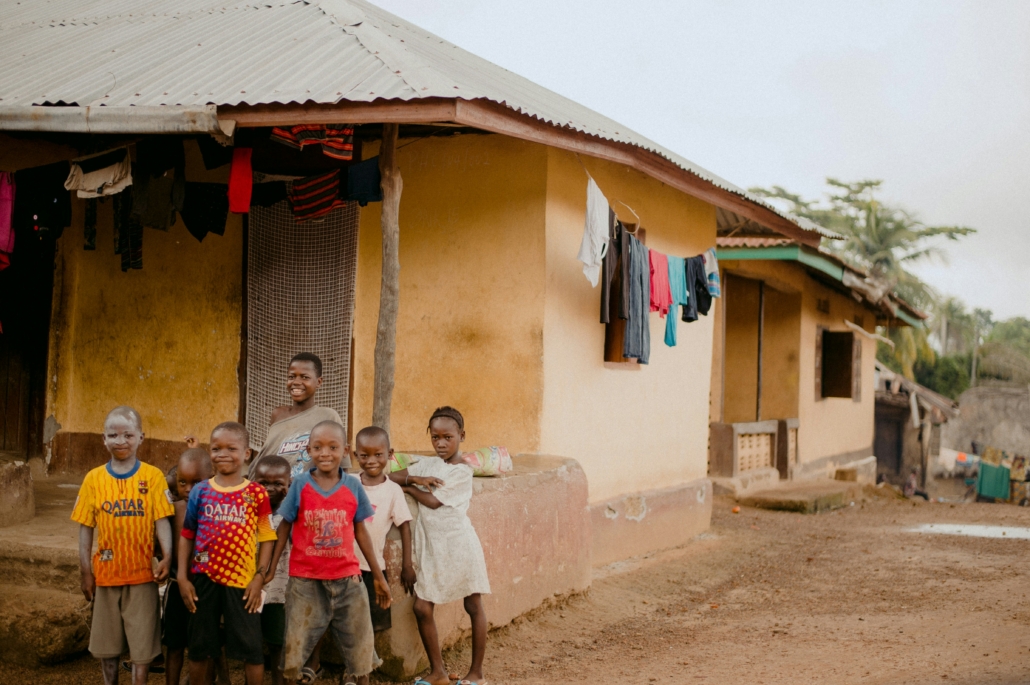
Tourism in Developing NationsTourism has long been a vital source of income for many nations, supporting infrastructure, employment and development. Tourism provides a unique opportunity for developing nations facing poverty or economic instability to diversify income sources. As global travel rebounds following the pandemic, countries like Georgia, Mozambique, Kenya and Sudan stand at a crossroads, each with untapped potential and lessons from other nations where tourism has greatly benefited the economy.

Georgia: A Model of Strategic Diversification

Nestled between Europe and Asia, Georgia has emerged as a rising star in tourism by leveraging its rich cultural heritage, wine traditions and dramatic landscapes. Georgia’s Tourism Strategy 2015–2025 focuses on diversifying markets, improving service quality and creating niche experiences that appeal to high-value travelers.

The strategy has eight strategic objectives to promote tourism growth in the region. They include respecting, enhancing and protecting Georgia’s natural and cultural heritage. Also, to strengthen competitiveness, through the delivery of world-class visitor services to promote the region. Key initiatives:

  • Investment in infrastructure and hospitality training.
  • Strategic marketing to attract visitors from Russia, Turkey and the European Union.
  • Creation of unique and authentic visitor experiences of Georgian Culture.

Georgia’s success lies in its ability to package authenticity with accessibility, making it a country of economic potential to elevate its tourism profile.

Mozambique: Unlocking Coastal and Eco-Tourism Potential

Mozambique boasts more than 1,500 miles of pristine coastline, vibrant marine life and rich cultural diversity. Yet, despite welcoming around two million tourists annually, the country’s tourism sector contributes just 4% to its gross domestic product (GDP) in 2024.

The Strategic Tourism Development Plan (STDP), approved in 2015, aims to change that by positioning Mozambique as a premier African destination. Core strategies of the plan include:

  • Developing eco-tourism and community-based lodges.
  • Reinforcing leisure tourism and further strengthening business tourism.
  • Enhancing infrastructure in conservation areas like Gorongosa and Quirimbas.
  • Promoting investment through incentives and public-private partnerships.

Mozambique’s challenge is balancing growth with sustainability. Focusing on low-impact, high-value tourism can protect its natural assets while boosting local economies, attracting tourists to enjoy the beautiful sights the country has to offer.

Kenya: From Safari Stronghold To Diversified Destination

Kenya has long been associated with safari tourism, attracting millions to its famous parks and reserves. However, the country’s National Tourism Strategy 2025–2030 aims to expand its appeal by investing in niche markets such as sports tourism, agri-tourism and cultural experiences.

This strategy aims to enhance the contribution of Kenya’s tourism sector to the economy through effective development, management and marketing in partnership with stakeholders. Highlights of Kenya’s National Tourism Strategy:

  • Targeting five million annual visitors by 2030.
  • 12% contribution of tourism to GDP.
  • Enhancing domestic tourism and regional connectivity.
  • Promoting sustainability and resilience through green financing and safety protocols.
  • Kenya’s strength lies in its brand reputation and biodiversity, but its future depends on regional innovation. Embracing transformation and continuous investment in the tourism sector can ensure that tourism benefits all parts of society.

Conclusion

Tourism is more than a leisurely pursuit; it’s a lifeline for transformation. Tourism becomes an engine of inclusion and innovation for developing nations confronting poverty and instability, not just lifting economies, but elevating voices. As travelers increasingly seek deeper, more immersive experiences, destinations like Georgia, Mozambique and Kenya hold the power to redefine what meaningful exploration truly means.

With long-term strategies and community-focused planning, these countries stand ready to turn landscapes into legacies and history into hope. Tourism growth here isn’t just about numbers; it’s about connection, empowerment and rewriting global narratives. And as the world watches, it may discover that the most compelling journeys enchant travelers and uplift the people who make those experiences possible.

– Dylan Fly

Dylan is based in Detroit, MI, USA and focuses on Business and New Markets for The Borgen Project.

Photo: Flickr
August 17, 2025
https://borgenproject.org/wp-content/uploads/borgen-project-logo.svg 0 0 Hemant Gupta https://borgenproject.org/wp-content/uploads/borgen-project-logo.svg Hemant Gupta2025-08-17 03:00:222025-08-16 03:52:33Tourism in Developing Nations: Which Countries Are Advancing?
Global Poverty, Poverty Reduction

Innovations in Poverty Eradication in Ecuador

Poverty Eradication in EcuadorPoverty eradication in Ecuador remains a significant challenge. As of mid‑2023, approximately 27% of the population lived below the poverty line (earning less than $89.29 per month), with 10.8% in extreme poverty (under $50.32/month). In rural provinces, those numbers climb sharply—46% live in poverty and 22.6% in extreme poverty. Furthermore, Ecuador’s poverty disproportionately affects Indigenous and Afro-Ecuadorian communities, with Indigenous children experiencing poverty rates as high as 67% and Afro-Ecuadorians more than 45%.

Life for those in poverty often involves insecure employment, inadequate housing, poor sanitation and higher rates of child malnutrition. Informal employment is widespread, with 58% of workers lacking formal protections, and access to health care and education remains limited in rural areas. Women, Indigenous peoples and youth are especially vulnerable. These systemic inequalities highlight the urgent need for targeted innovations in poverty eradication. 

Social Entrepreneurship and Economic Empowerment

One prominent example of impact-driven entrepreneurship is Salinerito, a collective enterprise based in Salinas de Guaranda. Since the 1970s, this network of more than 20 cooperatives has generated sustainable income by producing cheese, chocolate and alpaca wool textiles. What sets Salinerito apart is its commitment to reinvesting profits in community services, such as funding schools, health clinics and microfinance programs, to uplift entire local economies and foster a solidarity-based growth model.

Another success is the Bio Warmi initiative, a women-led cooperative based in the Napo province of Ecuador’s Amazon region. Launched in 2018 by the Ministry of Environment, Water and Ecological Transition, in partnership with the United Nations Development Programme (UNDP) and the Global Environment Facility (GEF), Bio Warmi empowers Indigenous Kichwa women to grow native medicinal plants and transform them into certified organic cosmetic and wellness products. The initiative forms part of Ecuador’s broader transition to a green and inclusive economy. By leveraging Ecuador’s national “green loans” strategy to support environmentally sustainable microenterprises, Bio Warmi has generated consistent income for its members while promoting the conservation of biodiversity and ancestral knowledge. Notably, this initiative contributes to a nationwide policy effort that has mobilized more than $800 million in small-business financing tied to nature-based solutions and community resilience.

Community-Based Economic Resilience

In parallel, Ecuador’s ECOSIMIA stands as a compelling and resilient model of a non-monetary, community-based economy. Originating in 1992 under the name SINTRAL, it was developed within the Fundación Educativa Pestalozzi, an alternative educational project in Tumbaco. This system was inspired by the Local Exchange Trading Systems (LETS) framework and introduced barter-based markets where members exchanged goods and services without money, using a mutual credit system. Each transaction was assigned a numerical value purely for recordkeeping, with no monetary or debt-based implications. By the early 2000s, as Ecuador’s economic conditions deteriorated following dollarization, SINTRAL evolved into a broader, decentralized trading network. Under the guidance of educator and activist Mauricio Wild, the initiative expanded rapidly in rural areas, where communities sought autonomy from unstable monetary systems and limited access to formal markets.

In 2006, during a national gathering of participating groups, the network formally adopted the name ECOSIMIA, an acronym for “El Ecosistema es Responsabilidad Mía” (“The Ecosystem is My Responsibility”), emphasizing its ecological and communal values. Today, ECOSIMIA links more than 140 local groups across 13 provinces, forming a dynamic network of grassroots economies. These groups organize regular barter markets and coordinate exchanges at both the local and regional levels. ECOSIMIA not only facilitates access to essential goods and services without reliance on cash, but it also strengthens social ties, preserves ancestral knowledge and promotes economic resilience in marginalized and remote communities.

Government and International Collaboration

The Ecuadorian government, in collaboration with international partners, is modernizing its social protection systems to better reach vulnerable populations. In 2024, the “Innovating for Equality: Transforming local social protection mechanisms through digitalization” initiative, a joint project by the United Nations Development Programme (UNDP) and the International Labour Organization (ILO), allocated approximately $864,000 to strengthen local social assistance frameworks. The project focuses on digitizing beneficiary registries and creating interoperable digital platforms that link various government services. By improving data accuracy and coordination, the initiative ensures that critical services, such as food aid, cash transfers and employment support, are delivered more efficiently to informal workers, youth and Indigenous communities, who often fall through the cracks of traditional safety nets. This digital transformation reduces bureaucratic delays, expands the reach of social programs and helps lift underserved populations out of poverty by making support more timely, accessible and inclusive.

Furthermore, in early 2025, the World Bank approved an additional $110 million to reinforce Ecuador’s social safety net by integrating climate vulnerability, enhancing child development services and supporting refugee-inclusive cash transfers. Strengthened social protection is crucial for addressing structural poverty and preventing chronic malnutrition among young children.

A Holistic Path Toward Poverty Eradication in Ecuador

From solidarity-based cooperatives and barter networks to digital inclusion programs and eco-entrepreneurship, Ecuador’s efforts show that poverty eradication in Ecuador is most effective when rooted in community strengths, inclusive finance and smart public policy. By empowering women, youth and Indigenous peoples through innovative social enterprises and digitized safety nets, Ecuador is fostering a resilient, equitable path forward, demonstrating that poverty reduction can be achieved when innovation meets community.

– Tu Anh Ha

Tu is based in Hanoi, Vietnam and focuses on Technology and Solutions for The Borgen Project.

Photo: Unsplash

August 8, 2025
https://borgenproject.org/wp-content/uploads/borgen-project-logo.svg 0 0 Jennifer Philipp https://borgenproject.org/wp-content/uploads/borgen-project-logo.svg Jennifer Philipp2025-08-08 03:00:512025-08-08 16:55:44Innovations in Poverty Eradication in Ecuador
Global Poverty, Poverty Reduction

Fighting Rural Poverty in Latin America

Rural Poverty in Latin AmericaSignificant progress has been made in fighting rural poverty in Latin America for years. Just 20 years ago, more than half of Latin America was impoverished. By last year, this number had dropped by half. However, some of this progress had been reversed due to the COVID-19 pandemic, with poverty peaking at 30% in 2021.

However, Latin America has continued progressing, lowering poverty rates to pre-pandemic levels, at 25%. Meanwhile, rural poverty continues to be a serious problem, with the inequality between rural and urban areas driving much of the issue 60% of Latin American poverty remains rural. For instance, while access to sanitation and clean water increased across Latin America, progress continued to lag in rural areas.

Much of the recent progress in fighting rural poverty in Latin America can be attributed to specific programs in Mexico and Brazil, two of Latin America’s biggest countries. Focused government programs like Bolsa Familia and PROSPERA have helped lift thousands of families out of rural poverty. While rural poverty in this region continues to be a major issue, with the rural impoverished being especially vulnerable to recent spikes in poverty, the government’s focus on rural poverty can result in millions being lifted out of poverty.

History and Nature of Poverty in Latin America

Rural poverty is a persistent challenge across the world. According to the World Bank, most of the 700 million who live in extreme poverty are from rural areas. However, Latin America was the outlier to this global trend before its success in combating poverty. In 2001, the International Monetary Fund found that most Latin American poverty was entrenched in urban areas.

This unique urban poverty profile did not prevent the region from significantly reducing poverty. Latin America and the Caribbean saw total poverty decline from about 50% in the early 2000s to roughly 30% by around 2012. By 2019, the poverty rate had fallen to approximately 28% before stagnating and slightly rising during the COVID‑19 pandemic.

Pandemic: Back From the Peak

However, the pandemic began to reverse much of this progress. In addition to the global effect on public health, the pandemic deeply affected people with low incomes in Latin America. According to economist Ebru Topcu, Latin America is the region most affected by the pandemic. The crisis followed years of slow economic growth and limited improvements in social indicators, exacerbating the region’s vulnerabilities.

As a result, it triggered severe economic contractions with widespread social and economic consequences. These challenges fueled significant social unrest in several countries, particularly in late 2019. With limited access to vaccines and hospital beds, Latin America has suffered greatly from both the pandemic’s health toll and its worst economic recession in the last two centuries.

This impact was even more severe in rural areas, where poverty remains persistent due to limited access to more readily available resources in urban centers. Despite these challenges, the region gradually began to recover. By 2022, the poverty rate fell below 30%; by 2024, it had dropped to 25%.

Two Models: Brazil and Mexico

Hugo Nopo, senior economist for the Poverty and Equity Practice Group at the World Bank, explains that much of this progress was due to specific policies pursued in Brazil and Mexico. In Brazil, the Bolsa Familia program qualifies low-income families for direct transfers on the condition that they keep their children in school and bring them in for health checks.

The program supports 13 million low-income families, directly improving their living conditions, as most of the funds go toward essentials like food and clothing. Beneficiary Dinalva Pereira de Moura shared, “[the program] has been a marvelous thing for me and my family. My children know that when we receive the money, they will have more to eat and that makes them happier. And they don’t skip school, because they know that the money depends on their going.”

Mexico’s PROSPERA program is modeled similarly to the Bolsa Familia program and previous Mexican policies, which started in 1997. PROSPERA reached more than six million families across Mexico by conditioning transfers on basic benchmarks like school attendance and doctor check-ins. The National Council for the Evaluation of Social Development Policy rated the program as one of the most effective at combating poverty.

Looking Forward

There continues to be progress in fighting rural poverty in Latin America. While Mexico and Brazil lead the way by incentivizing effective educational and medical practices, much remains to be done. Nopo explains that while there is reason for hope, fighting rural poverty in Latin America will require more action.

– Joseph Laughon

Joseph is based in Sacramento, CA, USA and focuses on Good News and Global Health for The Borgen Project.

Photo: Flickr

August 6, 2025
https://borgenproject.org/wp-content/uploads/borgen-project-logo.svg 0 0 Hemant Gupta https://borgenproject.org/wp-content/uploads/borgen-project-logo.svg Hemant Gupta2025-08-06 03:00:302025-08-06 03:05:53Fighting Rural Poverty in Latin America
Education, Global Poverty, Poverty Reduction

Teaching Abroad: A Form of Equity

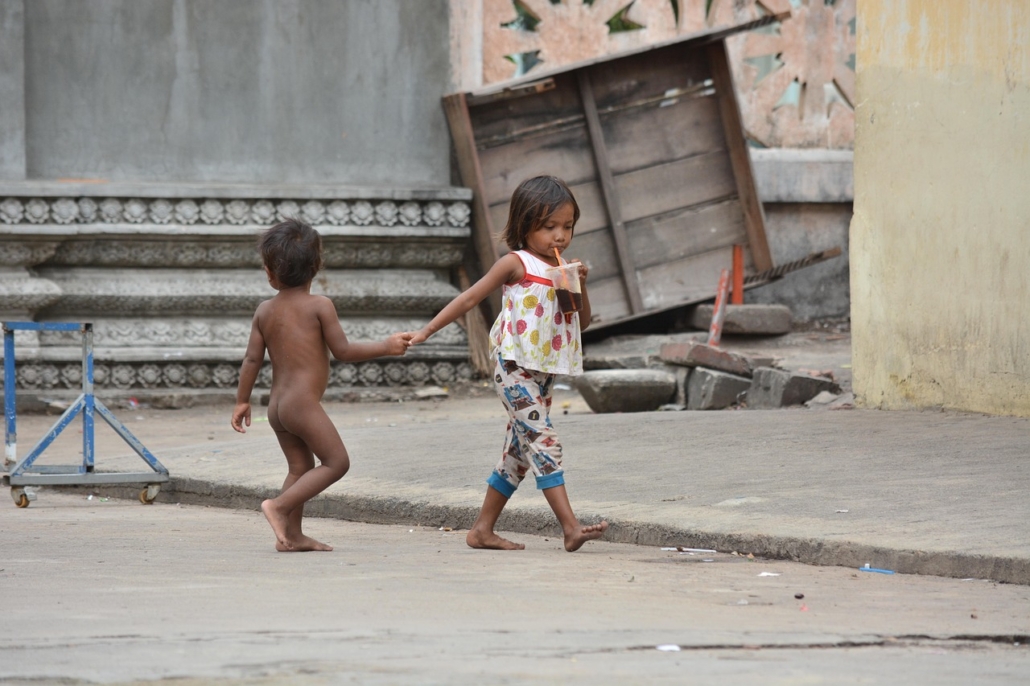
Teaching Abroad: A Form of Equity Reda, a 14-year-old boy from a low-resourced town in Morocco, is now a pre-med student at San Francisco State University, aiming to become a doctor for a nonprofit organization. His Peace Corps English teacher, Nathaniel, played a key role in his development. Since 1961, teaching abroad has been an impactful way to promote equity and create opportunities for social mobility.

Teaching Abroad

Teaching abroad as a form of equity shares similarities with Teach For America. Teach For America recruits recent, excelling graduates to teach in high-need areas. This allows aspiring teachers to grow their careers and students in low-income areas to receive a better education. Organizations like the Peace Corps work in a similar way. Participants for the Peace Corps need to have a bachelor’s degree, but no teaching experience is necessary. The volunteers then go on to teach in high-need areas across the world. Volunteers practice kindness by teaching their knowledge, empowering the students by equipping them with a better education.

History of the Peace Corps

The Peace Corps was established in 1961 by the United States (U.S.) President John F Kennedy through an executive order. The agency’s mission is to create friendship and peace with other countries through helpful engagement. The first countries ever visited were Tanzania and Ghana.

The Power of Education

Education enables social mobility. Obtaining a higher education is a reliable path to higher salaries and upward mobility. Among OECD nations, earning a college degree increases income by 54% compared to a high school diploma. Additionally, higher education has been shown to boost a country’s gross domestic product (GDP). 

Since 1961, the Peace Corps has expanded its impact around the world. In its education sector, volunteers have taught more than 212,000 students in subjects such as English, literacy, math and science. The organization has served in 144 countries and supported local projects through in-person and online efforts. The Peace Corps also offers opportunities in other sectors, including health, economic development and engineering, allowing volunteers to choose how they want to serve.

Ongoing Challenges

Volunteers may experience culture shock, homesickness and language barriers. In addition, living conditions are often less resourced than what they are used to in their home countries. Volunteers are not paid a salary but receive a stipend along with room and board. Many use money saved from their home countries during their service.

According to the information on the Peace Corps website, teaching abroad as a form of equity can also be a way of travel. It can be an immersive and enriching experience to be in another country for an extended period of time.  Likewise, teaching abroad can be a great career builder for students in social work, global health, international relations and education.

Looking Ahead

Through the Peace Corps and similar initiatives, teaching abroad continues to be a powerful force for global equity. By connecting volunteers with underserved communities, programs like these promote access to education, encourage cultural exchange and support long-term development goals. As stories like Reda’s show, a single educator can help unlock opportunities that last a lifetime.

– Andrea Roji

Andrea is based in San Diego, CA, USA and focuses on Good News for The Borgen Project.

Photo: Flickr
July 20, 2025
https://borgenproject.org/wp-content/uploads/borgen-project-logo.svg 0 0 Precious Sheidu https://borgenproject.org/wp-content/uploads/borgen-project-logo.svg Precious Sheidu2025-07-20 03:00:322025-07-19 10:54:08Teaching Abroad: A Form of Equity
Global Poverty, Poverty Reduction

Rising for the Greater Good: Poverty in Liberia

Poverty in LiberiaLiberia stood out as one of two African countries that remained independent throughout the European conquest in the 19th and 20th centuries, particularly during the “Scramble for Africa.” Though known for its abundant rainforests, such as the Upper Guinean, Liberia continues to confront challenges. Poverty remains a pervasive issue in the country, affecting millions of people. In the capital, Monrovia, three out of 10 citizens live in struggling conditions. In rural regions, nearly eight out of 10 individuals experience poverty daily.

Poor physical and mental health, often the result of infections and diseases is one of the most problematic factors for disadvantaged communities. Tuberculosis, measles and malaria, among others, remain public health concerns. However, some initiatives have improved health care access in many regions. The average life expectancy rose 1.2 years over the last decade. 

Many organizations are working to reduce poverty in the country through action plans and implemented programs. Among them is Mercy Corps, which supports with educational and health access, donations, charitable missions and emergency responses.

Post-War Recovery and Poverty in Liberia

Mercy Corps, a global humanitarian organization, focuses on alleviating poverty in underdeveloped countries like Liberia. The organization establishes communal stability for all families. Nearly 4,300 colleagues under Mercy Corps work together to grant communities first aid assistance and ally with local government officials to create long-term renovations.

Mercy Corps supported Liberia with many recovery efforts after the nation’s 1989-2003 civil war. The civil war marked a period of political unrest between diverse ethnic groups. This caused significant tension between the land and the people. Liberia experienced 14 years of economic recession. Food scarcity was another result of the aftermath. Produce became scarce, affecting 50% of families. 

Mercy Corps faces challenges in providing aid to large populations but continues working to reach as many families as possible. In a discussion with CEO Micromentor Anita Ramachandran, Mercy Corps’ Executive Director Tjada D’Oyen McKenna shared personal and professional details about her path to joining the organization. She spoke with Ramachandran, stating, “…our work is now more necessary than it ever was.” She explained that while some populations will always be affected by natural disasters, the ongoing challenge is to “remind people…that there are more vulnerable [communities] deserving of our support.”

Economic Progress

Mercy Corps is dedicated to guiding communities in finding impactful employment opportunities by linking them with private businesses and agencies. The training for these individuals extends beyond basic skills, focusing instead on establishing a foundation in finance and business management. This emphasizes the vital role of technology and digitalization in Liberia’s economic journey. This approach is modeled to help individuals reach their full potential to become creative leaders in all fields of work. As part of this growing development training, Mercy Corps formed a partnership with a nascent tech entrepreneurship space. This joint collaboration provides innovators a unique role in immersing themselves in a real-world experience. This shapes them to drive future economic stability.

Tackling Poverty, Hunger and Education Gaps in Liberia

Food production in Liberia has been dwindling after the country faced numerous challenges, like the aftermath of the Civil War. Almost 25,000 kids are unable to receive adequate meals in schools due to inaccessibility. About 146 schools encounter this issue, leaving children hungry. Many kids retire from school early because they lack the energy to keep going. As the problem worsened, attendance and enrollment rates fell significantly.

Mercy Corps launched the Liberia Empowerment, Attendance, Reading and Nutrition (LEARN) Program in 2021. The goal of the program is to help children living in vulnerable communities. Funded by the U.S. Department of Agriculture and the McGovern-Dole International Food for Education Program, LEARN supplies schools with nutritious meals sourced from local food vendors. LEARN also organizes activities and clubs for children to interact and learn about health outcomes. Some of the clubs the program established include school health and garden clubs. The program’s main objective is to help around 265,830 recipients, with a small portion of that being 85,129 preschoolers in 234 school systems.

Growth and Wellness

Every year, about one-third of Liberian individuals contract malaria, according to the World Health Organization (WHO). The death rate primarily affects small children who suffer not only from malaria but also from pneumonia. Based on the Liberia Institute of Statistics and the Ministry of Health and Social Welfare, the maternal mortality rate in Liberia is one of the highest in the world. The rate is 994 per 100,000 childbirths. Mercy Corps is playing an active role in increasing accessibility to sanitation services to stop the contraction of such infections. The organization works alongside regional systems. Health services based in the United States (U.S.) are spending $52 million to open more medical clinics to reach people residing in rural areas of the country.

Building Self-resilience

Poverty remains detrimental to many nations, including Liberia, particularly in regard to food scarcity and education. So, in response, Mercy Corps’ initiatives have implemented support for children and adults. These plans, along with active health services, improved sterilized water and job training, demonstrate a commitment to resolving pressing issues. Addressing these matters, McKenna says, “…We’ve been reminded of our interconnectedness so much…and we believe them…that one of our core principles…is driving toward a more just world.” Liberia hopes to restore its confidence and better its prospects.

– Janae Bayford

Janae is based in Centennial, CO, USA and focuses on Good News and Global Health for The Borgen Project.

Photo: Flickr
July 20, 2025
https://borgenproject.org/wp-content/uploads/borgen-project-logo.svg 0 0 Precious Sheidu https://borgenproject.org/wp-content/uploads/borgen-project-logo.svg Precious Sheidu2025-07-20 03:00:152025-07-19 10:43:48Rising for the Greater Good: Poverty in Liberia
Page 4 of 63«‹23456›»

Get Smarter

  • Global Poverty 101
  • Global Poverty… The Good News
  • Global Poverty & U.S. Jobs
  • Global Poverty and National Security
  • Innovative Solutions to Poverty
  • Global Poverty & Aid FAQ’s
Search Search

Take Action

  • Call Congress
  • Email Congress
  • Donate
  • 30 Ways to Help
  • Volunteer Ops
  • Internships
  • Courses & Certificates
  • The Podcast
Borgen Project

“The Borgen Project is an incredible nonprofit organization that is addressing poverty and hunger and working towards ending them.”

-The Huffington Post

Inside The Borgen Project

  • Contact
  • About
  • Financials
  • President
  • Board of Directors
  • Board of Advisors

International Links

  • UK Email Parliament
  • UK Donate
  • Canada Email Parliament

Get Smarter

  • Global Poverty 101
  • Global Poverty… The Good News
  • Global Poverty & U.S. Jobs
  • Global Poverty and National Security
  • Innovative Solutions to Poverty
  • Global Poverty & Aid FAQ’s

Ways to Help

  • Call Congress
  • Email Congress
  • Donate
  • 30 Ways to Help
  • Volunteer Ops
  • Internships
  • Courses & Certificates
  • The Podcast
Scroll to top Scroll to top Scroll to top