Renewable Energy in Comoros
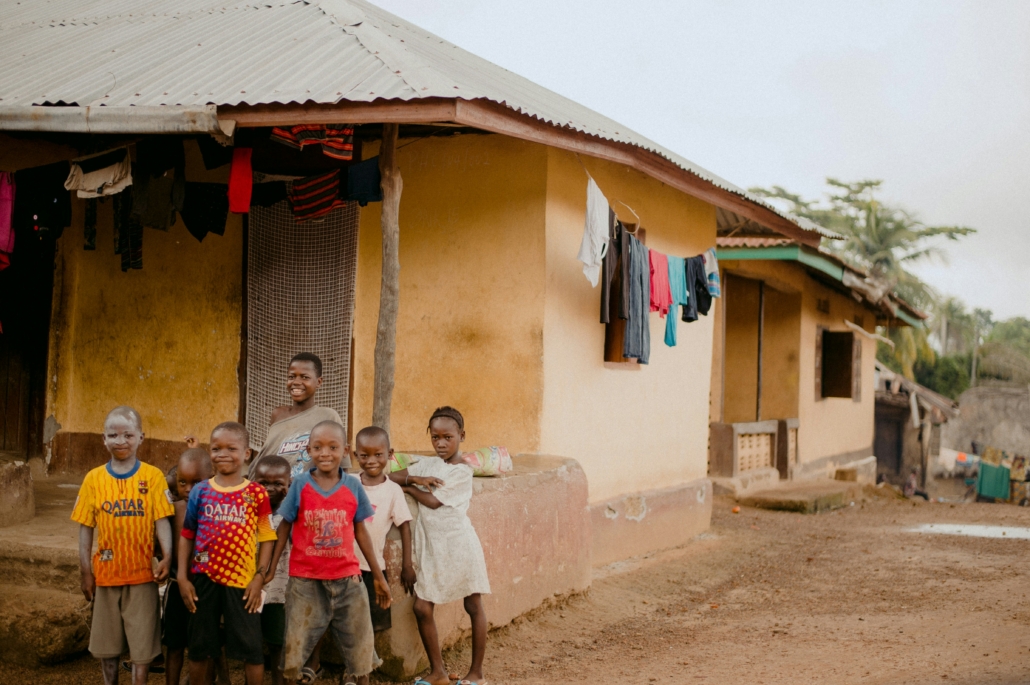 The innovative production of novel renewable energy technologies are essential to the economic development of countries in the developing world, such as Comoros. The East African country of Comoros is a least developed country with a low GDP per capita, which was $1,784.12 in 2024. Comoros is located in the Indian Ocean, encompassing a group of islands by which Grande Comore is the most massive in size of the islands and Mohéli is the tiniest in size.
Poverty in Comoros is catastrophic with poor, unprofitable harvests on a national economy that is dependent on farming. In 2014, the poverty headcount ratio measured up to a 31.4% of the population of Comoros living on less than $3 a day, in scale with 2021 purchasing power adjusted prices. In the combat against poverty, improving public health especially the incidence of waterborne infectious diseases, acute lower respiratory infections and lung cancer through the use of renewable sources of energy over other energy sources is beneficial. Non-renewable sources of energy have high damage costs, which was $16.4 million in 2021 as a result of carbon dioxide gas emissions from the use of fossil fuels and cement production. Here is more information about renewable energy in Comoros.
Hydroelectric Power Plants in Comoros
Comoros has hydroelectric power plants constructed on the island, which are a renewable source of energy. Hydroelectric power plants transform the potential energy of water into electrical energy, which holds advantages of having low operational and maintenance costs, a long lifespan, as well as wide-ranging uses in: irrigation, the supply of water to urban areas, flood control and navigation. The greater the water flow rate, height of the water descending and conversion efficiency of the turbine, the greater the electrical power generated from the hydroelectric power plant. However, Comoros still has a poor supply of electricity and water, largely due to poverty. Comoros and other low-economic countries could develop the technical potential of hydroelectric power, since only 6% of the technical potential for hydroelectric power has undergone development for use in Africa, compared to half in Europe.
The Benefits of Hydroelectric Power
The use of hydroelectric power as a renewable energy source over non-renewable energy sources reduces carbon emissions and decreases greenhouse gas emissions, which is of great importance in light of the Paris Agreement (2016) – a legally binding international treaty on environmental welfare that 195 parties adopted at a United Nations conference to limit global temperature rises. The necessity for the integration of renewable energy sources is paramount to an eco-friendly economic development, since for Comoros a weighty 0.23 tonnes of carbon dioxide equivalent greenhouse gas emissions emitted were from the transportation sector in 2021, which is just a fragment of the wider societal infrastructure.
Although Comoros has built and installed hydroelectric power plants on the island, a greater number of other renewable energy source technologies would be beneficial to the increasingly urbanized towns and industrialization as the country develops economically in strategies to reduce extreme forms of poverty. Since hydroelectric power is helpful in supplying storage and load balancing for solar, wind and other renewable energy sources, further investments in other renewable energy sources would be a fitting extension to the hydroelectric power plants present on the island.
Solar Energy Project in Comoros
Comoros has invested in solar energy via a Solar Energy Access Project for Comoros, with the goal of expanding the renewable energy generation capacity and enhancing the operational performance of the solar energy system for electricity. Power storages in addition to photovoltaic and system upgrades were installed as part of the project at solar photovoltaic power plants built at Grande Comore, Anjouan and Mohéli, while the battery storage remained situated in Grande Comore and Anjouan. The photovoltaic cells transform solar energy radiation from sunlight directly into electrical energy that people can use as electricity.
The vast majority of photovoltaic cells in international financial retail market shares comprise crystalline silicon materials. According to a review on solar photovoltaic technology, innovative carbon nanotube cells used as a material for photovoltaic cells have the capacity to convert 75% of the light energy it receives into electricity, which could aid in providing a more reliable source of electricity to Comoros. Comoros has a tropical weather climate with peak temperatures of 35°C at the beginning of the humid season, therefore the warm sunny climate makes solar energy an ideal renewable energy source.
The Comoros National Electricity Corporation will aid the enlargement across territories of the management information system of the solar energy project plus the installation of the advanced metering infrastructure to all customers. Solar energy projects have great potential compared to other renewable sources of energy as the International Energy Agency (IEA) suggested, and could even help disinfect water for safe drinking.
Looking Ahead
The use of renewable energy sources rather than non-renewable sources of energy is crucially important in the industrial development of Comoros, in order for the country to expand economically as a poverty-reduction effort without causing pollutive damage to the ecosystem, public health or financial trade markets. Hydroelectric and solar energy power plants are renewable sources of energy that have been constructed in Comoros, although maximizing the technical benefits of the renewable energy sources is vital to ensure an efficient, reliable electricity and water supply in a country that has poor utilities due to poverty.
– Deborah Asante
Deborah is based in London, UK and focuses on Technology and Global Health for The Borgen Project.
Photo: Unsplash
