Major Facts About Poverty in Okinawa
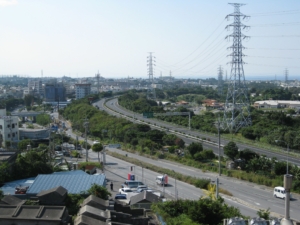 Okinawa is one of the largest islands within the Ryukyu island chain and the smallest prefecture in Japan. Formally known as the Ryukyu Kingdom, Okinawa is known internationally as an island travel destination and a Blue Zone area. A hidden struggle among Okinawan residents lies within the region’s rich culture and beautiful beaches. While Japan is considered a nation with high national well-being, poverty in Okinawa is 35%, twice the national average.
Single-Parent Household Ratios Are High
Contributing to poverty in Okinawa are single-parent or single-mother households. According to Professor Yanfei Zhou of Japan Women’s University from the documentary “The Ones Left Behind: The Plight of Single Mothers in Japan,” despite single-parent households having a high employment percentage of 85%, 48.3% of the households are in poverty.
In Okinawa, single-mother households are the majority, resulting in a 30% child poverty rate that is almost double the national average. Many of these single-mother households have to work two jobs, with their second being a hostess at nightclubs.
US Military Facilities Dominate Okinawa
Many of Okinawa’s poverty-related issues stem from Japan’s relationship with the U.S. military. After World War II and the devastating 1945 Battle of Okinawa, Japan allowed the U.S. to establish military facilities on the island, bases that remain in place today.
Due to the 1945 battle devastating Okinawa’s existing infrastructure and major agricultural fields being demolished for military facilities, the prefecture experienced major economic infrastructure development delays.
About half of all U.S. forces in Japan remain in Okinawa today, an island that makes up less than 0.6% of the country’s territory. The weak infrastructure on the island continues to contribute to the low employment rates and poverty in Okinawa.
Unemployment Rates Are High
According to e-Stat, Okinawa’s unemployment rate was 8.1% in 2023, the highest percentage among Japan’s prefectures. Many factors contribute to this, including limited infrastructure due to the U.S. military presence, dependence on a tourism industry with low wages and unstable work and low university enrollment among young people. The island’s geographic isolation from mainland Japan also worsens unemployment and poverty in Okinawa.
Okinawa Lacks Support From the Japanese Government
Although the Japanese government provides Okinawa with more than $2 billion in annual financial support, the relationship between Okinawan residents and the state remains complicated. Many oppose current plans to relocate the U.S. Marine Corps Air Station from Futenma to the coast of Henoko, reflecting longstanding resentment over the U.S. military presence.
Japan’s colonization of the former Ryukyu Kingdom and deep cultural differences between Okinawa and the mainland have also fueled tension. As a result, Okinawa is often viewed as neglected compared to other Japanese prefectures.
Organizations Providing Aid
While poverty in Okinawa stems from many factors, nonprofit organizations and local leaders continue to fight for change. HelpOki, a volunteer-based nonprofit founded in 2011, works to combat poverty by providing vital resources and support to those in need. To address food insecurity, the group established Okinawa’s first food bank and continues to supply essentials to homeless shelters, foster homes and other community organizations.
Organizations outside Okinawa are also working to fight poverty in the prefecture. Second Harvest Japan, the country’s first incorporated food bank, aims to build a nationwide food safety net. In 2020, in collaboration with Barclays, it launched the Usagamisore Project. The initiative provided food to 30,000 households in Okinawa during the COVID-19 pandemic and continues to serve the community while expanding its reach to the greater Tokyo area.
Local leaders have also made slow but steady plans to make Okinawa more self-reliant. They aim to reduce poverty and unemployment rates while still addressing residents’ concerns with U.S. forces and their presence in Okinawa.
– Skylar Paxton
Skylar is based in Lake Forest, CA, USA and focuses on Good News and Politics for The Borgen Project.
Photo: Wikimedia Commons
