• Link to X
  • Link to Facebook
  • Link to Instagram
  • Link to TikTok
  • Link to Youtube
  • About
    • About Us
      • President
      • Board of Directors
      • Board of Advisors
      • Financials
      • Our Methodology
      • Success Tracker
      • Contact
  • Act Now
    • 30 Ways to Help
      • Email Congress
      • Call Congress
      • Volunteer
      • Courses & Certificates
      • Be a Donor
    • Internships
      • In-Office Internships
      • Remote Internships
    • Legislation
      • Politics 101
  • The Blog
  • The Podcast
  • Magazine
  • Donate
  • Click to open the search input field Click to open the search input field Search
  • Menu Menu

Archive for category: Poverty Reduction

Information and stories about poverty reduction.

Developing Countries, Global Poverty, Health, Poverty Reduction

Maternal Mortality in the KP Region

Maternal Mortality in the KP RegionConditional cash transfers (CCTs) are a common tool used by governments to alleviate poverty. It involves direct cash transfers to individuals or households to help families manage expenses. In exchange for these grants, there are stipulations of required health check-ups or testing, educational enrollment or other factors that can broadly reduce poverty and improve standards of living.

Based on current evidence, CCTs are most effective in health care-related initiatives, often improving health outcomes and encouraging increased utilization of health care offerings. The studies that provide this evidence also note that despite the clear positive impact, the efficacy of these initiatives remains ill-defined. This is due to disparate health care systems and the quality of services offered between the countries and communities where CCTs have been implemented.

Maternal Mortality in the KP Region

In Pakistan and in South Asia generally, the maternal mortality rate is significantly high. Although there has been a significant drop in the maternal mortality rate of around 60% between 2000 and 2017, the region still accounts for around 20% of maternal deaths worldwide. The 2006-07 Pakistan Demographic and Health Survey was the first effort to collect information on maternal mortality in the country.

The survey revealed that during those years, there were 276 maternal deaths for every 100,000 live births in Pakistan. In 2007-08, in the Khyber Pakhtunkhwa (KP) region, the maternal mortality rate was 275 deaths for every 100,000 live births in the region. These numbers indicated severe deficiencies in the delivery of adequate health care to expectant mothers, which the local governments of Pakistan sought to address.

The Chief Minister’s Special Initiatives

In the KP region of Pakistan, the Chief Minister’s Special Initiatives are a set of poverty alleviation measures created by the local government. These initiatives aim to improve living standards by offering financial incentives to individuals who take advantage of local services focused on education, employment and health outcomes.

For example, grants were provided to female students above grade 5 to encourage them to continue their education. Stipends were also offered to young people enrolled in government-sponsored vocational training programs. These incentives were significant because they represented key examples of CCTs used as a poverty alleviation tool in Pakistan.

In 2014, recognizing the urgent need to address maternal mortality rates and in line with a national push to improve health care for mothers and children, the government of KP launched the Chief Minister’s Special Initiative for Mother and Child Health. This conditional cash transfer program provides fixed cash stipends to marginalized mothers for attending prenatal checkups, delivering safely and completing postnatal visits.

A 2024 study evaluating the program found a substantial increase in the total number of health-seeking hospital visits, indicating that the intervention successfully achieved its intended behavioral change. Additionally, the cash incentives improved household purchasing power and supported the incomes of vulnerable families. The findings provided strong evidence for expanding the use of other CCT programs in Pakistan.

Maternal Mortality Declines in KP

In the years that followed, the maternal mortality rate declined significantly. The 2019 Pakistan Maternal Mortality Survey collected updated national and regional data, showing trends since the 2007 survey. Nationally, maternal deaths fell from 276 to 186 per 100,000 live births.

In the KP region, the figure dropped from 275 to 165, representing a slightly higher percentage reduction than the national average. This suggests that local initiatives and conditions, including the CCT programs, may have contributed to reducing maternal mortality rates.

Final Remarks

The conditional cash transfers program in the KP region has already shown promising results for improving maternal health outcomes and alleviating poverty. It could be a model for the rest of Pakistan to follow and bring down its alarming maternal mortality rates.

– Nikhil N Kumar

Nikhil is based in Lexington, MA, USA and focuses on Global Health and Politics for The Borgen Project.

Photo: Flickr

October 27, 2025
https://borgenproject.org/wp-content/uploads/borgen-project-logo.svg 0 0 Hemant Gupta https://borgenproject.org/wp-content/uploads/borgen-project-logo.svg Hemant Gupta2025-10-27 03:00:282025-10-26 23:56:12Maternal Mortality in the KP Region
Economy, Global Poverty, Poverty Reduction

Progress: The Lives Behind Reduced Poverty in Jamaica

Poverty in jamaicaIn 2023, Jamaica experienced its sharpest reduction in poverty in more than three decades, a milestone that captured both national and international attention. According to the Planning Institute of Jamaica (PIOJ), the country’s national poverty rate fell from 16.7% in 2022 to 8.2% in 2023, a drop of nearly half and one of the steepest declines since record-keeping began in 1989. This change was driven by a combination of economic recovery, a rebound in tourism, remittances from citizens working abroad and targeted government interventions designed to support the most vulnerable populations.

For many Jamaican families, the data translates into tangible improvements: more reliable income, better access to food and health care and a greater sense of optimism about the future. The country’s ability to maintain economic stability and strengthen social protection systems has kept poverty in Jamaica on a downward slope, securing a more resilient future for all Jamaicans.

Economic Recovery and Structural Drivers

Jamaica’s dramatic reduction in poverty is closely linked to its broader economic recovery following the shocks of the COVID-19 pandemic. Tourism, which contributes nearly 10% of Jamaica’s GDP, saw a strong resurgence in 2023 as international travel reopened. The Jamaica Tourist Board reported that more than 4.1 million visitors arrived that year, surpassing pre-pandemic levels and bringing billions of U.S. dollars into the economy. Hotels, restaurants and entertainment venues once again provided thousands of jobs, particularly in urban centers and coastal regions.

Growth in agriculture and construction also contributed to this momentum. According to PIOJ’s Economic and Social Survey Jamaica 2023, agricultural output grew by 3.5%, while construction expanded by 5.9%, both sectors employing large numbers of low- to middle-income workers. Additionally, remittances from Jamaicans abroad reached $3.6 billion in 2023, representing one of the country’s most stable income sources. These inflows cushioned families from inflation and provided a safety net for many households living near the poverty line. Together, these structural drivers supported higher consumption levels and renewed confidence in Jamaica’s economic outlook.

The Human Dimension of Progress

Beyond statistics and reports, Jamaica’s poverty rate has deeply personal consequences. As the Jamaica Observer highlighted in its feature “From Hardship to Hope,” families across the country are beginning to feel a sense of relief. Parents can now purchase school supplies with less financial strain, small farmers are finding better markets for their crops and hospitality workers are enjoying greater job stability.

For example, a St. James hotel employee quoted in the article described how consistent work in 2023 allowed her to “finally save for her children’s education.” These stories reflect how national progress filters into everyday life, giving people a chance to plan for the future rather than focus solely on survival. Such experiences demonstrate why poverty reduction matters, not only as an economic indicator but also as a measure of opportunity and security.

Risks and the Path Forward

Although Jamaica’s poverty reduction is historic, experts caution that the gains are fragile. While global inflation averaged 4.2% in 2025, down from 6.6% in 2023, it still erodes purchasing power for many families. Climate change also threatens agriculture and rural livelihoods as severe droughts and floods become more frequent.

If these challenges are not addressed, there is a risk that poverty rates could rise again. To prevent backsliding, Jamaica must continue strengthening social protection systems such as the Programme of Advancement Through Health and Education (PATH), which supports more than 350,000 beneficiaries, including children and the elderly. The government is also encouraged to diversify the economy beyond tourism by promoting sectors such as renewable energy, technology and creative industries. Reliable and transparent data collection, an issue that has long challenged Caribbean nations, will be essential for monitoring progress and guiding Jamaica’s future strategies.

Looking Ahead

Jamaica’s record-breaking decline in its poverty rate marks an extraordinary achievement that shows what is possible when economic recovery and social policy align. The combination of industry growth and targeted welfare programs has lifted thousands of families above the poverty line, offering a glimpse of a more equitable future.

Still, the uneven nature of progress and the risks that remain highlight that poverty reduction is not a one-time success but an ongoing challenge. 

– Abigail Ariyo

Abigail is based in Ottawa, Ontario, Canada and focuses on Good News for The Borgen Project.

Photo: Flickr

October 21, 2025
https://borgenproject.org/wp-content/uploads/borgen-project-logo.svg 0 0 Precious Sheidu https://borgenproject.org/wp-content/uploads/borgen-project-logo.svg Precious Sheidu2025-10-21 03:00:392025-10-21 01:47:02Progress: The Lives Behind Reduced Poverty in Jamaica
Business, Global Poverty, Poverty Reduction

How Lush Is Fighting Global Poverty One Soap at a Time

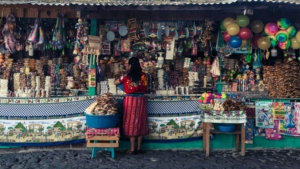
Lush Is Fighting Global PovertyFounded in the United Kingdom in 1995, Lush has become a global cosmetics giant, with more than 800 shops in 50 countries. From its conception, Lush reinvented the beauty scene, leading a “cosmetic revolution” which put ethics at the forefront of its business. From a soap that helps to fund vital services in Gaza to its unwavering advocacy, Lush is a powerful player when it comes to fighting against global poverty.

A Small but Mighty Hand Cream

One of the cornerstone products in Lush’s fight against global poverty has been its Charity Pots, a vanilla and floral-scented hand and body lotion. This product was created to raise money for grassroots groups, campaigns and nonprofits doing humanitarian groundwork protecting human rights and ensuring environmental justice. In 2024, Lush made more than $130 million in charitable donations since the launch of its giving initiatives back in 2007. The Charity Pot made up 75% of these donations.

Despite recently removing the product from its shelves, Lush remains committed to campaigning. The organization has produced a new line of Giving Products, which allows it greater flexibility in targeting and responding to global emergencies, directing money to where it is needed. Lush’s Charity Pots proved to be a small but mighty force in the fight against global poverty.

Lush’s Giving Products

Replacing the Charity Pots, Lush’s Giving Products hit the shelves with the Watermelon Slice soap as the first launch. Originally a regular product, it was turned into a Giving Product after a staff member highlighted the symbol’s significance in the movement to support a free Palestine. With each sale, 75% of the proceeds are donated to childhood mental health and medical services in Gaza, including charities providing prosthetic limb support to adults and children.

Since launching the Watermelon Slice soap, Lush has used its Giving Products to support various causes. These include aiding Indigenous volunteer fire brigades in the Amazon, backing lawyers and human rights activists in Mexico and supporting “She Should Run,” an organization working to increase diverse political participation.

The Use of Fairtrade Ingredients

One of the main selling points for Lush products is its use of Fairtrade ingredients. The Fairtrade Foundation seeks to address the root causes of poverty directly by ensuring farmers and workers in developing countries receive better prices, working conditions and more power over their products. Cheap products often come at the exploitation of those who grow them.

So by ensuring a minimum price, the Fairtrade Foundation ensures that farmers and workers can cover the costs of sustainable production and have a safety net for when the market falls below a sustainable level. Farmers whose products are Fairtrade certified also receive a Fairtrade Premium, a lump sum which members of Producer Organizations democratically decide how to spend. This money is typically invested in community development.

By choosing Fairtrade products, Lush is helping to break the cycle of poverty in developing countries, enhance the well-being and resilience of these communities and enable individuals a greater level of dignity.

Uplifting Communities Through Knot Wraps

Lush’s venture into reusable packaging has also proved significant in fighting global poverty. While sifting through bundles of vintage scarves, the Lush buying team discovered an abundant supply. In 2009, the company began stocking more than 40,000 wraps as part of its shift to knot wrapping, a sustainable, reusable packaging alternative.

From there, Lush began partnering with re-wrap, a nonprofit organization in India that produces 100% organic cotton knot wraps. Crafted by highly skilled female artisans, re-wrap makes a range of products, including tote bags, gift wraps, pouches and aprons and is dedicated to uplifting rural women and farming communities.

During production, local women are trained in the skills needed to make these wraps, enabling them to earn an income and empowering them to leave unsafe relationships. By working directly with re-wrap, Lush ensures that producers receive fair wages, further helping to alleviate poverty in rural communities.

A Lush Future

From its Watermelon Soap funding aid in Gaza to partnering with organizations that empower women in India through artisanal skills, Lush is building an impressive track record of fighting global poverty. Its unwavering advocacy and campaigning should serve as a blueprint for other companies. We can only hope this vital work continues and that others follow.

– Libby Foxwell

Libby is based in Sherborne, Dorset, UK and focuses on Good News for The Borgen Project.

Photo: Flickr
October 19, 2025
https://borgenproject.org/wp-content/uploads/borgen-project-logo.svg 0 0 Hemant Gupta https://borgenproject.org/wp-content/uploads/borgen-project-logo.svg Hemant Gupta2025-10-19 03:00:222025-10-19 01:46:56How Lush Is Fighting Global Poverty One Soap at a Time
Global Poverty, Poverty Reduction

Poverty Alleviation in Guinea-Bissau Through Fishing

Fishing in Guinea-BissauFishing is an industry often overlooked as a tool to alleviate poverty. In Guinea-Bissau, a country with an Exclusive Economic Zone of 106,000 km² that accounts for an extreme wealth of marine biodiversity, the fishing industry employs more than 225,000 people and contributes to 6% of GDP. More than 50% of the population lives in poverty, with most of the impoverished population situated in rural and coastal areas.

With an economy dominated by a single export – cashews – little attention has been given to the fishing industry as a tool for poverty alleviation in Guinea-Bissau. Thanks to several recent initiatives, however, artisanal and subsistence fishing are receiving investment, providing local people with employment and nutrition.

Importance of Cashews in Guinea-Bissau

Guinea-Bissau is heavily dependent on cashews for its exports, making up 90% of the country’s export earnings. This leaves the country extremely vulnerable to trade shocks, brought about by volatility due to climate instability and fluctuations in the country’s terms of trade. Furthermore, 70% of households are dependent on incomes from cashew production, exacerbating the impacts of this vulnerability.

As such, much attention is paid to levelling up the cashew sector in initiatives to alleviate poverty, often overlooking other pathways.

Importance of Fishing in Guinea-Bissau

Fishing is a major industry in Guinea-Bissau. The industry employs more than 10% of the population, generates 50% of the government’s non-tax revenue and provides 35% of the animal protein intake of Guinea-Bissauans. Much of this government revenue comes from fishing licenses and agreements with foreign fleets, predominantly from Europe, China, South Korea and Japan. The benefits for the local population come predominantly from artisanal fishing, carried out in dug-out canoes called pirogues and subsistence fishing, which is carried out primarily by women.

Recent Initiatives in the Fishing Sector

In order to harness the potential benefits of the fishing sector, recent collaborations between the Enhanced Integrated Framework (EIF) and the U.N. Industrial Development Organization (UNIDO) have focused on upgrading artisanal fisheries and providing employment to women. Working predominantly with women’s cooperatives, this collaboration promoted public-private partnerships to construct and improve refrigeration facilities, allowing for improved storage and marketing capabilities.

Through an iterative process involving locals in Cacheu, Canchungo and Buba, innovative solutions were found, such as the construction of traditional Pirogues with modern insulation. To support women and youth and advance SDG 5, the initiative built two ice-making facilities in Cacheu and Canchungo. These facilities benefit more than 300 fish harvesters, most of whom are women and young people in Guinea-Bissau.

In 2024, the European Union (EU) signed a renewal of its Sustainable Fisheries Partnership Agreement with Guinea-Bissau. For the first time, the $20 million annual contribution includes $5.29 million for “promoting sustainable fisheries management in Guinea-Bissau, control and surveillance capacities and support for local fishing communities.” This demonstrates that both the EU and the Guinean-Bissauan government recognize the role of artisanal fisheries in poverty alleviation. It also highlights their importance in reducing food insecurity in a country where malnutrition remains a persistent challenge.

Why Fishing Matters for Poverty Alleviation

Today, poverty is understood to be multidimensional. Multidimensional poverty is characterized by more than just an absence of wealth or income; it is a complex measure that involves health, nutrition, access to education and housing. Through focusing on an industry like fishing, poverty alleviation in Guinea-Bissau can tackle multiple issues at once, providing more stable income streams for artisanal fishers and providing direct sustenance to families dependent on subsistence fishing.

It is also immensely beneficial as a way of diversifying the Guinea-Bissauan economy, reducing the risks of price fluctuations in the cashew market.

Remaining Challenges

The issue of overfishing is an acute challenge to Guinea-Bissau’s fishing industry. In Guinea-Bissau’s Exclusive Economic Zone, unregulated foreign fishing is a potential existential threat to the country’s fish stocks. While there are certainly positives to the agreement with the EU, it is worth noting that industrial fisheries offer very few job opportunities to Guinea-Bissauans, often ignore local environmental laws and circumvent fishing embargoes by “re-flagging.”

If fishing is to serve as a genuine pathway to poverty alleviation, greater emphasis must be placed on supporting artisanal and subsistence fishers while limiting the damage caused by foreign fleets.

Final Notes

Investing in small-scale fisheries can transform the lives of impoverished Guinea-Bissauans. International support from organizations like the EIF will ensure that artisanal and subsistence fishers can compete with foreign fleets. Artisanal fishing could become a model for sustainable and inclusive development in Guinea-Bissau.

– Henry Weiser

Henry is based in Cornwall, UK and focuses on Technology and Politics for The Borgen Project.

Photo: Wikimedia Commons

October 11, 2025
https://borgenproject.org/wp-content/uploads/borgen-project-logo.svg 0 0 Hemant Gupta https://borgenproject.org/wp-content/uploads/borgen-project-logo.svg Hemant Gupta2025-10-11 01:30:542025-10-10 02:33:43Poverty Alleviation in Guinea-Bissau Through Fishing
Developing Countries, Education, Global Poverty, Poverty Reduction

Quiet Revolution: Education in Vietnam Drives Poverty Reduction

Education in VietnamVietnam transformed from one of Southeast Asia’s most underserved, war-torn nations in the early ’90s into a global model for poverty reduction. This transformation did not happen overnight. The country changed over the years of investment in its future: the children of Vietnam and their education.

Extreme poverty previously covered around 45–52% of the population in the early ’90s. By 2022, it had dramatically decreased to about 1%. This change came not from foreign aid or outside enterprises, but from a sustained, state-led initiative to invest in children in rural areas by expanding education and bolstering electrification, infrastructure and health care.

Education as the Foundation

The strongest pillar in Vietnam’s poverty reduction is the expansion of access to education throughout the country, reaching even the most remote regions of Vietnam. The country pushes for universal primary school enrollment and strong secondary school access, stressing the importance of education as a way to combat future poverty. These expansions raised literacy rates and skyrocketed school completion.

They also gave children who once had no chance for a solid educational foundation the opportunity to move through their lives with purpose. In a case study, one family stated, “I had no school education, but I want my children to go to school as long as I can afford it. They know how to read and write, so they know the direction when they visit big towns… I want my children to finish high school and possibly do vocational training. I believe that with higher education, they will have more opportunities than I do.”

Today, adult literacy in Vietnam stands at about 96%, which is very high compared to many countries in similar income brackets. Among youths ages 15–24, literacy is effectively universal and socially normalized. Vietnamese students also consistently outperform expectations.

In 2012 and 2015, Vietnam placed ahead of many wealthier nations in reading, math and science on international PISA assessments. Their strong results stem from their willingness to learn. Even disadvantaged students from more impoverished socioeconomic backgrounds outperform their peers in many OECD countries at the same levels.

Policies such as the Education Law of 2005 set high minimum standards, professionalized teachers and invested in school infrastructure across the nation. They also influenced cultural attitudes that emphasized the role of education in improving the lives of impoverished citizens and contributing to poverty reduction in Vietnam.

Rural Infrastructure & Basic Services

Alongside education, Vietnam invested heavily in rural infrastructure, especially electrification. In the ’70s, only a small minority of communities had electricity. By 2022, 99.7% of households had electricity, with 99.53% in rural areas. Electrification advanced communities in many ways: enabling evening study, powering lights, fans and computers in schools and allowing health clinics to refrigerate vaccines.

Radio and broadcast media informed citizens on a mass scale and internet access became far more feasible. Public health improvements accompanied education and infrastructure, delivering better water, sanitation, nutrition and maternal care. These initiatives reduced disease burden, increased school attendance and lowered mortality.

Economic Growth & Policy Choices

Education, electricity and public health initiatives expanded access to jobs, markets and institutional decisions. The Đổi Mới reforms of 1986 liberalized parts of the economy, encouraged trade and agricultural reforms. These changes enabled growth in manufacturing, services and exports, while raising productivity in smallholder farming.

The government steadily increased budget shares for education and social services. It also rolled out national targeted programs to reach ethnic minorities and remote, rural areas where poverty and deprivation remained high. These programs built roads, water systems, power lines and clinics and they placed teachers in remote schools.

Why Vietnam’s Model Matters

Vietnam’s poverty reduction model shows that all impoverished countries can duplicate. Vietnam demonstrates how much becomes possible when governments commit to inclusive, long-term investment rather than short-term flashy projects.

Key lessons include:

  • Equity-first: Focus on reaching all children, not just those in cities or wealthier areas. Rural, minority and disadvantaged students gained the most.
  • Cross-sector investment: Education, health, infrastructure and electrification amplify each other.
  • State leadership: The government did not abdicate responsibility; it set standards, built capacity, regulated and followed through.
  • Cost-effectiveness: Even with a relatively low per capita income, Vietnam achieved high student performance. Scholars have praised the quality of its educational inputs.

Remaining Challenges & Why Poverty Isn’t Solved

While extreme poverty has fallen to about 1% under the World Bank’s international extreme poverty line, many people remain vulnerable. Using broader poverty lines, sizable fractions of the population remain just above the threshold—or worse, in remote ethnic minority areas where services still need improvement.

Improvements in enrollment and infrastructure do not always mirror perfect equity in learning outcomes. Differences persist between majority and minority groups. Internet access and modern learning technology still lag behind basic school access and electric power. Social protections such as cash transfers and shock-responsive systems remain weaker in many rural and ethnic minority communities.

A Model for Change

Vietnam’s success story is not a miracle. Progress resulted from decades of policies that put children first, extending education into rural valleys, electrifying homes and schools and building systems to sustain it all. When governments deliver universal education, rural infrastructure and public health together, poverty retreats quickly and lives change faster than expected.

– Nicole Fernandez

Nicole is based in Reno, NV, USA and focuses on Good News and Technology for The Borgen Project.

Photo: Wikimedia Commons

October 6, 2025
https://borgenproject.org/wp-content/uploads/borgen-project-logo.svg 0 0 Hemant Gupta https://borgenproject.org/wp-content/uploads/borgen-project-logo.svg Hemant Gupta2025-10-06 07:30:202025-10-06 00:25:33Quiet Revolution: Education in Vietnam Drives Poverty Reduction
Electricity and Power, Global Poverty, Poverty Reduction, Technology

Renewable Energy in Comoros

Renewable Energy in ComorosThe innovative production of novel renewable energy technologies are essential to the economic development of countries in the developing world, such as Comoros. The East African country of Comoros is a least developed country with a low GDP per capita, which was $1,784.12 in 2024. Comoros is located in the Indian Ocean, encompassing a group of islands by which Grande Comore is the most massive in size of the islands and Mohéli is the tiniest in size.

Poverty in Comoros is catastrophic with poor, unprofitable harvests on a national economy that is dependent on farming. In 2014, the poverty headcount ratio measured up to a 31.4% of the population of Comoros living on less than $3 a day, in scale with 2021 purchasing power adjusted prices. In the combat against poverty, improving public health especially the incidence of waterborne infectious diseases, acute lower respiratory infections and lung cancer through the use of renewable sources of energy over other energy sources is beneficial. Non-renewable sources of energy have high damage costs, which was $16.4 million in 2021 as a result of carbon dioxide gas emissions from the use of fossil fuels and cement production. Here is more information about renewable energy in Comoros.

Hydroelectric Power Plants in Comoros

Comoros has hydroelectric power plants constructed on the island, which are a renewable source of energy. Hydroelectric power plants transform the potential energy of water into electrical energy, which holds advantages of having low operational and maintenance costs, a long lifespan, as well as wide-ranging uses in: irrigation, the supply of water to urban areas, flood control and navigation. The greater the water flow rate, height of the water descending and conversion efficiency of the turbine, the greater the electrical power generated from the hydroelectric power plant. However, Comoros still has a poor supply of electricity and water, largely due to poverty. Comoros and other low-economic countries could develop the technical potential of hydroelectric power, since only 6% of the technical potential for hydroelectric power has undergone development for use in Africa, compared to half in Europe.

The Benefits of Hydroelectric Power

The use of hydroelectric power as a renewable energy source over non-renewable energy sources reduces carbon emissions and decreases greenhouse gas emissions, which is of great importance in light of the Paris Agreement (2016) – a legally binding international treaty on environmental welfare that 195 parties adopted at a United Nations conference to limit global temperature rises. The necessity for the integration of renewable energy sources is paramount to an eco-friendly economic development, since for Comoros a weighty 0.23 tonnes of carbon dioxide equivalent greenhouse gas emissions emitted were from the transportation sector in 2021, which is just a fragment of the wider societal infrastructure.

Although Comoros has built and installed hydroelectric power plants on the island, a greater number of other renewable energy source technologies would be beneficial to the increasingly urbanized towns and industrialization as the country develops economically in strategies to reduce extreme forms of poverty. Since hydroelectric power is helpful in supplying storage and load balancing for solar, wind and other renewable energy sources, further investments in other renewable energy sources would be a fitting extension to the hydroelectric power plants present on the island.

Solar Energy Project in Comoros

Comoros has invested in solar energy via a Solar Energy Access Project for Comoros, with the goal of expanding the renewable energy generation capacity and enhancing the operational performance of the solar energy system for electricity. Power storages in addition to photovoltaic and system upgrades were installed as part of the project at solar photovoltaic power plants built at Grande Comore, Anjouan and Mohéli, while the battery storage remained situated in Grande Comore and Anjouan. The photovoltaic cells transform solar energy radiation from sunlight directly into electrical energy that people can use as electricity.

The vast majority of photovoltaic cells in international financial retail market shares comprise crystalline silicon materials. According to a review on solar photovoltaic technology, innovative carbon nanotube cells used as a material for photovoltaic cells have the capacity to convert 75% of the light energy it receives into electricity, which could aid in providing a more reliable source of electricity to Comoros. Comoros has a tropical weather climate with peak temperatures of 35°C at the beginning of the humid season, therefore the warm sunny climate makes solar energy an ideal renewable energy source.

The Comoros National Electricity Corporation will aid the enlargement across territories of the management information system of the solar energy project plus the installation of the advanced metering infrastructure to all customers. Solar energy projects have great potential compared to other renewable sources of energy as the International Energy Agency (IEA) suggested, and could even help disinfect water for safe drinking.

Looking Ahead

The use of renewable energy sources rather than non-renewable sources of energy is crucially important in the industrial development of Comoros, in order for the country to expand economically as a poverty-reduction effort without causing pollutive damage to the ecosystem, public health or financial trade markets. Hydroelectric and solar energy power plants are renewable sources of energy that have been constructed in Comoros, although maximizing the technical benefits of the renewable energy sources is vital to ensure an efficient, reliable electricity and water supply in a country that has poor utilities due to poverty.

– Deborah Asante 

Deborah is based in London, UK and focuses on Technology and Global Health for The Borgen Project.

Photo: Unsplash

October 3, 2025
https://borgenproject.org/wp-content/uploads/borgen-project-logo.svg 0 0 Jennifer Philipp https://borgenproject.org/wp-content/uploads/borgen-project-logo.svg Jennifer Philipp2025-10-03 01:30:532025-10-01 23:17:17Renewable Energy in Comoros
Developing Countries, Global Poverty, Legislations and Policies, Poverty Reduction

Fragility and Rule of Law in Georgia

Rule of Law in GeorgiaIn Tbilisi and beyond, citizens protest for freedoms as state fragility and decline in the rule of law in Georgia threaten democratic progress. The Georgian Dream party, in power since 2012, has drawn strong criticism for weakening democratic institutions and centralizing authority. Critics warn that these moves encourage authoritarianism and weaken public trust.

The government changed laws that infringe upon freedom of expression, assembly and media. It increased penalties for peaceful protests and imposed new restraints on media outlets. Analysts assert that these restrictions conflict with Georgia’s European goals and harm the rule of law in Georgia.

Poverty and Rule of Law: A Linked Threat

Georgia’s absolute poverty rate fell from about 15.6% in 2022 to nearly 11.8% in 2023, lifting roughly 140,000 people out of poverty. Rural areas dropped to 15.6% poverty; urban areas fell to 9.4%. These gains, however, remain fragile where legal protections weaken.

The United Nations Development Programme (UNDP) reported that poverty could decline to 11.9% by 2027 if Georgia maintains annual GDP growth of 4.8%. However, the report cautioned that fragility in institutions undermines the sustainability of these gains. Here are five key factors weakening the rule of law in Georgia.

  1. Legislative restriction of expression, assembly and media
  2. Enactment of a foreign agents law targeting NGOs and media with foreign funding
  3. Political control over courts and election bodies
  4. Repression of dissent via fines, arrests and excessive force
  5. Frequent election law changes that diminish oversight

The “Foreign Agents” Law

The Georgian Dream party passed a law requiring media outlets and NGOs with foreign funding to register as organizations serving “foreign interests.” Transparency International Georgia said this law paves “a path to dictatorship” by silencing dissenting voices and transparency advocates.

A Project Linking Rule of Law to Poverty Reduction

UNDP, funded by Germany, implemented the Improving Rule of Law and Access to Justice for All – Phase 1 project in Georgia. The project began in January 2023 and concluded in September 2024. It budgeted about $1.63 million USD and worked with courts, civil society and local governments to improve justice access for rural populations, women and persons with disabilities.

As part of the initiative, UNDP supported the Legal Aid Service in establishing mobile legal clinics, trained 250 legal professionals and helped more than 1,500 vulnerable individuals access legal services. The project also organized outreach campaigns that increased awareness of legal rights among marginalized groups.

Electoral System Instability and Human Rights at Risk

Frequent amendments to election laws weaken oversight and favor the ruling party, according to a European Parliament briefing. Critics also report that law enforcement sometimes applies harsh punishments even in peaceful protests. These practices deepen mistrust among citizens.

Looking Ahead

Georgia faces a critical crossroad: if the rule of law in Georgia continues to decay, poverty reduction may stall and democratic institutions may further weaken. Initiatives like UNDP’s legal aid project show that combining justice reforms with poverty interventions can protect vulnerable people. Georgia’s future depends on strengthening rights, reinforcing institutions and ensuring that laws work for all citizens.

– Salome Jincharadze

Salome is based in Tbilisi, Georgia and focuses on Good News and Politics for The Borgen Project.

Photo: Pexels

September 27, 2025
https://borgenproject.org/wp-content/uploads/borgen-project-logo.svg 0 0 Jennifer Philipp https://borgenproject.org/wp-content/uploads/borgen-project-logo.svg Jennifer Philipp2025-09-27 01:30:452025-09-27 02:14:10Fragility and Rule of Law in Georgia
Education, Global Poverty, Poverty Reduction

5 Key Facts About Being Poor in Cambodia

Being Poor in CambodiaGrowing up poor in Cambodia remains a complex reality for many children, even as the country achieved impressive economic growth over the last two decades and reached lower-middle-income status in 2015. The COVID-19 pandemic reversed years of progress, exposing vulnerabilities and pushing thousands of families back below the poverty line. Being poor in Cambodia continues to mean more than just income, it involves overlapping disadvantages that affect survival and opportunity.

Poverty by the Numbers

As of 2022, about 17.8% of Cambodians live below the national poverty line. For children, the situation is more concerning. Around 22% of children live in monetary poverty, while nearly 49% are multidimensionally poor, lacking essentials like clean water, housing, education or health care. Rural children face the harshest challenges. Only 22% of rural children escape significant deprivation, compared to 68% in urban areas. Overcrowded housing, poor sanitation and limited school access leave millions without a fair chance to thrive.

The Pandemic Deepened Inequality

COVID-19 devastated Cambodia’s key economic sectors of tourism, construction and garment exports. Job losses forced incomes to plummet, and families resorted to debt or pulled children out of school to cope. The government expanded the IDPoor cash transfer program to protect vulnerable families. IDPoor began in 2007 in rural areas and expanded nationwide in 2016. It identifies poor households through community assessments. During the pandemic, Cambodia expanded IDPoor so families could register for support when they needed it most. The program reached millions and kept many from sliding deeper into crisis, though the payments were often not enough to cover basic needs like food, medicine and school costs.

Families Experience Overlapping Barriers to Opportunity

Even families just above the poverty line often cannot access services that do not exist in their communities. A child may have food but no school, housing or clean water nearby. These overlapping deprivations trap children in cycles of disadvantage. For younger children, education, sanitation and housing account for more than half of the barriers. Lack of early childhood education and poor nutrition hinder long-term growth. For adolescents, overcrowded housing and weak school quality limit their chances of escaping poverty in adulthood. These realities show that being poor in Cambodia is about missing opportunities as much as it is about lacking money.

Nutrition and Education Programs Show Promise

Nutrition programs for mothers and infants have grown in recent years. UNICEF and the Ministry of Health focus on better antenatal care, micronutrient supplements and promoting breastfeeding. Exclusive breastfeeding rates are at 65%, but nearly one-third of children under 5 remain stunted, showing that more progress is needed.

Efforts to keep adolescents in school are also showing results. Scholarships tied to IDPoor status support secondary school attendance. During COVID-19, cash transfers helped families cover school fees and supplies. Surveys also found that around 80% of beneficiaries reported improved household well-being, reducing the risk of children dropping out. These combined efforts give families the chance to overcome some of the barriers that come with being poor in Cambodia.

Steps Towards Change

Cambodia has already taken key steps to reduce poverty. The IDPoor system proved that targeted support can shield families during crises and remains the backbone of the country’s social protection system.

Experts recommend a multisectoral approach to accelerate progress. Expanding access to clean water and sanitation in rural areas, improving housing and reducing overcrowding and strengthening early childhood education programs can all have lasting impacts.

With sustained effort, Cambodia can achieve its Sustainable Development Goal (SDG) of halving child poverty by 2030. For families living with the daily reality of being poor in Cambodia, these solutions represent hope for a brighter future.

Why It Matters

Growing up poor is not only about income, it is about opportunity. For Cambodia’s nearly 18 million people, it can mean the difference between thriving or being left behind. Recent progress shows that change is possible. Economic growth, stronger social protection and international support have already helped lift many Cambodian families out of poverty. By continuing to widen access to education, health care and essential services, the country has the chance to break cycles of hardship and create brighter futures.

– Lucy Williams

Lucy is based in Wrexham, UK and focuses on Global Health for The Borgen Project.

Photo: Pixabay

September 26, 2025
https://borgenproject.org/wp-content/uploads/borgen-project-logo.svg 0 0 Jennifer Philipp https://borgenproject.org/wp-content/uploads/borgen-project-logo.svg Jennifer Philipp2025-09-26 01:30:462025-09-25 15:13:305 Key Facts About Being Poor in Cambodia
Global Poverty, Government, Poverty Reduction

3 Ways the Government is Fighting Poverty in Malawi

Poverty in MalawiIn 2019, an estimated 70% of Malawi’s population was living in severe poverty, while 51% could not consume a survivable amount of calories per day. Poverty in Malawi is intense, with millions struggling daily and the challenge is worsening as the population grows rapidly. Despite this, the Malawian government continues to fight poverty. Here are three ways it is working to address the crisis:

The Malawi Growth and Development Strategy

The Malawi Growth and Development Strategy (MGDS) was a policy started in 2018, aiming to reduce poverty in Malawi and improve education, health care and sanitation standards. Primarily, the MGDS focused on creating employment opportunities in agriculture, tourism and trade to enable more people to earn money and uplift the country’s overall economy.

Although not entirely successful, the increase in agricultural jobs led to an expansion of food production. Similarly, construction jobs improved the country’s infrastructure, giving many a substantially larger income while also strengthening community development and boosting rural livelihoods.

Mtukula Pakhomo Program

The Mtukula Pakhomo Program, also called “Malawi’s Social Cash Transfer Programme” (SCTP), is an initiative the government founded to help households living in poverty in Malawi. The program aims to reduce poverty and malnutrition while boosting school enrollment through bi-monthly cash transfers that the receivers can use.

By 2017, 11 years after the program began, more than 174,000 households had received support, enabling families to purchase nutritious food and secure adequate shelter. Extra money was gifted to families with children as an incentive to send them to school, increasing the number of children enrolled in education by an estimated 20%.

Beyond education, the SCTP empowered households to invest in small businesses and access health care more easily. It also helped reduce reliance on negative coping mechanisms, strengthening long-term resilience against poverty.

Women’s Empowerment Schemes

Gender equality is essential to ending poverty, as uplifting women and expanding their opportunities significantly increases household income. In Malawi, one strategy the government adopted was to strengthen women’s voices in leadership. Several key ministerial positions were filled by women and a 40/60 percent rule on employment was introduced to ensure greater inclusion in decision-making.

When women are represented in these critical positions, it inspires those at home to pursue work with confidence, allowing them to earn an income, support their families and boost overall household prosperity. This shift also challenges traditional gender roles and empowers younger generations of girls to prioritize education. It further fosters more inclusive policies that address community needs, creating a ripple effect of long-term social and economic development.

Conclusion

Poverty in Malawi is still a significant issue, with an estimated 13 million people still struggling in 2025. However, the government’s conscious efforts toward a country without poverty bring hope for a brighter future for many while showing how important the fight against poverty is still in the modern world.

– Daisy McDonald

Daisy is based in Nottingham, UK and focuses on Good News and Global Health for The Borgen Project.

Photo: Flickr
September 25, 2025
https://borgenproject.org/wp-content/uploads/borgen-project-logo.svg 0 0 Hemant Gupta https://borgenproject.org/wp-content/uploads/borgen-project-logo.svg Hemant Gupta2025-09-25 03:00:392025-09-24 23:48:473 Ways the Government is Fighting Poverty in Malawi
Global Poverty, Human Rights, Poverty Reduction

Being Poor in Venezuela

Being Poor in VenezuelaTo feel trapped in a country that is meant to be your home — a place of refuge, comfort and safety — is now the reality of more than 80% of households in Venezuela, with more than half living in extreme poverty. Being poor in Venezuela has become a familiar, looming presence under the rule of President Nicolás Maduro.

A Demand for Change

According to the BBC, for two decades, Maduro’s regime has inflicted suffering across Venezuela. Following a government-controlled election, Maduro claimed a third successive term, crushing hopes for change.

With renewed control over the country’s foreign policy, Maduro banned platforms such as Binance – a global cryptocurrency exchange – and social media platform X, which provide visibility into Venezuela’s economic crisis. Without such visibility, Venezuelans remain at the mercy of a corrupt regime and stay trapped in a cycle of being poor.

Mass Exodus: Searching for Safety

Being poor in Venezuela has become a daily struggle after decades of hyperinflation, leaving the country in dire straits. Citizens face extreme poverty, with an average income of just $0.72, and since the bolivar no longer functions as a viable currency, many must seek alternative means for survival.

Victims of this crisis now seek refuge in neighboring countries across Latin America and the Caribbean. According to the U.N. Refugee Agency (UNHCR), “nearly 8 million Venezuelans have been forced to flee” in search of safety and economic stability.

A Call for Action

Supporters of opposition candidate Edmundo González denounced the National Electoral Council’s (CNE) recent election results. Analysts at the Centre for Strategic and International Studies (CSIS) outlined a “Day After” Postcrisis Recovery and Reform Framework, calling for comprehensive institutional reconstitution to restore political and economic stability.

To be successful, they emphasize how global powers such as the United States and other countries can support Venezuela through the crisis – especially the devastating realities of being poor in Venezuela, where citizens face systematic hardship and lack access to basic resources.

United Against Corruption

Maduro has succeeded in isolating Venezuela’s global markets, economically imprisoning citizens and limiting access to foreign currencies. Being poor in Venezuela now means navigating a collapsed economy with few lifelines.

Jorge Jraissai, the president of the Economic Inclusion Group, urges individuals to support organizations such as the Human Rights Foundation, which work to give Venezuelans a fighting chance against currency collapse.

In his analysis, The Role of Freedom Tech in Venezuela’s Fight for Freedom, Jraissai explains how the Human Rights Foundation has united activists and developers to create new digital solutions. Cryptocurrency platforms such as Binance, he argues, play an essential role in helping people to safeguard their earnings and access global currencies. These tools allow Venezuelans to bypass government restrictions and achieve economic autonomy.

Digital Lifelines

The Human Rights Foundation (HRF), a non-governmental organization (NGO), which operates to alleviate poverty and protect human rights globally, with a focus on countries ruled by authoritarian regimes. Founded in 2005 by Venezuelan human rights advocate Thor Halvorssen Mendoza, HRF continues to provide initiatives such as the Oslo Freedom Forum, which brings together activists and technologists to promote global freedom.

HRF raises awareness about the threats of authoritarianism and poverty. In 2023, its policies appeared across top major media outlets including CNN, CNBC, The Atlantic, POLITICO, Newsweek and the BBC. According to HRF, the organization received 17.8K media mentions, $772M in earned media value, and 23M social media Impressions.”

To support innovative solutions, HRF’s advocacy efforts “protect activists, journalists and other civil society leaders targeted by authoritarian regimes.” 

The organization developed the “Tyranny Tracker,” a research tool that analyzes and identifies countries most vulnerable to political oppression. Its methodology classifies nations as either democratic (103 countries: 2.2 billion), Hybrid Authoritarian Regimes (40 countries: 2.7 billion) or Fully Authoritarian Regimes (57 countries: 3 billion).

By supporting NGOs like HRF, global citizens can stand in solidarity with Venezuelans and help combat the devastating effects of being poor in Venezuela.

From Survival to Renewal

Poverty in Venezuela does not represent an unbreakable chain – it demands unity and action. Digital technology, institutional change and global collaboration could provide Venezuelans a fighting chance against poverty. 

– Gabriela E Silva

Gabriela is based in Addlestone, Surrey, UK and focuses on Technology and Solutions for The Borgen Project.

Photo: Pexels

September 25, 2025
https://borgenproject.org/wp-content/uploads/borgen-project-logo.svg 0 0 Jennifer Philipp https://borgenproject.org/wp-content/uploads/borgen-project-logo.svg Jennifer Philipp2025-09-25 01:30:552025-09-24 23:38:32Being Poor in Venezuela
Page 3 of 63‹12345›»

Get Smarter

  • Global Poverty 101
  • Global Poverty… The Good News
  • Global Poverty & U.S. Jobs
  • Global Poverty and National Security
  • Innovative Solutions to Poverty
  • Global Poverty & Aid FAQ’s
Search Search

Take Action

  • Call Congress
  • Email Congress
  • Donate
  • 30 Ways to Help
  • Volunteer Ops
  • Internships
  • Courses & Certificates
  • The Podcast
Borgen Project

“The Borgen Project is an incredible nonprofit organization that is addressing poverty and hunger and working towards ending them.”

-The Huffington Post

Inside The Borgen Project

  • Contact
  • About
  • Financials
  • President
  • Board of Directors
  • Board of Advisors

International Links

  • UK Email Parliament
  • UK Donate
  • Canada Email Parliament

Get Smarter

  • Global Poverty 101
  • Global Poverty… The Good News
  • Global Poverty & U.S. Jobs
  • Global Poverty and National Security
  • Innovative Solutions to Poverty
  • Global Poverty & Aid FAQ’s

Ways to Help

  • Call Congress
  • Email Congress
  • Donate
  • 30 Ways to Help
  • Volunteer Ops
  • Internships
  • Courses & Certificates
  • The Podcast
Scroll to top Scroll to top Scroll to top