Fragility and Rule of Law in Georgia
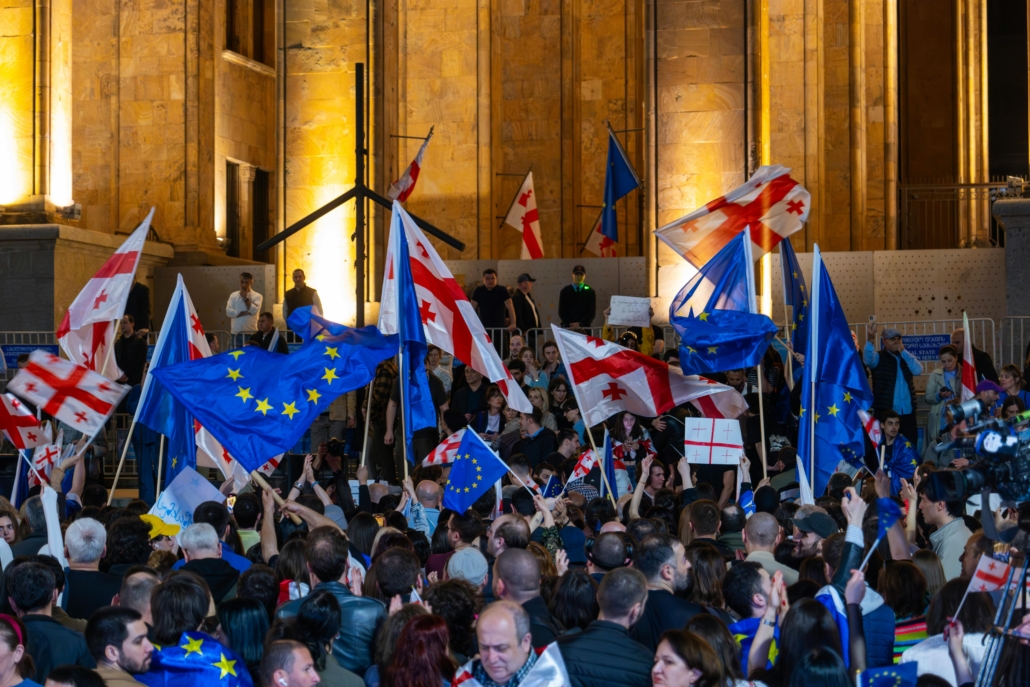 In Tbilisi and beyond, citizens protest for freedoms as state fragility and decline in the rule of law in Georgia threaten democratic progress. The Georgian Dream party, in power since 2012, has drawn strong criticism for weakening democratic institutions and centralizing authority. Critics warn that these moves encourage authoritarianism and weaken public trust.
The government changed laws that infringe upon freedom of expression, assembly and media. It increased penalties for peaceful protests and imposed new restraints on media outlets. Analysts assert that these restrictions conflict with Georgia’s European goals and harm the rule of law in Georgia.
Poverty and Rule of Law: A Linked Threat
Georgia’s absolute poverty rate fell from about 15.6% in 2022 to nearly 11.8% in 2023, lifting roughly 140,000 people out of poverty. Rural areas dropped to 15.6% poverty; urban areas fell to 9.4%. These gains, however, remain fragile where legal protections weaken.
The United Nations Development Programme (UNDP) reported that poverty could decline to 11.9% by 2027 if Georgia maintains annual GDP growth of 4.8%. However, the report cautioned that fragility in institutions undermines the sustainability of these gains. Here are five key factors weakening the rule of law in Georgia.
- Legislative restriction of expression, assembly and media
- Enactment of a foreign agents law targeting NGOs and media with foreign funding
- Political control over courts and election bodies
- Repression of dissent via fines, arrests and excessive force
- Frequent election law changes that diminish oversight
The “Foreign Agents” Law
The Georgian Dream party passed a law requiring media outlets and NGOs with foreign funding to register as organizations serving “foreign interests.” Transparency International Georgia said this law paves “a path to dictatorship” by silencing dissenting voices and transparency advocates.
A Project Linking Rule of Law to Poverty Reduction
UNDP, funded by Germany, implemented the Improving Rule of Law and Access to Justice for All – Phase 1 project in Georgia. The project began in January 2023 and concluded in September 2024. It budgeted about $1.63 million USD and worked with courts, civil society and local governments to improve justice access for rural populations, women and persons with disabilities.
As part of the initiative, UNDP supported the Legal Aid Service in establishing mobile legal clinics, trained 250 legal professionals and helped more than 1,500 vulnerable individuals access legal services. The project also organized outreach campaigns that increased awareness of legal rights among marginalized groups.
Electoral System Instability and Human Rights at Risk
Frequent amendments to election laws weaken oversight and favor the ruling party, according to a European Parliament briefing. Critics also report that law enforcement sometimes applies harsh punishments even in peaceful protests. These practices deepen mistrust among citizens.
Looking Ahead
Georgia faces a critical crossroad: if the rule of law in Georgia continues to decay, poverty reduction may stall and democratic institutions may further weaken. Initiatives like UNDP’s legal aid project show that combining justice reforms with poverty interventions can protect vulnerable people. Georgia’s future depends on strengthening rights, reinforcing institutions and ensuring that laws work for all citizens.
– Salome Jincharadze
Salome is based in Tbilisi, Georgia and focuses on Good News and Politics for The Borgen Project.
Photo: Pexels
