5 Key Facts About Being Poor in Cambodia
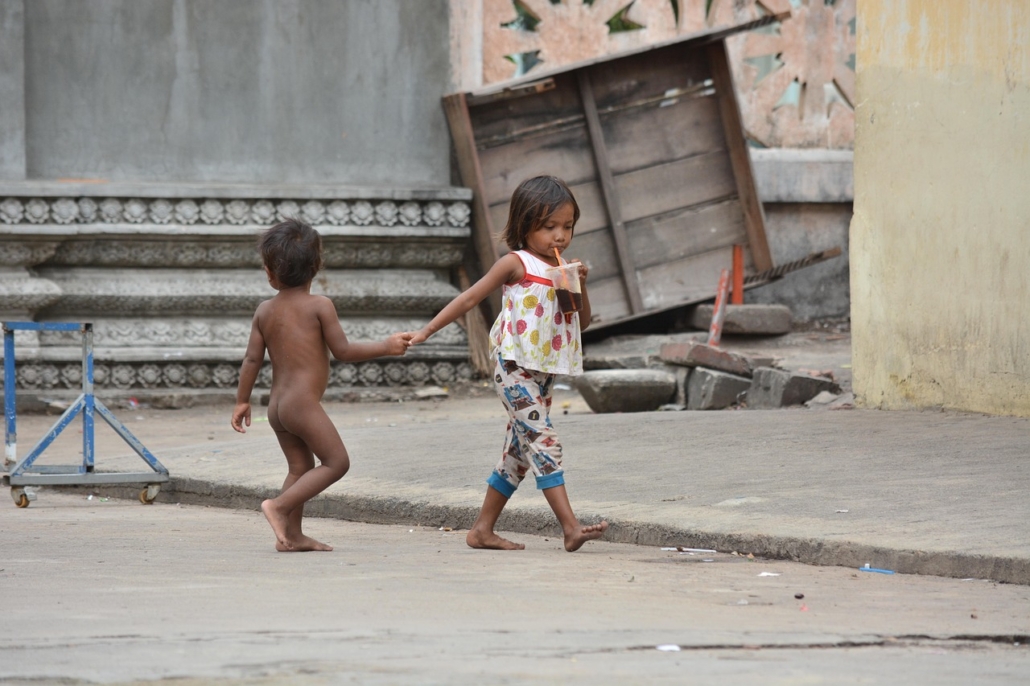 Growing up poor in Cambodia remains a complex reality for many children, even as the country achieved impressive economic growth over the last two decades and reached lower-middle-income status in 2015. The COVID-19 pandemic reversed years of progress, exposing vulnerabilities and pushing thousands of families back below the poverty line. Being poor in Cambodia continues to mean more than just income, it involves overlapping disadvantages that affect survival and opportunity.
Poverty by the Numbers
As of 2022, about 17.8% of Cambodians live below the national poverty line. For children, the situation is more concerning. Around 22% of children live in monetary poverty, while nearly 49% are multidimensionally poor, lacking essentials like clean water, housing, education or health care. Rural children face the harshest challenges. Only 22% of rural children escape significant deprivation, compared to 68% in urban areas. Overcrowded housing, poor sanitation and limited school access leave millions without a fair chance to thrive.
The Pandemic Deepened Inequality
COVID-19 devastated Cambodia’s key economic sectors of tourism, construction and garment exports. Job losses forced incomes to plummet, and families resorted to debt or pulled children out of school to cope. The government expanded the IDPoor cash transfer program to protect vulnerable families. IDPoor began in 2007 in rural areas and expanded nationwide in 2016. It identifies poor households through community assessments. During the pandemic, Cambodia expanded IDPoor so families could register for support when they needed it most. The program reached millions and kept many from sliding deeper into crisis, though the payments were often not enough to cover basic needs like food, medicine and school costs.
Families Experience Overlapping Barriers to Opportunity
Even families just above the poverty line often cannot access services that do not exist in their communities. A child may have food but no school, housing or clean water nearby. These overlapping deprivations trap children in cycles of disadvantage. For younger children, education, sanitation and housing account for more than half of the barriers. Lack of early childhood education and poor nutrition hinder long-term growth. For adolescents, overcrowded housing and weak school quality limit their chances of escaping poverty in adulthood. These realities show that being poor in Cambodia is about missing opportunities as much as it is about lacking money.
Nutrition and Education Programs Show Promise
Nutrition programs for mothers and infants have grown in recent years. UNICEF and the Ministry of Health focus on better antenatal care, micronutrient supplements and promoting breastfeeding. Exclusive breastfeeding rates are at 65%, but nearly one-third of children under 5 remain stunted, showing that more progress is needed.
Efforts to keep adolescents in school are also showing results. Scholarships tied to IDPoor status support secondary school attendance. During COVID-19, cash transfers helped families cover school fees and supplies. Surveys also found that around 80% of beneficiaries reported improved household well-being, reducing the risk of children dropping out. These combined efforts give families the chance to overcome some of the barriers that come with being poor in Cambodia.
Steps Towards Change
Cambodia has already taken key steps to reduce poverty. The IDPoor system proved that targeted support can shield families during crises and remains the backbone of the country’s social protection system.
Experts recommend a multisectoral approach to accelerate progress. Expanding access to clean water and sanitation in rural areas, improving housing and reducing overcrowding and strengthening early childhood education programs can all have lasting impacts.
With sustained effort, Cambodia can achieve its Sustainable Development Goal (SDG) of halving child poverty by 2030. For families living with the daily reality of being poor in Cambodia, these solutions represent hope for a brighter future.
Why It Matters
Growing up poor is not only about income, it is about opportunity. For Cambodia’s nearly 18 million people, it can mean the difference between thriving or being left behind. Recent progress shows that change is possible. Economic growth, stronger social protection and international support have already helped lift many Cambodian families out of poverty. By continuing to widen access to education, health care and essential services, the country has the chance to break cycles of hardship and create brighter futures.
– Lucy Williams
Lucy is based in Wrexham, UK and focuses on Global Health for The Borgen Project.
Photo: Pixabay
