Being Poor in Venezuela
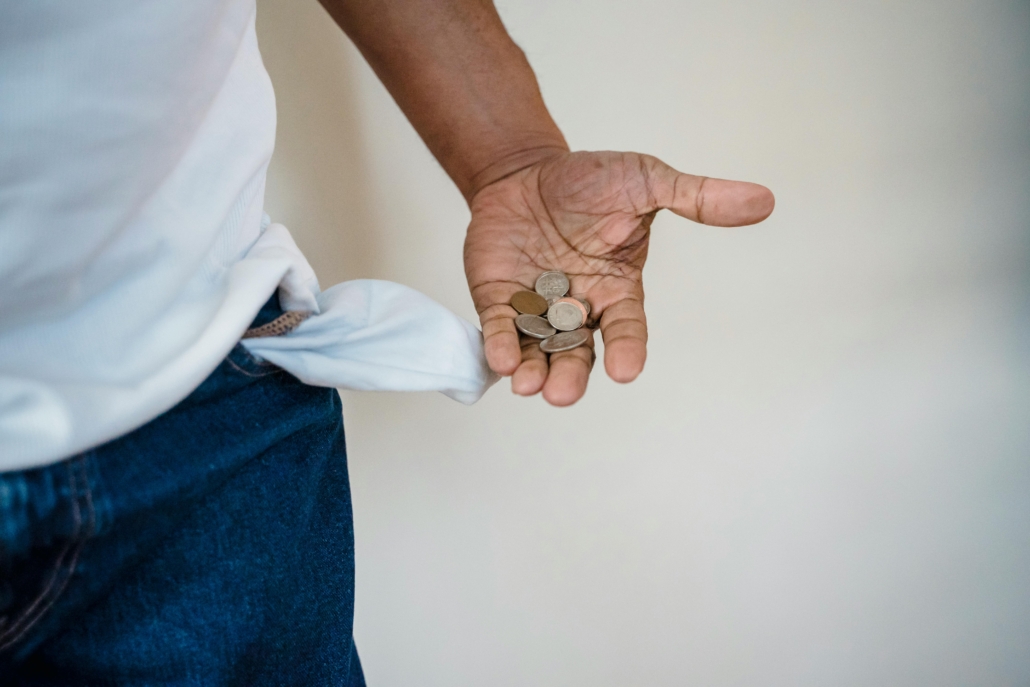 To feel trapped in a country that is meant to be your home — a place of refuge, comfort and safety — is now the reality of more than 80% of households in Venezuela, with more than half living in extreme poverty. Being poor in Venezuela has become a familiar, looming presence under the rule of President Nicolás Maduro.
A Demand for Change
According to the BBC, for two decades, Maduro’s regime has inflicted suffering across Venezuela. Following a government-controlled election, Maduro claimed a third successive term, crushing hopes for change.
With renewed control over the country’s foreign policy, Maduro banned platforms such as Binance – a global cryptocurrency exchange – and social media platform X, which provide visibility into Venezuela’s economic crisis. Without such visibility, Venezuelans remain at the mercy of a corrupt regime and stay trapped in a cycle of being poor.
Mass Exodus: Searching for Safety
Being poor in Venezuela has become a daily struggle after decades of hyperinflation, leaving the country in dire straits. Citizens face extreme poverty, with an average income of just $0.72, and since the bolivar no longer functions as a viable currency, many must seek alternative means for survival.
Victims of this crisis now seek refuge in neighboring countries across Latin America and the Caribbean. According to the U.N. Refugee Agency (UNHCR), “nearly 8 million Venezuelans have been forced to flee” in search of safety and economic stability.
A Call for Action
Supporters of opposition candidate Edmundo González denounced the National Electoral Council’s (CNE) recent election results. Analysts at the Centre for Strategic and International Studies (CSIS) outlined a “Day After” Postcrisis Recovery and Reform Framework, calling for comprehensive institutional reconstitution to restore political and economic stability.
To be successful, they emphasize how global powers such as the United States and other countries can support Venezuela through the crisis – especially the devastating realities of being poor in Venezuela, where citizens face systematic hardship and lack access to basic resources.
United Against Corruption
Maduro has succeeded in isolating Venezuela’s global markets, economically imprisoning citizens and limiting access to foreign currencies. Being poor in Venezuela now means navigating a collapsed economy with few lifelines.
Jorge Jraissai, the president of the Economic Inclusion Group, urges individuals to support organizations such as the Human Rights Foundation, which work to give Venezuelans a fighting chance against currency collapse.
In his analysis, The Role of Freedom Tech in Venezuela’s Fight for Freedom, Jraissai explains how the Human Rights Foundation has united activists and developers to create new digital solutions. Cryptocurrency platforms such as Binance, he argues, play an essential role in helping people to safeguard their earnings and access global currencies. These tools allow Venezuelans to bypass government restrictions and achieve economic autonomy.
Digital Lifelines
The Human Rights Foundation (HRF), a non-governmental organization (NGO), which operates to alleviate poverty and protect human rights globally, with a focus on countries ruled by authoritarian regimes. Founded in 2005 by Venezuelan human rights advocate Thor Halvorssen Mendoza, HRF continues to provide initiatives such as the Oslo Freedom Forum, which brings together activists and technologists to promote global freedom.
HRF raises awareness about the threats of authoritarianism and poverty. In 2023, its policies appeared across top major media outlets including CNN, CNBC, The Atlantic, POLITICO, Newsweek and the BBC. According to HRF, the organization received 17.8K media mentions, $772M in earned media value, and 23M social media Impressions.”
To support innovative solutions, HRF’s advocacy efforts “protect activists, journalists and other civil society leaders targeted by authoritarian regimes.”
The organization developed the “Tyranny Tracker,” a research tool that analyzes and identifies countries most vulnerable to political oppression. Its methodology classifies nations as either democratic (103 countries: 2.2 billion), Hybrid Authoritarian Regimes (40 countries: 2.7 billion) or Fully Authoritarian Regimes (57 countries: 3 billion).
By supporting NGOs like HRF, global citizens can stand in solidarity with Venezuelans and help combat the devastating effects of being poor in Venezuela.
From Survival to Renewal
Poverty in Venezuela does not represent an unbreakable chain – it demands unity and action. Digital technology, institutional change and global collaboration could provide Venezuelans a fighting chance against poverty.
– Gabriela E Silva
Gabriela is based in Addlestone, Surrey, UK and focuses on Technology and Solutions for The Borgen Project.
Photo: Pexels
