Tackling the Digital Divide in Ghana
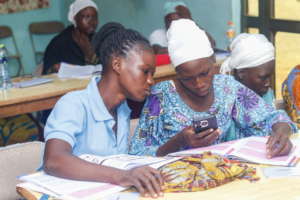 Ghana is a digital leader in West Africa, yet many women remain excluded from its benefits due to a range of cultural, social and economic barriers. World Bank data reveals that in 2021, 65% of Ghanaian women used the internet compared to 72% of men, a 7% gap. Furthermore, the disparity is even greater in digital finance, where 59% of women accessed mobile money versus 65% of men. This digital divide in Ghana limits women’s economic opportunities and their ability to participate fully in today’s digital economy.
Digital exclusion reinforces existing poverty and inequality, as equal access to advanced technologies is crucial for supporting women’s economic independence and fostering a more inclusive society. However, closing the digital divide in Ghana will give women the agency and empowerment to shape their futures and thrive in the digital economy.
Reasons Behind the Digital Divide
- Existing Gender Inequality. Women in Ghana often have lower literacy levels, higher unemployment rates and lower incomes than men. Therefore, this existing divide makes it harder for women to understand how to use a mobile phone, successfully access the internet and learn new digital skills.
- Affordability Barriers. In Ghana, women earn less than a third of what their male counterparts make. High data costs and the expense of owning a mobile phone limit women’s ability to access digital technologies and incorporate them into daily life easily.
- Social Norms. Cultural norms in Ghana often place women in caregiving roles, discouraging them from STEM careers and making many reluctant to use digital technologies. This hesitation widens the digital divide, limiting women’s access to education, jobs and economic opportunities.
Current Initiatives
The GSM Association is a nonprofit that represents the interests of global mobile operators. It supports efforts to empower Ghanaian women with digital skills and access through complementary programs. Its ICT Skills for Entrepreneurial Women Empowerment initiative has trained 15,000 artisans and 720 female entrepreneurs in key digital skills. These include internet use, mobile money and social media marketing, helping them grow businesses and improve entrepreneurial growth.
To further enhance digital competence, the organization’s Mobile Internet Skills Training Toolkit offers free, multilingual video courses for micro-entrepreneurs. This initiative improves digital literacy, fosters economic independence and challenges traditional gender roles, opening new pathways for women in the workforce. Building on this digital foundation, the National Health Care Insurance Scheme’s mobile renewal option has boosted active membership by more than 50%, with 83% of women using this convenient service via mobile devices.
While these initiatives have seen success, the GSM Association surveys indicate that other e-government services are utilized at a lower rate. To tackle the digital divide in Ghana, external factors that hinder women from accessing such technologies must be taken into consideration. These include raising awareness, boosting digital literacy and addressing affordability barriers through targeted campaigns, training programs and expanded access to low-cost internet and devices.
Looking Ahead
“The Access to Agency: Empowering Women Through Digital Inclusion Conference,” held in July 2025, brought these challenges to the forefront. Indeed, sessions focused on expanding women’s access to smartphones, using WhatsApp networks for digital financial services and entrepreneurship and developing tailored safeguards to protect women’s privacy and safety online. By highlighting these priorities, the conference reinforced the need for targeted strategies that help women benefit equally from digital progress.
By putting women’s digital inclusion at the center of future strategies, Ghana can unlock new opportunities, reduce poverty and build a fairer, more prosperous society for all.
– Beatrice Punt
Beatrice is based in Manchester, UK and focuses on Technology and Solutions for The Borgen Project.
Photo: Wikimedia Commons
