• Link to X
  • Link to Facebook
  • Link to Instagram
  • Link to TikTok
  • Link to Youtube
  • About
    • About Us
      • President
      • Board of Directors
      • Board of Advisors
      • Financials
      • Our Methodology
      • Success Tracker
      • Contact
  • Act Now
    • 30 Ways to Help
      • Email Congress
      • Call Congress
      • Volunteer
      • Courses & Certificates
      • Be a Donor
    • Internships
      • In-Office Internships
      • Remote Internships
    • Legislation
      • Politics 101
  • The Blog
  • The Podcast
  • Magazine
  • Donate
  • Click to open the search input field Click to open the search input field Search
  • Menu Menu

Archive for category: Nonprofit Organizations and NGOs

Information and stories about nonprofit organizations and NGOs

Global Poverty, Health, Nonprofit Organizations and NGOs

The Limitations of the Health Care System in North Korea

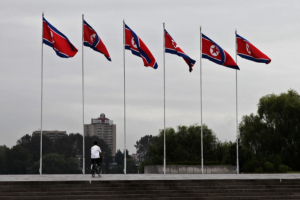
Health Care in North KoreaNorth Korea is a socialist country that maintains a free health care system influenced by the former Soviet Union. In 1947, the country’s founder introduced a free health care system. Kim Il-sung later established the Universal Free Health Care System (UFHCS) to implement it fully, achieving universal health coverage.

Initially, North Korea’s health care system operated effectively. However, it began to break down in the mid-to-late ’90s due to the Arduous March. The collapse of the Soviet Union, natural disasters and economic sanctions imposed by the U.S. and U.N. severely affected North Korea’s socioeconomic progress and public health. It led to widespread malnutrition and high mortality rates from communicable diseases.

The health care system deteriorated steadily and was unable to provide even basic services, largely because it relied entirely on government support under the socialist model.

The State of the Health Care System in North Korea

North Korea ranks lowest in East Asia and 193rd out of 195 countries worldwide. It also ranks 187th out of 195 for health care access, indicating that reasonable health care is difficult to obtain. In North Korea, the leading causes of death are stroke and ischemic heart disease.

In 2021, noncommunicable diseases accounted for the highest number of deaths. North Korea’s leader closed the country’s borders after COVID-19 emerged. Although the government officially claimed there were no recorded infections, media outlets citing sources inside the country reported COVID-19–like symptoms among soldiers.

North Korean authorities also tightly censor and control all media. While the number of articles mentioning the UFHCS remained stable between 2015 and 2018, ranging from 53 to 63 per year, the figure dropped sharply after 2019. By 2024, Rodong Sinmun no longer mentioned the UFHCS at all. Notably, the word “Inmin” (meaning “people”) also disappeared from articles.

Although hospitals in North Korea historically preserved this term, its removal signals that citizens’ inherent right to health care is no longer explicitly recognized in official discourse.

The Realities Behind North Korea’s Health Care System

According to an Amnesty International publication, despite the government’s claim of a free health care system, citizens were required to pay for medical services during the ’90s. In many cases, patients paid with cigarettes, alcohol or food even for the most basic consultations. As a result, many people avoided visiting doctors and instead went directly to markets to buy medicine.

It became especially common for North Koreans to self-medicate with addictive narcotic painkillers for minor illnesses such as the common cold. After the collapse of North Korea’s rationing system, informal markets known as jangmadang emerged as the core of the unofficial economy. However, following Kim Jong-un’s rise to power in 2012 and the outbreak of COVID-19, authorities closed borders and began shutting down these markets.

As border controls tightened and medicine shortages worsened during the COVID-19 pandemic, North Korean authorities expanded domestic production of so-called Koryo medicine, a form of traditional medicine. However, this approach proved harmful due to serious side effects. According to Daily NK, out of 163 reported medical incidents in health facilities, 130 involved drug abuse or misuse and 93 were linked specifically to side effects from Koryo medicine.

Many North Koreans were already aware of these risks. However, they continued to rely on such treatments because of severe medicine shortages. While the government attempted to address supply gaps, it created additional problems by failing to evaluate the safety and effectiveness of Koryo medicine systematically.

Aids From Nonprofits

During COVID-19, most international aid workers left North Korea after the government closed its borders and tightened import controls. This led to severe shortages of medicines and vaccines. In 2023, following a vote by the WHO’s Executive Board in favor of North Korea, U.N. agencies and NGOs sent more than four million vaccine doses to Pyongyang.

These included vaccines for hepatitis B, measles and tetanus. The primary targets were children and pregnant women who had missed life-saving vaccinations due to the COVID-19 pandemic. The vaccination drive was the result of an extended collaboration among UNICEF, Gavi and the WHO.

Roland Kupka, the then-UNICEF Acting Representative in the DPRK, stated that the return of vital vaccines marked a significant step toward protecting children’s health and survival in the country. In addition, UNICEF provided new freezers and temperature taggers to ensure vaccines could be stored safely, even in the most remote areas. Kupka also noted that, to sustain progress in restoring pre-pandemic vaccination levels and ensure every child receives vital, life-saving vaccines, DPRK authorities should allow the return of UNICEF and U.N. international staff to the country.

Final Remarks

The limitations of North Korea’s health care system are increasingly evident. Although authorities continue to claim that health care is free, shortages of food and medicine worsened after COVID-19. To cope, people relied on unofficial street markets, but these were also shut down due to government policy.

While international attention and cooperative engagement have increased, they must be matched by meaningful domestic policy efforts.

– Yunjaelee

Yunjaelee is based in Vancouver, Canada and focuses on Global Health and Politics for The Borgen Project.

Photo: Flickr

January 6, 2026
https://borgenproject.org/wp-content/uploads/borgen-project-logo.svg 0 0 Lynsey 2 https://borgenproject.org/wp-content/uploads/borgen-project-logo.svg Lynsey 22026-01-06 07:30:562026-01-06 02:30:13The Limitations of the Health Care System in North Korea
Global Poverty, Nonprofit Organizations and NGOs

The Relocation of Poverty in Colombia

Poverty in colombiaPoverty in Colombia has shifted geographically, moving away from major cities and increasingly concentrating in rural and coastal areas. Colombia’s National Administrative Department of Statistics (DANE) confirms that rural areas have a 41% poverty rate compared to urban poverty, which is 30%. As a whole, 33% of Colombia is experiencing monetary poverty, the classification that determines the basic income and consumption minimum for day-to-day life. However, DANE claims that 65% of the country is vulnerable to poverty.

HelpAge International

The Borgen Project spoke with Daniela Vasquez Moncaleano, project officer for HelpAge International.

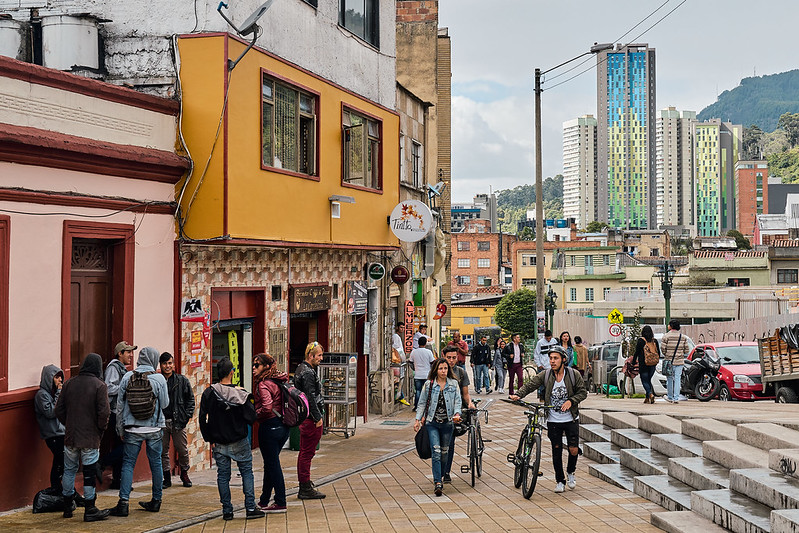
Moncaleano works for HelpAge International in Bogotá, the capital of Colombia. A city once rumored to be one of the most dangerous cities in the world during the 1990s has since transformed into a thriving, tourist-friendly capital and one of the most developed cities in Colombia.

Specifically, HelpAge International is a nongovernmental organization that aims to support the aging population by protecting its rights and helping it live healthy, fulfilling lives away from poverty and homelessness. Moncaleano is a project officer for the organization and works explicitly on poverty-prevention projects.

Observed Changes in Poverty

She has observed a decrease in poverty. “Yes, poverty has decreased in Colombia.” Statistical poverty reduction suggests that its steadily declining rate will yield long-lasting positive effects.

A primary reason for the poverty decrease is Colombians moving out of rural areas and into city life. “There is internal immigration that is heading to cities like Cali. But not many migrate to Bogota.” Many people who are experiencing poverty move to urban areas for job opportunities and income.

Common Misconceptions About Poverty

“There are more forms of poverty than just monetary poverty,” says Daniela Vasquez Moncaleano, a manager who works for HelpAge International, a nongovernmental organization that supports the elderly experiencing poverty. Moncaleano explains that there are two main types of poverty. The most common type is monetary poverty, a measuring system that financially classifies households by income. Then there is multidimensional poverty, which is difficult to measure since it considers many aspects beyond finances, such as education, health care, sanitation and environmental safety.

“Multidimensional standards are important to consider,” Moncaleano says. Poverty is experienced differently depending on the situation and geography. For instance, rural areas grow their own food, whereas urban areas buy groceries from supermarkets. In other words, rural areas are not poor in access to food like urban areas are; instead, rural areas are poor in resources such as access to local schools or hospitals.

Hope for Addressing Poverty in Colombia

To explore this broader national shift, Daniela Vasquez Moncaleano has shed light on the evolving landscape of poverty in Colombia and provided a human lens through which to understand its many dimensions. “I have so much hope for poverty reduction.” Moncaleano began working with HelpAge International because she believed in the Colombian community and the power of generations working together. “When the skies are gray, you can make the sun appear.”

Solutions to Poverty Reduction

Moving forward, Colombia will continue to reduce poverty but may have some gray-sky days. Moncaleano suggests two solutions to reduce the poverty rate. Her expertise lies in the elderly, and she suggests creating aging-friendly cities. Moncaleano has shared that there are few job opportunities or activities for the elderly past the age of 40.

The creation of more jobs or community-based events for elders can potentially provide income and purpose and reduce poverty among the elderly population. “The elderly always want to work. They want to feel life and want to feel productive.”

– Mireya Aguilar

Mireya is based in Layton, UT, USA and focuses on Politics for The Borgen Project.

Photo: Flickr

December 20, 2025
https://borgenproject.org/wp-content/uploads/borgen-project-logo.svg 0 0 Precious Sheidu https://borgenproject.org/wp-content/uploads/borgen-project-logo.svg Precious Sheidu2025-12-20 07:30:242025-12-19 02:19:50The Relocation of Poverty in Colombia
Foreign Aid, Global Poverty, Nonprofit Organizations and NGOs, USAID

NGOs Partnerships Following Foreign Aid Cuts in Uganda

Foreign Aid Cuts in UgandaThe decision to dismantle USAID was devastating for millions of people around the world. Several countries suffered immediate effects from the cuts in foreign aid, which provided necessities such as food, education and health care. Uganda is one of the hardest-hit areas for two reasons:

  1. It hosts the largest refugee population in Africa, nearly 2 million people, 81% of whom are women and children; and
  2. It faces a severe, chronic HIV epidemic and relies heavily on U.S. support for HIV treatment and prevention.

Uganda lost 66% of the funding received from USAID, which is approximately $307 million. As a result, many areas have been affected, including food aid, which has been cut due to a funding shortage, leading to increased hunger and malnutrition. However, nongovernmental organizations (NGOs) are hard-pressed to continue providing services on the same scale with less funding.

The Impact of Foreign Aid Cuts on Uganda

1. Education:

USAID funding supported school construction and the procurement of learning materials in Uganda. The funding also supported teacher training programs. Digital learning tools provided schools in remote areas, improving access to education. The lack of funding results in under-resourced schools and a reduced ability to meet growing demands.

This affects girls explicitly as it decreases their access to education regarding reproductive and menstrual health. Girls, seeking security, will marry early and lose hard-fought gains in gender equity. In refugee communities, funding shortages have led to staffing shortages. In one refugee settlement, there were 36 teachers with more than 3,400 students. Following funding cuts, nine teachers are left to manage classes of up to 500 students each.

2. Health:

USAID administers close to 60% of the President’s Emergency Plan for AIDS Relief (PEPFAR) bilateral funding, which provided more than half of the medication and staff needed to respond to the HIV epidemic in Uganda. PEPFAR also accounted for nearly 90% of pre-exposure prophylaxis (PrEP) initiatives on a global scale. Millions now are at risk of contracting HIV due to foreign aid cuts.

PrEP is restricted to pregnant and lactating mothers. Funding cuts cause immediate disruptions in care for thousands who depend on consistent medication (i.e., Anti-Retroviral Therapy). This increases the risk of babies being born with HIV. Vaccine shortages caused by foreign aid cuts increase the risk of contracting other diseases like TB, Ebola and Malaria.

Foreign aid cuts also lead to staffing shortages, making it challenging for those who remain to deliver the same level of health care with fewer resources and a reduced number of qualified staff.

One NGO in particular, St. Francis Health Care Services, provided HIV testing, medication and prevention products to sex workers in Uganda, but this was stopped due to cuts in foreign aid. Mwesigye, a country representative with the U.K.-based NGO All We Can, stated, “You know, there was almost an alarm… people were being told to run as fast as they could to the next health unit to get their dose for a few months… but that is also going to run out.”

The Response

When formal protection systems collapsed, local citizens and/or refugees stepped up to fill the gap. The NGO St. Francis Health Care Services received funding from PEPFAR several years earlier. However, its funding was cut after Uganda passed its anti-homosexuality act. The nonprofit was able to secure the funding again; however, its leadership began to realize how dangerous it could be for them and their ability to continue providing the vital services needed in the community.

After the organization’s funding was cut the first time, it began seeking private donors. It increased its revenue by offering paid services, such as surgery, maternal care, radiology and dental exams. As a result, it was less vulnerable to the effects of the foreign aid cuts. However, health leaders still had to make decisions in response to the cuts to foreign aid.

Other strategies implemented include moving away from standalone HIV/TB clinics and referring patients to government outpatient clinics; utilizing a large network of private clinics, seeking non-U.S. international collaborations, increasing donor outreach and implementing technological solutions (e.g., AI). Health officials propose using AI to identify high-risk patients, allowing them to be seen sooner.

Another NGO, Soft Power Health, continues to care for approximately 50,000 patients. This organization operates on a $699,000 budget, which is funded by private organizations and individual donors. It was also more insulated against the foreign aid cuts and continued its work. Services provided include transportation, free HIV medication and gardening and health education. Another clinic lost its funding and donated medical equipment to Soft Power Health, allowing it to continue testing for TB.

Grassroots Groups in Uganda

In response to the aid cuts, grassroots groups in Uganda have turned to farming, petty trade and vocational activities, selling milk and produce, while youth join skills programs to learn trades like tailoring. Women have formed support groups for survivors of gender-based violence and girls at risk, which have become lifelines through regular meetings and check-ins.

These community efforts are complemented by Volunteer Village Health Teams, who refer survivors to clinics that remain open, provide mental health services and conduct awareness sessions on gender rights and protection. Boda Boda riders, a network of volunteer motorcycle riders, transport survivors from remote villages to clinics, legal aid offices, or safer areas and have organized informal night patrols to discourage exploitation and monitor hotspots known for abuse.

Forging a Path Forward

Joy Kawanguzi, team leader of FABIO-Uganda, discusses the abruptness of the foreign aid cuts in Uganda: “It did not give us time to prepare. So the abruptness alone is an inconvenience.” She adds that the foreign aid cuts “put local organizations in a place where they start feeling like they are more implementers of donor ideologies. Because if a local organization were a key player, this decision would not have been drastic. There would have been consultations.”

Mwesigye agrees and advocates for organizations to be able to use funding for core costs instead of just fulfilling projects: “…if core costs are paid for; if you build the institution rather than fulfill project goals, then the institution will be bold enough to be able to work and do what it needs to do.”

These statements are indicative of a desire to move away from dependence on outside donors. Their sentiment is fueled by the question no one can answer: “What if this happens again?” The path forward for the people of Uganda is one where they have free rein with the resources they are given and the opportunity to achieve independence.

– Danielle Milano

Danielle is based in Pineville, LA, USA and focuses on Good News and Global Health for The Borgen Project.

Photo: Pexels
December 16, 2025
https://borgenproject.org/wp-content/uploads/borgen-project-logo.svg 0 0 Lynsey 2 https://borgenproject.org/wp-content/uploads/borgen-project-logo.svg Lynsey 22025-12-16 01:30:482025-12-15 23:26:49NGOs Partnerships Following Foreign Aid Cuts in Uganda
Global Poverty, Migration, Nonprofit Organizations and NGOs

Migration to Taiwan: Improving Rights for Migrant Workers

Migration to TaiwanTaiwan has become a key destination for migrant workers across Asia, with many supporting its industries and aging population. Migration to Taiwan has increased over recent decades, prompting the government and local organizations to introduce reforms and advocacy efforts to improve labor rights, strengthen protections and promote social inclusion. These policies show how the authorities and NGOs can manage migration to Taiwan in a fairer and more sustainable way.

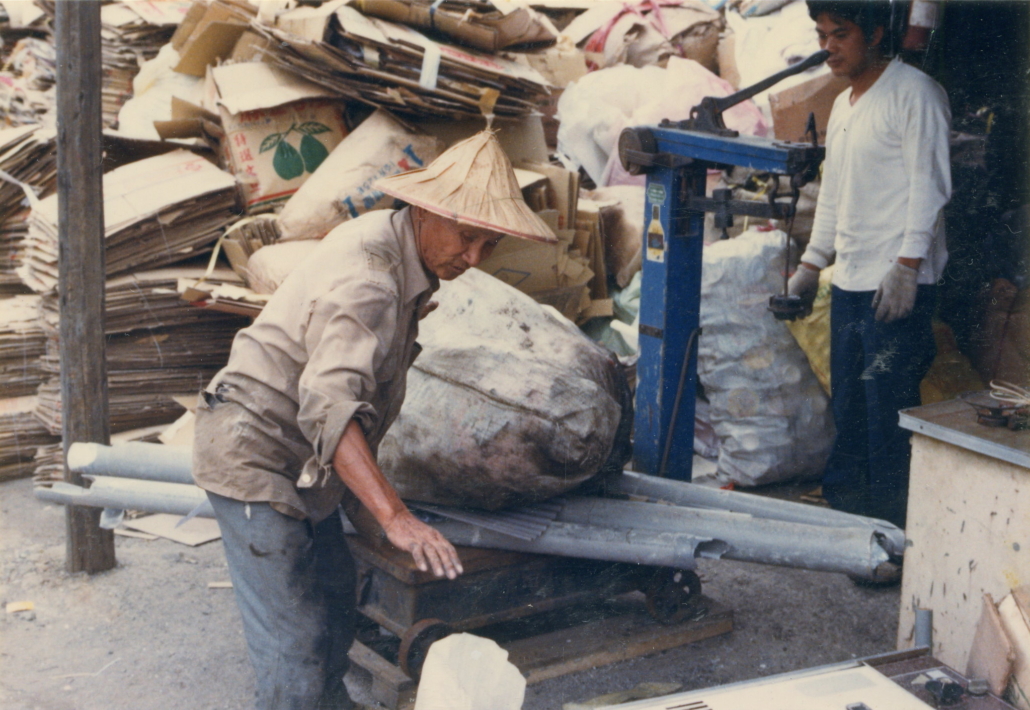
In 1992, the Taiwanese government enacted the Employment Service Act (ESA) to regulate the recruitment and employment of migrant workers, known in Chinese as wàijí láogōng. As of September 2025, Taiwan hosted 858,939 migrant workers, most of whom came from Indonesia, Vietnam, the Philippines and Thailand.

Types of Migrant Workers in Taiwan

Taiwan generally classifies migrant workers into two main categories: social welfare workers and industrial workers. Social welfare workers include domestic helpers and caregivers. Domestic helpers are primarily responsible for household chores, while Taiwan further divided caregivers into institutional and domestic caregivers. The Labor Standards Act (LSA), which sets a national minimum wage, protects institutional caregivers, but it does not protect domestic caregivers.

Industrial migrant workers, on the other hand, make up the majority of Taiwan’s migrant labor force. They mainly work in manufacturing, construction and fishing. The LSA protects both construction and manufacturing workers. Domestic or offshore fishermen also fall under this protection. However, the LSA excludes those working in distant-water fishing, leaving them vulnerable.

There are three major challenges migrant workers face in Taiwan: limited freedom to transfer between employers, lack of protections for minimum wage and the risk of deportation.

Freedom To Transfer

Taiwan tightly restricts migrant workers’ ability to change employers. Under current regulations, employers still control most decisions about transferring, though policymakers have introduced gradual reforms over time.

The Taiwanese government first introduced a transfer system in 2002, but workers could only change employers under exceptional circumstances such as factory closures, harassment or violence in the workplace. By 2008, factory workers gained the right to switch employers during their contracts under limited conditions or with employer consent. Similarly, starting in 2013, authorities granted domestic caregivers the ability to transfer with employer approval.

However, the COVID-19 pandemic reversed some of this progress. In 2021, Taiwan’s Ministry of Labor temporarily banned cross-industry transfers for migrant workers. The decision came after the Association of the Employers of Caretakers accused caregivers of fabricating complaints to move into factory jobs, which typically offer higher pay and better conditions.

Minimum Wage and Long-Term Care

Migrant workers in domestic caregiving and distant-water fishing are among the most vulnerable groups in Taiwan’s labor market. Because the LSA does not cover them, they do not receive a guaranteed minimum wage or access to social protections. This gap has left many workers underpaid and without the same legal rights afforded to other sectors.

To address these disparities, the Taiwanese government introduced the “Long-Term Retention of Skilled Foreign Workers Program” in 2022. The initiative aims to reclassify experienced migrant workers as “intermediate-skilled foreign workers,” granting them eligibility for higher wages and potential permanent residency. However, the proportion of reclassified migrant workers remains low, with only 4.15% in manufacturing and construction and 14.88% among caregivers.

Risk of Deportation

As of September 2025, around 94,000 undocumented migrant workers, mainly Vietnamese and Indonesians, face risk of deportation and lack access to social services. While some reforms have aimed to improve the situation, progress remains uneven. In 2016, the government abolished the “one-day exit rule,” which previously required migrant workers to leave Taiwan immediately after their contracts ended. However, many workers continued to face illegal referral fees charged by brokers when renewing their contracts. Since 2024, authorities have also increased fines for migrants who overstay their visas. Director of the public migrant shelter Serve the People Association, Lennon Ying-Da Wang, argues that this may further discourage undocumented workers from seeking help or reporting abuse.

Local Initiatives Supporting Migrant Workers

Since Taiwan began welcoming migrant workers, numerous civil society initiatives have emerged to promote their rights and improve their working and living conditions. In 1999, the country’s first local NGO dedicated to advocating for migrant labor rights, the Taiwan International Workers’ Association (TIWA), was established. Since 2003, TIWA has campaigned for greater freedom for workers to transfer between employers. The organization also produced two documentary films, “Lesbian Factory” (2010) and “Rainbow Popcorn” (2012), highlighting the experiences of migrant workers at the Taiwanese electronics company Fast Fame after its closure. In the same year, TIWA, along with several church groups, launched the Promoting Alliance for Household Service Act (PAHSA). PAHSA called for legislation ensuring minimum wages and regulated working hours for domestic caregivers. In 2007, PAHSA renamed itself the Migrants Empowerment Network in Taiwan (MENT) and continued its advocacy efforts.

Beyond TIWA and MENT, Harmony Home, another Taiwan-based NGO, has played a vital role in supporting undocumented migrant workers, particularly young mothers and their children. The organization has already sheltered more than 1,600 children, providing safety and care to those most at risk.

Looking Ahead

Through reforms and advocacy, Taiwan actively strengthens protections for migrant workers. Groups such as TIWA, MENT and Harmony Home have shaped positive change in migration to Taiwan. By working together, the government, employers and civil society can make migration to Taiwan more just and create better opportunities for all migrant workers.

– Sammi Li

Sammi is based in London, UK and focuses on Good News for The Borgen Project.

Photo: Flickr

November 20, 2025
https://borgenproject.org/wp-content/uploads/borgen-project-logo.svg 0 0 Jennifer Philipp https://borgenproject.org/wp-content/uploads/borgen-project-logo.svg Jennifer Philipp2025-11-20 03:00:282025-11-20 01:32:48Migration to Taiwan: Improving Rights for Migrant Workers
Aid, Global Poverty, Nonprofit Organizations and NGOs

How the Nonprofit Honduras Hope Improves Lives in Honduras

Honduras HopeHonduras, bordering Guatemala, El Salvador and Nicaragua in Central America, is one of the lowest-income nations in the Western Hemisphere. According to the World Food Programme (WFP), approximately 63% of Hondurans live in poverty or roughly two-thirds of the 10.6 million residents. In the country, 20% of children under the age of 5 face chronic malnutrition, including micronutrient deficiencies, which lead to stunting and other developmental delays.

Economic instability and inflation, as well as political corruption and droughts exacerbated by inconsistent rainfall, worsened poverty in 2024, with climate instability intensifying issues related to food production and water access. Among those impacted, women, children, Indigenous and Afro-descendant populations appear to have been challenged the hardest. Environmental damage to the agricultural sector has placed particular pressure on rural communities and the marginalized populations that inhabit them.

About Honduras Hope

The organization, founded in 2001 by Reverend Bill Briggs, the coordinator, focuses on improving the lives of rural and indigenous populations in the San José and Plan Grande communities within the Department of Yoro. The nonprofit has a unique approach in which the board of directors works directly with “Patronatos,” or community councils, rather than arriving with a prescriptive aid solution.

As a 100% volunteer, nonprofit organization based in Franconia, NH, Honduras Hope improves lives through several trips to Honduras each year, working closely with local leaders to fundraise and kickstart initiatives. Such work acts as a complement to the organization’s own investments, which are fundraised through grassroots efforts, such as the concessions stand it ran on behalf of the Common Man food and restaurant chain at the Sandwich Fair in Sandwich, NH, in October 2025. The Borgen Project had the opportunity to speak with several board members at this event.

Briggs told The Borgen Project, “This is the third organization I’ve founded over the last 35 years,” all within Honduras. While all of his efforts have targeted the effects of poverty, Honduras Hope improves lives most effectively in the student population. The organization fights for children’s right to education. Briggs explained, “At the center of our organization and structure is the idea of hope – it’s in the name ‘Honduras Hope,’ after all.” This hope surrounds the work it does to propel disadvantaged students toward a path out of poverty.

How Does Honduras Hope Bring Hope to Students?

Briggs said that a central tenet of the speeches he regularly gives students is the phrase “si se puede,” or “yes you can.” The story of Dr. Cecile Lobo encapsulates how exactly Honduras Hope improves lives for students, empowering them with the idea that they can achieve their dreams by facilitating their education. With financial support from Honduras Hope, Lobo became the first Indigenous Tolupan doctor in Honduras.

Similarly, the organization established the San José boarding house for those unable to travel to school from rural mountain communities. After converting the home, which once belonged to a professional Honduran soccer player, Briggs explained that the nonprofit provided funding for school supplies and uniforms. It completed the project with the assistance of a residential supervisor to oversee the students and offer tutoring.

Girls’ Empowerment and Community Transformation

Kathy Swanson is a member of the Honduras Hope board of directors, serves on the Education Committee and leads both the Girls’ Empowerment Program and the Women’s Cooperative. She explained to The Borgen Project that at first, it was not expected of girls to attend secondary school or university or even to seek professional training. Cultural norms in the community resisted such action. Girls and women were instead expected to work within their communities.

However, Swanson’s belief that “girls have a right to dream, too” has been a guiding principle for Honduras Hope from the beginning. Since its work in Honduras, these community values have changed. Swanson recalled a transformative moment during her initial phase with Honduras Hope. During a meeting in which the committee faced significant resistance to sending young and adolescent girls to school, an older woman in the community stood up. The entire room fell silent as she explained that her hands, stained white down to the wrists, looked that way because they had spent nearly every day of her long life in starch. “She did not want her granddaughters to be cornered into that same life,” Swanson concluded.

This anecdote clearly moved Swanson and it also moved the community. They then paved the way for girls to seek their right to a different life. A 2023 newsletter detailed how Honduras Hope provided financial support to 34 students from Plan Grande to attend high school, with seven seniors on track to graduate. Furthermore, it reported that an average of 18 university students received scholarships each year to forge their path out of poverty. Additionally, 16 teenagers from San José and four mountain communities resided in the boarding house to attend high school in Yoro.

What Has Honduras Hope Done?

The organization funded two primary projects to completion. The first was the implementation of a new electrical program, which delivered electricity to Plan Grande near the end of 2023. Briggs noted that the program “was very tough to complete, politically,” given the widespread corruption in the nation. “At the end of the five-year project,” he said, “we are proud to say we covered the entire cost of installation.”

The second was the San José Water Project, a major milestone for the San José community, which previously had no means of accessing fresh water without long, arduous boat trips. It began nine months ago and was completed at the beginning of October 2025, a $60,000 initiative that now delivers water directly to the community. Briggs explained that navigating infrastructure across the 1.5 miles from the River Machigua to San José was very labor-intensive. However, the community rallied to complete it with financial support from Honduras Hope.

Additionally, Honduras Hope improves lives by implementing several other initiatives. For example, according to its 2023 newsletter, the Plan Grande nutrition program provided 69 preschoolers with nutritious, hot meals each week. For those unable to make the journey to the Community Center, the nonprofit purchased 200 broiler chicks for families to raise at home. Such work has been essential for those who otherwise don’t have the resources to eat.

– Shea Dickson

Shea is based in Newton, MA, USA and focuses on Good News, Politics for The Borgen Project.

Photo: Pexels

November 13, 2025
https://borgenproject.org/wp-content/uploads/borgen-project-logo.svg 0 0 Lynsey 2 https://borgenproject.org/wp-content/uploads/borgen-project-logo.svg Lynsey 22025-11-13 03:00:532025-11-13 01:42:00How the Nonprofit Honduras Hope Improves Lives in Honduras
Global Poverty, Nonprofit Organizations and NGOs

The Garment Industry in Bangladesh: Mistreated Workers

The Garment Industry in BangladeshThe garment industry in Bangladesh is the second largest on the planet in terms of exports. Between 2022 and 2023, the “Ready-made Garments,” or RMG, industry accounted for 84% of Bangladeshi exports. While this has led to Bangladesh, an emerging market, having one of the fastest-growing economies in the world, the labor force is suffering.

The Bangladeshi government has lowered production costs to attract foreign investment to stay ahead of the competition. However, this comes at the expense of factory workers—the minimum monthly wage is just $133, less than a quarter of the estimated living wage. Nonetheless, organizations such as GoodWeave are making efforts to stop this mistreatment.

Bangladesh and the Race to the Bottom

The race to the bottom is the theoretical competition between emerging markets, such as Bangladesh. Foreign investment from large companies is very desirable for these states. However, to appear more attractive, they must offer cheaper production costs. This is generally achieved by cutting wages and working standards. In the case of Bangladesh, this has been done to an alarming level.

Since the late 1900s, the size of the RMG industry in Bangladesh has grown exponentially from $1.8 million in 1980 to $47 billion in 2023. This growth was possible because Bangladesh offered increasingly cheap production costs to U.S. and European clothing companies. Although this has allowed Bangladesh to maintain and even flourish, through periods such as the 2008 financial crash due to increased demand for cheap clothes, it has come at a price: workers’ rights.

The Rana Plaza collapse of 2013 is potentially the most telling evidence of the lack of safety in garment factories in Bangladesh. Rana Plaza was a major garment production hub and due to the lax building and safety regulations around this industry, the structure was completely unsound. This became apparent in 2013 when part of the building collapsed and killed more than 1,000 people. This is a clear example of how the cost-cutting to attract investment horrendously impacted the laborers.

RMG workers are also paid insufficiently. According to GoodWeave, more than 30% of Bangladeshi garment workers are paid below their minimum wage. This rate is already far below what the Economic Observatory considers a living wage. Furthermore, many workers are involved in subcontracts, usually correlating with being paid even less than their already underpaid colleagues for the same amount of work.

The Impact of GoodWeave

GoodWeave is a nonprofit organization aimed at ending child and forced labor. It is an influential actor in Bangladesh, researching and raising awareness around labor conditions within the RMG industry. An interview with Jamir Munayko, digital communications and fundraising manager at Goodweave, revealed how the organization has been working in Bangladesh.

Between December 2023 and July 2024, GoodWeave International undertook research in collaboration with the University of Nottingham’s Rights Lab and the Bangladesh Labor Foundation (BLF). They aim to document the existence of modern slavery and child labor within Bangladesh’s RMG industry.

GoodWeave has conducted fieldwork in Dhaka and Chattogram, two major RMG hubs, carrying out almost 2,000 surveys and 10 in-person focus group discussions with 88 workers, both adults and minors. The organization has been processing the data gathered alongside the University of Nottingham, which is helping to legitimize the information and make it an authentic basis for action.

GoodWeave has also contributed to the vocational training of 500 young people in Bangladesh, ensuring they move into safe and legal work, rather than the dangerous and partially illegal RMG industry.

International Efforts To Raise Working Conditions in Bangladesh

GoodWeave has also been working alongside international institutions such as the Netherlands Enterprise Agency and the U.K. Home Office’s Modern Slavery Innovation Fund.

“These projects focus on using the evidence generated by research to drive change. They disseminate and advocate the only comprehensive evidence base of risk, prevalence and root causes of modern slavery in Bangladesh’s RMG industry, with emphasis on export production,” Munayko stated.

There has also been direct interaction between GoodWeave and some of the brands that produce their garments in Bangladesh.

“In partnership with four U.K.-based companies and their Bangladeshi suppliers, modern slavery supply chain assessments are being carried out to identify risks and inform these brands of the results. This enables companies to gain visibility into the risks in their supply chains. Alongside this, rights and protections of vulnerable workers are being advanced through increased awareness, improved access to social protections and stronger business practices, all contributing to reducing modern slavery in the sector.”

What Does the Future Look Like for the RMG Industry?

According to Munayko, the future of the garment industry in Bangladesh is impossible to predict, particularly due to the changing U.S. tariffs since President Trump’s term began earlier this year. The fact that Bangladesh relies so heavily on the global market as its economic stimulus makes it vulnerable to things such as U.S. tariffs.

However, with the recent change of government in Bangladesh, the interim government has shown real interest in improving working conditions in the RMG industry. The Labor Reform Commission has been created and positive concrete action is on the way to happening. However, Munayko also stated that this change must happen soon, before more tragedies like the Rana Plaza disaster occur.

Conclusion

Bangladeshi garment workers earn far below a living wage and their working conditions are often unsafe. This stems from the government’s pursuit of foreign investment from international clothing companies by driving production costs down, a race to the bottom. However, the efforts of GoodWeave and other international organizations are pushing back against this exploitation, advocating for fair treatment and safer conditions for the workers of the garment industry in Bangladesh.

GoodWeave’s direct work through surveys and interviews helps raise awareness about conditions in the RMG industry. Its collaboration with brands that source from Bangladeshi garment factories marks a major step toward changing the system.

– Oliver Evans

Oliver is based in Devon, UK and focuses on Business and Good News for The Borgen Project.

Photo: Flickr

November 6, 2025
https://borgenproject.org/wp-content/uploads/borgen-project-logo.svg 0 0 Lynsey 2 https://borgenproject.org/wp-content/uploads/borgen-project-logo.svg Lynsey 22025-11-06 07:30:152025-11-06 03:24:52The Garment Industry in Bangladesh: Mistreated Workers
Advocacy, Global Poverty, Nonprofit Organizations and NGOs, Period Poverty, Poverty Reduction, Women and Female Empowerment

4 Charities Combating Period Poverty in Poland

4 Charities Combatting Period Poverty in Poland Poland has seen a significant rise in living standards in the last 20 years, with GDP per capita doubling since 2005. However, period poverty in Poland remains a significant issue.

Period poverty is when women lack adequate access to the quantity or quality of menstrual hygiene products. Many have criticized health care for women in Poland in recent years, not only for the abortion ban but also for poor levels of gynaecological care, a lack of funding from the national health fund and difficult access to contraception. Women’s health remains a taboo issue within Poland, with 41% of Polish women reporting that menstruation was never discussed in the family home.

The Kulczyk Foundation’s Period Study

In 2020, the Kulczyk Foundation conducted a large-scale survey on young girls and attitudes toward periods within Poland. This revealed shocking levels of menstrual shame and demonstrated high levels of period poverty. The study found that 21% of schoolgirls leave school due to a lack of access to menstrual products and that one-fifth of Polish women struggle to buy appropriate menstrual products. It also revealed that women and girls had misconceptions surrounding periods, with 25% of women thinking it was impossible to get pregnant during their period and 22% believing women should not go to the dentist during menstruation.

4 Charities Combating Period Poverty in Poland

Here are four organizations and charities that are doing the most to combat period poverty in Poland.

  1. The Różowa Skrzyneczka (Pink Box) Foundation. The Pink Box foundation aims to alleviate period poverty in Poland and reduce the stigma surrounding menstruation. This programme directly counteracts menstrual poverty through publicly available boxes containing free pads and tampons. Public spaces such as libraries, parks, transport hubs and schools are used to host these boxes. So far, major cities including Rzeszów, Sopot, Gdańsk and Łódź have implemented them.
  2. Menstruation Action. Menstruation Action aims to combat misconceptions about periods and provide access to period products for schoolgirls. Early efforts by Menstruation Action involve the purchasing and distribution of 1,000 menstrual cups for those most affected by period poverty in Poland, including single mothers, those in refugee centres and orphanages. In September 2020, the “Hey Girls” campaign launched, in which they provided boxes filled with essential sanitary products to schools and organized classes on menstruation for schoolgirls. More recent initiatives include the launch of “Padsharing.” Padsharing is a support network that connects women in need with donors. Through this programme, donors anonymously place and pay for orders according to the women in need’s instructions. Menstruation Action also introduced the “Heyday” initiative in July 2021 to create the first dedicated menstrual dispensers in Poland. The idea behind this project was so that companies and institutions that would like to introduce menstrual products into their toilets can do so despite lacking the resources to do so. They also provide “period help points” across Kraków, containing free sanitary products.
  3. Yestopads.com. Yestopads is a result of the Periodic Coalition, an association of charities, organizations and female experts who want to normalise and destigmatise female menstruation. The coalition consists of more than 40 partners and supporters, aiming to help the nearly 2 million girls aged 9–19 who are either menstruating or about to menstruate. They are currently attempting to introduce the first draft act on menstruation to ensure free access to menstrual products and provide girls with adequate education on menstruation.
  4. Gohealthygirl. Gohealthygirl operates a “pink clinic.” This is a safe space in which women and girls can see a doctor for any gynaecological reason without judgment. Studies performed by this organization have revealed that women experience unpleasant comments about appearance, knowledge and sexual orientation, and many often experience poor treatment from doctors. They also provide free health guides, podcasts and articles online on women’s health to provide women and girls with accessible education about their bodies.

Looking Ahead

Despite period poverty remaining a significant issue for women and girls in Poland, the work of these organizations suggests a positive direction for removing the stigma surrounding menstruation and the reduction of period poverty in Poland.

– Alys Gaze

Alys is based in Swansea, UK and focuses on Good News and Politics for The Borgen Project.

Photo: Flickr

November 5, 2025
https://borgenproject.org/wp-content/uploads/borgen-project-logo.svg 0 0 Precious Sheidu https://borgenproject.org/wp-content/uploads/borgen-project-logo.svg Precious Sheidu2025-11-05 07:30:272025-11-05 11:51:454 Charities Combating Period Poverty in Poland
Education, Global Poverty, Nonprofit Organizations and NGOs

Education in Haiti: How Organizations Fight For A Nation’s Stability

Education in Haiti: How Organizations Fight For A Nation's Stability Haiti is one of the two countries within Hispaniola. Formally known as a French colony, Saint-Domingue, the territory surpassed others in the production of sugar, cotton and other supplies. The majority of its population is of African descent with a rich history. Haiti was the second country in the Americas to gain independence after the United States and was the first Black-led republic. The country remains as rich as ever in its culture, traditions, flora, fauna and tourist attractions, but has been facing multiple battles within its territory.

Where It Started

Haiti is currently the lowest-income country in the Western Hemisphere. This is due to high inflation and more than 50% of its population being in poverty. The starting point is tagged from 2018, when Venezuela halted all imports of oil into Haiti. A long-term result was price increases as high as 50% and country-wide protests. After a lockdown was put in place, this blocked aid programs and decreased opportunities for some relief.

After President Jovenel Moïse was assassinated in his home and the last members in office left their positions, this opened up more areas for violence within Haiti. In its capital, Port-au-Prince, armed militias have established themselves and are responsible for thousands of displaced people. Intergenerational poverty has persisted since 1804, when Haiti gained independence, because they were forced to pay millions of dollars in reparations to France. Haiti was forced to look elsewhere to foreign powers in order to access loans, which buried the nation in even more debt. In 2025, youth are faced with little to no educational and economic prospects. This can add to the cycle of violence and poverty.

Education in Haiti

The country is ranked 177th when considering national spending for education in Haiti. Education in Haiti is largely privately owned, with at least 80% of institutions. In addition, the private institutions are mainly run by outside organizations from America and Canada. Public institutions lack appropriate funding and are often held within churches or houses instead of school buildings.

The pandemic and political violence within the country have worsened the impacts on education in Haiti. With the destabilization in the government, the contribution to education sits at 10% of the nation’s budget. Teachers are being forced out of the profession or public institutions are not well-staffed at all. With the majority of families in poverty, students are not able to afford private institutions. With students having little to no opportunities to access private education, this causes the cycle of poverty to continue into the next generation. No education means a lack of access to higher-paying jobs and proper health care.

Organizational Support

Some organizations have done outstanding work to assist the people of Haiti. One such organization is Hope for Haiti. It is based in Naples, Florida and has assisted Haiti post-earthquake of 2010. This earthquake destroyed the majority of college institutions and destabilized other infrastructure in the nation. Hope for Haiti has donated millions of dollars and equipment toward Haiti’s education, health care, clean water and economic development.

Hope for Haiti is transparent with donations and financials on its website. To date, it has provided 50 college students with scholarships. In total, they have provided more than 7,000 Haitian students with educational access and provided teachers with educational training and cash support. The organization has also provided at least $49 million of medication and supplies across the nation. Its health care resources have also increased nutritional support for more than 7,300 children in Haiti. Clean water distribution systems have been distributed to more than 670 families and counting. Its mission has also provided students with clean water access.

Free Haiti Inc. is another organization that aims to connect the Haitian diaspora, the international community and the people of Haiti to organizations that can provide support. The organization is committed to providing sustainable development. Its website also provides details on current events in the country of Haiti and important matters of interest. Free Haiti Inc. provides eight focus areas, like housing and education, which are targeted to improve the quality of life from the ground level up.

Looking Ahead

The focus of these organizations will largely benefit people in poverty and children without access to education. Their programs aim to improve living conditions by expanding education, health care and economic opportunities within the country. With the current crisis in Haiti, there is an urgency to provide aid in multiple areas and support the next generation. A focus on education and increased economic opportunities in Haiti can have a lasting impact on reducing generational poverty.

– Nickaylia Anderson

Nickaylia is based in Syracuse, NY, USA and focuses on Good News and Politics for The Borgen Project.

Photo: Flickr

November 5, 2025
https://borgenproject.org/wp-content/uploads/borgen-project-logo.svg 0 0 Precious Sheidu https://borgenproject.org/wp-content/uploads/borgen-project-logo.svg Precious Sheidu2025-11-05 03:00:542025-11-05 00:24:57Education in Haiti: How Organizations Fight For A Nation’s Stability
elderly poverty, Global Poverty, Nonprofit Organizations and NGOs

Elderly Poverty in Samoa: How Tradition is Transitioning

Elderly Poverty in SamoaMigration has been a central feature of Pacific Island life for decades. This is particularly true for young islanders from regions like Samoa, who seek better education, work and opportunities beyond their shores. While migration brings many benefits and connects remote Pacific regions to the modern global world, it also has downsides. As a phenomenon, it has significantly disrupted social traditions and structures.

At the core of the Samoan way of life and tradition is “Fa’a” culture. This encompassed shared values and social systems, placing strong importance on family, familial obligations, respect and service, where younger generations are expected to care for elders. Older adults in Samoa and across the Pacific Islands, have historically relied upon this tight, family, elder-based structure to aid their later lives.

What makes elderly social and economic vulnerability unique in less developed nations is the limited availability of social provisions, which increases dependency on informal networks such as family and friends. Additionally, most available work is agricultural and labor-intensive, excluding older people from being self-sufficient, unlike in regions such as Singapore, where elderly poverty has different causes and contexts.

Socioeconomic Challenges and the Impact of Migration

Samoa is one of the most stable and relatively healthy economies in the Pacific region, with the average family earning a lower-middle income. However, the social impact of migration, which disrupts traditional sociocultural structures, leaves certain groups extremely vulnerable. According to a 2022 report from the Samoa Bureau of Statistics, emigration rates are particularly high among those aged 15 to 24.

Combined with Samoa’s atypical family compositions and relatively high dependency ratios, this creates a socioeconomic burden on those “left behind.” The effects of migration have also coincided with other considerable factors contributing to elderly poverty in Samoa. This includes an increased frequency of natural disasters in the region, particularly detrimental to such a farming-dependent nation and a slow post-pandemic economic recovery.

In October 2024, the World Bank reported an increase in Samoa’s poverty rate from 18.8% to 21.9% in 2018, showing how severely the nation was affected by the COVID-19 pandemic. Economic recovery only began in 2023 with the easing of border restrictions and the return of tourism. Yet the limited research and attention given to such remote regions, like the Pacific Islands, make the situation, presumably worse since 2018, tougher to navigate and aid.

Community Resilience and NGO Efforts

Elderly poverty and vulnerability in Samoa and across remote Pacific Island regions are multidimensional issues, impacting social, economic, cultural and even psychological aspects of life. Addressing elderly poverty in Samoa requires coordinated and sustained action. Strengthened social safety measures like pensions, community-based elder care and inclusive migration policies would be invaluable. Meanwhile, NGOs and charities in the region provide hands-on, proactive support to those most affected.

ADRA Samoa is the national branch of the International Adventist Development and Relief Agency, founded in 1956, headquartered in Apia, whose humanitarian mission is to serve people “with no preference for race, gender or religion.” The organization aims to support vulnerable communities, especially elderly groups, through many practical measures. These include disaster readiness, housing, hygiene and sanitation in response to migration-inclusive community empowerment.

An example of its inclusive community empowerment work is completing a significant round of shelter projects across Samoa, coinciding with opening a new climate-resilient evacuation shelter in Savai’i. Through this initiative, the NGO built 26 new shelters and 26 hygiene facilities with accessibility features. These spaces also serve as meeting places for village and community programs. The organization’s efforts focus on vulnerable groups, such as older people, helping to rejuvenate community life and service, which are core values in Samoan culture.

Over the several decades of its work in Samoa, ADRA Samoa has improved the living conditions of more than 1,000 vulnerable Samoans, built more than 200 homes and hygiene facilities and assisted hundreds of families.

Final Remarks

Despite the challenges brought on by migration, economic shifts and other external factors, which highlight the complexities of global poverty, Samoa’s communities have shown remarkable resilience. Organizations like ADRA Samoa demonstrate the power of inclusive, community-driven initiatives that not only reduce poverty among older people but also restore hope and dignity to vulnerable populations. With continued attention and support, Samoa and the wider Pacific region prove that positive change is possible even in the most remote places.

– Mia Keen

Mia is London, UK and focuses on Business and Politics for The Borgen Project.

Photo: Flickr

November 2, 2025
https://borgenproject.org/wp-content/uploads/borgen-project-logo.svg 0 0 Lynsey 2 https://borgenproject.org/wp-content/uploads/borgen-project-logo.svg Lynsey 22025-11-02 01:30:482025-11-02 01:33:23Elderly Poverty in Samoa: How Tradition is Transitioning
Global Poverty, Housing Security, Nonprofit Organizations and NGOs

Everything To Know About Poverty in Taiwan

Poverty in TaiwanAccording to official figures, Taiwan has a low poverty rate. With a 2025 GDP per capita of $37,000, Taiwan is a high-income, advanced economy. Taiwan measures the poverty rate officially by classifying only those with an income below 60% of the median income as “in poverty,” which is around 2.6% of the population. Moreover, Taiwan has a range of social welfare policies to address needs, which include social housing, income support, free basic health care and free education.

Definitions of Poverty

Wider definitions of poverty are more appropriate for developed economies. The most common approach is relative poverty, which the OECD defines as those with an income below 50% of the median income, and by this classification, not only are Japan and Korea at 15% but even Scandinavian countries are above 5%. The EU also focuses on those at risk of poverty or social exclusion and includes other measures, such as the affordability of certain basic items, which represent an adequate quality of life. Such wider definitions are important because they focus government attention on policy measures to address relative poverty and mitigate risks of social breakdown.

Most importantly, these comparative figures suggest that the Taiwan figures disguise the actual situation in Taiwan. Applied to Taiwan, a poverty rate of between 10% and 15% would suggest that there are between 2 and 4 million people in relative poverty. This lines up with a 2023 NGO survey in Taiwan, which found that 9% of respondents claimed to live in poverty.

The Causes of Poverty

Unsurprisingly, Taiwan suffers from many of the same conditions that afflict other developed societies. These include a high cost of living – especially high housing costs in Taipei – stagnant median wage levels and increasing income inequality. Recent analyses of wages and living costs have criticized Taiwan’s minimum wage of $900 a month as one of the lowest in advanced economies.

While the cost of living is around 20-25% more expensive in Western European countries, Taiwan’s minimum wage is around 150% higher. In other advanced economies, the minimum wage has been increased to mirror a “living wage” defined as the minimum for an adequate lifestyle. However, in Taiwan, the minimum wage is less than 50% of the “living wage.” Taiwan also has one of the highest income inequality ratios of advanced countries. Finally, Taiwan’s low minimum wage has a correlation with poor performance on a range of social indicators, including high child mortality, road and pollution deaths, homicide and suicide rates, prison population rates and mental health rates.

An NGO Responds

One of the leading domestic NGOs addressing poverty in Taiwan is called Do You a Flavor. Founded in 2014 and focusing on urban poverty, Do You a Flavor works with a range of initiatives with a focus on homelessness. These include collaboration with businesses to establish transitional housing, food distribution, medical aid, skills development and job matching. The NGO also does advocacy work, working with other NGOs and government agencies to achieve legislative change to address urban poverty.

Public Policy Responses

As mentioned, Taiwan does have a range of social welfare policies in place. However, many of these policies are actually quite restrictive. A key issue is that the household rather than the individual is the basis for poverty definitions and welfare eligibility. Another is that anyone 16-65 years old in the household is assessed as employed at the minimum wage, even if unemployed. These are just two of many restrictions that derive from viewing the household as the core economic unit rather than the individual.

Improving access to welfare is only one part of what many view as much-needed policy reforms. These include increasing the minimum wage and improving workers’ rights. Increasing the availability of social housing in Taipei, as well as other measures to dampen property costs, are also seen as essential to ensuring affordability.

– Trinity Prasadam

Trinity is based in Taiwan and focuses on Business and Technology and Solutions for The Borgen Project.

Photo: Pixabay

October 29, 2025
https://borgenproject.org/wp-content/uploads/borgen-project-logo.svg 0 0 Jennifer Philipp https://borgenproject.org/wp-content/uploads/borgen-project-logo.svg Jennifer Philipp2025-10-29 03:00:372025-11-04 05:29:22Everything To Know About Poverty in Taiwan
Page 4 of 60«‹23456›»

Get Smarter

  • Global Poverty 101
  • Global Poverty… The Good News
  • Global Poverty & U.S. Jobs
  • Global Poverty and National Security
  • Innovative Solutions to Poverty
  • Global Poverty & Aid FAQ’s
Search Search

Take Action

  • Call Congress
  • Email Congress
  • Donate
  • 30 Ways to Help
  • Volunteer Ops
  • Internships
  • Courses & Certificates
  • The Podcast
Borgen Project

“The Borgen Project is an incredible nonprofit organization that is addressing poverty and hunger and working towards ending them.”

-The Huffington Post

Inside The Borgen Project

  • Contact
  • About
  • Financials
  • President
  • Board of Directors
  • Board of Advisors

International Links

  • UK Email Parliament
  • UK Donate
  • Canada Email Parliament

Get Smarter

  • Global Poverty 101
  • Global Poverty… The Good News
  • Global Poverty & U.S. Jobs
  • Global Poverty and National Security
  • Innovative Solutions to Poverty
  • Global Poverty & Aid FAQ’s

Ways to Help

  • Call Congress
  • Email Congress
  • Donate
  • 30 Ways to Help
  • Volunteer Ops
  • Internships
  • Courses & Certificates
  • The Podcast
Scroll to top Scroll to top Scroll to top