Education in Haiti: How Organizations Fight For A Nation’s Stability
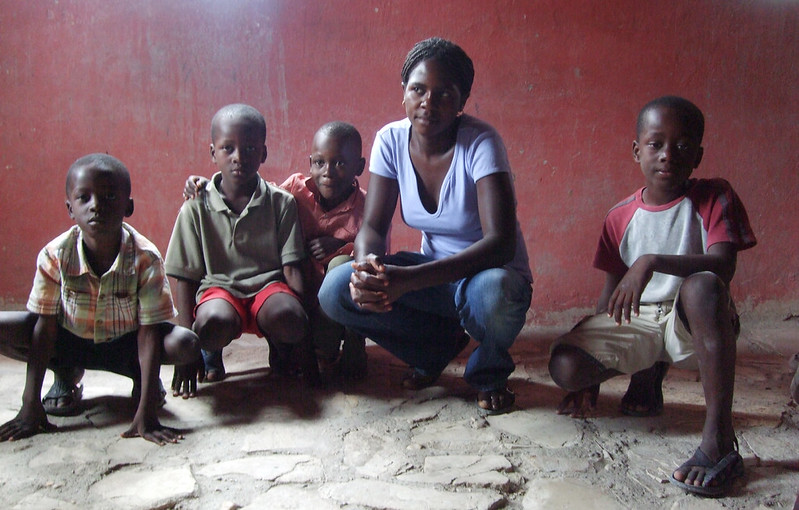 Haiti is one of the two countries within Hispaniola. Formally known as a French colony, Saint-Domingue, the territory surpassed others in the production of sugar, cotton and other supplies. The majority of its population is of African descent with a rich history. Haiti was the second country in the Americas to gain independence after the United States and was the first Black-led republic. The country remains as rich as ever in its culture, traditions, flora, fauna and tourist attractions, but has been facing multiple battles within its territory.
Where It Started
Haiti is currently the lowest-income country in the Western Hemisphere. This is due to high inflation and more than 50% of its population being in poverty. The starting point is tagged from 2018, when Venezuela halted all imports of oil into Haiti. A long-term result was price increases as high as 50% and country-wide protests. After a lockdown was put in place, this blocked aid programs and decreased opportunities for some relief.
After President Jovenel Moïse was assassinated in his home and the last members in office left their positions, this opened up more areas for violence within Haiti. In its capital, Port-au-Prince, armed militias have established themselves and are responsible for thousands of displaced people. Intergenerational poverty has persisted since 1804, when Haiti gained independence, because they were forced to pay millions of dollars in reparations to France. Haiti was forced to look elsewhere to foreign powers in order to access loans, which buried the nation in even more debt. In 2025, youth are faced with little to no educational and economic prospects. This can add to the cycle of violence and poverty.
Education in Haiti
The country is ranked 177th when considering national spending for education in Haiti. Education in Haiti is largely privately owned, with at least 80% of institutions. In addition, the private institutions are mainly run by outside organizations from America and Canada. Public institutions lack appropriate funding and are often held within churches or houses instead of school buildings.
The pandemic and political violence within the country have worsened the impacts on education in Haiti. With the destabilization in the government, the contribution to education sits at 10% of the nation’s budget. Teachers are being forced out of the profession or public institutions are not well-staffed at all. With the majority of families in poverty, students are not able to afford private institutions. With students having little to no opportunities to access private education, this causes the cycle of poverty to continue into the next generation. No education means a lack of access to higher-paying jobs and proper health care.
Organizational Support
Some organizations have done outstanding work to assist the people of Haiti. One such organization is Hope for Haiti. It is based in Naples, Florida and has assisted Haiti post-earthquake of 2010. This earthquake destroyed the majority of college institutions and destabilized other infrastructure in the nation. Hope for Haiti has donated millions of dollars and equipment toward Haiti’s education, health care, clean water and economic development.
Hope for Haiti is transparent with donations and financials on its website. To date, it has provided 50 college students with scholarships. In total, they have provided more than 7,000 Haitian students with educational access and provided teachers with educational training and cash support. The organization has also provided at least $49 million of medication and supplies across the nation. Its health care resources have also increased nutritional support for more than 7,300 children in Haiti. Clean water distribution systems have been distributed to more than 670 families and counting. Its mission has also provided students with clean water access.
Free Haiti Inc. is another organization that aims to connect the Haitian diaspora, the international community and the people of Haiti to organizations that can provide support. The organization is committed to providing sustainable development. Its website also provides details on current events in the country of Haiti and important matters of interest. Free Haiti Inc. provides eight focus areas, like housing and education, which are targeted to improve the quality of life from the ground level up.
Looking Ahead
The focus of these organizations will largely benefit people in poverty and children without access to education. Their programs aim to improve living conditions by expanding education, health care and economic opportunities within the country. With the current crisis in Haiti, there is an urgency to provide aid in multiple areas and support the next generation. A focus on education and increased economic opportunities in Haiti can have a lasting impact on reducing generational poverty.
– Nickaylia Anderson
Nickaylia is based in Syracuse, NY, USA and focuses on Good News and Politics for The Borgen Project.
Photo: Flickr
