• Link to X
  • Link to Facebook
  • Link to Instagram
  • Link to TikTok
  • Link to Youtube
  • About
    • About Us
      • President
      • Board of Directors
      • Board of Advisors
      • Financials
      • Our Methodology
      • Success Tracker
      • Contact
  • Act Now
    • 30 Ways to Help
      • Email Congress
      • Call Congress
      • Volunteer
      • Courses & Certificates
      • Be a Donor
    • Internships
      • In-Office Internships
      • Remote Internships
    • Legislation
      • Politics 101
  • The Blog
  • The Podcast
  • Magazine
  • Donate
  • Click to open the search input field Click to open the search input field Search
  • Menu Menu

Archive for category: Nonprofit Organizations and NGOs

Information and stories about nonprofit organizations and NGOs

Global Poverty, Health, Nonprofit Organizations and NGOs

Improving Public Health Via Clean Water in Benin

Clean Water InitiativesBenin is a small country in West Africa with a 36.2% poverty rate. Despite its economic growth over the past years, clean water initiatives in Benin remain critical, as many communities still struggle to access safe drinking water and sanitation. According to the World Health Organization (WHO), lower respiratory infections are the second leading cause of death in Benin, while diarrheal diseases rank fourth. 

Many of these deaths are preventable with improved hygiene, sanitation and access to clean water. Access to clean water plays an important role in improving health in Benin, as it can foster economic opportunities and growth. Partnerships between the Beninese government and international organizations are working to help address this issue.

Join For Water

Join For Water is a nonprofit organization based in Belgium that has focused on reforestation and agroforestry since 1977 by planting trees and shrubs in rural areas. According to the organization, this approach improves water management and prevents sedimentation. It operates in eight countries, including Benin.

Join For Water also supports clean water access through environmental management, food production, drinking water and sanitation, as well as responsible consumption. In 2024, the organization expanded drinking water access to more than 16,485 households, improved access to latrines for more than 1,310 people and supported more than 6,949 farmer harvests. This demonstrates that environmental protection through reforestation and agroforestry can improve water management, leading to cleaner water, better hygiene and improved public health.

Institute of Cultural Affairs–Benin

With more than 35 member countries, the Institute of Cultural Affairs–Benin is part of a global network of nonprofits focused on advancing human development. It is affiliated with the Institute of Cultural Affairs International (ICA). Its mission is to support sustainable human development while fostering lasting change within communities and organizations. As a community, ICA partners with End Water Poverty to improve access to clean water and sanitation. 

End Water Poverty is an initiative in Benin that campaigns, advocates and mobilizes the government to protect, respect and fulfill people’s right to water and sanitation. Through its “Claim Your Water Rights” campaign, the coalition funds grassroots organizations and community-led advocacy efforts that push governments to uphold the human right to water and sanitation. This indicates that water access requires both environmental protection and policy advocacy. 

Together, these clean water initiatives in Benin ensure access to clean water and sanitation for rural and underserved communities across the country.

Final Thoughts

Many communities in Benin still face challenges accessing safe water and sanitation. However, nonprofit initiatives such as Join For Water, ICA and End Water Poverty address these issues through environmental restoration, advocacy and community campaigns. With continued support, these initiatives can improve public health, strengthen sanitation systems, expand economic opportunities and improve living conditions.

– Bianca P. Gunawan

Bianca is based in Jakarta, Indonesia and focuses on Good News and Global Health for The Borgen Project.

Photo: Flickr

March 25, 2026
https://borgenproject.org/wp-content/uploads/borgen-project-logo.svg 0 0 Hemant Gupta https://borgenproject.org/wp-content/uploads/borgen-project-logo.svg Hemant Gupta2026-03-25 03:00:432026-04-15 12:53:53Improving Public Health Via Clean Water in Benin
Global Poverty, Nonprofit Organizations and NGOs, Water

Clean Water Access in Sub Saharan Africa Expands

Clean Water Access in Sub Saharan Africa Expands Access to clean drinking water is one of the most important factors in improving global health and reducing poverty. Across the region, clean water access in Sub-Saharan Africa has become a major focus for governments, nonprofits and international organizations working to improve living conditions. While millions of people still lack reliable water sources, new programs and technologies are helping expand access and create long-term solutions.

Water Access Challenges in Sub-Saharan Africa

According to the World Health Organization (WHO) and UNICEF, more than 400 million people in Sub-Saharan Africa lack access to safely managed drinking water services. Many families must travel long distances each day to collect water from rivers, ponds or unsafe wells. This often affects women and children the most, as they are typically responsible for collecting water. In many communities, children miss school because they must spend hours each day helping their families gather water. Unsafe water also contributes to diseases such as cholera, diarrhea and typhoid, which remain major health risks across the region.

The economic impacts of limited water access are also significant. When families spend hours collecting water, they have less time for work, education or other opportunities that could help them escape poverty. In rural communities, a lack of clean water can also reduce agricultural productivity and limit food security. Improving water systems can therefore strengthen both health and economic stability.

Organizations Expanding Water Access

Several organizations are working to expand clean water access in Sub-Saharan Africa through sustainable projects and innovative technologies. One of the most well-known organizations is Water.org, a nonprofit that helps communities finance water and sanitation solutions. Through its WaterCredit initiative, the organization has helped more than 68 million people gain access to safe water or sanitation by providing small, affordable loans for household water systems.

Another organization making progress is charity: water, which funds community water projects in developing countries. Since its founding, the organization has supported more than 111,000 water projects in 29 countries, helping bring clean water to millions of people. These projects include drilling wells, installing filtration systems and building rainwater collection systems designed to provide safe drinking water for years.

Technology Supporting Water Solutions

Technology is also playing an increasing role in addressing water challenges. Solar-powered water pumps and advanced filtration systems allow communities to access safe water without relying on expensive fuel or electricity. In some areas, digital monitoring tools track performance and help ensure systems continue operating efficiently.

Experts working in water development emphasize that long-term success requires community involvement. Local training programs help residents maintain water infrastructure and manage resources responsibly. When communities participate in the planning and management of water systems, projects are more likely to remain sustainable over time.

The Bigger Picture

Although challenges remain, progress in clean water access in Sub-Saharan Africa demonstrates how collaboration between governments, nonprofits and communities can create meaningful change. Expanding access to safe water improves health, supports education and strengthens economic opportunity. Continued investment in water infrastructure and technology will be essential to ensure that more communities across the region gain reliable access to one of life’s most basic necessities.

– Nishanth Pothapragada

Nishanth is based in London, Ontario, Canada and focuses on Good News and Technology for The Borgen Project.

Photo: Flickr

March 17, 2026
https://borgenproject.org/wp-content/uploads/borgen-project-logo.svg 0 0 Precious Sheidu https://borgenproject.org/wp-content/uploads/borgen-project-logo.svg Precious Sheidu2026-03-17 01:30:252026-03-16 12:09:37Clean Water Access in Sub Saharan Africa Expands
Global Poverty, Nonprofit Organizations and NGOs

Yoga and Poverty Reduction in China, India and Africa

Yoga and Poverty ReductionIn a report for the BBC, Jon Kelly recounts how B. K. S. Iyengar rose from extreme poverty to become one of the most influential figures in bringing yoga to the Western world. After what Kelly described as a “poverty-racked childhood in Karnataka,” doctors predicted Iyengar would not live past 20.

He went on to play a central role in yoga’s international expansion, promoting its physical and mental health benefits to a global audience. Beyond popularizing the practice, Iyengar inspired generations to view yoga as a tool for resilience, cultural connection and shared well-being.

His legacy provides the foundation for this article, which examines how yoga initiatives intersect with poverty reduction efforts through programs contributing to community well-being and livelihood development across diverse communities.

Yoga and Poverty Reduction

Advocates point to several connections between yoga and poverty-related outcomes, including reduced chronic stress, improved overall health and decreased reliance on costly medical care. Some organizations promote self-reliance through complementary initiatives such as microloan programs, while others help young people and families address trauma and participate more fully in economic life.

Hands to Heart Center, a Boston nonprofit, provides more than 700 free yoga classes in branch libraries, community centers, detention units, domestic violence shelters, high-poverty schools, homeless shelters, public housing developments and residential treatment programs, according to HuffPost.

Susan Lovett, who works with low-income youths and families through the organization, said yoga “can be practiced by anyone, in any condition, in any location.” She said the practice fosters connection among participants despite differences in background and circumstance.

Lovett added that mindfulness may increase civic engagement. “I don’t think mindfulness alone positively affects income inequality,” she said, “but I do think that people who develop mindfulness practice often seek out others who do the same.”

Yoga and Community Development in China

Taking Susan Lovett’s observations on mindfulness and social engagement as context, similar approaches are underway in China.

In the remote village of Yugouliang, Lu Wenzhen, a government official tasked with improving economic prospects, introduced yoga after noticing health benefits in his own practice, according to Global Citizen.

“As a result, they were able to spend more time working in fields and felt encouraged to pursue new opportunities,” the report said. The village has developed a yoga center and tourist sites that contribute to local economic growth.

Wenzhen’s efforts are part of a broader anti-poverty strategy that includes modernizing transportation, investing in renewable energy and expanding health care access. Yugouliang’s focus on holistic well-being is presented as one component of efforts aimed at strengthening local resilience.

Foundations Supporting Communities in India

China is not the only country using yoga in efforts connected to poverty reduction. Yogi Ashokananda founded the Yogi Ashokananda Foundation in 2013 and its U.K. sister organization, the Ashok Tree Foundation, in 2014.

The group aims to “relieve the impoverished conditions and promote academic education, animal welfare, health and wellness in communities served,” according to the foundation’s website.

Programs include the Sita Devi Primary School, which educates children ages 4 to 10; daily nutritional meals for at-risk adults and schoolchildren; and monthly health camps at Yogiville led by an ayurvedic practitioner, focusing on women’s wellness, children’s health and stress management.

By addressing poverty, education, nutrition and wellness, the foundations aim to support economic and physical well-being for children and families.

In an interview with practicing yogi Ravi Pinniti in India, he said yoga has influenced his own life. When asked if yoga has made a difference, Pinniti responded, “Of course it did. It improved my discipline, stress management and overall physical health, influencing every aspect of my daily life,” and improved his decision-making approach.

When asked if yoga creates a sense of community and belonging, Pinniti replied, “Yes, very strongly, with people from different places and communities, creating a safe, accepting environment, especially for those who feel isolated. It gives people the strength to live life more fully.”

The Africa Yoga Project in Kenya

In Africa, Paige Elenson founded the Africa Yoga Project in 2007 as an outreach program to train yoga instructors from Kenya’s poorest communities. “The goal is to help the teachers spread health and well-being throughout their communities while also providing them with a stable income,” the organization said.

The program operates in some of Nairobi’s largest informal settlements, including Kawangware, Korogosho, Kibera, Mathare and Kangemi. Twenty-one-year-old Walter Mugwe said yoga changed his life. “Three years ago, I was drinking and smoking marijuana, which sometimes led to violence,” he said. “That has since subsided.”

Haydee Bangerezako of the BBC reported that the program has 42 teachers working with nearly 2,000 students each week in close to 50 locations. Workshops are held in community halls, schools, prisons and other organizations.

Looking Ahead

From the resilience of B. K. S. Iyengar to community initiatives in Asia and Africa, yoga’s reach now extends beyond personal practice. While yoga alone cannot address systemic inequality, organizations are incorporating it into broader programs aimed at strengthening well-being, supporting livelihoods and fostering community engagement.

In villages, urban centres and underserved communities worldwide, practitioners are demonstrating that improved health and shared purpose can help lay the groundwork for opportunity and ease international poverty. After all, “the organized actions of mindfulness practitioners who focus on social justice can be powerful.”

As these efforts continue to expand, yoga’s enduring lesson remains clear: sustainable change often begins within — and, when nurtured collectively, can ripple outward to transform lives and livelihoods across generations.

– Gemma Nailer

Gemma is based in Manchester and focuses on Good News, Global Health for The Borgen Project.

Photo: Flickr

March 14, 2026
https://borgenproject.org/wp-content/uploads/borgen-project-logo.svg 0 0 Precious Sheidu https://borgenproject.org/wp-content/uploads/borgen-project-logo.svg Precious Sheidu2026-03-14 01:30:432026-03-13 12:29:05Yoga and Poverty Reduction in China, India and Africa
Global Health, Health, Nonprofit Organizations and NGOs

How Mobile Clinics Are Expanding Dental Care in Rural Bolivia

Dental Care in Rural BoliviaLimited access to dental care is an often overlooked public health challenge in rural Bolivia, particularly for low-income and geographically isolated communities. Untreated tooth decay and gum disease can lead to chronic pain and infection, making it harder for children to concentrate in school and for adults to work consistently. In a country where household budgets are often tight, delaying care can also lead to higher costs later, especially when treatable problems become emergencies. Mobile dental clinics are one approach to helping close these gaps by bringing preventive and basic restorative services directly to underserved communities.

Why Dental Care Is Difficult To Access in Rural Bolivia 

Bolivia’s geography and settlement patterns create real barriers to routine care. Rural communities may be located far from clinics, with travel costs and time away from work making a dental visit impractical. Where dental services exist, they may be limited to urgent pain relief or extractions rather than preventive treatment or restorations. 

At the national level, the WHO’s Oral Health Profile for Bolivia highlights the economic impact of oral disease. It estimates per-capita spending on dental care at approximately $4.20 and productivity losses from five untreated oral diseases at $152 million. This is an indicator of how oral health problems can translate into missed work and reduced earning capacity. 

What Mobile Dental Clinics Do Differently

Mobile dental clinics reduce access barriers by bringing equipment and staff directly to remote areas, often in coordination with local schools and community authorities. Depending on the program, services may include examinations, cleanings, fluoride applications, sealants, basic restorations (fillings) and extractions, along with hygiene education. This approach is important because it shifts care upstream, preventing decay and addressing early-stage problems before they develop into infections that require more complex interventions.

Evidence From Mobile-Clinic Programs Operating in Rural Bolivia

One example of measurable outcomes comes from the Suyana Foundation. It operates mobile dental clinics in the Department of La Paz and tracks multi-year data on service delivery and oral health indicators in the communities it serves. In a program summary covering Bolivia, Suyana reports that between 2021 and 2023, its mobile dental clinics provided approximately 38,000 dental consultations. 

Over the same period, the foundation recorded improvements in standard oral health indices. These included a 21% drop in the CPOD/DMFT index (from 6.7 in 2021 to 5.3 in 2023) and a 44% reduction in the simplified oral hygiene index (IHOS) (from 2.5 in 2021 to 1.4 in 2023). Suyana also reports child-focused results: the incidence of new caries among 10-year-old children fell by 38% from 2022 to 2023 in its Bolivian program. 

Additionally, the number of students rehabilitated to “zero cavities” status increased from 296 in 2021 to 1,229 in 2023. These figures reflect the impact of a single organization rather than the entire country; however, they provide concrete evidence that mobile, prevention-oriented dental services can improve outcomes in areas with limited baseline access.

How Public Nonprofit Partnerships Expand Reach

Mobile-clinic models often depend on partnerships because logistics and sustainability are as important as clinical work. Public authorities can support coordination with schools, referral pathways into local health establishments and alignment with national standards. Nonprofits can add specialized staff, equipment, outreach capacity and external funding.

In Bolivia’s health ecosystem, organizations like Fundación ProSalud have a national presence, providing lower-cost health services through a network of clinics. These clinics help complement public provision and support broader access goals. Volunteer-based outreach models also operate in rural areas. 

In Cochabamba and surrounding regions, the nonprofit Mano a Mano runs “jornadas”—weekend medical and dental trips where teams travel to remote communities to provide care. This shows how mobile or pop-up services can reach areas that permanent facilities do not consistently cover.

Why Dental Access Matters for Poverty Reduction

Dental care can look “secondary” compared to infectious disease or maternal health, but it has direct poverty links. Pain and infection can reduce school attendance and workplace productivity, while delayed treatment can force families into higher-cost emergency care. The WHO’s estimates of productivity losses from untreated oral diseases underline that oral health is not only a clinical issue but also an economic one, especially for households living close to the margin.

Mobile dental clinics address this problem by reducing the time and travel costs of seeking care and emphasizing prevention. When clinics provide sealants, fluoride and early restorations, they can reduce the likelihood that a child needs repeated extractions or that an adult loses workdays due to avoidable infection.

The Future of Dental Care in Rural Bolivia

Mobile clinics are not a substitute for long-term investment in permanent facilities and the oral-health workforce. But in rural Bolivia, they can function as a practical bridge, expanding coverage now while building community habits around preventive care. Evidence from programs such as Suyana’s mobile clinics suggests that sustained outreach can improve measurable oral-health outcomes, particularly for children. 

As government standards, local coordination and nonprofit delivery capacity align, mobile dental services can continue reducing preventable pain, missed school days and productivity losses in underserved regions. 

– Tom Basu

Tom is based in Buckinghamshire, UK and focuses on Good News and Global Health for The Borgen Project.

Photo: Flickr

March 11, 2026
https://borgenproject.org/wp-content/uploads/borgen-project-logo.svg 0 0 Hemant Gupta https://borgenproject.org/wp-content/uploads/borgen-project-logo.svg Hemant Gupta2026-03-11 01:30:072026-03-10 12:31:54How Mobile Clinics Are Expanding Dental Care in Rural Bolivia
Development, Global Poverty, Legislations and Policies, Nonprofit Organizations and NGOs, Youth Unemployment

Youth Development in Romania: Policies and Opportunities

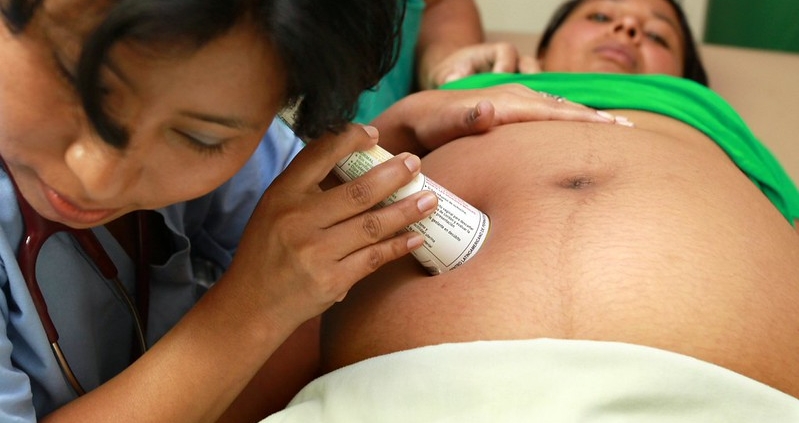
Youth Development in RomaniaRomania’s young people face serious barriers in education and employment. Youth unemployment remains high compared to adult unemployment, and many young people do not complete secondary education. Since 2011, an estimated 450,000 children have dropped out of school before finishing middle school, and more than 15% of those ages 18 to 24 have not completed the eighth grade. These issues are more severe in rural areas and among ethnic minorities such as the Romani population.

Without adequate support, these trends can limit access to economic opportunities and civic engagement for young Romanians, slowing both personal development and the country’s long-term growth.

National Programs Supporting Youth

Romania is expanding national initiatives to support its young population. The National Youth Strategy (2024–2027) outlines goals to promote education, increase civic participation and reduce unemployment for people ages 15 to 35. This strategy helps guide policy, funding and program development across government agencies.

The Child Guarantee Action Plan seeks to ensure that all children, particularly those under 18, have access to quality education, health care and nutrition. The plan addresses poverty and social exclusion by focusing services on those most in need.

Programs such as School After School offer tutoring and extracurricular activities outside of regular hours to help students remain engaged and build skills in art, technology and sports. Together, these initiatives aim to strengthen youth development in Romania by expanding access to educational and personal development opportunities.

International Support and Partnerships

Romania’s youth development efforts are supported by international initiatives. The U.N. Youth Delegate Program provides young leaders opportunities to represent Romania in U.N. discussions, amplifying youth voices on human rights, peace and sustainable development.

The Youth2030 Strategy encourages countries to include young people in national development plans and promote access to education, health care, employment and civic participation.

The Global Initiative for Decent Jobs for Youth promotes gender-equal employment and works with governments and the private sector to align training programs with labor market needs. These partnerships support Romania’s efforts to expand quality education and job opportunities for young people, particularly in underserved communities.

Proposed Solutions for the Future

To further advance youth development, Romania can expand training programs that teach communication, digital literacy and professional skills, helping young people become more competitive in the job market.

Improving access to quality education and employment opportunities in rural areas would help ensure that more young people benefit from national growth. Strengthening mentorship programs, community initiatives and career guidance services may help reduce school dropout rates and better prepare youth for civic and economic participation.

Prioritizing these approaches could contribute to a more inclusive and resilient workforce while addressing economic and social disparities.

Looking Ahead

Youth development in Romania remains both a social and economic priority. National strategies, community programs and international partnerships work together to address unemployment, reduce early school dropouts and increase youth participation. Continued investment in education, job skills and civic engagement can support long-term stability and inclusive growth. Strengthening youth development efforts may help Romania build a more stable and adaptable society prepared for future challenges.

– Anaisha Kundu

Anaisha is based in Skillman, New Jersey, USA and focuses on Politics for The Borgen Project.

Photo: Flickr
March 7, 2026
https://borgenproject.org/wp-content/uploads/borgen-project-logo.svg 0 0 Precious Sheidu https://borgenproject.org/wp-content/uploads/borgen-project-logo.svg Precious Sheidu2026-03-07 01:30:142026-03-06 04:08:55Youth Development in Romania: Policies and Opportunities
Agriculture, Developing Countries, Global Poverty, Nonprofit Organizations and NGOs

Organizations Supporting Farmers in Pakistan

Farmers in PakistanMore than 54% of farmers in Pakistan live below the poverty line. According to the latest national census of agriculture in Pakistan, 97% of farmers own less than 12.5 acres and 26% own less than one acre. Meanwhile, the average farm size is now 5.1 acres. These figures suggest that farmers are not generating enough profit to save and are instead living from crop to crop.

Pakistan ranks among the world’s 10 most climate-vulnerable countries, with devastating monsoon rains, floods, droughts, landslides and earthquakes. These natural catastrophes destroy livelihoods, shove civilians into poverty and hit the agricultural industry the hardest. When the aftermath damages crop yields, farmers suffer.

There are more than 11 million farmers in Pakistan. When major climate shifts strike, the government cannot provide for such a large segment of the population. Thus, farmers have no economic security in the event of a natural disaster. On top of this, a recent sharp increase in the costs of fertilizers, diesel, pesticides, farming machinery and electricity in Pakistan makes it expensive for farmers to produce the few crops that survive amid unpredictable climate instability.

Crop costs have also fallen globally and this growing disparity leaves farmers at a loss. Fortunately, here are five organizations that uplift farmers and minimize poverty in Pakistan by providing rural farms with supportive resources.

Hidaya Trust

Hidaya Trust is a nongovernment organization that aims to help underprivileged persons in Pakistan “stand on their own feet”, including farmers. The organization runs various programs covering education, social welfare, health care, the environment and self-employment. Hidaya Trust supplies families in the farmer assistance program with fertilizers, seeds and equipment, as well as education on farming techniques.

For those in the animal farming program, the organization uses its donations to provide families with livestock to start a farm. For example, a $50 donation can buy five chickens and one rooster to start a poultry farm; it costs $70 for seven rabbits, $220 for a pair of goats and $500 for a cow.

Kissan Madadgar

Kissan Madadgar is a real-time farming advisory service that provides expert support and consultation through various channels to farmers at no cost. Farmers in Pakistan can access this service through its 24/7 helpline, mobile application or YouTube channel. Agricultural experts at Kissan Madadgar also visit farms in person to offer on-site support.

This involves teaching farmers more sustainable, productive and feasible solutions and techniques. The goal is to empower farmers, help them prosper and improve Pakistan’s agricultural ecosystem.

Chamber of Food and Agriculture

The Chamber of Food and Agriculture is an independent, nonprofit organization based in Pakistan, created by farmers, for farmers. Agricultural experts and rural development practitioners in Pakistan work with food producers and policymakers worldwide to empower farmers. Run by a people-first policy, the Chamber of Food and Agriculture directly provides training workshops and resources to rural farmers in Pakistan.

It also promotes climate-smart agriculture and technical agricultural innovation. Through this initiative, the organization aims to facilitate stable, accessible markets for farmers, support policy advocacy and increase women’s participation in the farming industry.

The World Bank Group

In 2022, the World Bank Group launched the Punjab Resilient and Inclusive Agriculture Transformation Project, with $200 million in funding. The ongoing project supplies small rural farms in Pakistan with climate-smart farming technology to increase agricultural productivity and farmers’ incomes. This includes training farmers in climate-smart techniques, facilitating efficient and equitable access to water and building resilience to extreme climate emergencies.

The World Bank Group’s project is expected to help 190,000 rural farmers and 1.4 million acres of land.

The Food and Agriculture Organization of the United Nations

In 2020, the Food and Agriculture Organization of the United Nations (FAO) established a livestock farmer field school in the Umerkot district of Pakistan to expand farmers’ knowledge beyond local practices. The organization also distributed 315 kilograms of animal compound feed to each farmer among more than 1,400 of the most vulnerable households to support them throughout the agricultural crisis. Additionally, with support from the World Bank Group, FAO worked with local governments to construct water storage tanks with underwater solar-powered water pumps in 25 rural villages in the Tharparkar district of Pakistan.

FAO provided the villages with water troughs for livestock and drip irrigation systems for kitchen gardens. These resources supported farmers by reducing the impact of the COVID-19 pandemic on their farms. The construction of the water systems also created temporary employment opportunities for those most affected in the region.

The Future for Farmers in Pakistan

In Pakistan, agriculture is the largest sector in the economy. Farming makes up 24% of the country’s total gross domestic product (GDP), employs half of the labor force and is the greatest source of international exports. Farmers also create food security in the country. However, the agricultural sector struggles with low productivity due to its vulnerability to climate change and volatile markets.

Farmers in Pakistan require support with modern technology that accounts for climate instability, as well as further education on proactive farming techniques to maximize crop yields and ultimately help farmers overcome poverty. Given their contribution to Pakistan’s economy, policymakers and government leaders must prioritize farms when allocating funding and resources.

– Umaymah Suhail

Umaymah is based in Karachi, Pakistan and focuses on Good News and Global Health for The Borgen Project.

Photo: Pexels

March 5, 2026
https://borgenproject.org/wp-content/uploads/borgen-project-logo.svg 0 0 Hemant Gupta https://borgenproject.org/wp-content/uploads/borgen-project-logo.svg Hemant Gupta2026-03-05 07:30:172026-03-05 03:19:33Organizations Supporting Farmers in Pakistan
Education, Global Poverty, Nonprofit Organizations and NGOs

Using Technology to Improve Education in Tanzania

Education System in TanzaniaTanzania, a country in East Africa, has faced many years of poverty and hardships under its government that bled into the education department. Due to a lack of support in finding teachers, supplies, and high dropout rates in the education system, it took a while for someone to find a solution to ease the transition of teaching English. 

The national language in Tanzania is Swahili (Kiswahili), with English as the second most common. In Tanzania, there is no push to learn English at a young age, which causes children to drop out and be left in a pitfall without the opportunity to learn and the inability to be employed in higher-paying jobs. 

The setbacks that children face in Tanzania are not their fault. Despite the education system’s flaws, there is a group of hardworking people who are using technology to help bridge the English gap and keep students in school.

Selfless Solutions (E-Shuleni)

After a volunteer trip to Tanzania, Patrick Irwin saw how much the children in Tanzania wanted to learn, but didn’t have the resources to learn. Irwin wanted to make a change in providing education and using technology to bridge the language barrier, and seeing the motivations of the kids encouraged Irwin to keep going.

“When you see with your own eyes just how much the kids are developing thanks to the work of our organization and all the people involved, it gives you a lot of motivation to continue to do the things that aren’t necessarily as fun,” Iwrin said. 

“E-Shuleni” is the technology used as a way to help children transition to learning English with more ease. For seven years, children are taught Swahili, and once the students complete primary school, an abrupt switch to learning English happens. This switch often causes struggles to keep up with the curriculum, and many students drop out. 

Struggles in Education

The education system in Tanzania, though scoring high rates on their exams, continues to struggle with other problems: overcrowding, teacher shortages, financial struggles, and resource gaps are just some of the problems that they still face. 

Poor proficiency in English as the medium of instruction was a major factor contributing to higher dropout rates in early secondary grades, according to a study by Consortia Academy. School records revealed that many students…struggled to understand lessons and communicate effectively in English…This language barrier created significant learning challenges, limiting students’ participation in class and their ability to perform well in assessments, ultimately contributing to early school withdrawal.

These problems, though not significant to just Tanzania, are problems that many surrounding countries face. However, the problems of education and solutions to fix those problems are focused solely on Tanzania, because each country is different. 

Focusing on education in just Tanzania with the Selfless Solutions program, Irwin believes that this will, in turn, bring more support and a steady footing underneath. Instead of trying to branch out to different countries. 

“We are focused on strengthening and sustaining existing programs that we have rather than expanding into new areas,” Irwin said. “Our program is designed to scale and expand across Tanzania, but it may not be suitable for neighboring countries like Kenya and Uganda.”

Since 2019, when Selfless Solutions was founded, this program has created a bright and supportive future for the children in Tanzania. 

Future of Selfless Solutions

Following the success and positive results from the pilot of “E-Shuleni,” the enterprise of teaching children English has expanded to seeking new partnerships and groups.

Selfless Solutions expanded “E-Shuleni” to the new “E-Shuleni” Reading Club. The reason behind this is the first class that used this technology, the children completed the full e-learning program. These children have now moved to grade 5, aiding in the improvement of children who surpass the dropout rate when they start to learn English. 

The students come together every week to read, practice, and stay connected to English. Irwin believes that hope and self-belief are not contained in the classroom, and that a child is influenced when they are at home or in their community. Selfless Solutions creates a groundwork and steadiness for more things in life, not just education.

– Elizabeth Fryer

Elizabeth is based in Philadelphia, PA, USA and focuses on Good News and Technology for The Borgen Project.

Photo: Selfless Solutions

March 1, 2026
https://borgenproject.org/wp-content/uploads/borgen-project-logo.svg 0 0 Precious Sheidu https://borgenproject.org/wp-content/uploads/borgen-project-logo.svg Precious Sheidu2026-03-01 03:00:052026-02-28 23:50:01Using Technology to Improve Education in Tanzania
Food Insecurity, Global Poverty, Nonprofit Organizations and NGOs

5 Charities Operating in Singapore

Charities Operating in Singapore

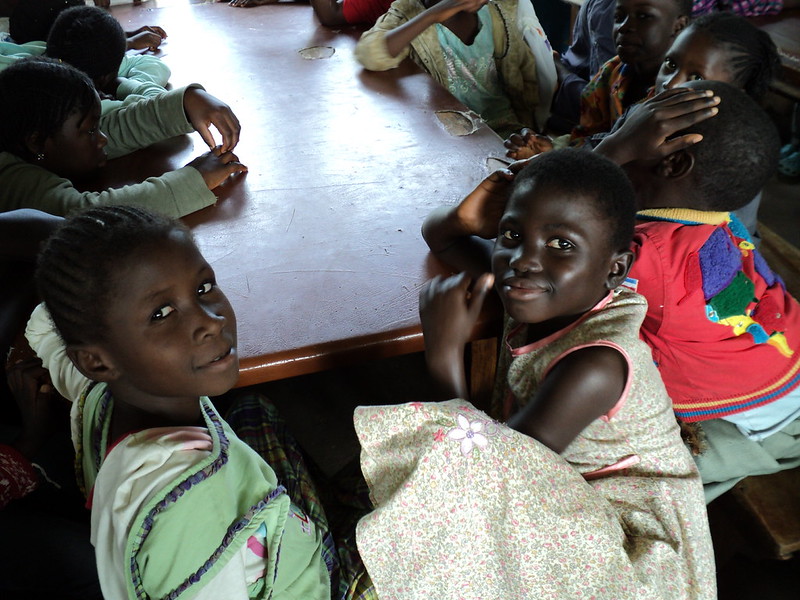
Singapore is one of the world’s wealthiest and most developed nations. However, despite Singapore’s economic success, income inequality and food insecurity continue to affect vulnerable populations across the country. According to local reports, some individuals struggle to meet basic necessities, such as a comfortable shelter and food.

In addition to financial limitations and the high cost of living, food insecurity remains an issue for many individuals, particularly low-income families, seniors living alone and migrant workers. The streets in Singapore are sometimes seen with people considered homeless, as they can’t afford housing, highlighting the need for charitable organizations.

While the government has contributed significantly to reducing poverty and improving the lives of the poor, gaps remain for individuals who fall below eligibility criteria or require additional assistance. As a result, charities play a vital role in supporting vulnerable communities by offering food assistance, shelter and housing, health care, counselling services and other forms of aid. The following are five charities operating in Singapore that are making a meaningful impact.

1. Willing Hearts

The first of the charities operating in Singapore is Willing Hearts. Since 2003, Willing Hearts has been supporting and improving the lives of the underprivileged and impoverished through volunteerism and teamwork. Willing Hearts has also relocated five times over the past 21 years to better reach the lives of the underprivileged and marginalized.

Established by Tony Tay and his friends, Willing Hearts is one of Singapore’s leading soup kitchens with more than 10,000 meals distributed per day to more than 70 locations in Singapore through volunteer-led kitchens. In addition to food distribution, Willing Hearts also offers a variety of services such as dental care, legal aid, bereavement and healing services.

2. Food From the Heart

Food from the Heart is an independent nonprofit food charity in Singapore that focuses on 10 initiatives that alleviate food insecurity, educate and raise funds. The community food pack program is one of the initiatives from Food from the Heart that provides seniors, low-income individuals and families with fresh fruits, vegetables, eggs and bread through a monthly distribution. Through this program, the organization supports more than 10,113 families each month.

In addition to all of the programs combined, Food from the Heart has assisted and supported more than 129,877 families and individuals, distributed 143,825 food packs and supported 63,831 beneficiaries in total as of the end of 2024.

3. HealthServe 

According to HealthServe, a large number of migrant workers holding work permits in Singapore face conflict regarding emotional distress, workplace peer pressure and injuries. While employers are legally required to pay for medical treatment, such as medical services, dental treatment and insurance, some individuals feel discouraged from seeking the help they need due to cultural and language barriers and peer pressure. HealthServe has helped and supported these workers by positively impacting more than 18,000 migrant workers by the end of 2024, which includes more than 5,300 medical and dental services, 6,000 casework and social services, 8,000 mental health and counselling services and 14,200 community services related to health education and outreach.

In 2024, HealthServe’s objective was to extend mental health support and awareness. Ever since the program started in 2022, HealthServe has trained more than 1,630 migrant workers with knowledge and skills to support overall well-being.

Looking ahead to 2025, HealthServe aims to expand dental sessions, strengthen support for chronic diseases among migrant domestic workers, enhance psychotherapy and counselling services and extend GP services to more sectors.

4. Transient Workers Count Too (TWC2)

Transient Workers Count Too (TWC2), a charity in Singapore, provides direct assistance by supporting and protecting low-wage, foreign and migrant workers through food programs, medical emergency funds, social work and shelter.

One of its initiatives, The Cuff Road Project, supports workers in need by providing a free breakfast and a fulfilling dinner every weekday for each worker. On Saturdays, TWC2 provides lunch.

One of TWC2’s services is casework, which provides support and assistance to individuals to help them navigate complex social, legal and government systems. Caseworkers in TWC2 assess and evaluate the client’s needs while ensuring a suitable solution and support. TWC2 has logged about 13,630 conversations of support in 2024, including 100,887 inbound and 68,329 outbound messages.

Beyond direct assistance, TWC2 engages with policymakers, like the Ministry of Manpower. They also propose solutions, conduct research on migrant worker issues and engage with employers and businesses.

5. SPD (Society for the Physically Disabled)

Set up in 1964, SPD is a nonprofit charity that focuses on helping individuals with disabilities and those with developing disabilities. SPD provides 20 programs, offering therapy, community rehabilitation, early intervention, job placement and support.

In 2024-2025, SPD assisted more than 13,200 people with disabilities. This included 1,659 children who received early intervention, 7,940 individuals who received support with rehabilitation community programs, and 3,900 individuals who gained awareness and education from talks, events and training.

Looking Ahead

Although Singapore is widely recognized for its economic success and high standard of living, vulnerable communities continue to face social and economic challenges. These five charities operating in Singapore, play a crucial role in addressing these issues by providing food security, health care, advocacy and rehabilitation support. Together, these organizations demonstrate the importance of compassion, volunteerism and community support in fostering a more inclusive and equitable society in Singapore.

– Bianca P. Gunawan

Bianca is based in Jakarta, Indonesia and focuses on Good News and Global Health for The Borgen Project.

Photo: Flickr
February 24, 2026
https://borgenproject.org/wp-content/uploads/borgen-project-logo.svg 0 0 Jennifer Philipp https://borgenproject.org/wp-content/uploads/borgen-project-logo.svg Jennifer Philipp2026-02-24 03:00:212026-04-15 12:56:595 Charities Operating in Singapore
Global Poverty, Humanitarian Aid, Nonprofit Organizations and NGOs

Fund for Armenian Relief: Impacting Refugees in 2026

Fund for Armenian ReliefThe changing climate is a persistent issue that is becoming increasingly relevant as severe weather events reach cities around the world. With the consensus that extreme storms are an isolated issue instead of an international one, damage affecting unhoused and refugee communities in 2025 highlighted the importance of nonprofit organizations in the absence of assistance from local governments. Generating more support for displaced persons and the unhoused community begins with sharing stories that evoke relatability and enhance overall understanding of the issue.

Ongoing Advocacy

On Nov. 11, 2025, climate reporter Sabrina Shankman shared insight on the best way to educate people about the significance of climate change at the “Climate Is Every Story” panel series designed for Boston College faculty and students. Shankman said storytelling is the key to proper advocacy, not data points.

Similarly, Neil McCullagh, executive director of the Carroll School of Management’s Joseph E. Corcoran Center for Real Estate and Urban Action and BC ’91, highlighted the effectiveness of Habitat for Humanity’s human-focused narrative. Specifically, he discussed how the partnership between Habitat for Humanity and a faith-based organization provided 13 housing units that improved the lives of struggling families. Initiatives like this are powerful and help communities visualize the bigger picture and give their support.

Relief Efforts

Habitat for Humanity is a global organization based in Atlanta, Georgia, that provides housing assistance. Habitat for Humanity works with communities around the globe, serving about 70 countries. In 2025, research revealed that inadequate access to housing is a global issue, with 1.8 billion people worldwide unable to find affordable housing.

The organization continues to operate with the philosophy that “a world where everyone has a decent place to live” is possible. Its programs aid populations suffering from poverty, economic disadvantages and other challenges. There are similar nonprofit projects that provide items usually inaccessible to low-income individuals. Habitat for Humanity ReStore offers used household items at affordable prices. Proceeds from these items help the organization collaborate with local families to provide accessible housing for low-income individuals.

Volunteers from the Global Village program improve the lives of communities internationally by building houses in countries including Guatemala, Honduras, Kenya, Malawi and Romania. Other nonprofit projects have provided people in Brazil with a water tank as a response to a disaster in the region.

Global Village volunteers also responded to the risk of natural disasters in Cambodia by building water towers while providing homes for displaced persons in the Dominican Republic. These programs are creating momentum toward housing equity in underdeveloped countries. Relief efforts are giving people a fresh start. Mobilizing volunteers is one of the most effective methods to advocate for change. Still, innovative and sustainable solutions are needed to address fluctuating levels of support for services.

Forced Displacement and Hunger

A variety of challenges affect refugees, but one of the greatest trials they face is hunger. Currently, refugees receive most assistance from nongovernmental organizations.

Sustainable living practices empower refugees to find nourishment through natural resources. Educating displaced persons on agricultural practices equips them with tools to avoid hunger and improve individual economic circumstances. A significant level of impact has been achieved through targeted programs. In particular, nonprofit projects like FAR’s Support for Artsakh’s Displaced Project teach students horticulture and gardening skills. For example, 15-year-old student Nanar Markosyan learned horticulture and gardening through this program, which prepared her to attend the National Agrarian University to pursue greenhouse management.

Sustainable farming approaches, such as tending soil or caring for livestock, promote self-reliance and resilience. Programs like these help prevent reliance on third-party food sources that may not always be available.

This approach can also be seen in the Fund for Armenian Relief’s malnutrition treatment programs established by a local NGO aiming to end malnutrition. The “Breakthroughs in Child Nutrition and Development for Healthy Generations” program was established in September 2020 to provide nutrition assistance to preschoolers and kindergarteners. As a result, 354 children received nutrition assistance in Ijevan, Tavush marz, Armenia. Focusing on successful programs like these helps ensure that child hunger is reduced or eliminated.

Fund for Armenian Relief

Fund for Armenian Relief (FAR) assists refugees fleeing life-threatening circumstances. FAR also provides food assistance and humanitarian support to help vulnerable communities in Armenia. The organization was created after the devastating earthquake in 1988, when the Armenian diaspora in the U.S. provided food and supplies. After the disaster, FAR identified the need for additional forms of assistance, which led to resilience-centered initiatives. Currently, the organization operates soup kitchens, assists vulnerable and abused children and supplies clean water. What began as a mission to help refugees rebuild their lives after the 1988 earthquake has evolved into a multifaceted nonprofit organization offering services related to health care, education, economic development, child protection and social services.

The Borgen Project spoke with Bree Carriglio, executive director of Fund for Armenian Relief, regarding the organization’s progress and goals for refugee assistance in 2026. Carriglio described progress made toward supporting displaced populations. When discussing food insecurity among children, Carriglio said, “FAR is always working to identify different ways we can provide nourishment to our most vulnerable populations. Our soup kitchens, old age home and child malnutrition programs in kindergartens are just a few ways we do this, and every year we evaluate how we can improve the nutritional values of our menus and reach more people.”

Carriglio noted that hunger was a major issue among displaced populations after a nine-month blockade prior to fleeing. Following the displacement between 2023 and 2024 resulting from conflict between Armenia and Azerbaijan, FAR provided immediate aid to 14,000 families during the first six months.

Nutrition Deficits

FAR aims to assess specific nutrition deficits in children through its malnutrition program this year. In 2026, the organization anticipates progress in its food aid programs and plans to identify opportunities to expand nutrition assistance through program evaluations. Looking ahead, Carriglio emphasized that continued efforts to support displaced refugees are essential to expanding FAR’s mission. She said the key to rebuilding lives is to “make sure they have not only the physical resources to do that but also the psychosocial support and other resources to address the emotional toll this type of trauma can have on individuals.”

FAR’s nonprofit projects continue to show progress. Because the organization has no political affiliation, funding relies heavily on donors. In some cases, FAR has partnered with the Armenian government to administer programs that demonstrate measurable outcomes. FAR has also participated in advocacy efforts to raise awareness about forced displacement and food insecurity among refugee populations. Carriglio said, “During the last crisis, we raised awareness by reaching out to the diaspora and sharing both firsthand accounts of the crisis and how we were mobilizing to help, which focused on both immediate assistance in the form of humanitarian aid and implementing strategies to help displaced individuals rebuild their lives.”

However, these resources are not sufficient to sustain every program. Budget cuts created funding gaps, forcing FAR to end a workforce program for vulnerable populations, including veterans reentering the workforce. Monetary aid remains the most effective form of support because food can be purchased within Armenia and distributed without delay.

The Path Forward

The conflict that caused nearly 100,000 refugees to flee Artsakh and cross the Armenian border is one of many challenges displaced persons have endured.

Fund for Armenian Relief has the ability to adapt to change and its mission to provide humanitarian support continues to transform the lives of vulnerable children, including those facing challenges beyond food insecurity. Other nonprofit projects, such as Habitat for Humanity’s Global Village program, have secured housing and supplied clean water internationally.

Investing in programs that support vulnerable communities serves as both immediate relief and a long-term strategy for mitigation. Raising awareness and building strategic partnerships can help reduce the challenges faced by populations struggling to meet basic needs worldwide.

– Lala McCullough

Lala is based in Brentwood, CA, USA and focuses on Good News for The Borgen Project.

Photo: farusa

February 22, 2026
https://borgenproject.org/wp-content/uploads/borgen-project-logo.svg 0 0 Precious Sheidu https://borgenproject.org/wp-content/uploads/borgen-project-logo.svg Precious Sheidu2026-02-22 01:30:222026-02-21 15:18:20Fund for Armenian Relief: Impacting Refugees in 2026
Global Poverty, Health, Nonprofit Organizations and NGOs

Organizations Aiding Ear and Hearing Care in Zambia

Organizations Aiding Ear and Hearing Care in Zambia Hearing health is often overlooked in global development conversations, yet in Zambia, it plays a critical role in education and economic participation. With a population of almost 17 million, 5% of Zambians experience hearing problems or diseases. It is hard to help everyone in the community, given that there are only five Otorhinolaryngologists (ENTs) and one audiologist available.

The commute for most individuals can exceed 10 miles on foot to reach a specialist, making access to hearing care in Zambia unrealistic for many Zambian citizens. In 2022, 60% of the population was in severe poverty, so not everyone can afford to walk long distances to get care for themselves or their families, as they are struggling to feed their families on $2 a day.

Organizations like Seeds of Hope Children Ministry and GBCZambia place strong emphasis on donations to support medical research and education to improve hearing care in Zambia. However, providing tools within an educational setting can help individuals succeed. Further studies conducted within these communities could help organizations better understand the needs of individuals who require hearing care in Zambia. Two organizations, DeafKidz International (DKI) and Zambart, address these needs and provide tools to help Zambian citizens succeed regardless of their disabilities.

DeafKidz International: Adapting Zambia’s Education

DeafKidz International (DKI) has been working in Zambia since 2013 to help children build resilience and improve education and safety for those who are hard of hearing. It aims to complete its mission in two parts: educating the children through workshops and training teachers to identify signs of abuse or confusion among individuals who are hard of hearing.

The six-hour workshop for children focuses on safety, boundaries and basic communication. The education of an average student in Zambia is not identical to that of a hard-of-hearing individual. Thus, this workshop uses role-plays, demonstrations, worksheets and interactive games to help children understand these topics. DKI also financially supported the purchase of laptops in 2024 for classrooms to help bridge educational gaps.

To ensure that educators are up to date, the DKI team communicates regularly with trained teachers. It does this by running brief sessions to verify that information translation is accurate and to gather feedback on the results of DKI’s programming. In early 2025, DKI staff observed that students ages five to eight were comprehending sign language at varying levels, indicating the program’s gradual progress.

DKI’s team values the feedback it receives from children, parents and educators alike. For instance, noting and adjusting the program to differentiate between “early warning signs” of abuse and symptoms of illness is important. DKI has taken a unique approach to hearing care in Zambia through adaptability and confidence-building.

Zambart: Building a Foundation for Research Advancements

Zambart, a research group that advances health care for all, has also begun piloting programs to study Chronic Suppurative Otitis Media (CSOM) and general hearing problems. The goal of the research study is to evaluate the effects and quality of life of individuals who are hard of hearing due to CSOM and other related hearing diseases. This would provide other organizations and the government with a clearer idea of the types of resources that would be helpful to these individuals.

As part of its initiative, Zambart begins by interviewing families in different communities in Zambia to understand their experiences with CSOM. Next, it will perform randomized trials of topical iodine treatment for ear discharge and analyze short- and long-term care. It will also pilot the introduction of a low-cost bone-conducting headset for 150 adults and children who experience hearing loss.

As a way to go hand in hand with DKI’s efforts, it will also conduct further studies and qualitative analyses to understand the lived experiences of people with hearing loss. The goal is to understand what enables or prevents them from feeling self-determined, empowered and resilient in their education and daily lives. The results of this study would be the implementation of tech-based learning for sign language.

Zambart accepts monetary donations to advance its research; however, the funds received go directly into its mission and action efforts. Though it does require significant money, training and time to achieve the necessary advancements in hearing care in Zambia, the Zambart team is actively working to address the root problems.

Focusing on Empowerment and Resilience

Overall, children and adults with hearing and ear illnesses have not received as much focus in Zambia as other diseases. However, when working with groups that focus on adaptability, resilience, community building and empowerment, these communities are given the chance to grow and learn. Though monetary donations go a long way toward advancing accessible clinics and medical professionals, providing the right tools and methods can further strengthen hearing care in Zambia.

– Simran Dev

Simran is based in Caledon, Ontario, Canada and focuses on Global Health and Celebs for The Borgen Project.

Photo: Flickr
February 19, 2026
https://borgenproject.org/wp-content/uploads/borgen-project-logo.svg 0 0 Precious Sheidu https://borgenproject.org/wp-content/uploads/borgen-project-logo.svg Precious Sheidu2026-02-19 07:30:102026-02-19 01:42:11Organizations Aiding Ear and Hearing Care in Zambia
Page 2 of 60‹1234›»

Get Smarter

  • Global Poverty 101
  • Global Poverty… The Good News
  • Global Poverty & U.S. Jobs
  • Global Poverty and National Security
  • Innovative Solutions to Poverty
  • Global Poverty & Aid FAQ’s
Search Search

Take Action

  • Call Congress
  • Email Congress
  • Donate
  • 30 Ways to Help
  • Volunteer Ops
  • Internships
  • Courses & Certificates
  • The Podcast
Borgen Project

“The Borgen Project is an incredible nonprofit organization that is addressing poverty and hunger and working towards ending them.”

-The Huffington Post

Inside The Borgen Project

  • Contact
  • About
  • Financials
  • President
  • Board of Directors
  • Board of Advisors

International Links

  • UK Email Parliament
  • UK Donate
  • Canada Email Parliament

Get Smarter

  • Global Poverty 101
  • Global Poverty… The Good News
  • Global Poverty & U.S. Jobs
  • Global Poverty and National Security
  • Innovative Solutions to Poverty
  • Global Poverty & Aid FAQ’s

Ways to Help

  • Call Congress
  • Email Congress
  • Donate
  • 30 Ways to Help
  • Volunteer Ops
  • Internships
  • Courses & Certificates
  • The Podcast
Scroll to top Scroll to top Scroll to top