Poverty in Colombia: How Stratification Reinforces Inequality
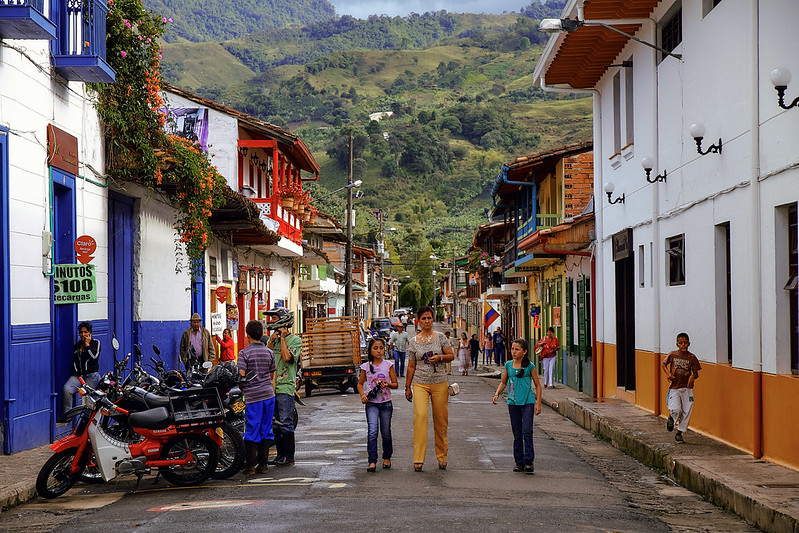 Colombia’s stratification system, originally created to fairly distribute utility subsidies, has shaped the classification of poverty in the country and it is now undergoing national reform. Launched in 1985 and solidified in the 1991 Constitution, the system divides neighborhoods into six socioeconomic levels. Authorities assign each area a stratum based on physical characteristics like road quality, construction materials and surrounding infrastructure. Strata 1 and 2 represent the poorest zones, while strata 5 and 6 represent the wealthiest. Strata 3 and 4 fall in the middle. Most classifications are the result of visual inspection, not household income.
Redistribution as a Barrier
The system’s intent was progressive. Higher strata would pay full or elevated rates for public services, effectively subsidizing lower-income households. Those in strata 1 and 2 receive discounts, while strata 3 and 4 are expected to pay market rates. But over time, the policy has increased inequality and distorted the measurement of poverty in Colombia, failing to reflect current economic conditions, thereby leading to mismatches. A struggling family in stratum 6 may pay full price, while a wealthy homeowner in a modest area may qualify for discounts.
A ScienceDirect study found that residents in middle-income Stratum 4 reported a higher quality of life than those in Stratum 6. It cited stronger community ties and a greater sense of safety. In lower strata, household income improved wellbeing, but in wealthier areas, social trust mattered more. The researchers concluded that Colombia’s current classification system may overlook the factors that actually improve people’s lives.
Outdated Metrics and Adverse Incentives
Poorer neighborhoods sometimes resist infrastructure upgrades to avoid reclassification and loss of benefits. In other cases, families face higher utility rates after a neighborhood improves, even if their income remains unchanged. Strata assignments have not kept pace with the country’s demographic shifts, rapid urbanization or population displacement from conflict. The result is a system that reflects outdated stereotypes more than present-day realities.
Strata affect more than just utility bills. Strata details appear on personal IDs and can influence access to bank loans, scholarships and job opportunities. “Stratum” has become a shorthand for class status—mocking someone as “estrato 8” (too rich) or “estrato 3” (unsophisticated) is common in daily speech. This reinforces classism, racial prejudice and territorial segregation.
According to the World Values Survey, as the BBC reported, Colombia ranks among the most socially distrustful countries in Latin America. During the 2021 protests, some residents in higher-income neighborhoods reportedly armed themselves against perceived threats from poorer communities. As noted by a 2024 Reuters report, many Colombians rarely interact with people outside their stratum. For wealthier residents, this makes it easy to ignore poverty altogether.
Colombia’s stratification system aimed to reduce inequality. Instead, it entrenched a modern caste order, where address often determines opportunity. These outcomes have prompted national efforts to rethink how Colombia targets poverty, from the delivery of public services to vulnerability assessment.
SISBÉN IV: A Data-Driven Alternative
The government’s primary tool for identifying and addressing poverty in Colombia is the System for Identifying Potential Beneficiaries of Social Programs (SISBÉN). It is a multidimensional classification system that evaluates households based on income, housing, health and education conditions. Its goal is to help social investment reach the most vulnerable populations.
SISBÉN IV, the latest version, classifies households into groups A through D, with Group A representing extreme poverty and Group D being nonvulnerable. The system shifts focus away from strata and toward individual vulnerability. It does not directly distribute aid, but it enables institutions like Prosperidad Social, ICBF and housing programs to allocate support more equitably. By relying on updated, verifiable data, SISBÉN improves targeting and reduces misclassification, helping ensure that those most in need are prioritized for public assistance.
Universal Income Registry: Replacing the Strata System
To modernize social policy, Colombia is preparing to launch the Universal Income Registry (RUI) in 2026. This system will eventually replace SISBÉN and the outdated strata model. Built on the Social Household Registry (RSH), the RUI will assess household vulnerability based on income, employment, education, housing conditions and health status. This reform will expand the national social registry from 35 million to up to 57 million people, creating a more accurate and unified platform for distributing subsidies.
- Identify subsidy-eligible families more accurately
- Maintain Colombia’s principle of social solidarity
- Reduce exclusion errors through real-time data
- Improve transparency and efficiency in public spending
This shift toward income-based classification marks a fundamental departure from geographic indicators like strata.
Housing Reform: Mi Casa Ya
The Mi Casa Ya program is Colombia’s primary housing subsidy initiative. It provides down-payment and interest subsidies to first-time homebuyers from vulnerable populations, based on their SISBÉN group rather than strata.
Recent reforms have expanded the program’s reach beyond major cities to include rural and Indigenous communities. In addition to income requirements, applicants must:
- Not own a home
- Not have received prior housing subsidies
- Meet minimum SISBÉN vulnerability thresholds
By using data to prioritize need, Mi Casa Ya makes homeownership more accessible and equitable for lower-income families.
A More Equitable Path
While Colombia’s stratification system has long reinforced inequality, reforms like SISBÉN IV, the Universal Income Registry and programs like Mi Casa Ya reflect growing efforts to reframe how the country defines vulnerability. These reforms reflect a shift in understanding and addressing poverty in Colombia, moving from geographic assumptions to individual need. By using data-driven tools, the country is working toward a more inclusive and equitable future.
– Jacobo L. Esteban
Jacobo is based in Cali, Colombia and focuses on Technology and Politics for The Borgen Project.
Photo: Flickr
